
Do Tarantulas Make Noise? The Truth About Hissing, Growling, and Stridulation
Published on: July 10, 2026 | Last Updated: July 10, 2026
Written By: Arlo
Tarantulas inhabit a world of profound silence, but break that quiet with startling, audible defenses that fascinate and inform the observant keeper. Many assume these spiders are mute, yet I’ve heard the sharp hiss of my OBT, Flash, and the dry rustle of my Goliath bird-eater’s stridulation. This article cuts through the myths to explain the how and why of tarantula sounds, from defensive rasps to the soft clicks of molting. If you listen closely, your tarantula might be telling you it feels threatened.
-
Quick Stats:
- Sound Origins: Most documented in defensive Old World species (e.g., Pterinochilus) and some large New World tarantulas.
- Primary Mechanism: Stridulation-ratching specialized bristles on chelicerae against pedipalps.
- Behavioral Context: Almost exclusively a threat display or reaction to perceived danger.
This guide will teach you to interpret these rare sounds, transforming a strange noise into a clear signal about your spider’s well-being and stress levels.
TL;DR: The Quick Answer on Tarantula Sounds
Tarantulas are anatomically incapable of producing vocal sounds like hisses or growls because they lack vocal cords and lungs. Any audible noise from a tarantula is mechanical, not vocal.
Key facts at a glance:
- No True Hissing: The idea of a hissing tarantula is a myth perpetuated by fiction; they cannot force air to create such a sound.
- Real Sound Mechanism: Some species create a rasping or buzzing noise through stridulation, which is the friction of body parts rubbing together.
- Behavioral Context: Stridulation is a defensive behavior, not communication. It serves as a warning.
- Rarity in Captivity: Hearing these sounds is uncommon; most tarantula keeping is a silent hobby.
Debunking the Myth: Tarantulas Don’t Hiss or Growl
Pop culture often sells a scary image of snarling arachnids, but in reality, a tarantula’s world is one of profound silence. They are acoustic ghosts in their enclosures, sensing the world through vibrations in their legs. Expert keepers debunk 11 pervasive tarantula myths, revealing the truth behind their behavior. This deeper look helps separate fact from fiction in the tarantula world.
The Source of the Sound: Stridulation Explained
Stridulation is a precise, mechanical act where a tarantula rubs modified setae (bristles) on its pedipalps or legs against granulated areas on its chelicerae. This produces a faint, dry rasp-think of the sound of coarse sandpaper on wood, not a living breath.
I recall one late-night rehousing of my OBT, Flash. When my tool nudged too close, he assumed a threat posture and I heard a brief, papery skitter-a textbook stridulation that filled the quiet room. It was a clear, non-verbal “stop.”
Why the Myth Persists and What You’re Actually Hearing
Many reported “hisses” are misidentified enclosure noises or the natural sounds of a large, heavy spider moving. A mature Theraphosa’s legs on dry substrate can create a surprising crunch.
- Substrate Rustle: Dry coconut fiber or leaf litter crackles under a tarantula’s weight.
- Fang Scrapes: During threat displays, fangs may tap against acrylic or glass.
- Urticating Hair Defense: My T. stirmi, Goliath, will kick hairs with a audible flicking sound, which is sometimes mistaken for a hiss.
Recognizing these sounds correctly prevents you from misinterpreting stress signals and allows for calmer husbandry. It reinforces why we observe, not interrupt.
Species-Specific Truths: Who “Talks” and Who Doesn’t
Stridulation is most associated with defensive Old World arboreals and some fast-growing fossorial species. New World tarantulas like my G. rosea virtually never produce these sounds, opting for hair-flicking instead.
Consider this comparative breakdown:
- Known for Stridulation: Genera like Pterinochilus (OBTs), Heteroscodra, and Stromatopelma.
- Typically Silent: Most Grammostola, Brachypelma, and Aphonopelma species.
- Sound Level: The noise is often faint, requiring a quiet room and close proximity to hear.
This behavioral split highlights the importance of researching your specific species to avoid expectations based on fiction. Your Chilean Rose Hair will express displeasure through stillness, not sound.
Husbandry Implications: Safety and Stress Reduction
If you do hear stridulation, treat it as a definitive warning to cease interaction immediately. The tarantula is signaling high stress and may next escalate to a bite or rapid flight.
My protocol is simple and born from experience:
- Freeze all movement.
- Slowly retreat your hands or tools from the enclosure.
- Allow the tarantula several hours, if not a full day, to calm down before any further maintenance.
Creating a low-stress, bioactive environment with deep substrate and ample hides minimizes the triggers for such defensive displays. Learning to read your tarantula’s body language helps you recognize stress and defensive signs before they escalate, guiding gentle, respectful care. A content tarantula is a silent one, going about its secretive business in the peaceful hum of your home.
The Real Mechanism: How Stridulation Creates Sound
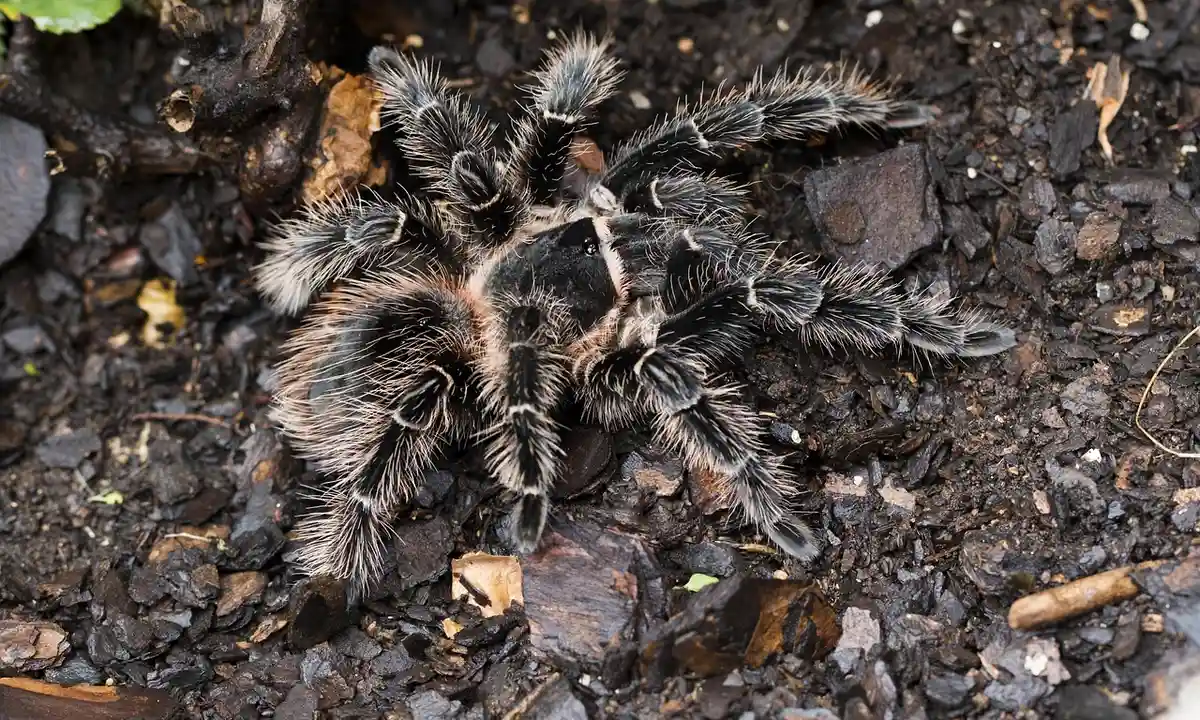
Forget vocal cords. A tarantula’s sound is a product of pure friction, a biological instrument played under duress. This act, called stridulation, transforms physical defense into an audible warning, a last-ditch effort to avoid a costly fight.
Anatomy of a Stridulating Organ
Not all tarantulas can stridulate, but for those that do, the apparatus is elegantly simple. Think of a violin and its bow. One body part has a series of finely ridged, stiff hairs or cuticular ridges—this is the pars stridens, or the “file.” Rubbed against this is a separate, hardened, pick-like structure called the plectrum or “scraper.” This is a neat example of tarantula anatomy 101, showing how specialized parts are built into the exoskeleton. By studying these components, you can understand basic body structure and how form supports function in tarantulas.
In many New World species, like my Burgundy Goliath (Theraphosa stirmi), these parts are on the pedipalps and the chelicerae (the bases of the fangs). When threatened, the tarantula rapidly rubs them together. The resulting vibration isn’t a true sound from the throat, but a high-frequency rasp or buzz transmitted through the air and the substrate you’re both standing on. It’s a tactile and auditory signal.
The Behavioral Trigger: When and Why They Stridulate
Stridulation is a defensive behavior, full stop. It is not a sign of contentment or casual communication. I’ve provoked it during necessary enclosure maintenance with my Old World tarantulas, like the OBT (Pterinochilus murinus). The trigger is almost always perceived predation.
- Direct Threat: A looming shadow, a paintbrush during rehousing, or an inquisitive predator. The sound is an acoustic startle display, meant to give pause.
- Final Warning: For many species, it’s the step between a threat posture and an actual bite. It says, “I am armed, I am agitated, and my next move is to strike.”
- Species-Specific: Old World tarantulas (from Africa, Asia) lacking urticating hairs often stridulate more readily as a primary defense. New World tarantulas might combine it with a flick of their irritating abdominal hairs.
Hearing it is a clear instruction to back off immediately; it means your tarantula is under severe stress and feels it has no other escape.
A Catalog of Tarantula Soundscapes
The hobbyist’s ear becomes attuned to a subtle symphony of enclosure noises. Discerning which are biological and which are environmental is key to understanding your pet’s wellbeing.
Stridulation: The Defensive Buzz
It’s not a hiss or a growl in the mammalian sense. The sound is a dry, rapid, rasping buzz. From my OBT, “Flash,” it’s a sharp, angry sizzle, like coarse sandpaper on wood, delivered with a lightning-fast threat posture. From a larger Theraphosa, it can be a lower, more palpable hum. You feel this sound as much as hear it, a vibration that travels up your tools and into your bones, delivering its message of “stop” with primal clarity.
Leg Tapping and Drumming: Substrate Vibration as Communication
This is quieter, subtler, and often misunderstood. A tarantula may rapidly tap its first two legs or pedipalps on the ground. In the wild, this is likely used for intersexual communication or territorial disputes, sending vibrations through the earth. In captivity, you might see it during feeding or exploration. To understand this behavior in context, learn more about common tarantula behaviors.
- Exploratory Tapping: Gentle taps used to sense the environment, like a blind person using a cane.
- Courtship Drumming: Mature males will perform a frantic, rhythmic drumming on a female’s web to identify themselves as a mate, not a meal. I’ve only witnessed this a handful of times, a silent, urgent dance.
This vibration-based “language” reminds us that tarantulas inhabit a sensory world profoundly different from our own, built on touch and tremor rather than sight and sound. By following a tapping guide to vibrational communication, researchers can begin decoding these signals and translating taps into meaningful behavior.
Other Captivity Sounds: What You’re Actually Hearing
Most sounds in your tarantula room have mundane origins. Learning to identify them prevents unnecessary panic.
- The Midnight Scrabbling: This is the most common “noise.” It’s the sound of eight tarsi (feet) on acrylic or glass as your tarantula patrols at night. It’s not aggression; it’s just traffic.
- Substrate Shuffling: The rustle of dry coco fiber or soil as they dig or rearrange their burrow. My G. rosea, Rosie, will spend hours perfectly molding her entrance with a sound like gentle pouring sand.
- Web Construction Clicks: When attaching silk lines, a tarantula’s feet can make faint clicking sounds as they detach from the sticky threads.
- The Dreaded Thud: A falling tarantula makes a distinct, heart-stopping sound. This is why we keep climbing species in enclosures with minimal vertical height, as a fall can be fatal, rupturing their delicate abdomen. I learned this lesson early after a juvenile’s thankfully minor fall.
Species Spotlight: Noisier Tarantulas in the Hobby
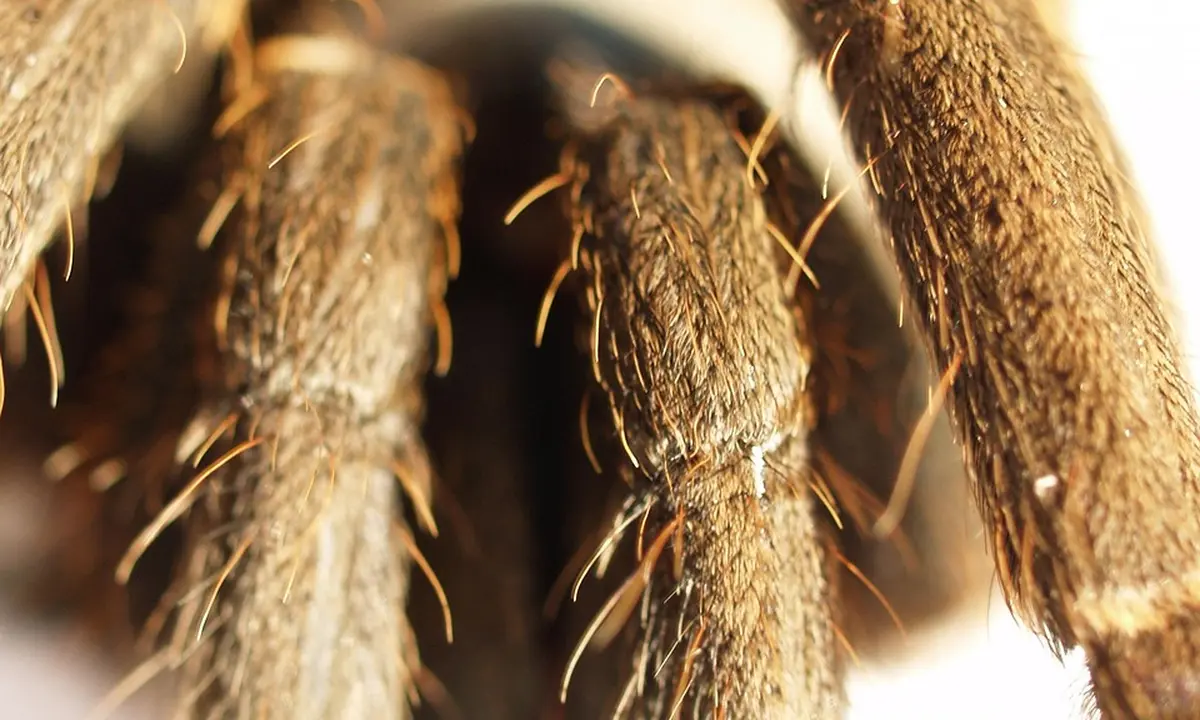
While most tarantulas are silent, a few genera have turned sound into a formidable part of their defense arsenal. These sounds are not chatter or communication; they are unambiguous warnings. Do tarantulas communicate beyond warnings—perhaps through stridulation or other signals? Researchers are investigating whether vibrations, taps, or other cues play a role in their interactions with rivals or mates.
The Old World Stridulators
Tarantulas from Africa and Asia, lacking urticating hairs, often employ sound and venom as primary deterrents. My own OBT, Flash, is a textbook example. During a necessary rehousing, the silence of the room was shattered by a sharp, sustained hiss as he assumed a threat posture. This stridulation is a clear, audible declaration that the animal perceives an existential threat. Genera known for this include:
- Pterinochilus (OBTs) and Heteroscodra (H. maculata): Their hiss is a dry, rasping sound, like stiff paper being torn slowly.
- Phormingochilus and Lampropelma: Arboreal species that can produce similar defensive stridulation when provoked.
- Haploclastus and Thrigmopoeus: Some Indian fossorial species are documented to stridulate loudly.
The New World Rumble
Some large terrestrial tarantulas from the Americas produce sound through different means. The Theraphosa genus (Goliath Bird Eaters) is famous for it. My T. stirmi, Goliath, has never truly hissed, but I’ve heard the so-called “growl.” This sound is created not by stridulation, but by the forceful rubbing of the pedipalps and first pair of legs against the chelicerae, a process called “cheliceral rattling.” It’s a lower, grittier noise, often accompanied by the iconic threat posture and frantic hair-flicking. It is impossible to ignore.
Interpreting Sounds for Better Tarantula Care
Reading the Room: Sound as a Behavior Barometer
Hearing your tarantula make noise is a direct line into its current state of mind. You are receiving high-priority data. A stridulating tarantula is one that is terrified, defensive, or cornered. Interpreting this sound correctly is the cornerstone of preventing a defensive bite or a stressful bolt for the animal. It is not a curiosity to be investigated; it is a command to stop, back away, and reassess. Ask yourself: Did my shadow pass over the enclosure? Is there a vibration from loud music? Am I poking or prodding during maintenance? This also ties into a common concern: will my tarantula bite me? Understanding pet tarantula behavior helps you answer that question and reduce bite risk by recognizing early stress cues and avoiding provoking actions.
Respecting the Signal: The “Look, Don’t Touch” Principle
This principle becomes non-negotiable when dealing with a species capable of sound. If your tarantula vocalizes, it has explicitly told you it does not want to be interacted with. Pushing past this signal is deeply disrespectful to the animal’s wellbeing. I treat any defensive sound as the final, unequivocal warning before the spider may feel compelled to bite or flee, and I immediately cease all activity causing the disturbance. The goal of ethical keeping is to observe natural behaviors, not to provoke defensive ones. This helps unpack the common misconception that tarantulas are inherently aggressive toward humans. In truth, most bites are defensive responses when the spider feels threatened. The few times Flash has hissed, I paused the entire procedure, gave him an hour of quiet, and approached again with even more caution and gentler tools.
Optimizing Husbandry to Minimize Stress Signals
The best care results in a quiet, secure tarantula. If you keep a species known for stridulation, your husbandry must prioritize their need for security to avoid triggering this stress response. To do proper care for advanced, rare tarantula species, research their species-specific needs and tailor enclosures accordingly. This careful, informed approach helps maintain security and reduces stress triggers in sensitive species.
- Provide Deep, Damp Substrate for Burrowers: For my T. stirmi, I maintain a minimum of 8 inches of moisture-retentive substrate (like a topsoil mix) to allow for natural digging and a stable, high humidity microclimate at depth.
- Offer Ample Cover and Anchor Points: For arboreal species, ensure a secure, vertical cork hide and plenty of anchor points for webbing. A well-webbed retreat is their fortress.
- Utilize Front-Opening Enclosures: Overhead access can feel like a predator attack. Front-opening enclosures allow for maintenance without invading the spider’s space from above.
- Schedule Maintenance During Inactivity: Perform feeding, watering, and spot-cleaning during the day when the tarantula is typically resting in its hide, minimizing direct confrontation.
Creating an environment where your tarantula feels utterly safe is the most effective way to ensure the only sounds you hear are the gentle rustle of substrate as it moves in the night. A silent tarantula is, nine times out of ten, a content tarantula.
FAQs
Is tarantula stridulation a sign of aggression?
Stridulation is a definitive defensive threat display, not casual aggression. It signals the tarantula feels severely threatened and cornered. You should interpret this sound as a final warning to back away immediately. It precedes more dangerous defensive actions like a bite or a frantic attempt to flee.
Where can I find a reliable tarantula stridulation video?
Search on video platforms using specific species names known for stridulation, such as “Pterinochilus murinus stridulation” or “Heteroscodra maculata hiss.” Reliable sources include channels run by experienced breeders and educational entomology accounts. Watching these videos can help you recognize the dry, rasping quality of the sound, which is very different from a vocal hiss.
What does a tarantula look like when it is stridulating?
A stridulating tarantula will typically be in a raised threat posture with its front legs and pedipalps elevated. You may see a rapid vibrating or rubbing motion where its pedipalps meet its chelicerae (near the fangs). The body is tense and oriented toward the perceived threat, and the behavior is often accompanied by other signs of stress like rapid movement. These are common signs your tarantula is stressed or feeling aggressive, and they can precede a more defensive strike. If you notice these cues, give it space and avoid handling.
Can all tarantula species stridulate?
No, stridulation is not a universal ability. It is most commonly documented in Old World genera (like Pterinochilus and Heteroscodra) that lack urticating hairs. Many popular New World species, such as those in the Grammostola and Brachypelma genera, are typically silent and rely on flicking urticating hairs for defense instead.
If my tarantula makes noise, does it mean I’m a bad owner?
Not necessarily. Hearing stridulation occasionally during necessary maintenance like rehousing is not uncommon with defensive species. However, frequent stridulation during routine care suggests your tarantula feels consistently threatened. It is a cue to reevaluate your husbandry approach, ensuring you provide ample hides and minimize intrusive disturbances.
The Silent Symphony
If you listen to your tarantula and hear nothing but the quiet movement of legs on substrate, you have succeeded. The single most important husbandry parameter for a quiet, content spider is a stress-free environment with perfect hides, correct moisture, and no sudden disturbances. A tarantula that feels secure has no need to stridulate.
Let the absence of sound be your reward. Shift your focus from hearing them to seeing everything else. Watch the meticulous engineering of a tunnel, the precise wrapping of a cricket, the patient ambush from a silken curtain. I once spent a year waiting for my rose hair, Rosie, to molt, finding joy in her stillness. This hobby is built on patient observation. Sit with them. Learn their rhythms. The greatest sound you will hear is the hush of contentment in a well-kept enclosure.
Further Reading & Sources
- Stridulation – Wikipedia
- Tarantula self-defence: the stridulation story – Steemit
- What tarantula’s stridulate? | Arachnoboards
Arlo is a lifelong arachnid enthusiast who believes tarantulas are the world’s most misunderstood roommates. With years of hands-on experience in tarantula care, habitat setup, and species behavior, Arlo combines expert knowledge with a dash of humor to make spider ownership less scary and a lot more fascinating. From choosing the right enclosure to understanding why your eight-legged buddy is doing that weird little pose again, Arlo is here to help you become the best tarantula parent you can be, without getting tangled in the web of misinformation.
Understanding Tarantula Behavior