
Are Tarantula Urticating Hairs Dangerous? Understanding the Real Risks
Published on: August 15, 2026 | Last Updated: August 15, 2026
Written By: Arlo
For many New World tarantulas, their most potent weapon isn’t fang or venom, but a cloud of nearly invisible, barbed hairs launched from their abdomen. This is a tarantula’s primary defense, a fascinating adaptation that every keeper must understand and respect. I’ve felt the fiery itch from my own T. stirmi, Goliath, and it taught me more about respectful husbandry than any book.
- Quick Stats:
- Origin: Exclusive to tarantulas of the Americas (New World).
- Type: Physical irritant, not venom.
- Growth Rate: Hairs are replaced after each successful molt.
This guide will walk you through the biology, real-world risks, and essential safety protocols to manage this unique defense, ensuring a safe environment for both you and your spider.
What Are Urticating Hairs? A Biological Defense Mechanism
Urticating hairs, known scientifically as setae, are a tarantula’s primary artillery. These are not the simple, fuzzy hairs that give them their teddy-bear look. They are modified, microscopic defense structures anchored in the tarantula’s abdomen.
Think of them as a biological minefield, launched to create a zone of discomfort between the spider and a perceived threat.
This is a purely mechanical defense; no venom is involved. The tarantula releases these hairs by rapidly rubbing its back legs against its abdomen, a behavior we call “kicking.” A cloud of nearly invisible, barbed filaments then fills the air. This defense is non-venomous. If a threat gets closer, the tarantula can bite and deliver venom, but the hairs act as the primary first line of defense.
- Key Term: Setae. These are the individual barbed hairs.
- Primary Function: To cause intense irritation to the skin, eyes, and respiratory systems of predators or curious hands.
- Common Behavior: In docile species like my Grammostola rosea “Rosie,” kicking is rare. In others, like heavy-haired New World species, it’s a first line of defense. My Theraphosa stirmi “Goliath” will kick at the slightest disturbance, making rehousing an operation requiring goggles and a mask.
The Structure and Purpose of Setae
Under magnification, urticating hairs reveal their genius. They are not smooth. Different species have different hair types, but many feature tiny, backward-facing barbs like microscopic harpoons.
These barbs are the reason the itch is so persistent and hard to remove; they mechanically anchor the hair into skin or mucous membranes.
This contrasts sharply with a bite. A bite is a last-resort, contact-based defense that injects venom. Kicking hairs is a long-range, area-denial tactic. It allows the tarantula to defend itself without risking physical combat. Witnessing this behavior is a clear signal: your tarantula is stressed and wants to be left alone. It’s one of the many common tarantula behaviors that indicate their emotional state.
How Tarantulas Use Their Hairs: The Defensive Kick
The sequence is fast and deliberate. When threatened, the tarantula will often rear up, presenting its abdomen. Its back legs begin a rapid, brushing motion against the abdominal hair patch, called the urticating patch. For visitors, it’s important to understand that these hairs can irritate skin and eyes. We’ll explain how they work here and how to stay safe.
This isn’t a gentle sweep; it’s a vigorous sandpaper-like action designed to dislodge hundreds of hairs at once.
I learned this intimately during a rehousing of Goliath. As I gently guided him into a new enclosure, a back leg flicked. I saw nothing, but a moment later, a faint, prickling sensation hit my forearms. A barely visible dusting of hairs had found their mark. The enclosure was silent, but the message was loud. This is why we work slowly, with deep respect for their space.
The Spectrum of Human Reactions: From Itching to Medical Concerns
Exposure to urticating hairs is almost a rite of passage for tarantula keepers, but reactions vary widely. The risk depends entirely on the exposure route: skin, eyes, or lungs. Some people may experience tarantula allergy symptoms such as itching, redness, swelling, or wheezing after contact with the hairs or occasional venom exposure. Hairs can become airborne and trigger allergic reactions even without a bite.
Most encounters result in temporary, manageable irritation, but understanding the full spectrum is key to safe husbandry.
| Exposure Route | Common Symptoms | Typical Severity |
|---|---|---|
| Skin Contact | Intense itching, red rash, burning sensation, raised welts (hives) | Mild to Moderate |
| Eye Exposure | Immediate pain, redness, excessive tearing, gritty feeling, light sensitivity | Moderate to Severe |
| Inhalation | Coughing, sneezing, tight chest, wheezing, throat irritation | Mild to Severe |
It is critical to differentiate between standard inflammatory irritation and a true allergic reaction, which is rarer but more serious. Allergic responses can involve pronounced swelling or breathing difficulties and require immediate medical attention.
Skin Contact: Irritation, Rash, and Contact Dermatitis
When those barbed hairs embed in your skin, your body recognizes them as foreign invaders. The result is a localized inflammatory response we often call “tarantula keeper’s itch.”
The barbs prevent the hairs from being easily wiped away, often requiring sticky tape or careful washing to remove them, which prolongs the discomfort.
The rash can look like a cluster of tiny red bumps or a more generalized area of redness. Sensitivity varies person-to-person and depends on the species. The hairs from a large Theraphosa like Goliath provoke a much stronger reaction in me than those from a smaller Grammostola would.
Eye Exposure: Risks of Conjunctivitis and Corneal Abrasion
This is the most serious common risk. A hair in the eye is not like an eyelash. The barb can scratch the cornea-the clear front of the eye-leading to a painful corneal abrasion.
If you get hairs in your eyes, do not rub them. Rubbing grinds the barbed hair deeper into the sensitive corneal tissue.
Instead, flush the eye immediately with copious amounts of clean water or saline solution. The initial sensation is a sharp, stinging pain followed by persistent redness and a feeling of having grit in your eye. This is why experienced keepers, especially those working with prolific kickers, will wear safety glasses. Forum stories of late-night emergency flushes are frequent cautionary tales.
Inhalation: Understanding Respiratory Irritation
During cage maintenance, dried, shed hairs can become airborne. Inhaling them brings the barbs into contact with the delicate lining of your nose, throat, and lungs.
For most, this causes a few hours of coughing and an itchy throat, much like mild seasonal allergies.
For individuals with pre-existing asthma or other respiratory conditions, the reaction can be more pronounced, triggering wheezing or a feeling of chest tightness. The simple solution is to work in a well-ventilated area, lightly mist the enclosure substrate before cleaning to settle hairs, and consider wearing a basic dust mask when servicing the enclosures of known hair-kickers.
Prevention is Key: Reducing Exposure in Daily Care
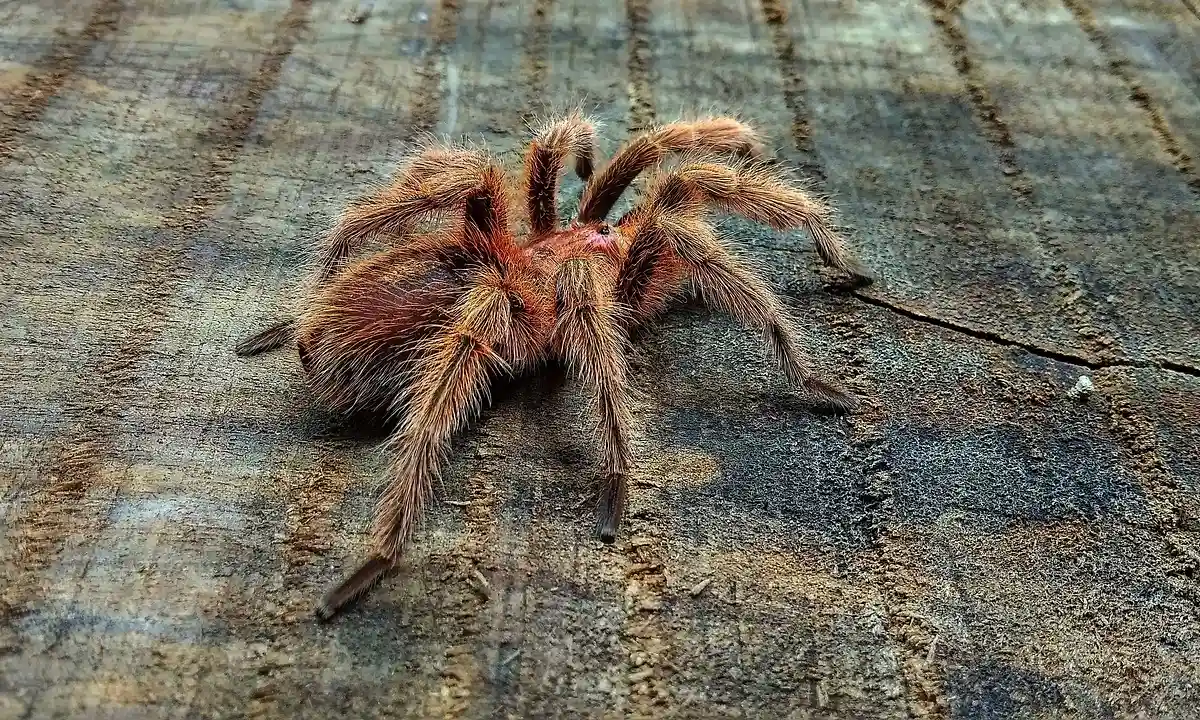
Respectful tarantula care centers on observation, not interaction. The most effective way to avoid urticating hairs is to embrace a “look, don’t touch” philosophy, which minimizes stress for the animal and risk for you. My 15-year-old Chilean Rose Hair, Rosie, is a testament to this; she thrives as a display animal, and our rare, cautious interactions are the exception that proves the rule. For prolific hair-kickers like my Burgundy Goliath Bird Eater, proactive husbandry is non-negotiable. Curly hair tarantulas require even more attentive care, as their temperament differs from Rosie’s.
- Always work over a clean, open surface like a large plastic tub when opening the enclosure, creating a contained area in case of a sudden retreat or hair kick.
- Use long, soft-tipped tongs for all maintenance tasks like removing prey remains or adjusting water dishes to maintain a safe distance.
- Wear a simple dust mask and safety glasses during any deep cleaning session, as hairs can become airborne with surprising ease.
- Wash your hands and forearms thoroughly with cool water and soap after any enclosure contact, before touching your face or eyes.
- For species known for hair kicking, consider a front-opening enclosure to minimize reaching over the tarantula’s space, reducing the chance of a defensive response.
Safe Handling and the “Look, Don’t Touch” Ethos
Handling provides no benefit to the tarantula and introduces significant risk. If you feel you must handle your tarantula, the process must be deliberate, calm, and entirely focused on the animal’s safety. I have a personal rule: only my placid G. rosea, Rosie, is ever considered for handling, and only when she is already out in the open and calm. My OBT, Flash, or my T. stirmi, Goliath, are never handled due to their defensive natures and potent hairs. When people ask which tarantula species are best for handling and why, the blunt answer is that there are no truly ideal handling species; welfare should come first. If handling must occur, choose the calmest individuals and keep the sessions brief and controlled.
Should you proceed, follow these steps. Sit on the floor over a soft, padded surface free of cracks or furniture. Gently coax the tarantula onto your open palm with a soft brush, letting it walk on its own terms. Keep your hand low and movements fluid. Gloves are not recommended; they reduce dexterity and can snag delicate legs, potentially causing a fall. This is a safe, step-by-step guide to handling and holding your pet tarantula. Following these steps helps ensure safety for both you and your spider. The tarantula’s welfare must always come before our desire for contact.
Enclosure Hygiene and Minimizing Airborne Hairs
Cleaning does not require a full substrate change often, which helps contain hairs in one area. Spot cleaning with a damp paper towel is your best tool, as the moisture traps loose hairs and prevents them from floating into the air. For more thorough maintenance, work in a well-ventilated room, wear a mask, and lightly mist the substrate surface with water before gently sifting. In my bioactive setups for species like Goliath, the clean-up crew helps break down waste, but I still use damp towels to wipe down hardscape where hairs accumulate. This method keeps the environment healthy without creating a cloud of irritation.
First Aid and Treatment: Responding to Exposure
Even with perfect care, exposure can happen. Immediate and correct response drastically reduces discomfort and prevents complications. Do not rub the affected area, as this drives the barbed hairs deeper into skin or corneal tissue. The following steps are based on both medical guidelines and years of community experience managing these incidents.
Step-by-Step First Aid for Skin and Eye Contact
For skin exposure, the goal is mechanical removal of the hairs. Use sticky tape like duct or packaging tape, pressing it gently onto the skin and peeling it away to lift out the embedded hairs. Repeat with fresh tape strips until no more hairs are removed. Follow with cool water washing and a gentle soap. Pat the area dry and apply hydrocortisone cream to manage the histamine reaction and itching. An oral antihistamine can help if the reaction is widespread.
Eye exposure is a more serious situation. Immediately begin flushing the eye with sterile saline solution or lukewarm, clean water for at least 15 minutes, holding the eyelids open. Use an eyecup or gentle stream from a faucet. Do not rub the eye under any circumstances. After flushing, seek professional medical attention from an urgent care clinic or ophthalmologist promptly, even if irritation seems to subside. The hairs can embed in the cornea and cause ongoing damage.
When to Seek Professional Medical Help
Most skin reactions are manageable at home, but certain symptoms demand a doctor’s evaluation. Difficulty breathing, wheezing, or tightness in the chest indicates a potential respiratory or severe allergic reaction and requires immediate emergency care. Other red flags include a rash that spreads rapidly or becomes severely inflamed, pus-filled blisters suggesting infection, or eye pain that persists after thorough flushing. It is always better to err on the side of caution when dealing with a foreign body in the eye or respiratory distress.
Species Variability: Not All Urticating Hairs Are Equal
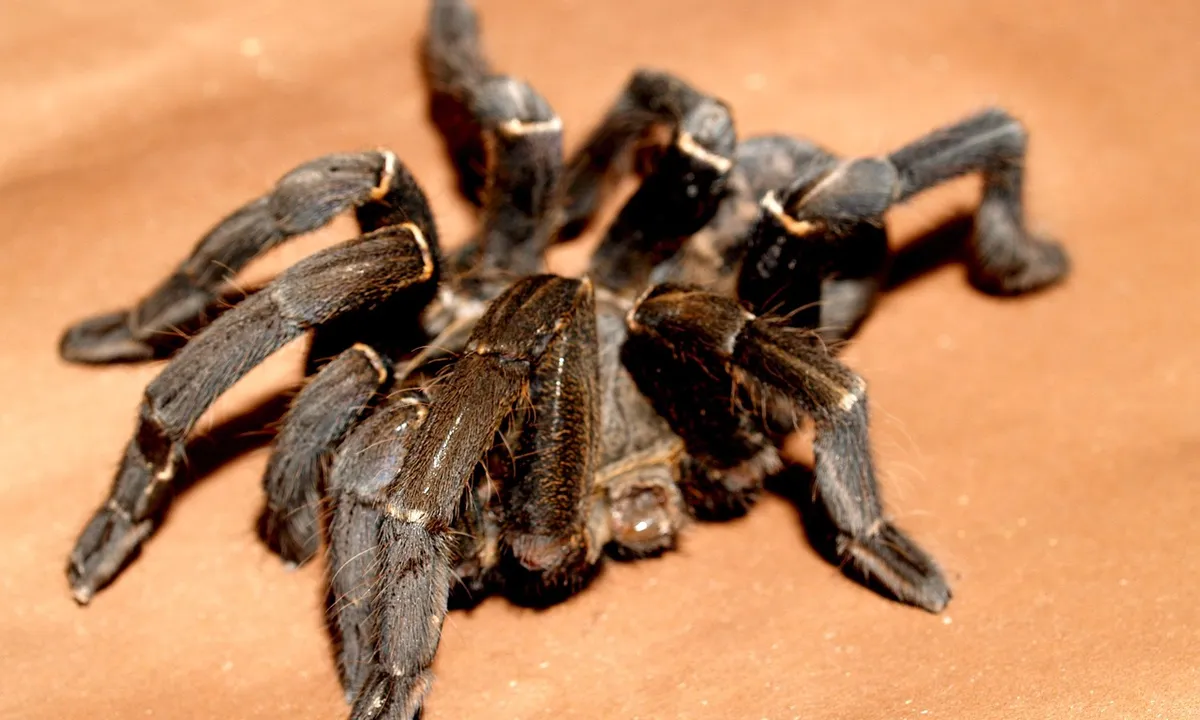
Think of urticating hairs as a diverse arsenal. Their shape, size, and chemical makeup differ wildly between tarantula genera, leading to vastly different human reactions. People often ask which is more dangerous: urticating hairs vs bites. The danger depends on species, exposure, and individual sensitivity. Morphology dictates potency; a hair built like a microscopic harpoon is far more problematic than one resembling a simple bristle.
Scientists categorize them into six types (I-VI). For keepers, knowing the basics of Types I, III, and IV is most practical. Type I hairs are short and spike-like. Types III and IV are the ones to respect-long, backward-facing barbs designed to lodge in skin and mucus membranes. My Theraphosa stirmi, Goliath, launches dense clouds of Type IV hairs. A single encounter left my forearms burning and itchy for over a week. In stark contrast, my Grammostola rosea, Rosie, possesses Type III hairs. Her defense is a half-hearted, gritty cloud that typically causes only mild, fleeting irritation on my skin.
These hairs are a primary New World defense. Crucially, males retain their full complement after their ultimate molt. While a mature male’s focus shifts to roaming for mates, the hardware remains. A provoked male Brachypelma or Aphonopelma can certainly still kick hairs.
Common Pet Tarantulas and Their Hair Types
This table separates general risk levels. Remember, individual sensitivity varies, and any hair in the eyes or lungs is a serious medical event.
| Species (Common Name) | Origin | Urticating Hair Type | Typical Reactivity | Notes |
|---|---|---|---|---|
| Brachypelma hamorii (Mexican Red Knee) | New World | III | Moderate | Classic pet tarantula; frequent kicker. |
| Theraphosa stirmi (Burgundy Goliath) | New World | IV | High | Potent, numerous hairs. My specimen, Goliath, is prolific. |
| Grammostola rosea (Chilean Rose) | New World | III | Low-Moderate | Often docile, like my Rosie; hairs are less reactive for many. |
| Aphonopelma chalcodes (Arizona Blonde) | New World | II | Low | Rarely kicks; hairs are less barbed. |
| Pterinochilus murinus (Orange Bitey Thing/OBT) | Old World | None | N/A | Relies on speed, threat posture, and medically significant venom. My spider, Flash, has no urticating hairs. |
| Poecilotheria spp. (Ornamental Tarantulas) | Old World | None | N/A | Potent venom; no urticating hairs. |
Old World tarantulas (from Africa, Asia, Australia) generally lack urticating hairs entirely, evolving instead toward potent venom and lightning speed. This is a fundamental husbandry distinction. Working with my OBT, Flash, demands respect for a different kind of danger—one rooted in their venom and behavior.
Do Male Tarantulas Have Urticating Hairs?
Yes, almost universally. The physical structures (the urticating patches on the abdomen) develop in earlier instars and remain through maturity. A male tarantula carries his hairs for life, but his willingness to use them often diminishes as an adult.
The reason is behavioral, not anatomical. An adult male’s singular biological drive is to find a female. He becomes a wanderer, often skipping meals and avoiding prolonged confrontations. Flight overrides fight. I’ve rehoused mature males that opted to sprint rather than kick. That said, corner him or handle him clumsily, and those abdominal patches are fully operational. For breeders introducing pairs, the male’s potential to flick hairs at a defensive female is a real consideration. The risk is lower, but the mechanism is intact.
FAQs
How should I treat skin exposure to urticating hairs?
For skin contact, immediately use sticky tape like duct tape to gently lift the barbed hairs from the surface. Wash the area with cool water and mild soap, then apply hydrocortisone cream to reduce itching and inflammation. If the reaction is severe or widespread, consider taking an oral antihistamine and consult a doctor if symptoms persist or worsen.
Where can I find videos demonstrating urticating hairs?
Search on YouTube or educational platforms using terms like “tarantula kicking hairs” or “urticating hairs slow motion” to see demonstrations. These videos often show the defensive behavior and hair clouds, helping keepers understand the risks visually. Always watch from reputable channels focused on tarantula care to ensure accurate information.
What do tarantula keepers on Reddit recommend for preventing hair exposure?
On subreddits like r/tarantulas, experienced keepers emphasize using front-opening enclosures and working over a contained area to minimize disturbance. They advise wearing safety glasses and a dust mask during maintenance, especially for prolific kickers. Many also suggest misting the enclosure lightly before cleaning to settle airborne hairs and reduce inhalation risks.
What are the different types of urticating hairs and which are most potent?
Urticating hairs are categorized into types I through VI based on morphology, with Types III and IV being the most concerning for keepers. Type IV hairs, found in species like Theraphosa, have long barbs that cause intense, lasting irritation. Type III hairs, common in Brachypelma, are also barbed but may provoke milder reactions depending on individual sensitivity.
Long-Term Success
For species equipped with urticating hairs, like my Theraphosa stirmi, Goliath, husbandry must prioritize minimizing stress to prevent that defensive cloud. The most important parameter is consistently high humidity—aim for 75-80% humidity for moisture-dependent giants—as a hydrated, content tarantula feels less threatened and is far less likely to deploy its itchy arsenal. Temperature control is the other half of the equation for many popular tarantula species. Use a thermostat-controlled heat source to keep enclosures within species-specific ranges (often around 24-27°C for tropical, high-humidity giants). A damp substrate and a full water bowl are non-negotiable for their health and your comfort.
Shift your focus from potential hazards to observed behaviors. Find a quiet moment to watch your tarantula’s world: the deliberate placement of silk, the careful excavation of a burrow, the poised ambush. This patient observation is the core of the hobby, revealing that the most rewarding interactions require no handling at all, just respectful attention. Your spider’s natural rhythms, seen from a safe distance, are the true mark of a successful keeper.
Further Reading & Sources
- Urticating hair – Wikipedia
- r/tarantulas on Reddit: What do urticating hairs feel like?
- The Tarantula Owners’ Guide To Urticating Hairs
Arlo is a lifelong arachnid enthusiast who believes tarantulas are the world’s most misunderstood roommates. With years of hands-on experience in tarantula care, habitat setup, and species behavior, Arlo combines expert knowledge with a dash of humor to make spider ownership less scary and a lot more fascinating. From choosing the right enclosure to understanding why your eight-legged buddy is doing that weird little pose again, Arlo is here to help you become the best tarantula parent you can be, without getting tangled in the web of misinformation.
Tarantula Myths and Misconceptions