
Venomous vs. Non-Venomous Tarantulas: Which Species Bite?
Published on: September 12, 2026 | Last Updated: September 12, 2026
Written By: Arlo
In my decade and a half with tarantulas, I’ve observed that public fear fixates on fangs, but the reality of a ‘bite’ is deeply tied to a spider’s geography and temperament. This article separates anecdote from arachnology, giving you the clear facts on venom potency and defensive behaviors across species. For the keeper, the most critical divide is between New World tarantulas, which primarily use irritating abdominal hairs, and Old World tarantulas, which often rely on more potent venom and swift, defensive strikes.
- Origin: New World (The Americas) versus Old World (Africa, Asia, Australia).
- Primary Defense Mechanism: Urticating hairs (New World) versus venom and speed (Old World).
- Relative Venom Potency: Typically mild for humans (New World) to more medically significant (Old World).
This guide will provide the specific context you need to understand bite risks, from the placid Chilean Rose Hair to the formidable Mombasa Starburst Baboon, ensuring you can foster a secure environment for both spider and keeper.
Are All Tarantulas Venomous? The Basic Truth
Every single tarantula possesses venom glands and fangs designed to deliver it. The biological truth is that a tarantula without venom would be incapable of predating its natural food sources, making venom a universal and non-negotiable trait of the group Theraphosidae. The crucial distinction for keepers lies not in its presence, but in its intended purpose and its potential effect on humans.
Venom Function in Tarantulas
We must shift our perspective from “venomous creature” to “specialized predator.” Venom is a digestive tool first and a defensive weapon second. When my Rosie or Goliath strikes a cricket, enzymes in the venom begin liquefying the prey’s insides, allowing the tarantula to suck up the resulting nutrient slurry.
Defensive bites toward humans are almost always a last resort, a costly act of desperation for the spider that expends precious venom and risks injury. Bites usually reflect a perceived threat rather than aggression. Understanding these causes guides prevention: minimize handling, provide secure enclosures, and avoid sudden movements. In my years of breeding, I’ve been bitten only during rehousing accidents, moments where the animal felt truly trapped. The tarantula’s primary goals are to eat, molt, and avoid conflict.
Tarantula Venom Potency: A Spectrum of Effects
Imagine venom potency as a sliding scale from “mildly irritating” to “medically significant.” For the vast majority of species kept, the effects on a healthy human are comparable to a bee sting in pain and duration. Localized pain, redness, and itching for a few hours are common. Severe reactions are exceptionally rare and typically linked to individual allergies, not inherent venom toxicity.
Factors Influencing Venom Strength
- Species Genetics: This is the primary factor. Evolution has shaped venom composition for specific ecological niches.
- Individual Variation: Like people, each spider is unique. Venom yield and exact composition can vary.
- Recent Use: A tarantula that just subdued a large meal may have less venom available, potentially leading to a “dry” or milder bite.
- Size and Age: Larger spiders deliver more venom volume. A mature spider’s venom is often more potent than a sling’s.
Old World vs. New World Tarantulas: A General Rule
This geographical divide offers the most practical guideline for understanding defensive behavior and risk. My Old World tarantula, Flash the OBT, exemplifies one side of this evolutionary split.
Old World Tarantulas (from Africa, Asia, Australia) like Pterinochilus murinus (OBT) or Heteroscodra maculata lack urticating hairs. Their primary defense is speed, a threat posture, and a bite that tends to be more potent. Their venom often contains different compounds, which many keepers report cause more intense, longer-lasting localized pain and muscle cramps. They are not “deadly,” but their bite is considered a more serious event that demands respect and caution. In discussions of which tarantula species are considered the most venomous or deadliest, Old World species like Pterinochilus murinus and Heteroscodra maculata are frequently cited for their potent venom. Yet, even there, bites are rarely fatal to healthy individuals and serious medical care is usually sufficient.
New World Tarantulas (from the Americas) like my Grammostola rosea or Theraphosa stirmi possess urticating hairs on their abdomen. These barbed hairs, which Goliath kicks readily, are their first line of defense. Faced with a threat, a New World tarantula will almost always kick hairs or flee long before considering a bite. Their venom is generally milder for humans, but the urticating hairs can cause significant skin and eye irritation, which is often the greater nuisance in husbandry. When comparing risks, the urticating hairs are often the bigger danger to humans, causing skin irritation and potential eye injury. Bites are less common and typically less troublesome, though they can be more dangerous for individuals with allergies or severe reactions.
The rule is a helpful framework, but never an absolute guarantee. A provoked and cornered Chilean Rose Hair can and will bite, and individual sensitivity varies. This is why the “Look, Don’t Touch” philosophy is universal-it protects both you and the animal from unpredictable stress.
Identifying Tarantulas with Higher Bite Risk
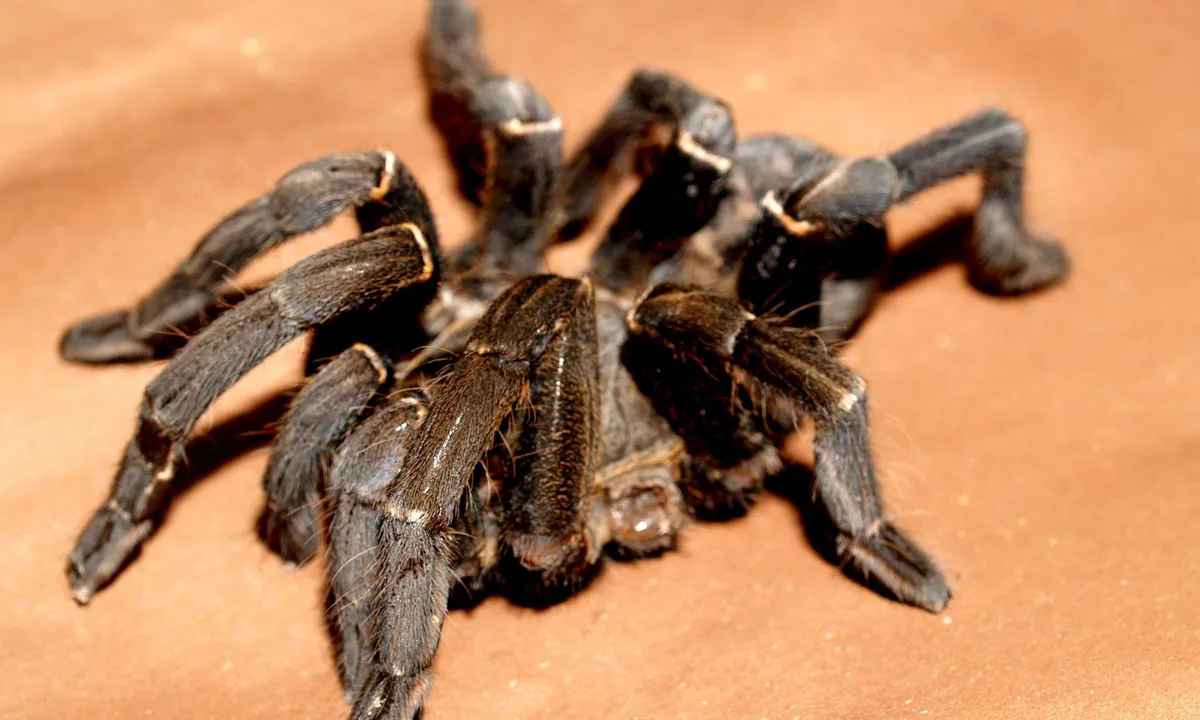
Not all tarantulas pose the same bite risk. Three key factors—species origin, venom potency, and defensive behavior—create a spectrum of hazard you must respect. My years breeding and observing these animals have taught me that assuming any tarantula is always docile is a mistake. Designing a safe habitat with proper space, hides, and climate control helps reduce stress and minimize bite risk. Knowing each species’ needs informs enclosure choices that lessen defensive responses.
Old World Tarantulas: Speed and Potency
Tarantulas from Africa and Asia lack urticating hairs. This evolutionary trade-off means they rely on lightning-fast reflexes and more potent venom for defense. They often prefer to flee or deliver a warning bite with little hesitation.
Orange Baboon Tarantula (Pterinochilus murinus)
My own OBT, Flash, is a perfect example of high bite risk. That bright orange carapace is a natural warning sign, signaling a defensive animal with medically significant venom. During one rehousing, Flash moved from its cork bark to the side of the bin in a blur of motion, a silent strike that reminded me to always use a catch cup.
Key risk factors for OBTs:
- Explosive speed makes them hard to predict or contain.
- They are highly defensive, rarely assuming a passive posture.
- Their venom can cause intense local pain, severe muscle cramping, and hours of discomfort.
- They web heavily, creating a complex, defended space they will protect.
Asian Fossorial Species (Haplopelma spp.)
Species like the Cobalt Blue (Haplopelma lividum) live in deep burrows. Their fossorial nature makes them reclusive, but a disturbed specimen can emerge with terrifying speed and aggression. I treat their enclosures with the same caution as a wasp’s nest.
Handling considerations for Haplopelma:
- Provide a deep, damp substrate layer of 8-12 inches to allow natural burrowing.
- Maintain humidity between 70-80% to support their health.
- Use long tongs for all maintenance; never reach into the enclosure.
- Plan rehousing meticulously with multiple large catch cups ready.
Notable New World Exceptions
New World species from the Americas typically have milder venom and urticating hairs. However, some genera have evolved defensive strategies that include faster movement and a greater willingness to bite. My Burgundy Goliath (T. stirmi) will readily kick hair, but its large fangs mean a bite is a real possibility if it feels cornered.
New World species that demand extra caution:
- Psalmopoeus species (e.g., P. irminia): Often called “Old World in New World clothing” for their speed and defensive posture. Their bite is notably more painful than a typical rose hair’s.
- Tapinauchenius species: Arboreal and exceedingly fast, they often choose to bolt or bite rather than kick hairs.
- Large Theraphosa species (T. stirmi, T. blondi): Their immense size means a mechanical bite can be severe, and some individuals have a short fuse.
Observe your individual spider’s behavior. A normally calm species can have a defensive specimen, so always let the animal’s actions guide your care routine.
Tarantula Bite Symptoms and Essential First Aid
Even perfect husbandry cannot eliminate all risk. Preparing for a bite means knowing what to expect and how to react calmly and effectively. I keep a first aid kit specifically for my tarantula room, though I’ve been fortunate to never need it seriously.
Common Bite Symptoms
Symptoms depend on the species and your personal physiology. Old World bites frequently cause systemic effects like muscle cramps, while New World bites often remain localized but can still be intensely painful.
- Immediate sharp pain: Similar to a wasp sting, lasting from minutes to over an hour.
- Localized swelling and redness: The area around the fang punctures may become inflamed and warm.
- Muscle cramps or spasms: A hallmark of many Old World venoms; can affect the bitten limb or back muscles.
- Headache, nausea, or mild fever: These systemic reactions indicate the venom is spreading.
- Throbbing or itching: Can develop hours later as the site continues to react.
Severe allergic reactions are rare but possible. If you experience difficulty breathing, chest tightness, or dizziness, seek emergency medical care without delay.
Step-by-Step First Aid Response
If a bite occurs, your priority is to care for the wound and monitor for escalation. Staying calm slows your heart rate, which can help slow the spread of venom. Follow these steps in order.
- Wash the bite site thoroughly. Use mild soap and warm running water to reduce infection risk from bacteria on the fangs.
- Apply a cold compress. Wrap an ice pack in a thin cloth and hold it on the area for 10-15 minutes to reduce swelling and pain.
- Elevate the affected limb. Keep an arm or leg raised above heart level to minimize swelling.
- Take an over-the-counter pain reliever. Medications like ibuprofen or acetaminophen can manage pain and inflammation.
- Monitor for 24 hours. Note any changes in symptoms, especially increased swelling, pain spreading, or signs of infection.
- Seek professional medical attention if symptoms are severe or worsen. Always inform the doctor of the tarantula’s scientific name and, if possible, a photo.
After the incident, reassess your husbandry practices. This ‘Look, Don’t Touch’ philosophy isn’t just for the tarantula’s well-being; it is the most effective way to keep you safe from a bite. Use tools, not hands, for all interactions.
Why Bites Are Rare: Understanding Tarantula Defense

Behaviors That Precede a Bite
Tarantulas are not aggressive; they are defensive. A bite is a last resort. Most species scream their warnings through body language long before fangs appear. Watch for the raised front legs and angled carapace of a threat posture. Listen for the startling hiss of air expelled from book lungs in Old World species. Notice the frantic, abrasive rubbing of back legs against the abdomen, launching clouds of irritating hairs.
My OBT, Flash, illustrates this perfectly. Open his enclosure, and he immediately pivots, presenting that bright orange abdomen and lifting his front legs high. This vivid display is a clear “stay back” signal, not an invitation to interact. My burgundy Goliath prefers a hair-kicking barrage, while my old rose hair, Rosie, simply tucks her legs and becomes a silent, dusty pink stone.
Understanding these cues is your first layer of safety. The strike itself is a blur-a lightning-fast downward jab followed by immediate retreat. Recognizing pre-bite behaviors allows you to de-escalate the situation simply by stepping away.
Minimizing Stress to Avoid Defensive Reactions
Stress triggers defense. Think of vibrations from loud music, sudden bright light flooding a dark hide, or the jarring motion of an enclosure being lifted. Your goal is to create a calm, predictable environment. I keep my tarantula room quiet and avoid overhead lights, using a soft, directed flashlight for brief checks.
Feed on a consistent schedule, but never force it. Rosie has taught me that a fasting tarantula is often a content one. Respecting their natural rhythms-like seasonal fasting or pre-molt seclusion-dramatically lowers their stress levels. For moisture-dependent species like Goliath, I maintain humidity with a deep, damp substrate corner instead of frequent misting, which can startle them.
Limit enclosure intrusions to essential maintenance. Every unneeded probe is a minor earthquake in their world. I design habitats that need minimal fiddling, so my spiders can live undisturbed. This “look, don’t touch” philosophy isn’t just for your safety; it’s the cornerstone of respectful, low-stress husbandry.
Safe Care Practices to Prevent Bites
Enclosure Design for Safe Interaction
Your tarantula’s home should meet its needs so you rarely need to enter. Start with secure, locking lids-my fast spiders like Flash are escape artists. Provide ample hide options: cork bark flats, half-logs, or deep substrate for burrowers. This gives them a secure retreat, reducing their perceived need to defend open space.
For my heavy-haired kicker Goliath, I use a front-opening enclosure. This lets me service his space without reaching over his head, a major trigger for defensive reactions. Strategic enclosure design acts as a passive safety system, placing barriers between you and the spider’s defensive instincts. For web-heavy species, include plenty of anchor points like fake plants or branches to encourage webbing away from the lid’s opening.
Choose substrate depth based on behavior. My fossorial species get 8-10 inches of packed, moist coconut fiber to tunnel in. A tarantula with a deep, secure burrow feels less exposed and is far less likely to react defensively during spot-cleaning. Always use long, soft-tipped tongs for removing boluses or adjusting decor.
The Safe Rehousing Process
Rehousing is the highest-risk routine task. Never use your hands. The key tools are clear plastic deli cups, a large catch cup, a sturdy paintbrush, and long tweezers. Always perform this over a large, empty bin to contain any falls or sudden sprints.
My method involves gentle guidance, not force. For my defensive OBT, Flash, I use the “cup and slide” technique. I slowly place a large cup over him where he sits, slide a firm card underneath, and securely cap it. Patience is your most vital tool; rushing guarantees a stressed spider and a risky situation. For more docile species like Rosie, I often gently herd them into an open deli cup using the paintbrush.
Prepare the new enclosure completely first-substrate packed, hides in place, water bowl filled. This lets you transfer the spider and immediately secure the lid, minimizing the time it spends in the open. A successful rehouse is a quiet, calm event where the spider feels guided, not chased. I’ve found that after moving, my tarantulas often explore their new space within minutes, a sign of minimal trauma.
Choosing a Beginner-Friendly Pet Tarantula
Stepping into the world of arachnoculture is thrilling, but your first choice of species sets the tone for your entire experience. A beginner-friendly tarantula is not about being “safe to handle,” but about offering a forgiving, predictable, and observable window into arachnid life with minimal risk to you and the animal. My first tarantula, Rosie the Chilean Rose Hair, taught me patience through her famous fasting strikes, a lesson far more valuable than any fleeting interaction.
What Makes a Species “Beginner-Friendly”
We judge a species’ suitability for newcomers by a clear set of behavioral and physiological traits. These factors combine to create a robust, low-stress environment for both keeper and spider.
- Predictable Temperament: These tarantulas tend toward calmness or slow movement. They are more likely to retreat or posture than to launch a lightning-fast strike or bolt. Think of my Rosie’s “pet rock” demeanor versus Flash the OBT’s defensive readiness.
- Hardy Physiology: Beginner species tolerate a wider range of humidity and temperature fluctuations common in household environments. They are less prone to dehydration or fungal issues from minor husbandry errors.
- Manageable Defenses: While all tarantulas possess venom and most have urticating hairs, beginner species often have less potent venom (medically insignificant to humans) and may be less prone to hair-flicking. My T. stirmi, Goliath, is a hair-flicking champion and would be a poor first choice.
- Visible Behavior: A good starter tarantula often spends time in the open, allowing for easy observation of feeding, webbing, and grooming rituals without constant burrowing.
Top Recommended Species for New Keepers
Based on years of breeding and keeping, these species consistently provide a successful entry point into the hobby. Their care requirements are straightforward and their behaviors are fascinating to watch unfold.
Chilean Rose Hair (Grammostola rosea/porteri)
The classic first tarantula for decades, and my own inaugural species. Their legendary tolerance for beginner errors is matched by an equally legendary, sometimes frustrating, tendency to refuse food for months on end. That dusty pink carapace is a familiar, beautiful sight. They thrive on neglect: a dry enclosure with a water dish and deep substrate is perfect.
Curly Hair Tarantula (Tliltocatl albopilosus)
If the Rose Hair is the stoic professor, the Curly Hair is the enthusiastic, fuzzy apprentice. This species combines a docile nature with a hearty appetite and captivating terrestrial activity, often seen remodeling its burrow with great diligence. Their bronze and gold curls catch the light beautifully. They appreciate slightly more moisture than a Rose Hair but are equally forgiving.
Mexican Red Rump (Tliltocatl vagans)
A personal favorite for its striking contrast and robust nature. The jet-black body serves as a dramatic backdrop for the startling, rusty-red abdomen, a display of color that deepens with each successful molt. They are enthusiastic eaters and builders, often creating extensive burrow systems webbed with silk. They are typically calm but can be quick, so rehousing requires focus.
Chaco Golden Knee (Grammostola pulchripes)
This species is the quintessential showpiece beginner tarantula. Their impressive size, slow growth rate, and breathtaking black-and-gold striped knees make them a patient keeper’s ultimate reward. They are often seen posed regally at the entrance of a burrow. Their care is simple: dry substrate, a hide, and a water dish. Their deliberate movements make observation easy and stress-free.
| Species | Key Temperament | Typical Humidity | Primary Defense |
|---|---|---|---|
| Chilean Rose Hair | Docile, often immobile | Dry (40-50%) | Urticating hairs, rare bite |
| Curly Hair | Calm, occasionally skittish | Moderate (50-60%) | Urticating hairs |
| Mexican Red Rump | Calm but fast when provoked | Moderate (55-65%) | Urticating hairs |
| Chaco Golden Knee | Patient, slow-moving | Dry to Moderate (45-60%) | Urticating hairs |
Remember, “beginner-friendly” does not mean “interaction-friendly.” The profound joy of keeping these animals comes from creating a perfect slice of their world and witnessing their natural behaviors in the silence of their enclosure, not from forcing contact. Start with one of these resilient, captivating species, master their basic care, and you will build the confidence and respect needed for a lifelong hobby.
## Common Questions
Are venomous Old World tarantulas more likely to bite than New World species?
Yes, Old World tarantulas are generally more prone to bite defensively. This is because they lack urticating hairs and have evolved to rely on speed and a more potent bite as their primary defense. They often exhibit a lower threat tolerance and faster defensive reflexes, making a bite a more likely response to a perceived threat compared to a hair-flicking New World species.
What are the long-term effects of a tarantula bite?
For the vast majority of healthy adults, there are no long-term effects from a tarantula bite. Symptoms like localized pain, swelling, and muscle cramps typically subside within hours to a couple of days. People often ask how much a tarantula bite hurts and what symptoms to expect. Knowing typical pain levels and localized symptoms can help distinguish a minor bite from a more serious reaction. Long-term issues are extremely rare and are usually associated with secondary bacterial infection from improper wound care or an exceptional individual allergic reaction.
Should I ever handle a tarantula known to have medically significant venom?
No, you should never intentionally handle a tarantula with medically significant venom. The “look, don’t touch” philosophy is essential for these species. Handling provides zero benefit to the animal and significantly increases the risk of a defensive bite, which can cause severe pain and systemic effects. Safe care is conducted entirely through enclosure design and the use of tools. For beginners, this means prioritizing observation and proper enclosure maintenance over handling. If movement is ever necessary, use tools and a container rather than touching the tarantula directly.
Can you tell if a tarantula is highly venomous just by its appearance?
While not a foolproof method, geographic origin is a strong visual clue. Old World tarantulas from Africa and Asia often have different body structures and colorations, but behavior is a more reliable indicator. Species known for potent venom, like the Orange Baboon Tarantula, often display bright “warning” colors and a consistently defensive posture, but you must always research a species’ specific traits before acquiring it.
Long-Term Success
The single most critical factor in keeping any tarantula, from a docile Grammostola to a formidable Old World species, is not venom potency, but your respect for the animal’s space and natural behaviors. Your long-term success hinges on prioritizing the spider’s need for security over any desire for interaction. A content tarantula, whether its venom is potent or mild, is one that feels undisturbed in its territory.
True enjoyment in this hobby comes from quiet observation. Watch your fossorial species expertly remodel its burrow. Marvel at the intricate, silken fortress your arboreal weaver constructs overnight. Witness the breathtaking speed of a hunting strike, a blur of motion followed by profound stillness. I derive more satisfaction from watching my OBT, Flash, meticulously line her enclosure with dense webbing than I ever would from holding her; that complex behavior is her natural brilliance on display. Patience is your finest tool. Allow your tarantula to simply be a tarantula, and you will be rewarded with a front-row seat to a fascinating, silent world.
Further Reading & Sources
- Venomous vs. Non-Venomous Tarantulas: What You Need to Know – Spiders World
- Myth: Tarantulas are dangerous to humans | Burke Museum
- Are Tarantulas Poisonous? How Dangerous Are Tarantulas, Really? – Dragon’s Diet
Arlo is a lifelong arachnid enthusiast who believes tarantulas are the world’s most misunderstood roommates. With years of hands-on experience in tarantula care, habitat setup, and species behavior, Arlo combines expert knowledge with a dash of humor to make spider ownership less scary and a lot more fascinating. From choosing the right enclosure to understanding why your eight-legged buddy is doing that weird little pose again, Arlo is here to help you become the best tarantula parent you can be, without getting tangled in the web of misinformation.
Understanding Tarantula Behavior