
Molting vs. Dying: A Tarantula Keeper’s Diagnostic Tool
The sight of a motionless, legs-curled tarantula can freeze your blood, forcing you to confront the hobby’s most haunting question: is this a molt or a mortal coil? I’ve navigated this silent panic with all my spiders, from Rosie’s profound, months-long fasts to Goliath’s humid hideaways. This guide leverages years of observation to build a clear, step-by-step diagnostic framework, separating the beautiful trauma of renewal from the quiet tragedy of decline.
Quick Stats:
- Process: Programmed Regeneration vs. System Failure
- Primary Indicator: Pre-Molt Rituals vs. Sudden Collapse
- Keeper Action: Non-Interference vs. Assessment
This diagnostic tool will equip you to interpret the subtle signs and respond with calm, informed confidence.
How to Use This Molting vs. Dying Diagnostic Guide
Think of this guide as your first-response checklist when your tarantula’s behavior shifts dramatically. Your primary tool is patient observation, not intervention, as disturbing a molting tarantula can be fatal. I learned this the hard way years ago with my first rose hair, Rosie, when I mistook her pre-molt lethargy for illness and attempted to offer water, causing unnecessary stress.
Follow these steps to make a calm assessment:
- Observe from a distance. Do not open the enclosure or attempt to touch the animal. Changes in posture and location are your first clues.
- Check for key physical signs. Look for a darkening abdomen (the premolt “blackening”), a bald spot that turns from pink to deep blue-black, or a shiny, new exoskeleton visible underneath old leg joints.
- Analyze behavior over time. A tarantula that has refused food for weeks but now lies flat on its back is almost certainly molting. One curled tightly in a ball, often with legs tucked under, may be in distress.
Use this quick-reference table to compare critical symptoms side-by-side.
| Sign | Indicates Molting | Indicates Potential Danger |
|---|---|---|
| Posture | Lays on its back or side; legs are often extended, not curled. | Curled into a tight “death curl” with legs tucked underneath. |
| Movement | Very still during the actual molt; may reposition slowly beforehand. | Twitching, uncontrolled leg movements, or prolonged, total immobility. |
| Abdomen | Appears darker and shiny in premolt; old skin is shed cleanly. | Shrunken, discolored, or leaking fluids. A shriveled abdomen post-molt suggests dehydration. |
| Timeline | Lethargy and fasting lead to a dramatic, singular event (the molt) over hours. | Progressive weakness over days without the culminating shed. |
The most reliable diagnostic tool is time: a molting tarantula will complete its shed and emerge, while a dying one will not improve. Always err on the side of assuming a molt, as this minimizes stress for your pet. To spot a pending molt more reliably, keep an eye on the 10 key signs of tarantula molt.
Understanding the Tarantula Molting Life Cycle
Molting, or ecdysis, is not just a skin shed. It is a complete physiological reboot where the tarantula extracts itself from its entire exoskeleton, including its fangs, stomach lining, and even the lenses of its eyes. This cycle dictates their entire life, from growth to reproduction.
I’ve witnessed this silent drama dozens of times, from Flash’s frantic, orange blur of activity before his molt to Goliath’s slow, deliberate process in his humid enclosure. Each molt is a vulnerable rebirth, and our role is to provide a safe, stable environment for it to unfold.
Why Molting is Essential for Health and Growth
A tarantula’s hard exoskeleton cannot stretch. To grow larger, the animal must construct a new, flexible skeleton underneath the old one and then crack its way out. Imagine being sealed inside a rigid suit of armor; molting is the only way to get a bigger one.
This process is also their primary healing mechanism. A tarantula can regenerate lost limbs or damaged urticating hair patches through successive molts, provided the injury site is sealed. My Goliath once lost a leg during a rehousing scare, and two molts later, a tiny, new leg had appeared, growing larger each time.
- Growth: The new exoskeleton allows for increased body size.
- Repair: Damaged appendages and organs are regenerated.
- Renewal: Worn sensory hairs and setae are replaced, restoring their ability to navigate their world.
- Maturation: For mature males, the final molt creates specialized structures for mating. For females, it can mean decades of continued life.
How Often Do Tarantulas Molt? Molt Timing Factors
Frequency is not set by a calendar but by a complex interplay of biology and environment. Young spiderlings (slings) may molt every few weeks, while a mature female like my 15-year-old Rosie might only molt once every 18 to 24 months.
Key factors influencing molt intervals include:
- Age and Growth Phase: Rapid growth in juveniles demands frequent molts. This slows dramatically upon sexual maturity.
- Species: Fast-growing species like my Orange Baboon Tarantula (P. murinus) “Flash” may molt 3-4 times a year as juveniles. Slow-growing terrestrials like the Chilean rose (G. rosea) take much longer.
- Temperature and Metabolism: Warmer temperatures (75-80°F) accelerate metabolism and can shorten intermolt periods. Cooler temps slow everything down.
- Nutrition: Well-fed tarantulas with plump abdomens molt more predictably than underfed ones. However, you must stop feeding once you see premolt signs to prevent injury from a soft, new mouth.
- Individual Variation: Like people, each tarantula has its own rhythm. Documenting your pet’s personal molt history is invaluable.
Never try to force or predict a molt down to the day; stress from overhandling or enclosure changes can cause dangerous delays. Provide consistent care, and let their ancient biology dictate the schedule.
Direct Comparison: Behavioral and Physical Signs of Molting vs. Dying
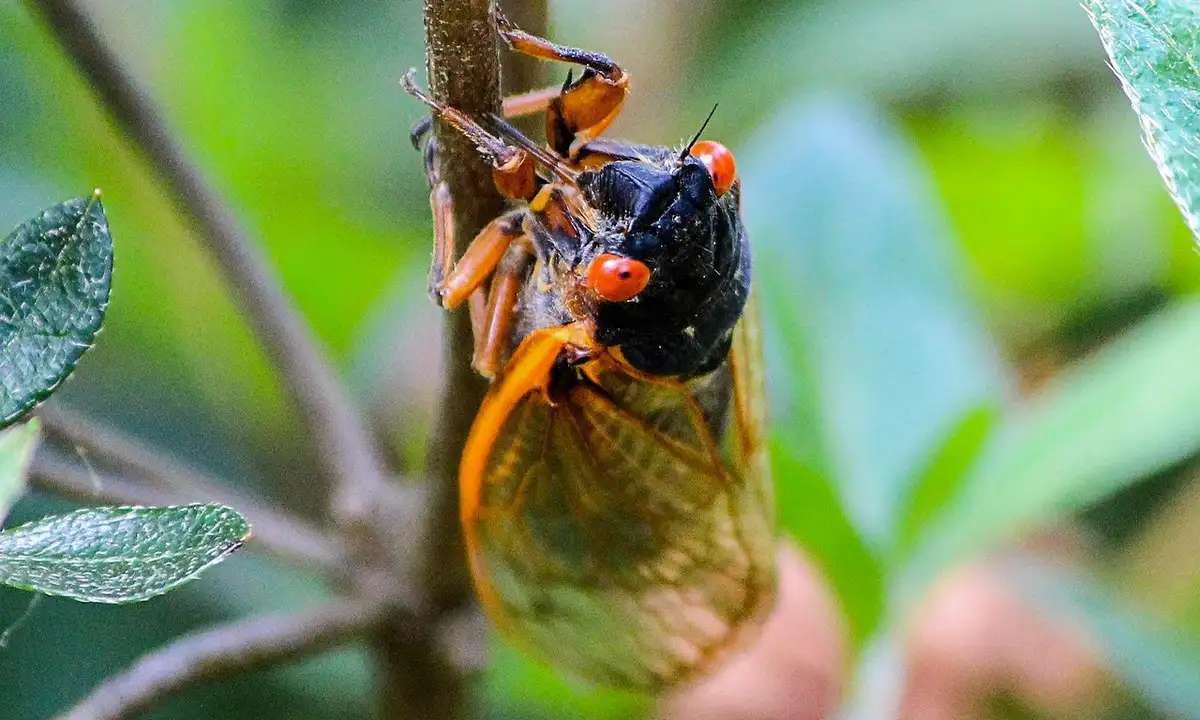
Discerning the difference between molting and death in a tarantula’s natural molting cycle and a life-threatening situation is a critical skill. The signs can appear superficially similar to the untrained eye, but the context and details tell two very different stories. If you suspect your tarantula may be dying during or after a molt, knowing how to tell the difference quickly can guide you to the right care steps.
Pre-Molt Behaviors vs. Lethargy from Illness
A tarantula refusing food is the most common trigger for concern. In pre-molt, this anorexia is a planned, strategic shutdown. My Chilean Rose Hair, Rosie, will go eight months without a cricket, her abdomen darkening and shining like polished leather. Pre-molt lethargy is purposeful and localized; the tarantula often stays in one chosen spot, sometimes sealing itself in a silken retreat, conserving every ounce of energy for the monumental task ahead.
Lethargy from illness or injury lacks this focused intent. A dying tarantula may be found in an awkward, exposed location, not a prepared den. Its movements, if any, are uncoordinated and weak-a slow stumble rather than a deliberate repositioning. I once encountered a dehydrated specimen that remained listless in the middle of its enclosure for days, a clear sign of systemic failure, not preparation.
Physical Changes: Color Shift vs. Warning Coloration
Observing color is your most reliable visual diagnostic tool. In pre-molt, the tarantula’s exoskeleton becomes a separate entity. The new skin beneath causes a distinct darkening, often a rich, opaque black or deep brown, and the abdomen takes on a glossy, stretched appearance. For slings, the carapace may look smoky.
A color change signaling death is entirely different, often a sudden, dull fading or a peculiar, unnatural hue like rusty red or ashy gray, typically coupled with a shriveled, wrinkled abdomen. This is not the sheen of new skin but the pallor of circulatory failure or severe dehydration. It is a warning coloration of the worst kind.
Assessing Posture and Movement
- Molting Posture: The tarantula turns onto its back or side. This is a deliberate, controlled maneuver. Legs are usually curled inward or extended gently, not splayed violently.
- Distress Posture: A “death curl” is an involuntary contraction. The legs tuck tightly, unnaturally, under the cephalothorax, often lifting the body off the substrate. The tarantula is too weak to correct its position.
- Molting Movement: During the shed, you will see rhythmic, pulsating motions from the abdomen and careful, slow extension of limbs from the old exuviae.
- Distress Movement: Spasmodic twitching of single legs, uncontrolled trembling, or a complete, prolonged lack of motion in a strained position.
Remember: a tarantula on its back is almost always molting. Interfering is the greatest danger at this moment.
The Step-by-Step Molting Process: What to Expect
Witnessing a successful molt is the ultimate reward of patient observation. It is a breathtaking, vulnerable, and precise biological operation.
Stage 1: Pre-Molt Preparations and Signs
This stage can last from days to many months. The tarantula’s body begins producing molting fluid to separate the old exoskeleton. Internally, it is recycling minerals and forming new structures.
- Feeding Ceases: The digestive tract empties to simplify the process.
- Abdomen Darkens and Shines: The new cuticle and increased fluid create this signature look.
- Web Mat is Spun: Many species, like my OBT Flash, will weave a thick, silken “molting mat” to provide traction and a safe surface.
- Increased Reclusiveness: The tarantula seeks shelter and becomes even less active. Your only jobs here are to ensure a full water dish and eliminate all disturbances-no poking, no feeding attempts, just quiet vigilance.
Stage 2: The Shedding Event Itself
The main event typically occurs at night and can take several hours. The tarantula will lie on its back or side. Do not touch the enclosure or create vibrations. Understanding the full molt timeline helps you prepare for the duration. The complete process can take several hours to days, depending on the species.
- Carapace Pop: Increased hydraulic pressure splits the old carapace along the front.
- Forward Escape: Using slow, rhythmic pulses, the tarantula works its cephalothorax and legs free, pushing forward out of the old skin.
- Abdomen Withdrawal: The final, most delicate part, extracting the soft abdomen and spinnerets from the old exuviae. A successful exit leaves a perfect, hollow replica behind.
The silence of the enclosure during this struggle is profound, broken only by the faintest rustle of separating chitin.
Stage 3: Post-Molt Recovery and Hardening
Your tarantula is now supremely vulnerable. Its new exoskeleton is soft, pale, and wet. It will lie motionless for hours, sometimes days, as its body expands and the new skin begins to harden.
- Color Transformation: Watch as the dull, soft creature gradually intensifies into its vibrant adult colors.
- Critical Hydration: Ensure the water dish is full and accessible. The tarantula will need to drink heavily soon after hardening begins.
- Zero Feeding: Do not offer food until the fangs have hardened, which takes a minimum of 7-10 days for a juvenile or adult. Attempting to eat before then can break their fangs, leading to starvation.
- Resuming Activity: The tarantula will right itself, often consuming the protein-rich old exuviae, and will slowly regain its strength and defensive posture over the following week.
Red Flag Warnings: When Your Tarantula Might Be Dying
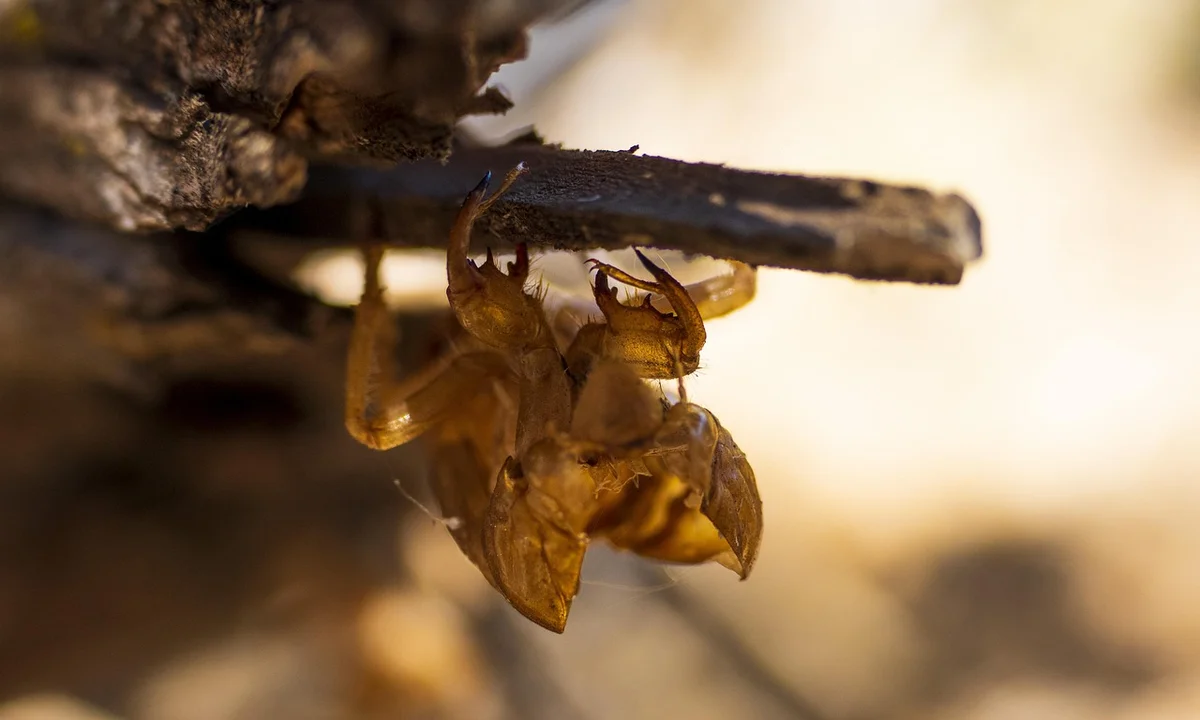
The Death Curl and Other Critical Postures
Seeing your tarantula in a death curl is a heart-stopping moment. This posture involves all legs curled tightly underneath the body, often with the tarantula lying on its back or side. It’s a sign of severe weakness, often from dehydration or systemic failure. Unlike the relaxed, sprawled position of a healthy tarantula, the death curl is a tense, inverted tightening — a last effort to protect the vulnerable underside. I once encountered a minor version of this with a dehydrated sling; its legs were weakly tucked, not fully curled, and a quick emergency rehydration saved it. However, not all curled postures indicate death, which is why it’s important to understand what the death curl really means.
Other critical postures demand immediate attention. A tarantula that cannot right itself after a fall, or one that lies completely flat with legs extended and unresponsive to gentle air puffs, is in crisis. Watch for a pronounced arch in the abdomen or legs that tremble without coordination. These are not signs of molting.
- Death Curl: Legs are curled inward, body is limp or rigid.
- Flattened Posture: Total lack of muscle tone, no response to stimuli.
- Inability to Right Itself: A healthy tarantula will quickly flip over if upside down outside of a molt.
Environmental and Health Crises: Dehydration, Injury, Parasites
Environmental crises strike silently. Dehydration is a common killer, especially for moisture-dependent species like my Theraphosa stirmi, Goliath. A dehydrated tarantula will have a shriveled, shrunken abdomen and may sit hunched over its water dish. To tell if your tarantula is dehydrated, watch for lethargy or reduced movement in addition to the abdominal signs. If you notice these cues, boost humidity and ensure a clean water source is always available. For arboreal species, severe dehydration can cause a loss of grip, leading to dangerous falls from enclosure walls. Always provide a clean, shallow water dish, and for dry species like Grammostola rosea, I lightly overflow the dish into the substrate weekly.
Injuries from falls or cage decor can cause fatal hemolymph loss. Look for dark, wet spots on the body. Parasites, like predatory mites, appear as tiny moving specks around the mouth or book lungs. Fungal infections often manifest as unusual white or green patches. Any sudden, foul odor from the enclosure is a dire red flag, often indicating necrosis or a bacterial infection.
- For Dehydration: Gently place the tarantula’s mouthparts near water or use a damp paintbrush to offer droplets.
- For Injury: Apply cornstarch or styptic powder to small wounds to clot hemolymph, and move the tarantula to a bare, paper-towel-lined ICU.
- For Parasites: Immediately rehouse the tarantula into a clean, sterile enclosure with minimal substrate.
Recognizing a Failed Molt and Its Consequences
A failed molt is a quiet tragedy. You may find your tarantula partially trapped in its old exoskeleton, often with legs or the carapace stuck. The new skin beneath can be soft, misshapen, or torn. The most common cause is incorrect humidity, which prevents the old exoskeleton from splitting cleanly away from the new. I lost a juvenile to a failed molt because I misjudged the ambient humidity during a dry winter. Heating and humidity are tightly linked in tarantula care. Common mistakes—like placing a heater near the enclosure or using a humidifier improperly—can cause dangerous humidity swings that harm a molt.
Consequences are severe. Limbs can be lost, the mouthparts may fuse, or the tarantula can succumb to exhaustion. A tarantula stuck for more than 48 hours is unlikely to survive. If intervention is attempted, it must be done with humidified air and extreme patience-never pull on the stuck exuvia. Prevention through species-specific humidity management is infinitely more successful than any emergency rescue attempt.
Creating a Low-Stress Environment for Healthy Molts
Optimizing Temperature and Humidity for Your Species
Molting is a physiological marathon, and the environment sets the pace. Generalized care fails here. My rosie, Grammostola rosea, molts best at 70-78°F with bone-dry substrate but a full water dish. My Burgundy Goliath, Theraphosa stirmi, demands 78-82°F and 80-85% humidity-I measure this with a digital hygrometer and maintain it with deep, damp substrate and partial ventilation. Invest in a digital hygrometer and thermometer; guesswork with misting leads to mold or dehydration.
For my orange baboon tarantula, Pterinochilus murinus (Flash), I provide a dry retreat with a moist corner, mimicking the arid savannas. During pre-molt, I slightly increase moisture for all species to aid in the splitting process. Here’s a quick reference from my practice:
- Dry Species (e.g., G. rosea): 70-80°F, 40-50% humidity. Provide a water dish, no misting.
- Humidity-Loving Species (e.g., T. stirmi): 75-85°F, 75-85% humidity. Use moisture-retentive substrate like coconut fiber or peat moss.
- Opportunistic Moisture Species (e.g., P. murinus): 72-82°F, 50-60% humidity. Offer a water dish and a slightly damp hide area.
Nutrition and Hydration as Molt Health Indicators
A tarantula’s feeding habits are a direct window into its molt cycle. Rosie will refuse food for months, her abdomen turning a dark, glossy black before she sequesters herself. This pre-molt fasting is normal. A plump, rounded abdomen from consistent feeding builds the energy reserves necessary for a clean, successful shed. I feed my tarantulas weekly, removing uneaten prey within 24 hours to avoid stress. Finding the best diet and feeding schedule means tailoring it to species, age, and molt stage. A consistent, measured approach helps maintain health and smooth molts.
Hydration is equally critical. A well-hydrated tarantula has a flexible exoskeleton that splits easily. I always ensure water dishes are full and clean, especially in the weeks leading up to a suspected molt. For arboreal species like Psalmopoeus, I lightly mist the webbing. Observe your tarantula’s water dish usage; a sudden increase in drinking can signal an impending molt. Post-molt, wait at least one week for the exoskeleton to harden before offering food.
Handling Stress: The “Look, Don’t Touch” Rule for Molting Times
Handling induces profound stress, releasing hormones that can disrupt the molting process. During pre-molt, when your tarantula is most vulnerable, any disturbance can cause it to abort the cycle or lead to a failed shed. I adhere to a strict “look, don’t touch” philosophy, especially with defensive species like Flash, whose entire enclosure becomes a silken fortress pre-molt. The silence of the enclosure is what they need.
I learned this lesson when a well-intentioned cage cleaning near Goliath’s burrow likely triggered a premature, messy molt. Now, I do not touch, move, or even feed a tarantula once it has sealed itself in its hide or web tunnel. Respectful care means prioritizing the animal’s biological needs over our desire for interaction. Watch for the fascinating process-the iridescent sheen of the new carapace, the slow extraction of limbs-from a respectful distance. It’s a privilege to witness.
FAQs
Is my tarantula inactive and “fluffed up”?
Tarantulas don’t fluff like birds, but they exhibit similar behavioral cues. A tarantula that is reclusive, inactive, and may appear “hunched” is likely in pre-molt, conserving energy. Inactivity coupled with a drastically shrunken abdomen or a tense, unnatural posture, however, signals illness or severe dehydration. The key distinction is whether the inactivity is part of a longer, purposeful pre-molt ritual or a sudden, progressive decline.
Is my tarantula losing hair in patches or symmetrically?
Observing hair loss is crucial. Symmetrical balding, especially a bald patch on the abdomen that darkens to blue-black, is a classic pre-molt sign for many New World species. Asymmetric, patchy hair loss or a generally ragged appearance is more often due to stress, excessive kicking of urticating hairs, or an underlying health issue. A premolt bald spot is a planned event, while random hair loss is a symptom.
Are new feathers (a new exoskeleton) visible?
Yes, this is a definitive sign of an impending molt. In the days or hours before the shed, you can often see the shiny, new exoskeleton underneath the old one, particularly at the leg joints or on the pedipalps. The overall color of the tarantula, especially the abdomen, will also become uniformly darker and glossy. There is no equivalent “new skin” visibility when a tarantula is dying; instead, the exoskeleton appears dull or discolored. Be mindful of the “death curl”—a curled, motionless posture that signals distress or death rather than molting. Unlike the molt signs, this posture indicates a serious issue rather than an upcoming shed.
Is my tarantula eating and drinking normally?
A complete, prolonged refusal of food is one of the strongest indicators of pre-molt and is perfectly normal, sometimes lasting months. Drinking may increase just before the molt. Conversely, a sudden, unexpected loss of appetite in a previously feeding tarantula, especially if accompanied by other symptoms like lethargy or a shriveled abdomen, is a major red flag for a health crisis.
Is there any bleeding or visible injury?
Tarantulas do not bleed like vertebrates, but they can leak hemolymph (their circulatory fluid). Any visible wet spot, seepage, or obvious physical injury like a ruptured abdomen is an immediate emergency unrelated to molting. The molting process itself involves no external bleeding; the animal emerges cleanly from its old exoskeleton, which remains intact.
Is my tarantula’s behavior otherwise normal?
Context is everything. A tarantula in pre-molt will often seem “normal but slower” before becoming reclusive-it may still drink, reposition itself, or react to strong stimuli. A tarantula in serious distress will show a pronounced deviation: no reaction to gentle prodding (air puffs), extreme weakness, or being found in an exposed, awkward location it would normally avoid. Normal pre-molt behavior is a gradual shutdown, not a sudden collapse.
The Final Molt and Beyond
Long-term success with your tarantula hinges on one consistent, species-specific parameter: proper moisture management in the enclosure. For species like my Goliath Bird Eater (T. stirmi), I keep two-thirds of the substrate damp to the touch—almost muddy. My Chilean Rose Hair (G. rosea) thrives with bone-dry substrate save for an overflowing water dish. This environmental stability provides the foundation for safe, regular molts and a robust animal. To reflect natural habitats, create a proper substrate moisture gradient in the enclosure. This gradient gives your tarantula options for hydration and molting within a single habitat.
Beyond the basics, the real reward lies in quiet observation. Watch the intricate silk scaffolding my OBT builds. Note the patient ambush posture of a hunting sling. This animal’s entire world is its enclosure; your job is to curate that space perfectly. There is no shortcut for patience in this hobby. Every uneaten cricket, every sealed burrow, is a chance to learn their unique language. Your greatest diagnostic tool will always be time spent watching them simply live.
Further Reading & Sources
- r/tarantulas on Reddit: Is my tarantula dead or molting?
- How to Tell If Your Tarantula Is Molting: 5 Signs
- How to Tell if Your Tarantula Is Molting
Arlo is a lifelong arachnid enthusiast who believes tarantulas are the world’s most misunderstood roommates. With years of hands-on experience in tarantula care, habitat setup, and species behavior, Arlo combines expert knowledge with a dash of humor to make spider ownership less scary and a lot more fascinating. From choosing the right enclosure to understanding why your eight-legged buddy is doing that weird little pose again, Arlo is here to help you become the best tarantula parent you can be, without getting tangled in the web of misinformation.
Molting Process