
Is My Tarantula Molting or Dying? (How to Tell the Difference)
The single most heart-stopping moment for any tarantula keeper is walking up to an enclosure and finding your spider lying motionless on its back. That stark, vulnerable posture triggers a primal fear-is this the end? Having bred and kept tarantulas for years, I’ve felt that cold dread more than once, most memorably with my 15-year-old G. rosea, Rosie, who once spent 36 hours in that position before emerging glossy and renewed. This guide exists to transform that panic into informed observation.
- Quick Stats:
- Origin: Global (all tarantulas molt)
- Type: Biological process, not species-specific
- Growth Rate: Dictates molt frequency; slings molt monthly, adults may molt annually or less.
This guide will give you the clear, step-by-step signs to distinguish a natural, life-saving molt from a true medical emergency, so you can provide the right care at the most critical time.
Molt or Death? A Side-by-Side Comparison
This table contrasts the most critical signs. When in doubt, assume molting and do not intervene.
| Sign or Behavior | Indicates a Molt (Usually) | Indicates a Critical Health Problem |
|---|---|---|
| Body Position | Upside down on its back, or in a secluded hide. Legs are often splayed comfortably. | Curled tightly underneath the body (“death curl”). May be found crumpled on its side or in an awkward, twisted pose. |
| Activity Level | Lethargic but still moves if gently prodded (though avoid this). Hides for extended periods. | Completely unresponsive to gentle stimuli. Legs are stiff or twitching involuntarily. |
| Abdomen Appearance | Appears very dark, shiny, and full. The skin may look stretched. | Appears shrunken, wrinkled, and dull. This is a sign of severe dehydration (desiccation). |
| Appetite | Refuses food for weeks or months. This is completely normal. | Refuses food but also shows other listed distress signs like the death curl. |
| Hydration Status | Should be well-hydrated from keeper maintaining a water dish and proper humidity. | Often the core issue. A dry enclosure with a bone-dry water dish accompanies the symptoms. |
Visual Cues: Color and Posture
The look of your tarantula is a powerful diagnostic tool. A pre-molt tarantula’s abdomen takes on a deep, lustrous black or dark blue hue, like polished obsidian, because the new exoskeleton is visible underneath the old. The carapace (head) may develop a subtle iridescent sheen. You might also notice a bald spot where it has kicked urticating hairs to clear the area.
Conversely, a tarantula in severe distress loses all that luster. The colors become faded and dusty. The abdomen loses its plump, rounded shape, looking deflated and puckered. This is not just thinness from not eating-it’s a critical loss of internal fluids. The posture is the final, heartbreaking clue: the legs drawn in tightly, a stark contrast to the splayed, purposeful posture of a molting spider.
Behavioral Tells: Activity and Appetite
Behavior can be misleading, as both molting and illness involve inactivity. The key is context. The lethargy of pre-molt is a planned, gradual shutdown; the tarantula is conserving energy for the monumental task ahead. My Chilean Rose Hair, Rosie, perfectly illustrates this. She transforms into an absolute ‘pet rock’ for months, refusing food but holding a firm, normal posture in her hide.
An unhealthy tarantula’s inactivity is different. It may sit in the open, uncharacteristically exposed, or be unable to support its own weight. A refusal to eat coupled with a sudden, drastic change in posture or location is a major red flag. For example, my moisture-loving T. stirmi, Goliath, will become unusually still if his substrate dries out, a precursor to dehydration that demands immediate action. To tell if your tarantula is dehydrated, check for a sunken, wrinkled abdomen and a dry, matte exoskeleton in addition to lethargy. If you suspect dehydration, offer a shallow water dish or light misting and monitor closely, seeking veterinary help if there’s no improvement.
Decoding the Tarantula Molting Cycle
Molting, or ecdysis, is the process of shedding the old, rigid exoskeleton so the spider can grow. Think of it like squeezing out of a full-body suit of armor that’s become too tight. The entire cycle is energy-intensive and risky. Younger, faster-growing tarantulas may molt several times a year, while adults like my 15-year-old Rosie may only molt once every couple of years.
Phase 1: Pre-Molt Signs and Preparation
- Appetite Shutdown: This is your first clue. The digestive system is clearing out, and the spider’s focus shifts inward. Do not attempt to force-feed.
- Abdomen Transformation: The abdomen darkens and swells, becoming a shiny beacon of the impending event.
- Behavioral Shift: The tarantula seeks maximum security. It may seal itself in its burrow or, like my OBT Flash, spin an extensive, dense web mat.
- Molt Mat Creation: Most species weave a flat, silken bed. This “molt mat” provides traction for the arduous task of pulling free.
Phase 2: The Act of Shedding
This is the moment of truth. The tarantula will flip onto its back-a sight that always sends a jolt of adrenaline through a new keeper. The process is one of profound silence and stillness, broken only by the slow, rhythmic flexing of the spider’s body as it works itself free. The old carapace lifts like a hatch, and over several hours, the spider meticulously extracts each leg and fang from its old casing. Disturbing them at this point can be fatal, causing them to become trapped. You watch, you do not touch.
Phase 3: Post-Molt Vulnerability
Your tarantula now lies exhausted, a soft, pale, and dramatically larger version of itself. Its new exoskeleton is as fragile as wet paper. This is the most defenseless period in a tarantula’s life; even a short fall can be catastrophic, and handling is absolutely forbidden. Over the next week or two, the exoskeleton will harden and darken. The old skin, or exuvia, is a perfect cast of your spider. Remove it carefully after a few days to prevent mold. Do not offer food until at least 7-14 days have passed, when the fangs have hardened from white to a deep black.
Critical Signs Your Tarantula is in Trouble
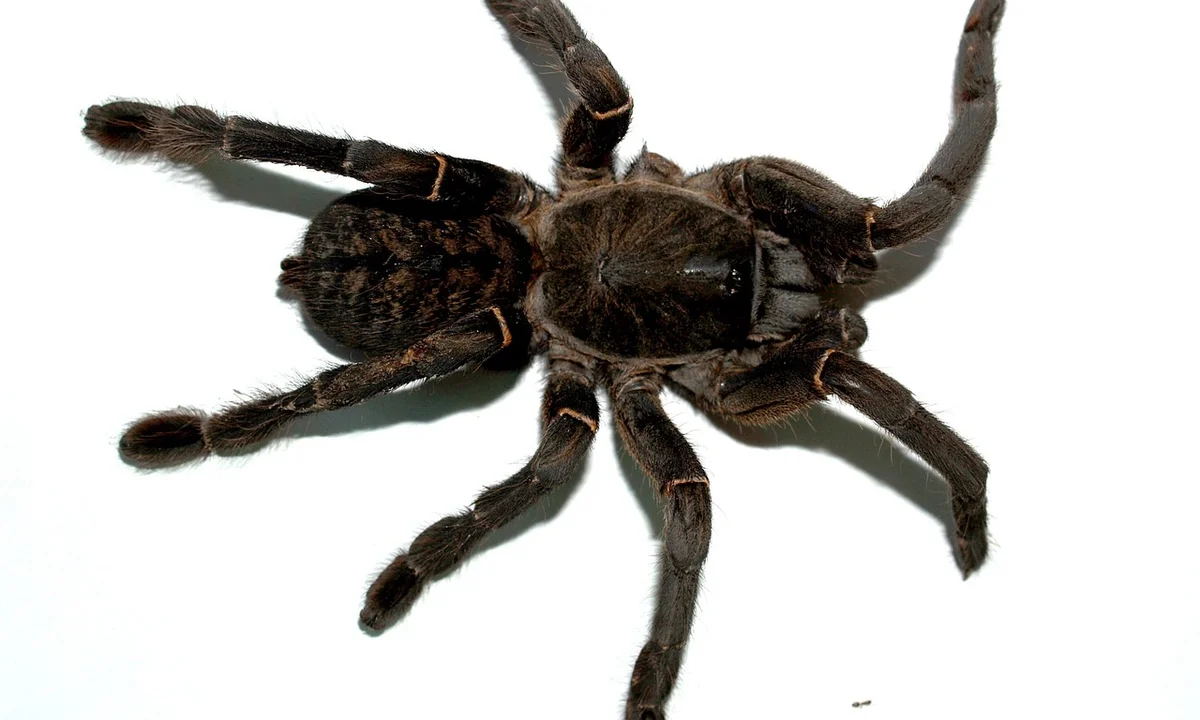
While a molting tarantula’s stillness is a sign of profound transformation, other forms of stillness signal a true crisis. Learning to distinguish these signs is the most responsible act of care you can perform, as it shifts your role from passive observer to informed guardian.
This requires respectful, non-invasive observation. Never poke, prod, or try to move a potentially distressed tarantula. Watch from the glass. The signs speak loudly if you know the language.
Dehydration and Hydration Status
A healthy tarantula, even in premolt, has a plump, rounded abdomen. A severely dehydrated one does not. The abdomen will appear drastically shrunken, wrinkled, and may seem disproportionately small compared to the cephalothorax. This is a dire emergency.
The most definitive and heartbreaking sign is the “death curl.” This is not the relaxed tuck of premolt. The legs curl tightly underneath the body, with the tarsi (feet) often drawn inward. The spider may be on its back or side, but the legs are contracted inward, not splayed.
If you see this, act with calm precision. Do not spray the tarantula directly. Fill its water dish to the brim with fresh water. Gently, using long tweezers, you can place its mouthparts near the water’s edge. I have successfully rehydrated a dehydrated sling by carefully guiding its chelicerae to a droplet of water-patience and a steady hand are paramount.
Injuries and Failed Molts
A fresh, successful molt leaves your tarantula pristine. Evidence of a failed molt is often gruesomely clear. Look for pieces of old exuviae still attached, particularly over the book lungs (the pale patches on the underside of the abdomen). This can suffocate them. During molts, tarantulas can regrow lost legs, though full restoration may take several molts. This regrowth is a natural part of the molting process.
Stuck shed on the fangs or pedipalps can cripple their ability to eat. You might also notice bulges, kinks, or odd angles in the legs from old, improperly healed injuries or mismolts.
Human intervention is a last resort of immense risk. Attempting to remove stuck shed can cause lethal rupture. The single safest intervention is to immediately and drastically raise the humidity around the affected tarantula, creating a makeshift ICU to soften the remaining exuviae. Forcing physical help often turns an emergency into a tragedy.
Common Causes of Sudden Decline
These symptoms do not appear without cause. Linking them to root issues prevents future heartache. The most common culprit is low environmental humidity during a critical molt, which glues the tarantula inside its old skin. My Theraphosa stirmi, Goliath, will only attempt a molt when his enclosure humidity is sustained above 80%; any lower and the risk of failure skyrockets.
Other causes include prolonged exposure to temperature extremes, repeated premolt stressors like vibrations or enclosure taps, and, for a mature male or an elderly female like my 15-year-old Rosie, the simple, natural decline of old age. A tarantula at life’s end will often cease eating and become progressively weaker, a peaceful fading distinct from the acute crisis of dehydration or a bad molt.
Optimizing Enclosure Conditions for a Safe Molt
The best medicine is always prevention. Creating an environment that meets your tarantula’s biological needs eliminates most molt-related dangers before they begin. A proper enclosure isn’t just a box; it’s a security blanket and a nursery, a place where stress is minimized and natural processes can unfold safely. This is where bioactive setups shine, as they help regulate microclimates and break down waste. Common tarantula health problems—like problematic molts, injuries, or infections—often stem from poor housing. By meeting their biological needs and keeping conditions stable, you prevent these issues.
Humidity and Temperature Ranges
Generalized “tarantula care” fails here. You must know your genus and ideal temperature and humidity ranges for a tarantula enclosure. Invest in a simple digital hygrometer and thermometer. For tropical burrowers and rainforest dwellers like my Goliath, aim for 75-85% humidity and temperatures of 75-80°F. For arid species like my Chilean rose hair, Rosie, 60-70% humidity with a dry substrate and ambient temps of 70-78°F are perfect.
Maintain humidity through deep, moist substrate and a full water dish, not by frequent top-misting which only spikes moisture briefly and can disturb a molting spider. Temperature is managed with a room heater or space heater for the room, never a heat mat under the enclosure which can cook burrowing tarantulas. Be mindful of common heating-humidity mistakes that can harm your tarantula, such as using direct heat that dries the enclosure or relying on misting to regulate humidity. Keep ambient conditions stable to support healthy molts and overall well-being.
Substrate and Sanctuary
The substrate is the foundation of everything. It must be moisture-retentive yet breathable. I use a blend of coconut fiber and reptisoil for almost all my tarantulas. It holds burrows, retains humidity for tropical species, and provides a perfect surface for the molt mat.
Depth is critical. A burrowing species needs substrate at least 1.5 times its leg span in depth. This allows them to dig a secure chamber, a private sanctuary where they feel safe enough to undergo the vulnerability of ecdysis. A deep, stable burrow is the difference between a frantic, exposed molt and a calm, successful one.
A clean enclosure is vital pre-molt. Remove any old prey items or mold-prone debris. The tarantula will lay down a silken molt mat on the substrate; this mat provides traction for the complex extraction from its old exoskeleton. Good substrate supports this mat. Poor substrate, like slick aquarium gravel or bone-dry sand, sets the stage for a slip and a fatal fall.
Your Role During the Molt: A Step-by-Step Guide
-
Do not touch, prod, or move the tarantula. Any disturbance can be fatal. I have seen a molting tarantula become fatally trapped from a slight vibration; your stillness is their lifeline.
-
Ensure humidity is stable. Gently mist the enclosure walls if needed, avoiding the tarantula. For my humidity-loving Goliath, I keep levels at 80-85% by spraying the glass, never the spider, to prevent respiratory issues.
-
Remove any live prey items immediately to prevent injury to the vulnerable tarantula. I always clear the enclosure after my feisty OBT, Flash, seals his burrow, as a cricket could cause fatal damage during his soft-shelled state.
-
Observe in silence. Keep the enclosure dark and quiet. Use this time for fascinated observation, not interaction. This is your chance to witness the silent, hydraulic process of the old exoskeleton splitting and the iridescent new one emerging.
Post-Molt Vigilance: Ensuring a Healthy Recovery
After you see the shed skin, the real care begins. Do not remove the exuvia for at least a full day, as your tarantula uses it for stability while its new exoskeleton hardens. Wait a week before offering food, starting with a shallow water dish to prevent dehydration.
This phase reinforces the “Look, Don’t Touch” rule absolutely. I recall my docile Rosie, after a molt, sitting motionless for days; respecting her space allowed her to regain strength without stress-induced complications.
Assessing the Molt and the Tarantula
Inspect the shed exoskeleton for completeness. A successful molt leaves a perfect, hollow replica, including the fang sheaths and book lungs; missing pieces can signal problems. Gently check your tarantula for stuck old skin on its toes or abdomen using only your eyes.
The tarantula’s bright new colors and increased size are positive signs. After my Goliath molted, his dark brown setae gained a reddish sheen, and his body expanded visibly, confirming a healthy growth cycle.
Addressing Post-Molt Health Problems
Briefly mention issues like tarantula bloat (ascites) or difficulties with limb movement. Ascites, a fluid-filled abdomen, is serious and often requires consultation with an exotic vet, as it may indicate internal injury.
Advise when to simply monitor versus when to seek expert advice. For a limb held awkwardly, increase humidity slightly and wait; most tarantulas recover on their own. Only intervene if the tarantula cannot right itself or shows signs of infection.
FAQs
What are the earliest indicators that my tarantula is entering pre-molt?
Your tarantula will typically refuse food for weeks or months as its digestive system prepares for the molt. The abdomen darkens and becomes shiny due to the new exoskeleton forming underneath. Behaviorally, it may seek seclusion by hiding more or weaving a molt mat. These gradual changes are normal and signal that you should minimize disturbances. They are among the 10 key signs that your tarantula is about to molt. Recognizing them helps you prepare and reduce stress during the process.
How can I confirm my tarantula is actively molting and not dead?
An actively molting tarantula lies on its back with legs splayed in a relaxed manner, and you might observe subtle, rhythmic movements as it works free. In contrast, a dead or dying tarantula often has legs curled tightly underneath in a “death curl” with a shrunken abdomen. Understanding these signs—molting posture versus death curl—helps you distinguish normal behavior from distress. This distinction matters for timely, appropriate care. Always check for these posture differences and avoid intervention unless clear distress signs like dehydration are evident.
What should I absolutely avoid doing when my tarantula is molting?
Never touch, poke, or attempt to move your tarantula during a molt, as this can cause fatal entrapment. Avoid spraying water directly on the spider or causing vibrations near the enclosure. Also, ensure any live prey is removed immediately to prevent injury to the vulnerable tarantula. After a molt, give your tarantula time to rest and allow its new exoskeleton to harden. Post-molt care means keeping disturbances to a minimum and monitoring humidity and enclosure stability until recovery is complete. Your role is to maintain calm, stable conditions without interference.
How long does the entire molting process typically last from start to finish?
Pre-molt can last from several weeks to months, depending on age and species. The actual shedding process, from flipping over to fully emerging, usually takes a few hours. Post-molt recovery, where the exoskeleton hardens, requires about 1-2 weeks before normal activity resumes. Patience is key, as rushing any phase can jeopardize your tarantula’s health.
The Final Molt
When in doubt about your tarantula’s condition, prioritize moisture and stillness. For a spider suspected of being in pre-molt or recovery, ensuring a water dish is full and the enclosure has a slightly damp area is the single most vital action you can take. Dehydration is a silent killer that can mimic death and complicate the molting process. Your restraint from poking or moving the animal is more valuable than any intervention. Equally important, be mindful of signs of overhydration. A consistently damp substrate or mold growth, along with any unusual swelling or lethargy, can indicate excess moisture and should prompt reducing humidity and allowing the enclosure to dry a bit.
Beyond crisis moments, this hobby rewards the quiet observer. Watch Flash, my OBT, weave his labyrinth of silk, transforming his enclosure into a bristling, golden fortress. Note how Goliath, my bird eater, uses his immense size to gently reshape his humid burrow. Their behaviors are a language of instinct, not affection. Your patience in learning to read their postures and rhythms is the true foundation of successful keeping, leading to a fascinating, long-lived companion.
Further Reading & Sources
- How to Tell If Your Tarantula Is Molting: 5 Signs
- How to Tell if Your Tarantula Is Molting
- r/tarantulas on Reddit: Is my tarantula dead or molting?
Arlo is a lifelong arachnid enthusiast who believes tarantulas are the world’s most misunderstood roommates. With years of hands-on experience in tarantula care, habitat setup, and species behavior, Arlo combines expert knowledge with a dash of humor to make spider ownership less scary and a lot more fascinating. From choosing the right enclosure to understanding why your eight-legged buddy is doing that weird little pose again, Arlo is here to help you become the best tarantula parent you can be, without getting tangled in the web of misinformation.
Molting Process