
Behavioral Differences: How Arboreal and Terrestrial Tarantulas Hunt
Published on: November 11, 2026 | Last Updated: November 11, 2026
Written By: Arlo
The split between an arboreal tarantula’s lightning-fast ambush and a terrestrial species’ patient, ground-level stalk is one of the most fundamental and fascinating divisions in tarantula keeping. Whether your spider lives up or down dictates everything about how it finds its next meal. This isn’t just academic; understanding these hunting strategies makes you a better, more observant keeper, allowing you to create enclosures that let your tarantula express its natural behaviors and thrive.
- Origin: Global (Strategy-based, not location-based)
- Type: New World & Old World (Both exhibit these forms)
- Growth Rate: Variable by species, not hunting style
This guide will dissect the mechanics of each hunting style, from the vertical lunge of my Pokie to the calculated patience of my Rose Hair, giving you the knowledge to appreciate the silent drama in every enclosure.
The Hunting Arena: How Microhabitat Shapes Predation
Picture the difference between a forest floor and the branches overhead. For tarantulas, this vertical split defines their entire approach to finding food.
| Microhabitat | Elevation | Typical Shelters | Substrate |
|---|---|---|---|
| Arboreal (Tree-dwelling) | High, on vertical surfaces | Silk tubes on bark, tree hollows, rolled leaves | Sparse; bark, moss, or air plants |
| Terrestrial (Ground-dwelling) | Ground level or below | Burrows, under logs, rock crevices | Deep soil, coconut fiber, leaf litter |
This table shows more than location. The physical space a tarantula occupies forces it to evolve a specific hunting method. An arboreal spider lives in a three-dimensional world. A terrestrial one operates in two.
Arboreal species treat height as a weapon. They are ambush predators that strike downward or laterally, using gravity to add force. Their common prey includes flying moths, beetles, and other insects that visit their aerial domain.
Terrestrial tarantulas are the ultimate patient guards. They rely on vibrations through the substrate to signal a meal crawling past their hide. Their menu features ground-dwelling insects like crickets, roaches, and worms. I see this with my Chilean Rose Hair (Grammostola rosea); she waits motionless for weeks, then pounces when a cricket strays too close.
Prey type dictates hunting style. Fast, erratic fliers demand quicker reflexes, while steady crawlers allow for powerful, enveloping attacks. This fundamental difference starts here, in the architecture of their world.
Arboreal Hunting: Precision Strikes from Silk Fortresses
Arboreal tarantulas are architects. They don’t just inhabit a space—they weaponize it with silk. Anchor points in their webbing provide stability. They shape how the tarantula moves and hunts in the canopy.
Their primary base is a silken retreat, often a thick tube web anchored to cork bark. From this fortress, they spin a radiating web of signal lines across the surrounding bark and leaves. These threads act as a perfect vibration detection grid.
When prey disturbs a line, the hunt begins. The tarantula emerges in a flash, pinpointing the vibration source and capturing the insect in mid-air or against a surface. The entire event is a silent, rapid explosion of movement.
Popular pet arboreal genera like Avicularia, Caribena, and Psalmopoeus all share this core tactic. They are sit-and-wait predators whose success hinges on their engineered environment. Even my fast, web-happy OBT (Psalmopoeus murinus) shows a version of this, using dense silk sheets to sense prey.
Let’s break down a standard arboreal capture sequence:
- Vibration Detection: A flying insect brushes a single silk tripline.
- Target Acquisition: The tarantula inside its tube web orientates toward the disturbance.
- Explosive Exit: It leaves its shelter with astounding speed.
- The Strike: Using its long front legs, it corrals the prey and delivers a subduing bite.
- Secure Consumption: The meal is quickly dragged back into the silk-lined retreat to eat.
Silk as a Tool: More Than Just a Home
For arboreals, silk is a hunting aid. These signal lines extend their sensory range far beyond their body. They create an early-warning system that covers blind spots.
Some species construct dense silk “funnels” around their retreat entrance. This webbing guides wandering prey inward, making the final capture almost effortless. It turns the entire web structure into a passive trapping device.
Speed and Reflexes: The Aerial Advantage
Many arboreal tarantulas have faster metabolic rates. This biological trait supports the quick neural processing and muscle response needed for aerial captures. They must judge distance and movement in a fraction of a second.
Their behavior reflects this need for constant readiness. You’ll often see them perched at their retreat entrance, legs poised, rather than completely hidden. This active vigilance is key to surviving on a diet of unpredictable flying insects.
Terrestrial Hunting: The Patient Art of the Ambush
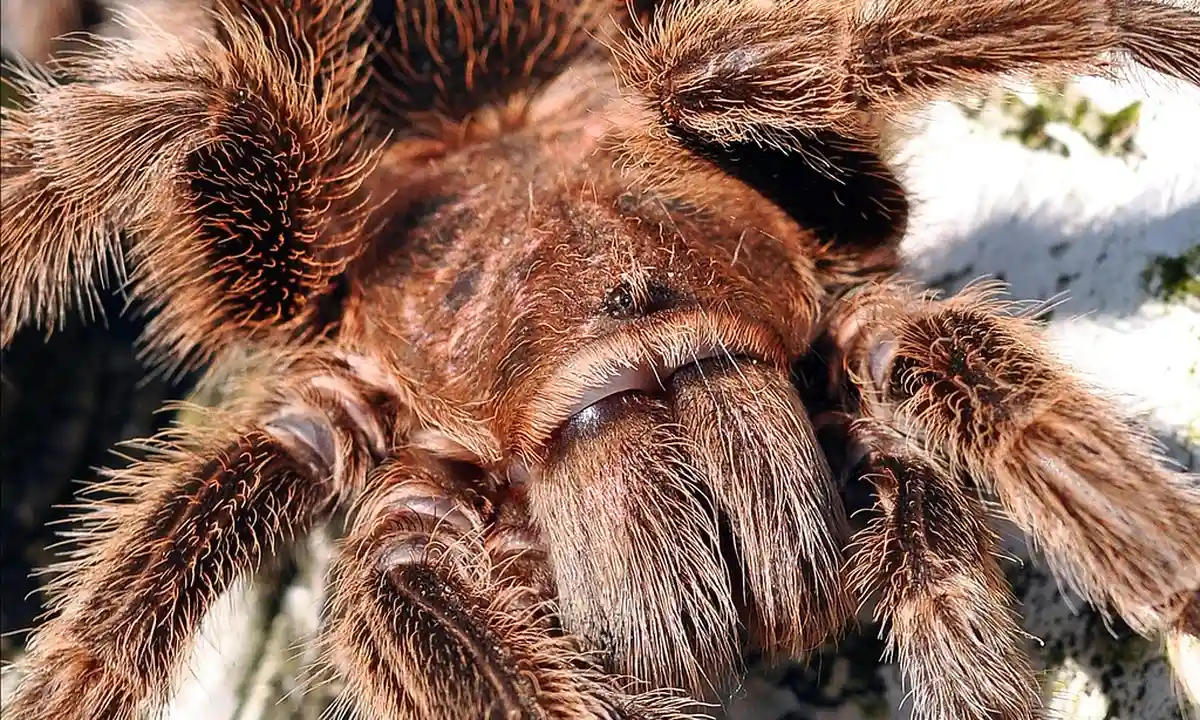
Terrestrial tarantulas are masters of stillness. Their hunting strategy is not a chase but a calculated wait. They rely on the art of ambush, using minimal movement to conserve energy until the perfect moment. This can take several forms, each adapted to life on the ground. For feeding, many keepers weigh live prey against pre-killed options. Some tarantulas strike confidently at live insects, while others readily accept pre-killed offerings.
- Burrow Ambushing: The spider waits deep within its tunnel, feeling for vibrations on the soil surface above.
- Sit-and-Wait Predation: Positioned at the burrow entrance or under a hide, the tarantula remains motionless for hours or days.
- Slow Stalking: On rare occasions, a terrestrial may deliberately and slowly advance on prey it has detected.
Their entire world is felt through their legs. Specialized hairs called setae detect the faintest ground-transmitted vibrations from walking insects, turning the substrate itself into a sensory web. My Chilean Rose Hair, Rosie, exemplifies this. She will not move from her hide for weeks, yet a cricket’s steps six inches away trigger an immediate, focused alertness.
Common pet genera like Grammostola, Brachypelma, and Aphonopelma are notoriously sedentary hunters. Their metabolism is slow, and their strikes reflect a powerful, grounded physique. The terrestrial “power strike” is a swift, forward lunge that pins prey against the ground, using body weight and strength to subdue it. This contrasts sharply with the arboreal “precision grab,” a faster, more directional strike from above or the side.
The Burrow as a Trap
A terrestrial tarantula’s burrow is not just a home. It is an engineered trap. The spider carefully modifies the entrance and tunnels to create the ideal acoustic and vibrational funnel for detecting prey. Do tarantulas actively dig new burrows, or do they repurpose existing holes? Understanding their digging behavior helps explain how they select substrates and shape entrances to optimize shelter and the transmission of vibrations. My Burgundy Goliath Bird Eater, Goliath, has a deep burrow lined with silk. The silk helps transmit vibrations directly to where he sits in wait. When a large roach walks past, the entire setup acts like a drum, signaling dinner time and prompting that massive, startling strike.
When Terrestrials Forage: Rare but Purposeful
While ambush is the rule, some terrestrials will forage. This behavior is usually triggered by high hunger levels or specific prey scarcity, and it is a deliberate, slow exploration. I have witnessed my Rosie, during one of her rare hungry phases, leave her hide after dark and patrol the enclosure perimeter. She moved with purposeful slowness, her legs constantly testing the substrate, showing that even “pet rock” species have a hidden behavioral depth.
The Sensory Hunt: Detecting Prey Without Clear Sight
Tarantulas see the world in blurry shapes and light. Hunting success depends on a far more refined sense: vibration detection. Every step a prey insect takes sends a unique signature through the environment, a language these spiders are exquisitely tuned to understand.
Arboreal and terrestrial species use this same principle on different mediums. An arboreal like my OBT, Flash, senses vibrations through the intricate silk sheets of its funnel web and the branches it anchors to. A terrestrial species feels those same cues through the soil and the walls of its burrow. Air movement and chemical traces can play minor roles, but vibration is the undeniable key to the hunt.
Feeling the World: An Introduction to Setae
Setae are the tiny, hair-like structures covering a tarantula’s legs and body. Think of them not as hair, but as highly sensitive motion detectors and environmental sensors connected directly to the nervous system. Different setae have different jobs. Some detect air currents, helping the spider sense approaching threats. The most important for hunting are the tactile and vibration-sensitive setae on the legs and pedipalps. They can discern the direction, distance, and even the size of a disturbance. This is why a calm, vibration-minimized environment is so crucial for their well-being. A sudden bang on the table can be as alarming to them as a shout in your ear.
Night Owls and Day Hunters: Activity Cycles in Captivity
In the quiet of my spider room, the night shift begins. The subtle rustle of substrate, the repositioning of legs against glass-these are the signs of a tarantula’s primary hunting time. Most tarantulas, like my Chilean Rose Hair Rosie or my Burgundy Goliath Goliath, are obligate nocturnal predators. They use the cloak of darkness to ambush prey, their vibration-sensitive hairs acting as a sophisticated detection grid. This evolutionary adaptation makes evening or night feedings the least stressful and most natural option for the vast majority of species in our care.
There are fascinating exceptions that break the mold. Certain arboreal genera, like Psalmopoeus, exhibit more crepuscular or even daytime activity. My old Psalmopoeus irminia was often seen patrolling its silken tube in the late afternoon. For these active hunters, daytime feeding can be perfectly appropriate and a thrilling spectacle. Knowing your species’ natural rhythm is the first step to respectful care.
- Feed terrestrial and fossorial species after dusk or just before you turn the room lights off.
- For active arboreals like Psalmopoeus or Tapinauchenius, late afternoon feedings often work well.
- Use a soft, red or blue LED flashlight for observation; tarantulas largely cannot see these wavelengths, allowing you to watch the silent stalk or the lightning-fast strike without causing disturbance.
- Limit direct white light exposure during their active periods to reduce stress and encourage natural behavior.
Care Applications: Designing Hunts for Your Pet Tarantula
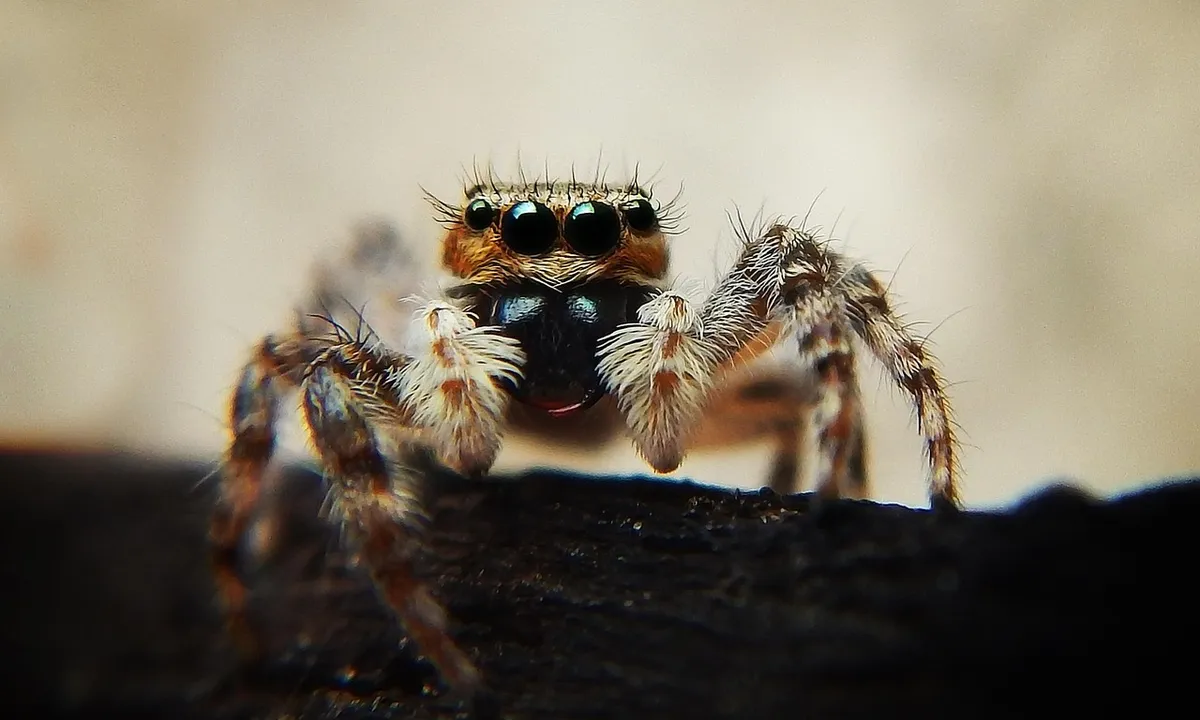
Your enclosure setup is the stage, and you are the stage director for your tarantula’s natural behaviors. An arboreal’s hunting ground is a complex, three-dimensional space of branches, cork bark, and foliage. My OBT, Flash, has turned his enclosure into a labyrinth of heavy silk webbing—these are his tripwires and tunnels. A terrestrial hunter, like Goliath, requires open floor space to maneuver and a secure hide from which to launch ambushes. Essential features differ by lifestyle: arboreals benefit from vertical space and climbing structures, while terrestrials need substantial floor area and a secure ground-level retreat. Matching your setup to their hunting strategy isn’t just aesthetic; it directly impacts their welfare and feeding response.
Feeding techniques must follow suit. Dropping a cricket onto the dense web mat of an arboreal allows the spider to feel the vibrations and emerge on its own terms. For a terrestrial, placing prey near the burrow entrance or in its typical patrol path mimics the chance encounter of the wild. The core rule is always the same: facilitate, but do not interfere.
Safe & Enriching Feeding: A Step-by-Step Guide
For Arboreal Tarantulas (e.g., Psalmopoeus, Avicularia):
- Gently open the enclosure, avoiding sudden vibrations against the webbing.
- Using long, soft-tipped tweezers, offer the prey item (like a cricket) directly onto the outer layers of the web structure.
- Release the prey and immediately close the enclosure. Allow the spider to investigate and capture at its own pace.
- If the prey falls to the bottom, leave it. The spider may descend later, or you can remove it after 24 hours.
For Terrestrial/Fossorial Tarantulas (e.g., Grammostola, Theraphosa):
- Open the enclosure slowly, avoiding casting a shadow directly over the spider or its hide.
- Place or gently drop the prey item a few inches from the burrow entrance or in an open area the spider frequents.
- Close the enclosure and step back. Observe from a distance to witness the ambush.
- Never drop prey directly into the burrow; this is intrusive and can trigger a defensive response.
The “Look, Don’t Touch” philosophy is paramount during feeding, as this is when a tarantula is most laser-focused and likely to perceive a large moving hand as a threat. Respecting this moment ensures a successful feed and maintains the spider’s sense of security.
Enrichment Ideas to Stimulate Natural Behavior
While routine is safe, occasional variation can engage your tarantula’s sophisticated instincts. Instead of always using tweezers, try allowing a single appropriately-sized cricket to roam the enclosure floor for a brief period under supervision. This encourages the tarantula to track and forage. For web-loving species, gently brushing a cricket against the outer web can trigger an explosive, natural hunting response. I do this sparingly with Flash, and the result is a breathtaking display of speed and precision.
Recognizing and Respecting Feeding Refusals
A tarantula that ignores prey is communicating. The most common reason is an impending molt; their bodies are busy with the complex process of ecdysis and hunting is too risky. My Rosie has taught me this through her epic, multi-month fasts. Stress from recent rehousing, incorrect humidity, or even simple satiety can also cause refusal. If your tarantula refuses to eat, start by ruling out common causes like molting, stress, or humidity, and try gentle adjustments before trying again. Knowing the causes helps guide practical steps you can take. Pushing food on a refusing tarantula creates unnecessary waste and stress-observe, remove the uneaten prey, and try again in a week. Trust their biology. They are survival experts, and their fasting periods, sometimes unnerving to us, are a normal part of their rhythm.
Behavior in Focus: Examples from Common Pet Species
Observing how different tarantulas secure a meal reveals the brilliant adaptation to their world. Their hunting strategy is a direct reflection of their physique and home environment, from dense forest canopies to dry scrubland floors. Do tarantulas hunt and capture their prey? We’ll compare three popular species, including my own pets, to see this in action.
| Species (Common Name) | Primary Hunting Style | Typical Prey Choice | How Size & Habitat Shape the Hunt |
|---|---|---|---|
| Chilean Rose Hair (Grammostola rosea) | Passive Ambush | Small to medium crickets, roaches | As a large, heavy terrestrial, it conserves energy. It waits motionless for prey to wander into its limited strike zone near the burrow entrance. |
| Burgundy Goliath Bird Eater (Theraphosa stirmi) | Powerful, Overpowering Strike | Large roaches, crickets, even pinkie mice | Its massive size and weight allow it to tackle bigger, more robust prey. My T. stirmi, Goliath, uses a loud, thumping strike I can hear from across the room. |
| Orange Baboon Tarantula (Pterinochilus murinus – OBT) | Lightning-Fast Capture | Fast flies, crickets, roaches | Though terrestrial, its smaller, agile build and high metabolism demand speed. My OBT, Flash, explodes from its silken tunnel with blinding accuracy. |
Notice the pattern. Large terrestrials like the Goliath rely on overwhelming force from a concealed position, while smaller, nervier terrestrials like the OBT trade power for explosive speed to compensate. This fundamental difference guides everything from the size of feeder insect you offer to the design of their enclosure.
Arboreal Example: The Avicularia’s Silent Drop
Arboreal tarantulas, like the Pinktoe (Avicularia avicularia), hunt in three dimensions. They often construct a silken “tube tent” or canopy at the top of their enclosure, from which they monitor the space below. Their hunting posture is a study in poised tension; legs splayed, body slightly raised, and pedipalps gently testing the air.
When prey like a cricket moves on the enclosure floor or wall, the strike is not a lateral lunge. The tarantula may descend on a safety line of silk in a near-silent drop, landing atop its prey with precise leg placement to immobilize it instantly. This aerial advantage allows them to exploit food sources that ground-dwelling spiders might miss, turning the entire volume of their habitat into a trapping field. In some cases, tarantulas also perform short, high leaps to surprise prey and close distance quickly. They leap high to strike from above, often using silk as a safety line to anchor and time their ascent.
Terrestrial Example: The Grammostola’s Patient Wait
Contrast this with the quintessential terrestrial hunter, my 15-year-old Chilean Rose Hair, Rosie. For days or even weeks, she is a statue, a dusty pink sentinel at her burrow’s mouth, conserving every ounce of energy. This extreme patience is a successful hunting strategy in arid environments where food is scarce.
The action, when it comes, is shockingly sudden after such stillness. A cricket must venture almost within leg’s reach before she will move, her strike a short, efficient grab followed by a subdued, mechanical crunch. There is no dramatic chase, no wasted motion. This “wait and see” approach defines many New World terrestrial species and is a key reason why their care focuses on providing secure, quiet hiding spots rather than open foraging space.
FAQs
Which type, arboreal or terrestrial, is generally easier to care for as a first-time tarantula owner?
For beginners, docile terrestrial species like the Chilean Rose Hair are often recommended. Their patient, sit-and-wait hunting style translates to calmer behavior and simpler feeding routines. In contrast, many arboreal species possess faster reflexes and a more defensive nature, which can be challenging for new keepers. Ultimately, research into a species’ specific temperament is more important than its hunting category alone.
What are some common beginner-friendly arboreal and terrestrial tarantula species?
Popular terrestrial starter species include the Chilean Rose Hair (Grammostola rosea) and Mexican Red Knee (Brachypelma hamorii), known for their calm demeanor. For those interested in arboreals, the Pinktoe tarantula (Avicularia avicularia) is a classic, often more readily available choice. It’s crucial to match the species with an appropriately designed enclosure that supports its natural hunting behavior, whether that’s a deep substrate for burrowing or vertical space for webbing.
What are the key debates about arboreal vs. terrestrial tarantulas in online communities like Reddit?
Online forums frequently debate the “best” type for beginners, often highlighting the faster speed and potent venom of Old World arboreals as a concern. Discussions also focus on enclosure design, debating the merits of vertical terrariums for arboreals versus horizontal tanks for terrestrials. Keepers often share experiences about feeding responses, noting the dramatic, explosive strikes of arboreals versus the patient ambushes of their terrestrial pets.
Is there a typical size difference between arboreal and terrestrial tarantulas?
There is no strict rule, as both categories contain small and large species. However, some of the very largest tarantulas, like the Goliath Bird Eaters (Theraphosa spp.), are terrestrial. Many popular arboreal species, like those in the Psalmopoeus genus, tend to have more slender, leggy builds adapted for climbing and speed. A tarantula’s size and build are more closely tied to its genus and species than simply being arboreal or terrestrial. When choosing a tarantula as a pet, decide if you want an arboreal climber or a terrestrial dweller, since they require different enclosures and care approaches. This choice helps match the spider’s behavior with your experience and setup.
How does a tarantula’s hunting style impact handling or interaction?
A tarantula’s hunting instinct directly influences its reaction to stimuli. Fast-moving arboreal ambush predators are more likely to interpret a sudden hand movement as prey or a threat, leading to a rapid defensive bite or dash. Patient terrestrial ambushers may be more prone to flick urticating hairs or retreat when startled. For the tarantula’s well-being and your safety, observing their natural hunting behavior is far preferable to handling. Speed is a key part of their behavior; some tarantulas can move surprisingly fast when startled. Understanding their speed patterns [understanding their speed patterns](https://eightleggedlife.com/how-fast-do-tarantulas-move-understanding-their-speed-and-behavior) helps explain why rapid stimuli trigger quick defenses or escapes, and why careful observation is essential.
Beyond the Strike: Building for Lifelong Hunting Success
The most critical husbandry choice you make directly supports their hunting strategy. For terrestrial tarantulas, provide deep, packable substrate to facilitate their bulldozing and ambush tactics; for arboreals, prioritize vertical space and anchor points for their sophisticated trap-building. Getting this foundation wrong frustrates their natural instincts and can lead to stress-related health issues. In our ultimate guide to tarantula burrows, we explain why they dig and how proper burrow support enhances their welfare and hunting efficiency. Understanding burrowing needs helps you tailor enclosures to encourage secure burrows and reduce stress.
Your ultimate reward is silent observation. Watch your fossorial spider meticulously sculpt a pitfall trap, or your arboreal architect spin a funnel of silk that glistens with morning condensation. The sudden strike is a fleeting moment in a long life of patient calculation. Success in this hobby is measured not in handling frequency, but in the quiet honor of providing a space where these ancient, deliberate behaviors can unfold completely on their own terms.
Further Reading & Sources
- Tarantula – Wikipedia
- r/tarantulas on Reddit: Arboreal vs. Terrestrial
- If I Knew Then What I Know Now -Tarantulas FAQ | Tom’s Big Spiders
Arlo is a lifelong arachnid enthusiast who believes tarantulas are the world’s most misunderstood roommates. With years of hands-on experience in tarantula care, habitat setup, and species behavior, Arlo combines expert knowledge with a dash of humor to make spider ownership less scary and a lot more fascinating. From choosing the right enclosure to understanding why your eight-legged buddy is doing that weird little pose again, Arlo is here to help you become the best tarantula parent you can be, without getting tangled in the web of misinformation.
Understanding Tarantula Behavior