
The Importance of Anchor Points for Arboreal Tarantula Webbing: Caring for the Pink Toe (Avicularia avicularia)
The Pink Toe tarantula, Avicularia avicularia, is not merely a pet but a consummate architect, whose entire sense of security is woven from silk anchored to the world around it. This article examines the critical, often overlooked, role of anchor points-the branches, cork, and structures from which webbing is launched. Without a variety of stable anchor points, an arboreal tarantula cannot construct the complex retreats it needs, leading to chronic stress and inhibited natural behavior.
Quick Stats:
- Origin: Tropical rainforests of South America
- Type: New World tarantula
- Growth Rate: Moderate; slings typically mature within 2 to 3 years
This guide provides the specific husbandry blueprint for installing functional anchor points, ensuring your arboreal tarantula can build and thrive from a sling to a fully webbed adult.
Understanding Arboreal Tarantula Webbing Behavior
Arboreal tarantulas, like Avicularia avicularia or Psalmopoeus irminia, live life in the vertical plane. They do not simply walk on the ground. They climb. They build. Their world is defined by the structures they anchor to.
Watch one in its enclosure at night. You see a deliberate architect. Webbing is not random decoration. It is a survival toolkit spun from the abdomen.
This silk creates a multifunctional space: a safe retreat from light and disturbance, a vibration-sensitive tripwire for prey, and a secure mat for the dangerous process of molting. My OBT, Flash, demonstrates this on a terrestrial scale, sheathing his cork bark in dense, orange silk. For an arboreal species, that webbing is their primary foothold in a three-dimensional home.
Their behavior hinges on having suitable attachment sites. Without them, you will see stress. The tarantula may pace the glass, fail to web, or adopt an unnatural, precarious posture. Common signs your tarantula is stressed or becoming aggressive include increased leg flicking and a raised threat posture. It may lash out if you approach or try to handle it.
Provide these key elements in your enclosure to encourage natural webbing behavior:
- Vertical Height: Enclosures should be taller than they are long. A good minimum is 18 inches of vertical space for adult specimens.
- Cork Bark Panels: Use these on the back and sides. The textured, porous surface is perfect for silk adhesion and climbing.
- Branch Networks: Create a lattice of securely anchored branches, vines, or bamboo. Connect them to form travel routes.
- Leaf Litter & Foliage: Artificial or safe live plants (like pothos) offer secondary anchor points and visual security.
Humidity for many arboreal species sits between 70-80%, with temperatures of 75-82°F. This moisture aids silk flexibility and adhesion. A bioactive setup with a living soil substrate helps maintain this humidity passively, reducing the stress of frequent manual spraying near their delicate webs.
Remember the ‘Look, Don’t Touch’ philosophy here. Reaching into a complex web tower stresses the animal and can collapse hours of meticulous work. Respect the architecture you have provided the tools to build.
The Science of Anchor Points: Web Integrity and Tarantula Safety
An anchor point is any surface a tarantula’s silk sticks to. Think of them as the foundation bolts for a suspension bridge. Every strand of the web relies on them.
Web integrity directly influences tarantula safety. A well-anchored web acts as a safety net, cushioning a fall during a misstep or a startled reaction. In nature, a fall onto leaf litter is one thing. In captivity, a fall onto hard enclosure floors can cause fatal abdominal rupture.
I learned this during a rehousing of an adult Avicularia metallica. It slipped from my guiding brush, but its trailing dragline, anchored to the cork in its old enclosure, arrested its fall completely. The silk held. The tarantula was safe, suspended in mid-air. That single anchor point prevented a tragedy.
Your enclosure design must prioritize secure anchor points to replicate this safety. Here is how to test your setup:
- Firmly press and tug all cork bark, branches, and decorations. Nothing should wobble or shift.
- Ensure all climbing elements connect. A tarantula should be able to move from one side to the other without touching the bare glass.
- Provide anchor points at various heights, especially near the top where they often build their retreats.
Failure to do this leads to insecure webbing. The tarantula will sense the instability. It may abandon webbing efforts altogether, remaining in a vulnerable state. Stress from a poor environment can suppress feeding and delay molting, two critical health indicators we monitor closely. Preventing these issues is essential for tarantula health. Regular checks of humidity, temperature, and enclosure stability can help prevent common tarantula health problems.
How Silk and Anatomy Create a Secure Hold
Tarantula silk is a liquid protein that solidifies in the air. It is not sticky like flypaper. Adhesion comes from mechanical grip. The tarantula applies silk to a textured surface, and the hardened strands lock into microscopic pores and crevices.
The spinnerets at the abdomen’s rear are tactile tools. The tarantula brushes them against a surface, feeling for the ideal roughness before extruding silk. They often weave a dense, matted patch first-a ‘silk bolt’-to create a broader, stronger hold.
Their anatomy is built for this precision. Specialized claws on their feet grip silk lines, allowing them to walk across their own web without entanglement. They can pluck and tighten lines, tuning the entire structure like a guitar.
Compare the silk of different species. My defensive OBT, Flash, spins copious, haphazard sheets of dense, woolly silk for protection. An arboreal tarantula like a Tapinauchenius species produces more aerodynamic, funnel-shaped webs for speed and prey capture. The anchor points must suit the web type. That highlights essential enclosure features for terrestrial versus arboreal tarantulas. Terrestrial species benefit from stable, sheltered ground space, while arboreal species need tall, secure verticals for anchor points.
To support this natural biology in captivity, choose enclosure furnishings with these properties:
- Textured Surfaces: Untreated cork, driftwood, and rough ceramic are excellent.
- Porosity: Materials that absorb slight moisture help silk bind more effectively.
- Complexity: Avoid smooth, sheer plastics. If using PVC pipes, score the outside with a knife to create texture.
During molting (ecdysis), a secure web becomes a life-support hammock. The tarantula is utterly vulnerable. A well-anchored silk bed provides a stable, clean surface for the arduous process of extracting itself from the old exoskeleton. A collapse at this moment can lead to fatal deformities. Your role is to provide the anchor points; their instinct does the rest. Watch, learn, and appreciate the silent engineering happening in the stillness of the enclosure.
How Tarantulas Select and Establish Anchor Points
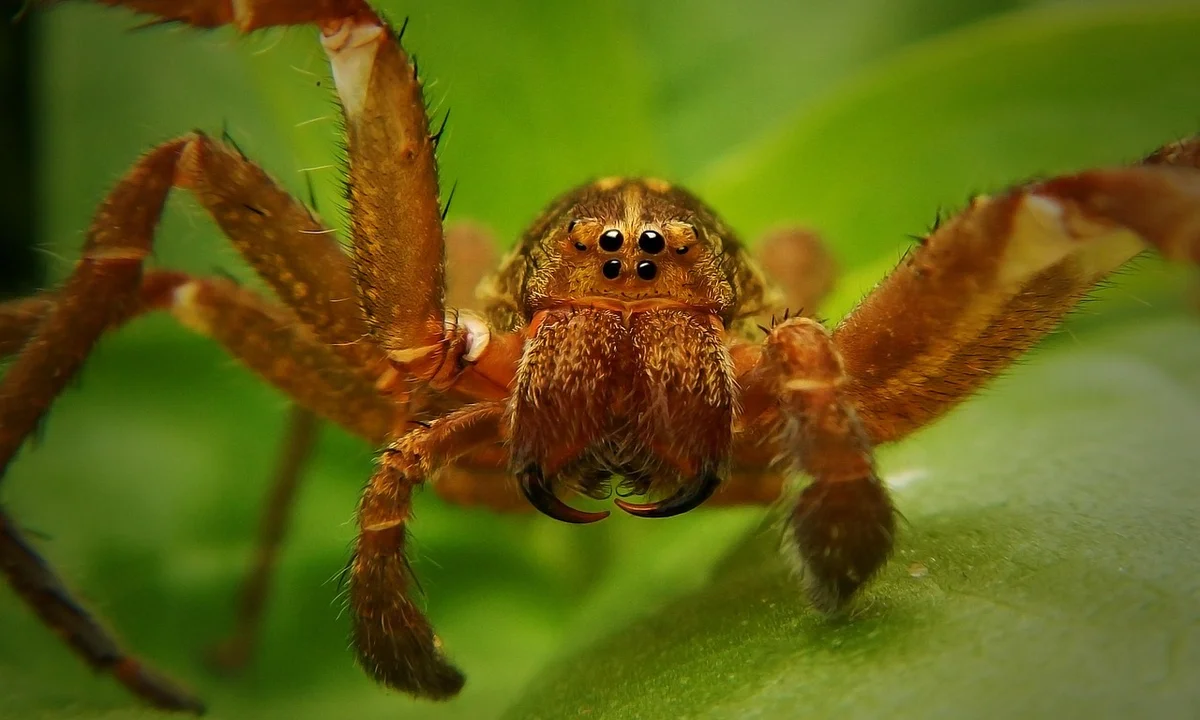
Watching an arboreal tarantula begin its webbing project is a masterclass in biological engineering. They don’t just throw silk at the wall and hope it sticks. The process is a deliberate, tactile investigation of their entire environment. The selection of an anchor point is a critical decision that dictates the entire structural integrity and functionality of the web to come.
The Role of Environmental Cues in Placement
Your tarantula is constantly processing data you can’t perceive. Their palps and first pair of legs tap and test surfaces with a sensitivity we can only imagine. Placement is dictated by a confluence of subtle environmental gradients. In tarantula anatomy 101, we map their prosoma and opisthosoma, along with legs and pedipalps, to understand how the body plan supports sensing and movement. This anatomy-focused view helps explain their tactile behaviors and posture during exploration.
Airflow is a major factor. I’ve observed my P. murinus, Flash, consistently build the densest parts of his funnel web in the corner opposite the ventilation, where the micro-currents are weakest. He seeks a stable, draft-free zone for his primary retreat. Humidity gradients also guide construction, with many species anchoring key silk lines along the moisture differential between a damp substrate and a drier upper zone.
Light and vibration matter, too. A surface that transmits subtle vibrations from outside the enclosure (like a thin side panel) might be avoided for a critical anchor, while a firmly planted cork bark slab, which dampens vibration, becomes a preferred foundation. They often choose shaded, secluded junctions over open, exposed ones. It’s a quest for strategic stability, not random placement.
Designing an Enclosure for Perfect Anchor Points
The keeper’s job is not to build the web, but to provide an irresistible framework of possibilities. A barren tank with a single fake plant is a canvas with no texture. Your goal is to create a three-dimensional lattice of connection points at varying heights and angles, mimicking the complex strata of bark, leaves, and vines.
Step-by-Step: Building a Supportive Framework
- Start with the Backbone: Anchor a large, vertically-oriented piece of cork bark flat against the back wall. This provides a massive, stable primary surface for extensive webbing.
- Add Horizontal Bridges: Securely silicone or wedge smaller cork tubes or branches between the back bark and the front enclosure panel, creating aerial pathways and ceiling anchor options.
- Incorporate Foliage: Use fake or safe live plants (like air plants) with sturdy leaves. Attach these to the cork or branches, offering smaller, flexible attachment sites for detailed silk work.
- Mind the Lid: The underside of the enclosure lid is prime real estate. Ensure it has adequate ventilation but also offers bars or plastic crossbars that can serve as ultimate overhead anchors.
Key Principles for Placement and Accessibility
- Stability is Non-Negotiable: Every element must be physically secure. A wobbly branch will be rejected as an anchor point and poses a crushing risk.
- Offer Vertical and Horizontal Options: Some species build tall funnel webs, others prefer sprawling horizontal sheet webs. Provide ample opportunities for both.
- Respect the Molt Zone: Ensure there is at least one clear, unobstructed floor space with gentle substrate. They need a safe, flat area to molt, away from complex webbing that could entangle them.
- Accessibility for You: While creating complexity, design so you can still access the water dish and perform spot cleaning without destroying the entire web architecture. Front-opening enclosures are invaluable here.
I learned the hard way with Flash that a poorly planned enclosure leads to a stressed tarantula and a frustrated keeper. After a rehousing where I skimped on anchor points, he webbed the entire lid to the water dish, locking it in place. Providing a rich tapestry of anchor points isn’t just decoration; it’s fulfilling a core behavioral need, reducing stress, and allowing you to witness one of nature’s most silent, elegant constructions.
Choosing the Best Materials for Anchor Points
Selecting the right materials for your arboreal tarantula’s web anchors is not about decoration; it is about engineering a secure framework for natural behavior. The right choice prevents web collapse and reduces stress, letting your tarantula feel truly at home in its vertical space. I have watched my OBT, Flash, test every surface with his palps before committing silk, a reminder that stability is non-negotiable.
Natural and Artificial Material Options
Both natural and artificial materials have their place, dictated by durability, texture, and safety. Natural materials often provide superior texture for silk adhesion and can integrate into bioactive setups, but they require vigilance for mold. Artificial options offer consistency and easy cleaning, which is a boon for busy keepers.
Consider these common options:
- Cork Bark: Lightweight, rot-resistant, and boasts a craggy surface that grips silk tenaciously. It is my top choice for most setups.
- Mopani Wood and Driftwood: Dense and visually striking, but can leach tannins and must be boiled thoroughly before use.
- Bamboo Hollows: Provide excellent vertical tunnels and anchor lines, but the smooth interior can be challenging for some species to web.
- PVC Pipes and Connectors: Inert, easy to sanitize, and perfect for creating customizable frameworks, especially in humid enclosures for species like Psalmopoeus.
- Plastic Vines and Leaves: Offer flexible, disposable anchor points that will not degrade, ideal for adding temporary webbing complexity.
Material Recommendations by Tarantula Type
Match the material to the tarantula’s webbing intensity and moisture needs. A heavy, moist webber needs a mold-resistant anchor, while a delicate funnel-builder requires numerous, finely-spaced points. From my own collection, Flash’s aggressive webbing taught me that flimsy anchors get demolished overnight.
- For Heavy, Moist Webbers (e.g., Psalmopoeus cambridgei): Use cork bark rounds or PVC structures. These handle constant high humidity (75-85%) without breaking down and support dense, laminated silk.
- For Delicate, Aerial Webbers (e.g., Avicularia avicularia): Combine thin cork slabs, bamboo, and plastic plants. This variety gives them options for their loose, tent-like webs at moderate humidity (65-75%).
- For Fast, Defensive Funnel-Builders (e.g., Old World arboreals like Heteroscodra maculata): Prioritize secure cork bark tubes and firmly anchored wood. These tarantulas rely on their web as a sensory extension and rapid escape route.
Common Anchor Point Mistakes in Husbandry
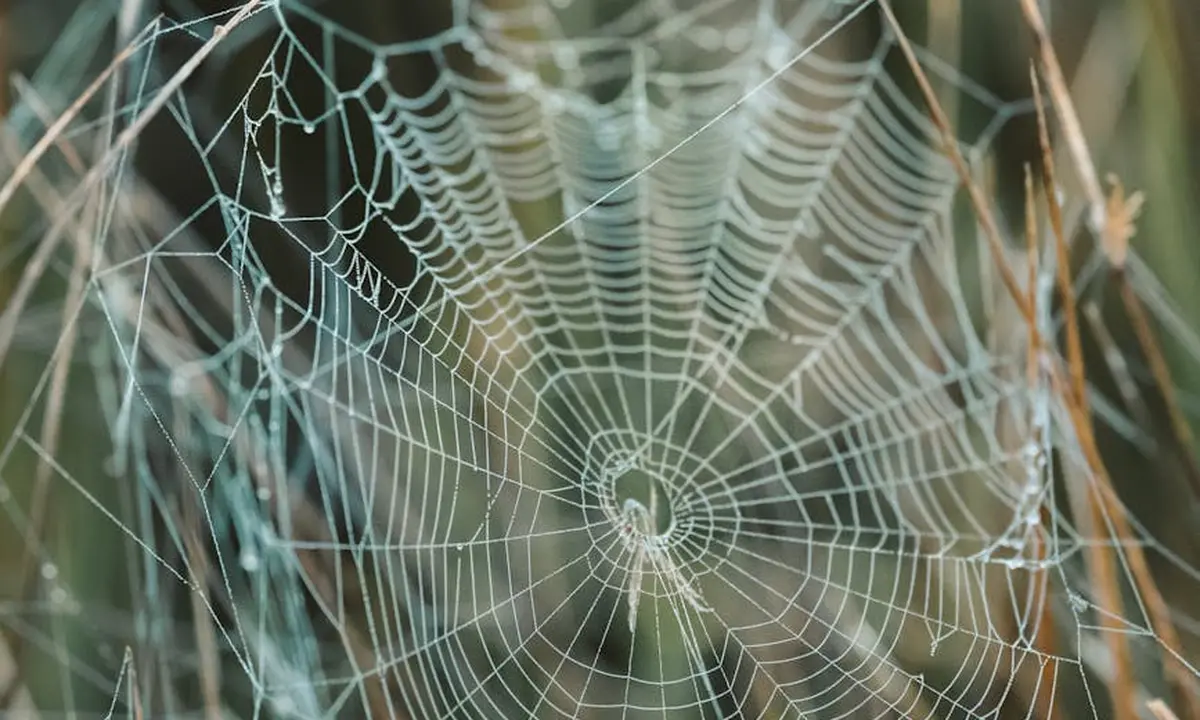
Even with the best intentions, small errors in anchor point setup can undermine your tarantula’s welfare and web architecture. These mistakes often stem from a human desire for tidiness or aesthetics, not from the spider’s needs. I learned this the hard way early on, rearranging an enclosure only to find my tarantula refusing to rebuild for weeks. Knowing the common tarantula enclosure setup mistakes to avoid can save you stress and help your spider build naturally. In practice, focusing on stable anchors, appropriate substrate, and minimal disruption makes a big difference.
Insufficient Structural Support and Poor Spacing
Anchor points must bear the dynamic weight of a moving tarantula and its expanding web. A common failure is using a single, central piece of decor, which forces the tarantula to build a limited, unstable web. Poor spacing between anchors restricts the complex, three-dimensional lattice many species instinctively create.
Avoid these pitfalls:
- Using only one vertical branch or panel, which offers no lateral support for web expansion.
- Placing anchors too close to the enclosure walls, leaving no room for the tarantula to navigate behind the web.
- Choosing smooth, cylindrical materials like untreated dowels that offer little for the silk to grip.
- Ignoring the top enclosure lid as a prime anchor surface; ensure mesh is safe or use drilled acrylic.
Over-Maintenance and Disturbing the Web
The web is not clutter; it is your tarantula’s home, its hunting ground, and its sensory organ. Routine cleaning should never mean stripping away all webbing, as this destroys the tarantula’s security and wastes its precious energy. This practice embodies the “Look, Don’t Touch” philosophy-respect their space to observe true natural behavior.
Signs you are disturbing the web too much include:
- The tarantula abandons a web-dense area and retreats to a bare corner.
- You notice increased defensive postures or hair-flicking during enclosure maintenance.
- Webs become consistently thinner and less elaborate after cleanings.
Instead, spot-clean around the web structure. If anchor points must be removed, do so with extreme care and try to preserve major silk lines. Your patience in maintenance is directly rewarded with more fascinating web-building displays.
Anchor Points as Behavioral Enrichment
Beyond mere construction, anchor points are a direct line into your tarantula’s mental world. Providing a complex web of connection points transforms a sterile tank into a dynamic landscape of choice, directly stimulating natural behaviors that are crucial for their well-being. I’ve watched my Psalmopoeus cambridgei spend hours “taste-testing” potential silk lines, her palps tapping delicately before committing her precious resources.
Stimulating Natural Web Architecture
Each species has a web blueprint in its instincts. A Psalmopoeus irminia often builds a sprawling, funnel-like retreat, while an Avicularia avicularia prefers a lofty, tubular hammock. The placement and abundance of your anchor points directly guide which innate blueprint your tarantula can successfully execute, fulfilling a deep-seated biological drive. Deny them these points, and you force frustration.
- Vertical Cork Rounds: Mimic tree trunks, encouraging the creation of vertical retreats and capture webs. My P. murinus “Flash” uses his to anchor a vast, sheet-like network.
- Diagonal Branches: Offer travel routes and angles for complex, three-dimensional silk scaffolds. This is where you’ll see true engineering prowess.
- Overhead Mesh/Crossbeams: The essential ceiling anchors for arboreal hammocks and the primary support for heavy, funnel-web retreats.
Providing Choice and Reducing Stress
A tarantula with options is a confident tarantula. Multiple potential retreat sites, connected by well-anchored pathways, allow the animal to self-regulate its exposure to light, humidity, and perceived threats. This control is a powerful stress reducer. I’ve rehoused skittish Tapinauchenius species that immediately calm once they can dash to a chosen, silk-ready hide. It’s essential to understand their natural behavior when setting up their habitat.
Watch where your tarantula applies the first strands of silk. That location is its chosen cornerstone. Respect this choice by not rearranging decorations after the initial webbing begins; destroying this careful work is profoundly disruptive. The silence of the enclosure is broken only by the gentle rustle as they expand their home on their own terms. Be aware that decor can pose hazards—snag-prone or sharp items can harm your tarantula. Knowing the five common enclosure dangers helps you pick safer decorations for their home.
Encouraging Hunting and Feeding Behaviors
A proper web is a sensory extension of the tarantula itself. Vibrations travel along taught silk lines like alarm bells. A well-anchored web system turns the entire enclosure into a vibratory map, making your tarantula a more effective and engaged predator. They learn the layout, waiting in ambush where vibrations are strongest. This is where decoding the tarantula tapping guide to vibrational communication comes in. By learning to read taps and substrate ripples, you can better anticipate your tarantula’s behavior and respond with appropriate care.
- Drop a feeder insect onto a suspended leaf or branch connected to the main web.
- Observe the instant freeze of your tarantula in its retreat, sensing the vibration.
- Witness the calculated strike as it uses its anchored silk highways for a rapid, precise attack.
This is behavioral enrichment in its purest form-all made possible by the humble anchor point.
FAQs
How does the silk composition differ at anchor points compared to other parts of the web?
At anchor points, tarantulas often extrude a denser, more heavily layered silk to create a strong mechanical bond with surfaces. This initial “silk bolt” is matted and broad, maximizing contact area for adhesion. In contrast, silk used for capture lines or retreat walls is typically finer and more elastic, optimized for vibration detection and flexibility. The variation ensures the web remains secure while functioning effectively for prey sensing and shelter.
What role do anchor points play in prey capture and the overall hunting strategy of arboreal tarantulas?
Anchor points serve as the foundation for a vibration-sensitive network that transmits prey movements directly to the tarantula’s retreat. This allows the tarantula to remain hidden while monitoring the entire web for activity. Stable anchors prevent the web from collapsing during prey struggle, ensuring a successful capture. Overall, they enable arboreal tarantulas to employ an ambush strategy, using silk as an extension of their sensory system.
Are there specific anatomical features (e.g., spinnerets, claws) that assist tarantulas in creating effective anchor points?
Yes, tarantulas possess specialized spinnerets that they use to tactilely assess surface texture before applying silk, ensuring optimal adhesion. Their claws on the feet allow them to grip and tension silk lines without entanglement, facilitating precise web construction. These adaptations help in weaving reinforced patches at anchor points, combining mechanical grip with biological precision for a secure hold. Do tarantulas spin webs? They do produce silk, but primarily for lining burrows, creating draglines for safety, and wrapping prey, rather than weaving the large hunting webs seen in some other spiders.
How do the web anchor strategies of arboreal tarantulas compare to those of other web-building spiders or non-arboreal tarantulas?
Arboreal tarantulas prioritize vertical and multi-directional anchor points to build complex, three-dimensional retreats and funnel webs in trees. In comparison, many web-building spiders, like orb-weavers, rely on symmetrical radial anchors on flat surfaces for their iconic webs. Non-arboreal tarantulas often use ground-based anchors for burrows or simple sheet webs, focusing on horizontal stability rather than aerial architecture.
What happens to the web’s functionality if an anchor point fails or is compromised?
If an anchor point fails, the web’s structural integrity can collapse, reducing its effectiveness as a safety net and hunting tool. This compromises vibration transmission, hindering prey detection and potentially leaving the tarantula exposed. In response, the tarantula may abandon the web, expending energy to rebuild, which can increase stress and impact overall health in captivity.
Crafting a Living Tapestry
Providing a tall, structurally complex environment with abundant anchor points is non-negotiable for any arboreal tarantula’s physical and mental well-being. Your spider’s long-term health is directly woven to the vertical space and climbing opportunities you provide, making proper enclosure architecture as vital as humidity or temperature. Many tarantulas routinely climb vertical walls, using specialized foot hairs to gain grip—an example of spider-foot adhesion in action. When you replicate natural vertical features, you enable this adhesion-based movement and observe their climbing behavior. Without it, they cannot express their fundamental webbing behaviors, leading to stress, injury from falls, and a diminished life.
Sit back and observe the artistry. Watch the slow, deliberate placement of silk from spinnerets, the careful connection of anchor lines, and the eventual creation of a silken retreat. I’ve spent hours watching my OBT, Flash, methodically turn his entire enclosure into a labyrinth of orange-tinged silk. That patient observation is the true reward of this hobby. Your greatest tool isn’t a fancy mister or expensive decor; it’s your own quiet attention to the intricate, silent world being built behind the glass.
Further Reading & Sources
- Tarantula Cribs: Your Guide to Setting Up Tarantula Enclosures – Dragon’s Diet
- r/tarantulas on Reddit: Just finished the enclosure for my first arboreal t (avic avic) Input welcome and appreciated.
- Basic Arboreal Tarantula Husbandry | TARANTULAS.com
Arlo is a lifelong arachnid enthusiast who believes tarantulas are the world’s most misunderstood roommates. With years of hands-on experience in tarantula care, habitat setup, and species behavior, Arlo combines expert knowledge with a dash of humor to make spider ownership less scary and a lot more fascinating. From choosing the right enclosure to understanding why your eight-legged buddy is doing that weird little pose again, Arlo is here to help you become the best tarantula parent you can be, without getting tangled in the web of misinformation.
Substrates and Decor