
Do Tarantulas Burrow? Understanding Their Digging Behavior
To the untrained eye, a tarantula’s enclosure might seem silent and still, but beneath the surface lies a world of constant, instinctual excavation. Having kept tarantulas for years, from my pet-rock Rosie to my web-happy Flash, I’ve learned that digging is a core part of their identity. This article breaks down the fascinating reasons behind this behavior, from creating a secure retreat to regulating body temperature. Providing the correct substrate depth and type isn’t just a suggestion-it’s a critical component of ethical, stress-free tarantula care that respects their natural instincts.
Quick Stats:
- Origin: Found on every continent except Antarctica, adapting to deserts, grasslands, and rainforests.
- Behavioral Type: Categorized as obligate burrowers, opportunistic burrowers, or terrestrial dwellers.
- Growth Influence: Juvenile tarantulas often burrow more frequently as they seek security, while adults may modify or abandon digs.
This guide will provide the specific knowledge you need to interpret and support your tarantula’s digging behavior from spiderling through adulthood.
Burrow or Perch? How Tarantula Types Decide
A tarantula’s lifestyle is written in its body and instincts. We categorize them broadly by where they feel safest: underground, on the ground, or above it. Observing your tarantula’s natural posture is the first clue to providing the right home. Are these common tarantula behaviors meaningful signals about their needs? Do they help us interpret levels of comfort or stress in their enclosure?
The Dedicated Diggers: Fossorial Species
These are the true engineers. Species like my Orange Bitey Thing, the Pterinochilus murinus (OBT), are fossorial. Their bodies are built for it. They have a high carapace for pushing soil and stout, powerful legs for excavation. In the wild, a deep burrow is their sole refuge from heat and predators.
In your care, a fossorial tarantula will often seem to vanish. If you provide deep, damp, packable substrate, a fossorial tarantula will almost always choose to build an intricate underground lair rather than use any artificial hide. My OBT, Flash, ignored the cork bark entirely and spent one frantic night moving what seemed like his own body weight in dirt, creating a tunnel that now runs the entire length of his enclosure.
The Surface Dwellers: Terrestrial Species
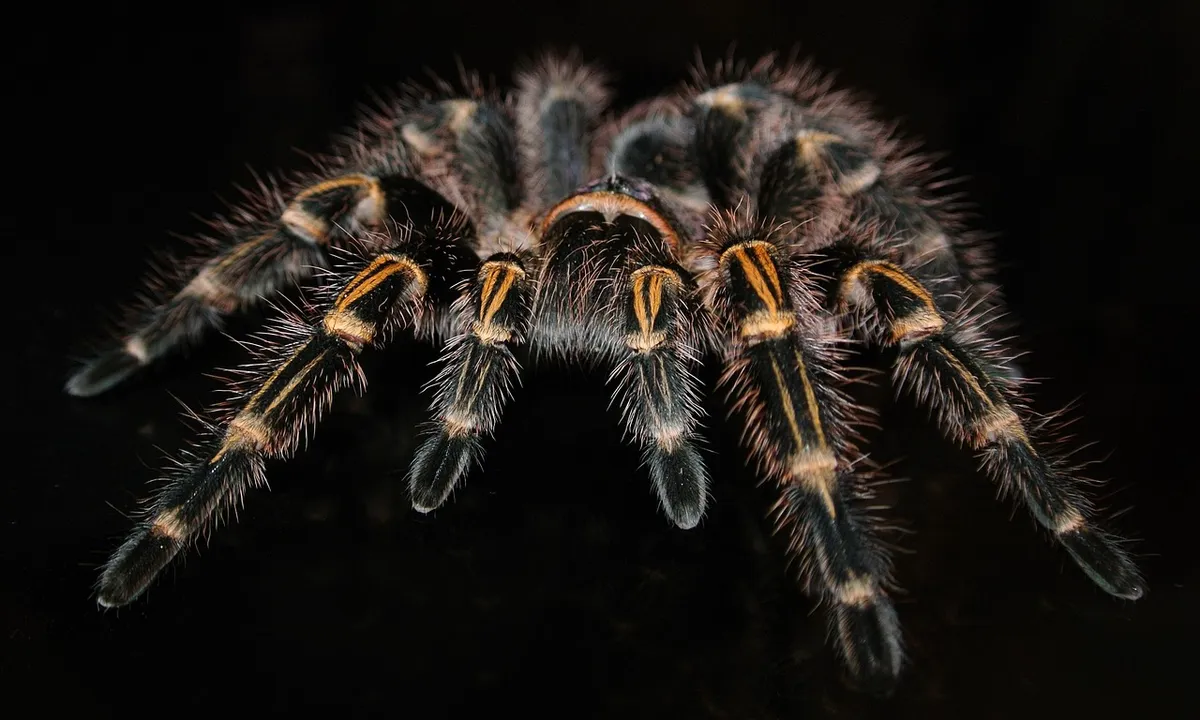
This group includes classics like my Grammostola rosea, Rosie. They are heavy-bodied with a lower center of gravity. While they may dig, it’s often a shallow depression or a remodel of a pre-existing hide. Their primary strategy isn’t deep flight, but stillness and camouflage.
Rosie has spent 15 years as a “pet rock.” She might nudge some substrate with her pedipalps to make a slight divot, but she prefers to tuck herself against the base of her cork bark. For terrestrial tarantulas, the priority is a secure, ground-level hide and enough substrate to allow for natural tamping and shaping behaviors. A deep burrow is optional; a feeling of overhead security is not.
The Tree and Wall Experts: Arboreal & Semi-Arboreal Species
These tarantulas, like many in the Avicularia or Caribena genera, trade digging legs for elongated ones built for climbing. Their tarsi (feet) have dense scopula pads for gripping smooth surfaces. Burrowing is rare. Instead, they seek vertical complexity.
They will create “aerial burrows” or silken tubes high up, anchored between cork slabs, plants, or enclosure corners. My burgundy Goliath (Theraphosa stirmi) shows semi-fossorial tendencies; while not a true arboreal, she demands humidity so high (80-85%) that she often digs a moist crater to sit in, blending ground and air needs. Providing vertical cork bark or similar structures is non-negotiable for arboreal species, giving them the anchor points they need to feel secure off the ground.
| Type | Primary Shelter | Key Husbandry Focus | Example from My Collection |
|---|---|---|---|
| Fossorial | Deep, self-dug burrow | Substrate depth (1.5x leg span), moisture, packability | Flash (P. murinus) |
| Terrestrial | Ground hide or shallow scrape | Secure ground hide, moderate substrate, open floor space | Rosie (G. rosea) |
| Arboreal/Semi-Arboreal | Silk tube/tent on vertical surface | Vertical climbing space, anchor points, cross-ventilation | Goliath (T. stirmi, semi-fossorial) |
The Art of the Underground: How Tarantulas Engineer a Home
Witnessing a tarantula build its burrow is a masterclass in silent, determined effort. It is not random digging. It is deliberate construction.
The Tools and the Process
The tarantula uses its chelicerae (fangs) and pedipalps like tiny shovels and rakes. It loosens substrate, gathers it into a small bolus, and carries it backward in its jaws. I’ve watched Flash do this, his orange form vibrating with focus. The process has distinct phases: Tarantulas hunt and capture their prey by ambush or patient stalking, using vibrations to sense movement and a swift bite to inject venom. After the strike, they typically subdue the prey and begin feeding.
- Excavation: The tarantula removes substrate, often piling it near the entrance or, in captivity, unceremoniously dumping it in the water dish.
- Shaping and Webbing: This is the critical step. The tarantula lines the entire tunnel and chamber with layers of silk. This silk acts as a stabilizing plaster, preventing cave-ins. The silk lining is what transforms a hole in the dirt into a stable, sensory-rich home.
- Architectural Flourishes: Many species build a “porch” or a funnel-shaped entrance, sometimes webbing a tripline of silk around it to alert them to passing prey or vibrations.
Why the Silk Lining is Everything
That silken wallpaper serves multiple lifesaving functions. It provides tactile feedback, transmitting the slightest footfall of a cricket outside. It regulates humidity within the chamber. For moisture-dependent species like Goliath, it holds the dampness close. Most importantly, it creates a clean, controlled space. The tarantula will not defecate in its silk-lined retreat, preserving a sanitary living area.
A tarantula’s burrow is an extension of its senses, a tuned instrument for detecting the world outside while remaining hidden within.
Respecting the Burrow: A Keeper’s Role
Your job is to facilitate, not interfere. Here is how:
- Provide the Right Materials: A mix of coconut fiber, topsoil, and excavator clay holds a shape beautifully. The substrate should be damp enough to clump without dripping when squeezed.
- Never Dig Them Out: If your tarantula seals itself in for a molt, respect the door. Forcing an entry causes immense stress. I learned this early on with a different tarantula; my panic-driven “rescue” disrupted a critical pre-molt fast and likely prolonged its vulnerability.
- Observe from a Distance: Use a soft, red-light flashlight at night to glimpse activity without disturbance. The silence of the enclosure, punctuated by the faint sound of moving substrate, is your reward for patience.
Creating the potential for a natural burrow is one of the most rewarding aspects of tarantula care, offering a secret window into the innate behaviors that define these fascinating animals.
Setting Up for Success: Building the Perfect Digging Arena
Choosing and Preparing the Substrate
The foundation of any good burrow is the substrate itself. I treat it like a construction material, selecting for stability, moisture retention, and safety. Your substrate choice directly impacts your tarantula’s ability to create a secure home and manage its humidity needs. When you pick the right base, you also set the stage for easy maintenance of the enclosure and long-term health. Understanding which substrates work best and how to maintain them helps you keep your tarantula thriving.
For most species, I use a simple mix of 70% coconut fiber (coir) and 30% pesticide-free topsoil. This blend is durable, affordable, and retentive. My Burgundy Goliath, who requires humidity near 80%, gets extra sphagnum moss mixed in to hold that crucial moisture.
Always prepare dry substrate before adding water. Here is my process:
- Combine your chosen materials in a large, clean container.
- Add dechlorinated water slowly, mixing thoroughly.
- Test the consistency. It should hold together in a firm ball without dripping water. A soggy substrate risks mold and mites.
- For added security against pests, you can bake damp substrate at 200°F for 30 minutes, then let it cool completely before use.
Avoid any soils with fertilizers, perlite, or vermiculite. These additives can harm your tarantula if ingested during grooming. The ideal substrate pack offers just enough resistance for engineering a stable burrow that won’t collapse. Substrate selection mistakes are common—there are seven types you should never use with your tarantula. Avoiding these helps keep burrows intact and your tarantula healthy.
Enclosure Layout and Environmental Control
A deep substrate layer is non-negotiable for obligate burrowers. For my juvenile and adult terrestrial diggers, I provide a minimum depth equal to their leg span. My OBT, Flash, has nearly six inches to work with, which she has fully webbed and tunneled into.
Environmental stability prevents stress digging. Use a digital hygrometer and thermometer. I keep most of my collection between 75-80°F with humidity varying by species.
- For moisture-loving burrowers (like T. stirmi): 78-82°F, 80-85% humidity. I maintain this with a deep, moist substrate layer and a large water dish.
- For arid species (like G. rosea): 70-78°F, 40-60% humidity. A water dish and slightly dampened corner of the enclosure suffice.
Cross-ventilation is critical to prevent stagnant air, especially in humid setups. I use enclosures with ventilation on the lower sides and the lid to create a gentle air flow that doesn’t desiccate the burrow. You need to ensure proper ventilation when choosing an enclosure. Place the water dish away from the primary burrow site to avoid flooding during excavations. Add a cork bark flat or half-log as a starter hide; your tarantula will often excavate right beneath it, feeling safer with a ready-made roof.
Reading the Signs: What Your Tarantula’s Digging Tells You
Healthy Excavation vs. Stress Behavior
Healthy digging is a quiet, purposeful activity. You’ll see methodical movements of the pedipalps and front legs, moving substrate to the side or rear. Over hours or days, a neat pit forms, often with a silk-lined entrance. This is a tarantula crafting a personalized refuge, a sign of a content animal settling into its space.
Stress digging is frantic and unmistakable. The tarantula scrambles at the corners, climbs the walls, and throws substrate haphazardly. This is not home-building; it’s an escape attempt. I’ve seen this with improper humidity, excessive vibration, or an enclosure that is too large and exposed. To avoid these common tarantula enclosure setup mistakes, follow proven guidelines for humidity, enclosure size, and vibration control. A properly set up enclosure helps keep the tarantula calm and less prone to stress digging.
Contrast my two very different pets. My OBT, Flash, dug vigorously upon arrival but quickly channeled that energy into constructing an intricate, silken funnel web-a healthy sign for an obligate burrower. My docile G. rosea, Rosie, rarely digs but will gently rearrange substrate near her hide when premolt begins. Observing the pace and pattern of excavation reveals your pet’s comfort level more clearly than any single behavior.
When Your Burrowing Tarantula Stops
A sudden halt in all digging activity usually signals one of three things: pre-molt, maturity, or an environmental issue. Before a molt, many tarantulas become lethargic and seal their burrow entrances with thick webbing. They stop eating and moving substrate. My Rosie once walled herself off for eight months before emerging, fresh and pink from a successful molt.
Mature males may abandon burrowing entirely as they wander in search of a mate. For species like the OBT, a sealed burrow often means a molt is imminent. If digging stops and the tarantula remains out in the open, check your husbandry.
- Is the substrate too dry or too wet? Test the moisture at the burrow’s depth.
- Has the temperature dropped significantly?
- Is there a new source of light or vibration near the enclosure?
Resist the urge to dig the tarantula out for inspection; this causes immense stress and can interrupt a delicate molt. Provide quiet, stable conditions and trust that your pet is responding to its natural cycles. A stopped digger is often a tarantula telling you it needs peace, not intervention.
Handling the Hidden: Care Considerations for Burrowing Pets
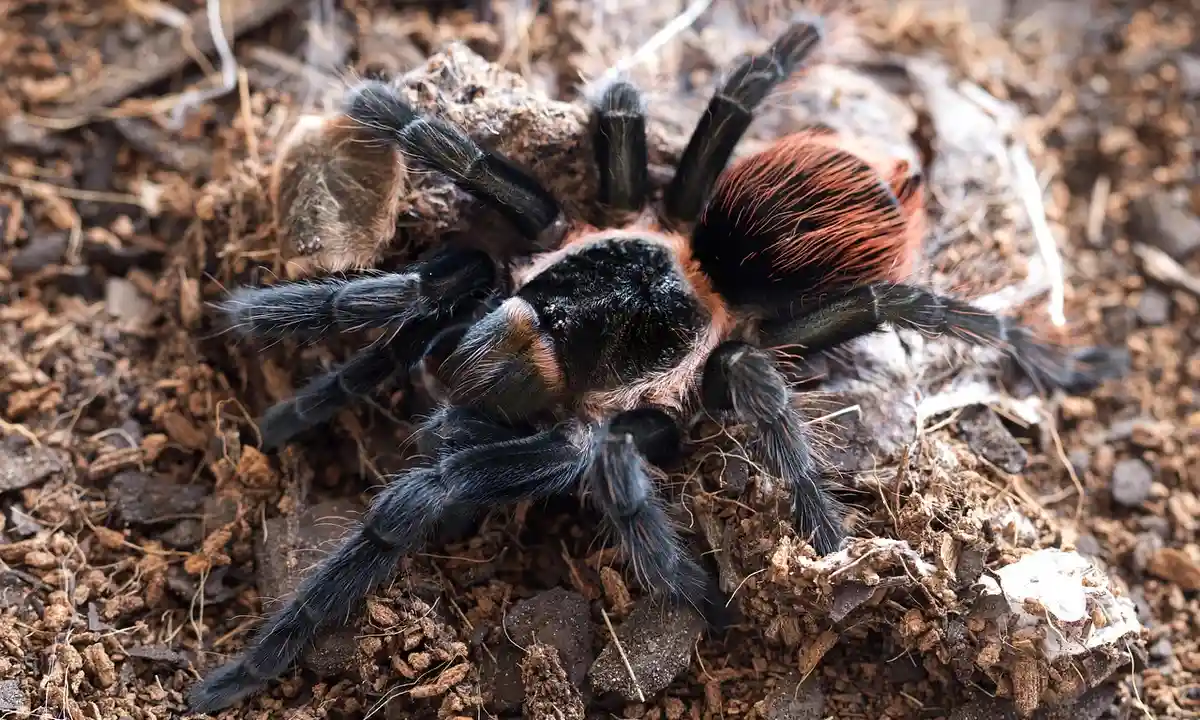
When your tarantula chooses the subterranean life, your role changes from observer to curator of an invisible world. Successful care for a burrowing species hinges on recreating the stable, secure environment of a natural tunnel system. In the ultimate guide to tarantula burrows, we’ll explore why they dig and how to support those tunnels for your pet’s well-being.
The Foundation: Substrate Depth and Composition
A shallow dish of chips is for snacks, not for a digging tarantula. I provide a minimum depth of 1.5 times the tarantula’s diagonal leg span, measured from the substrate surface to the lid.
For my Burgundy Goliath Bird Eater, Goliath, this means 10-12 inches of packed, moist substrate. The right mix prevents collapses and holds humidity where the spider needs it-deep down.
- Coconut Fiber (Coir): Excellent moisture retention. I use it as a base for most species.
- Organic Topsoil: Adds structure and packing density. Always sieve it to remove debris.
- Sphagnum Moss: Mixed in, it helps maintain humidity gradients. I layer it for my T. stirmi.
- Excavator Clay: A small addition can help fossorial species like some Pamphobeteus craft permanent walls.
Managing Microclimates: Humidity and Temperature
Surface conditions are irrelevant to a tarantula six inches underground. You must create a humidity gradient within the substrate itself by watering specific zones. This helps you create a proper substrate moisture gradient for your tarantula, giving it both drier and moister microhabitats to use. Monitor the gradient and adjust watering as needed.
I keep one corner of the enclosure moderately damp for my moisture-loving Goliath, achieving 80-85% humidity at the burrow’s bottom. For arid burrowers like my G. rosea, Rosie, I only lightly dampen the deepest third of substrate every few months.
Temperature is less variable underground. Maintain ambient air temperatures between 75-80°F (24-27°C); the burrow will remain a stable, cozy refuge.
The Practicalities: Feeding and Maintenance
You will rarely see your pet during the day. I feed my burrowers at night by placing pre-killed crickets or roaches directly at the burrow entrance.
If the food remains by morning, I remove it with long tweezers to prevent mold. This routine minimizes disturbance and respects the tarantula’s reclusive nature.
Spot-cleaning is nearly impossible. I rely on a bioactive cleanup crew of springtails and dwarf isopods to process waste and mold in the enclosure’s lower layers.
Safety and Stress: The “Look, Don’t Touch” Imperative
A burrow is a tarantula’s castle. Attempting to extract one for handling is profoundly stressful and risks a defensive reaction, like Goliath’s clouds of urticating hairs.
I learned this during a rehousing of my OBT, Flash. When his cork bark hide was lifted, his explosive speed into a defensive posture was a stark reminder: their world is not for our hands.
Respect their space. Observing the gradual excavation of a tunnel, the careful placement of silk, offers a deeper connection than any brief hold ever could.
Quick-Reference Steps for a Burrower Setup
- Select an enclosure with ample vertical space for deep substrate.
- Add your substrate mix to the required depth and pack it firmly.
- Create a starter burrow by slanting a piece of cork bark into the substrate.
- Water the lower layers according to your species’ needs-never soak the surface.
- Install a shallow water dish on the surface, away from the burrow entrance.
- Place the enclosure in a quiet, low-traffic area to encourage natural digging behavior.
FAQs
How deep do tarantulas typically burrow?
Burrow depth varies dramatically by species and individual. True fossorial tarantulas, like Old World species, may dig tunnels exceeding 12 inches deep in the wild to escape heat and predators. In captivity, providing a substrate depth of at least 1.5 times the tarantula’s leg span allows for natural excavation. Terrestrial species often create much shallower depressions or simply modify existing hides.
How long does it take for a tarantula to complete a burrow?
Construction time can range from a single night to several weeks. The timeline depends on the tarantula’s species, age, motivation, and the suitability of the substrate. A highly motivated fossorial spider in perfect, packable substrate can create the basic structure quickly, but the meticulous process of silk-lining the entire chamber is ongoing. A tarantula will continually maintain and adjust its burrow throughout its residence, especially after significant events like molting.
Do tarantulas reuse old burrows?
They can, but it’s not always preferred. In the wild, a tarantula may expand or take over an existing cavity. In captivity, after a major molt or enclosure cleaning, a tarantula will often rebuild or heavily renovate its burrow rather than simply re-enter the old one. The instinct to create a freshly silk-lined, secure space is strong, as a new burrow offers predictable stability and clean sensory lines.
How does burrow geometry affect tarantula thermoregulation?
The burrow’s design creates a stable microclimate. A deep, vertical shaft allows cooler, more humid air to settle at the bottom while warmer air rises. This gradient lets the tarantula move slightly within its burrow to find its ideal temperature and humidity. The silk lining also helps insulate the chamber and maintain moisture levels, which is critical for proper hydration and successful molting.
What signals indicate a tarantula is defending its burrow?
Defensive postures are clear warnings. A tarantula may block the entrance with its body, raise its front legs and carapace in a threat display, or slap the ground. New World species will often kick clouds of urticating hairs toward the perceived threat. These urticating hairs function as defense by irritating predators, sometimes deterring them before any bite is needed. If the disturbance persists, a defensive bite with venom may follow as a last resort. These behaviors communicate that the tarantula feels its core refuge is under direct invasion.
The Burrower’s Legacy
For the true fossorial species, a deep, packable substrate is not a suggestion-it is the single most critical element of their enclosure. Providing a substrate depth at least 1.5 times their leg span, kept appropriately moist to hold a burrow’s shape, directly dictates their long-term health and sense of security. This parameter matters more than decoration or exact enclosure size.
The true reward comes from quiet observation. Watch the meticulous excavation of a starter hole, the silent hauling of substrate pellets, the gradual transformation of a blank terrarium into a complex, private fortress. My OBT, Flash, didn’t just burrow; she engineered a labyrinth of silk-reinforced tunnels I now only glimpse. Patience reveals these secrets. Your role is to provide the raw materials and stable conditions, then step back and let the spider architect its own world. That is the heart of successful keeping.
Further Reading & Sources
- r/tarantulas on Reddit: Question about burrowing?
- Help … My Tarantula Buried Itself! | Tom’s Big Spiders
- Neoichnology of tarantulas
Arlo is a lifelong arachnid enthusiast who believes tarantulas are the world’s most misunderstood roommates. With years of hands-on experience in tarantula care, habitat setup, and species behavior, Arlo combines expert knowledge with a dash of humor to make spider ownership less scary and a lot more fascinating. From choosing the right enclosure to understanding why your eight-legged buddy is doing that weird little pose again, Arlo is here to help you become the best tarantula parent you can be, without getting tangled in the web of misinformation.
Substrates and Decor