
Heating Mat vs. Heat Lamp: A Definitive Guide for Tarantula Enclosures
Published on: December 28, 2025 | Last Updated: December 28, 2025
Written By: Arlo
In the silent world of a tarantula enclosure, few choices carry as much weight as selecting how to warm it-a decision that directly impacts your spider’s metabolism, molting success, and overall well-being. Through years of breeding everything from pet-rock Grammostola to lightning-fast OBTs, I’ve learned that improper heating is a silent stressor. This guide dissects the debate with precise data and lived experience, helping you create a stable, safe microclimate. For the vast majority of keepers, a thermostat-controlled heating mat applied to the side of the enclosure is the safest, most reliable method.
Quick Stats:
- Primary Use: Heating mats provide gentle, localized warmth; heat lamps create broad ambient heat.
- Risk Profile: Mats pose a low desiccation risk; lamps significantly dry air and can cause thermal burns.
- Keeper Vigilance: Both methods require a thermostat, but lamps demand more frequent humidity and temperature checks.
- Species Example: My moisture-loving Theraphosa stirmi thrives with a mat; a lamp would devastate its required humidity.
This definitive guide will equip you with the knowledge to confidently choose and implement a heating strategy that respects your tarantula’s biology, supporting it from fragile sling to formidable adult.
Understanding Tarantula Heating Needs
Most pet tarantulas need supplemental heat not to bake, but to thrive. Our homes often dip below their comfort zone, slowing metabolism and extending fasts. The goal is to replicate the gentle, natural warmth of their native environment, not to create a single, uniform temperature. A thermal gradient is the cornerstone of ethical invertebrate heating—mimicking how wild tarantulas adapt and survive in desert environments.
A thermal gradient is simply a temperature slope across the enclosure-a warm side and a cool side. This gradient is non-negotiable for health. It allows your tarantula to be an active participant in its own comfort, moving to precisely the spot it needs to digest food, trigger a molt, or simply rest. Without this choice, a tarantula trapped in excessive heat experiences immense stress, which can lead to dehydration, lethargy, and a compromised immune system.
General daytime ranges for most species fall between 70-80°F (21-27°C). Arid species like my old Chilean Rose Hair, Rosie, are content at the lower end. Massive tropical spiders like my Goliath (Theraphosa stirmi) demand consistent warmth paired with high humidity. Fast, arid species like Flash, the Orange Babbler Tarantula (Pterinochilus murinus), prefer it consistently warmer.
| Species Type | Example (My Pet) | Daytime Target | Key Note |
|---|---|---|---|
| Arid Terrestrial | Chilean Rose Hair (Rosie) | 70-78°F (21-26°C) | Tolerates cool spells; prolonged heat is risky. |
| Tropical Terrestrial | Burgundy Goliath (Goliath) | 75-82°F (24-28°C) | Warmth must be paired with 75-85% humidity. |
| Arid/Arid-Favouring | Orange Babbler Tarantula (Flash) | 78-85°F (26-29°C) | Seeks warmth; a gradient prevents overheating in webbed retreat. |
The Science of Thermal Gradients in Enclosure Design
A proper gradient turns your enclosure into a tool for biological self-regulation. Your tarantula’s internal processes are temperature-dependent. After a large meal, it may seek warmth to accelerate digestion. When preparing to molt, it might favor the stable, slightly cooler end. This power of choice directly reduces environmental stress, which is a primary cause of health issues in captivity and is crucial for proper metabolic function.
Creating a gradient is straightforward. Follow these steps for a typical tank:
- Place your heat source (mat or lamp) on one side of the enclosure, covering no more than 25-33% of the total wall or top space.
- Use two digital thermometers: place one probe in the substrate on the heated side, and another on the opposite cool side.
- Aim for a difference of 4-8 degrees Fahrenheit between the two readings. The warm side should be at your species’ target, the cool side at room temperature or slightly above.
- Ensure hides and anchor points for webbing are available on both ends, so the tarantula can feel secure wherever it chooses.
Baseline Temperatures for Common Pet Tarantulas
Targets shift by habitat. Fossorial (burrowing) species, like many from Asia, often prefer stable, warm substrate. Terrestrial (ground-dwelling) types need a warm surface to roam. Arboreal (tree-dwelling) tarantulas require warm, rising air.
- Fossorial (e.g., Haploclastus, Cyriopagopus): 75-80°F (24-27°C) substrate temperature. Focus heat on the lower portion of the enclosure where their deep burrows are.
- Arid Terrestrial (e.g., Grammostola, Aphonopelma): 70-78°F (21-26°C). My Rosie has spent years at 72°F on the cool side, only occasionally basking near a low-wattage source. Lower is safer than higher for these desert-edge species.
- Tropical Terrestrial (e.g., Theraphosa, Megaphobema): 78-82°F (26-28°C). For Goliath, I maintain 80°F on the warm end with a humid substrate. This mimics the warm, damp forest floor.
- Arid Arboreal (e.g., Psalmopoeus, Pterinochilus): 78-85°F (26-29°C). Flash’s enclosure is warm throughout, but his heavy webbing on the warm side creates a buffer. The highest perch should be the warmest spot.
How Heating Mats Work in Tarantula Enclosures
Heating mats, or Under Tank Heaters (UTH), generate warmth through electrical resistance and transfer it via conduction through the glass or acrylic wall. They typically create a distinct “warm side” rather than raising the entire enclosure’s ambient temperature. This makes them ideal for establishing the thermal gradient that is so vital to tarantula health.
Their advantages are specific and significant:
- Quiet and energy-efficient, running on very low wattage.
- Minimal disturbance to air flow and ambient humidity when installed correctly.
- Provide a surface-level warmth that terrestrial species naturally utilize.
Their limitations require careful planning to overcome:
- Risk of localized overheating if unregulated by a thermostat.
- Ineffective for tall arboreal setups, as heat rises poorly through open air from a side mount.
- If placed under the tank, they can over-dry substrate and create an unnatural “hot foot” scenario for a burrowing tarantula.
I have used side-mounted mats for years with terrestrial species like Rosie. They provide a gentle, consistent warmth she can approach or ignore. For a species that can be a “pet rock,” this passive option is perfect-it’s there if she needs it, without fanfare or disruptive light.
Safe Placement and Installation for Heating Mats
Improper installation is the main source of risk with heating mats. Follow these steps for safety:
- Always use a thermostat. Plug the mat into the thermostat, and place the thermostat’s probe directly on the glass inside the enclosure on the area the mat heats. Set the thermostat 2-3 degrees below your target to account for the insulating effect of substrate.
- Mount on the side or back, never underneath. Adhere the mat to the outside of the glass on the lower half of one end. This heats the substrate and lower air, not the tarantula from below.
- Ensure no direct contact. The tarantula should never be able to touch the mat itself. Glass or acrylic must always separate them.
Substrate thickness is a critical insulator. A deep layer of coconut fiber or soil will absorb and disperse the heat, preventing a dangerously hot surface. The heat should permeate to create a pleasantly warm stratum, not a scorching hotspot.
Impact on Humidity and Substrate Moisture
A side-mounted heating mat has a minimal drying effect on the overall enclosure humidity, especially compared to heat lamps which actively circulate air. The key is to manage moisture strategically in relation to the heat gradient.
Heat drives moisture movement. To work with this principle:
- Pour water directly into the substrate on the cool side of the enclosure. This allows for slow evaporation without being rapidly wicked away by the heat source.
- Maintain a deeper moist layer on the cool end, providing a humidity reservoir and a stark moisture gradient that mirrors the thermal one.
- For tropical species like Goliath, I keep the entire substrate moist but double-check the warm-side surface isn’t turning bone dry. A slight dampness should remain.
This method creates a complex, choice-rich environment: warm and drier, cool and humid, and every combination in between. It is the replication of microclimates that truly elevates husbandry.
How Heat Lamps Work in Tarantula Enclosures
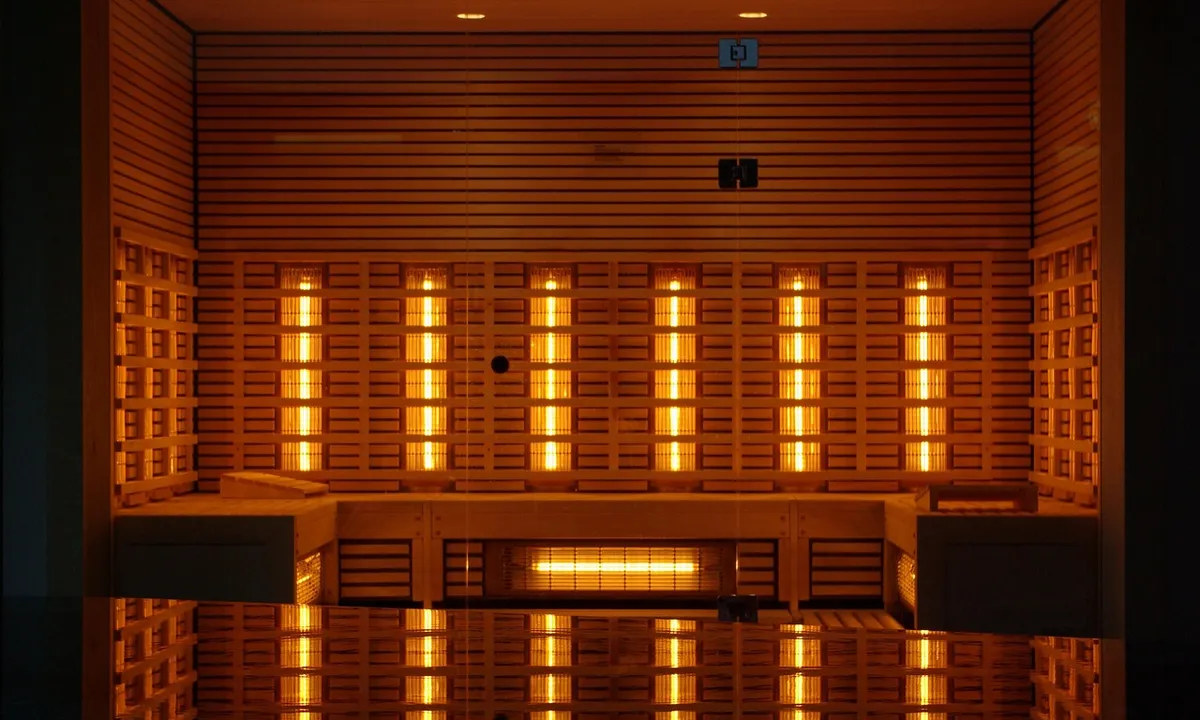
Heat lamps operate through radiant infrared energy, warming surfaces and air directly from above like a miniature sun. This method heats the enclosure’s contents and the ambient air within it, creating a gentle warmth gradient. Radiant heat is particularly effective for species that benefit from a warmer atmosphere, as it mimics natural overhead warmth.
- Pros: Excellent for creating consistent ambient heat in larger terrariums or rooms. Ideal for arboreal species like Psalmopoeus, which naturally climb and may utilize elevated warmth. Provides a broad heat gradient without direct contact on one wall.
- Cons: Can drastically accelerate water evaporation, lowering humidity perilously fast-a real risk for moisture-dependent species. Presents a severe burn risk if the tarantula contacts the bulb or fixture. Requires meticulous distance management to avoid creating dangerous hot spots.
I use a ceramic heat emitter for my Burgundy Goliath Bird Eater, Goliath, to maintain his required 78-82°F ambient range. Even with his water dish full, I monitor humidity daily, as the lamp can desiccate the air in just hours.
Selecting the Right Bulb: Infrared vs. Ceramic
Your bulb choice hinges on whether you need visible light. Ceramic Heat Emitters (CHEs) emit only infrared heat, with zero light, perfect for a natural day-night cycle. Infrared basking lamps produce both heat and visible, often reddish, light. For tarantulas, I always recommend ceramic emitters to avoid unnecessary light stress.
Wattage depends on your setup. A 60-watt CHE is sufficient for a standard 10-gallon tank in a room around 68°F. For larger enclosures or colder rooms, a 100-watt emitter may be needed. Always pair the bulb with a dimming thermostat for precise control.
Calculating Safe Distance and Coverage Area
Safety is paramount. Follow these steps to position your lamp:
- Place a thermometer at the substrate level directly under the lamp’s focal point.
- Turn on the lamp with the thermostat and adjust the height until the temperature stabilizes 5-8°F above your room’s ambient temperature.
- Check temperatures across the enclosure to ensure a gradient, with a cool end remaining at room temp.
You must use a wire cage guard around the bulb to prevent any possibility of contact burns. Always secure clamp lamps to a stable stand or shelf, never to the fragile mesh lid of the enclosure. I learned this after a clamp failed years ago, luckily over an empty tank-the silence of the enclosure was broken by the shatter of glass.
Side-by-Side Comparison: Heating Mat vs. Heat Lamp
| Feature | Heating Mat | Heat Lamp (Ceramic Emitter) |
|---|---|---|
| Heat Type | Conductive, localized to one surface | Radiant, warms air and surfaces from above |
| Best For | Terrestrial species; small heat boosts | Arboreal species; raising ambient air temperature |
| Effect on Humidity | Low impact if placed on the side | High impact; rapidly lowers humidity |
| Burn Risk | High if burrowed against glass | High from direct contact or close proximity |
| Safety Priority | Thermostat & side-mounting are mandatory | Thermostat, guard, and secure mounting are mandatory |
For a ‘look, don’t touch’ philosophy, heating mats are generally safer when properly configured, as they eliminate risks from overhead fixtures and light disturbance.
Energy Efficiency and Operational Costs
Both methods use similar wattage, typically 8-100 watts. A mat uses energy continuously but cycles on/off with a thermostat. A lamp may run more constantly to heat air. Long-term costs are nearly identical for equivalent wattage, but a thermostat slashes waste for either system. My 50-watt mat for Rosie’s enclosure costs pennies a day, comparable to the 60-watt ceramic emitter for Goliath’s tank.
Assessing Risk: Burns, Stress, and Enclosure Safety
Risks are specific to each method. A heating mat can cause severe belly burns if a tarantula, like my docile Rosie, decides to burrow and press against the heated glass for weeks. A heat lamp risks carapace burns or dehydration, especially for a curious, fast species like my OBT, Flash. Using a thermostat with either device is the single non-negotiable rule for safe tarantula husbandry. It prevents overheating and mimics the subtle temperature drops of evening, reducing animal stress.
Matching Heat Source to Tarantula Species and Life Stage
Choosing a heat source is not about personal preference; it is about replicating a microclimate.The best choice is dictated by your tarantula’s natural history—whether it is a deep-burrowing fossorial species, a ground-walking terrestrial, or an air-walking arboreal tree-dweller. In a complete guide, you’ll learn whether a heat lamp is needed and how to provide safe, appropriate warmth. We’ll also compare alternative heat sources and their pros and cons.
I use my own collection as a living case study. For Rosie, my Chilean Rose Hair, a heating mat is perfect. Her species hails from scrubland where ground warmth persists. The mat on the side of her tank creates that gentle, subterranean gradient she instinctively seeks.
My Burgundy Goliath Bird Eater, Goliath, presents a different puzzle. His Amazonian habitat is uniformly warm and soggy. A heat lamp can help maintain his high ambient air temperature, but I use it with extreme caution, as it will aggressively suck moisture from his enclosure if not meticulously managed.
For Flash, my Orange Baboon Tarantula, the answer is usually ‘none.’ His arid, hot hide in the wild is best mimicked by a warm room. Adding a directed heat source to his already dry, web-filled enclosure risks creating a dangerous desert.
Recommendations for Terrestrial vs. Arboreal Setups
For terrestrial and fossorial species that interact with the ground, heating mats are frequently sufficient. They warm the substrate and the lower air column, which is where these spiders spend their lives.
In tall arboreal enclosures, heating the base is less effective. A properly installed heat lamp warms the air column, allowing tree-dwelling species like Psalmopoeus or Avicularia to thermoregulate at their preferred height.
Significant exceptions exist. Moisture-sensitive fossorial species, like many from arid regions, can be harmed by a side-mounted mat that bakes out their burrow’s humidity. Conversely, a lamp over a swamp-like enclosure for a Theraphosa can ruin your humidity efforts in an afternoon.
- Heating Mat Best For: Most terrestrial/fossorial species (Grammostola, Aphonopelma, Brachypelma).
- Heat Lamp Best For: Tall arboreal setups and some moisture-loving terrestrial species needing ambient warmth.
- Proceed with Caution: Arid species in small enclosures and any setup where controlling humidity is a priority.
Adjusting Heat for Spiderlings and Adult Tarantulas
The smaller the container, the faster and more drastic temperature swings can occur. Spiderlings housed in deli cups or small vials almost never need supplemental heat if your room is a stable 70-75°F; the risk of accidental cooking is far too high.
For juveniles and adults in larger enclosures, thermal gradients become possible and beneficial. This is when closer monitoring with a digital thermometer is non-negotiable. Their larger mass can handle subtle shifts, but you must provide a clear warm zone and a cool retreat.
Step-by-Step Safe Installation for Both Methods
Safety is not a suggestion. Every heat source must be regulated by a reliable thermostat, and its effect must be verified before your tarantula moves in. An unregulated heat mat is a frying pan, and an uncontrolled bulb is an open flame. Lighting matters as well: colored lights, including blacklights can stress tarantulas. Use them with caution or avoid them unless observation requires it.
Installing a Heating Mat with a Thermostat
- Select a mat sized for no more than one-third to one-half of the enclosure’s side or back panel. Never place it underneath the tank.
- Clean the glass with water, let it dry, and firmly attach the mat to the outside surface. I use the back panel to keep cords tidy and out of sight.
- Place the thermostat probe inside the enclosure. I use a dab of hot glue or a probe holder to secure it directly on the substrate against the heated glass. This tells you the exact temperature your tarantula can touch.
- Set the thermostat to your target temperature (e.g., 78°F). Let the system run empty for a full 24 hours, checking the opposite side of the enclosure stays cooler. Only then is it safe.
Installing a Heat Lamp with a Thermostat
- Choose a radiant heat source like a Ceramic Heat Emitter (CHE) or a guarded infrared bulb. Standard light-emitting bulbs are disruptive and stressful.
- Secure the lamp in a ceramic fixture above a well-ventilated screen top. Maintain a distance of 8-12 inches, ensuring no plastic or flammable decor is near the beam.
- Place the thermostat probe mid-level inside the enclosure, suspending it in the air column. This senses the ambient temperature your arboreal tarantula will experience.
- Set the thermostat and monitor. Use a second thermometer near the substrate to ensure the heat gradient is appropriate and not baking the ground dry.
Monitoring and Balancing Temperature with Humidity
Choosing your heat source is only half the battle. Constant, precise monitoring is the bedrock of responsible tarantula care, preventing silent husbandry failures before they impact your spider’s health. You cannot manage what you do not measure. A cheap, analog dial stuck to the outside glass is worse than useless-it provides dangerously inaccurate data.
I rely exclusively on digital thermometer/hygrometer combos with remote probes. These small, affordable units give you real-time data from exactly where your tarantula lives.
- Dual-probe units for simultaneous warm/cool side readings.
- Models with memory functions to track daily highs and lows.
- Compact displays that sit outside the enclosure to avoid disturbance.
Tool Placement for Accurate Readings
Strategic probe placement is everything. Your goal is to map the thermal gradient, not just get a single number. I place one probe directly on the substrate in the designated warm zone, and a second probe on the substrate at the farthest cool end. This shows the actual temperature range available to the tarantula.
Room temperatures shift, especially at night or with household activity. Check your readings in the morning, afternoon, and evening for two to three days to understand the full cycle your enclosure experiences. This data is gold-it tells you if your heating is consistent or if you need a thermostat for better control.
Maintaining Humidity When Using Heat
Heat transforms humidity. An overhead heat lamp acts like a miniature sun, dramatically accelerating evaporation from substrate and water dishes. For species needing moist conditions, like my T. stirmi Goliath, lamps demand constant compensation. My solutions include using an oversized, deep water dish placed on the warm end to boost ambient humidity and keeping one specific corner of the substrate thoroughly moistened at all times.
Side-mounted heating mats have a much smaller impact on overall enclosure humidity. Here, your focus shifts to substrate choice and targeted hydration. To support that, create a substrate moisture gradient for your tarantula so it can choose its preferred moisture zone. A gentle gradient across the substrate encourages natural behavior while avoiding uniformly damp conditions. Use a moisture-retentive substrate like coconut fiber or topsoil. I then practice partial misting-lightly spraying only one section of the enclosure wall and substrate, allowing the tarantula to choose its preferred moisture level. This method keeps my G. rosea Rosie’s enclosure stable without making her entire world damp.
Recognizing and Preventing Heat Stress and Injury
Tarantulas are exquisitely sensitive to temperature extremes. Watch for the subtle, then urgent, signs of heat distress: a spider flattened against the coolest glass pane, excessive water bowl use, unusual lethargy, or a classic “death curl” that is actually a thermal retreat. Beyond heat distress, your tarantula can show signs of stress or aggression. Look for a sudden threat posture with raised legs, followed by rapid movements or hair flicking.
Immediate action is required if you see signs of overheating; turn off the heat source and provide ventilation. Move the entire enclosure to a cooler room if necessary. A stressed tarantula is vulnerable, so minimize handling and disturbance during recovery.
Identifying Physical Burns and Dehydration
Direct contact with a heat source or overly hot surfaces causes severe injury. A burn may appear as a darkened, strangely shiny, or dented patch on the abdomen or legs-this is catastrophic damage to the exoskeleton. Dehydration from low humidity manifests differently: a shrunken, wrinkled abdomen and stiff, hesitant movements.
- For suspected burns, isolate the spider on damp paper towel in a simple, clean ICU and consult an exotic vet immediately. Healing is only possible after the next successful molt.
- For dehydration, provide a full water dish and gently dampen a small area of substrate near the spider. Patience is key; rehydration is a slow process.
Creating a Fail-Safe Heating Plan
Hope is not a strategy. Every single heat mat or lamp must be connected to a reliable thermostat with a high-temperature safety cutoff. This device is non-negotiable insurance against equipment failure and room temperature spikes. I perform a monthly “equipment audit,” checking all connections, testing thermostat probes, and visually inspecting cords for damage.
Seasonal changes are a major risk. My own close call came during an unseasonable summer heatwave; my office temperature soared, and a heat mat set for 78°F began pushing past 90°F. The thermostat alarm saved my spider. Now, I recalibrate all settings at the start of each season and never assume yesterday’s settings are safe for today.
FAQs
Is a thermostat really mandatory for both heating mats and lamps?
Yes, a thermostat is an absolute non-negotiable for any heat source. An unregulated heating mat can quickly reach temperatures high enough to cause severe burns, while an uncontrolled heat lamp can desiccate and overheat an enclosure in minutes. The thermostat acts as a fail-safe, automatically cycling the device on and off to maintain your precise target temperature and prevent dangerous spikes.
Are there any tarantulas that don’t need supplemental heat?
Absolutely. Many common pet tarantulas, especially from arid climates, do just fine at stable room temperatures between 70-75°F. Fast, arid species like Old World tarantulas often fare better with a warm room rather than a localized heat source that can dry out their enclosure. Furthermore, spiderlings in small containers should almost never have supplemental heat due to the extreme risk of rapid overheating. Likewise, maintaining species-appropriate humidity is essential because ideal temperature and humidity ranges vary by tarantula. Use a hygrometer to monitor and adjust humidity to stay within that range.
What should I do if the power goes out, especially in winter?
First, do not panic. Tarantulas are resilient and can tolerate a gradual temperature drop. Insulate the enclosure by wrapping it in towels or blankets to slow heat loss. Avoid using makeshift heat sources like hand warmers directly on the glass, as they can create dangerous, unregulated hot spots. The priority is maintaining a stable, cool environment until power returns. Heating changes can also alter humidity, so common mistakes include over-drying the enclosure with excessive insulation or using humidifiers inconsistently. Large humidity swings can stress or harm your tarantula even if the temperature seems manageable.
Can I use a heating mat and a heat lamp together?
This is generally not recommended and is overkill for almost all setups. Combining heat sources makes it extremely difficult to manage a safe thermal gradient and often leads to excessive temperatures and critically low humidity. It is far better to correctly size and install a single, appropriate heat source regulated by a thermostat to meet your specific tarantula’s needs.
What are the immediate signs my tarantula is too hot?
Key distress signs include the tarantula pressing itself against the coolest glass pane, often in a corner, in an attempt to escape the heat. You may also notice unusual lethargy or excessive time spent at the water dish. A tarantula in a classic “death curl” position away from the heat source is a severe sign of thermal stress requiring immediate intervention. Note that a similar curled posture can occur during molting and is not necessarily an emergency. If you suspect molt, look for a shed exoskeleton nearby and avoid handling until the molt finishes.
How often should I check or recalibrate my setup?
You should spot-check temperatures daily with your digital thermometers. Perform a full system check monthly, ensuring thermostat probes are securely placed and reading accurately. Recalibrate your entire setup with the changing seasons, as room temperatures fluctuate, to ensure your settings still create a safe and appropriate gradient.
Long-Term Success
After evaluating all the options, your primary goal is unwavering stability. The single most important parameter for any tarantula is a safe, gentle heat gradient that allows for natural thermoregulation without desiccating the enclosure or creating dangerous hot spots. Humidity matters too. Different popular tarantula species have distinct heat and humidity needs. My Burgundy Goliath taught me this through clear preference, always retreating to the humid, unheated side when my early setup was too aggressive.
Your greatest tool is your own quiet observation. Enjoy the behavioral poetry a correct temperature gradient unlocks: the deliberate soil testing by a fossorial species, the intricate web funnel construction of my OBT Flash, the contented stillness of my rose hair Rosie. Progress in this hobby is measured in molts and subtle shifts, not days. I have learned more from watching my spiders choose their comfort zone than from any device, a practice built on respect and infinite patience.
Further Reading & Sources
- r/tarantulas on Reddit: Heat mat with spiders, yes or no?
- Heat Mat (Mini 4 Watt)
- giantspiders.com – Heating & Humidity
Arlo is a lifelong arachnid enthusiast who believes tarantulas are the world’s most misunderstood roommates. With years of hands-on experience in tarantula care, habitat setup, and species behavior, Arlo combines expert knowledge with a dash of humor to make spider ownership less scary and a lot more fascinating. From choosing the right enclosure to understanding why your eight-legged buddy is doing that weird little pose again, Arlo is here to help you become the best tarantula parent you can be, without getting tangled in the web of misinformation.
Heating and Humidity