
Live Prey vs. Pre-Killed: A Guide to Tarantula Feeding Methods
Providing food is one of the most intimate acts of tarantula care, a silent negotiation between your offering and the spider’s primal instincts. This choice between wriggling live prey and motionless pre-killed items directly impacts your pet’s health, stress levels, and even your safety as a keeper. Drawing from years of trial and error with everything from pet rocks to hair-kicking giants, this guide cuts through the debate with clear, species-specific advice.
Quick Stats:
- Common Prey: Crickets, dubia roaches, mealworms, hornworms
- Feeding Rhythm: Slings/Juveniles: every 5-7 days; Adults: every 10-14 days
- Critical Risk: Live feeders can injure or kill a tarantula during its vulnerable molt
Mastering these methods will give you the confidence to support healthy development through every life stage, from tiny sling to majestic adult.
The Core Debate: Live Prey Versus Pre-Killed Prey
At the heart of feeding lies a simple question: do we replicate the wild hunt or provide a safer, curated meal? Live prey feeding is the practice of offering living invertebrates, like crickets, which triggers your tarantula’s innate predatory sequence through movement and vibration. This method champions natural behavior, providing environmental enrichment and stimulating exercise.
In contrast, pre-killed prey involves offering food items that have been humanely euthanized prior to introduction. This philosophy prioritizes control and safety, eliminating any risk of the prey injuring a vulnerable tarantula, especially during or after a molt. It shifts the keeper’s role from spectator to active provider, focusing on guaranteed nutrition over the spectacle of the hunt. While ethical concerns about prey welfare are valid, most keepers focus on the swift, efficient nature of a tarantula’s strike, whether the prey is live or freshly pre-killed.
What Are the Common Feeding Methods?
You have three primary techniques, each suited to different situations and tarantula personalities.
- Direct Live Feeding: This is the classic method. You drop a live insect directly into the enclosure. It works best for active, hungry tarantulas in simple setups. I avoid this with my heavy webbers like Flash, my OBT, as the prey just gets lost in the dense silk.
- Pre-Killed Offering via Tongs: Using long, soft-tipped tongs, you present the pre-killed prey, often giving it a slight jiggle near the tarantula. This mimics movement without risk. This is my preferred method for my fast Old World species, as it allows precise placement and keeps my fingers far from a defensive strike.
- Leaving Pre-Killed in the Enclosure: You simply place the pre-killed prey in an accessible spot and leave it overnight. This is excellent for shy, nocturnal species or tarantulas in premolt who may eat later. Just remember to remove any uneaten food by morning.
Do Tarantulas Have a Preference?
Their instinct is wired for movement. A darting cricket triggers a deep-seated predatory response that a still item does not. However, many well-adapted captive tarantulas will readily accept pre-killed prey, especially if they recognize the food item and are hungry. Do tarantulas hunt and capture their prey? In the wild they generally hunt live prey, using ambush or stalking before striking. This acceptance varies wildly.
My 15-year-old G. rosea, Rosie, would stare at a live cricket for a week but might eventually take a pre-killed one left at her burrow entrance. My T. stirmi, Goliath, is an opportunistic vacuum cleaner; movement is irrelevant, if it’s food, it’s gone. Spiderlings often need the stimulation of live, tiny prey like pinhead crickets or chopped mealworms. An individual’s personality, not just its species, plays a huge role in what feeding method succeeds.
Prey Essentials: Types, Sizing, and Feeding Schedule
Choosing the right fuel is non-negotiable for your tarantula’s health. This isn’t about variety for our sake, but about providing complete nutrition and proper hydration through their prey.
What Types of Prey Are Nutritionally Best?
The staple diet for most tarantulas should be gut-loaded invertebrates. Gut-loading means feeding your prey insects nutritious foods 24-48 hours before offering them, transferring those nutrients to your spider. For beginners, this is part of a complete feeding guide. A full guide also covers prey size, feeding frequency, and monitoring your tarantula’s health.
- Crickets: The common default. They are readily available, stimulate hunting, and are decent nutrition when gut-loaded. Their main downside is noise and smell if they die uneaten.
- Dubia Roaches: My top recommendation for many keepers. Dubias are quieter, less likely to burrow, and are superior nutritional packages with higher meat-to-shell ratio than crickets. They are also easier to contain if dropped.
- Mealworms and Superworms: Best offered pre-killed or with the head crushed. Their tough chitin can be hard to digest, and they can bite. I use them as occasional supplements, not staples.
Vertebrate prey, like pinky mice, should be viewed as rare, optional treats for the largest species, not a dietary requirement. They are extremely fatty and create massive, messy waste. I’ve offered one to Goliath twice in four years as a curiosity; it’s not a standard part of responsible care.
How to Determine the Correct Prey Size
The golden rule is simple: the prey item should be no larger than your tarantula’s abdomen. A target slightly smaller is always safer. An oversized prey animal can injure your tarantula or cause a refusal to eat due to intimidation.
| Tarantula Life Stage | Abdomen Size (Approx.) | Appropriate Prey Examples |
|---|---|---|
| Spiderling (1-2″) | Pea-sized or smaller | Pinhead cricket, chopped mealworm, flightless fruit fly |
| Juvenile (3-4″) | Blueberry to grape-sized | Small cricket, 1/2″ dubia roach, small mealworm |
| Adult (5″+) | Grape to walnut-sized | Large cricket, adult dubia roach, superworm (pre-killed) |
Setting a Feeding Frequency
For a typical adult tarantula at room temperature, a meal once every 7-14 days is a solid baseline. In practice, the best diet and feeding schedule for a healthy tarantula is guided by body condition, not rigid dates. Your most reliable feeding schedule is written in your tarantula’s abdomen size and behavior, not on a calendar. A plump, rounded abdomen means you can skip a week. A shrunken, wrinkled abdomen signals it’s time to offer food.
Metabolism slows dramatically with age. My adult G. rosea may eat only 4-5 times a year. Factors that alter frequency include species (fast-growing Theraphosa vs. slow-growing Grammostola), ambient temperature (warmer = faster metabolism), and the most critical factor: pre-molt. When your tarantula darkens and refuses food, stop feeding entirely until its new exoskeleton hardens weeks later. This patience is a cornerstone of good husbandry.
The Live Prey Method: Embracing the Hunt
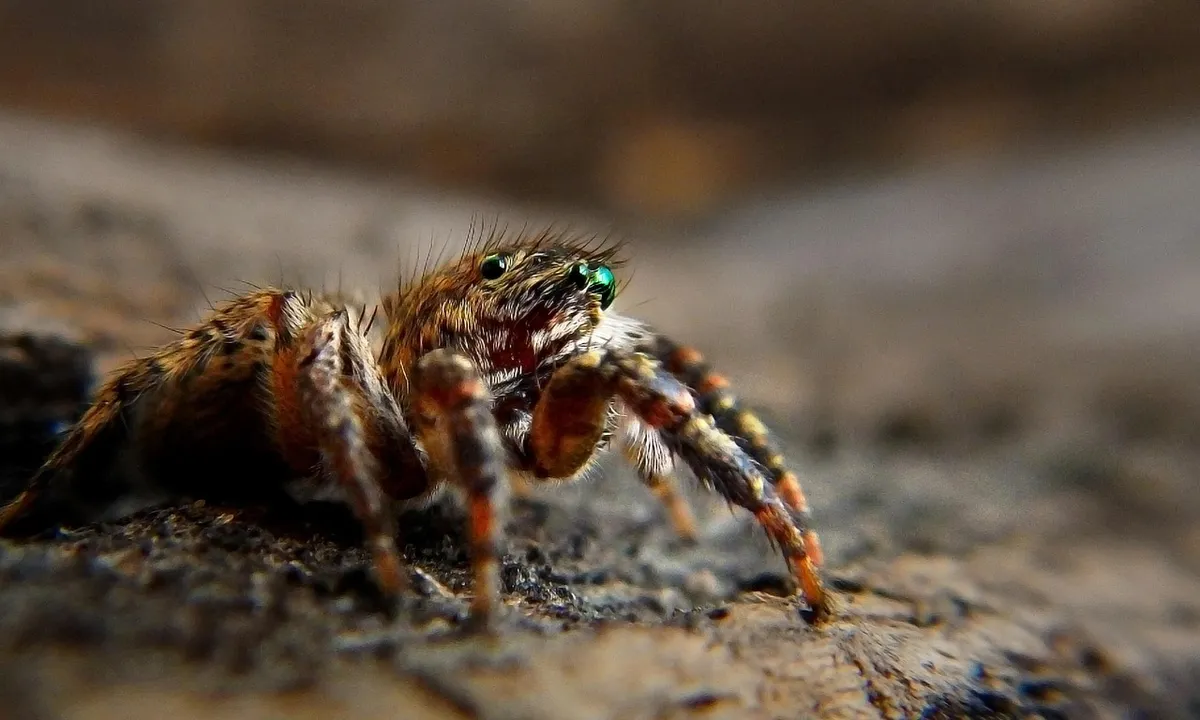
Placing a live feeder into the enclosure is an act of invitation. It calls forth a tarantula’s deepest instincts. I recall the first time I fed my OBT, Flash; her vibrant orange form shot from her web tube with electric speed, a silent strike followed by the crisp sound of chitin yielding. Live prey feeding is a dynamic husbandry choice that prioritizes behavioral enrichment, but it demands your vigilant attention to mitigate inherent risks. This method is not casual-it is a practiced ritual of observation and intervention.
- Procedure: Introduce one appropriately-sized live insect, like a cricket or roach, directly into the enclosure using long tongs. Always supervise the interaction.
- Benefits: Stimulates natural hunting sequences, provides physical exercise, and prevents boredom-related lethargy.
- Risks: Prey can injure a vulnerable tarantula, cause chronic stress, or escape into your home. Informed caution is your best tool.
Benefits of Live Prey for Enrichment
Watching a tarantula hunt is witnessing evolutionary precision. My Burgundy Goliath, often a sedentary giant, transforms when a large roach wanders through her damp substrate. Her palps twitch, her body tenses, and she moves with surprising purpose. Live prey triggers a cognitive chain reaction—vibration detection, threat assessment, and capture—that keeps your tarantula engaged with its environment. This mental workout is as crucial as the nutrition itself. Observers can read the tarantula’s feeding dance—the subtle leg tremors, tense posture, and momentary stillness that signal readiness to eat. It’s a quiet choreography that reveals intent before the strike.
- Encourages species-specific behaviors: web-building in arboreals, ambushing in fossorials.
- Provides physical activity, promoting muscle tone and coordination.
- Offers you, the keeper, a fascinating glimpse into predatory mechanics rarely seen with static food.
Risks and Safety Precautions for Live Feeding
A live cricket is not a passive meal. I once had to intervene when a superworm began chewing on my docile G. rosea during her pre-molt sleep. The tarantula was unharmed, but the lesson was etched in memory. The primary rule of live feeding is this: you are the moderator, responsible for preventing harm the moment you introduce the prey.
Key risks include:
- Injury: Feeder insects can bite or scratch, especially targeting a tarantula’s eyes or soft abdominal area.
- Stress: Persistent, uneaten prey can harass a tarantula, leading to refusal to eat or hide.
- Escape: Crickets and roaches are adept at finding tiny gaps, leading to unwelcome houseguests.
Enforce these safety precautions every single time:
- Never leave live prey unattended. Supervise for at least 15-20 minutes, or until the prey is captured.
- Select prey smaller than your tarantula’s body length (excluding legs) to minimize defensive capability.
- Remove any uneaten live prey within one hour to eliminate stress and risk.
- Use escape-proof enclosures. Check for ventilation gaps or unsecured lids before feeding.
- Avoid live feeding for tarantulas in pre-molt, those that have recently molted, or individuals showing signs of illness.
The Pre-Killed Method: Prioritizing Safety and Control
Pre-killed feeding is an act of thoughtful care, not a diminished experience. For my old Chilean Rose, Rosie, who fasts for months, a gently wiggled, pre-killed cricket is often the only offering she will accept without stress. This method places the tarantula’s safety and comfort above the spectacle of the hunt, offering unparalleled control over the feeding environment. It is a cornerstone of responsible, low-stress husbandry.
- Technique: The prey is humanely euthanized before presentation, often via brief freezing.
- Acceptance: Most tarantulas readily accept pre-killed food, especially when it is presented with slight movement to stimulate interest.
- Validity: This is a full and complete feeding strategy, essential for many life stages and scenarios.
Advantages of Offering Pre-Killed Prey
Choosing pre-killed prey eliminates the unpredictable variable of a living insect’s behavior. You trade the raw drama of the hunt for absolute certainty that your tarantula faces no threat from its meal. This is the method I default to for all my tarantulas during their sensitive molting cycles.
- Eliminates all risk of injury from prey fighting back.
- Drastically reduces feeding-related stress for shy or nervous specimens.
- Allows for precise portion control, helping manage abdomen size and overall health.
- Enables bulk purchasing and frozen storage of feeders, saving time and money.
- Is non-negotiable for vulnerable tarantulas: slings, post-molt individuals, or those recovering from injury.
How to Prepare and Present Pre-Killed Prey
Success with pre-killed prey hinges on presentation. The goal is to mimic enough life to trigger a feeding response without the risks. I use 12-inch soft-tipped tongs for every feeding, a habit that protects my tarantulas’ delicate fangs from accidental metal contact. Proper technique turns a dead insect into an irresistible offering, satisfying both nutrition and instinct.
- Humanely pre-kill the feeder insect. Place crickets or roaches in a freezer for 15-20 minutes; this is a quick and painless method.
- Thaw frozen prey completely. Let it sit at room temperature for 10-15 minutes. Never offer a cold insect.
- With soft-tipped tongs, gently place the prey at the enclosure’s front or directly into the tarantula’s web. Avoid startling the spider.
- If the tarantula doesn’t immediate investigate, gently wiggle the prey for a few seconds to simulate weak movement.
- Remove any uneaten prey after 24 hours to prevent mold growth and maintain a clean habitat.
How Can You Tell If Your Tarantula Has Eaten?
Tarantulas consume their meals in private, leaving behind subtle evidence. After feeding my T. stirmi, I often find a damp, neatly wrapped bolus of cricket legs and wing casings in the corner the next morning. A successfully fed tarantula will display a noticeably fuller, rounded abdomen, sometimes looking glossy and taut. This contrasts with the lean, often darker abdomen of a spider in pre-molt fasting. If you’re unsure whether your tarantula is hungry or stressed, this feeding-behavior guide can help you tell which state it’s in. It covers appetite cues, activity around feeders, and signs to watch for when adjusting your feeding routine.
- Look for a discarded prey bolus-a small, dry ball of indigestible parts.
- Observe a visible increase in abdominal girth, which can happen within hours of feeding.
- Note a lack of interest in new food. A satiated tarantula will ignore or retreat from fresh prey offers.
Navigating Special Feeding Circumstances
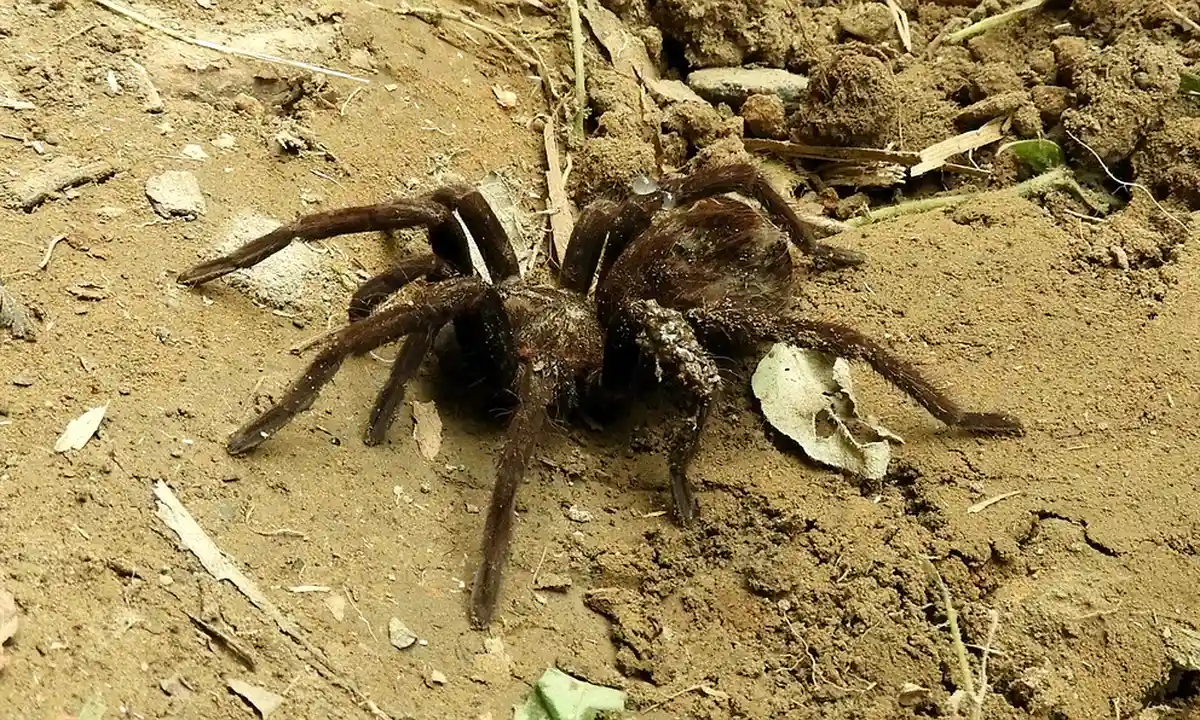
Even with a perfect routine, every keeper encounters tricky feeding scenarios. Handling these moments calmly prevents stress for you and your tarantula. Here is how I manage the most common situations.
Feeding and the Molt Cycle: A Complete Stop
Molting is the most critical time to alter your feeding protocol. You must cease all feeding the moment you see the abdomen darken into a shiny, inky black. This signals the premolt phase, where the tarantula is preparing to shed its exoskeleton. I learned this lesson with my Grammostola rosea, Rosie; offering food during this time can cause the spider to strike out of stress and potentially damage its fragile, loosening skin. These pre-molt fasts are just part of a broader ‘when not to feed‘ approach. The guide also covers other fasting periods to help you time feeding around molts and recovery.
The post-molt period requires equal patience. Do not offer any food until the tarantula’s fangs have hardened, a process taking one to two weeks. Their new fangs are soft and white, unable to puncture prey. I use this quiet time for observation, respecting the spider’s need for absolute stillness and security in its enclosure. It’s especially important to know when to feed after the molt.
Identifying and Correcting Overfeeding or Underfeeding
Reading your tarantula’s body condition is a fundamental skill. An abdomen that is overly plump or dangerously shrunken indicates a feeding imbalance that needs correction. Regular visual checks are your best tool.
Overfeeding signs include a grossly rounded abdomen that may drag on the substrate, increasing the risk of a fatal rupture from a short fall. This is common in slower, terrestrial species. Correct it by immediately extending the time between meals. For my adult Rosie, I sometimes space feedings out to five or six weeks until her proportions normalize.
Underfeeding presents as a severely shrunken, wrinkled abdomen and a notable lack of movement. The corrective action is gentle and gradual. Start with pre-killed, smaller prey items offered more frequently.
- For Overfeeding: Halt feeding for several weeks. Ensure climbing hazards are removed to protect a heavy abdomen.
- For Underfeeding: Offer pre-killed prey every three to four days. Once the spider regains strength, you can reintroduce appropriate live prey.
Preventing Prey Escape in the Enclosure
A loose cricket or roach can harass a molting tarantula or disrupt a bioactive setup. Secure containment of prey is a non-negotiable aspect of responsible feeding. My fast Psalmopoeus murinus, Flash, taught me the importance of escape-proof tactics after a cricket hid in its complex web for days.
- For spiderlings or small juveniles, feed inside a separate, bare container like a deli cup for complete control.
- Use high-sided, smooth ceramic or glass prey dishes that insects cannot scale.
- Select prey with limited burrowing ability, such as lateralis roaches, if you must leave them unattended briefly.
- Always double-check that enclosure lids are snapped or clipped securely shut. I have witnessed crickets lift lightweight mesh.
Species-Specific Strategies and Final Tips
Advanced care means adapting your methods to the spider’s natural history and your enclosure’s design. These nuanced strategies will refine your feeding practice and boost your tarantula’s well-being.
Key Feeding Differences Among Tarantula Species
Hunting strategy is dictated by habitat. Terrestrial, burrowing species like Grammostola are patient ambush predators. My Rosie will often ignore a cricket for hours before seizing it lazily at her burrow’s mouth. With these spiders, you can safely leave a single live prey item for up to 24 hours.
Arboreal and fast terrestrial species are active pursuers. My OBT, Flash, uses lightning speed from its web funnel. For these hunters, ensure prey is placed where they can easily detect and reach it; avoid dense foliage where prey can hide and die uneaten.
Environmental needs directly impact feeding success. Humidity-dependent species like Theraphosa stirmi require moist conditions to properly digest their large meals. For my Goliath, I maintain 80-85% humidity and often provide a gentle mist after feeding, which seems to stimulate its appetite and aid its physiology.
Hydration: The Role of Water During Feeding
Prey is a source of moisture, but it is not a replacement for fresh water. A shallow, clean water dish must be available at all times, especially when feeding drier insects like mealworms or superworms. I watch my tarantulas closely; a spider that frequently sits at the water bowl may need more hydrated prey.
Gut-loading your feeder insects with watery vegetables like cucumber or carrot is an excellent way to provide indirect hydration. This practice is crucial for arid species that may not drink openly often. For my pets, I always provide a water dish and gut-load feeders for at least 24 hours prior to offering them.
Integrating Feeding into a Bioactive Setup
Bioactive enclosures introduce a clean-up crew of isopods and springtails. Live prey can disturb this delicate balance by predating on your clean-up crew or dying unseen and causing mold hotspots. In my bioactive tanks, I lean heavily on pre-killed feeding for this reason.
When using pre-killed prey in a bioactive system, timing is everything. Remove any uneaten prey carcass within 12 hours to prevent decomposition from overwhelming your microfauna. I place pre-killed items on a flat stone or leaf for easy retrieval. This method keeps the enclosure clean and maintains the symbiotic balance you worked hard to establish.
FAQs
How can you tell if a tarantula has eaten?
The most obvious sign is a noticeable increase in the size and roundness of the abdomen, often appearing glossy. You will also typically find a discarded, dry ball of indigestible prey parts called a bolus in the enclosure within a day or two. A tarantula that has eaten will also show no interest in new food offers and may remain sedentary while digesting.
How should you prepare and present prey to a tarantula?
For live prey, use long tongs to introduce one appropriately-sized insect and supervise the interaction closely. For pre-killed, humanely euthanize the feeder, ensure it is fully thawed, and present it with soft-tipped tongs, giving a slight wiggle to simulate movement. Always place the prey where the tarantula can easily find it, avoiding dense foliage or deep burrows where it can be lost. Remember, never handle your tarantula directly during feeding to avoid stressing it.
What are signs of overfeeding or underfeeding in tarantulas?
Overfeeding results in an abdomen that is excessively plump, potentially dragging on the ground, which increases the risk of injury from a fall. Underfeeding causes a severely shrunken, wrinkled abdomen and often lethargic behavior. Correct overfeeding by pausing meals for several weeks, and address underfeeding by offering smaller, pre-killed prey more frequently until condition improves.
How to prevent prey from escaping in a tarantula enclosure?
Use secure, escape-proof enclosures with well-fitted lids and check for gaps before feeding. For better control, consider using smooth-sided prey dishes that insects cannot climb or feeding smaller tarantulas in a separate, bare container. Always remove any uneaten live prey within an hour to prevent it from hiding or harassing your spider. Proper setup is essential; avoiding common mistakes in enclosures can ensure a safer environment.
Do tarantulas require additional water during feeding?
Yes, fresh water should always be available in a shallow dish regardless of feeding. While prey provides some moisture, a water source is essential for hydration, especially when feeding drier insects like mealworms. Gut-loading feeder insects with watery vegetables like cucumber before offering them is an excellent way to provide indirect hydration.
Are there species-specific feeding differences among tarantulas?
Yes, strategies vary. Fast, active hunters like Old World species often respond best to precise tong-feeding, while slow, docile terrestrials may accept food left near their burrow. Furthermore, moisture-dependent species like Theraphosa require high humidity to properly digest large meals, which influences both their feeding frequency and enclosure conditions.
The Final Molt
Whether you offer live or pre-killed, the goal is the same: a well-fed, unstressed spider. The single most critical parameter for safe feeding is reading your tarantula’s individual response and removing uneaten prey on a strict timeline to prevent injury. A cricket left overnight can burrow or gnaw on a molting tarantula; this rule is non-negotiable for your pet’s safety. These considerations tie directly into the top 10 tarantula feeding mistakes to avoid at all costs. Being mindful of these errors helps prevent injuries and keeps your spider calm and healthy.
Beyond the mechanics, feeding is your window into a hidden world. Watch the sudden, precise strike of my OBT, Flash, or the heavy, deliberate pounce of my Goliath. See how Rosie might simply ignore food for months, her internal clock set to a rhythm we can’t perceive. This observation is the real reward. Your patience in learning their language-a curl of the legs, a retreat to a burrow, a eager stance-builds a better keeper. The hobby moves at their pace, not ours. Sit back, watch, and let their quiet, efficient lives unfold.
Further Reading & Sources
- Tarantula Feeding – What, when, and how much to feed | Tom’s Big Spiders
- How to Feed a Tarantula: 12 Steps (with Pictures) – wikiHow
- Tarantula Feeding Guide: Tips & Diet Essentials
Arlo is a lifelong arachnid enthusiast who believes tarantulas are the world’s most misunderstood roommates. With years of hands-on experience in tarantula care, habitat setup, and species behavior, Arlo combines expert knowledge with a dash of humor to make spider ownership less scary and a lot more fascinating. From choosing the right enclosure to understanding why your eight-legged buddy is doing that weird little pose again, Arlo is here to help you become the best tarantula parent you can be, without getting tangled in the web of misinformation.
Best Food Options