
How Do Tarantulas Defend Themselves? From Hairs to Venom
Published on: January 3, 2026 | Last Updated: January 3, 2026
Written By: Arlo
In my years keeping everything from pet-rock calm Grammostola rosea to lightning-fast Pterinochilus murinus, one truth stands clear. Tarantulas are not aggressive but are brilliantly adapted survivalists, wielding a layered arsenal of defenses to avoid conflict altogether. We will examine each tactic, from the cloud of irritating hairs to the potent venom delivery of a strike. Knowing these signs transforms fear into fascination and is the foundation of respectful, safe keeping.
Quick Stats:
- Defense Paradigm: New World tarantulas (Americas) often possess urticating hairs; Old World tarantulas (Africa, Asia) typically rely on potent venom and speed.
- Venom Profile: Effects range from mildly irritating to medically significant, heavily influenced by the spider’s origin and species.
- Behavioral Growth: Defensive displays become more pronounced and varied as the tarantula matures from a vulnerable sling.
This exploration will give you the insight to read your tarantula’s body language, minimizing stressful encounters and supporting its well-being through every life stage.
The Tarantula’s Defensive Arsenal: An Overview
Tarantulas are not aggressive hunters but cautious survivors. Their defenses are a quiet masterpiece of evolution, designed to avoid conflict first. When pressed, they employ a layered strategy. Each species leans on a primary tactic shaped by its origin, from the itchy hair clouds of New World jungles to the swift, venom-focused strikes of Old World savannas. My calm Rosie (Grammostola rosea) will famously hunker down, while my Burgundy Goliath (Theraphosa stirmi) immediately reaches for its abdominal armory. Flash, my OBT (Pterinochilus murinus), exemplifies the Old World approach: blinding speed and a ready fang.
These behaviors are not malice but profound stress responses. Recognizing and respecting these signs is the cornerstone of safe, ethical keeping, which is why I firmly advocate for a ‘Look, Don’t Touch’ philosophy. A hiding tarantula is a content tarantula; our goal is to manage their environment so they never feel the need to defend themselves.
Urticating Hairs: The Primary Deterrent for New World Species
For tarantulas from the Americas, the first line of defense is often not a bite, but a barrage of microscopic spears. Urticating hairs are a brilliant evolutionary adaptation, allowing the tarantula to attack from a distance without physical contact. This is the defense I encounter most often in my own collection, especially during routine maintenance. When people ask, “tarantula urticating hairs vs bites—what’s more dangerous?”, the answer isn’t simple. Hairs pose the greater nuisance and allergen risk for most handlers, while bites are rarer but can deliver venom and more pain.
What Are Urticating Hairs and How Are They Used?
These are not ordinary hairs. They are specialized setae, like tiny barbed darts, grown on the upper abdomen in distinct patches. When threatened, the tarantula uses its hind legs to rub rapidly against these patches. The action releases a cloud of hairs into the air, a silent and surprisingly efficient deterrent. I’ve seen my Goliath do this during rehousing; the hind legs move in a blur, and suddenly the air sparkles with invisible irritants.
They use this tactic with precision. A mild threat might get a few hairs flicked toward the disturbance. A major scare can produce a dense cloud. This behavior conserves their valuable energy and venom, resolving conflicts before they escalate to a bite.
Effects on Predators and Keepers
For a small mammal or insect, these hairs cause intense irritation to mucous membranes and skin. For a keeper, the effects range from a mild itch to a severe reaction. Direct contact with skin feels like fiberglass insulation, causing redness and itching that can last for weeks. The real danger is to your eyes or respiratory system.
- Eyes: Hairs can embed in the cornea, causing pain, swelling, and potential long-term damage. Always wear safety glasses when working above an open enclosure.
- Lungs: Inhaling hairs can cause coughing fits and respiratory discomfort. Use a damp paper towel to clean enclosures and control dust.
- Skin: Wash the area immediately with cool water and soap. Avoid scratching, as this drives hairs deeper.
After Goliath kicks, I treat the entire area as contaminated and clean it meticulously before breathing easily again. This is a primary reason handling is discouraged; it unnecessarily risks this defensive response and your comfort.
Which Tarantulas Have Urticating Hairs?
This defense is almost exclusive to tarantulas from the New World-the Americas. Old World species (from Africa, Asia, Australia) lack them entirely, relying on speed and potent venom instead. If your tarantula is from the Western Hemisphere, it almost certainly possesses urticating hairs. The potency and type of hair vary by genus.
Common pet genera with urticating hairs include:
- Grammostola (e.g., Chilean Rose Hair – G. rosea)
- Theraphosa (e.g., Goliath Bird Eater – T. stirmi)
- Brachypelma (e.g., Mexican Red Knee)
- Aphonopelma (many North American species)
- Lasiodora (e.g., Brazilian Salmon Pink)
My docile Rosie has them but rarely uses them, while my Goliath employs them as a frequent first warning. Knowing your tarantula’s origin helps you anticipate and respect its natural behaviors, making you a better and safer keeper.
Threat Displays and Intimidation Postures
Reading the Body Language
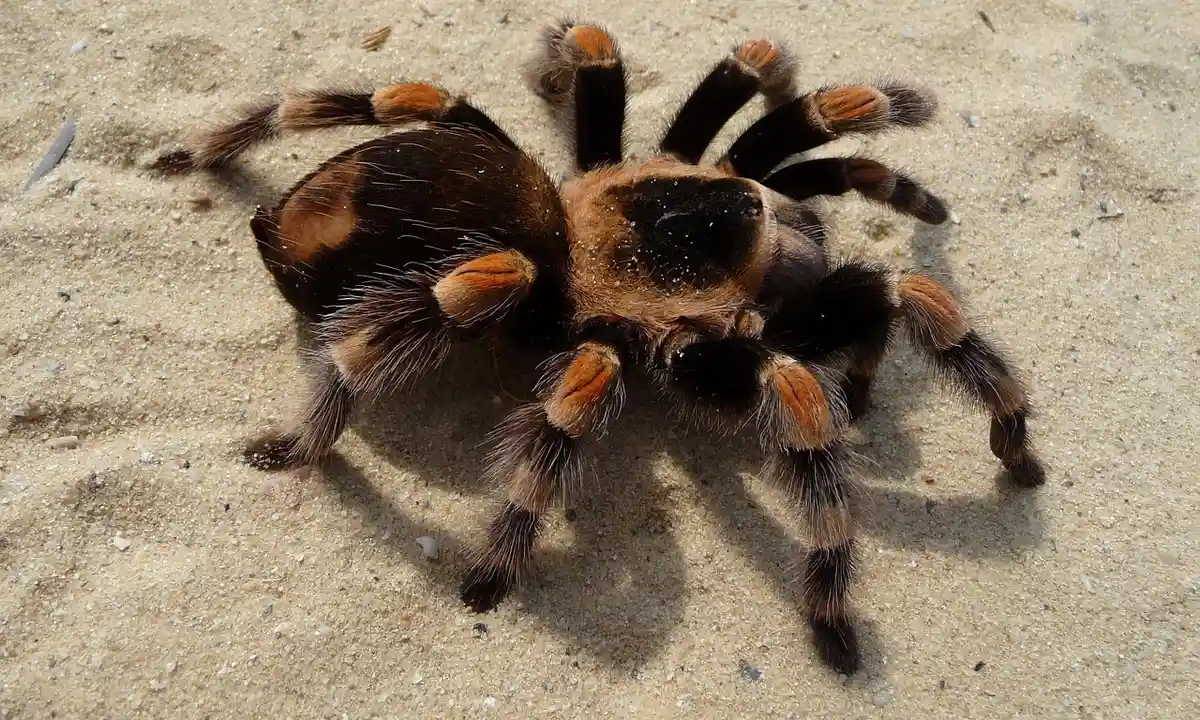
Tarantulas speak with their bodies long before they use hairs or fangs. The most dramatic warning is the classic threat pose. The spider lifts its front legs and carapace high, exposing the gleaming fangs and often rearing back onto its hind legs. This posture is a clear, visual “stop” sign meant to make a predator reconsider. My Orange Bitey Thing, Flash, assumes this position if I even breathe too heavily near his enclosure. The sudden strike of his legs against the acrylic is a silent shout. Other common signs of stress or aggression include pacing the enclosure and rapid leg movements. Some species may flick urticating hairs if provoked.
Not all warnings are so obvious. Many New World species, like my docile Rosie, will gently tap their front legs on the ground or slowly raise them in a subdued wave. Interpreting these subtle cues requires quiet observation and patience, as they are the spider’s first request for space. A common mistake is pushing past these gentle signs, which forces the tarantula to escalate its defense.
- Rear and Reveal: Full threat pose with abdomen lowered, fangs bared. Common in Old World species like P. murinus.
- Leg Waving and Tapping: A softer, investigatory warning. Often seen in Grammostola and Brachypelma species.
- Frontal Orientation: The spider turns to face the disturbance directly, a sign of heightened awareness and potential defense.
Other Defensive Behaviors
Beyond posturing, tarantulas have a suite of startling behaviors to avoid conflict. Stridulation is a sharp hissing sound created by rubbing body parts together. This acoustic warning is the spider’s equivalent of shouting “back off!” and is a hallmark of many Old World genera. The first time my T. stirmi, Goliath, stridulated at me during a rehousing, the sound was shockingly loud for such a silent animal.
Flight is always a preferred option. A lightning-fast bolt for the nearest dark crevice is common, especially in slender, fast genera like Psalmopoeus. Always work over a large, padded bin when maintaining enclosures for these speedsters, as an escape attempt is a defense mechanism, not an attack. I learned this after a heart-pounding minute corralling a juvenile who darted up my arm.
- Hair Kicking: A signature move of New World terrestrials. They use their back legs to flick a cloud of irritating urticating hairs from their abdomen.
- Bolting: Pure, instinctive escape. Common in arboreal and fast terrestrial species.
- Thanatosis: Playing dead. My G. rosea will sometimes curl her legs tightly and remain motionless for minutes if prodded.
Venom: The Last Line of Defense
Potency and Purpose
Venom is a tarantula’s ultimate tool, evolved for subduing prey but reserved for defense when all else fails. Its chemical composition varies wildly. For keepers, the critical distinction lies between New World and Old World tarantula venom potency. New World venoms, like those from Goliath’s Theraphosa genus, are typically milder for humans, causing localized pain and swelling akin to a bee sting. Some readers wonder which tarantula species are considered the most venomous tarantula species or deadly. In general, Old World tarantulas—species from Africa and Asia—are thought to carry more potent venom and deliver a more painful bite than New World species, though fatalities are exceedingly rare.
Old World tarantulas, lacking urticating hairs, often possess more neurologically active venom. The venom of my P. murinus, Flash, is considered medically significant. A bite from an Old World species can cause severe muscle cramps, fever, and days of intense discomfort, requiring medical attention. This biological fact is the core reason for my strict “Look, Don’t Touch” philosophy. Their venom is for their survival, not our curiosity.
| Tarantula Type | Venom Typical Effect on Humans | Primary Defense |
|---|---|---|
| New World (e.g., Theraphosa, Grammostola) | Localized pain, itching, swelling | Urticating hairs, threat postures |
| Old World (e.g., Poecilotheria, Pterinochilus) | Systemic effects: muscle cramps, headache, nausea | Potent venom, speed, threat postures |
Recognizing the Pre-Bite Cues
A tarantula bite is almost always a last resort, preceded by unmistakable body language. The spider will often anchor its back legs and lower its entire body, bringing its fangs to bear. This “loading” posture, where the cephalothorax dips forward, is a critical red flag that a bite is imminent. I have seen this exact stance in defensive Old World spiders during rehousing, and it is your cue to stop all movement immediately.
The moments before a defensive strike are tense and quiet. The tarantula is wholly focused. Respecting this space by slowly retreating your hand or tool is the only safe and ethical response. Never try to handle a tarantula showing these behaviors. Use long forceps for cage maintenance and always have a catch cup ready.
- Watch for the Drop: The spider lowers its front end, bringing its fangs parallel to the threat.
- Note the Anchor: Back legs brace firmly against the substrate or enclosure wall.
- Observe the Stillness: All movement ceases as the spider prepares to strike. This is the final warning.
- Retreat Slowly: Do not jerk away. Make slow, predictable movements to de-escalate.
Strategic Differences: New World vs. Old World Defense
The geographical origin of a tarantula fundamentally dictates its defensive playbook. This split between New World (the Americas) and Old World (Africa, Asia, Australasia) species is the single most important factor in predicting their behavior.
New World tarantulas, like my Grammostola rosea Rosie and the formidable Theraphosa stirmi Goliath, are armed with urticating hairs. This changes everything. Their first instinct is rarely a bite. Instead, they utilize these barbed hairs. Goliath, true to his name, will often turn his abdomen toward a perceived threat and kick a cloud of hairs with his back legs. For these tarantulas, urticating hairs are a long-range deterrent, allowing them to ward off threats without physical contact. This is a brilliant evolutionary adaptation.
Old World tarantulas lack urticating hairs entirely. Evolution equipped them with a different toolkit: exceptional speed, potent venom, and a heightened defensive posture. My Pterinochilus murinus, Flash, is a textbook example. When disturbed, he does not kick hairs. He assumes a high-threat pose, rearing up to display his fangs and striking orange coloration. His response is immediate, lightning-fast, and designed to end the confrontation decisively with a bite. Without the option of urticating hairs, Old World species rely on speed and medically significant venom as their primary defense, making them far less tolerant of intrusion.
Why This Matters for Your Care
Understanding this divide directly shapes safe and respectful husbandry.
- New World Handling (Not Recommended): If one insists on handling, a docile New World species like a rose hair is the typical candidate. Yet, the risk of hair kicking-which can cause severe irritation to your skin, eyes, or respiratory system-remains high. My Goliath has coated his enclosure lid in hairs simply from me changing his water dish.
- Old World Philosophy: Handling is an absolute non-starter. Their speed is breathtaking; Flash can cross his enclosure in a blur. Their venom demands respect. Care becomes a “look, don’t touch” practice of observation and careful maintenance using long tools.
- Rehousing Reality: Rehousing a defensive New World tarantula involves guarding against airborne hairs. For an Old World specimen, the focus is on preventing a teleporting escape. I use large, clear plastic containers and a meticulous, pre-planned routine for Flash.
Autotomy: The Escape and Sacrifice of a Leg
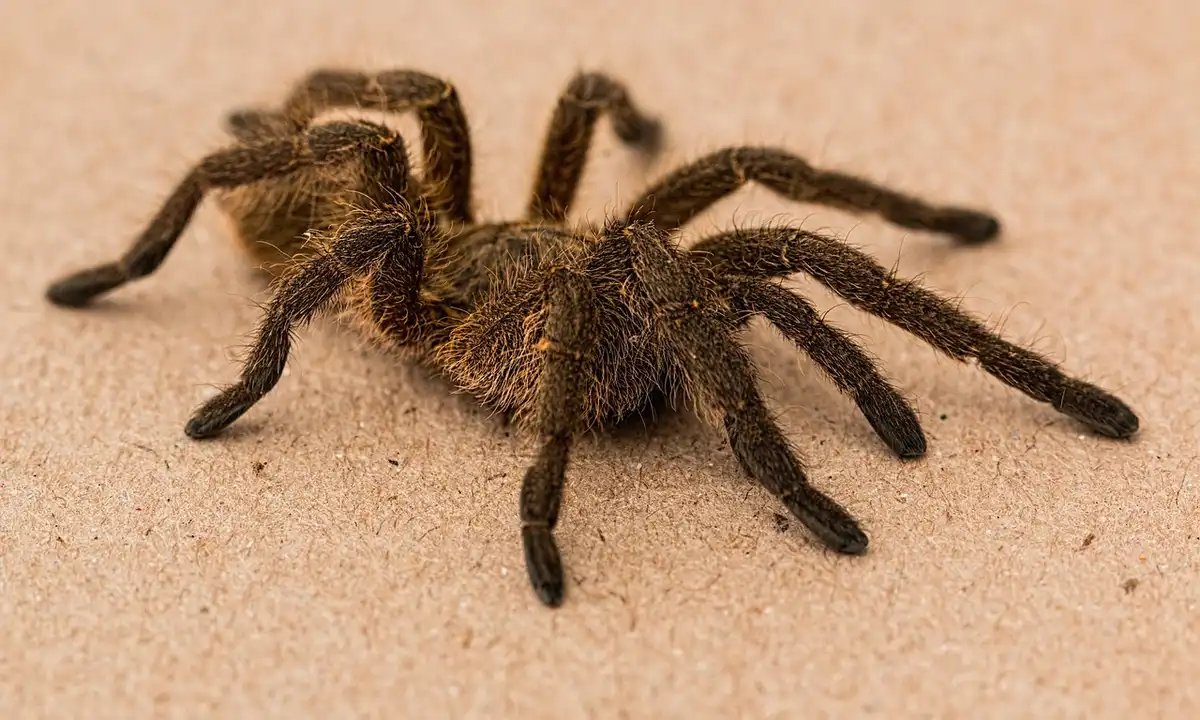
Sometimes, the best defense is a strategic retreat-even if it comes at a cost. Autotomy, the voluntary shedding of a limb, is a tarantula’s ultimate escape card. It is a controlled, bloodless process triggered when a leg is firmly grasped, often by a predator.
The mechanism is precise. At a weak joint (the coxa-trochanter joint), special muscles contract to sever the leg. The wound seals instantly to prevent fatal fluid loss. Witnessing autotomy is a silent, sudden event-one moment the tarantula is struggling, the next a leg is left behind as the animal flees to safety. In my experience, fast-moving Old World species seem particularly prone to this sacrifice when startled during enclosure maintenance.
Life After the Loss
A lost leg is not a permanent disability. Tarantulas possess a remarkable ability to regenerate limbs through successive molts. During molts, a new leg forms beneath the old exoskeleton and gradually becomes functional. The regrowth continues across multiple molts, with the limb increasing in length and mobility each time.
- The Initial Molts: The next time the tarantula molts, a small, flexible “phalange” (a rudimentary leg bud) will appear where the leg was lost.
- Progressive Regrowth: With each subsequent molt, this bud grows larger and more defined, often taking 2-3 molts to reach near-full size. The new leg may be slightly smaller or a different shade initially.
If your tarantula drops a leg, the priority is reducing stress-provide ample water, ensure ideal humidity, and do not attempt to feed until it has settled. The discarded leg will often twitch for minutes due to independent nerve ganglia, a haunting reminder of the sacrifice made for survival. This profound adaptation underscores why a calm, hands-off approach is the cornerstone of ethical tarantula care.
Safety and Husbandry: Minimizing Defensive Stress
The most profound care you can provide is creating an environment where your tarantula never feels the need to defend itself. A truly secure tarantula is a relaxed one, and stress reduction is the cornerstone of preventing defensive behaviors before they start. I manage this daily with my three distinct personalities.
Creating a Secure Habitat
Think of the enclosure as a fortress of solitude. Its purpose is to provide absolute security, not just containment. For my OBT, Flash, this means ample anchor points for webbing; his entire cork bark slab is now a silken funnel where he feels hidden and in control. For my Goliath, it’s deep, moist substrate for burrowing and humidity retention.
A proper habitat addresses core needs to preemptively lower stress.
- Provide a Secure Hide: Every tarantula, from pet rock to speedster, must have a retreat it can fully conceal itself within. The hide should be a tight fit-their abdomens should brush the sides and top. This tactile pressure is comforting.
- Respect Their Space: Avoid overly large enclosures for smaller spiders. Excess open space is intimidating and can trigger a flight-or-fight response. For terrestrial species, the enclosure length should be no more than 3x their diagonal leg span.
- Minimize Vibrations: Place enclosures on stable furniture, away from stereo speakers, doors that slam, or frequent foot traffic. I learned this when Rosie, normally immobile, would startlingly flick hairs whenever I used a nearby drill.
- Optimize Placement: Keep enclosures at or slightly below eye level. Being looked down upon by a giant (you) is inherently stressful. A slight elevation from the floor also reduces drafts and temperature fluctuations.
Safe Practices for Keepers
Your actions are the variable you control. My philosophy is “Look, Don’t Touch,” not from fear, but from profound respect for their nature. Handling is for our curiosity, not their benefit, and drastically increases the risk of a defensive incident or a fatal fall.
Every interaction should be slow, deliberate, and purpose-driven, like a moving meditation. Sudden movements are perceived as threats. When you need to perform maintenance, tap the enclosure gently first to let them sense the vibration and relocate.
Rehousing is the most critical procedure. For defensive species like Flash, I use the “catch cup” method exclusively.
- Prepare the new, fully set-up enclosure first. Have a large deli cup and a stiff piece of cardboard ready.
- Gently coax the tarantula from its old hide using a soft paintbrush, guiding it toward the cup.
- Once it’s over the cup, lower the cardboard to trap it inside. You now have a secure, portable container.
- Place the cup in the new enclosure and remove the lid, allowing the tarantula to exit on its own time. No grabbing, no prodding.
For feeding and watering, use long tongs. My Goliath has a feeding response that shakes the entire table; short tongs are an invitation for a redirected strike. When cleaning, never put your hands in the enclosure if the tarantula is free-roaming. Patience is the ultimate tool-if something can wait until the spider is in its hide, let it wait. This respectful distance ensures both your safety and their long-term well-being, allowing you to observe their fascinating natural behaviors without interference.
FAQs
Do tarantulas use camouflage or cryptic coloration as a defense?
While not true camouflage like a chameleon, many tarantulas use color and pattern to blend into their natural surroundings. Earth tones like browns and blacks help them disappear against bark, soil, or leaf litter, making them less visible to predators. This passive strategy is a first line of defense, helping them avoid detection entirely. For keepers, providing naturalistic substrates and hides supports this instinctive need for concealment.
Do tarantulas retreat when approached by a predator, or do they stand their ground?
Retreat is almost always the preferred and first option. A tarantula’s primary goal is to avoid conflict, so bolting to a burrow or hide is a common response. They will only “stand their ground” and display defensive postures if they feel cornered, trapped, or have no escape route. This is why providing a secure hide in their enclosure is critical, as it gives them a safe retreat to minimize stress.
How does the defense strategy differ between New World and Old World tarantulas?
The core difference is their primary weapon. New World tarantulas primarily use urticating hairs as a long-range irritant, often before considering a bite. Old World tarantulas lack these hairs entirely and rely instead on potent, medically significant venom and exceptional speed. Consequently, Old World species tend to have a lower threat tolerance and a faster, more defensive posture, making their care a strictly “look, don’t touch” practice.
Do tarantulas use silk in their defense, such as creating hiding places or escape routes?
Yes, silk is an indirect but vital part of their defense strategy. Tarantulas use silk to reinforce burrows and create intricate tunnel systems, which serve as secure fortresses. Arboreal species heavily web up their retreats, creating both a hidden home and a tactile early-warning system. This use of silk to construct a safe haven allows them to avoid threats altogether, which is the ultimate defensive goal.
How does a tarantula’s venom differ in defense versus prey capture?
The venom itself is generally the same, but the delivery and intent differ. For prey, venom is injected to immobilize and begin digestion. In defense, a bite is a last resort, and the spider may deliver a “dry bite” with little to no venom, serving as a painful warning. However, a truly threatened tarantula, especially an Old World species, may inject a full defensive dose, which can be more severe than what is used on prey due to the heightened stress. When it comes to hunting, tarantulas rely on their venom to subdue prey effectively, ensuring a successful capture.
Are there behavioral cues that signal a tarantula is about to bite or retaliate?
Absolutely. Escalating cues include a sudden freeze in movement, followed by a lowering of the front body (cephalothorax) to aim the fangs. The spider will often anchor its back legs firmly. A full threat pose with raised front legs and exposed fangs is a glaring visual warning. Recognizing these signs, especially the preparatory “loading” of the fangs, is crucial for a keeper to de-escalate by slowly withdrawing.
Long-Term Success
After understanding their arsenal, your care shifts from reaction to prevention. For any tarantula, but especially defensive species, consistently meeting their core environmental need—be it the bone-dry substrate for a Grammostola rosea or the 80% humidity for a Theraphosa stirmi—is the definitive factor that keeps them secure and less likely to employ their defenses. A stressed animal is a defensive animal; perfecting their climate is the greatest kindness you can offer. Remember, lifespan is shaped by the same factors—species-specific needs, climate, and steady care. Tailoring husbandry to these factors helps ensure a longer, healthier life for your tarantula.
The true joy comes from quiet observation. Watch the meticulous architecture of a burrow, the silent ambush from a tunnel, or the careful grooming of palps after a meal. I’ve lost entire evenings to Rosie’s statuesque calm and Flash’s frantic silk-spinning, each a window into a profound evolutionary story. Patience isn’t just a virtue here; it’s the tool that reveals their world. Respect their space, admire from a distance, and find fulfillment in being a curator of their natural behaviors.
Further Reading & Sources
- Urticating hair – Wikipedia
- Tarantula Spider Toxicity – StatPearls – NCBI Bookshelf
- What You Need to Know About Urticating Hairs – The Bio Dude
Arlo is a lifelong arachnid enthusiast who believes tarantulas are the world’s most misunderstood roommates. With years of hands-on experience in tarantula care, habitat setup, and species behavior, Arlo combines expert knowledge with a dash of humor to make spider ownership less scary and a lot more fascinating. From choosing the right enclosure to understanding why your eight-legged buddy is doing that weird little pose again, Arlo is here to help you become the best tarantula parent you can be, without getting tangled in the web of misinformation.
Understanding Tarantula Behavior