
How to Pronounce Tarantula Correctly: Spelling and Phonetics
The word ‘tarantula’ carries a weight of history and mystery, yet its pronunciation is frequently stumbled over, even by seasoned hobbyists. This article clarifies the correct enunciation, spelling, and phonetic breakdown, ensuring you can speak about these spiders with confidence. The most accurate pronunciation is “tuh-RAN-chuh-luh.”
Quick Stats:
- Word Origin: Derived from the Italian port city of Taranto.
- Common Error: Saying “tar-AN-tew-la” or emphasizing the “tu” as “too.”
- Phonetic Spelling: /təˈrænʧələ/ (International Phonetic Alphabet).
This guide will provide you with the precise tools to master this term, from casual chat about your pet to technical discussions on taxonomy.
Breaking Down Tarantula Pronunciation: Syllables and Stress
Syllabification and Word Stress
Say the word aloud. You will feel four distinct beats: ta-ran-tu-la. Mastering this syllabification stops the slurred “tran-chuh-luh” I commonly overhear in vendor halls, ensuring you are understood clearly. The emphasis must land on the second syllable, “RAN”. Think ta-RAN-tu-la, not TAR-an-tula.
This rhythmic stress pattern mirrors the importance of precision in husbandry. Just as consistent humidity is vital for a Theraphosa stirmi, consistent word stress is vital for communication. I have bonded with other breeders over this shared attention to detail.
- Syllable 1: “ta” as in “tap,” a short, closed sound.
- Syllable 2: “ran” as in “rant,” the loudest and longest beat.
- Syllable 3: “tu” as in “put,” a quick, soft vowel.
- Syllable 4: “la” as in “lap,” a light, closing note.
The Role of Phonemes and Digraphs
Phonemes are the individual sounds that build the word. The “t” in “tarantula” is not uniform. The first “t” carries a slight puff of air, while the “t” in the third syllable flattens toward a “d” sound in casual American speech. This nuance matters for authenticity. Researchers also explore decoding tapping and vibrational communication to understand how these arachnids transmit information. A tapping guide helps translate these subtle signals into meaningful behavior.
Notice the “ch” sound represented by “t” and “u” together in the third syllable. This phoneme combination often trips people up, leading to the erroneous “tar-an-too-la” I’ve corrected during feeding demonstrations. Accuracy here reflects the same care you use when identifying a premolt posture.
In my breeding projects, clear communication prevents mishaps. Knowing the precise sound of “tarantula” builds a foundation for tackling Latin genus names, a sign of deep respect in our hobby. This is why tarantula scientific names change taxonomy—new research reshapes genus and species boundaries. Staying up-to-date helps avoid confusion in breeding records and discussions.
Phonetic Spelling and IPA Decoded
Understanding the International Phonetic Alphabet (IPA)
The IPA transcription for “tarantula” is /təˈræn.tʃə.lə/. This code removes all guesswork, much like a precise temperature gauge removes doubt from your enclosure setup. The symbol “ə”, called a schwa, is the neutral “uh” sound in unstressed syllables. Similarly, heating and humidity matter for tarantulas. Common mistakes—overheating, drought, or rapid humidity changes—can harm them.
Let’s decode it. /tə/ is the first “ta”, /ˈræn/ is the stressed core, /tʃə/ forms the “tu” sound, and /lə/ is the final “la”. Learning IPA is like learning molting signs: initially foreign, but ultimately empowering for precise care.
- Stress Indicator: The mark ˈ sits directly before the stressed syllable /ˈræn/.
- Syllable Divider: The period. in /tʃə.lə/ shows the syllable break.
- Consonant Clue: /tʃ/ always represents the “ch” sound, as in “chill”.
Practical Phonetic Spelling for Daily Use
For everyday use, a simple respelling works best: tuh-RAN-chuh-luh. I scribble this phonetic spelling on breeding logs, the same way I note the specific hydration needs for my Grammostola rosea. It makes the knowledge accessible to everyone.
Apply this method to species names. Practice “Avicularia” (ah-vik-yoo-LAR-ee-ah) or “Psalmopoeus” (sal-moh-PEE-us). Correct pronunciation builds community trust, akin to the trust built when you provide a perfect hide for a nervous spider. I once avoided a miscommunication about a “P. murinus” sale because we both enunciated the genus correctly.
- For Quick Recall: Remember “ta-RAN-tu-la” with three clear, sharp beats after the stress.
- Avoid: “Tar-AN-choo-la” or “Ta-ran-CHU-la”. These alter the word’s core structure.
- Practice Context: Say it while performing maintenance, linking the rhythm to your calm, observant routine.
Speaking a tarantula’s name correctly is a form of respect. In the quiet of their enclosures, our words are part of their world; precision honors their space and our role as keepers. It’s especially important when referring to specific tarantula species.
Common Tarantula Mispronunciations and Corrections
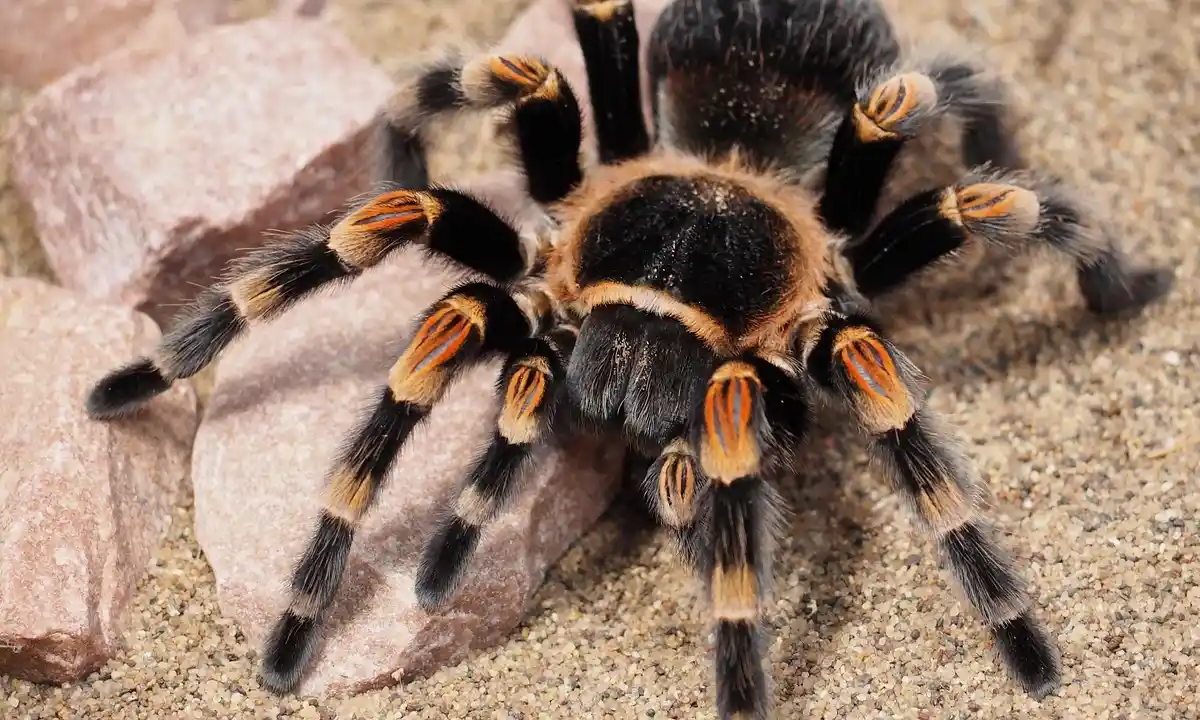
Even among enthusiasts, a few persistent mispronunciations can slip into conversation. Hearing them is a great chance to offer a gentle, helpful correction.
Mispronunciation: “Taran-ta-lar” or “Taran-chu-la”
Adding an extra ‘r’ or swapping the ‘t’ sound for a ‘ch’ are common slips. The word flows directly from “taran-” to “-tula” without an intervening ‘lar’. Remember, the spelling is your guide: the ‘t’ in “-tula” is pronounced as a clear ‘t’, not a ‘ch’. Saying “taran-chu-la” might subconsciously link it to words like “granular,” but the correct pronunciation is more direct and crisp.
Mispronunciation: “Tar-ant-ula” (Incorrect Stress)
Placing the emphasis on the first syllable, “TAR-ant-ula,” is the most frequent error I hear. This makes the word sound stilted and uneven. The rhythmic heart of the word is in the middle: ta-RAN-tu-la. Think of similar three-syllable words where the stress falls on the second syllable, like “po-TA-to” or “a-BOUT.” This correct stress pattern gives the name its proper, flowing cadence.
Accent Variations: American, British, and Beyond
Pronunciation adapts regionally. While the core word remains the same, the color of the vowels can shift subtly, much like the difference between a Chilean Rose Hair’s dusty pink and a Brazilian Salmon Pink’s vivid hue.
American English Pronunciation
The dominant American pronunciation is /təˈræn.tʃə.lə/. The first ‘a’ becomes a soft schwa sound (like the ‘a’ in “about”), the stressed ‘a’ is flat like in “apple,” and the final ‘u’ often softens to another schwa. In casual American speech, the middle ‘t’ can soften toward a ‘d’ sound, making it sound like “ta-RAN-duh-la,” which is widely accepted. This is the pronunciation you’ll hear most commonly in pet trade circles and documentaries across the United States.
British English Pronunciation
British English tends toward /təˈræn.tjʊ.lə/. The key difference is in the final syllables. The ‘u’ often retains a clearer “you” or “yuh” sound (/tjʊ/), rather than fully collapsing into a schwa. The British articulation can feel slightly more precise and clipped to American ears, particularly in the final vowel sound. Both variations are correct within their respective dialects, and neither will cause confusion in a global hobbyist discussion.
The Etymology and Origin of “Tarantula”
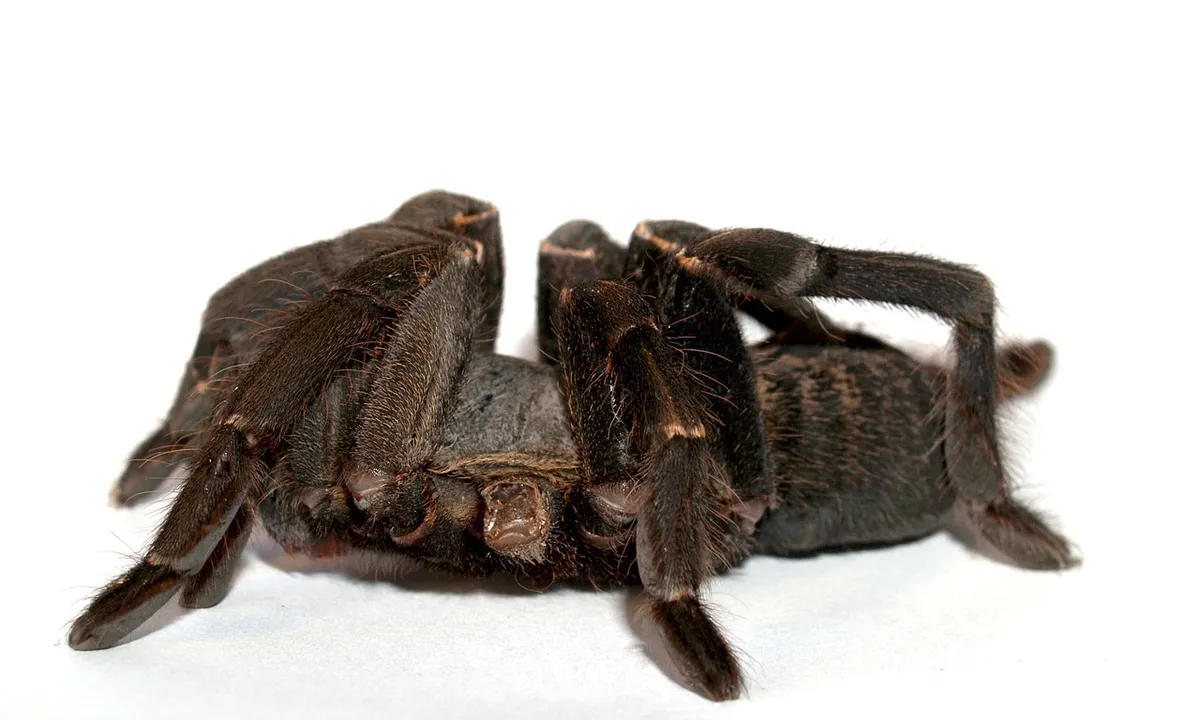
From Italian Folklore to Modern Science
The word “tarantula” carries a legacy of mistaken identity. It traces back to the Italian port city of Taranto. For centuries, the large wolf spiders native to the region’s fields-Lycosa tarantula-were blamed for a hysterical condition called “tarantism.” Victims were said to suffer from melancholy, tremors, and fever, cured only by a frenzied dance, the tarantella. However, tarantulas are a different kind of spider altogether.
The arachnid causing this fear wasn’t a tarantula as we know it, but this folklore permanently loaned its name to the spiders of the family Theraphosidae. Early European explorers in the Americas encountered massive, hairy mygalomorphs and applied the already-fearsome name “tarantula” to them. The name stuck, forever linking New World spiders to an Old World myth. Yet that distinction hints at why some tarantulas are more dangerous than others: Old World tarantulas generally have more potent venom and lack urticating hairs, while many New World species rely on irritating hairs for defense.
Beyond folklore, science provides clarity. True tarantulas belong to the infraorder Mygalomorphae, characterized by their downward-striking fangs and two pairs of book lungs. This separates them from the more common araneomorph spiders, like that original Italian wolf spider. When you say “tarantula” today, you’re invoking a history of exploration, fear, and finally, understanding. Curious about how tarantulas differ from other spiders? Tarantulas are mygalomorphs with downward-pointing fangs and two book lungs, whereas most other spiders (araneomorphs) have fangs that cross when they bite and rely on different respiratory setups.
Essential Tarantula Care Vocabulary: Pronunciation Guide
Speaking the language of the hobby deepens your connection and ensures clear communication with other keepers. Let’s break down some key terms.
Scientific and Anatomical Terms
Mastering these words helps you understand care sheets and scientific discussions.
- Theraphosidae (ther-uh-FOHS-uh-day): The biological family containing all true tarantulas.
- Chelicerae (kuh-LISS-ur-ee): The mouthparts, bearing the fangs. Seeing the iridescent sheen of moist chelicerae is a key premolt sign in many species.
- Urticating Hairs (ur-tuh-kay-ting): Barbed, irritating hairs flung or brushed from the abdomen by New World species. My T. stirmi, Goliath, possesses potent ones I’ve learned to respect during cage maintenance.
- Carapace (CARE-uh-pace): The hard, shield-like plate covering the prosoma (cephalothorax).
- Pedipalps (PED-uh-palps): The leg-like appendages near the mouth used for sensing and, in mature males, for transferring sperm.
Behavioral and Lifecycle Terms
This vocabulary describes the events you’ll witness in your enclosure.
- Ecdysis (ECK-duh-sis): The scientific term for molting. I simply say “molt,” as it’s more accessible. A successful ecdysis is the single most critical event in a tarantula’s life cycle.
- Premolt: The period leading up to a molt, often marked by a darkening abdomen, loss of appetite, and increased reclusiveness. My G. rosea, Rosie, will seal herself away for months in this state.
- Spermathecae (spur-muh-THEE-see): The internal organ where a female stores sperm after mating. It is only visible in a clean, fully unfolded female molt, which is how breeders like me confirm sex.
- Bolt/Bolting: A sudden, lightning-fast sprint. This is not playful running; it’s a panic response. My P. murinus, Flash, is a master of this, turning rehousing into a focused exercise in patience.
- Ultimate Molt: The final molt for a mature male, after which he seeks a mate and his lifespan dwindles. His pedipalps will develop emboli, used for insemination.
FAQs
Why is pronouncing “tarantula” correctly important in the pet hobby?
Using the correct pronunciation fosters clear and respectful communication within the global tarantula-keeping community. It prevents confusion when discussing species, care, or purchases with breeders and sellers. Accurate pronunciation also reflects a keeper’s dedication and knowledge, building credibility just like proper husbandry does. Some keepers report that tarantulas may respond to consistent voice cues or names during handling. While tarantulas don’t learn language as humans do, using clear, distinctive names and calm vocal cues can help reduce stress and improve recognition during care.
Is the American pronunciation “ta-RAN-duh-la” acceptable?
Yes, the softened middle “t” that sounds like a “d” is a common and accepted feature of casual American English pronunciation. This variation, where “tuh-RAN-chuh-luh” becomes “tuh-RAN-duh-luh,” is widely used and understood across the United States. The critical element remains the strong stress on the second syllable, “RAN”.
How do you pronounce “tarantula” with a Spanish accent?
In Spanish, the pronunciation is straightforward: “tah-rahn-TOO-lah”. The “r” is rolled slightly, the “a” sounds are broad, and the stress is placed on the third syllable. This is useful to know as many popular pet tarantula species, like the Mexican Redknee (Brachypelma hamorii), have names and origins in Spanish-speaking regions.
What is the standard French pronunciation for “tarantula”?
In French, it is pronounced as “ta-rahn-tu-LAH”. The French language places the primary stress on the final syllable, and the “u” sound is distinct. Knowing this can be helpful when engaging with European hobbyists or reading older taxonomic literature, as French was historically a major language of science.
Are there regional differences in how “tarantula” is said across the USA?
While the core American pronunciation is consistent, subtle regional vowel shifts can occur, similar to accents for other words. The main variation you might hear is the softening of the “t” in the third syllable. Regardless of a slight regional twang, the emphasized “RAN” remains the constant, unifying feature that ensures everyone is talking about the same spider.
How should I correct a mispronunciation without being rude?
In the hobby, a gentle, informative approach is best. You can casually use the correct pronunciation in your next sentence when discussing care. For example, “Yes, I find ta-RAN-tu-la enclosures need good cross-ventilation.” This models the correct form without direct confrontation, keeping the focus on the shared interest in proper tarantula care. It’s especially important to ensure proper ventilation and humidity, as many beginners make mistakes in these aspects when starting out.
Long-Term Success
After fifteen years with my Chilean Rose Hair, Rosie, I can distill her care to one immutable rule. For arid species like Grammostola rosea, a completely dry substrate with a full water dish is paramount, as even slight dampness can invite mold and induce severe stress. This simplicity mirrors their harsh native foothills, where survival hinges on avoiding moisture more than seeking it.
Tarantula keeping transcends mere maintenance; it is the study of stillness and sudden motion. Watch for the methodical webbing of an OBT like my Flash, or the patient, hours-long wait of a Rose Hair. In practice, there are essential daily, weekly, and monthly tarantula maintenance tasks that support that stillness. Daily water checks, weekly substrate refreshes, and monthly habitat cleanups keep the enclosure healthy and inviting. The greatest skill you will cultivate is patience, learning to appreciate the slow drama of a molt or the silent strike, which requires no hands-on interaction to be profoundly rewarding.
Further Reading & Sources
- tarantula – How to pronounce tarantula in English
- How to pronounce tarantula in English – Definition of tarantula in English
- How to pronounce TARANTULA in English
Arlo is a lifelong arachnid enthusiast who believes tarantulas are the world’s most misunderstood roommates. With years of hands-on experience in tarantula care, habitat setup, and species behavior, Arlo combines expert knowledge with a dash of humor to make spider ownership less scary and a lot more fascinating. From choosing the right enclosure to understanding why your eight-legged buddy is doing that weird little pose again, Arlo is here to help you become the best tarantula parent you can be, without getting tangled in the web of misinformation.
Popular Species