
The Ethics of ‘Ultimate Giants’: Are We Breeding Tarantulas to Be Too Big?
The deliberate breeding of tarantulas for extreme size, creating what some call ‘ultimate giants,’ is a practice that inspires awe but casts a long shadow over the ethics of our hobby. From my own Burgundy Goliath Bird Eater, Goliath, whose impressive leg span demands a very specific and humid environment, I have seen firsthand how size amplifies every aspect of care. This article scrutinizes the drive to push these animals beyond their natural dimensions, questioning the cost to their health and wellbeing. While a larger spider can be a breathtaking display animal, the pursuit of size alone risks prioritizing spectacle over the spider’s fundamental needs.
- Quick Stats:
- Origin: Northern South America (e.g., Guyana, Suriname)
- Type: New World
- Growth Rate: Moderately fast to fast, with selective breeding aiming to maximize ultimate size and rate of growth
This guide will navigate the specialized husbandry and profound ethical questions involved in keeping selectively bred giant tarantulas, from fragile sling to formidable adult.
Defining ‘Ultimate Giants’ in the Tarantula World
In the captive breeding community, “ultimate giant” refers to the intentional selection and pairing of tarantulas to produce offspring with maximized physical dimensions, primarily leg span and body mass. This pursuit focuses on a handful of species already known for their impressive stature. The most common targets are Theraphosa stirmi (Burgundy Goliath Bird-eater), Theraphosa blondi (Goliath Bird-eater), and Lasiodora parahybana (Salmon Pink Bird-eater).
Wild specimens of these species are formidable, but captive lines often surpass them. A wild T. stirmi might reliably reach a 10-inch leg span, while dedicated breeders report captive individuals exceeding 11 inches, with significantly heavier bodies. The goal is not just a long leg span, but a denser, heavier animal that pushes the boundaries of the species’ typical blueprint.
- Species Targeted: Theraphosa stirmi, Theraphosa blondi, Lasiodora parahybana, and select Pamphobeteus species.
- Wild vs. Captive-Bred Size: Wild L. parahybana often tops out at 9-10 inches; captive “giant” lines aim for a consistent 10+ inches. Mass is harder to track, but a well-fed adult female T. stirmi in captivity can weigh over 100 grams.
- Personal Observation: My own Burgundy Goliath, a 4-year-old female, already possesses a leg span and bulk that feels immense compared to images of wild counterparts. Her enclosure requirements are substantial, needing a deep, humid substrate to support her weight.
The Zoology of Giant Tarantulas: Natural Limits vs. Artificial Selection
In nature, a tarantula’s size is constrained by environmental pressures. Limited food sources, predation risk, and the immense energy cost of molting create a natural ceiling. Growth is slow, often over a decade or more for females to reach full size. Captive breeding removes these barriers. We control every variable: constant high-quality food, perfect humidity, and no predators, allowing for accelerated, uninterrupted growth. Growth rate is highly species-specific and linked to molting cycles. Even with ideal captive care, development is guided by genetics and natural molt timing.
Selective breeding then takes this further by choosing only the largest individuals from each generation to breed. This artificial selection can alter development in observable ways. I’ve noticed that some “ultimate giant” slings grow at a startling rate, molting more frequently than typical for the species. This rapid growth may stress the exoskeletal structure. Physiologically, a disproportionately large abdomen can make molting more hazardous, and the sheer mass may place undue stress on joints during movement. Behaviorally, these giants can become more sedentary, not out of natural disposition, but perhaps due to the physical burden of their size.
The Ethical Foundation: Animal Welfare in Tarantula Breeding
Ethical tarantula keeping rests on three pillars: providing humane care that meets all biological needs, prioritizing the animal’s welfare over human desires for novelty or aesthetics, and respecting the invertebrate as a living creature with intrinsic value. When we breed for a single exaggerated trait like size, we risk making those pillars unstable. For advanced rare tarantula species, proper care means researching species-specific needs, sourcing responsibly, and maintaining stable, fact-based husbandry. This hands-on approach helps ensure the animal’s welfare is not compromised by novelty-driven practices. Animal welfare science emphasizes the “Five Freedoms,” including freedom from pain, injury, and the ability to express normal behavior.
Breeding an animal to be significantly larger than its wild form invites questions about its quality of life. Does its skeleton support the weight comfortably? Can it molt safely? Is it able to hunt and behave naturally? From my experience rehousing large specimens, the silence of the enclosure is broken by labored, heavy movements that differ from the more graceful locomotion of a wild-size tarantula. We must debate whether selecting for size alone serves the tarantula, or merely the keeper’s ambition.
Where is the Line? Ethical Limits in Exotic Pet Selection
The ethical line is crossed when selection for a trait directly impairs the animal’s health or natural function. In the dog world, this is seen in brachycephalic breeds with compromised airways. For tarantulas, the risks of extreme size include molting complications, joint stress, and a potentially shortened lifespan due to metabolic strain. Our fascination with “ultimate giants” must be tempered by the responsibility to ensure the animal can live a full, unstressful life.
Focusing on direct risks, a tarantula bred for bulk may struggle to right itself if it falls, or its heart may labor to circulate hemolymph through a massive body. Its natural behavior-like climbing or constructing elaborate burrows-could be hindered. We champion “Look, Don’t Touch” handling to reduce stress; similarly, we should advocate for “Breed for Health, Not Just Size.” Respectful care means honoring the animal’s natural form and function, not viewing it as clay to be sculpted to our extremes.
Captivity’s Impact: Welfare and Care for Giant Tarantulas
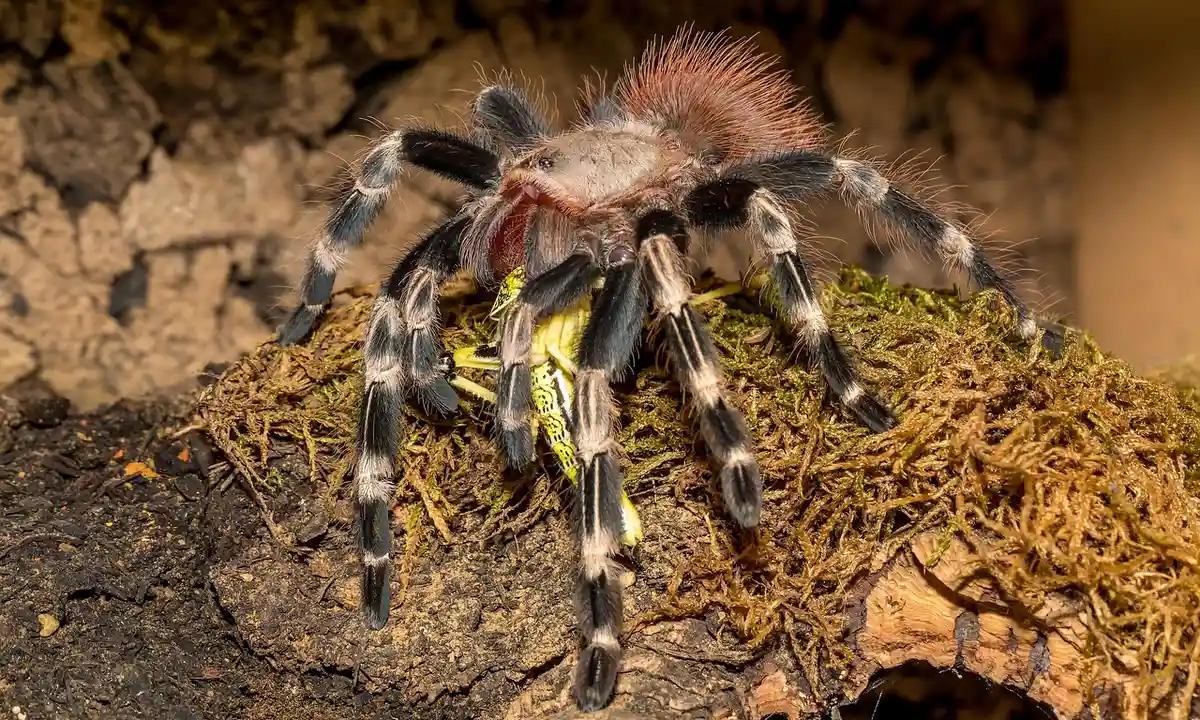
A wild tarantula’s life is a marathon of micro-adjustments—shifting humidity under a log, finding the perfect soil compactness for a burrow, retreating from a sudden downpour. Captivity, especially for an animal pushed beyond its natural dimensions, replaces this nuanced world with a static box. The keeper’s duty is to rebuild that complexity artificially. For an oversized specimen, every standard care parameter becomes exponentially more critical and more challenging to meet. That’s why an ultimate guide to tarantula burrows explains why they dig and how to support those burrows in captivity. Understanding the digging instinct helps keepers recreate the microhabitats that sustain these spiders.
Consider my Burgundy Goliath, T. stirmi. In nature, she would navigate deep, humid leaf litter. In her enclosure, I must replicate that moisture gradient. A single shallow water dish won’t suffice. I maintain a deep, damp substrate end and a drier, elevated cork hide. This allows her to self-regulate, a fundamental welfare need often missing in basic setups. Without this choice, chronic stress is inevitable.
The “look, don’t touch” philosophy is non-negotiable here. A giant tarantula is not a hands-on pet. A fall from a keeper’s hand can be fatal due to its mass. Their urticating hairs, like my Goliath’s, are copious and potent. More critically, handling imposes massive psychological stress on an animal that interprets the world through vibration and touch. Our appreciation must be visual, respecting their space as a complete habitat, not an interactive toy.
Enclosure Design Standards for Minimizing Stress
Setting up for a giant is about engineering for safety and choice. Here is my step-by-step approach, learned through years of housing large terrestrials.
- Choose a Footprint Over Height: Prioritize floor space. A fall is the greatest risk. The enclosure should be no more than 1.5 times the tarantula’s diagonal leg span (DLS) in height. For a 10-inch tarantula, aim for a 15-inch tall tank, but with a massive floor area.
- Provide a Truly Giant Hide: The hide must be a true retreat. Use a cork bark slab or half-log large enough for the entire tarantula to fit underneath with room to turn around. This prevents feeling trapped.
- Engineer Substrate Depth: For heavy burrowers, substrate depth should be at least the tarantula’s body length. For my Goliath, I use 8-10 inches of a humid, packed peat moss and coconut fiber blend. This supports digging and absorbs impact.
- Install Cross-Ventilation: Stagnant, humid air fosters mold and respiratory issues. Vents on opposing sides, not just the top, create essential airflow without causing a drying draft directly on the substrate.
- Secure with Professional-Grade Locks: A latched lid is not enough. I use actual cabinet-style sliding locks or thick velcro straps on my largest enclosures. The strength and curiosity of a giant tarantula can be startling.
Health and Molting Risks in Oversized Tarantulas
Selective breeding for size can outpace the animal’s physiological blueprint. The results are often seen in the molt, the most vulnerable period of a tarantula’s life. This raises a question: could molt timing influence reproduction? Are tarantula molting and reproduction connected?
- Dysecdysis (Difficult Molt): This is the primary risk. An overly large, old tarantula may simply not have the hydraulic pressure to extricate itself from its old exoskeleton. I’ve assisted in molts where the carapace was stuck, a delicate and risky process. Each successful molt becomes a greater gamble.
- Joint and Cardiac Stress: There is anecdotal evidence from experienced breeders that giants may suffer from joint issues or heart failure. Moving an immense mass requires a powerful heart. We are selecting for a trait without knowing the full internal cost.
- Shortened Lifespan: While not definitively proven, the strain of rapid growth and difficult molts logically points to a potential reduction in overall longevity compared to a proportionally sized specimen.
- Appetite Inconsistency: My “pet rock” G. rosea demonstrates that fasting is normal. But in a giant bred for constant growth, a prolonged fast can cause panic in keepers, leading to over-offering food and enclosure stress. Their metabolism may not match our expectation of a perpetually hungry beast.
Witnessing a giant tarantula struggle in a molt it cannot finish is the most sobering experience for any breeder, a direct consequence of prioritizing scale over sustainability.
Responsible Breeding Practices: Genetics and Daily Care
Breeding is stewardship of a bloodline. The ethical breeder’s journal is not just a list of pairings and slings sold, but a deep record of health, temperament, and lineage. We must look generations ahead.
Genetic diversity is the cornerstone. Repeatedly breeding siblings or offspring back to parents (line breeding) to fix a “giant” gene pools harmful recessive traits. Responsible breeders maintain detailed pedigrees and actively trade breeding stock with other keepers to introduce new genetic material, prioritizing the health of the species in captivity over a quick sale.
Daily care for breeding stock differs from casual keeping. Females need optimal nutrition leading up to pairing, but not obesity. Males must be monitored for maturity and activity. After a successful pairing, the female’s condition is paramount-increased feeding, perfect humidity, and zero disturbance. I mark my calendars with molt dates and feeding responses, watching for subtle shifts that signal a gravid female or a male in his ultimate molt. This is proactive, not reactive, husbandry.
Ethical Handling of Gravid Females and Egg Sacs
A gravid female is a system of pure biological focus. Our role is to support, not interfere. Here is how I manage this delicate phase.
- Create a Fortress of Solitude: Once paired, her enclosure becomes hands-off. I ensure the hide is secure and the substrate is slightly damper to support sac construction. Any maintenance stops. Vibrations from nearby traffic or handling other enclosures are minimized.
- The Waiting Game: She may refuse food for months. Do not prod or dig to check for a sac. Stress can lead to her consuming the eggs. Trust your setup and observe from a distance.
- Sac Pulling-A Calculated Decision: Many breeders “pull” the sac to incubate it artificially. This can increase sling yield but is deeply invasive. If done, it must be after the initial incubation period, with swift, confident movements to minimize the female’s distress. Leaving the sac with the mother is often the more ethical choice, accepting a potentially lower yield for natural rearing.
- Post-Sac Care: Whether the sac is pulled or not, the female is exhausted. Offer water and, eventually, gentle feeding. Her body has undergone immense strain; she needs recovery, not immediate re-pairing.
Selecting for Health and Temperament, Not Just Size
The true mark of a master breeder isn’t the ruler; it’s the notebook. We should select breeding pairs not on who is the longest, but on who is the hardiest. A tarantula with a robust, consistent feeding response, clean molts, and a calm(er) demeanor contributes more to the hobby’s future than a nervous giant that fasts for a year.
My OBT, P. murinus, is a brilliant orange warning. Breeding for color or size without regard for temperament creates animals that are miserable to keep and dangerous to manage. Selecting for manageable temperament-or at least not selectively breeding for extreme defensiveness-makes for better captive ambassadors.
This ethic serves the keeper, too. A healthy, predictable animal provides decades of fascinating observation. The long-term benefit is a sustainable captive population where animals thrive, and keepers are rewarded with the silent, awe-inspiring spectacle of a life well-lived in their care. That is the ultimate goal, far beyond a record book entry.
Sourcing and Sustainability: Wild Populations and the Pet Trade
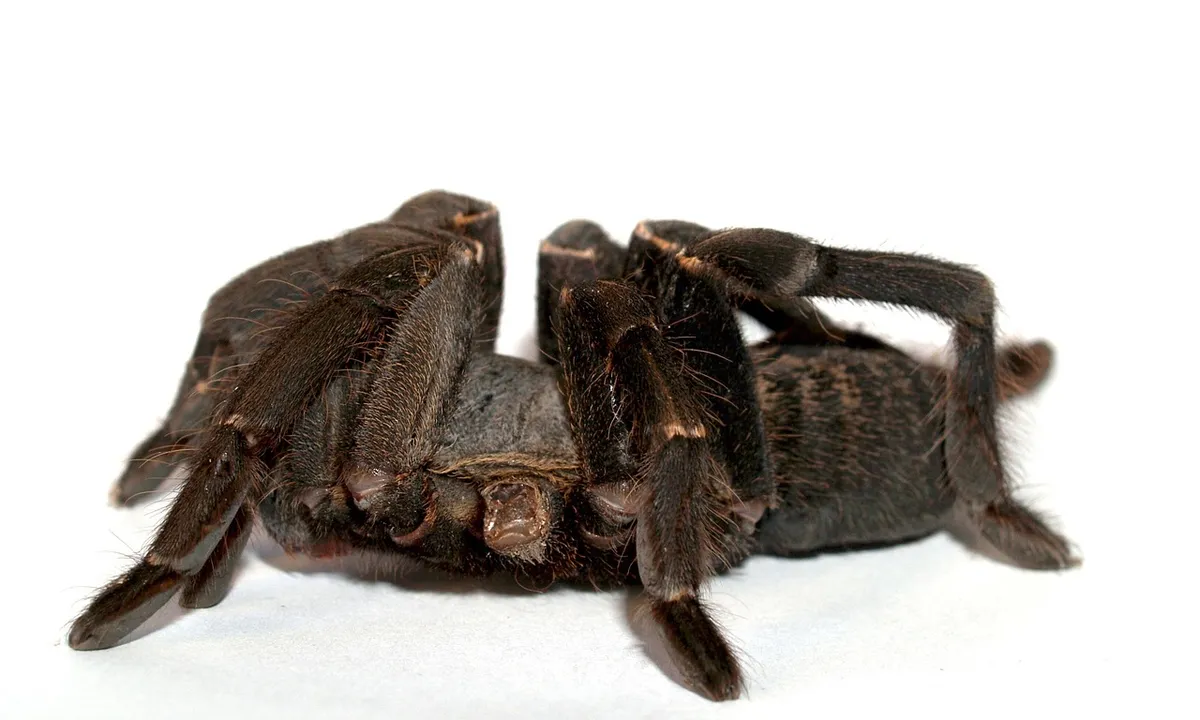
The origin story of a tarantula in your collection carries significant ethical weight. The modern standard is unequivocal: captive-bred specimens are the foundation of responsible arachnoculture. Choosing a captive-bred tarantula ensures a known health history, reduces stress on the animal from wild capture and transport, and directly supports the hobby’s sustainability and ethical considerations. My own G. rosea, Rosie, is a captive-bred individual from over a decade ago, and that lineage continuity is something I value deeply.
Integrating wild-caught individuals into breeding programs should be a carefully considered exception, not a routine practice. The primary justification is genetic diversification for critically endangered species or to establish founder stock for a species new to captivity where no captive population exists. This is specialized work. For the vast majority of keepers and breeders, especially those working with “Ultimate Giants,” the focus must remain on existing captive bloodlines. Every wild-caught Theraphosa blondi or Lasiodora parahybana removed for the pet trade represents a direct, and often unmonitored, impact on that local ecosystem. These are slow-maturing, long-lived animals; their populations cannot withstand heavy harvesting pressure.
Community Action for Wild Population Conservation
The tarantula community holds real power to influence conservation outcomes. Our collective purchasing decisions drive the market. We must prioritize breeders who are transparent about their stock’s origins. Beyond that, we can actively support initiatives that benefit species in situ. This means financially supporting or volunteering with organizations that conduct field research and habitat preservation in tarantula-dense regions like Southeast Asia or South America. These conservation efforts are specifically in place to protect endangered tarantula species. They help safeguard fragile populations by protecting critical habitats, supporting research, and reducing illegal collection.
For species at risk, establishing robust, genetically diverse captive assurance colonies is a proactive step. This is a long-term project requiring meticulous record-keeping and collaboration between dedicated breeders. The goal isn’t to drain wild populations, but to create a sustainable reservoir that may one day aid in repopulation or education. Every time we successfully breed a challenging species in captivity, we lessen the future demand for wild-caught specimens. My experience with the skittish, humidity-loving T. stirmi (Goliath) taught me that replicating niche biomes in captivity is complex, but it’s a challenge we must embrace to move the hobby forward ethically.
Moving Forward: The Role of the Tarantula Community
Advancing ethics in tarantula breeding is not a task for a single person, but a collective responsibility. While formal certifications for breeders are unlikely, we can champion powerful, peer-driven standards. Transparency should be our currency: clear photos of actual breeding stock, honest lineage documentation, and open discussion of challenges like low hatch rates or genetic bottlenecks. To translate these ethics into practical action, create a comprehensive breeding plan for your tarantulas. This plan should clearly outline goals, criteria for mate selection, welfare considerations, and transparent record-keeping. Breeders who excel in animal welfare and education should be elevated by our community through recognition and support.
Actionable self-regulation starts with education. Experienced breeders can mentor newcomers, not just in breeding techniques, but in the underlying ethics. We must normalize asking potential sellers detailed questions about enclosure size, feeding regimen, and breeding frequency. Creating and widely adopting a simple “care pledge” for breeders-committing to minimum enclosure sizes, responsible pairing intervals, and humane practices-could create a baseline expectation that buyers can reference. The defensive nature of my OBT, Flash, is a natural behavior; our breeding practices should never add unnatural stress to an animal’s life.
Developing a Framework for Welfare Assessment
We can assess breeder welfare standards using clear, observable metrics. These are not vague ideals, but concrete checkpoints any informed keeper can consider.
- Enclosure Appropriateness: Does the space allow for all natural behaviors? For an “Ultimate Giant,” this means ample floor space to roam, deep substrate for burrowing or borrowing, and appropriate humidity gradients. A large water dish is non-negotiable.
- Nutritional Health: Are feeders varied and appropriately sized? Is the tarantula’s abdomen a healthy proportion, not shrunken from underfeeding nor grotesquely distended from overfeeding aimed at accelerated growth?
- Behavioral Indicators: Does the tarantula exhibit species-typical behaviors? A constantly hiding P. murinus is normal; a perpetually hunkered-down, stressed T. stirmi in a bare enclosure is a red flag. Look for signs of chronic stress like bald patches from excessive hair-flicking or unnatural lethargy.
Communicating this science to the public is our final, crucial step. We must shift the narrative from “keeping bugs in boxes” to demonstrating the specialized care and respect these complex invertebrates deserve. This elevates the entire hobby and builds a more ethically aware future for every tarantula, from the smallest dwarf species to the most colossal giant.
For the Pet Keeper: Making an Ethical Choice
Navigating the market for a large tarantula can feel overwhelming. Your choice as a buyer directly fuels breeding trends. Prioritizing an animal’s long-term wellness over its impressive dimensions is the most powerful ethical stance you can take. Choose ethically sourced acquisitions from reputable breeders or tarantula rescues. Ask about welfare standards, care requirements, and lineage to ensure responsible practices.
Red Flags: Spotting Unethical Breeding Practices
Discerning a responsible breeder from a hype-driven vendor requires a critical eye. Watch for these warning signs.
- The ‘Biggest’ Sales Pitch: If size is the primary or only selling point, be wary. Descriptions should highlight vigor, established feeding response, and clear lineage, not just legspan.
- Vague or Absent Lineage Information: Ethical breeders track their breeding stock. You should be able to learn about the parent spiders’ origin, health, and age.
- Dismissive Attitude Towards Care Needs: A seller who glosses over the specialized, often expensive, husbandry for giants is a major red flag. They should readily discuss humidity, space, and feeding protocols.
- Visible Health Issues: Be cautious of spiders with dragging abdomens, awkward joint angles, or a history of problematic molts. These can be signs of forced growth.
- Pressure to Buy Immediately: Reputable breeders encourage questions and want their animals in suitable, prepared homes. High-pressure tactics prioritize a sale over a good match.
Choosing Your Giant: A Responsible Framework
Your goal is to find a healthy animal from a source that values the spider’s life above a quick profit. Follow these steps.
- Research the Species First, Not the Seller: Before you even look at ads, understand the natural history and lifetime care needs of your desired species. Can you provide for an adult Theraphosa stirmi for 15+ years?
- Ask Probing Questions: Inquire about the spider’s feeding schedule, growth rate, and the parents’ size and temperament. A good breeder will have detailed answers.
- Request Visual Proof: Ask for clear, recent photos or a video of the exact spider. Look for alertness, proportional body condition, and a clean environment.
- Seek Community Insight: Reputation is everything. Ask in trusted forums or local hobby groups about their experiences with the breeder. I’ve avoided several sources based on collective wisdom from fellow keepers.
- Prepare the Enclosure in Advance: Have the permanent adult setup fully ready before bringing the spider home. This eliminates stress-driven temporary housing and proves your commitment.
Choosing a tarantula bred for resilience and a natural life cycle is a vote for the future of the hobby. It supports breeders who listen to the biology of the animal, not just the demands of the market. The true “ultimate giant” is not the largest, but the one thriving in a home that respects its nature.
## FAQs
What are the core ethical principles involved in tarantula breeding?
Ethical tarantula breeding is founded on prioritizing the animal’s welfare over human desire for novelty. This means ensuring breeding practices do not compromise the spider’s health, ability to perform natural behaviors, or overall quality of life. A core principle is respect for the animal’s intrinsic value and natural form, not viewing it as a canvas for extreme artificial selection. Ultimately, responsible breeding serves the tarantula first, aiming for sustainable, healthy captive populations. Learn more about the core principles of ethical tarantula breeding.
How does captivity affect the welfare and natural behaviors of large tarantulas?
Captivity replaces a complex natural world with a controlled environment, which can significantly impact welfare if not carefully managed. For large tarantulas, static conditions can lead to chronic stress if key needs like humidity gradients and deep substrate for burrowing are not met. Their ability to express innate behaviors, such as foraging or constructing elaborate retreats, can be hindered by inadequate space or enclosure design. The keeper’s ethical duty is to artificially rebuild environmental complexity to allow for natural behavioral expression.
How can breeders ensure genetic diversity and prevent inbreeding in tarantula lineages?
Maintaining genetic diversity requires meticulous record-keeping of pedigrees to avoid close inbreeding, which can concentrate harmful recessive traits. Ethical breeders actively exchange breeding stock with other responsible keepers to introduce new genetic material into their lines. The focus should be on the long-term health and vigor of the captive population, not just fixing a single trait like size within a closed gene pool. This practice helps ensure the sustainability and resilience of captive-bred lineages for generations to come.
Should there be formal guidelines or certifications for tarantula breeders to promote welfare and ethics?
While formal certifications are challenging, the community can and should develop strong, peer-driven standards of practice. A widely adopted code of ethics or care pledge, committing to minimum enclosure sizes, responsible pairing intervals, and transparent lineage tracking, would create a positive baseline. Elevating and supporting breeders who exemplify exceptional animal welfare and mentorship is a powerful form of community-based certification. Consumer education and demand for transparency are key drivers in encouraging higher welfare standards across the breeding community.
The Long View
When caring for any large-bodied tarantula, whether a selectively-bred specimen or a wild-type giant, your single most important daily task is to monitor and maintain adequate moisture. For all heavy-bodied spiders, from a five-inch Grammostola rosea to a ten-inch Theraphosa stirmi, the risk of fatal dehydration during a long molt is the primary husbandry challenge. A damp substrate corner and a full water dish are not suggestions; they are non-negotiable safeguards for an animal carrying immense mass.
Beyond the substrate, the real reward is bearing witness to a life lived on its own terms. Watch for the deliberate engineering of a burrow, the silent, perfect construction of a funnel web, or the patient, hours-long ambush at the enclosure door. The hobby’s greatest skill is learning stillness. You provide the space, the parameters, and the food. The spider provides the masterpiece of behavior. Our role is not to force interaction but to facilitate a thriving, secret existence. Success is measured in clean molts, natural activity, and the profound quiet of an animal that is simply, and completely, itself.
Further Reading & Sources
- How To Respect Your Tarantulas: Ethical Keeping
- r/tarantulas on Reddit: The ethics of tarantula keeping, or, my boss is such a hippy sometimes.
- Ethics of pet tarantulas | Arachnoboards
Arlo is a lifelong arachnid enthusiast who believes tarantulas are the world’s most misunderstood roommates. With years of hands-on experience in tarantula care, habitat setup, and species behavior, Arlo combines expert knowledge with a dash of humor to make spider ownership less scary and a lot more fascinating. From choosing the right enclosure to understanding why your eight-legged buddy is doing that weird little pose again, Arlo is here to help you become the best tarantula parent you can be, without getting tangled in the web of misinformation.
Breeding Tarantulas