
From Sling to Adult: A Complete Month-by-Month Tarantula Growth Guide
Witnessing a tarantula’s growth, from a speck-like sling to a commanding adult, is a masterclass in silent, biological patience. This guide maps that intricate journey, month by month, translating subtle physical changes into actionable husbandry steps. Your role shifts from a worried caretaker to a confident observer, learning to read the signs of an impending molt or a growth spurt.
Quick Stats:
- Origin: Spanning continents, from the deserts housing my Grammostola rosea to the rainforests preferred by my Theraphosa stirmi.
- Type: New World (generally slower, with urticating hairs) or Old World (typically faster, more defensive).
- Growth Rate: Wildly species-dependent; my ‘pet rock’ G. rosea grows glacially, while an OBT like ‘Flash’ can achieve adult size in a furious 18-24 months.
This guide delivers the specific, chronological care adjustments required to nurture a fragile spiderling into a healthy, mature specimen.
Understanding Tarantula Growth Rates and Life Cycles
Tarantula growth isn’t measured in inches per year, but in molts. Each molt is called an instar. Think of an instar as a version number for your spider’s exoskeleton. They can’t grow within a single “skin.” Instead, they must build a new, larger one underneath and then perform the meticulous, vulnerable act of ecdysis—shedding the old one. This process of sequential molting is the sole engine of a tarantula’s physical growth and transformation. Understanding tarantula molting cycles, especially in spiderlings, helps predict when the next molt will occur. It also reveals how quickly they progress through instars and what signs indicate readiness.
Fast Growers vs. Slow Paced Living Fossils
Growth timelines vary wildly. My bright orange P. murinus, Flash, molted six times in his first year, rocketing from a 0.5-inch sling to a 4-inch juvenile. He’s a classic fast-growing Old World species. In stark contrast, my 15-year-old G. rosea, Rosie, is a “pet rock” who might molt once every 18 months now. She represents the achingly slow pace of many New World desert species.
- Fast-Growing (12-24 months to maturity): Often arboreal or tropical terrestrial species like P. murinus (OBT), Caribena versicolor, and Theraphosa stirmi (my Goliath). Their metabolism is higher.
- Slow-Growing (5-10+ years to maturity): Typically arid-land terrestrials like Grammostola and Aphonopelma species. My Rosie took nearly a decade to reach her full size.
What Pushes the Growth Pedal?
Three primary factors influence growth speed. Consistent, species-appropriate warmth (75-80°F is ideal for most) directly boosts metabolism and molt frequency. Feeding frequency is a lever you control; offering more prey accelerates growth, but this isn’t always healthier. Finally, genetics are the hidden blueprint-some individuals simply mature faster than others of the same species.
Addressing Common Growth Questions
How fast do they grow from sling to adult? For a fast species, 1.5-2 years. For a slow one, you’re in for a multi-year commitment. When do they reach full maturity? Males mature much faster, often at their ultimate molt (the “ultimate” or penultimate instar). Females continue molting and growing slowly throughout their decades-long lives. Do terrestrials and arboreals grow differently? Not inherently, but many popular arboreal species are tropical, placing them in the faster-growing category. Their growth pattern is the same; the timeline is just compressed.
The First Year: A Month-by-Month Growth and Husbandry Timeline
Months 1-3: The Delicate Spiderling Stage
A spiderling, or sling, is a creature of profound vulnerability. Their world must be miniature, humid, and secure. I house new slings in 2-ounce deli cups or small dram vials with ventilation poked in the lid. Cross-ventilation is less critical now than maintaining a small, stable microclimate with a slightly moistened corner of substrate. This prevents desiccation.
- Enclosure: Tiny. A sling gets lost and stressed in large spaces.
- Substrate: Use moist coconut fiber. Pour boiling water over it to sterilize, let it cool completely, and squeeze out excess water until it’s damp, not wet.
- Security: Provide a tiny hide-a half-curled leaf, a bottle cap, or a piece of bark.
Feeding requires precision. Prey must be smaller than the sling’s abdomen. I use pinhead crickets, pre-killed mealworm bits, or flightless fruit flies. Drop the prey item near the sling and walk away; their stealthy ambush is a silent, lightning-fast grab. Physically, they may double in size with a single molt in this stage. Many will begin instinctive behaviors: terrestrial slings might dig a starter burrow, while arboreals like my Flash started webbing his vial lid within weeks.
Months 4-6: The Transition to Juvenile
A tarantula is generally considered a juvenile after 3-5 molts, when it’s between 1.5 and 3 inches in diagonal leg span. It’s no longer a fragile sling but a robust, personality-driven spider. This is the stage where individual temperament, like skittishness or boldness, becomes clearly defined.
- Enclosure Upgrade: Move to a permanent enclosure that is 3x their leg span in width. For a 2-inch juvenile, a 1-gallon tank or medium Kritter Keeper works. Ventilation becomes crucial to prevent stagnant air.
- Behavior Shift: Appetite increases dramatically. They can take small crickets or roaches whole. Many species will begin constructing more elaborate homes-a silken retreat at a burrow entrance or, for arboreals, a dense “web mat” for security.
- Husbandry Focus: Establish the adult moisture regimen. My future T. stirmi, Goliath, at this stage required a consistently damp substrate, while a juvenile Grammostola needed it bone dry.
Months 7-12: Approaching Adulthood
Growth begins to slow, especially for males. The spider’s adult colors and patterns emerge-the dusty pink of a G. rosea or the iridescent greens and blues of a C. versicolor finally show through. You are no longer raising a generic sling, but the distinct, adult-form tarantula you chose.
Molts become more significant events. Pre-molt signs are a long fast (weeks to months), a darkening bald spot on the abdomen, and increased reclusiveness. Ensure a full water dish is available and do not disturb. The most reliable method for sexing is examining a shed molt, specifically the inside of the upper abdomen for the presence of spermathecae in females. After a successful molt, the new exoskeleton is soft and vulnerable; wait at least a full week before offering food.
By the end of the first year, a fast-growing species may be nearing sexual maturity if male, or well on its way if female. For slower species, you have a confident, established juvenile. The frantic growth phase is over, replaced by the long, steady rhythm of a tarantula’s life, where each molt is a celebrated milestone in your shared journey.
Feeding Your Pet Tarantula Through Every Growth Stage
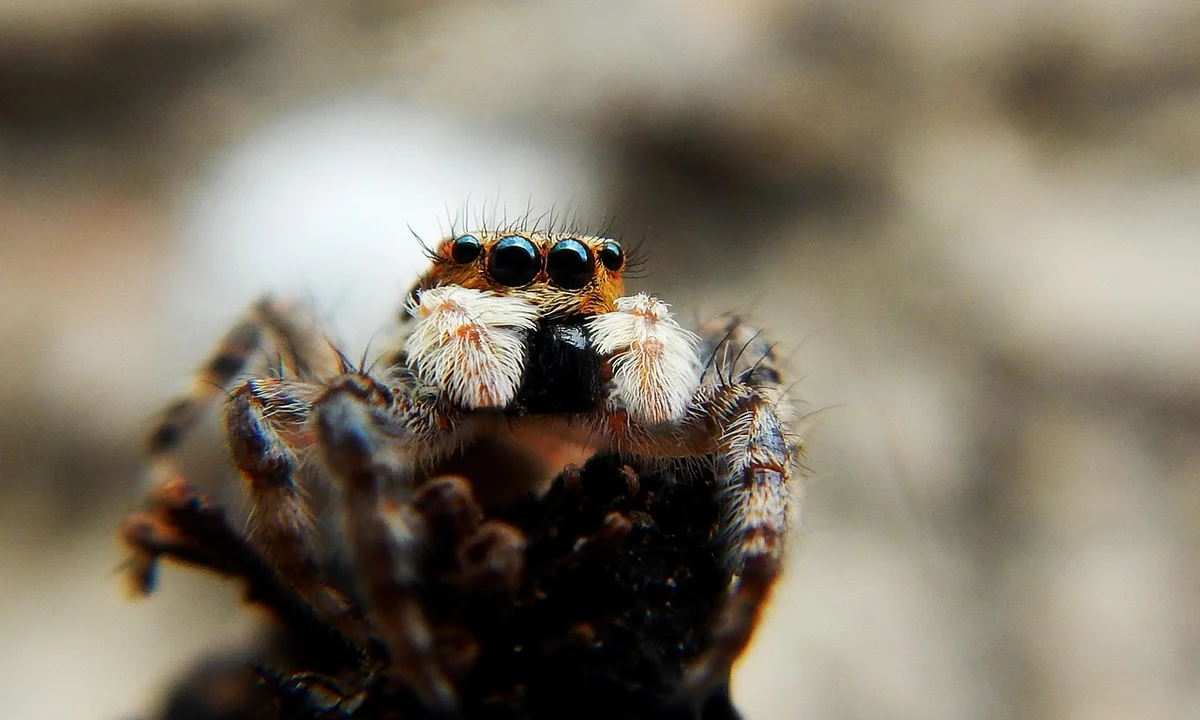
Watching a tarantula hunt is a silent drama of precision. Successful feeding hinges on matching prey size to your spider’s current stage, not just its age, as growth rates vary wildly by species. My old Chilean Rose, Rosie, has taught me patience with her multi-month fasts, while my OBT, Flash, needs a different strategy entirely.
Forget rigid monthly calendars. Focus on the spider’s abdomen and leg span. A good rule is the feeder should be no larger than your tarantula’s carapace. This chart provides a flexible framework.
| Growth Stage | Typical Size (Diagonal Leg Span) | Recommended Feeder |
|---|---|---|
| Early Sling (0-4 months) | 0.25 – 0.75 inches | Pinhead crickets, flightless fruit flies, pre-killed small mealworm segments. |
| Late Sling / Juvenile (4-12 months) | 0.75 – 2 inches | Small crickets, 1/4″ mealworms, dubia nymphs. Crush beetle heads to prevent burrowing. |
| Sub-Adult (1-2+ years) | 2 – 4 inches | Medium crickets, large mealworms, small dubia roaches. |
| Adult (3+ years) | 4 inches and up | Large crickets, full-sized dubia roaches, occasional superworms or hornworms as treats. |
Adjust feeding frequency like a slow dimmer switch, not a light switch. Start slings on two appropriately-sized meals per week to fuel rapid growth, then gradually reduce feedings as they mature. Juveniles do well with one item weekly. Sub-adults and adults, like my Goliath, thrive on one substantial meal every 10-14 days. An overfed tarantula risks a ruptured abdomen.
Prey variety prevents nutritional gaps and stimulates natural behavior. Rotate through crickets, dubia roaches, and mealworms. Live prey and pre-killed prey each have their place in tarantula care. Choosing between them depends on your tarantula’s size, temperament, and your safety preferences. For tiny slings, I use pre-killed prey. For larger, faster species like Flash, I drop live crickets in at dusk and let instinct take over. Always remove uneaten live prey within 24 hours to prevent stress or injury to your tarantula.
Refusal to eat is not always a crisis. A healthy tarantula can fast for weeks or even months, especially pre-molt or during cooler periods, as Rosie demonstrates annually. In line with the no-feed guidance for pre-molt and other fasts, avoid feeding during these periods. This helps the tarantula conserve energy for the molt. If the abdomen is plump and the spider is active, simply wait. Offer food again in a week. Never leave live prey with a tarantula that is in a pre-molt posture or has begun to molt.
Navigating the Molt Cycle: From Signs to Aftercare
Recognizing Pre-Molt Signals
The molt, or ecdysis, is the most vulnerable time in your tarantula’s life. Learning to read the subtle pre-molt cues is your most important husbandry skill, as it tells you when to step back completely. The abdomen takes on a darkened, often shiny appearance as the new exoskeleton forms beneath. Your tarantula will become lethargic and may seal itself behind a thick web curtain, creating a silent safe room.
- Physical: The abdomen darkens and appears glossy or black. The tarantula’s colors may look dull.
- Behavioral: Lethargy sets in. Appetite vanishes entirely. Many species, like my Goliath, weave a dense “molting mat” of silk on the substrate.
When you see these signs, stop all feeding immediately. Ensure the enclosure has a quiet location and slightly elevated humidity, but do not disturb the spider for any reason. A misplaced cricket could injure a soft, molting tarantula.
Essential Post-Molt Care Steps
The new exoskeleton is soft and vulnerable, like wet paper. Rushing post-molt care is a common and dangerous mistake that can lead to fatal injury. I learned this early when I accidentally startled a freshly molted juvenile. Follow this sequence precisely.
- Do not disturb the tarantula for at least a full week after the molt. No handling, no feeding, no cage cleaning. Allow it to rest and harden in peace.
- Wait until the fangs harden completely before offering food. They will transition from a pale, reddish-white to a deep, glossy black. This usually takes 7-10 days for larger spiders.
- Gently remove the old exuvia (molt) from the enclosure using long tweezers. You can examine it for sexing purposes once it’s out.
- Maintain slightly higher humidity for a week or two to aid in the hydration process. A soft exoskeleton loses water faster. A shallow water dish is essential.
Adapting the Enclosure for a Growing Tarantula
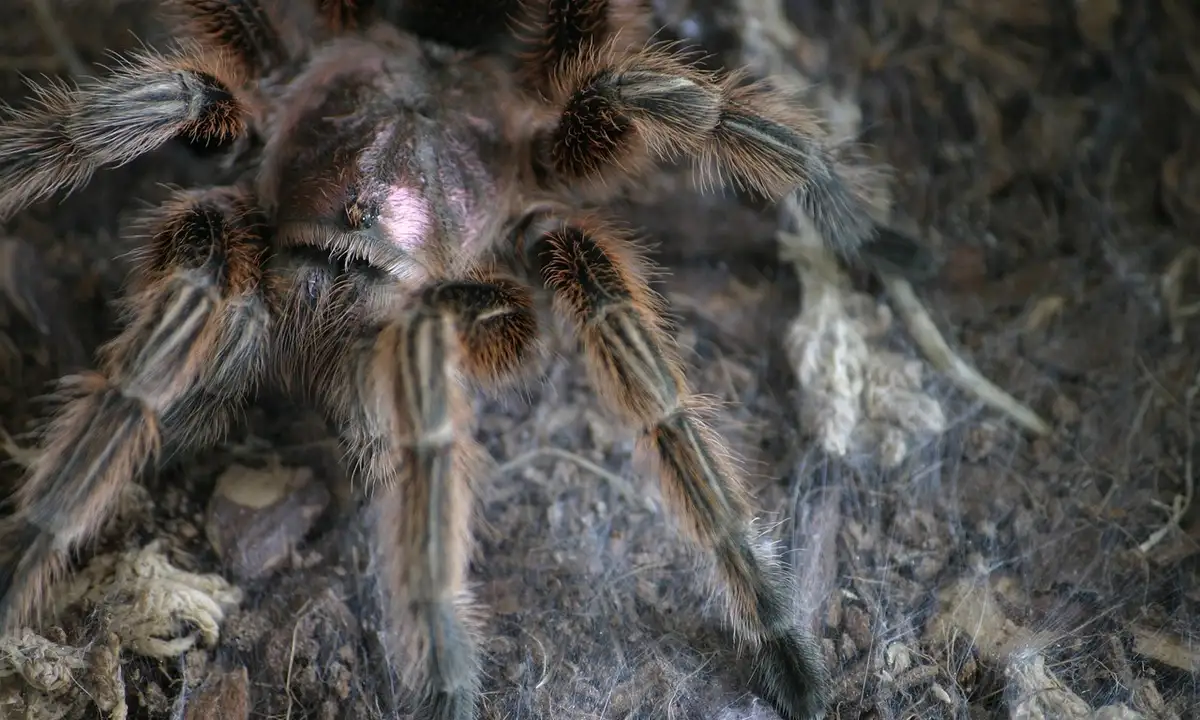
A tarantula’s enclosure is not a static box, but a dynamic environment that must evolve with its occupant. Getting this progression right prevents stress, injury, and developmental issues. The goal is to provide security at every size, adjusting space and parameters to match their changing biological needs. For terrestrial species, essential features emphasize a stable, spacious floor area and appropriate substrate depth. Arboreal tarantulas require vertical height to thrive, secure climbing structures, and accessible retreats.
| Life Stage | Terrestrial Enclosure Size | Arboreal Enclosure Size | Key Consideration |
|---|---|---|---|
| Spiderling (Sling) | 2″x4″ dram vial or small deli cup | Tall 32oz deli cup or small vertical container | Small space for easy prey finding and to reduce stress. |
| Juvenile | 5-10 gallon tank (or equivalent) | 12″x12″x18″ tall enclosure or larger | Time to establish permanent burrow or web funnel; add more décor. |
| Adult | 10-20 gallon long tank for large species (e.g., T. stirmi) | 18″x18″x24″ tall or larger for big arboreals | Floor space for terrestrials, height for climbers. Prioritize width over height for terrestrial species to prevent fatal falls. |
Substrate, Humidity, and Hides: The Three Pillars of Change
Beyond the container size itself, three internal factors require your constant attention.
Substrate depth is critical for burrowers and a safety net for all. For slings, an inch or two of slightly damp substrate is sufficient. As your tarantula grows, especially for obligate burrowers like my OBT Flash, gradually increase depth. My adult Goliath has nearly ten inches of packed, moist coconut fiber to simulate its natural habitat and support its massive weight.
Humidity control shifts from constant dampness to targeted moisture. Spiderlings dehydrate quickly. I keep their small enclosures gently humid, often by adding a few drops of water to a corner of the substrate. For juveniles and adults, species-specific needs dominate. My arid-adapted G. rosea, Rosie, gets a dry enclosure with a full water dish. My humidity-loving T. stirmi, Goliath, gets damp substrate and frequent misting. A general rule: slings need 70-80% ambient humidity, juveniles/adults follow species guidelines (arid: 50-65%, tropical: 70-85%).
The hide must grow with its owner. A sling’s hide can be a halved bottle cap or a curled leaf. A juvenile needs a cork bark slab or flowerpot. An adult requires a secure, spacious cave. The hide should be a snug fit-a tarantula crammed into a tiny hide cannot molt properly, and one lost in a cavern feels exposed.
The Art of the Rehouse: A Step-by-Step Guide
Rehousing is inevitable and often anxiety-inducing for keeper and tarantula. I’ve done dozens, from simple sling transfers to maneuvering my defensive OBT. The method depends on temperament.
For a calm species like a Rose Hair:
- Prepare the new, fully set-up enclosure and have a large catch cup ready.
- In the old enclosure, gently coax the tarantula into the catch cup using a soft brush.
- Place the cup into the new enclosure and let the tarantula walk out on its own time.
For a fast or defensive species like an OBT:
- Perform the rehouse in a large, bathtub-lined bin to contain any escapees.
- Use two cups: one to guide the tarantula into the other. Never try to “herd” a fast spider.
- Work slowly and deliberately. Sudden movements trigger bolting or defensive postures.
Always rehouse in the evening when the tarantula is naturally more active, and never handle a tarantula directly during the process-the goal is a zero-stress transfer.
Monitoring Health and Troubleshooting Growth Issues
Signs of Healthy Growth
Watching a tarantula mature is a lesson in slow, perfect change. Healthy growth manifests in clear, observable patterns.
A predictable molting schedule is the most obvious sign of good health. Young slings may molt every few weeks, while adults like my 15-year-old Rosie might only molt once every year or two. The new exoskeleton should be fully hardened and vividly colored within a week or two.
Consistent appetite, followed by a plump, rounded abdomen, indicates proper feeding. Note that fasting for weeks or months is normal for some adults, especially pre-molt.
Purposeful movement within the enclosure—digging, webbing, exploring at night—shows a content animal. A healthy tarantula is not perpetually hiding in a death curl. Understanding burrows explains their digging drive and comfort in captivity. This is covered in the ultimate guide on tarantula burrows, why they dig, and how to support it.
I keep a simple digital journal: date, molt observed, feeding response, and a photo. This log reveals patterns, like slowing growth rates, and provides a vital history if problems arise. A photo log against a standard object (a coin, a lighter) beautifully visualizes progress you might otherwise miss.
Common Health Concerns and Solutions
Growth is not always linear. When problems appear, swift, correct action is needed.
Stunted growth often traces back to three issues: dehydration, underfeeding, or low temperature. A shriveled abdomen signals dehydration-provide a water dish and gently moisten a section of substrate. If the tarantula eats but doesn’t grow, increase prey size or feeding frequency slightly. Ambient temperature below 70°F (21°C) can dramatically slow metabolism and growth; a small space heater for the room can help.
Humidity imbalance causes molt-related tragedies. Too dry, and the tarantula can become stuck in its old exoskeleton, a often-fatal condition. Too wet, especially with poor ventilation, breeds mold and bacteria. For a bad molt, increase humidity immediately and never try to manually pull the tarantula free. For mold, remove contaminated substrate, improve cross-ventilation, and spot-clean waste. These examples highlight some of the five biggest humidity-ventilation mistakes tarantula keepers make. Understanding these risks helps you prevent problems by ensuring proper humidity and ventilation.
Enclosure hazards change with life stage. For arboreal slings and adults, a fall from the top of a tall enclosure can rupture their abdomen. Ensure there is ample soft substrate or foliage to break a fall. For slings, excessive space is a hazard-they can struggle to find prey and water. Conversely, an adult crammed into a tiny enclosure cannot exhibit natural behaviors and may injure its limbs.
Observe first, act second, and always prioritize the animal’s quiet, secure existence over our desire to interact. This mindful approach is the foundation of successful tarantula husbandry from sling to adult.
Behavioral Milestones and Safe Interaction
Sling Stage: The Burrowers
From hatchling to about an inch in legspan, tarantula slings are instinctive excavators. Their primary survival strategy is to vanish into the substrate, constructing a hidden chamber where they can molt and grow away from prying eyes. You will observe them moving minuscule amounts of soil with impressive dedication. This burrowing creates a stable microclimate, crucial for preventing fatal desiccation in such tiny creatures, especially in arid environments where moisture is scarce.
Juvenile Stage: Web Weavers and Explorers
After several molts and reaching a few inches in size, behavioral personalities emerge. Arboreal species, like my Orange Bitey Thing Flash (P. murinus), embark on massive silk projects, coating their entire enclosure in a dense, felt-like web for security and prey capture. Terrestrial juveniles may expand their burrow networks or lay down silk mats to detect vibrations. This stage often brings a voracious appetite and more visible nighttime activity.
Adult Stage: Territorial Displays
Mature tarantulas establish firm boundaries. My Chilean Rose Hair Rosie (G. rosea) expresses her space with subtle leg taps, while my Burgundy Goliath Bird Eater (T. stirmi) has a far more dramatic repertoire, often kicking clouds of irritating urticating hairs at the first sign of intrusion. These are not acts of malice but clear, instinctive communication. Recognizing and respecting these signals is the cornerstone of ethical care.
The “Look, Don’t Touch” Philosophy
Handling provides minimal benefit to the tarantula and introduces substantial risk. I advocate for a hands-off approach, where enjoyment comes from observing the intricate, silent behaviors of a creature in its own world. This eliminates stress for the animal, prevents potentially fatal falls, and protects you from urticating hairs or medically significant venom. The fascination is in watching, not touching.
Safe Handling: A Last Resort
For essential activities like enclosure transfers, if no other method works, extreme caution is paramount. Your entire focus must be on creating a controlled, low-risk environment where the tarantula can move on its own terms. When transport or rehousing is unavoidable, use a secure, escape-proof container and keep handling to a minimum to reduce stress. This careful approach helps ensure a safe, low-stress transfer for both you and your tarantula.
- Prepare the Groundwork: Conduct the transfer in a small, escape-proof room. Place a soft towel or foam pad on the floor to create a safe, low-impact zone.
- Use Guiding Tools: Gently coax the tarantula using a large soft paintbrush or a plastic deli cup. Never use your fingers to block or direct its path.
- Initiating Contact: If it must walk onto you, place your open, flat hand palm-up in its path. Keep your hand hovering barely an inch above the padded surface.
- Species-Specific Caution: Only consider this with known docile, slow-moving species. I would never attempt this with my fast and defensive OBT, Flash. Even my calm Rosie is handled only during absolute necessity.
- Swift Conclusion: Keep the interaction to seconds, not minutes. Gently guide the tarantula into its new enclosure and secure the lid immediately.
During a rehousing of my Goliath, I planned a simple enclosure swap. As soon as I opened the lid, she charged up the side, forcing me to abandon any hand-contact plan and use a cup-and-lid technique instead. This moment solidified that the safest tools are never your hands, and the best interaction is quiet observation from the other side of the glass.
## FAQs
How does enclosure size and setup change as my tarantula grows?
The enclosure must evolve to provide security and appropriate space at each life stage. For slings, a very small container like a deli cup prevents stress and helps them find food and water easily. Juveniles need a permanent enclosure that is about 3x their leg span in width, with proper ventilation and species-appropriate substrate depth. Adults require spacious, secure setups with floor space for terrestrials or height for arboreals, always prioritizing safety to prevent falls.
What common health issues can occur during the growth stages and how are they addressed?
Dehydration, indicated by a shriveled abdomen, is common and remedied by providing a water dish and lightly moistening substrate. Bad molts, where the tarantula gets stuck, can often be prevented by maintaining proper humidity but require immediate, careful humidity increase if they occur. Stunted growth can result from chronic underfeeding or temperatures that are too low, which slows metabolism and requires adjusting feeding frequency or ambient warmth.
How do I safely handle a tarantula at different sizes?
Handling is generally discouraged due to the risk of falls, stress, and defensive reactions. If absolutely necessary for enclosure transfers, use guiding tools like soft brushes and deli cups to coax the tarantula, never your hands. The process should be done in a secure, padded area and only with known docile species. For fast or defensive species, a hands-off, cup-and-lid transfer method within a large, lined bin is the only safe approach.
The Long Watch: From Juvenile to Adult
The transition from a juvenile to a mature adult tarantula is a subtle, profound shift. The frantic growth of the sling stages slows. The molts become more dramatic but less frequent, each one revealing more of the spider’s final, magnificent form. Your role changes from a constant overseer to a steady, patient guardian. The single most important parameter now is consistent, appropriate temperature, as it directly governs metabolism, digestion, and the critical molting cycle.
This is the stage where a tarantula’s true personality and instincts flourish. My OBT, Flash, spent his juvenile period constructing a dense, silken fortress. Now, as a mature male, he patrols its ramparts with a deliberate, tense energy I never saw before. This is the reward. Watch for the meticulous repair of a burrow, the patient ambush from a tunnel entrance, the iridescent sheen of a freshly hardened carapace under the lamp. Growth is measured not just in inches, but in behavioral nuance. Your patience is the frame that holds this living portrait.
Further Reading & Sources
- Tarantula Growth and Development Tarantulas, like all arthropods, have a
- Tarantula Growth Rates | Arachnoboards
- SO HOW DO TARANTULAS GROW? |
Arlo is a lifelong arachnid enthusiast who believes tarantulas are the world’s most misunderstood roommates. With years of hands-on experience in tarantula care, habitat setup, and species behavior, Arlo combines expert knowledge with a dash of humor to make spider ownership less scary and a lot more fascinating. From choosing the right enclosure to understanding why your eight-legged buddy is doing that weird little pose again, Arlo is here to help you become the best tarantula parent you can be, without getting tangled in the web of misinformation.
Molting Process