
The Real Cost of Owning a Pet Tarantula: Initial & Ongoing Expenses
Pet tarantulas are often touted as the ultimate low-cost, low-maintenance exotic, but the real financial picture is more complex than the price tag on a spiderling. This guide will break down every expense, from the initial enclosure setup to a decade of substrate and feeders, because the true cost of responsible arachnoculture isn’t just the animal-it’s the lifelong commitment to its specialized habitat. The biggest investment is often the high-quality enclosure and durable equipment that will safely house your tarantula for years.
Quick Stats:
- Origin & Type: Varies dramatically by species (New World vs. Old World).
- Growth Rate & Lifespan: Ranges from fast-growing (2-3 years to maturity) to glacial (over a decade for some females), directly impacting long-term care costs.
- Price Factors: Species rarity, sex, size (sling vs. juvenile vs. adult), and coloration/morph.
This comprehensive cost analysis will walk you through the specific financial requirements to properly house, feed, and maintain a tarantula from a tiny sling through its entire adult life.
The Initial Purchase: Tarantula Price by Species
Your first cost is the spider itself, and prices swing wildly based on rarity, age, and demand. A common sling might cost less than a fancy coffee, while a rare adult can rival a monthly car payment. I’ve purchased everything from a $20 Grammostola rosea sling to a $150 juvenile Theraphosa stirmi, learning that patience and research always pay off.
| Species (Common Name) | Typical Price Range (Slings/Juveniles) | Notes on Availability & Demand |
|---|---|---|
| Grammostola rosea (Chilean Rose Hair) | $20 – $50 | Extremely common; prices are low due to plentiful captive breeding. |
| Pterinochilus murinus (Orange Babbler Tarantula) | $30 – $70 | Common but high demand for their bright color; fast growth keeps prices moderate. |
| Theraphosa stirmi (Burgundy Goliath) | $100 – $250+ | Rarer, slower growing; large size and impressive appearance command premium prices. |
Common Species vs. Rare Species: Price Comparison
Beginner-friendly tarantulas like curly hairs or rose hairs often sit in the $20 to $60 bracket. Specialized species, particularly Asian arboreals or dwarf species, can easily cost $150 to $400 for a single sling. Rarity drives cost; a spider needing specific import permits or with a slow reproduction rate will always be more expensive. For a beginner’s budget breakdown when owning a tarantula, factor in setup and ongoing care costs beyond the spider price. This helps plan upfront and ongoing monthly expenses.
Factors Influencing Tarantula Price: Age, Size, and Morph
Spiderlings (slings) are cheapest but require delicate care. Juveniles often cost double, as the seller has raised them past the fragile stage. An adult female, with her decades-long lifespan, can be ten times the price of a sling of the same species. Unique color morphs, like a high-contrast Caribena versicolor, can add $50 or more to the base price.
Where to Buy: Breeders, Expos, and Online Retailers
Local reptile expos let you inspect the animal and avoid shipping, with prices often negotiable. Online retailers offer vast selection but require trust. I always prioritize ethical breeders who disclose the spider’s lineage and health; my OBT ‘Flash’ came from a dedicated breeder whose knowledge was worth the extra few dollars. Big box pet stores are a last resort, as they often misidentify species and charge inflated prices.
- Breeders: Best for health and advice, mid-range pricing.
- Expos: Good for deals and variety, cash-based haggling.
- Online Retailers: Widest selection, must factor in shipping stress and cost.
Shipping Costs and Considerations
Overnight shipping is non-negotiable for live arachnids, typically costing $40 to $80. Always verify the seller’s live arrival guarantee and packaging methods before you buy. I request shipments on weekdays to avoid weekend depot delays, and I’m always home to receive the box immediately, reducing transit stress for the new arrival.
Enclosure Setup: One-Time Costs for Habitat
A proper habitat is a one-time investment that ensures your tarantula’s long-term health. You can setup a basic but effective enclosure for under $50, or spend over $200 on a elaborate bioactive display. The core essentials are a secure tank, substrate, a hide, and a water dish.
- Select an enclosure with secure ventilation and locking lids.
- Add 3 to 6 inches of damp substrate, packed firmly.
- Position a hide and a shallow water dish.
- Add minimal decor to avoid cluttering the floor space.
The Terrarium: Choosing the Right Enclosure
Plastic deli cups or acrylic boxes are budget-friendly ($5-$20) and perfect for slings. Glass terrariums look sleek but cost more ($30-$80) and can be heavy. For my fast old world species like Flash, I use secure acrylic cages with multiple ventilation ports to prevent escapes. Whatever you choose, prioritize cross-ventilation and a foolproof latch; a cracked lid leads to a heart-pounding search mission.
Substrate: Types and Costs
Substrate forms the foundation of your tarantula’s world. A brick of coconut fiber expands with water and costs about $5, enough for several enclosures. Pre-mixed, sterile topsoil or peat moss blends are excellent for moisture-retention and cost $10 to $20 per bag. For my moisture-dependent Theraphosa stirmi ‘Goliath’, I use a deep mix of coconut fiber and peat, which holds humidity without molding.
- Coconut Fiber: $5-$10, retains moisture well, dust-free.
- Peat Moss: $10-$15, acidic, good for burrowers.
- Sterile Topsoil: $10-$20, natural, often used in bioactive mixes.
Hides and Decor: Creating a Safe Environment
A hide is non-negotiable; it reduces stress by providing a dark retreat. A simple half-round of cork bark ($8-$15) or a clean, broken flower pot (less than $5) works perfectly. I avoid sharp-edged decor and plastic plants that can shed fibers. For arboreal species, vertical cork flats or anchored branches are essential, adding $10 to $25 to the setup cost.
Water Dishes and Accessories
A water dish can be as simple as a bottle cap or a small ceramic dish from a craft store ($1-$5). I use shallow, weighted dishes to prevent tipping, especially for powerful species that might bulldoze their enclosure. Sponges are dangerous and unnecessary; a quick rinse with hot water is all the cleaning needed. Tongs for feeder insects and a soft brush for spot-cleaning substrate are useful, low-cost additions.
Essential Equipment: Heating, Humidity, and Monitoring
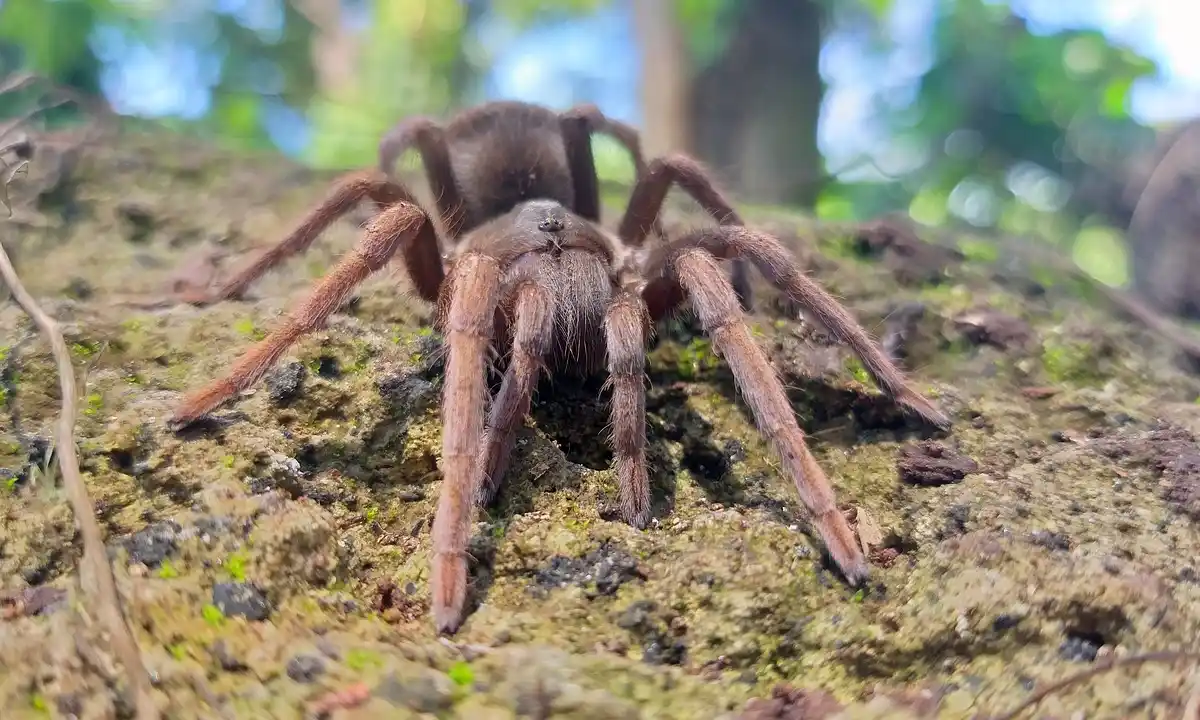
Your tarantula’s enclosure is a climate-controlled micro-environment. Creating and monitoring this climate is non-negotiable for health, especially for sensitive species. Neglecting precise environmental control is the fastest way to turn a healthy spider into a stressed, sick, or deceased one.
From my own collection, the needs vary wildly. My Pterinochilus murinus (Flash) thrives in warm, dry air, while my Theraphosa stirmi (Goliath) demands a humid, tropical atmosphere that would make other species mold. The right tools let you cater to these needs safely.
Heating Solutions: Mats, Lamps, and Thermostats
Tarantulas are ectothermic. They do not need desert-like heat but benefit from stable, gentle warmth, especially in cooler rooms. Inconsistent temperatures can halt feeding and disrupt the molt cycle. Besides stable warmth, many popular tarantula species also require careful attention to humidity and heating to mimic their natural habitats. Knowing the heating and humidity needs of common species—such as the Chilean rose hair, Mexican red-knee, and pinktoe tarantulas—helps you set up a habitat that supports normal activity and molts.
Heating pads are the most common solution. They attach to the side or back of the enclosure. A small 4″x7″ pad costs $15-$20. Ceramic heat emitters (lamps) are another option, starting around $20 for the bulb. Never plug a heating device directly into the wall; you must use a thermostat.
A thermostat is your safety net. It regulates the heater’s output to prevent cooking your pet. A basic on/off thermostat runs $25-$40. I learned this necessity after a cheap pad nearly overheated an enclosure-the silence of a tarantula in distress is chilling.
Humidity Control: Gauges, Misters, and Substrate Choices
Humidity is not one-size-fits-all. “Moisture-dependent” species like T. stirmi need 75-85% humidity, while arid species like Grammostola rosea (Rosie) prefer 40-50%. You cannot guess these levels.
A digital hygrometer is your eyes. A reliable model costs $8-$15. To raise humidity, you manually mist with a simple spray bottle ($3-$5) or invest in an automated misting system, which starts around $60. Your substrate is the foundation of humidity control; deep, moisture-retentive soil acts as a reservoir, reducing how often you need to mist.
Monitoring Tools: Thermometers and Hygrometers
Combination digital thermometer/hygrometer units are ideal. Avoid cheap analog dials, as they are notoriously inaccurate. A good digital unit provides precise readings and often includes memory functions to track highs and lows, which is invaluable for troubleshooting. Expect to pay $10-$20 for a trustworthy device.
| Equipment | Price Range | Recommendation |
|---|---|---|
| Heating Pad (small) | $15 – $25 | Attach to side/back, never under. |
| On/Off Thermostat | $25 – $40 | Mandatory for any heater. |
| Digital Thermometer/Hygrometer | $10 – $20 | Digital is essential for accuracy. |
| Misting Bottle | $3 – $8 | Sufficient for most keepers. |
| Auto-Misting System | $60+ | For advanced, moisture-heavy setups. |
Ongoing Monthly Expenses: Feeding and Maintenance
The recurring costs of tarantula keeping are pleasantly low, especially compared to a dog or cat. Your biggest ongoing investment will be your time and attention, not your wallet. Budgeting revolves around live prey and occasional substrate refreshes.
Live Feeder Costs: Crickets, Roaches, and Mealworms
Live food is a non-negotiable expense. Variety is beneficial, but most keepers settle on a primary feeder. Buying in bulk from online suppliers is dramatically cheaper than pet store purchases.
Crickets: Price and Availability
They are the default feeder. Crickets cost about $0.10-$0.15 each in small quantities, but bulk buys of 500 can drop the price to $0.03 each. Downsides include their smell, noise, and tendency to die quickly. They are nutritionally adequate but must be gut-loaded.
Roaches: A Nutritious Alternative
Dubia roaches are superior. They are quiet, odorless, more nutritious, and live for months. A starter colony of 50 mixed sizes costs $25-$30, or you can buy them as needed for about $0.15-$0.25 per roach. For a hungry giant like my Goliath, roaches provide a hearty, sustaining meal.
Mealworms: Occasional Treats
They are fatty and should be treats, not staples. A cup of 50 mealworms costs about $5. Their low cost is tempting, but overuse can lead to an obese tarantula. I use them rarely, often for slings or to tempt a fasting spider.
Monthly Feeding Schedule and Budget
Feeding frequency depends on life stage and species metabolism. My OBT (Flash) is a ravenous juvenile, eating weekly. My adult Rosie, a true “pet rock,” may fast for 9 months at a time.
- Slings (Spiderlings): Feed 2-3 times per week. Cost: ~$3-$5/month.
- Juveniles: Feed once a week. Cost: ~$4-$8/month.
- Adults: Feed 1-2 times per month. Cost: ~$2-$5/month.
An adult’s voracity varies; my Goliath might eat two large roaches monthly ($1), while Rosie costs $0 for most of the year. Always remove uneaten prey to prevent stress.
Substrate Replacement and Cleaning Costs
You do not need to do full substrate changes often. For most setups, a complete change every 12-18 months is sufficient. I practice spot-cleaning: removing boluses (food leftovers) and any mold promptly. A 4-quart bag of coconut fiber substrate costs $6-$10 and fills several enclosures. This spot-cleaning method extends substrate life and minimizes cost and disruption to your tarantula’s home.
| Monthly Expense | Low Estimate | High Estimate | Notes |
|---|---|---|---|
| Live Feeders (1 Adult) | $2 | $8 | Varies hugely with species and appetite. |
| Substrate & Maintenance | $0.50 | $2 | Annual cost averaged monthly; mostly spot-cleaning. |
| Miscellaneous (moss, decor) | $0 | $5 | Occasional, optional upgrades. |
| Total Monthly | $2.50 | $15 | Often at the very low end of this range. |
Health and Veterinary Care: Budgeting for Wellness
Veterinary visits for tarantulas are exceptionally rare. Their care is predominantly a home-based practice of observation and correct habitat management. You become the primary healthcare provider through meticulous husbandry, making preventative care your most powerful and cost-effective tool. Many common tarantula health problems are preventable with attentive husbandry. Regular monitoring of enclosure humidity, cleanliness, and molt readiness helps prevent dehydration, molt injuries, and infections. To prevent common tarantula health problems, budgeting for health is less about routine check-ups and more about planning for potential crises and the natural process of molting.
When to Visit a Vet: Common Health Issues
Most tarantula health issues stem from husbandry errors, like falls from excessive height or infections from contaminated substrate. Knowing the signs of distress helps you decide if professional intervention is needed. Many of these issues are preventable with proper care, which is especially true for beginners. By maintaining good husbandry—proper substrate, humidity, and careful handling—you can prevent common tarantula health issues before they occur.
- Prolonged lethargy or an unnatural, leggy posture (like a “death curl”).
- A visible injury, such as a ruptured abdomen or a limp, broken limb.
- A complete loss of appetite in a normally feeding specimen, lasting many months beyond a typical fast.
- The presence of mites or mold outbreaks that cannot be managed with careful enclosure adjustments.
In over a decade, I have never taken one of my tarantulas to a vet, as most problems are resolved by correcting temperature, humidity, or removing a hazard. Proper care for tarantulas, especially advanced and rare species, involves maintaining the right environment and diet, as discussed in this guide.
Cost of Exotic Veterinary Services
Should a severe injury or mysterious illness occur, finding a vet who treats invertebrates is essential. Costs are significant due to their specialization.
- Initial consultation fees typically range from $80 to $150.
- Any treatment, medication, or procedures can easily double or triple that cost.
- I strongly advise locating an arachnid-experienced veterinarian before an emergency arises, as many general exotic vets may not have the necessary expertise.
Molting: Natural Process and Associated Costs
Molting (ecdysis) is how your tarantula grows. While not a medical expense, it has associated costs and requires specific care. A molting tarantula is extremely vulnerable and must not be disturbed.
- You may need to replace substrate more frequently after successful molts to keep the environment clean.
- Delicate slings might require temporary, smaller enclosures with higher humidity, meaning spare containers and supplies.
- Heavy webbers, like my OBT Flash, often destroy their decor during the molting process, necessitating replacement hides or anchor points.
After Flash molts, his once-dense web tunnel is usually shredded, requiring me to carefully add new cork bark for him to rebuild his silken fortress.
Long-Term Costs and Unexpected Expenses
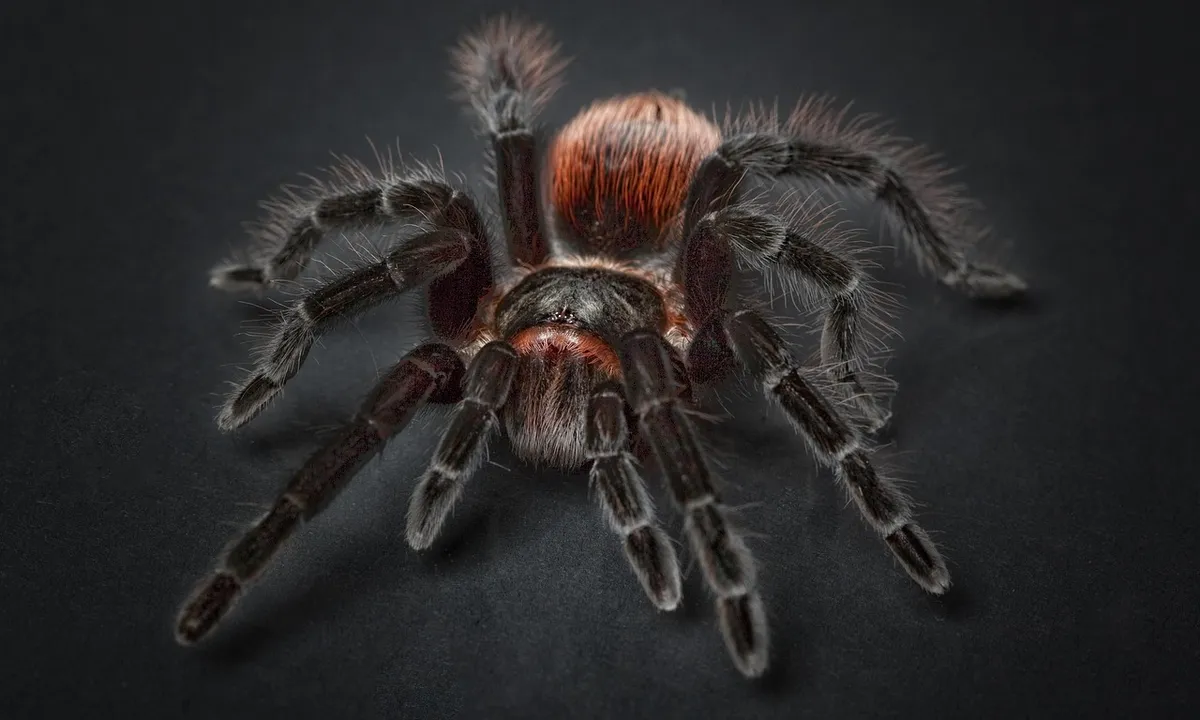
The initial purchase price is a tiny fraction of the true cost of tarantula ownership. These are long-lived animals, and their needs evolve. Planning for the decade-long journey, not just the first setup, separates prepared keepers from those facing constant financial surprises. From your first spider to your fiftieth, budgeting becomes a guiding habit that grows with your collection. Smart budgeting keeps the hobby enjoyable and sustainable over the long term.
Lifespan Considerations: Years of Care
With females living 15-20 years or more, your modest monthly food and supply costs compound into a significant sum. A docile Grammostola rosea like my Rosie, costing $5 per month in crickets, represents nearly $1000 in food alone over a 15-year lifespan. This long-term perspective makes the initial investment in a quality, durable enclosure utterly worthwhile, as it will serve for many years.
Enclosure Upgrades for Growing Tarantulas
A spiderling cannot live in an adult enclosure, and vice versa. You will buy multiple homes throughout their life.
- Spiderling (1-2″): Small deli cup or dram vial. Cost: $2-$5.
- Juvenile (2-4″): Small acrylic or glass terrarium. Cost: $25-$50.
- Sub-adult to Adult (4″ +): Permanent display enclosure. Cost: $60-$150+.
Fast-growing, large species like my Theraphosa stirmi (Goliath) demand spacious, humid setups much sooner than a slow-growing desert species, accelerating your upgrade timeline and cost.
Emergency Funds for Escapes or Injuries
Allocate a small fund, perhaps $100-$200, for the unforeseen. A heater fails in winter, a fan falls into an enclosure, or a water dish spill warps a wooden stand. My most nerve-wracking moment was during a rehousing when my old Chilean rose hair made a slow but determined crawl toward an open heating vent. The silence of an escape is more alarming than any threat posture; having a dedicated catch cup, flashlight, and calm plan is priceless and prevents panic-driven mistakes.
How Tarantula Species Affects Overall Cost
The initial price tag of the spider is just the beginning. The species you choose dictates nearly every ongoing expense, from enclosure size to your utility bill, based on its unique biological needs. A tarantula from a dry scrubland and one from a rainforest have shockingly different care budgets. Temperament also plays a role; a defensive species may require specialized tools for safe maintenance, adding to your startup kit.
Matching a species to your budget and experience is the cornerstone of responsible arachnoculture. A beginner overwhelmed by the cost and complexity of a high-maintenance species is a recipe for stress-for both keeper and spider.
Low-Maintenance Species: Cost-Effective Choices
These are the classic starter tarantulas, often hailing from arid or temperate environments. Their care aligns with typical room conditions. Species like the Chilean rose hair (Grammostola rosea) or Mexican red knee (Brachypelma hamorii) are cost-effective because their needs are beautifully simple.
- Minimal Environmental Control: They thrive at room temperature (68-78°F) and require low humidity (40-50%), eliminating the need for heaters or frequent misting.
- Slower Metabolism: Their growth is glacial. A juvenile may take years to reach maturity, meaning lower food costs and very infrequent enclosure upgrades.
- Substrate Savings: A few inches of dry coconut fiber or topsoil is perfect, a single bag lasting for many rehousing cycles.
High-Maintenance Species: Increased Expenses
These tarantulas demand that you replicate a specific slice of the natural world, and that costs more. Expect higher recurring costs for electricity, substrate, and prey when keeping humidity-loving or fast-growing giants.
- Constant High Humidity: A Burgundy Goliath Bird Eater (Theraphosa stirmi) needs 75-85% humidity. This requires a deep, moisture-retentive substrate, frequent overflow water dishes, and often a room humidifier running constantly, impacting your electric bill.
- Frequent Enclosure Upgrades: Fast-growing species like Pink Toes (Avicularia avicularia) or some Asian fossorials can outgrow enclosures every 6-12 months, a recurring replacement cost.
- Larger Prey Items: Giant species quickly graduate from pinhead crickets to full-sized roaches and even pinkie mice, which are more expensive per feeding.
Personal Examples: Rosie, Goliath, Flash
My own collection illustrates this cost spectrum perfectly. Respecting each species’ needs prevents stress-related health issues, which are the most significant unexpected cost of all.
- Rosie (G. rosea): Her annual cost is negligible. She’s been in the same 10-gallon tank for a decade. She might eat four crickets one month, then fast for eight. Her water dish is refilled weekly. She is the definition of a low-overhead pet.
- Goliath (T. stirmi): His setup is an active project. The large, waterproof enclosure needed a custom-made lid. I run a humidifier in that room from October to April. He gets large dubia roaches weekly, and I buy bulk sphagnum moss to mix into his deep substrate. His cost per year is easily 10x Rosie’s.
- Flash (P. murinus): While not humidity-sensitive, his defensive nature required an upfront investment in long, 16-inch locking forceps for feeding and water dish placement, and a specially designed enclosure with secure cross-ventilation to prevent escapes during maintenance. The peace of mind those tools provide is worth every penny.
FAQs
What is the initial cost of purchasing a tarantula?
The initial purchase price for a pet tarantula can range from as low as $20 for a common spiderling to over $250 for rare or adult specimens. This cost is influenced by factors like species rarity, age, size, and unique color morphs. Additionally, you should budget for overnight shipping, which typically adds $40 to $80 to the total. The price can be particularly high for rare and advanced tarantula species.
What are the ongoing monthly or annual costs for maintenance?
Ongoing monthly costs are generally low, averaging between $2 to $15, primarily for live feeders like crickets or roaches. Feeding expenses vary based on the tarantula’s life stage and species metabolism, with adults often eating less frequently. It’s also important to consider the quality of live prey versus pre-killed food when budgeting for feeding. Annual maintenance, such as substrate replacement, averages under $20 when spread out monthly, making tarantulas very affordable to keep.
How much should I budget for veterinary care or potential health issues?
Veterinary care for tarantulas is uncommon, but if needed, initial consultations with an exotic vet cost $80 to $150, with treatments adding more. Most health issues are preventable through proper habitat management, like controlling humidity and temperature. It’s prudent to set aside a small emergency fund of $100-$200 for unexpected events, such as injuries or equipment failures. If you notice an urgent issue—such as a broken leg, severe lethargy, or not eating for several days—seek emergency veterinary care immediately. When you see a vet, bring details about enclosure conditions, recent molts, and behavior to help the assessment.
Does the cost vary significantly by tarantula species?
Yes, the species you choose greatly impacts both initial and ongoing expenses. Low-maintenance species, such as Chilean rose hairs, have minimal costs due to simple habitat needs. In contrast, high-maintenance species like Burgundy Goliaths require more investment in humidity control, larger enclosures, and premium feeders. Temperament can also affect costs, as defensive species may necessitate specialized tools for safe handling.
Are there any unexpected or one-time costs I should plan for?
Plan for enclosure upgrades as your tarantula grows, which can cost $25 to $150 each time. Unexpected expenses might include emergency funds for escapes, injuries, or equipment malfunctions like heater failures. Additionally, decor may need replacement after molts, and investing in quality monitoring tools can prevent costly health issues down the line. If you’re handy, you can assemble a DIY tarantula enclosure on a budget. A DIY approach lets you tailor materials and size to fit the budget while keeping safety in mind.
The Final Molt
Looking at the numbers, the financial barrier to keeping tarantulas is pleasantly low. The true investment is not in dollars, but in consistent, attentive care. The single most impactful factor for your tarantula’s long-term health is not the price of its enclosure, but the stability of its environment. Meticulously researching and maintaining the correct humidity for your specific species is the non-negotiable cornerstone of successful tarantula keeping. A dehydrated Theraphosa stirmi is a tragedy; a soggy Grammostola rosea is a slow-motion crisis. Your hygrometer is more important than any decoration.
Beyond the substrate, your greatest resource is your own patience. Sit with your spider. Watch Flash weave his labyrinth of golden silk, a silent architect. Observe Rosie’s monumental stillness, a lesson in energy conservation. Witness the explosive, precise strike of a feeding Goliath. This hobby rewards the quiet observer. The most profound moments happen in the stillness, not during a handling session. Your care creates the stage, but the tarantula’s innate behavior is the captivating show. Build your setup correctly, then settle in and watch the story unfold.
Further Reading & Sources
- Pet Tarantula Prices 2024: Purchase Cost, Supplies, Food, and More! – A-Z Animals
- About the Cost of Owning Tarantulas | Tarantula Forum
- r/tarantulas on Reddit: How much does owning a tarantula cost?
Arlo is a lifelong arachnid enthusiast who believes tarantulas are the world’s most misunderstood roommates. With years of hands-on experience in tarantula care, habitat setup, and species behavior, Arlo combines expert knowledge with a dash of humor to make spider ownership less scary and a lot more fascinating. From choosing the right enclosure to understanding why your eight-legged buddy is doing that weird little pose again, Arlo is here to help you become the best tarantula parent you can be, without getting tangled in the web of misinformation.
Veterinary Care