
Do Tarantulas Need a Heat Lamp? (A Complete Guide)
Published on: February 28, 2026 | Last Updated: February 28, 2026
Written By: Arlo
In the quiet, substrate-rich world of the tarantula enclosure, the concept of “warmth” is far more subtle and critical than simply screwing in a bulb. I’ve spent late nights monitoring thermometers, feeling the cool glass of one tank and the gentle ambient warmth of another, learning that temperature management is about replicating security, not creating a desert sun. This guide cuts through the common confusion to provide a clear, safe protocol.
- Origin: Husbandry principle, applicable to all species.
- Type: Foundational care requirement.
- Growth Rate: Directly influenced by correct temperature gradients.
This guide will equip you with the knowledge to safely provide the correct thermal environment for your tarantula, from fragile sling to powerful adult.
Do Tarantulas Need a Heat Lamp?
The Short Answer: Usually Not
- Most common pet tarantula species thrive comfortably at normal human home temperatures, which typically fall between 70-78°F (21-26°C). Your living room is likely already the perfect climate for many of these slow-moving arachnids.
- Tarantulas are ectotherms, meaning they rely on environmental warmth to regulate their internal processes. Their metabolism is incredibly slow. This low-energy lifestyle means they generate almost no body heat and require far less external warmth than a mammal or bird.
- In my years of keeping everything from docile Grammostola to fast Old Worlds, I’ve rarely used dedicated heat sources. My 15-year-old Chilean Rose Hair, Rosie, has spent her entire life at stable room temperature, exhibiting the classic “pet rock” behavior of fasting for months, a sign of a perfectly content, slow metabolism.
The Nuanced Truth: When Heating is Necessary
- Heating becomes critical in specific scenarios: a consistently cold basement, a drafty room where temperatures drop below 65°F (18°C), or when keeping humidity-loving tropical species like the Burgundy Goliath Bird Eater (Theraphosa stirmi). My Goliath’s enclosure needs humidity levels above 80%, which often necessitates a slightly warmer ambient temperature of 75-80°F to prevent a chilly, damp environment.
- The goal is always gentle, ambient air temperature control for the entire enclosure, never a focused “basking spot.” Direct heat from a lamp creates dangerous hot spots and can rapidly desiccate and kill a tarantula, who cannot sense the burn until it’s too late.
Understanding Ideal Tarantula Temperatures
General Temperature Ranges
- The safe, versatile range for the majority of captive species is 70-80°F (21-27°C). Within this band, their biological functions operate normally without stress.
- Specific needs vary: tropical terrestrial and arboreal species (e.g., Avicularia, Theraphosa) prefer 75-82°F, while temperate species (e.g., Grammostola, Aphonopelma) are fine at 68-78°F. This is why researching your species’ native habitat is the first step in perfect husbandry.
Signs Your Tarantula is Too Cold
- Pronounced lethargy, a complete refusal to eat for extended periods beyond normal fasting, and permanent hiding. A cold tarantula’s digestion halts, so it will ignore food because it cannot process it.
- This dangerously slowed metabolism is often mistaken for simple premolt behavior or illness. If your room is consistently below 68°F and your tarantula is motionless for weeks, inadequate temperature is a prime suspect.
Signs Your Tarantula is Too Hot
- Stress posing with legs held high, frantic and constant climbing of the enclosure walls (seeking a cooler thermocline), and signs of dehydration like a shriveled abdomen. The desperate climb is a clear distress signal; they are trying to escape the heat.
- The danger is acute moisture loss. Tarantulas lose hydraulic pressure rapidly in high heat, leaving them weak, unable to molt properly, and vulnerable to fatal dehydration.
The Dangers of Heat Lamps for Tarantula Care
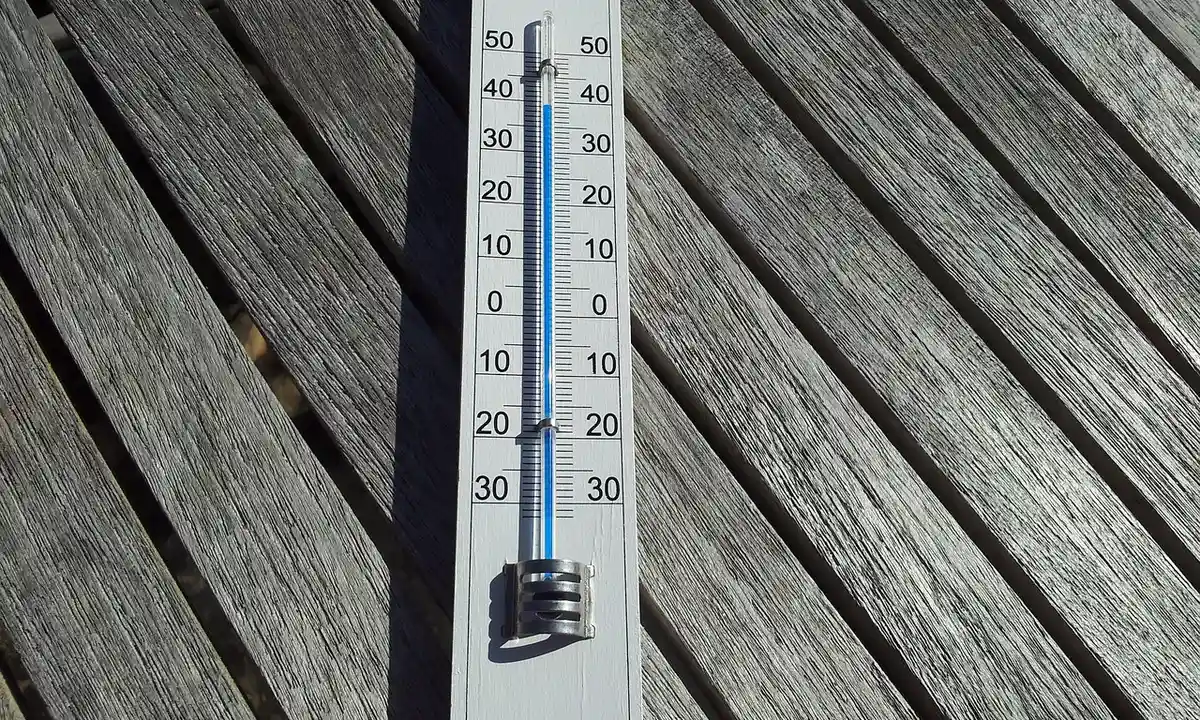
A heat lamp is a tool for desert reptiles, not for your tarantula’s enclosure. Their concentrated, desiccating warmth creates a hostile microclimate that directly threatens your spider’s health and comfort.
Risk of Burns and Dehydration
Tarantulas are notoriously poor at detecting radiant heat. They lack the sophisticated sensors of a bearded dragon or snake. A spider will slowly cook itself under a lamp, suffering severe, often fatal burns to its abdomen and legs before it even thinks to move. I’ve seen the tragic results in rehomed specimens-scarred, misshapen abdomens from old injuries. This is exactly why beginners should focus on prevention—keep heat sources away and monitor enclosure temperatures. With proper setup and regular checks, many common tarantula health issues, such as burns, dehydration, and poor molts, can be prevented.
The air under a lamp becomes bone-dry in minutes. For a tarantula, whose book lungs require some ambient humidity, this is a slow suffocation. It desiccates the spider from the outside in, complicating molts and stressing its entire system. My arid-adapted Grammostola rosea, Rosie, will fast for months if her environment feels too dry. You can check for signs of incorrect humidity in a tarantula enclosure to avoid such stress.
- Concentrated heat sources desiccate the air and spider rapidly, leading to fatal dehydration.
- Tarantulas cannot sense the rising temperature from a lamp and will not move to avoid burns.
Disruption of Natural Cycles
Tarantulas are nocturnal, shadow-dwelling creatures. A bright lamp flooding their enclosure is profoundly stressful. This artificial sun scrambles their day/night cycle, often causing them to hide ceaselessly, refuse food, and remain in a state of high alert. You’ll never see natural, confident behavior. Tarantulas do have circadian rhythms influenced by light. A regular, dim day–night cycle helps maintain their natural activity and reduces stress.
This light-induced stress is a common, overlooked cause of long-term fasting. Your tarantula isn’t “being difficult”-it’s telling you it feels exposed and unsafe. My Pterinochilus murinus, Flash, would turn his entire enclosure into a thick silk fortress within a day if a light shone on it, vanishing from view completely. Common signs your tarantula is stressed or feeling defensive include a raised, stiff posture, rapid leg movements, or a sudden retreat to its hide. Recognizing these cues can help you adjust lighting and enclosure setup to reduce aggression and stress.
- Bright light causes significant stress for nocturnal animals, forcing constant hiding.
- Chronic stress from light manifests as food refusal and a lack of normal exploratory behavior.
Safe Methods for Heating a Tarantula Enclosure
The golden rule is to heat the air around the enclosure, not the enclosure itself. We aim for gentle, ambient warmth that mimics a pleasant room in their native habitat.
Primary Method: Warming the Room
This is the safest, most effective strategy for most keepers. If you are cold in a t-shirt, your tropical tarantula is likely too cold. My first investment for my moisture-dependent Theraphosa stirmi, Goliath, was a small space heater for the reptile room. Heat and humidity go hand in hand for many popular tarantula species. For tropical species, maintaining stable humidity alongside warm temperatures is essential to healthy molts and overall well-being.
- Use a small space heater with a built-in thermostat and oscillation function. Set it to maintain a room temperature between 72°F and 78°F (22°C – 25°C).
- Keep all enclosures away from cold drafts from windows, doors, or direct blasts from air vents, which create dangerous temperature swings.
Secondary Method: Controlled External Heat
When warming the entire room isn’t feasible, we use external devices with extreme caution and multiple layers of control.
Using a Heat Mat (Properly)
A heat mat is a potential tool, not a simple sticker. Used incorrectly, it’s a recipe for a baked spider. Never, ever place a heat mat under the tank, as tarantulas burrow to cool down and will dig directly into a lethal heat trap.
- Attach the mat to the side of the enclosure, on the outside, covering no more than the top third of that side. Heat rises, so this creates a gentle warmth gradient.
- You must plug the mat into an external thermostat probe placed inside the enclosure, near the heated area. This device cycles the mat on/off to maintain your exact set temperature, preventing overheating.
- Monitor humidity closely. Side-mounted mats can still dry out nearby substrate. For species like Goliath, I check the moisture level near the mat daily and mist more frequently on that side if needed.
Alternative: Radiant Heat Panels
For large collections housed in a cabinet or dedicated shelf unit, a radiant heat panel mounted on the ceiling of the furniture is a superior option. These panels produce a wide, gentle spread of infrared heat with almost no light output, mimicking the warmth of a shaded rock after sunset. They are low-profile and, when connected to a thermostat, offer a very stable ambient heat for multiple enclosures at once.
- Radiant heat panels provide even, ambient warmth without bright light, ideal for heating a cabinet housing several tarantulas.
Heat Lamp Alternatives and Setup Tips
Heat lamps often create a harsh, desiccating environment that contradicts the stable, gentle warmth tarantulas evolved with. From my experience rehousing a frantic OBT, I saw how quickly a misplaced heat source can stress an animal, making alternative methods not just preferable but essential for welfare.
What to Use Instead of a Heat Lamp
Your goal is ambient warmth, not a concentrated beam. I warm the room, not the cage, a principle that has kept my collection thriving through countless molts.
- Room Heater: A small space heater with a built-in thermostat is my top recommendation. It safely raises the air temperature for all enclosures at once.
- Thermostat-Controlled Heat Mat: Place this on the side wall of the enclosure, never underneath. This prevents harmful substrate heating and allows for a gradient.
- Heat Tape: Useful for larger racks or breeding rooms, providing even, low-level warmth across multiple enclosures.
- Radiant Panel: Mounted on the ceiling of a cabinet, these panels emit gentle, widespread heat without drying out the air.
I explicitly avoid heat rocks, hot water bottles, and unregulated “hot boxes.” These can cause severe burns and do not allow the tarantula to escape the heat, leading to fatal dehydration or injury. This is part of decor dangers—five common enclosure items that harm tarantulas. Being mindful of safe decor helps protect your tarantula from unnecessary injuries.
Essential Setup for Temperature Control
Precision is everything. Guessing can lead to a lethargic, stressed tarantula or a dangerously dehydrated one. After an incident where a faulty mat spiked, I now never connect a heat source without these three steps.
- Use at least two digital thermometers with probes. Place one in the room to monitor ambient conditions and another inside the enclosure, near the substrate level where your tarantula lives.
- Always plug any direct heat source like a mat or tape into a reliable thermostat. This device regulates output, preventing dangerous temperature swings.
- Provide a gentle gradient. Position the heat on one side, allowing the opposite end to be a few degrees cooler so your tarantula can choose its comfort zone.
Species-Specific Heating Considerations
Heating is not one-size-fits-all. Listening to the natural history of each species prevents the common error of applying desert logic to a rainforest animal.
Tropical Tarantulas Needing Consistent Warmth
These giants from humid forests demand stable, equatorial conditions. My Burgundy Goliath, for instance, becomes noticeably more active and feeds readily when his environment mimics the consistent 78-82°F (25-28°C) warmth of his native habitat.
- Examples: Theraphosa stirmi (Goliath Bird Eater), Xenesthis species, some Pamphobeteus.
- Their high humidity needs of 75-85% pair intrinsically with these warmer temperatures; cooler air holds less moisture, risking their respiratory health during molts.
Temperate and Desert Species
Species from Chile, Mexico, or the southwestern U.S. are adapted to significant nightly drops. My Chilean Rose Hair, Rosie, has spent 15 years perfectly content at standard room temperatures of 68-75°F (20-24°F), proving added heat is often unnecessary and potentially stressful.
- Examples: Grammostola rosea, Aphonopelma chalcodes, Brachypelma hamorii.
- They thrive on a cycle of mild daytime warmth and cooler nights. Providing extra heat can accelerate their metabolism unnaturally and shorten their lifespan.
FAQs
Do tarantulas need a heat lamp?
Most commonly kept pet tarantulas do not require a dedicated heat lamp. They thrive at standard room temperatures found in most homes, typically between 70-78°F (21-26°C). Using a heat lamp creates a serious risk of desiccating burns and is a tool designed for reptiles, not for tarantula enclosures. Additionally, heating choices influence humidity. Improper heating can dry the enclosure and lead to dehydration, while attempting to raise humidity with heat can encourage mold and respiratory issues.
What is the ideal temperature for a tarantula?
The ideal temperature depends on the species’ natural habitat. A safe general range for most captive tarantulas is 70-80°F (21-27°C). Tropical species often prefer 75-82°F, while temperate or desert species are content at 68-78°F. Always research your specific tarantula’s origin for the best guidance, and ensure that you maintain the appropriate temperature and humidity ranges in the enclosure.
How can I heat my tarantula’s enclosure safely?
The safest method is to gently warm the room they are in using a space heater with a thermostat. If that’s not possible, you can use a thermostat-controlled heat mat placed on the side wall of the enclosure (never underneath). This provides ambient warmth without dangerous hot spots.
Are heat lamps dangerous for tarantulas?
Yes, heat lamps are generally dangerous for tarantulas. Tarantulas cannot effectively sense radiant heat and may sit under a lamp until they suffer severe, often fatal burns and dehydration. The bright light also causes significant stress, disrupting their natural nocturnal cycles and behaviors. These risks also apply to other artificial lighting, including blacklights and colored lights. Tarantulas are nocturnal and light-sensitive, so such lighting can disrupt their cycles and cause stress.
What are the alternatives to a heat lamp for tarantulas?
Effective alternatives include using a space heater to warm the room, a thermostat-controlled heat mat on the enclosure’s side, or specialized equipment like radiant heat panels for cabinet setups. The core principle is to provide gentle, ambient air warmth rather than a concentrated, direct heat source.
The Final Molt: Ensuring a Long, Healthy Life
The most critical factor for your tarantula’s health is not a specific lamp, but a stable, safe, and appropriate thermal gradient that mimics the gentle temperature fluctuations of their native environment. Dramatic swings from heat sources cause more harm than a slightly cool, consistent room. In a definitive guide to heating mat vs heat lamp for tarantula enclosures, the heat delivery method is as important as the temperature target. A heating mat offers steady, low-profile warmth with minimal light, while a heat lamp provides radiant heat and light that must be carefully managed.
Beyond the thermostat, your most powerful tool is observation. Watch how your spider uses its space. My OBT, Flash, rebuilds his web funnel in the warmest corner when content. My Goliath bird eater digs deeper into his moist substrate if the air is too dry. Their behavior tells you everything. Success in this hobby is measured in quiet moments: the patient ambush, the meticulous silking of a burrow entrance, the slow, deliberate movement of a well-acclimated animal. Provide the foundation, and then enjoy the fascinating, silent show.
Further Reading & Sources
- Tarantula heating/lighting | Arachnoboards
- r/tarantulas on Reddit: Heat lamp?
- Nano Infrared Heat Lamp | Zoo Med Laboratories, Inc.
Arlo is a lifelong arachnid enthusiast who believes tarantulas are the world’s most misunderstood roommates. With years of hands-on experience in tarantula care, habitat setup, and species behavior, Arlo combines expert knowledge with a dash of humor to make spider ownership less scary and a lot more fascinating. From choosing the right enclosure to understanding why your eight-legged buddy is doing that weird little pose again, Arlo is here to help you become the best tarantula parent you can be, without getting tangled in the web of misinformation.
Heating and Humidity