
What Do Baby Tarantulas Eat and How Often Should They Be Fed?
A tarantula’s first meals are the invisible architecture of its future, a fundamental blueprint built not with stone and mortar, but with protein and patience. These miniature spiders, called “slings” or “spiderlings,” have needs as precise and unique as their adult forms, yet they are often more vulnerable. This guide provides the exact husbandry data and schedules to confidently raise your sling.
- Quick Stats:
- Origin: Species-dependent (e.g., New World vs. Old World).
- Type: Terrestrial, Fossorial, or Arboreal habits start early.
- Growth Rate: Ranges from startlingly fast (e.g., P. murinus) to glacial (e.g., G. rosea).
This guide maps the journey from a delicate, rice-grain-sized sling to a robust juvenile, detailing every prey item and feeding cue you need to know.
The Spiderling’s First Meals: Understanding Starter Prey
A baby tarantula, called a spiderling, is a fragile creature fresh from its egg sac, often no larger than your fingernail. Their tiny size demands equally tiny, live prey that triggers their innate hunting instincts through motion and vibration. I’ve raised dozens from this stage, and the choice of first food can set the pace for healthy growth.
These are the best live insect options for spiderlings:
- Pinhead Crickets: Newly hatched crickets provide frantic, jerking movement. Their size is perfect for most spiderlings, and their activity level almost guarantees a feeding response.
- Flightless Fruit Flies (Drosophila melanogaster): For the absolute smallest slings, these are ideal. Their constant, buzzy crawling across the substrate creates the perfect stimulus.
- Hatchling Mealworms: A nutritious option, but ensure they are live and wriggling. For very small slings, you can carefully cut a worm to release movement-triggering fluids.
- Small Roach Nymphs: Species like dubia roach nymphs are soft-bodied and move steadily. They are a cleaner, less noisy alternative to crickets in my experience.
Movement is non-negotiable. A spiderling’s world is sensed through vibrations in its web and the subtle scuttling of prey. A still insect might as well be a piece of substrate, utterly ignored by your tiny predator. Watch for that sudden strike-a blur of legs and fangs-when the prey’s motion crosses their path.
Feeding Frequency: How Often to Offer Food
A solid starting schedule for most spiderlings is offering appropriately-sized prey every 5 to 7 days. This routine supports rapid growth without overstressing their delicate digestive systems. You must become a keen observer, as this schedule is a template, not a rule.
Adjust frequency based on three key factors:
- Species: Fast-growing, metabolic powerhouses like my P. murinus “Flash” often devour food every 4-5 days. Slower species like Grammostola can be content with weekly meals.
- Growth Rate & Abdomen Size: A plump, rounded abdomen indicates good reserves. Skip a feeding. A skinny, shrunken abdomen signals hunger-offer food. I monitor my T. stirmi “Goliath” this way, especially during growth spurts.
- Life Stage: As they graduate to juveniles, feeding can stretch to every 7-10 days. Adults, like my 15-year-old G. rosea “Rosie,” may eat only once a month or refuse food for longer periods.
Personal observation trumps any calendar. Flash’s OBT slings would practically teleport to their crickets, while some of my rose hair offspring were far more casual diners. Always remove uneaten prey after 24 hours to prevent stress or injury to your tarantula.
Signs Your Baby Tarantula is Ready to Eat
A hungry spiderling is often an active spiderling. Look for a alert posture near the enclosure front or on its hide, with legs poised and ready to move. This is a stark contrast to their usual reclusive hours.
Clear feeding behaviors include:
- Prowling the enclosure perimeter, especially at dusk or night.
- An immediate, lightning-fast strike when prey is introduced.
- Intense focus and orientation toward any movement within the tank.
You must distinguish this eagerness from pre-molt or stress behavior. Learning to read your tarantula’s body language helps you identify stress and defensive signals early. A tarantula preparing to molt will often seal itself in its hide, become lethargic, and refuse food entirely. A stressed spider may curl up defensively or flick hairs. If you see these signs, do not offer food—provide silence and privacy instead. Respecting these cycles is fundamental to their care.
Prey Size Selection: The Critical Rule for Safety
-
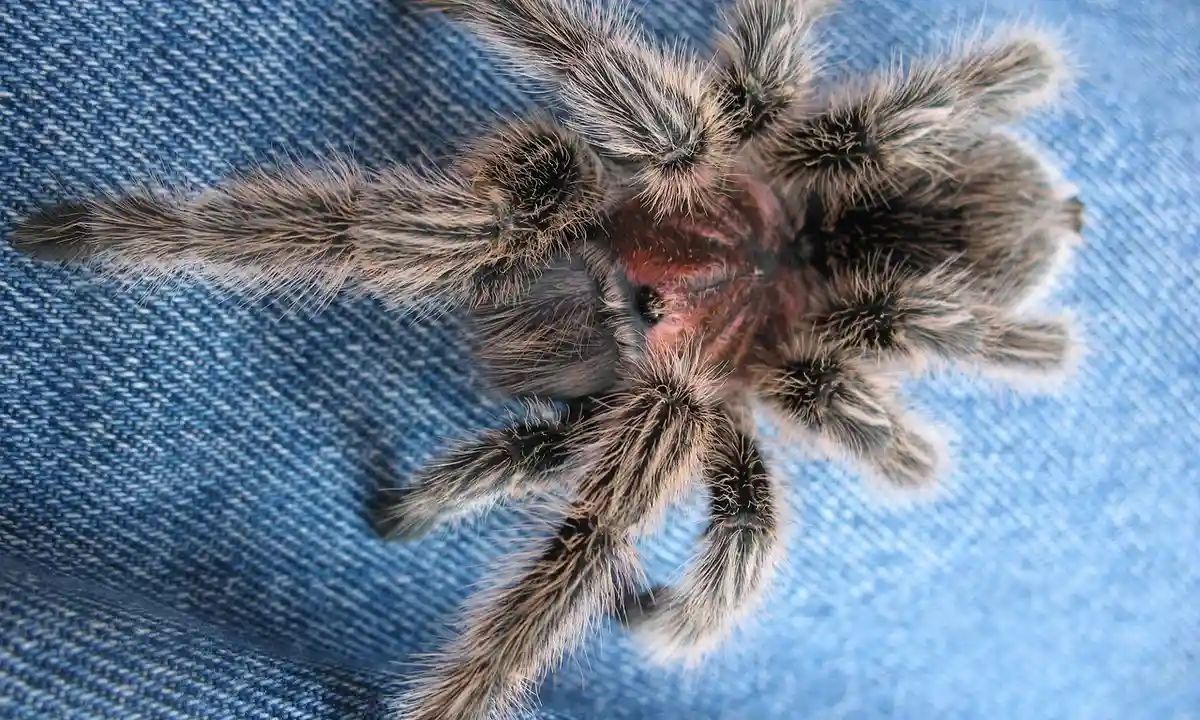
The most important rule I follow after fifteen years in the hobby is this: a baby tarantula’s prey must never be larger than its abdomen. An oversized insect can injure or even kill a sling by fighting back, causing fatal stress or physical damage. I learned this early on when a too-large cricket startled my young G. rosea, Rosie, leading to a weeks-long hunger strike.
-
Use this visual comparison to gauge prey size safely. The table below matches common feeder insects to approximate tarantula abdomen sizes. For a complete size guide on how big pet tarantulas can get, check out our full tarantula size guide. It covers growth ranges by species and age to help you plan care.
Tarantula Abdomen Size Recommended Live Prey Pinhead or smaller Flightless fruit flies (Drosophila melanogaster) Small pea-sized Pinhead crickets, 1/8″ roach nymphs Large pea-sized Small crickets, small black soldier fly larvae -
Choosing smaller prey is an act of respect that reduces predator risk for your spider. A modest meal ensures a quick, efficient strike and minimizes the chance of the prey item harassing your tarantula during vulnerable periods like pre-molt. For my fast P. murinus, Flash, I always err on the side of smaller prey to prevent any chaotic, stressful encounters in his web fortress.
The Safe Feeding Process: A Step-by-Step Guide
-
Prepare the enclosure by ensuring a quiet, secure environment. Turn off loud music or vibrations near the habitat. This calm setup mimics the natural silence of their world and allows the tarantula to focus on hunting without unnecessary stress. For more details on creating the perfect habitat, check out this step-by-step guide.
-
Select and contain the appropriate live insect using a deli cup or similar container. I gently tap the cup to stun the feeder slightly, making it less erratic for introduction.
-
Gently introduce the prey using soft-tipped tongs or by carefully tipping it from the deli cup near the tarantula. Never drop the insect directly on the spider; place it calmly within striking range and retreat immediately.
-
Observe the silent strike from a distance. The blur of movement, the precise fang insertion-it’s a fascinating display of natural predation. Avoid tapping the glass or disturbing the enclosure during this time.
-
Remove any uneaten prey after 24 hours using tongs. An alive, roaming cricket or roach can stress a tarantula, especially one that is entering a molt, so diligent cleanup is non-negotiable. I check my T. stirmi Goliath’s humid enclosure every evening for this reason. Signs your tarantula’s enclosure needs cleaning can include a sour odor, visible mold, or damp, muddy substrate. Addressing these indicators promptly helps keep your spider healthy and stress-free.
Hydration’s Role in Feeding Success
-
A shallow, clean water dish is not optional; it supports critical bodily functions. Proper hydration aids in digestion and helps the spider produce the fluids needed to consume its prey after the initial strike. I use bottle caps for my slings and small dishes for juveniles.
-
Hydration is directly linked to successful molts, which in turn regulates feeding cycles. A well-hydrated tarantula will molt more cleanly and resume hunting with a stronger appetite, while a dehydrated one may refuse food altogether. My moisture-dependent Goliath has a large water dish that I refill daily to support his growth and feeding response.
Solving Common Feeding Problems
Feeding issues are a normal part of tarantula keeping, but they often cause unnecessary worry. Most problems resolve with patience and minor adjustments to your care routine. To tell if your tarantula is hungry or stressed, consult our feeding behavior guide for clear signs and practical steps. It helps you interpret feeding cues so you can respond appropriately.
Refusal to eat is the most common concern. My Chilean Rose Hair, Rosie, has taught me much about patience. She regularly fasts for months, especially when preparing for a molt. Pre-molt fasting is a healthy, instinctive behavior and not a cause for alarm.
Environmental stress can also shut down appetite. Loud sounds, excessive light, or incorrect humidity levels will make any tarantula refuse food. My Burgundy Goliath Bird Eater, Goliath, becomes stressed if his humidity drops even slightly. Always double-check temperature and humidity gauges when your tarantula stops eating. Common signs your tarantula is stressed or shows aggression include a threat posture with raised legs and abdomen, or sudden lunges. If you notice these cues, pause handling and review enclosure conditions to reduce stress.
Escaped prey insects pose a real threat. Crickets can injure a vulnerable, molting tarantula. I learned this during a rehousing with Flash, my OBT; a cricket hid under his cork bark and had to be carefully removed. You must remove any uneaten live prey from the enclosure within 24 hours to prevent harm.
- For fasters like Rosie: Do not disturb. Simply remove the uneaten prey and try again in a week.
- For stress-related refusal: Review enclosure conditions silently. Make changes gradually over days.
- For escaped prey: Use long feeding tongs for precision. In a bioactive setup, employ predatory mites or springtails to help clean up.
Post-Molt Feeding Precautions
The period after ecdysis is a critical time for recovery. You must enforce a mandatory waiting period of 7 to 10 days before offering the first meal.
A newly molted tarantula’s exoskeleton is soft and pliable, like wet paper. Its fangs are pale and fragile. Feeding too early can cause serious injury if the tarantula strikes or if the prey fights back. The new skeleton hardens through a process called sclerotization, which takes time.
I wait until the tarantula’s fangs have turned a deep, glossy black—a clear sign the integument is ready. Always offer a smaller, softer prey item for that first post-molt meal to minimize risk. When choosing between live prey and pre-killed options, keep in mind each method has its own safety considerations. Some keepers prefer pre-killed to reduce risk, while others use live prey to elicit a stronger feeding response.
Spiderling vs. Adult Tarantula Feeding: Key Differences
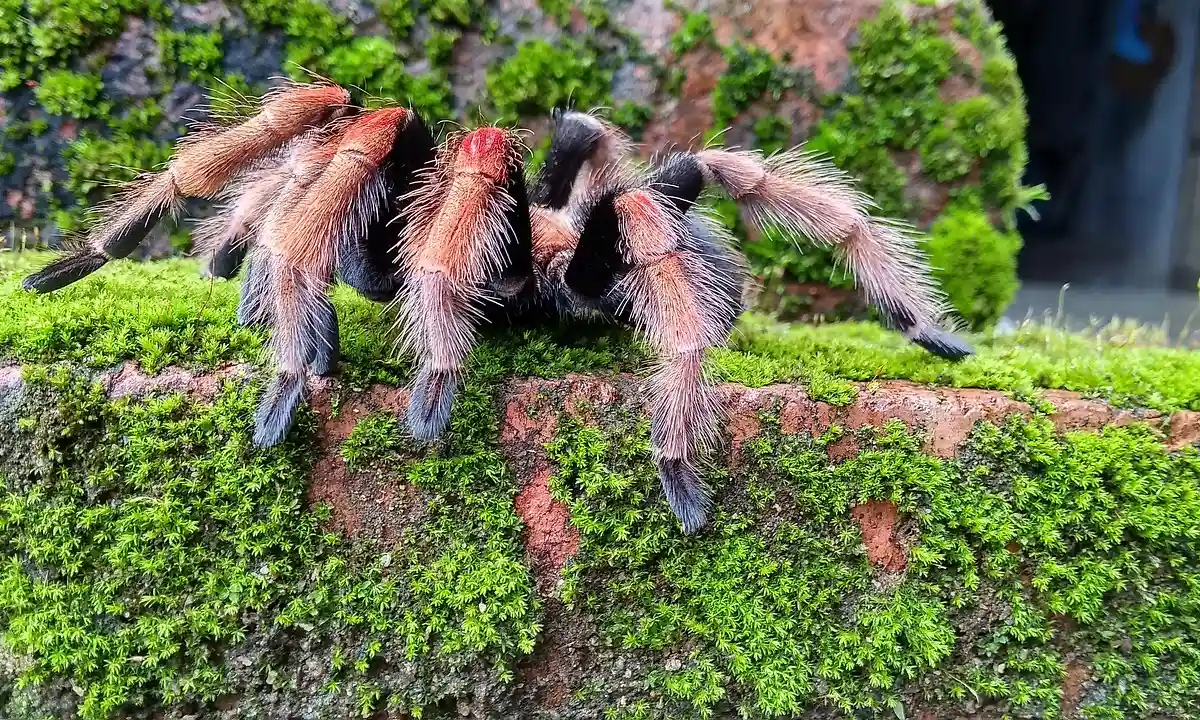
Nutritional needs evolve drastically from spiderling to adult. Spiderlings are growth machines, requiring constant fuel and perfect conditions.
Their metabolism is high but their bodies are fragile. An adult like Goliath can handle a missed meal or a large roach. A spiderling cannot. Frequent, appropriately sized feeds are non-negotiable for early survival.
- Prey Size: Spiderlings eat pinhead crickets, flightless fruit flies, or pre-killed mealworm segments. Adults consume full-sized crickets, dubia roaches, or superworms. The golden rule: prey should never be larger than the tarantula’s carapace.
- Feeding Frequency: Spiderlings need food every 2 to 3 days to support rapid growth. Adults, like my docile Rosie, may eat only once every week or two. My juvenile OBT, Flash, eats twice weekly to support his energetic webbing and growth.
- Vulnerability: Spiderlings dehydrate in hours if substrate is too dry. They are also more prone to injury from falls or aggressive prey. Adults have mass and a hardened exoskeleton for protection.
From my experience raising spiderlings, consistency is key. Establishing a regular feeding schedule for youngsters builds the reserves they need for successful, frequent molts.
Beyond the Meal: Supporting Long-Term Health
Feeding your sling is a vital act, but it exists within a broader framework of care. Successful feeding is not just about prey delivery; it is a direct reflection of your tarantula’s overall well-being and the stability of its environment. A sudden refusal to eat is rarely about the food itself and is almost always a signal to evaluate everything else.
Your most powerful tool is quiet observation. I watch my tarantulas daily, noting subtle changes. Has Rosie, my G. rosea, moved to a different corner of her enclosure, or is she sitting in her classic ‘pet rock’ pose? This baseline familiarity lets you spot the early signs of a pre-molt fast or detect issues like mold growth before they become problematic.
- A Clean, Secure Enclosure is Non-Negotiable: For a baby tarantula, the world is its enclosure. Leftover prey remains must be removed within 24 hours to prevent mold and mites. Ventilation must balance humidity without creating desiccating drafts. The lid must be escape-proof-a sling can fit through a shockingly small gap. I learned this the hard way years ago with a tiny B. albopilosum that exploited a minute ventilation hole.
- Feeding Fuels the Molt: The nutrients from those pinhead crickets and diced mealworms are the building blocks for your tarantula’s new exoskeleton. A well-fed sling has the resources to undergo ecdysis (molting) safely and emerge stronger. Conversely, attempting to feed during the actual molting process is dangerous and must be avoided. Once their abdomen darkens and they seal themselves away, all feeding must stop until their new suit hardens, typically a week or two later.
- ‘Look, Don’t Touch’ is a Feeding Imperative: The hours and days surrounding a feeding are times of high arousal and potential stress for your tarantula. Introducing your hand during this sensitive period can trigger a defensive response, cause a bolting escape, or make the animal abandon its meal. My defensive OBT, Flash, will immediately assume a threat posture if disturbed while feeding. Respecting their space during this vulnerable activity builds trust and minimizes risk for both of you.
Think of each successful feeding as a checkpoint. A sling that eats readily, hides its leftovers, and exhibits calm, predictable behavior is a sling thriving in an environment you have expertly crafted. Your role is that of a diligent habitat manager, not a hands-on entertainer, and that is the most respectful form of care you can provide.
Common Questions
How can I tell if my baby tarantula is in a proper feeding stance?
A feeding stance is an alert, forward-leaning posture where the tarantula is poised to strike. You will often see its first two pairs of legs raised slightly and its body oriented toward movement in the enclosure. This is distinct from a stressed, defensive pose where the tarantula rears back with its front legs and fangs raised high. Recognizing this focused, hunting-ready posture helps you time prey introduction perfectly.
My sling often doesn’t eat its prey. What should I do?
First, do not panic; occasional refusal is normal, especially pre-molt. Always remove any uneaten live prey within 24 hours to prevent it from stressing or harming your tarantula. Re-evaluate your husbandry, ensuring temperature and humidity are correct and the enclosure is in a quiet location. Simply try offering a different type of appropriately-sized prey again in 5-7 days.
How do I adjust the feeding rate as my baby tarantula grows?
Transition feeding frequency gradually as the spiderling’s abdomen size and molt cycles indicate. A fast-growing sling with a consistently small abdomen may do well with meals every 4-5 days, while a slower-growing one might thrive on a weekly schedule. As it becomes a juvenile, you can begin spacing feeds to every 7-10 days, always using abdomen plumpness as your primary guide.
Is it helpful to watch baby tarantula feeding videos online?
Yes, reputable feeding videos can be excellent visual guides to understand prey size, introduction techniques, and typical feeding behavior. They help new keepers see the lightning-fast strike and proper prey handling. However, always cross-reference the practices in videos with established care guides, as husbandry standards can vary between keepers.
Are online communities like Reddit good for feeding advice?
Subreddits like r/tarantulas are valuable for getting community feedback and seeing diverse experiences. They can offer support for specific problems, like a persistent fasting sling. It is crucial to remember that advice can be anecdotal, so use them to supplement information from authoritative care guides and species-specific resources.
From Pinhead to Powerhouse
Feeding a baby tarantula successfully pivots on one factor more than any other: consistent access to moisture. Slings possess a frighteningly high surface-area-to-volume ratio, meaning they lose internal moisture to the air with shocking speed, so maintaining a slightly damp portion of substrate at all times is non-negotiable for their survival between meals. I learned this the hard way early on; a single day of underestimated dryness can end a spiderling’s life.
As your tarantula grows, shift your focus from the food item to the spider itself. The real reward isn’t the strike, but the quiet industry that follows. Watch your weavers create silken funnels, your burrowers engineer complex tunnels, and your terrestrials craft subtle landscapes. My OBT, Flash, has webbed his entire enclosure into a golden fortress-a mesmerizing display of innate behavior. Growth in this hobby is measured in molts, not months. Your patience will be rewarded with a front-row seat to one of nature’s most precise and silent transformations.
Further Reading & Sources
- Tarantula Feeding – What, when, and how much to feed | Tom’s Big Spiders
- How to Feed a Tarantula: 12 Steps (with Pictures) – wikiHow
- How To Feed A Baby Tarantula
Arlo is a lifelong arachnid enthusiast who believes tarantulas are the world’s most misunderstood roommates. With years of hands-on experience in tarantula care, habitat setup, and species behavior, Arlo combines expert knowledge with a dash of humor to make spider ownership less scary and a lot more fascinating. From choosing the right enclosure to understanding why your eight-legged buddy is doing that weird little pose again, Arlo is here to help you become the best tarantula parent you can be, without getting tangled in the web of misinformation.
Feeding Frequency