
Ethical Management and Placement of a Large Tarantula Clutch: A Breeder’s Responsibility
The moment you confirm a fertile egg sac from a species like the Burgundy Goliath Bird Eater (Theraphosa stirmi), you are holding the future of hundreds of tarantulas in your hands-a profound responsibility that blends exhilaration with immense practical challenge. This article provides a clear, step-by-step framework for navigating the next critical weeks, from incubating the egg sac to ethically dispersing the spiderlings. The core of ethical breeding is not just producing life, but ensuring every spiderling has a pathway to a secure, well-managed future.
Quick Stats: The Scale of the Task
- Typical Source: Large-bodied New World tarantulas (e.g., Theraphosa, Lasiodora species).
- Clutch Size: Can range from 200 to well over 1000 eggs, depending on species and female health.
- Time to Hatching: Generally 4 to 8 weeks after the sac is constructed.
- Spiderling Independence: Usually ready for separation 1-2 weeks after leaving the egg sac.
Having managed the intimidating clutches from my own T. stirmi, ‘Goliath’, I promise this guide will equip you with the specific, actionable husbandry needed to transition these delicate lives from a single egg sac to responsibly placed juvenile tarantulas.
What Defines a “Large” Tarantula Clutch?
In tarantula breeding, a “large” clutch is defined by both sheer numbers and the logistical weight it places on the keeper. It’s a scale that shifts dramatically between species.
My 15-year-old Grammostola rosea, Rosie, might produce a sac of 300 to 500 eggs. For a slow-growing species, that’s a significant number. Contrast that with my Theraphosa stirmi, Goliath. A single egg sac from a mature female can contain well over 1,500 eggs, sometimes approaching 2,000. You are not just managing baby spiders; you are curating a small, eight-legged city.
The true definition extends beyond the initial count. A clutch becomes “large” when the volume of spiderlings (“slings”) challenges your capacity for ethical care in three key areas:
- Space: Each sling requires individual housing to prevent cannibalism. 1,500 slings need 1,500 deli cups or vials, plus shelf space to hold them all.
- Time: Feeding, watering, and enclosure maintenance for hundreds or thousands of tiny tarantulas is a daily to weekly commitment measured in hours, not minutes.
- Resources: This means a sudden, ongoing demand for thousands of pinhead crickets or fruit flies, substrate, and ventilation.
Managing a large clutch is a months-long project that demands foresight. The moment you see a confirmed egg sac, your countdown to a massive rehousing event begins.
Core Ethical Principles in Tarantula Breeding
Breeding tarantulas, especially prolific species, is a serious responsibility. My ethics were forged during a heart-stopping escape of a dozen Pterinochilus murinus slings-Flash’s offspring-which took a tense afternoon to recapture. It cemented a “look, don’t touch” philosophy for their safety and mine. These principles guide every decision. Ethical sourcing means acquiring breeding stock from reputable breeders or rescue programs, with welfare and health testing prioritized. I only work with licensed breeders who are transparent about lineage and responsible in care.
1. The Welfare of the Spider is Paramount
Every action must minimize stress and maximize health for both the mother and the offspring. This starts with leaving the female undisturbed with her egg sac and continues through the slings’ delicate early lives.
- Never separate sac from mother prematurely. I wait until the slings have completed their first molt inside the sac and are mobile (“2nd instar”) before considering removal. The mother knows best.
- Provide pristine, simple sling enclosures. A ventilated vial with slightly damp substrate and a crumpled tissue for anchor points is superior to a complicated, stressful setup.
- Feed appropriately and consistently. A well-fed sling is a growing sling. I implement a strict feeding and watering checklist to ensure none are missed.
2. Have a Plan for Every Spiderling
Producing life you cannot provide for is irresponsible. Before pairing, you must have clear, realistic outlets.
- Pre-arrange sales or trades: Network with local reptile shops, online vendors, or fellow breeders. Know your market before you have the slings.
- Be prepared to wholesale: For very large clutches, selling in bulk lots to established dealers is often the most efficient way to ensure slings find homes.
- Price for placement, not just profit: While rare species command high prices, common species from large clutches should be priced to move. A sling in a proper home is always better than one languishing on your shelf.
3. Honesty and Education are Your Duty
You are the first point of contact for new keepers. This is a critical stewardship role.
- Accurately label species and locale data. Never sell a fast, defensive species like an OBT as a “beginner tarantula.” My sales listings for Flash’s offspring include clear warnings about speed and venom potency.
- Provide genuine care guides. Offer specific instructions on humidity, temperature, and growth rates. I often share my personal notes on Goliath’s high-humidity needs.
- Be a lifelong resource. Make yourself available for questions from buyers. Ethical breeding is about building a community of knowledgeable keepers, not just making a sale.
Incubation and Postoviposition Care
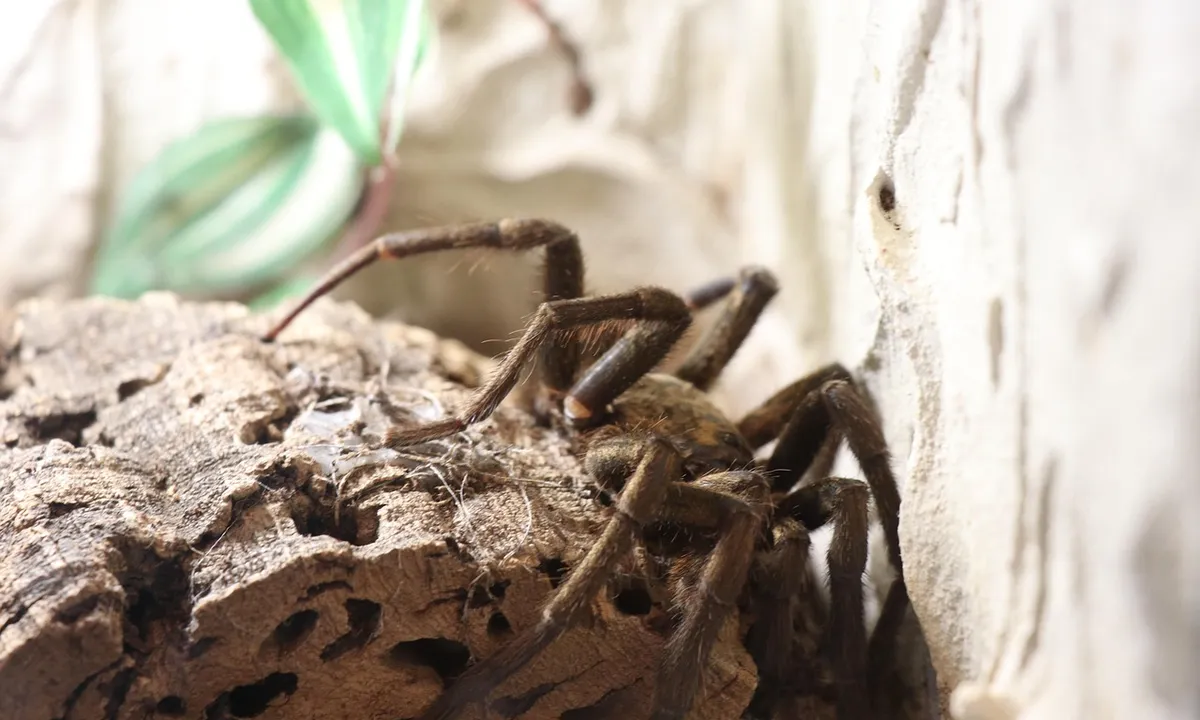
Once the egg sac is constructed, your role shifts from observer to guardian. The mother’s relentless protection begins, but our human intervention is often necessary to ensure the clutch’s survival. I learned this the hard way when my first G. rosea, Rosie, decided to abandon her sac after two weeks. This period demands a blend of reverence and precise action.
Securing the Egg Sac
The decision to pull the sac is species and context-dependent. For known good mothers like many in the Avicularia genus, leaving it can work. For others, or if the mother appears stressed, removal is safer. I only pull a sac if the female has left it unattended for over 24 hours or if I suspect issues like mold.
To remove the sac, use a long, soft tool like plastic tweezers or a paintbrush to gently coax it away from the mother, always working in a large, padded container in case of a sudden bolt. The sac will feel like a delicate silk pillow. Immediately place it into your prepared incubation container.
- Incubation Container: A sterile plastic deli cup with a vented lid is perfect. Line the bottom with slightly damp (not wet) paper towel or sphagnum moss.
- Orientation: Place the sac exactly as you found it. Do not rotate or flip it.
- Security: Close the lid. The micro-climate inside is now your sole responsibility.
Controlling the Incubation Environment
Stability is everything. Wild fluctuations in humidity or temperature can be fatal to the developing embryos. My setup for my T. stirmi Goliath’s sac differed vastly from what my P. murinus Flash would need.
- Temperature: Maintain a consistent 75-80°F (24-27°C). Use a space heater for the room, not a heat mat under the cup.
- Humidity: This is about ambient moisture, not wetness. The lining in the cup should feel cool to the touch but produce no water when squeezed. Condensation on the walls is a sign it’s too high.
- Location: Place the incubation container in a quiet, dark, and vibration-free cabinet or shelf. Check on it minimally.
Feeding and Health Checks During Incubation
The mother tarantula will almost always refuse food while guarding her sac. Do not attempt to feed her during this time, as live prey can stress her or damage the eggs. Offer water via a shallow dish that you can refill carefully. If she refuses food after the guarding period, it may be a normal premolt or stress response. In that case, wait, observe, and consider trying different prey, or consult an exotic-pet veterinarian if your tarantula refuses food during guarding or refusals persist.
For the sac itself, health checks are visual only. Once a week, briefly lift the container to look for:
- Color: A healthy sac is a creamy white. Any dark brown or black patches signal potential fungus.
- Shape: It should remain plump. Severe dimpling can mean desiccation.
- Odor: A foul smell is a definitive sign of spoilage.
If you see mold, some breeders use a gentle antifungal like a diluted chlorhexidine swipe, but prevention through proper humidity is the true cure. Never open the sac until you see the first instar spiderlings moving inside-this takes roughly 4-8 weeks depending on species.
Preparing for an Army of Spiderlings
The day you see tiny legs shifting inside the silk is thrilling. Now, you must prepare to house hundreds of miniature tarantulas. Their care differs massively from adults. If you’re a complete beginner, this tarantula care introduction will walk you through the basics. We’ll cover setup, feeding, and safety to help you start confidently.
Your primary goal is to create secure, micro-climate-stable enclosures that prevent escapes and allow for easy feeding. A fleeing sling is a nightmare; I once spent two hours corralling 20 P. murinus slings after a vial tipped over. The silence of the hunt was deafening.
- Housing: Use 2-ounce or 16-ounce dram vials with ventilation holes. Fill them one-third with slightly damp substrate (coconut fiber works well). A piece of curled bark or a fake leaf provides a hide.
- Feeding: Fruit fly cultures (Drosophila melanogaster) or pre-killed pinhead crickets are the perfect first meals. Never leave live prey larger than the sling’s abdomen in the vial.
- Hydration: Lightly mist one side of the vial wall every few days. Do not create water pools.
- Record-Keeping: Label every vial with the species, sac date, and instar number. A simple spreadsheet tracking development and feeding is invaluable.
This phase is a logistical marathon, not a sprint. Setting up 300 vials before the sac opens is the single best piece of advice I can give. The peace of mind it brings lets you focus on the wonder: watching your first tiny molt, seeing colors emerge, and stewarding new life into the hobby.
Responsible Placement Avenues for Your Tarantula Clutch
Successfully raising a clutch is only half the journey. Finding the right homes for potentially hundreds of spiderlings is your next great responsibility. Ethical placement prioritizes the animal’s lifelong welfare over profit or convenience, ensuring each sling goes to a situation where its specific needs can and will be met.
Selling and Trading Within the Hobby
This is the most common path. I’ve placed dozens of slings from my Grammostola rosea Rosie through these channels. It connects you directly with other keepers. Price your slings fairly, considering species rarity, current market trends, and your local reputation.
- Local Reptile/Invertebrate Expos: Face-to-face interaction is invaluable. You can assess a buyer’s knowledge instantly. I always include a small care sheet with each vial.
- Reputable Online Classifieds: Use established hobbyist forums or specialty sites. Build a profile with clear photos and honest descriptions. Never ship to a PO Box.
- Direct Trading: Trading slings for other species, enclosures, or supplies with trusted breeders diversifies your collection. I acquired my first Psalmopoeus this way.
Always be transparent. Disclose the exact species (including locale, if known), the sling’s instar (approximate molt stage), and its current feeding regimen. A prepared buyer is a successful keeper, and your transparency directly reduces the risk of your animal perishing from basic husbandry errors.
Donations to Educational and Scientific Programs
This avenue offers profound satisfaction. Schools, museums, and university biology departments often seek live specimens. My old Aphonopelma clutch found a home in a high school’s life science lab.
- Research Programs: Some universities conduct behavioral or venom studies. Contact biology or entomology departments directly.
- Public Aquariums & Zoo Invert Sections: They require hardy, display-friendly species. A docile, long-lived species like a Rose Hair is ideal.
- Certified Outreach Educators: These professionals use animals in controlled, educational settings. They are experts in safe, low-stress handling for demonstration.
Verify the institution’s credentials. Ask about enclosure specifications, veterinary care, and their long-term plan for the animal. A legitimate program will welcome these questions.
Gifting to Trusted Fellow Enthusiasts
Gifting slings to a friend you’ve mentored can be rewarding. It strengthens the hobby’s community. I gifted my first Brachypelma hamorii slings to a colleague who had successfully kept arid species for years.
This is not for casual acquaintances. The recipient must have proven, species-appropriate husbandry skills. Treat this with the same seriousness as a sale. Provide the same care information and be available for questions.
What to Avoid in Private Placements
- Impulse Buyers: Anyone who cannot immediately discuss basic humidity or enclosure needs is not ready.
- “Starter Pet” Requests: Politely decline parents seeking a cheap, easy pet for a young child. Tarantulas are observation animals, not toys.
- Inadequate Housing Plans: Walk away from anyone insisting on a kritter keeper for a moisture-dependent species or a ten-gallon tank for a 0.5″ sling.
- The “Fear Factor” Crowd: Avoid anyone whose interest stems from shocking others or creating “dangerous” content. This disrespects the animal and invites accidents.
Your duty is to act as a barrier between the vulnerable life you created and a world full of well-meaning but potentially deadly ignorance. A refused sale is not a failure; it is an ethical success.
The Difficult Decision: Humane Culling Procedures
Every serious breeder confronts this reality. You may have a surplus of a common species with no market. A clutch may have widespread deformities. Resources-space, time, finances-are finite. Culling, done correctly, is a somber but responsible aspect of population management.
The most humane method for tarantula spiderlings is rapid freezing, which induces a painless torpor before passing. This aligns with accepted ethical standards for invertebrates. For tarantula sling spiderling care, practical guidelines emphasize gentle handling and stable enclosure conditions. Maintaining appropriate humidity and secure hiding places supports their health.
- Place the slings in a small, secure, ventilated container lined with a paper towel.
- Put this container into a standard freezer for a minimum of 24 hours. This ensures the process is complete.
- Dispose of the remains sealed in your regular waste.
Never use alcohol, crushing, or flushing. These methods cause undue distress. The silence after making this decision is heavy. I have done it with surplus Grammostola slings when no other option existed, and it never becomes easy. Choosing a controlled, painless end over a life of neglect, starvation, or improper housing is the ultimate, heartbreaking act of care a breeder can perform.
Ensuring Long-Term Welfare: Information for New Keepers
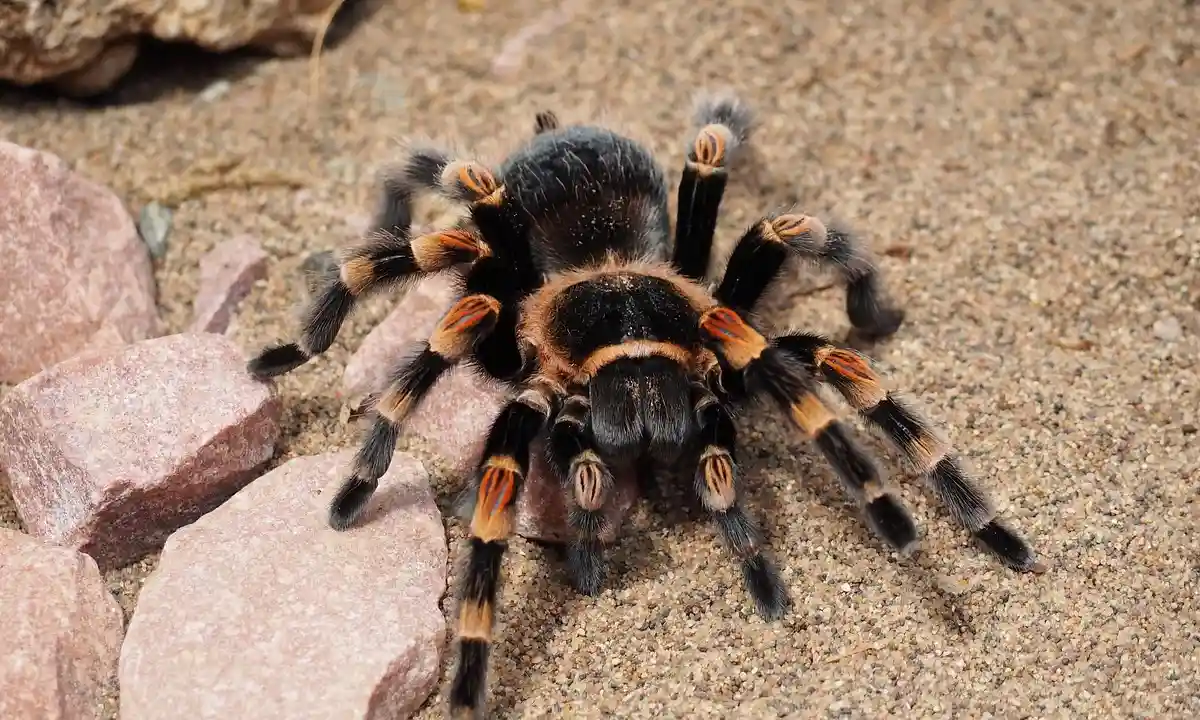
Successfully incubating a large clutch is a marathon, not a sprint. Your primary ethical duty shifts from protecting eggs to ensuring each individual sling has a real shot at a full, healthy life. This requires a scalable, systematic approach from the moment they leave the eggsac.
From Eggsac to Individual Housings
After the spiderlings (slings) have undergone their first molt within the eggsac, they are ready to be separated. I perform this on a large, clear table with high edges-containment is everything. Gently pour the contents onto a damp paper towel. The goal is to minimize handling; I use a soft, damp paintbrush to coax each sling into its own vial.
- Initial Housing: Use 2-4 ounce deli cups or dram vials with ventilation holes punched in the lid and sides. Fill the bottom with 1-2 inches of slightly damp substrate (coconut fiber works perfectly).
- The Lid is Law: Secure every lid with a small piece of tape. A sling the size of a pencil eraser can lift an unsecured deli cup lid.
- Label Everything: Each container gets a label with the species (e.g., Grammostola rosea), the date of separation, and an individual number if you’re tracking growth rates.
Feeding an Army: Logistics and Schedules
You now have hundreds of tiny mouths to feed. Bulk purchasing is your friend. Flightless fruit flies (Drosophila melanacta) or pinhead crickets are standard first meals.
| Prey Type | Best For Sling Size | Feeding Frequency | Notes from Experience |
|---|---|---|---|
| Pre-killed pinhead cricket | 1st-2nd instar | Offer twice weekly, remove after 24hrs | Eliminates cricket threat. My G. rosea slings were hesitant at first. |
| Flightless Fruit Flies | 1st-3rd instar | Introduce 3-5 flies per cup weekly | Messy but effective. They will climb walls and hide in condensation. |
| Small cricket leg | 2nd-3rd instar | Place near burrow weekly | A macabre but zero-escape, highly nutritious option. |
Resist the urge to overfeed in an attempt to accelerate growth; this only leads to more frequent, stressful molts and potential injury. A slightly rounded abdomen is the goal. I feed my clutches once a week, checking each cup for uneaten prey and molts.
Monitoring Health at Scale
You cannot intimately know hundreds of spiders, but you can establish routine checks. During weekly feeding, I quickly scan each cup for three things:
- Hydration: Does the substrate have light moisture? Are there droplets on the side from a recent mist?
- Molts: Is there a discarded exuviae? Record the molt date on the label.
- Signs of Distress: A shriveled abdomen indicates dehydration or starvation. A sling permanently curled is a grave sign.
Isolation prevents the spread of mites or potential pathogens. Any cup showing signs of mold gets its substrate changed immediately with a sterile spoon. I keep a dedicated “hospital” station with pre-prepared cups for this purpose.
Avoiding Harm: Legal and Ecological Responsibilities
Breeding tarantulas is not just a private hobby—it’s an activity with legal and environmental consequences. Your responsibility extends beyond your collection to the broader hobby ecosystem and your local environment. Ethical management means understanding and respecting these boundaries. This raises a natural question: what are the core principles of ethical tarantula breeding? Are they being applied in practice?
Know the Law: Permits and Protected Species
Ignorance is not a defense. Many tarantulas are listed under CITES (Convention on International Trade in Endangered Species), which regulates cross-border transport. Some tarantula species are threatened or endangered in the wild. As popular pets, they can face pressure from collection, which affects their conservation status.
- CITES Appendix II: This includes all Brachypelma and Aphonopelma species. Selling or shipping them across international lines requires specific permits.
- State and Local Laws: Some regions restrict ownership of certain invertebrates. Always verify local ordinances.
- Liability: Selling or gifting an animal comes with an implied duty of care. Providing accurate care sheets is a minimum standard.
I learned this the hard way years ago, needing to scramble for paperwork before a scheduled trade. Documentation and transparency are the bedrock of legal, ethical trade within the hobby.
The Absolute Ban on Wild Release
This cannot be overstated. Releasing captive-bred tarantulas is ecologically destructive and cruel.
- Non-Native Invasion: A released tarantula could establish itself, outcompeting local fauna or introducing novel pathogens.
- Guaranteed Death Sentence: A tarantula raised at 75°F on a diet of crickets lacks the skills to hunt local prey, avoid predators, or survive winter. It will die from exposure, starvation, or predation, and likely slowly.
You created this life; you are obligated to see it cared for or humanely euthanized by a veterinarian, never abandoned. The “Look, Don’t Touch” philosophy applies here too-appreciate nature by leaving it undisturbed.
Ethical Placement: Finding Qualified Homes
Dumping a large clutch on a classifieds site is irresponsible. Your goal is placement, not just disposal.
- Internal Hobby Networks First: Offer them to local reptile/ invertebrate clubs, or on dedicated forums like Arachnoboards. Hobbyists here understand the commitment.
- Bundle for Success: Group 5-10 slings of similar size together. This makes them attractive for other breeders or keepers wanting a “project.”
- Screen Potential Keepers: Ask simple questions: “What enclosures do you have ready?” or “What’s your plan for this species?” Vague answers are a red flag.
- Full Transparency: Disclose everything: the exact species (using its Latin name), the generation (e.g., captive bred, F2), current feeding regimen, and any quirks of the bloodline.
I once placed 30 Grammostola rosea slings with an educator who used them for classroom demonstrations on arthropod life cycles. Thoughtful placement ensures your breeding effort contributes positively to the hobby’s future and education.
Finding Support: Communities and Resources for Breeders
Breeding tarantulas is a solitary act until suddenly it is not. One day you are observing an egg sac, and the next you are facing hundreds of tiny spiderlings needing homes. Tarantulas lay eggs in a silk sac, and the female often guards the sac and the spiderlings for a short while. That brief parental involvement highlights why careful clutch management and community guidance matter. Connecting with experienced keepers transforms isolation into a shared mission, providing the knowledge and networks essential for ethical clutch management. I learned this after my P. murinus Flash produced her first sac; the online arachnid community became my lifeline.
Digital Hives: Forums and Social Media Groups
The internet hosts vibrant, specialized communities where breeders exchange real-time advice. These platforms are where I’ve posted urgent questions about sling refusal to eat, much like with my G. rosea Rosie. Active participation in these groups builds your reputation and connects you directly to potential buyers or adopters for your slings. Focus on groups with strict, ethical rules against wild-caught sales and that promote humane care.
- Dedicated Arachnid Forums: Platforms like Arachnoboards offer deep, searchable archives on topics from incubating egg sacs to diagnosing molting issues. The culture here values detailed observation and scientific accuracy.
- Niche Social Media Groups: Facebook and Discord host species-specific or region-based groups. I found a mentor for my T. stirmi Goliath’s high-humidity needs through a “Giant Tarantula Keepers” Discord server.
- Marketplace Sections: Many forums have classifieds. Listing slings here often reaches serious hobbyists who understand the commitment, rather than casual buyers.
The Tactile Network: Clubs, Expos, and Local Keepers
Screen interactions cannot replicate the value of handing a deli cup to another keeper in person. Local reptile and invertebrate expos are critical for placing large numbers of spiderlings ethically, allowing you to vet enclosures and ask questions face-to-face. The silence of a convention hall filled with dedicated hobbyists is a breeder’s best sound.
- Attend regional exotic pet expos. Bring a few slings to show, network with vendors, and learn which species are in demand.
- Search for local arachnid or invertebrate clubs. These groups often host “swap meets” and are invaluable for finding homes without shipping stress.
- Offer to give a short talk on your breeding project. Sharing your story, like the time Flash’s speed caused a memorable rehousing, builds trust and interest.
Curated Knowledge: Books, Care Sheets, and Trusted Websites
While forums provide crowd-sourced wisdom, authoritative references give you a solid foundation. Cross-referencing personal anecdotes from groups with published care data prevents husbandry mistakes, especially for critical stages like the post-molt fast of rose hairs. I maintain a digital library I consult before every breeding attempt.
- Modern Tarantula Care Guides: Seek out books by established breeders that include chapters on reproductive biology and sling care. Avoid outdated texts that recommend overly damp substrates.
- Academic & Hobbyist Websites: Some university entomology departments and dedicated breeder sites publish detailed species profiles with temperature, humidity, and growth rate data.
- Personal Care Sheets: Create your own for your species. Document everything: pairing dates, sac development, sling growth. This record becomes your most valuable resource for future clutches.
Building Your Council: The Value of Direct Mentorship
Finding a mentor who has successfully placed a large clutch is the fastest path to confidence. A good mentor does not just give answers; they help you interpret the subtle signs, like the iridescent sheen of a healthy premolt sling versus a dehydrated one. I reached out to a breeder after admiring their ethical practices at an expo, and it changed how I manage enclosures.
Do not be afraid to ask specific questions. Inquire about their worst shipping disaster, how they track hundreds of slings, or their protocol for a failed eater. This lived experience is the bedrock of ethical breeding, ensuring each spiderling you place has the best chance to thrive. Your network is your greatest tool for ensuring that a beautiful, defensive species like an OBT finds a home that respects its nature, promoting the “Look, Don’t Touch” philosophy that keeps both keeper and spider safe.
Common Questions
What preparation is needed for housing a large number of spiderlings?
You must prepare individual, escape-proof enclosures before the egg sac opens. This means sourcing hundreds of small vials or deli cups, adding a shallow layer of slightly damp substrate, and ensuring each has adequate cross-ventilation. Every container must be clearly labeled with the species and date, and all lids should be secured to prevent any escapes.
How can you ensure the health and survival of the spiderlings before placement?
Maintain a strict, scalable routine for feeding and hydration with appropriate prey like flightless fruit flies. Conduct weekly health checks on each enclosure to monitor for successful molts, proper hydration, and signs of distress like a shriveled abdomen. Immediately isolate any sling showing issues and change any substrate that develops mold to prevent the spread of problems.
What are the responsible placement options for spiderlings?
Primary options include pre-arranged sales or trades with other knowledgeable hobbyists at expos or on reputable forums, and wholesale lots to established dealers. You can also donate to legitimate educational programs, such as schools or museums, or gift slings to trusted, experienced keepers. The key is having these outlets identified before the clutch arrives to avoid last-minute desperation.
What information should be provided to new owners when placing spiderlings?
Always provide the accurate scientific name, the spiderling’s current instar (developmental stage), and its specific feeding and humidity requirements. A concise, written care sheet tailored to the species is a minimum requirement. You should also make yourself available as a resource for future questions to support the new keeper’s success.
How can you avoid contributing to the illegal pet trade or ecological damage?
Never release captive-bred tarantulas into the wild, as it is ecologically destructive and cruel. Ensure you understand and comply with all relevant laws, including CITES regulations for protected species when selling or shipping across borders. Thoroughly screen all potential buyers to ensure they are prepared for species-specific care and are not seeking animals for irresponsible purposes. Providing legal and ethical care for rare tarantulas is crucial for their conservation.
What are the long-term responsibilities after placing the spiderlings?
Your responsibility extends beyond the point of sale; be available to answer care questions from new owners to support the tarantula’s lifelong welfare. Maintain records of your placements to help track the lineage and health of your bloodline. You are also responsible for ethically managing any surplus or unhealthy spiderlings that cannot be placed, which may include the difficult decision of humane culling. Understanding what factors influence a tarantula’s lifespan can help you provide better advice and support to new owners.
The Final Instar
Your work now shifts from active management to vigilant stewardship. The spiderlings’ survival hinges on one factor above all: consistent, accessible moisture. For tiny tarantulas, dehydration is a far greater and faster threat than starvation; a shallow water dish and a slightly damp corner of substrate are non-negotiable from day one. To tell if your tarantula is dehydrated, regularly check the abdomen’s fullness and watch for changes in activity. Early signs will cue you to adjust humidity and water availability.
Beyond the substrate, find joy in their miniature world. Watch as they lay the first silk anchor lines in their vials, practice their threat postures, or sit perfectly still for days. I’ve spent hours observing clutches, noting the bold explorers versus the secretive burrowers-personalities emerge shockingly early. This patience, this quiet observation, is the true reward of breeding. It transforms a daunting project into a profound lesson in life cycles, reminding us that our role is not to control, but to provide the stage for their instinctual drama.
Further Reading & Sources
- How To Respect Your Tarantulas: Ethical Keeping
- r/tarantulas on Reddit: The ethics of tarantula keeping, or, my boss is such a hippy sometimes.
- Ethics of pet tarantulas | Arachnoboards
Arlo is a lifelong arachnid enthusiast who believes tarantulas are the world’s most misunderstood roommates. With years of hands-on experience in tarantula care, habitat setup, and species behavior, Arlo combines expert knowledge with a dash of humor to make spider ownership less scary and a lot more fascinating. From choosing the right enclosure to understanding why your eight-legged buddy is doing that weird little pose again, Arlo is here to help you become the best tarantula parent you can be, without getting tangled in the web of misinformation.
Breeding Tarantulas