
ReptiSoil vs. Eco Earth: Which is the Best Commercial Substrate?
The eternal debate between ReptiSoil and Eco Earth isn’t about finding a single ‘best’ substrate, but about matching the precise soil to the specific needs of your eight-legged tenant. This comparison breaks down their textures, moisture dynamics, and ideal applications to help you build the perfect foundation.
Quick Stats:
- ReptiSoil: Origin: Blended soil mix. Type: Loamy, nutrient-rich. Growth Rate: Supports bioactive life.
- Eco Earth: Origin: Compressed coconut fiber. Type: Uniform, fibrous. Growth Rate: Inert, but excellent for burrow structure.
This guide will dissect these two hobby staples, drawing from my own trials across arid burrowers and humid forest dwellers, to give you the confidence to choose.
The Essential Substrate Properties for Tarantula Care
Your tarantula’s substrate is not just flooring; it’s a core component of its micro-environment, directly impacting health, security, and behavior. Choosing wrong can lead to stress, mold, or injury. I’ve learned this through trial, error, and a few frantic substrate changes after spotting the first hint of fungus gnats.
Humidity Retention and Moisture Control
A substrate must manage water, not just absorb it. To do this well, create a proper substrate moisture gradient for your tarantula—damp in one corner and bone-dry in the other—so it can self-regulate. A gradient lets the spider adjust humidity by moving between zones. A perfect substrate acts like a reservoir, releasing humidity slowly without becoming waterlogged or soggy on the surface. For species like my T. stirmi “Goliath,” who demands 75-85% humidity, the substrate must hold significant moisture without collapsing or fostering bacterial blooms.
- Retention Depth: Does it hold moisture at the lower layers while the surface remains drier? This prevents condensation and respiratory issues.
- Evaporation Rate: A consistent, slow release stabilizes the enclosure’s humidity between mistings.
- Drainage: It should not compact into an anaerobic, soupy mess when wet. Good drainage is non-negotiable for a healthy bioactive setup.
Texture, Stability, and Burrowing Aid
Texture is tactile security. A granular, cohesive texture allows for natural digging behaviors and supports tunnel architecture. Watch a fossorial species work; if the substrate collapses behind them, it’s too loose. If they can’t move it, it’s too dense. My OBT “Flash” can web any surface, but her burrow’s integrity depends entirely on the substrate’s ability to hold its shape.
- Cohesion: Particles should lightly bind when damp to form stable burrow walls, much like a sandcastle.
- Particle Size: A mix of fine and coarse materials prevents compaction and allows for air pockets.
- Footing: Firm enough for confident walking, but soft enough to prevent injury from a fall. A tarantula’s abdomen is fragile.
Safety, Toxicity Concerns, and Odor Control
Safety is paramount. Substrates must be free of chemical additives, pesticides, and sharp debris. Any scent beyond a faint, earthy petrichor is a red flag; perfumes or chemical odors can fatally disrupt a tarantula’s delicate respiratory system. I once received a bag of soil that smelled of pine—it went straight to the garden, not to my spiders. Decor can be beautiful, but it can hide hazards. This ties into the décor dangers—five common enclosure items that harm your tarantula.
- Inert Composition: No fertilizers, vermiculite, or moisture-retention crystals.
- Mold Resistance: Should resist mold growth with proper ventilation, though no substrate is immune to overwatering.
- Dust Control: Excess dust can coat book lungs and impair breathing. A substrate should be minimally dusty when dry.
Understanding ReptiSoil: A Soil-Based Substrate
ReptiSoil is a commercially blended, soil-heavy substrate. It’s not pure topsoil; it’s a crafted mix designed to replicate a forest floor, incorporating other organic materials for structure.
Product Specs and Primary Features for Tarantulas
This substrate is dark, rich, and retains a loamy feel. It’s more than just dirt in a bag. Its primary advantage is its balanced composition, which provides excellent humidity buffering and immediate burrow stability for heavy-bodied tarantulas. In the ultimate guide to tarantula burrows, we explain why they dig. We also show how to support those tunnels for long-term stability.
- Base Material: A blend of sphagnum peat, soil, and carbon matter.
- Moisture Profile: Holds humidity exceptionally well but benefits from a drainage layer in very wet setups. It can become muddy if saturated.
- Texture: Offers a cohesive, natural texture that fossorial tarantulas can easily excavate and shape.
- pH: Typically slightly acidic, which can help inhibit some bacterial growth.
Best Use Cases: Which Tarantulas Thrive on ReptiSoil?
ReptiSoil is my go-to for species needing stable, elevated humidity and those with strong burrowing instincts. I use it almost exclusively for my moisture-dependent Theraphosa and Megaphobema species, as it maintains the damp, deep layers they crave.
- Humidity-Loving Burrowers: Theraphosa stirmi/blondi, Megaphobema robustum, Phormictopus cancerides. It supports their need for a humid retreat.
- Fossorial New World Species: Many Aphonopelma and some Grammostola benefit from its diggable consistency.
- Bioactive Foundations: Its soil-like composition is ideal for planting live flora and supporting clean-up crews in a bioactive enclosure.
- Not Ideal For: Arid species like Grammostola rosea (my “Rosie”) unless baked dry first, or very dry desert setups where a more inorganic sand-soil mix is preferable.
Understanding Eco Earth: The Coconut Coir Standard
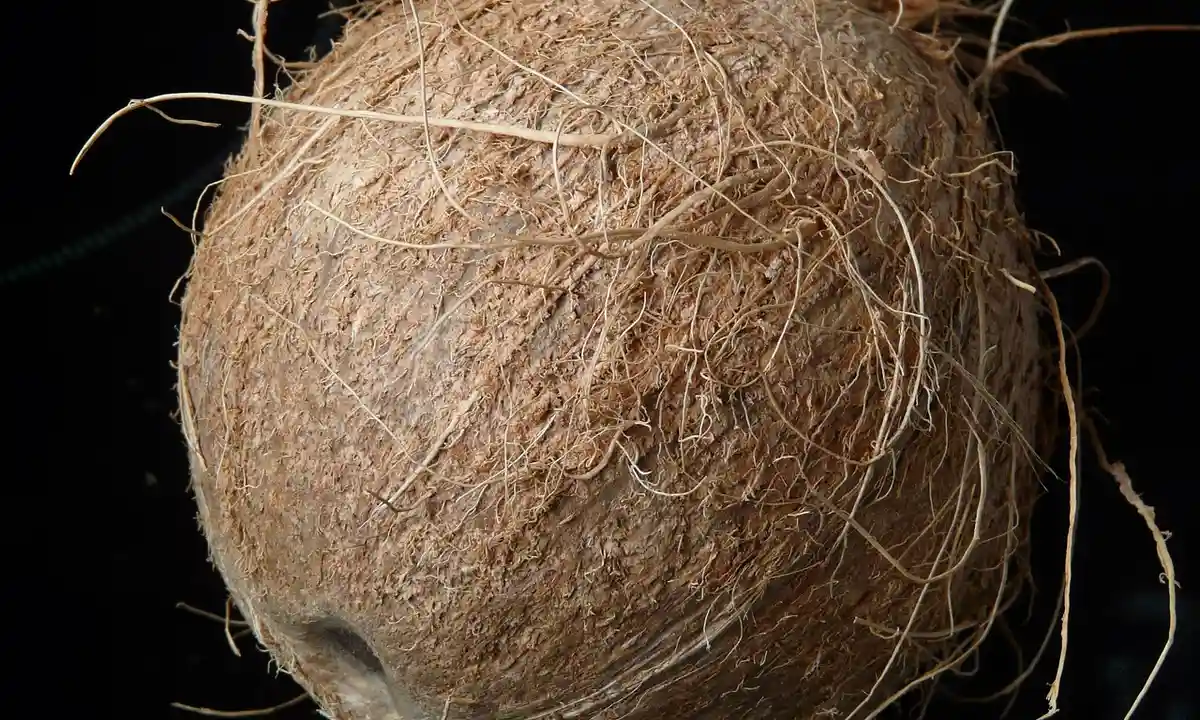
Compressed into a dense, dusty brick, Eco Earth is dehydrated coconut coir. When hydrated, it expands into a fibrous, soil-like medium. This material is a byproduct of the coconut industry, making it a sustainable choice. In my breeding room, the faint, earthy scent of a freshly opened brick is a familiar sign of enclosure setup day.
Product Specs and Primary Features for Tarantulas
Eco Earth is nearly pure cellulose fiber. Its structure is uniform and lacks the varied particle size of natural soils. This gives it specific properties a keeper must understand.
- Texture & Structure: It’s fluffy and lightweight when dry, but can compact over time. It does not hold a burrow’s shape as well as clay-mixed substrates, often collapsing on fossorial species.
- Moisture Dynamics: Eco Earth absorbs water incredibly evenly and holds it like a sponge. This even retention is its greatest strength, allowing for stable, predictable humidity gradients in a properly vented enclosure. It also dries from the top down predictably.
- Safety & Cleanliness: It is chemically inert and contains no added nutrients or fertilizers. When sourced as a reptile product, it is processed to be free of pests and contaminants, which is safer than garden soil.
Best Use Cases: Which Tarantulas Thrive on Eco Earth?
This substrate excels for species that demand consistent, high ambient humidity but do not necessarily require rock-solid burrowing walls.
- Moisture-Loving Terrestrials: My Theraphosa stirmi, Goliath, lives on a deep pack of moist Eco Earth. It maintains the 80%+ humidity he requires without waterlogging his hide. The even moisture prevents dangerous dry pockets.
- Heavy Webbers: Arboreal and terrestrial webbers, like my Pterinochilus murinus (Flash), use the fibers as anchor points. Flash incorporates the substrate seamlessly into his dense, silken funnel, creating a unified structure.
- Simple, Low-Bioactive Setups: For a basic, clean enclosure-like that of my senior Grammostola rosea, Rosie-a shallow layer of dry Eco Earth provides a harmless, neutral floor. It’s easy to spot-clean and replace.
Head-to-Head Comparison: ReptiSoil vs. Eco Earth
Choosing between them isn’t about finding a universal “best,” but matching material properties to biological need. Your tarantula’s natural history is the ultimate guide. Knowing which popular pet tarantula species are arboreal or terrestrial helps tailor enclosure design and care. This distinction matters whether you choose a climber or a ground-dweller.
Side-by-Side Analysis: Texture, Moisture, and Safety
- Texture & Burrow Stability:
- ReptiSoil: Granular, varied particle size with clay. Excellent for excavation. Holds a burrow shape impeccably, crucial for obligate fossorials like many Asian earth tigers.
- Eco Earth: Fibrous and homogeneous. Poor for permanent burrows; tends to slump. Best for surface-dwellers or those that rely on webbing over digging.
- Moisture Retention & Drainage:
- ReptiSoil: Holds moisture well but drains better. Allows for a damp lower layer and a drier surface, mimicking a forest floor. This gradient is vital for species that need moisture but also risk of fungal infection if kept too wet.
- Eco Earth: Retains water uniformly throughout its mass. Ideal for creating a consistently humid environment but can become saturated if over-watered, risking stagnant conditions.
- Safety & Husbandry Considerations:
- Both: Are commercially prepared and free of pesticides when purchased from pet trade brands.
- ReptiSoil: The inclusion of natural components means potential for harmless microfauna (springtails) which can aid in clean-up. The sand/clay mix is also gentler on a tarantula’s sensitive joints during the vulnerable post-molt period.
- Eco Earth: Its uniform, soft fibers pose no abrasion risk. However, very fine, dry coir dust can be irritating if kicked up by a tarantula’s defensively thrown urticating hairs, so I always keep the surface slightly dampened for moisture-loving species.
Choosing Your Substrate: Matching Species to Their Needs
Generic advice leads to generic results. The most profound shifts in my tarantula-keeping came when I stopped looking for a “best” substrate and started matching the material to the animal’s evolutionary blueprint. Your choice directly impacts hydration, burrowing behavior, and long-term health. There are seven common substrate mistakes to avoid—think of the “never use” list as a practical guide to safer setups. By steering clear of those mistakes, you reinforce the idea that the right substrate is species- and habitat-informed.
For Desert and Arid Species (Like Grammostala)
Think dry foothills, not barren dunes. My old Chilean Rose Hair, Rosie, spent a decade on pure, packed coconut fiber. It worked, but her life improved when I switched. For species like Grammostala rosea or Aphonopelma chalcodes, you need a substrate that holds form for burrows but won’t trap ambient moisture against their ventrum.
ReptiSoil is the superior choice here. Its sandy-loam texture compacts perfectly for an obligate burrower to sculpt a permanent home. I use it bone-dry for my desert specimens. The clay content provides stability, preventing collapses. If you only have Eco Earth, you must pack it exceptionally firmly to mimic the structural integrity of earth.
- Primary Choice: ReptiSoil, used completely dry.
- Key Benefit: Excavation stability for natural burrowing instincts.
- Watch For: Avoid adding moisture pockets; water dish alone is sufficient.
For Tropical and Humidity-Loving Species (Like Theraphosa)
Here, the game changes entirely. My Burgundy Goliath Bird Eater, Theraphosa stirmi, requires a damp, breathable substrate to maintain the 75-85% humidity his respiratory system needs. Pure topsoil can compact into a soggy, anaerobic brick. Eco Earth’s coarse, fibrous particles create a moisture-retentive yet aerated matrix that prevents dangerous, stagnant wetness at the enclosure’s bottom.
I maintain Goliath’s enclosure by pouring dechlorinated water directly into the corners of the deep Eco Earth substrate, allowing capillary action to distribute it. The surface stays slightly dry, protecting him from mold, while the lower layers release humidity steadily. ReptiSoil alone can become mud; a 70/30 mix of Eco Earth to ReptiSoil adds beneficial minerals while retaining the crucial air pockets.
- Primary Choice: Eco Earth or a Eco Earth-heavy blend.
- Key Benefit: Superior moisture retention with vital airflow to prevent rot.
- Watch For: Do not saturate; aim for a damp, not wet, consistency when squeezed.
For Fast, Defensive, or Heavy-Webbing Species (Like P. murinus)
My Orange Babbler Tarantula, Pterinochilus murinus, is an architect. “Flash” turns every enclosure into a silken fortress. The substrate must serve as a foundational anchor for dense webbing and provide immediate security. A loose, diggable substrate allows these high-strung spiders to instantly modify their environment and feel secure, which can paradoxically make them less defensive.
I use a 50/50 blend of ReptiSoil and Eco Earth for my OBT. The ReptiSoil offers weight and burrow potential, while the fibrous Eco Earth gives the silk thousands of tiny anchors. When she flings webbing, it sticks and holds, allowing her to create the complex funnel systems she craves. A pure, hard-packed substrate would fail her completely.
- Primary Choice: A 50/50 mix of ReptiSoil and Eco Earth.
- Key Benefit: Provides both excavation material and a perfect anchor matrix for heavy webbing.
- Watch For: Ensure depth is sufficient (5+ inches) for them to create starter burrows under their web tunnels.
Advanced Husbandry: Mixing Substrates and Bioactive Basics
Mastering substrate is the first step toward a truly self-sustaining enclosure. Mixing substrates lets you engineer the exact texture, retention, and biological properties your specific tarantula requires, moving beyond one-size-fits-all solutions. Choosing the best substrates for tarantula enclosures also informs how you maintain them. The right mix makes humidity, cleanliness, and burrow integrity easier to manage.
Creating a Custom Blend: Simple Recipes for Success
I keep pre-mixed batches of these blends in labeled, sealed containers. It transforms rehousing from a chore into a quick, precise activity.
- The Arid Architect Blend (For burrowing desert species): 3 parts ReptiSoil, 1 part playsand. Mix thoroughly. Sand increases drainage and prevents hard packing. Use dry.
- The Tropical Bioactive Base (For moisture-dependent species): 2 parts Eco Earth, 1 part ReptiSoil, 1 part untreated oak leaf litter (crumbled). The leaf litter introduces beneficial fungi and microfauna food. Maintain damp.
- The Webber’s Foundation (For heavy webbing species): 1 part ReptiSoil, 1 part Eco Earth, a handful of dried sphagnum moss (torn). The moss strands integrate into the webbing, adding strength and humidity pockets.
Substrate Depth, Maintenance, and Easy Setup Tips
Depth is not an aesthetic choice-it’s a welfare issue. A shallow substrate is a stress factor. I provide a minimum substrate depth equal to 1.5 times the tarantula’s diagonal leg span for terrestrial species; for obligate burrowers, the enclosure should be mostly substrate. (See: deep vs. shallow substrate for more details.)
Maintenance is simple: spot-clean boluses (prey remnants) and any noticeable mold. Full changes are rarely needed except before a potential mite issue or every few years. For setup, I layer substrate damp if needed, then let the enclosure cycle for 24-48 hours before introducing the animal. This stabilizes humidity and temperature.
- Choose your blend based on species needs.
- Add dechlorinated water incrementally until it holds its shape when squeezed without dripping water.
- Layer it in the enclosure, packing it firmly at the sides and back to prevent burrow collapses.
- Install hardscape (cork, wood) before the final substrate top-up to ensure it sits on the enclosure floor for stability.
- Let it settle. Monitor humidity with a digital gauge for a day, then introduce your tarantula calmly during its inactive period.
FAQs
Can I mix ReptiSoil and Eco Earth together?
Absolutely. Mixing substrates is an advanced husbandry technique to engineer specific properties. A 50/50 blend is excellent for heavy-webbing species, combining ReptiSoil’s burrow stability with Eco Earth’s fibrous anchor points for silk. For tropical setups, a base of Eco Earth with a portion of ReptiSoil adds beneficial minerals and improves texture.
Is one substrate safer than the other for a tarantula after a molt?
Both are safe, but texture is a key consideration post-molt. The softer, fibrous texture of Eco Earth poses virtually no abrasion risk to a tarantula’s new, sensitive exoskeleton. ReptiSoil’s sandy-loam mix is also gentle, but ensure it is free of any large, sharp particles. Providing a level surface and a gentle substrate minimizes injury risk during this vulnerable period, especially when deciding when it’s safe to feed your tarantula after molting.
I’m a beginner. Which substrate is easier to start with?
For your first tarantula, your choice should depend entirely on the species you get. However, Eco Earth is often cited as more forgiving for beginners due to its predictable moisture dynamics and uniform consistency, making it simpler to manage humidity. It’s also very difficult to over-compact, which is a common beginner mistake with soil-based substrates. Your decision between arboreal or terrestrial tarantulas will also influence how you set up the enclosure. Arboreal species typically need taller enclosures with climbing options, while terrestrial species benefit from deeper substrate and ground-level hides.
Which substrate is less likely to grow mold?
Neither substrate is mold-proof, as mold is a result of excess moisture and poor ventilation. Eco Earth’s fibrous structure allows for more air pockets, which can help resist surface mold with proper airflow. ReptiSoil, being richer in organic matter, can support more microbial life, which includes beneficial organisms in a bioactive setup but also requires careful moisture management to prevent issues.
Do I need to bake or sterilize these commercial substrates before use?
It is generally not required for these commercially prepared, pet-trade products, as they are processed to be free of pests and contaminants. However, some keepers choose to bake ReptiSoil in an oven to dry it out thoroughly for arid species setups or to ensure no residual moisture. For most uses, especially with moisture-loving species, using the substrate straight from the bag is perfectly standard and safe.
The Final Molt
Choosing between ReptiSoil and Eco Earth isn’t about finding a single best product, but about matching a tool to your spider’s specific biology. For moisture-dependent species like my Theraphosa stirmi Goliath, ReptiSoil’s superior moisture retention and structure are non-negotiable for long-term health. Its loamy texture holds the dampness he requires deep within the substrate, preventing dangerous dehydration. For arid dwellers like my Grammostola rosea Rosie, a top layer of packed Eco Earth over a drainage base can provide the dry, firm surface she prefers without risking a soggy, mold-prone environment. The correct substrate is the first, most vital layer of your animal’s world.
Once that foundation is set, your real work begins: patient observation. Watch how your spider interacts with the terrain you’ve provided. Does your OBT, like my Flash, weave its substrate into dense silken tunnels? Is your juvenile suddenly excavating a burrow in that fresh ReptiSoil? These are the quiet successes of good husbandry. The hobby’s greatest rewards are not in handling, but in witnessing these natural behaviors unfold in a secure, respectful habitat. Give your spider the right tools, then step back and let it simply be a spider. You’ll learn more from its silence and industry than from any quick interaction. To keep things engaging, my tarantula bored guide emphasizes environmental enrichment—varying substrate textures, hides, and foraging opportunities to spark natural behaviors. A few thoughtful tweaks can prevent boredom and renew curiosity without stressing your spider.
Further Reading & Sources
- r/CrestedGecko on Reddit: eco earth or reptisoil?
- Eco earth vs repti soil | Arachnoboards
- Eco earth vs repti soil | Page 2 | Arachnoboards
Arlo is a lifelong arachnid enthusiast who believes tarantulas are the world’s most misunderstood roommates. With years of hands-on experience in tarantula care, habitat setup, and species behavior, Arlo combines expert knowledge with a dash of humor to make spider ownership less scary and a lot more fascinating. From choosing the right enclosure to understanding why your eight-legged buddy is doing that weird little pose again, Arlo is here to help you become the best tarantula parent you can be, without getting tangled in the web of misinformation.
Substrates and Decor