
Essential Daily, Weekly, and Monthly Tarantula Maintenance Tasks
Successful tarantula keeping isn’t about constant interaction, but about the precise, minimal upkeep that creates a stable, quiet world for your spider to thrive. This guide details the rhythmic, behind-the-scenes tasks that form the backbone of ethical husbandry, ensuring your eight-legged charge lives a long, stress-free life. Mastering this low-frequency maintenance schedule is the true secret to observing natural behaviors and witnessing a healthy tarantula molt.
- Quick Stats:
- Origin: Varies by species
- Type: New World & Old World considerations
- Growth Rate: Slings require more frequent feeding, adults far less
This structured guide will translate the silence of the enclosure into a clear, actionable routine, taking you from the vigilance of spiderling care to the steady calm of maintaining an adult’s domain.
The Daily Check-In: A Five-Minute Ritual
This brief, consistent observation is the cornerstone of proactive tarantula care. Think of it as a quiet, respectful visit to a minimalist exhibit where the resident artist is often still. You are gathering data without intrusion, learning the normal rhythms of your spider’s life.
Visual Health and Hydration Scan
Do not open the enclosure. Simply watch. Your goal is to note any deviations from your tarantula’s baseline behavior and physique, which requires you to know what normal looks like for them. I spend these moments with my trio, noting how Rosie’s legendary stillness differs from Flash’s frantic webbing repairs. That way, when I do set up their enclosure, I can tailor it to their individual habits and preferences.
- Posture: A healthy tarantula should hold itself off the substrate, not lying flat or crumpled. Legs should be under the body, not splayed awkwardly.
- Movement: Note any unusual lethargy or, conversely, frantic, uncoordinated pacing. My OBT, Flash, is always a bolt of motion, but a sudden change in your typically calm spider is a signal.
- Abdomen Size: A plump abdomen indicates good feeding, while a shriveled one can signal dehydration or pre-molt fasting. My G. rosea Rosie has maintained a healthy size through fasts lasting over eight months, which is normal for her species.
- Hydration Clues: Check for a water dish presence and look at the substrate near it. A tarantula pressing its mouthparts to damp substrate is often drinking.
Water Dish Inspection
A clean water source is non-negotiable. I use a long-armed baster for my defensive or web-heavy enclosures, like Flash’s, to avoid disturbing the intricate silken architecture. Follow these steps every day.
- Check the Level: Evaporation happens quickly, especially under heat lamps or in arid setups. Ensure the dish is not bone dry.
- Remove Debris: Pluck out any stray substrate, drowned feeder insects, or bolus (the prey’s indigestible remains) with long tweezers.
- Top Up: Refill with fresh, dechlorinated water to the rim. Never use distilled water, as tarantulas benefit from trace minerals.
Spot Cleaning and Debris Removal
Leftover organic matter is an invitation for mold and mites. Quick removal maintains a hygienic environment and prevents nasty surprises during your weekly deep check. I keep a dedicated pair of 12-inch stainless steel tweezers for this exact purpose.
Target these items for immediate removal:
- Bolus: The white, cottony ball left after feeding. It’s often tucked in a corner.
- Uneaten Prey: A live cricket or mealworm can stress or even injure a molting tarantula. Remove it if not consumed within 24 hours.
- Feces: Tarantula waste appears as small, white splotches, often on enclosure walls or decor.
The Weekly Maintenance Session: Deeper Care
This is your hands-on time, requiring more focus and gentle action. Always move with deliberate slowness to avoid startling your tarantula into a defensive pose or a sudden bolt. I plan my sessions for calm evenings when my spiders are typically less active.
Feeding Protocol and Prey Management
Feeding is more art than science, governed by your tarantula’s appetite. Overfeeding is a common error; a fat abdomen is more prone to rupture from a fall than a lean one. My T. stirmi Goliath eats voraciously, while Rosie teaches patience with her epic fasts.
- Offer Appropriate Prey: The prey item should be no larger than your tarantula’s abdomen. I use gut-loaded crickets or dubia roaches.
- Monitor the Strike: Watch for a few minutes. A feeding response is usually immediate. The sudden strike is a blur of legs and fangs, a raw display of instinct.
- Remove Rejects: If the prey is ignored after 15-20 minutes, take it out. A roaming cricket can harass a tarantula in pre-molt.
Respect fasting periods, especially in adult females like my 15-year-old Rosie. They can go months without food, often before a molt, and forcing food can cause severe stress.
Water Dish Deep Clean and Refill
Weekly, the dish needs a proper scrub. Biofilm, a slimy bacterial layer, can build up on the dish’s interior and compromise water quality. I learned this after finding Goliath’s dish slick with it one week.
- Remove Carefully: Use tongs if the dish is near a burrow entrance or webbing.
- Scrub with Hot Water: Use only hot water and a dedicated brush. Soap or chemical residues are toxic.
- Dry and Refill: Dry the dish completely to discourage mold underneath, then place it back and fill it.
Consider placement. For heavy drinkers like Goliath, I keep the dish on the cooler side of the enclosure, away from his burrow, to prevent accidental flooding from enthusiastic refills.
Substrate and Humidity Management
Monitoring with Tools
Guesswork has no place here. A digital hygrometer placed at substrate level gives you the real data needed for species-specific care. The iridescent sheen of a well-hydrated T. stirmi is a direct result of correct humidity, around 75-85%. For my G. rosea, Rosie, I keep it bone dry, below 50%.
Do not mist. Spraying only wets the surface and raises humidity temporarily, often promoting mold. For moisture-dependent species, I pour dechlorinated water directly into one corner of the substrate until the lower layers are damp, simulating a deep water table. This method maintains stable humidity for days.
Mold and Pest Prevention Check
Weekly, inspect the enclosure’s microclimates. Lift decor and the water dish to check the substrate underneath, a prime zone for fungal growth. The silence of the enclosure can hide a bustling world of decomposers.
- Trouble Spots: Check under the water dish, in damp corners, and against any wet decor. Mold appears as fuzzy white, green, or black patches.
- Identifying Inhabitants: Springtails (tiny, white, hopping insects) are beneficial cleaners. Grain mites (very small, light brown, moving in masses) are pests that exploit leftover food.
- Spot Treatment: For mold, immediately remove all affected substrate with a spoon. Increase ventilation and adjust your watering routine. For mite outbreaks, remove all bolus and prey remnants, and reduce feeding frequency.
The Monthly Assessment: Enclosure and Equipment Review
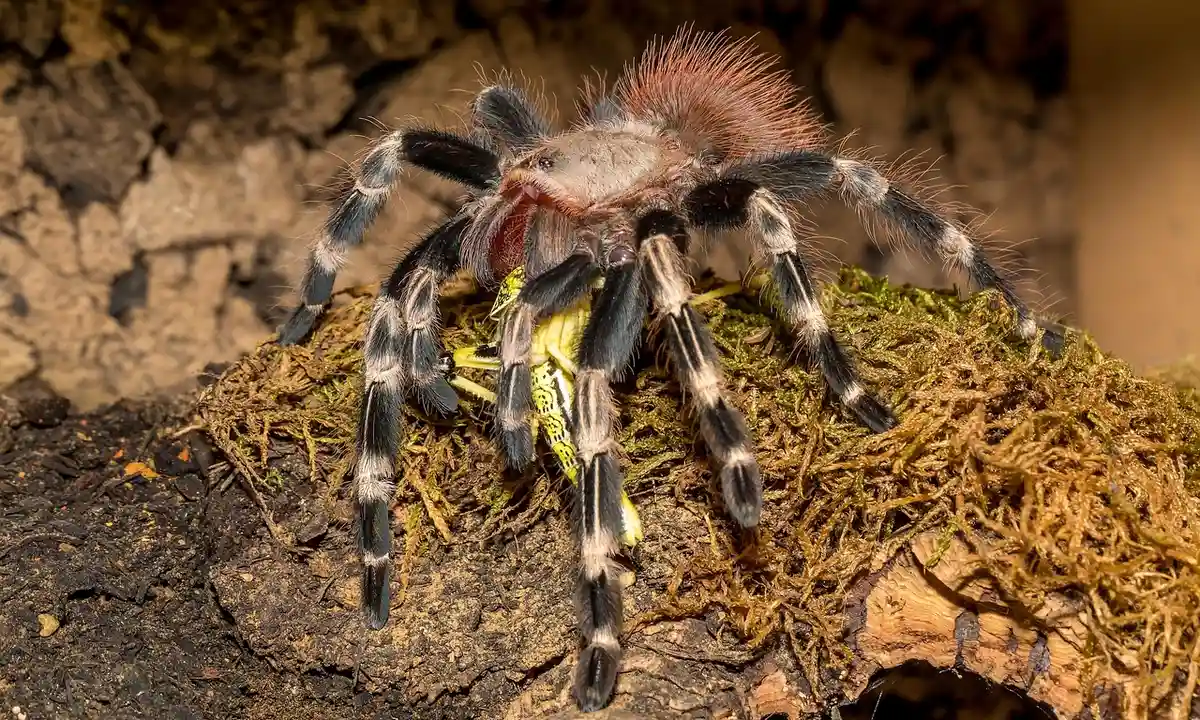
Set aside time each month for a detailed review of your tarantula’s world. This proactive habit catches minor issues like mold growth or a loose lid before they escalate into emergencies. Regular checks also help you spot early signs of common health issues beginners should prevent, such as improper humidity or dehydration. Catching these early lets you adjust care before problems become emergencies.
Full Enclosure Inspection and Deep Clean
A complete overhaul stresses your tarantula, but a partial refresh maintains hygiene. Being able to recognize when the enclosure needs cleaning helps prevent unnecessary stress for your tarantula. Common signs include substrate clumping, debris buildup, or odor. I perform this for my docile Grammostola rosea, Rosie, only when I see substrate clumping or debris. Follow this sequence for a safe, effective clean.
- Contain your tarantula securely first. Use a large deli cup and a gentle brush to guide them in, always working over a second large bin. This is a “look, don’t touch” moment.
- Remove all hides, dishes, and decor. Scrub them with hot water and a dedicated brush; never use soaps or chemicals.
- Replace 30-50% of the substrate. Target wet spots and any areas with leftover prey or waste. For my Theraphosa stirmi, Goliath, I replace the top layer that gets damp from his water dish.
- Inspect the enclosure for cracks, gaps, or clouding acrylic. Run your finger along seals. A tiny gap once allowed a sling to vanish for a week in my collection.
Equipment Safety and Function Check
Your tools should work silently in the background. A monthly function test ensures your heating and security systems are reliable, not risks. Use this physical checklist.
- Heating pad adhesion and surface temperature: It must be stuck flat to the glass. Verify the temperature with a digital probe; it should not exceed 85°F on the glass surface.
- Lid security and lock integrity: Test every latch. For sliding lids, check for wear that creates escape-proofing flaws.
- Light timer accuracy: If used for plants, confirm the on/off cycle matches the desired photoperiod.
- External glass and acrylic clarity: Wipe the outside clean with vinegar and water. A clear view helps you monitor health without intrusion.
Health and Growth Evaluation
This assessment relies on keen observation, not interaction. Your tarantula’s physical evidence and behaviors tell a complete story of its well-being. Knowing the common signs your tarantula is stressed or aggressive can help you respond safely. Recognizing threat postures, rapid movements, or other cues early allows you to adjust care to reduce stress.
Molts Monitoring and Record Keeping
A successful molt is the best sign of good health. Handling the delicate exoskeleton carefully provides a wealth of information without disturbing the spider. Here is the process.
- Locate and extract the molt safely. Wait 48 hours after you see it. Use long tweezers to gently pull it from webbing, like the dense mat my OBT, Flash, creates.
- Sex the molt with a magnifying glass. Look inside the abdomen for a pair of slit-like structures, the spermathecae, which indicate a female. Males lack these.
- Maintain a dated logbook. Record the molt date, new leg span, and feeding responses. My log shows Rosie’s predictable fasting periods, which is normal for her species.
Behavioral Notes and Adjustments
Behavior is your tarantula’s direct feedback. Noting subtle shifts allows you to customize their environment for lower stress and better welfare. Learn to read your tarantula’s body language to spot stress and defensive signs early. Act on what you see.
- Increased webbing or tunneling: Add more anchor points like cork bark for webbers. For burrowers, ensure substrate depth is adequate.
- New climbing habits or prolonged hiding: This can signal discomfort. Check if the substrate is too damp for arid species or too dry for moisture-loving ones.
- Refusal of food post-molt: This is normal. Wait until the fangs darken completely, usually 7-14 days, before offering prey again.
Special Considerations: Species-Specific Task Tweaks
A one-size-fits-all routine can create problems. Adapting your maintenance to biological needs is the mark of an experienced keeper.
Adjusting for Humidity Dependence
Water management defines your daily and weekly tasks. Mistaking a humid species for an arid one is a common husbandry error with serious consequences. Contrast the approaches.
- Moisture-dependent species (e.g., Theraphosa, Chromatopelma): Daily: Verify the water dish is full and the substrate surface is damp. Weekly: Pour water directly into a corner to soak the lower layers, maintaining 75-85% humidity. I do this for Goliath every Sunday.
- Arid species (e.g., Grammostola, Aphonopelma): Daily: A visual check of the water dish is often sufficient. Weekly: Lightly overflow the dish once to create a slight moisture gradient. The substrate for my Rosie stays completely dry.
Managing Fast and Defensive Tarantulas
Speed and venom demand respect and preparation. Your goal is to complete maintenance with zero close encounters, prioritizing safety for both you and the animal. Employ these strategies.
- Plan every step before opening the enclosure. Have all new substrate, tools, and the transfer container within arm’s reach.
- Use extended tools like 12-inch tweezers and a telescoping mirror. These keep your hands outside the strike range of defensive species.
- Always work inside a large, deep plastic storage bin. This contains any bolt. I rehoused Flash in a bathtub lined with towels after he once sprinted up my arm during a cage transfer. The sudden strike and his speed cemented my “work contained” rule.
Building Your Personalized Maintenance Routine
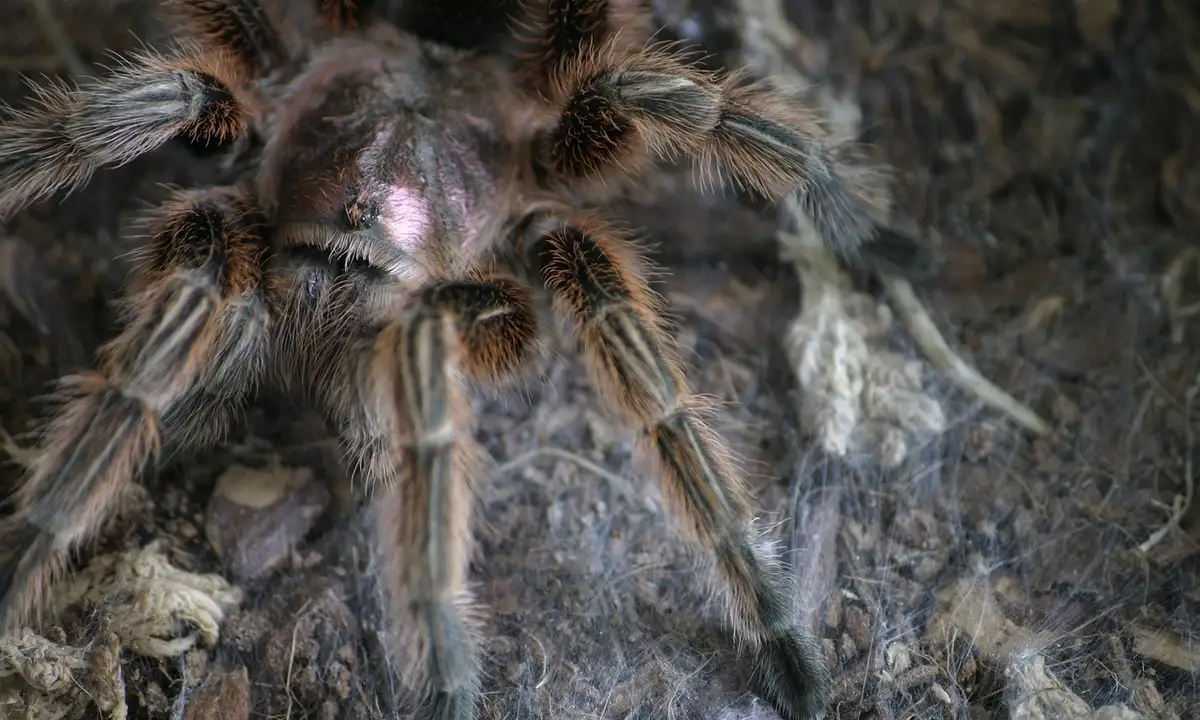
A tailored schedule prevents overwhelm. Creating a simple system you can actually follow is better than a perfect, complicated one you abandon.
Creating a Simple Tarantula Care Checklist
A visual guide keeps you on track. Use this table as a template, filling in the specifics for each of your tarantulas based on their species and personality.
| Frequency | Core Task | Your Notes & Adjustments |
|---|---|---|
| Daily | Water dish check | e.g., Refill for T. stirmi, visual check for G. rosea |
| Weekly | Remove uneaten prey, spot clean | e.g., Clear web funnels for P. murinus, check substrate moisture |
| Monthly | Deep clean, equipment check, health eval | e.g., Partial substrate change, log molt dates |
Integrating Care into Your Lifestyle
Link tarantula care to habits you already have. This integration makes consistency effortless and turns observation into a rewarding part of your day. Think of this as your entry point in the tarantula keepers’ first 30 days week-by-week survival guide. These linked resources map care tasks onto your daily routine from day one. Try these links.
- Check water dishes while waiting for your coffee to brew or your computer to start. It takes less than a minute.
- Perform weekly spot-cleaning on the same day you take out the household trash. Discard old prey remains immediately.
- Remember that regularity trumps perfection. A missed weekly misting is fine; a forgotten monthly security check is riskier. Build a resilient routine.
Building Your Personalized Maintenance Routine
The true art of arachnoculture lies not in rigid schedules, but in adaptable observation. My own routine with Rosie, Goliath, and Flash looks nothing like a factory manual. Your maintenance rhythm must bend to the needs of your specific spiders, your home’s environment, and your own life. Start with a framework, then personalize it based on what you see.
Creating a Simple Tarantula Care Checklist
Think of this table as your skeleton. Print it, copy it to a notes app, and fill in the blanks for each of your eight-legged charges. A fossorial species like a C. lividus needs different “enclosure checks” than an arboreal P. regalis.
| Frequency | Task Category | Your Specific Actions (Fill This In) |
|---|---|---|
| Daily (30-60 seconds per enclosure) | Hydration & Welfare Check | e.g., “Visual check on T. stirmi water dish. Glance for Flash’s burrow entrance.” |
| Weekly (5-10 minutes) | Detailed Inspection & Feeding | e.g., “Refill all water dishes. Offer prey to Rosie (she’ll likely refuse). Check Goliath for mold in damp corner.” |
| Monthly (15-30 minutes) | Enclosure & Deep Clean | e.g., “Full substrate change for Flash’s arid setup. Spot-clean Goliath’s swampy corner. Check all ventilation for dust.” |
Here is how I might fill it for my trio. Notice the stark differences:
- Rosie (G. rosea): Daily: Confirm she hasn’t moved. Weekly: Refresh water, remove any uneaten prey after 24 hours. Monthly: Partial substrate change if soiled.
- Goliath (T. stirmi): Daily: Ensure water dish is full; mist one corner if humidity drops below 80%. Weekly: Remove boluses, check for mold. Monthly: Replace damp moss, full substrate change every 6 months.
- Flash (P. murinus): Daily: Confirm web funnel is intact-a torn web can mean a hidden spider. Weekly: Refill water via syringe into web. Monthly: Very careful bolus removal with long tongs if accessible.
Integrating Care into Your Lifestyle
You will not stick with a routine that feels like a chore. The secret is to tether these small tasks to habits you already have. I check every water dish-from Rosie’s bone-dry bowl to Goliath’s swimming pool-while my morning coffee brews. The quiet, focused minute sets a calm tone for my day.
Weekly feeding aligns with my trash day; it’s the perfect time to remove any leftover cricket parts or boluses before they can attract mites. Linking tarantula care to established patterns makes it seamless, not separate.
For larger monthly tasks, I pick one weekend morning. I play quiet music, gather my dedicated tarantula tools (tongs, paintbrushes, catch cups), and work methodically. It becomes a meditative practice, not housekeeping. Consistency in these small moments builds a profound familiarity with your animal’s baseline health and behavior. You’ll notice the slight dimming of Flash’s orange before a molt, or the way Goliath’s abdomen plumps after a good meal. This is the reward: deep connection through quiet, consistent care.
Common Questions
How long should my daily tarantula check-in really take?
A proper daily check-in is incredibly brief, typically 30 to 60 seconds per enclosure. The goal is a non-intrusive visual scan from the outside to assess posture, abdomen size, and water dish status. This quick ritual is about observing baseline conditions to spot any sudden, dramatic changes that might require attention.
What’s the most important thing to do during the weekly maintenance session?
The most critical weekly task is the thorough inspection and removal of waste, like bolus and uneaten prey, to prevent mold and mites. This is also the ideal time to deeply clean the water dish to remove harmful biofilm. Consistently performing this deeper clean maintains a stable and hygienic microenvironment within the enclosure.
Do I really need to handle my tarantula during the monthly deep clean?
No, you should avoid handling your tarantula. For necessary maintenance, you should securely contain the spider in a temporary holding cup using a gentle brush to guide it. The goal is to perform enclosure tasks without direct contact, minimizing stress for both you and your pet, especially with fast or defensive species. If you are cleaning a quarantine tarantula’s enclosure, handle only briefly and always in a holding cup to minimize exposure and stress. During quarantine, this approach lets you monitor health between tasks with minimal disturbance.
How do I know if I need to adjust my maintenance routine for my specific tarantula?
Your tarantula’s behavior and physical appearance provide direct feedback. Note if it starts climbing walls excessively, refuses food for extended periods, or shows new webbing habits. These are signs to review and adjust factors like substrate moisture, ventilation, or hide placement to better suit its needs. Feeding behavior often reveals whether your tarantula is hungry or stressed.
What should I do if I see mold during my weekly check?
If you spot mold, immediately remove the affected substrate and any nearby decor with a tool like a spoon. Increase ventilation in the enclosure and critically evaluate your watering technique-often, mold is caused by surface misting instead of pouring water into a corner for deeper moisture.
The Ritual of Care
The core of tarantula keeping is not a checklist, but a rhythm you learn for each individual spider. For my old Chilean Rose Hair Rosie, the single most critical parameter is a completely dry substrate; moisture against her abdomen risks a fatal fungal infection. For my humidity-loving Goliath, the deep, damp substrate must never fully dry out, or she will face dangerous dehydration. And for my defensive Orange Bitey Thing, Flash, providing ample anchor points for webbing is non-negotiable to prevent stress-induced escapes. Your spider’s life depends on you identifying and maintaining this one pivotal need. For more tips on caring for specialized species, check out our guide on how to properly care for advanced and rare tarantula species.
Beyond the substrate, the true reward is observation. Watch the silent, deliberate construction of a tunnel. Marvel at the sudden, explosive strike at a cricket. Note the subtle, iridescent sheen that appears just before a molt. This hobby teaches profound patience. My Rosie has gone on 10-month fasting strikes, a terrifying but normal behavior I’ve learned to trust. You provide the foundation-the correct humidity, the right food, the secure space-and then you become a quiet witness to a fascinating, self-contained life.
Further Reading & Sources
- Care Guide: Tarantula | Carolina Biological Supply
- Master Pet Tarantula Care: Habitat, Food, & Health Secrets Revealed
- New Tarantula Keeper Guide – The Tarantula Collective
Arlo is a lifelong arachnid enthusiast who believes tarantulas are the world’s most misunderstood roommates. With years of hands-on experience in tarantula care, habitat setup, and species behavior, Arlo combines expert knowledge with a dash of humor to make spider ownership less scary and a lot more fascinating. From choosing the right enclosure to understanding why your eight-legged buddy is doing that weird little pose again, Arlo is here to help you become the best tarantula parent you can be, without getting tangled in the web of misinformation.
Enclosures and Sizes