
Brazilian Wandering Spider vs. Tarantula: Spotting the Deadly Difference
The Brazilian Wandering Spider (Phoneutria spp.) is shrouded in legitimate medical concern, while the term “tarantula” (Theraphosidae) encompasses a vast family where threat level is often wildly exaggerated. We will cut through the confusion with a side-by-side analysis of anatomy, behavior, and venom. Accurate identification is your first line of defense and the foundation of respectful co-existence.
Quick Stats:
| Attribute | Brazilian Wandering Spider | Tarantula |
|---|---|---|
| Scientific Family | Ctenidae (Wandering Spiders) | Theraphosidae (True Tarantulas) |
| Primary Origin | Central & South America | Global (Americas, Africa, Asia, Australia) |
| Venom to Humans | Potent neurotoxin; medically significant | Typically mild; Old World species can be more potent |
This guide will give you the critical, visual clues to separate these arachnids instantly, transforming fear into factual understanding.
Why Every Tarantula Keeper Needs to Know This Difference
Misidentification is not a simple academic error. It’s a critical failure in keeper responsibility that puts you and the animal at profound risk. Confusing a wandering spider for a tarantula means applying the wrong safety protocols, the wrong rehousing techniques, and the wrong emergency response. Applying tarantula-level complacency to a wandering spider is an invitation for a defensive bite from one of the world’s most medically significant arachnids. This knowledge is your first, and most vital, line of defense.
I think of my own rehousing adventures with Flash, my Orange Babbler Tarantula. His speed is breathtaking, a defensive blur. But even that pales in comparison to the reactive agility described in *Phoneutria*. Knowing the physical cues means you assess a potential new animal with a hunter’s eye, not just a collector’s excitement. This skill transforms you from a passive owner into an active, prepared custodian of potentially dangerous life.
Beyond immediate safety, correct identification dictates ethical care. A wandering spider’s vertical habitat needs and active hunting style are fundamentally alien to a tarantula’s terrestrial, ambush-based life. Providing the wrong environment is a slow sentence of stress and death. Your duty as a keeper begins with knowing exactly what you are looking at, long before you ever consider a purchase or rescue.
Side-by-Side: The Unmistakable Physical Markings
Forget vague color descriptions. Reliable identification hinges on immutable, anatomical architecture. These are the blueprints that separate the families.
Eyes, Size, and Stance: The Instant Recognition Guide
Look first at the face. A tarantula’s eight eyes are typically clustered on a central ocular tubercle, a little bump on the front of the carapace. They often appear as a tight, dark grouping. The Brazilian wandering spider’s eye arrangement is its most famous giveaway. Their two larger, forward-facing central eyes create an intense binocular stare that is starkly different from a tarantula’s more diffuse gaze. These eyes, especially the forward pair, are tuned more for motion detection and near-range stalking. In general, tarantulas have modest eyesight and rely more on tactile cues and vibrations to hunt and navigate. The other six eyes are arranged in distinct pairs, creating a wider, more menacing facial plane.
Now, observe the body’s proportions and posture. A tarantula like my Goliath is heavily built, a creature of mass and hydraulic power. Their legs are thick, designed for lifting and digging. In a defensive stance, they rear up to expose fangs and threat-display. A wandering spider is a study in streamlined tension. Their bodies are elongated, their legs are longer and thinner, built for rapid propulsion and agile climbing. They often adopt a distinctive warning posture, rearing their front two pairs of legs high and swaying, a behavior you will never see in a theraphosid.
Visual Comparison Table: Brazilian Wandering Spider vs. Typical Tarantula
| Feature | Brazilian Wandering Spider (Phoneutria) | Typical New World Tarantula (e.g., Theraphosa, Grammostola) |
|---|---|---|
| Eye Arrangement | Two prominent forward-facing central eyes; other six in three distinct pairs. A “2x4x2” layout when viewed from front. | Eight eyes clustered tightly on a central ocular tubercle. Appears as a dark, compact group. |
| Body & Leg Proportion | Slender, elongated abdomen (opisthosoma). Long, thin, spindly legs built for speed and agility. | Robust, heavy-bodied. Thick, powerful legs for burrowing and lifting. A “stocky” build. |
| Defensive Stance | Rears first two pairs of legs high, body lifted, often sways from side-to-side. A “boxer’s pose.” | Rears entire front body, exposing fangs and pedipalps. May slap the ground. Kicks urticating hairs (New World species). |
| Primary Defense | Potent neurotoxic venom delivered via a fast, accurate bite. No urticating hairs. | New World: Flick barbed urticating hairs from abdomen. Bite is often a last resort. Old World: Potent venom, fast, defensive bite. |
| Habitat Posture | An active climber. Often found on vertical surfaces, in foliage, or hiding in dark, confined spaces during day. | Largely terrestrial or fossorial. Posture is low to the ground, often at the entrance of a burrow or hide. |
Venom Showdown: Understanding the Real Danger to Humans
The Potency of *Phoneutria* Venom and Medical Reality
The venom of a Brazilian Wandering Spider, Phoneutria, contains a potent neurotoxin that directly targets the human nervous system. While fatalities are extremely rare with modern medical care, a bite from this spider is a genuine medical emergency requiring immediate antivenom. Symptoms can include intense local pain, sweating, erratic heartbeat, and in some cases, prolonged and painful priapism in males. This is not a creature you ever want to encounter unprepared, and it highlights why they are classified as medically significant.
Their venom evolved for swiftly incapacitating small vertebrate prey, which explains its powerful effect on humans. In contrast, even the most defensive pet tarantula possesses venom that is, for the vast majority of species, far less potent to human physiology. These points tie into a broader question about tarantula venom and humans: myths versus facts. Tarantula venom can be frightening in stories, but the scientific reality is subtler and far less menacing for most people. This fundamental difference in venom chemistry is the first critical line separating a dangerous wild animal from a manageable captive invertebrate.
Tarantula Venom and Defensive Tools: A Different Kind of Risk
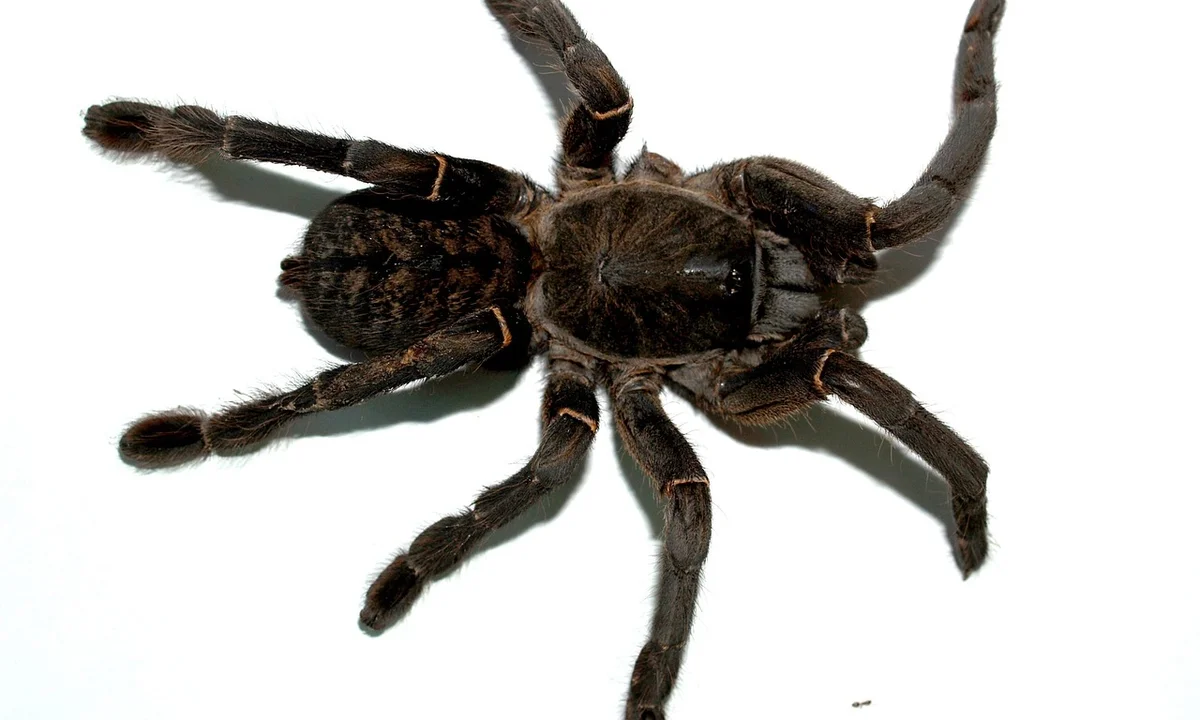
Tarantula venom is primarily designed for subduing insects and occasionally small rodents. For a keeper, the bite of a common species like my Chilean Rose Hair, Rosie, is often compared to a bee sting in terms of pain and local swelling. The real risk in tarantula keeping comes not from venom, but from their ingenious mechanical defenses: urticating hairs. In the hairs vs bites comparison, hairs are typically the bigger hazard to handlers, causing skin irritation or eye irritation even without a bite. Bites, while painful, are usually less dangerous than the hairs.
These barbed hairs, kicked from the abdomen by New World species, can embed in skin and mucous membranes, causing itchy rashes and serious respiratory distress if inhaled. My Burgundy Goliath Bird Eater, Goliath, has coated his enclosure in these hairs after a mere cage cleaning, a potent reminder to always wear gloves and a mask during maintenance. Old World tarantulas, like my OBT Flash, lack these hairs but rely on speed and a more painful venom, making respect for their space non-negotiable.
- Primary Risk: Urticating hairs causing irritation and allergic reactions.
- Venom Potency: Typically mild, but variable; OBT bites are notoriously painful.
- Safety Protocol: Always use tongs for feeding and enclosure tools. Practice “Look, Don’t Touch” to eliminate bite risks entirely.
Geography and Habitat: Where You Actually Find Them
The Roaming Grounds of the Brazilian Wandering Spider
Phoneutria species are nomadic hunters of Central and South American forests, with a notorious preference for human-altered landscapes. They are called “wandering” spiders because they actively roam the forest floor and frequently enter homes, hiding in dark, cluttered spaces like boots or banana bunches. They do not build intricate webs for capture but may use silk to create daytime retreats. This roaming behavior in populated areas is a key reason for their high number of documented encounters with people.
The Diverse Homes of Tarantulas: From Deserts to Jungles
Tarantulas occupy specific ecological niches that directly inform their captive care. My arid-adapted Rosie, from the Chilean scrubland, thrives on bone-dry substrate with a water dish. Conversely, my humidity-loving Goliath, a species from Guyana’s rainforests, requires a moist, bioactive setup with 80-90% humidity and temperatures around 78-82°F (25-28°C) to simulate his native environment. There isn’t a universal ideal range for tarantula temps and humidity—the targets depend on the species and habitat. Enclosures should be tailored to mimic those conditions.
Understanding this geography is the bedrock of proper husbandry. Mimicking a tarantula’s natural habitat isn’t just aesthetic; it reduces stress, promotes natural behaviors, and ensures successful molts. In the ultimate guide to tarantula burrows, we explain why they dig and how to support them. This connection turns habitat awareness into practical enclosure design.
- Arid Species (e.g., Grammostola rosea): Deep, dry substrate; minimal misting; focus on ground space.
- Tropical Species (e.g., Theraphosa stirmi): Moist, nutrient-rich substrate; cross-ventilation to prevent mold; a large water dish for humidity.
- Fossorial Species: Very deep substrate (8+ inches) for burrowing; minimal disturbance.
Behavior Under Observation: Hunting, Webbing, and Threat Displays
The Active Hunter: *Phoneutria’s* Speed and Aggression
The Brazilian Wandering Spider is a relentless, agile predator. It actively pursues prey at night, relying on exceptional speed and potent venom rather than a web. When threatened, it adopts a distinctive defensive pose-rear legs raised, front legs waving-and will not hesitate to bite repeatedly. This aggressive defense strategy, combined with its wandering nature, makes it a spider of legitimate caution, not one for any form of captive interaction.
The Patient Ambusher: How Pet Tarantulas Behave
Pet tarantulas are masters of energy conservation, employing a “sit-and-wait” strategy. My Rosie will remain motionless for days, only striking when a cricket wanders into her precise strike zone. The sudden strike is a blur of movement, ending in the silent, efficient administration of venom.
Webbing behavior varies wildly. While Rosie barely uses silk, my OBT Flash has transformed his enclosure into a dense, funnel-webbed fortress. This webbing is a security blanket; disturbing it causes immense stress, something I learned during a careful rehousing that still triggered a defensive posture.
- Threat Displays: New World tarantulas may flick urticating hairs. Old World species, like Flash, rear up and slap the ground in a lightning-fast warning.
- Hunting Posture: A tarantula will often freeze, then pounce, using its weight and fangs to pin prey.
- Keeper Takeaway: Observe, do not provoke. Their behaviors are signs of comfort or stress-respecting these cues is the core of ethical care.
Step-by-Step: What If a Bite Happens?
Even with impeccable care, accidents can occur. The response to a spider incident depends entirely on the species involved. Knowing the difference between a true emergency and a manageable irritation is the cornerstone of responsible arachnoculture.
Responding to a Suspected Phoneutria Bite: A Medical Emergency
A bite from a Brazilian Wandering Spider (Phoneutria spp.) is not a husbandry issue-it is a life-threatening medical event. Their neurotoxic venom can cause severe pain, paralysis, and in rare cases, death. If you ever suspect a Phoneutria bite, your only focus is getting professional medical help immediately.
- Stay Calm and Identify: If possible, safely take a picture of the spider for identification. Do not attempt to capture it if there is any risk of a second bite.
- Call for Help: Dial emergency services or have someone drive you to the nearest hospital without delay. Do not “wait and see.”
- Immobilize the Area: Keep the bitten limb still and positioned below heart level to slow venom spread.
- Do Not Apply Treatments: Avoid tourniquets, ice, suction, or cutting the wound. These methods are ineffective and dangerous.
- Inform Medical Staff: Tell the doctors it was a suspected Phoneutria bite. Antivenom exists and is critical.
Caring for a Tarantula Bite or Hair Flinging Incident
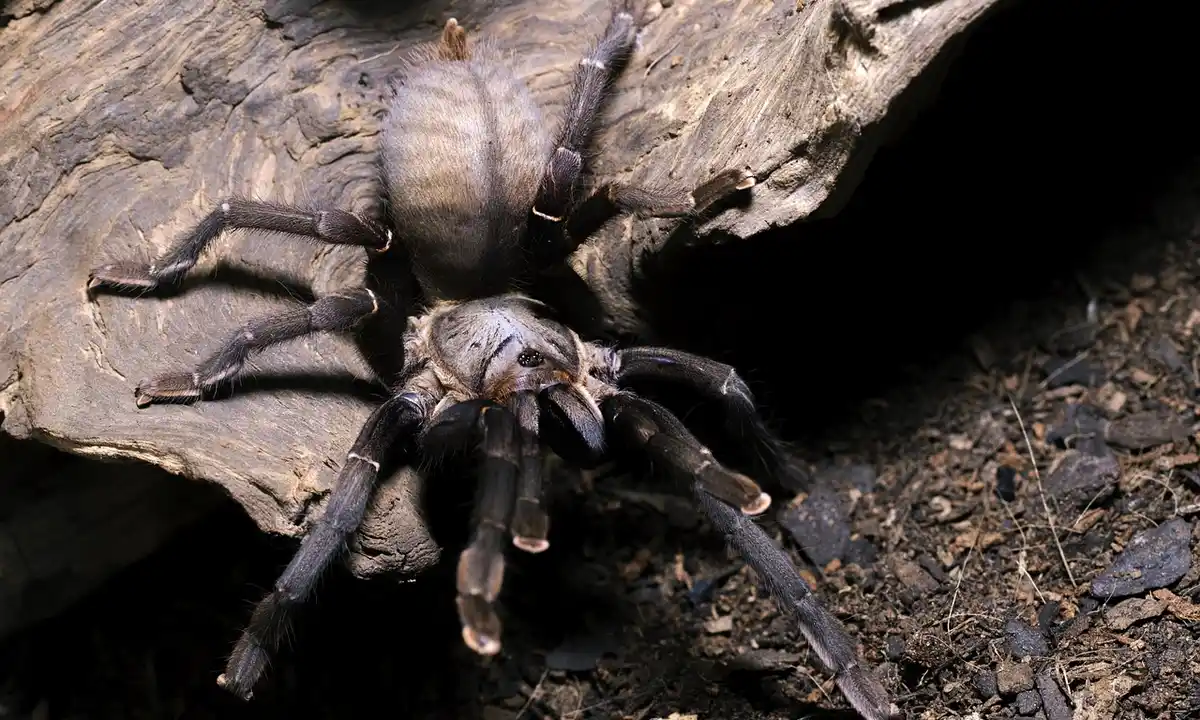
Tarantula encounters are far more mundane. A bite from most species, like my old Chilean Rose Hair Rosie, typically causes local pain akin to a bee sting. The greater nuisance is urticating hairs, which my Burgundy Goliath, aptly named, loves to kick. For tarantulas, first aid is simple, focused on relieving discomfort and preventing infection. Understanding the pain levels from tarantula bites can help put your mind at ease.
For a Bite:
- Wash the area thoroughly with soap and warm water.
- Apply an ice pack wrapped in a cloth to reduce swelling and pain.
- Take an over-the-counter antihistamine or pain reliever if needed.
- Monitor for signs of allergic reaction, like difficulty breathing-seek medical care if these occur.
For Urticating Hairs:
- Immediately rinse your skin or eyes with cool water. Do not rub.
- Use adhesive tape to gently lift any visible hairs from the skin.
- Apply hydrocortisone cream or calamine lotion to soothe the itchy rash.
- If hairs get in your eyes, rinse persistently and see a doctor if irritation continues.
I keep a dedicated “hair kit” with tape, cream, and eye wash near Goliath’s enclosure. This proactive step turns a stressful event into a quick, routine fix.
The Bottom Line for the Tarantula Enthusiast
Our hobby thrives on appreciation, not adrenaline. Choosing to keep tarantulas is a commitment to observing a fascinating predator from a respectful distance. There’s a common myth that holding a tarantula is a sign of affection, but tarantulas don’t experience affection in the way mammals do. Most tarantulas prefer to be left alone, and observing from a distance supports their well-being. The “Look, Don’t Touch” philosophy isn’t just about your safety—it dramatically reduces stress for an animal that perceives handling as a predator attack.
Why a Wandering Spider is Never a “Pet”
Some are drawn to the extreme reputation of Phoneutria. As a breeder, I must state clearly: these spiders have no place in private hands. Their potent venom, incredible speed, and defensive nature create an unacceptable risk for the keeper, household, and community. They offer no observable benefit over tarantulas; their biology demands conditions that are difficult to replicate safely, and their escape potential is a genuine public health concern. Keeping them is often illegal and always ethically questionable. My OBT, Flash, is defensive and fast, but his venom is not medically significant. The line between a challenging tarantula and a deadly wandering spider is absolute.
Myths vs. Facts: Clearing the Air for Responsible Keepers
| Myth | Fact |
|---|---|
| All large, hairy spiders are tarantulas and relatively harmless. | True tarantulas (Theraphosidae) are distinct from wandering spiders (Ctenidae). Phoneutria is not a tarantula and its venom is medically significant. |
| If a tarantula bites you, you need anti-venom. | No anti-venom exists for tarantula bites because their venom is not lethal to humans. Treatment is symptomatic care for pain or allergic reaction. |
| A defensive spider is an “aggressive” spider. | Spiders are not aggressive; they are defensive. They strike from fear, not malice. A wandering spider’s heightened defensiveness is a survival trait, not a personality. |
| Experienced keepers can safely handle any spider. | Experience does not mitigate venom toxicity. Responsible keepers understand that some animals, like Phoneutria, are for professional research only, not hands-on hobbyism. |
| Urticating hairs are just a minor itch. | For some people, these barbed hairs cause severe dermatological reactions or serious corneal abrasions if they contact the eyes. Always wear gloves and eye protection during enclosure maintenance. |
Dispelling these myths is how we foster a hobby rooted in respect, not reckless bravado.
FAQs
What are the key physical differences between a Brazilian wandering spider and a tarantula?
The most immediate difference is in their eyes and build. Brazilian wandering spiders have two prominent forward-facing central eyes with the others in distinct pairs, while tarantulas have eight eyes clustered together. Wandering spiders possess a slender body with long, thin legs for speed, whereas tarantulas are typically robust and stocky with thicker, more powerful legs.
Which spider is more venomous to humans, the Brazilian wandering spider or a tarantula?
The Brazilian wandering spider is vastly more venomous. Its bite delivers a potent neurotoxin that is medically significant and requires immediate emergency care. In stark contrast, the bite of most pet tarantulas is comparable to a bee sting, with their primary defense being the flicking of irritating urticating hairs.
Where are Brazilian wandering spiders and tarantulas commonly found?
Brazilian wandering spiders are native to Central and South America and are nomadic hunters that may enter human dwellings. Tarantulas have a global distribution, with species inhabiting diverse environments from deserts to rainforests, and many are commonly kept as pets worldwide with proper permits.
How do the hunting behaviors of wandering spiders and tarantulas differ?
They employ fundamentally different strategies. Brazilian wandering spiders are active nocturnal hunters that roam to pursue prey. Pet tarantulas are typically patient ambush predators that wait motionless in or near their burrow or hide for a meal to come within striking distance.
What should you do if you are bitten by either a Brazilian wandering spider or a tarantula?
For a suspected Brazilian wandering spider bite, seek emergency medical help immediately as it is a life-threatening situation. For a tarantula bite or exposure to its urticating hairs, wash the area, use adhesive tape to remove hairs, apply topical cream for itch relief, and monitor for any signs of a severe allergic reaction.
The Keeper’s Path
The absolute non-negotiable for a wandering spider is stable, tropical warmth between 75°F and 82°F (24°C-28°C); even a brief chill can halt digestion and spiral into fatal decline. For tarantulas, your primary focus is balancing species-specific heating and humidity with ample cross-ventilation, a dance I constantly monitor for my moisture-loving Goliath. These are not decorative pets; they are environmental snapshots we are responsible for maintaining. Heating and humidity needs vary by species, even among the most popular tarantulas. For moisture-loving arboreals like the pinktoe, maintain higher humidity and stable warmth, while desert-adapted species prefer drier air and more ventilation.
True success is measured in observed behaviors, not interactions. Find joy in the wandering spider’s meticulous, nocturnal patrol of its enclosure, every movement a study in deliberate control. Appreciate the tarantula’s profound stillness, a lesson in patience, broken by the sudden, explosive strike at a passing cricket. Your most vital tool is a quiet observation, learning the unique rhythms of your animal-like my Rosie’s months-long fasts or Flash’s frantic web-dressing of his cork bark. This hobby rewards the watcher, the student of silent, eight-legged lives.
Further Reading & Sources
- Brazilian Wandering Spider vs Tarantula: See Who Wins | Animal Matchup
- Brazilian Wandering Spider – Facts, Bite & Habitat Information
- Wandering spider – Wikipedia
Arlo is a lifelong arachnid enthusiast who believes tarantulas are the world’s most misunderstood roommates. With years of hands-on experience in tarantula care, habitat setup, and species behavior, Arlo combines expert knowledge with a dash of humor to make spider ownership less scary and a lot more fascinating. From choosing the right enclosure to understanding why your eight-legged buddy is doing that weird little pose again, Arlo is here to help you become the best tarantula parent you can be, without getting tangled in the web of misinformation.
Popular Species