
Is Tarantula Venom Dangerous to Humans? (Myths vs. Facts)
Published on: February 20, 2026 | Last Updated: February 20, 2026
Written By: Arlo
Tarantula venom is enveloped in cultural fear, yet for over 99% of kept species, its effect on a healthy human is trivial-often milder than a honeybee’s sting. We will dismantle decades of cinematic exaggeration with precise toxicology and stories from my own collection, like the time my Burgundy Goliath Bird Eater, Goliath, made me regret a careless tank cleaning. The pivotal fact is this: while all tarantulas possess venom, the vast majority are classified as ‘medically insignificant,’ with genuine risk confined to specific Old World genera.
Quick Stats:
- Origin: Global; venom composition adapts to ecology, from arid burrowers to arboreal hunters.
- Type: New World (The Americas) venom is generally mild, paired with urticating hairs; Old World (Africa, Asia, Australia) venom can be more potent, lacking those hairs.
- Growth Rate & Venom: Potency is innate to species; larger, mature specimens deliver a greater volume, but not necessarily more toxic venom.
This concise guide will provide the definitive framework for understanding actual bite risks, implementing safe handling protocols, and fostering a respectful ‘look, don’t touch’ approach to all tarantula care.
Understanding Tarantula Venom: Composition and Purpose
Tarantula venom is a precise protein cocktail evolved for subduing prey, not for harming people. Watching my Burgundy Goliath, Goliath, engulf a roach, I see the venom’s true purpose: a rapid, efficient shutdown of nervous and muscular systems in insects and small vertebrates. For humans, envenomation is an accidental side effect, with medical consequences typically falling into two categories: localized pain and itching, or, in very rare cases, mild systemic effects like muscle cramps. The venom’s complexity is what makes it so effective in the wild.
This liquid tool contains a mix of specialized molecules. Key components include:
- Enzymes like hyaluronidase: These act as spreading agents, helping other toxins penetrate tissue quickly.
- Neurotoxic peptides: These compounds target nerve cells, disrupting signals to cause paralysis in prey.
- Cytolytic agents: These break down cell membranes, starting the digestive process from the inside out.
When my defensive OBT, P. murinus “Flash,” makes a sudden strike, this biochemical blend ensures her meal doesn’t escape. The iridescent sheen of the fangs belies a system designed for survival, not for aggression against large mammals like us.
Debunking Common Myths About Tarantula Bites
Myth: A Tarantula Bite is Deadly to Humans
This is unequivocally false. There are no scientifically confirmed human deaths attributed directly to tarantula envenomation. The actual risk is remarkably low, especially when compared to common insects. For most species, the bite’s effect is similar to a bee or wasp sting in terms of pain and potential reaction. I’ve kept fast, defensive species for years without incident by respecting their space. The data is clear: you are statistically in more danger from a backyard bee than from your pet tarantula’s venom. (More on the risks involved).
Myth: All Tarantulas Are Aggressive and Likely to Bite
Tarantulas are not aggressive; they are profoundly defensive animals. A bite is always a last resort, preceded by clear warning behaviors. My old Chilean Rose Hair, Rosie, would rather play dead for months than confront a threat. These spiders have a hierarchy of defense, starting with hiding and escalating to visible warnings meant to deter without contact. People often mislabel tarantulas as aggressive—a common misconception we’ll unpack here. In reality, most displays are defensive warnings rather than predatory aggression. Common defensive behaviors that come before any potential bite include:
- Rearing up into a threat posture, revealing the fangs.
- Flicking urticating hairs from the abdomen (in New World species).
- Stridulation, or producing a hissing sound by rubbing body parts together.
- Assuming a tight, defensive curl or making a rapid retreat to a burrow.
My experience with Flash is a perfect example; she webs her enclosure densely and rears up if disturbed, but I’ve never been bitten because I heed her warnings. Bites almost always result from a spider feeling cornered or mishandled, not from unprovoked aggression.
Myth: Home Remedies Like Heat or Suction Are Effective Treatments
Applying heat, ice, or suction devices to a bite site is ineffective and can cause further tissue damage. These methods do not neutralize the protein-based venom and can lead to burns or infections. The correct response to a tarantula bite is simple, proper wound care: wash the area thoroughly with soap and water, apply an antiseptic, and monitor for signs of allergic reaction. In my two decades of keeping, the few bites I’ve witnessed in the community required nothing more than this basic first aid. If severe pain or systemic symptoms develop, seek medical attention and inform the doctor of the spider species involved.
The Medical Reality of a Tarantula Bite
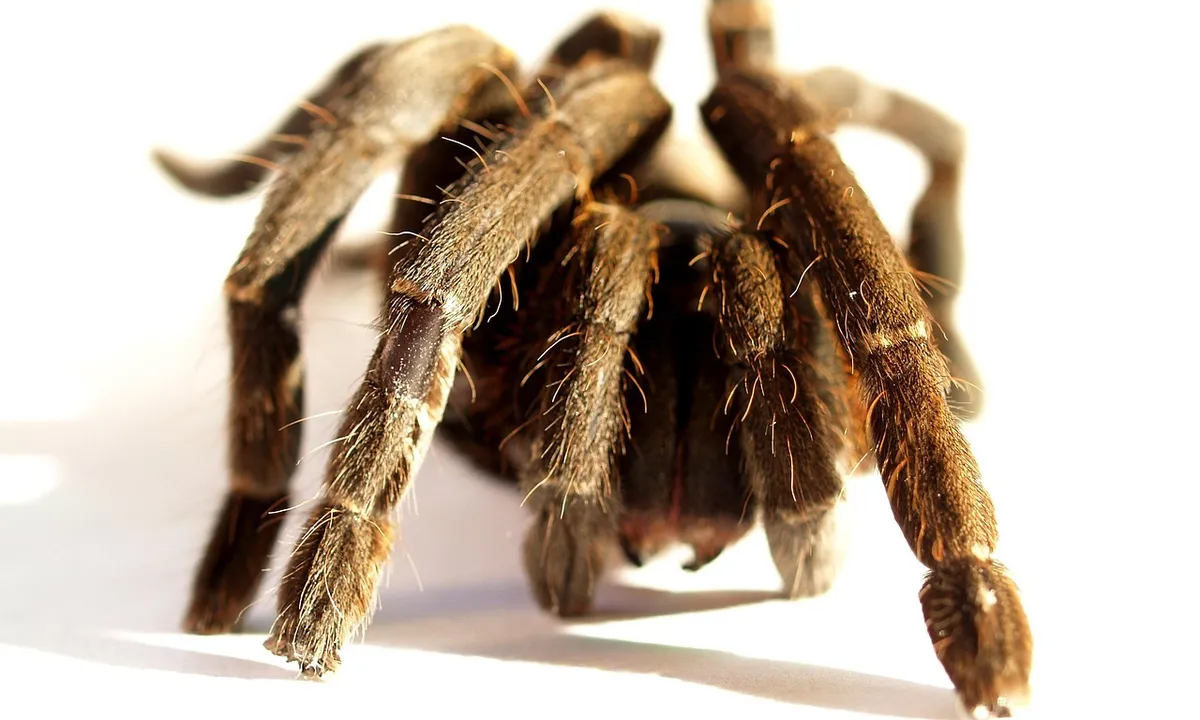
Let’s move from abstract risk to tangible reality. If a bite happens, what actually occurs? In the vast majority of cases, the experience is intense but medically straightforward. The primary result is a localized wound, not a systemic poisoning.
Typical Localized Symptoms
Imagine a bee sting or a sharp pinch. That initial jolt is often the worst of it. The venom is designed to immobilize small prey, not dismantle a human system. My own experience with a defensive Old World species involved a lightning-fast strike, a sharp pain, and then the predictable aftermath.
- Immediate, sharp pain comparable to a bee or wasp sting.
- Redness and swelling around the two small puncture marks, which may form a raised welt.
- Throbbing or aching at the site for several hours.
- Intense itching as the inflammation subsides, often lasting a day or two.
- Possible muscle cramping or stiffness in the immediate area, like a charley horse in your hand if bitten there.
These localized symptoms typically peak within a few hours and resolve completely within 24-72 hours. Keeping the bite clean and applying a cold compress manages the discomfort effectively for most people.
Understanding Rare Systemic Reactions
Here, we must separate toxicity from allergy. Tarantula venom is not considered highly toxic to humans, but any foreign protein-bee venom, peanut dust, tarantula venom-can trigger an allergic response in sensitive individuals.
This is an immune system overreaction, not the venom’s primary toxic effect. Signs that demand immediate medical attention are not about venom poisoning, but indicate a potential anaphylactic event:
- Difficulty breathing, wheezing, or tightness in the throat or chest.
- Swelling of the lips, tongue, or face distant from the bite site.
- Dizziness, rapid heart rate, or a feeling of impending doom.
- Widespread hives or rash spreading across the body.
These reactions are exceedingly rare from tarantula bites, but knowing the distinction is vital. Your real concern is allergy, not toxicity, making a bite’s danger highly individual. Allergy symptoms may include itching, swelling, hives, or even respiratory reactions in sensitive individuals. Exposure to tarantula venom or urticating hairs can provoke an allergic response rather than a simple toxic effect.
How Tarantula Venom Compares to Other Arachnids
Context is everything. Placing tarantula venom on the spectrum of arachnid defenses reveals its relatively mild nature. I think of it in terms of chemical strategy: some venoms are designed for rapid predation, others for tissue destruction, and others, like most tarantulas’, for efficient, small-scale prey capture.
| Species Type | Primary Venom Effect on Humans | Medical Significance |
|---|---|---|
| New World Tarantulas (e.g., Grammostola, Brachypelma) | Localized pain, swelling, itching. Rare allergic reaction. | Low. A painful nuisance. Primary defense is urticating hairs. |
| Old World Tarantulas (e.g., Pterinochilus, Haplopelma) | More intense, lasting pain. Significant muscle cramping possible. | Moderate. No known fatalities, but can cause severe pain, nausea, and cramping for days. Considered medically significant. |
| Widow Spiders (Latrodectus) | Neurotoxic. Causes latrodectism: severe muscle pain, cramps, rigidity, sweating, nausea. | High. Potentially life-threatening, especially to young or infirm. Antivenom exists. |
| Recluse Spiders (Loxosceles) | Cytotoxic. Causes local tissue necrosis (skin death) around bite site. | High. Can lead to severe, slow-healing wounds and systemic illness in rare cases. |
The table clarifies a key point. Even the more potent Old World tarantula venom primarily causes severe pain, not tissue death or systemic neurotoxicity like the truly dangerous spiders. This is why “medically significant” is a more accurate descriptor for species like my OBT, Flash, than “deadly.” The risk is real pain and discomfort, not mortality. Your respect should be for the animal’s capability, not an overblown myth of its lethality.
What To Do If a Tarantula Bite Occurs
A bite is a rare event for a careful keeper. Your calm, methodical actions in the minutes after a bite are critical for managing stress-for both you and your spider.
-
Stay calm and safely secure the tarantula. Do not fling or drop the animal. I use a clear deli cup to gently guide an agitated tarantula, like my old world P. murinus Flash, back into its enclosure. A secure lid prevents an escape and gives you space to focus on first aid. This is part of a safe, step-by-step guide on how to safely handle and hold your tarantula. Follow the full guide for careful, calm handling and transfer techniques.
-
Basic first aid: Wash the bite area with soap and water, apply a cold pack to reduce swelling. The puncture wounds are small but can introduce bacteria. Clean them thoroughly. A cold compress wrapped in a towel eases local pain and inflammation, which are the most common immediate effects.
-
Monitor for severe symptoms. Know when to seek professional medical attention. Watch for trouble breathing, chest tightness, excessive swelling beyond the bite site, or dizziness. These signs point to a possible allergic reaction, which is a medical emergency unrelated to venom potency.
-
Inform medical personnel it was a pet tarantula bite; provide the species if known. Telling a doctor “tarantula bite” and giving a name like “Grammostola rosea” prevents misdiagnosis. It also reassures them that this is not a black widow or brown recluse incident, which have very different medical protocols.
Risk Factors: Which Tarantulas Pose Greater Concern?
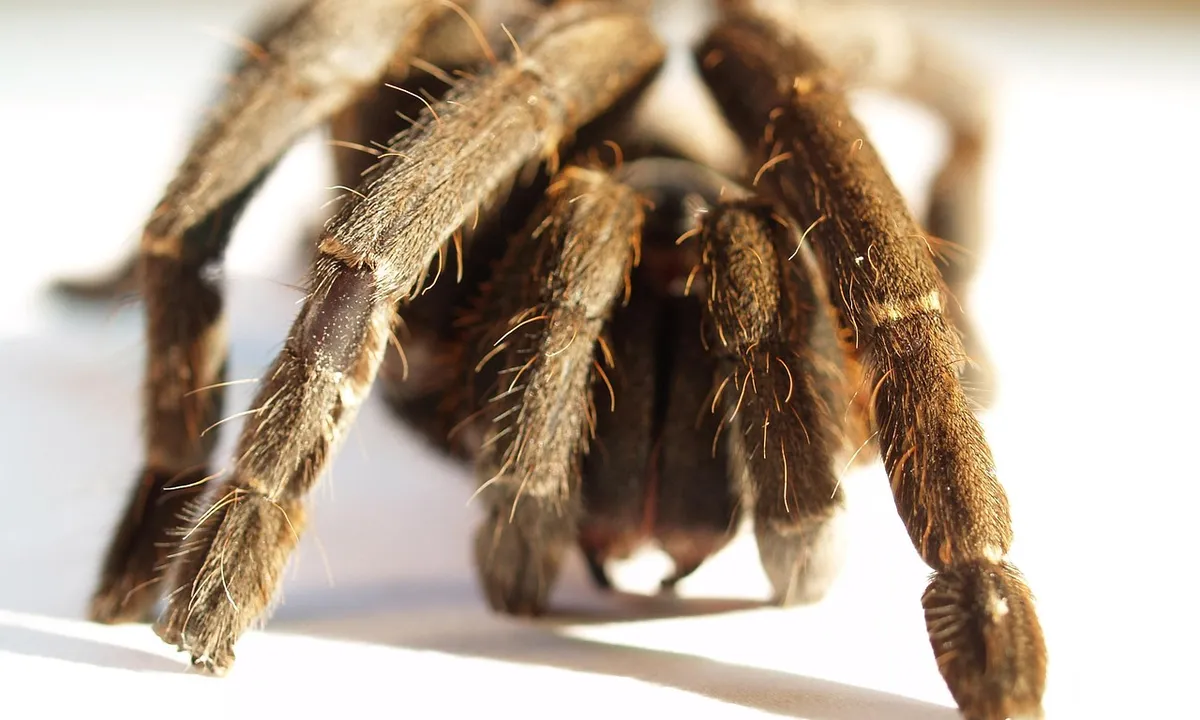
Old World vs. New World Tarantulas
-
New World tarantulas, from the Americas, defend themselves primarily with urticating hairs. Their venom is generally mild for humans, causing localized pain akin to a bee sting. My Burgundy Goliath Bird Eater (Theraphosa stirmi) exemplifies this: she relies on her irritating hair barrage, not a potent bite. It’s a classic example of New World defensive tactics.
-
Old World tarantulas, from Africa and Asia, lack urticating hairs and possess more neurologically active venom. They tend to be faster and more defensive. A bite from my OBT (Pterinochilus murinus) could cause intense pain, muscle cramps, and sweating, though life-threatening effects are exceedingly rare.
Common examples for hobbyists include:
- New World: Chilean Rose Hair (Grammostola rosea), Brazilian Black (Grammostola pulchra), Curly Hair (Tliltocatl albopilosus).
- Old World: Orange Baboon Tarantula (Pterinochilus murinus), Mombasa Golden Starburst (Heteroscodra maculata), Asian Fawn (Cyriopagopus albostriatus).
The Role of Species and Individual Sensitivity
-
The greatest risk factor is your own body’s unique response, not the spider’s Latin name. While an Old World bite may be more acutely painful, a severe reaction is almost always an allergic one. I treat every tarantula with the same respect for its venom delivery system, because I cannot predict my personal sensitivity.
Safety and Respect: Minimizing Risk in the Hobby
After years in this hobby, my most vital advice is to embrace a “Look, Don’t Touch” philosophy. Observing your tarantula from outside the enclosure is the single most effective way to ensure safety for you and well-being for your spider. Handling directly increases the probability of a defensive bite and subjects the animal to immense, unnecessary stress. For beginners, this means prioritizing observation over handling. If handling is ever necessary, keep sessions brief and use proper handling techniques only as a last resort.
Even a seemingly placid species like my G. rosea, Rosie, can deliver a startling threat display if provoked. Remember, a bite is not just about venom potency; it is a traumatic event for a creature that interprets being lifted as a predator attack. Stress can manifest as long-term food refusal or increased defensiveness, as seen with my hair-kicking T. stirmi, Goliath.
Your goal is to manage the captive environment, not the animal itself. Routine care should focus on creating a secure space where you rarely need to intervene. This respect minimizes risk and allows you to appreciate the silent drama of their lives-the iridescent sheen of a carapace, the meticulous web-spinning, the sudden strike at prey.
For those essential tasks like maintenance or rehousing, strict protocols are non-negotiable. Follow these key safety practices to protect everyone involved.
- Use soft tools for all enclosure maintenance. I rely on long, blunt-tipped tweezers and a soft paintbrush. They allow for removing waste, guiding spiders, and navigating heavy webbing without contact. Trying to finger-sweep the dense silk of my OBT Flash’s enclosure is a sure way to trigger a defensive reaction.
- Learn to read tarantula body language fluently. Raised front legs and exposed fangs are a clear “back off” signal. A frozen, hunched posture often precedes a bolt or a bite. Recognizing these cues is your first line of defense, allowing you to de-escalate a situation instantly.
- Never handle a tarantula near your face or over hard surfaces. A fall from even a short height can be fatal due to a ruptured abdomen. Always work at a low level over a soft, contained area like a bed or a large bin.
- Always have a detailed plan before starting any rehousing. Prepare the new enclosure first. Have multiple large, clear catch cups ready. Ensure the room is sealed and escape-proof. My plan for rehousing Flash involves two people and a clear sequence of actions to channel his speed safely. A panicked, unplanned move greatly increases the chance of a bite or a lost spider.
FAQs
What are the common myths about tarantula venom?
A pervasive myth is that a tarantula bite is deadly to humans, which is false, as there are no confirmed human deaths from their venom. Another is that all tarantulas are aggressive, when in reality they are defensive and biting is a last resort. Finally, many believe home remedies like heat or suction are effective treatments, but these can cause more harm than good. These are among the myths addressed in 11 pervasive tarantula myths debunked by expert keepers. Expert keepers provide evidence-based debunking and practical guidance on what is true and what isn’t.
What are the facts about tarantula venom’s effects on humans?
For a healthy human, a bite from most pet tarantulas causes only localized, temporary symptoms like pain, swelling, and itching, similar to a bee sting. From a pain-level perspective, most people report mild to moderate pain that subsides within a few hours, making tarantula bites a useful reference for understanding localized pain and symptom duration. Severe systemic effects are very rare and typically tied to an individual allergic reaction, not the venom’s inherent toxicity. The venom is primarily designed to subdue small prey, not harm large mammals.
How does tarantula venom compare to other spider venoms?
Most tarantula venoms, especially from New World species, are far less medically significant than venoms from spiders like widows or recluses. While some Old World tarantulas can deliver a painful bite with more intense effects, their venom does not cause the systemic neurotoxicity or tissue necrosis associated with the world’s most dangerous spiders. In general, Old World tarantulas are dangerous because they tend to lack urticating hairs for defense and rely more on venom to deter threats. This combination helps explain why Old World species are viewed as more hazardous than many New World tarantulas.
What should you do if bitten by a tarantula?
First, stay calm and safely secure the tarantula. Then, wash the bite area thoroughly with soap and water and apply a cold compress to reduce swelling and pain. Monitor closely for any signs of an allergic reaction, such as difficulty breathing, and seek medical attention immediately if such symptoms appear. If your tarantula has escaped, locate and safely recapture it to prevent further bites. If a bite occurred during the escape, continue with these steps immediately after securing the tarantula.
Are all tarantula species equally dangerous?
No, the risk varies significantly. New World tarantulas from the Americas generally have milder venom and rely more on urticating hairs for defense. Old World species from Africa and Asia lack these hairs and possess more potent venom, which can cause more severe pain and cramping, though they are still not considered life-threatening.
The Keeper’s Perspective
Your single most powerful safety tool is not an antivenom but a protocol. Consistent, respectful handling practices that prioritize the animal’s stress levels will prevent nearly every potential bite scenario. Manage the enclosure, not the spider.
When you stop viewing them through a lens of potential threat, a richer world appears. Watch an OBT like my Flash engineer its silken funnel, a creature of pure focused purpose. See my Goliath methodically pat down its damp substrate. Their behaviors are a language of survival and adaptation. Your patience in observing it is the true heart of the hobby.
Further Reading & Sources
- Myth: Tarantulas are dangerous to humans | Burke Museum
- Are Tarantulas Dangerous? | Poison Control
- Tarantula Spider Toxicity – StatPearls – NCBI Bookshelf
Arlo is a lifelong arachnid enthusiast who believes tarantulas are the world’s most misunderstood roommates. With years of hands-on experience in tarantula care, habitat setup, and species behavior, Arlo combines expert knowledge with a dash of humor to make spider ownership less scary and a lot more fascinating. From choosing the right enclosure to understanding why your eight-legged buddy is doing that weird little pose again, Arlo is here to help you become the best tarantula parent you can be, without getting tangled in the web of misinformation.
Tarantula Myths and Misconceptions