
When is it Safe to Feed Your Tarantula After Molting? Caring for the Chilean Rose Hair (G. rosea)
The Chilean Rose Hair, Grammostola rosea, has earned a reputation as the beginner’s stalwart, a dusty-pink ‘pet rock’ famous for its profound patience and bewildering hunger strikes. This legendary docility masks a critical, vulnerable period: the weeks following a molt, when its new exoskeleton is as soft as wet paper and its survival hinges on perfect quiet. This guide answers the single most common-and important-husbandry question I get: when to offer that first post-molt meal. For a mature G. rosea like my 15-year-old Rosie, the safe window is typically 10-14 days after the molt, when the fangs have fully hardened from pearly white to deep, glossy black.
Quick Stats:
- Origin: The arid scrublands of Chile
- Type: New World, terrestrial
- Growth Rate: Exceptionally slow
This guide will navigate the delicate post-molt timeline, giving you the specific signs to watch for so you can support your tarantula’s health from vulnerable sling to venerable adult.
The Molting Process: Why Feeding Must Wait
After a tarantula molts, it emerges from its old exoskeleton in a state of profound vulnerability. The new skin is soft, pliable, and lacks the hardened protection it once had. During this time, the primary physiological task is sclerotization-the process where the new cuticle darkens and hardens, a transformation you can witness in the shifting sheen of the carapace. This is not a quick event; it is a silent, energy-intensive rebuilding.
Introducing live prey before this process is complete invites several risks. A cricket or roach can easily injure the soft-bodied tarantula, causing fatal damage. Even if injury is avoided, the tarantula’s fangs are like soft, pale rubber and cannot effectively puncture or envenomate prey, leading to wasted energy and immense stress. I learned this early with my OBT, Flash; after one molt, I offered food too soon and watched him abort a strike, retreating to his web in clear agitation. These risks highlight why many tarantula keepers look at feeding methods beyond live prey. In this guide, we’ll compare live prey versus pre-killed options to help you choose the safest, most stress-free approach for your tarantula.
The enclosure should be a quiet sanctuary. Advocating for a “Look, Don’t Touch” philosophy is never more critical than during the post-molt period, as any disturbance can hinder recovery. Remove any uneaten prey immediately to prevent harm. Your role is patient observation, not interaction.
How Long to Wait: A Timeline Based on Size and Species
There is no universal answer, but a reliable rule is to wait until the fangs have fully darkened from a translucent pinkish-white to a solid, inky black. This visual cue is your single best indicator that the exoskeleton has hardened enough for predatory action. The timeline to reach this point varies dramatically with life stage and species biology.
Waiting Period for Spiderlings and Juveniles
Young tarantulas molt more frequently and their smaller size allows for faster sclerotization. Understanding tarantula molting cycles in spiderlings helps tailor when and how to offer prey. For spiderlings (under 1″ in legspan), I typically wait a minimum of 3 to 5 days after the molt before offering pre-killed or very small, slow prey. Juveniles (1″ to 3″ legspan) require a bit more patience.
- Spiderlings: Check fang color at day 3. If black, offer a pre-killed pinhead cricket or a segment of mealworm. If not, wait 2 more days.
- Juveniles: A 7 to 10-day wait is standard. Their increased mass means more surface area to harden.
My experience with young, fast-growing species is that they often show hunger quickly, but restraint is key. I always err on the side of an extra two days of waiting; a missed meal is far safer than a risky one.
Waiting Period for Adult Tarantulas
Adult tarantulas, especially large-bodied females, demand the most patience. Their exoskeleton takes significantly longer to cure. For an adult Grammostola rosea like my 15-year-old Rosie, I wait a full 14 to 21 days before even attempting to feed. She is a classic “pet rock” and often refuses food for months anyway, so post-molt patience is built into her care.
Large, heavy-bodied species have extended timelines. My Burgundy Goliath Bird Eater (Theraphosa stirmi), with its immense mass, requires no less than 21 to 30 days of fasting after a molt to ensure complete hardening. The humidity she loves aids the molting process but does not speed up sclerotization.
- Arid/New World Terrestrials (e.g., G. rosea): Wait 14-28 days. Their slower metabolism aligns with a longer recovery.
- Large, Humid-Loving Species (e.g., T. stirmi): Wait 21-30+ days. Always confirm fang color is solid black.
- Old World Arboreals (e.g., P. murinus): Despite their speed and attitude, they still need 10-14 days. My OBT, Flash, webs heavily post-molt and only resumes his defensive posture when truly hardened.
Rushing this timeline is the most common post-molt husbandry error, and the consequences can be fatal. Use the time to ensure water dishes are full and the enclosure is secure. Your reward will be the sight of a successful, powerful feeding strike once your tarantula is truly ready.
Key Signs Your Tarantula is Ready to Eat Post-Molt
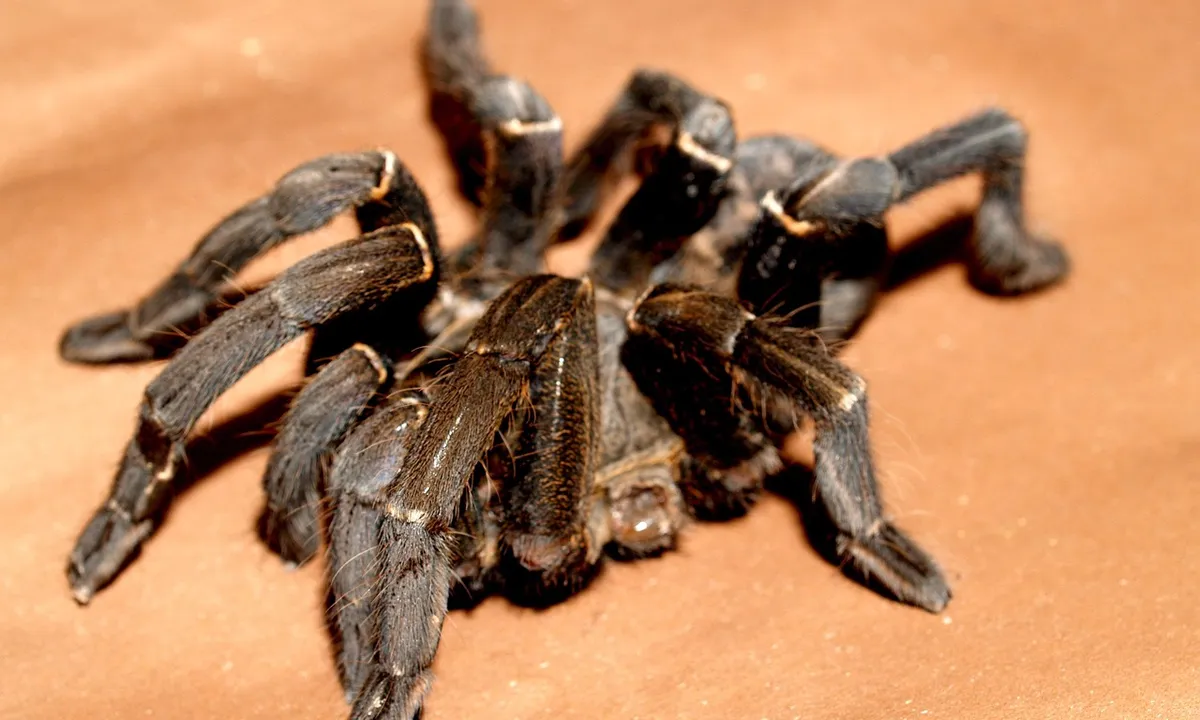
Rushing this process is the most common mistake I see. Patience isn’t just a virtue here; it’s a mandatory part of responsible husbandry that directly impacts your tarantula’s long-term health. You must become a dedicated observer, looking for these specific, unambiguous signals.
Physical Indicators: Color and Hardness
The most reliable signs are visual and tactile. After emerging, a tarantula is incredibly soft, often appearing in vivid, almost transparent colors. My OBT, Flash, looks like a brilliant, wet mango. This softness is a profound vulnerability.
- Exoskeleton Darkening: The new exoskeleton must sclerotize, or harden, which is signaled by a return to its normal, darker coloration. A Grammostola like my Rosie will shift from a soft pinkish-gray back to her namesake dusty rose.
- Fang Coloration is Critical: This is your single best clue. The fangs (chelicerae) start off pale, often white, pink, or light amber. You must wait until they are fully darkened to their normal, inky black or deep red-brown color before even considering offering food. This process alone can take 7-10 days for a juvenile, and even longer for large adults.
- The “Tap Test” (Gentle Observation): Very carefully, you can use a soft paintbrush to gently tap a rear leg. If the tarantula is rock-hard and moves with its typical deliberate speed, it’s progressing well. If it still feels soft or reacts sluggishly, it is not ready. Never handle a post-molt tarantula.
Behavioral Indicators: Activity and Appetite
Behavior tells the final part of the story. A tarantula that is still hardening will often remain in a vulnerable, spread-out posture near its molt site. Ready tarantulas reclaim their space. What do tarantula behaviors mean? Do they signal stress, health, or readiness?
- Web Work and Home Renovation: Species that web will often begin repairing or modifying their web almost immediately after hardening. Seeing Flash actively laying down new silk mats was my green light for his first meal.
- Return to a Defensive Posture: A tarantula that has been sitting placidly for days but suddenly throws a threat pose when you open the enclosure is clearly feeling stronger and more secure.
- The Hunt Stance: The ultimate sign. The tarantula will position itself at the front of its hide or in a high-traffic area, legs poised, body forward. You can sense the focus. This attentive, anticipatory posture is an unmistakable invitation to feed.
The Risks of Feeding a Tarantula Too Soon After Molting
Feeding before the exoskeleton-specifically the fangs and mouthparts-has fully hardened can lead to catastrophic injury. I have seen the consequences in rehomed animals, and it is a preventable tragedy.
A tarantula with soft fangs cannot effectively puncture prey; a struggling cricket or roach can literally kick and damage the tarantula’s tender body, leading to fatal leaks or infections. The fangs are not just feeding tools but are also used in defense and enclosure manipulation. Compromising them undermines the animal’s entire existence.
- Physical Trauma from Prey: Live prey is not passive. A mealworm can bite, a cricket can chew. A soft-bodied tarantula has no defense against this. I once had to humanely euthanize a juvenile because a cricket caused a fatal injury during an ill-timed feeding attempt by its previous owner.
- Internal Stress and Failed Strikes: Even if the prey is quickly subdued, the act of striking and envenomating requires immense hydraulic pressure. Attempting this with unhardened internal structures can cause internal damage.
- Abandoned and Rotting Prey: If the tarantula shows no interest, you must remove the uneaten prey item within 24 hours. A rotting cricket in a humid enclosure breeds mites and bacteria, stressing the recovering animal. This is why I always recommend a “test run” with a smaller-than-usual prey item first.
The waiting period is not arbitrary. Think of the new exoskeleton like a scab that needs to form and toughen; disturbing that process invites disaster. For a large terrestrial like my Goliath, I wait a minimum of two full weeks, sometimes three, before offering a pre-killed roach. The few extra days of fasting are insignificant compared to the permanence of a deformed fang or a lethal wound. Your vigilance directly shapes their well-being.
Post-Molt Hydration: Should You Offer Water First?
A fresh molt leaves a tarantula physically drained and critically dehydrated. The process of ecdysis consumes immense internal fluids. Always offer a clean, shallow water dish before even considering food. I learned this after my Burgundy Goliath, a thirsty species, ignored a cricket but immediately huddled over his water bowl for a ten-minute drink post-molt.
Their new exoskeleton is soft and their fangs are pale, unusable paper for up to a week or more. Providing hydration is your first and most vital husbandry step after a molt is complete. A gentle mist on the enclosure walls can help for species that drink from droplets, like my OBT Flash, but a dish is non-negotiable for larger tarantulas.
Watch for the telltale dip of the chelicerae into the water. This quiet, deliberate drinking is a sign recovery has begun. I wait until I visually confirm drinking behavior before offering any prey, sometimes for several days after the molt. Rushing this step risks a refused meal that can stress the animal and foul the enclosure.
Choosing the Right Post-Molt Meal
The first meal after a molt must be a deliberate, careful choice. Your tarantula’s new fangs are not yet fully sclerotized, or hardened. Offering prey that is too large or too active can damage these crucial feeding tools and cause immense stress. I treat this first feed like a test of the new equipment. Note that if your tarantula is in pre-molt or another fast, the guide advises delaying feeding. Waiting through these periods reduces stress and protects the molt process.
Recommended Prey Types and Sizes
Select prey that is slow-moving and proportionally tiny. The ideal meal is roughly half the size of the tarantula’s carapace, or even smaller for cautious keepers. Small, gut-loaded prey provides essential nutrition without a wrestling match. Pairing the right prey with a steady feeding schedule is essential for a healthy tarantula. The best diet isn’t just what you feed, but when and how often you feed it. Here are my proven choices based on years of breeding:
- Pre-Killed or Crushed Prey: For the very first feed, I often pre-kill a small cricket or crush a mealworm’s head. This eliminates any risk of injury to your tarantula. My old Chilean Rose Hair, Rosie, appreciated this for days after her molts.
- Pinhead Crickets: These are perfect for slings and smaller juveniles. Their movement stimulates feeding but their size is harmless.
- Small Mealworm Segments: For larger juveniles and adults, a freshly cut segment of a mealworm (offered with tweezers) is a soft, manageable option.
- Dubia Nymphs: Smaller nymphs are less frantic than crickets and are highly nutritious. They are my go-to for my T. stirmi, Goliath, after his massive molts.
Avoid large crickets, superworms, or anything that can fight back. The rule is simple: if the prey item looks intimidating to you, it is definitely wrong for your freshly molted tarantula. This helps prevent common tarantula health problems like digestion issues or injury from oversized prey. Keeping prey appropriately sized supports overall health.
Resuming a Normal Feeding Schedule
Do not jump back to weekly feeds immediately. Start with one appropriately-sized, easy meal. After a successful first feed, wait a full week before offering food again. This allows for complete hardening and gives the digestive system time to fully restart.
Monitor feeding response closely. A lightning-fast strike means confidence is back. A hesitant approach means stick with smaller, pre-killed options for another meal. I gradually increase prey size over the next 2-3 feeds until the tarantula is confidently taking normal-sized meals.
For my fast OBT, Flash, his normal schedule resumed within two weeks. For slower species like my G. rosea, it could take a month. Let your tarantula’s behavior, not a calendar, dictate the pace of returning to a normal schedule. This patient, observant approach minimizes risk and supports a strong, healthy recovery.
Special Considerations: Age, Species, and Individual Variation
The general rule of 7-14 days is a superb starting point, but it’s a map, not the territory. True expertise in arachnoculture lies in adjusting your care to the spider in front of you. Age, species, and the unique personality of your tarantula are the three pillars that will determine your exact post-molt feeding schedule.
How Age Affects Molt Recovery and Appetite
Think of a tarantula’s life in two distinct metabolic phases: the explosive growth of youth and the measured pace of adulthood.
Spiderlings and juveniles are molt machines. Their primary purpose is to grow, and they do it rapidly. A sling’s exoskeleton hardens with astonishing speed. I’ve had tiny Grammostola slings take a pre-killed pinhead cricket just 4 days after molting, their new armor ready for action in a fraction of the time their parents require. For slings under 2 inches, you can often offer a small, pre-killed meal 5-7 days post-molt, as their relentless growth cycle demands frequent fuel.
Adults, especially mature females, operate on a different clock. My old girl Rosie, a 15-year-old G. rosea, once fasted for 14 months, molted, and then showed zero interest in food for another 8 weeks. This is normal. Their growth has nearly ceased, and their metabolism is slow. An adult tarantula, particularly a female, can take 2-3 weeks or longer to regain interest in food, and attempting to feed too early is a common source of keeper stress. Patience isn’t just a virtue here; it’s a requirement.
Species-Specific Feeding Responses After a Molt
Natural history dictates appetite. A tarantula from a barren desert and one from a steaming rainforest have evolved different biological rhythms.
- Arid & Desert Species (e.g., Grammostola, Aphonopelma): These are the marathoners. They recover slowly and are champions of fasting. Don’t be alarmed if your Chilean Rose Hair takes 3+ weeks to accept a meal after a molt. Their entire physiology is built for scarcity. Pushing food is unnecessary and will only stress them.
- Humid/Tropical & Fast-Growing Species (e.g., Theraphosa, Psalmopoeus): These spiders are on a faster track. My T. stirmi, Goliath, in his constant humid environment, is typically ravenous 10-12 days after a molt. Their high metabolism and growth rate demand quicker refueling. Observe closely, but expect a swifter return to feeding compared to their arid cousins.
- Old World & Defensive Species (e.g., Pterinochilus, Heteroscodra): Speed is their defense. An OBT like my spider Flash can harden up and be ready to strike with terrifying velocity in under a week. However, their defensive nature means a live feeder introduced too early might trigger a stress response rather than a feeding response. I always use pre-killed prey for the first post-molt meal with my Old Worlds.
Beyond species and age, you must learn your individual spider’s tells. One of my Brachypelma always does a wide, deliberate stretch of its new fangs against the cork bark when it’s ready. Another will sit perfectly centered in its web mat. The single most reliable tool you have is observation; watch for that change in posture and activity that signals the hunter is back online.
FAQs
How long should I wait to feed my tarantula after a molt?
There is no single timeline, as it depends on your tarantula’s size and age. The most reliable rule is to wait until its fangs have fully hardened and darkened to a deep, glossy black. For spiderlings, this can be as soon as 3-7 days, while large adults may require 3-4 weeks of fasting post-molt. In terms of the complete molt timeline—from pre-molt to post-molt recovery—plan for several weeks to a couple of months, depending on size and species. The entire process is spread across multiple stages, not just a single day.
What are the signs that my tarantula is ready to eat post-molt?
The primary physical sign is fully black, hardened fangs. Behaviorally, watch for a return to normal activity like webbing or renovating its burrow. The most definitive signal is a focused “hunt stance” near the enclosure entrance, indicating it is poised and ready to strike.
Is it dangerous to feed a tarantula too soon after molting?
Yes, it is very dangerous. A tarantula with soft fangs cannot effectively subdue prey, and a live insect can injure its delicate new exoskeleton. This can lead to fatal wounds, internal stress from failed strikes, and the risk of rotting, uneaten prey in the enclosure. In the context of keeping tarantulas as pets, a realistic risk assessment focuses on bite potential, handling safety, and enclosure maintenance. With proper care and species selection, many tarantulas pose relatively low danger to humans, though risks remain and should be understood before obtaining one.
How does the size/age of the tarantula affect the post-molt feeding schedule?
Smaller, younger tarantulas molt more frequently and harden much faster, often ready to eat within a week. In a tarantula molt guide, experts emphasize that molt frequency and development depend on species and age. Large, adult tarantulas—especially heavy-bodied females—have a much slower metabolism and require significantly longer, often two weeks to a month, for their larger exoskeleton to fully sclerotize before feeding.
What should I feed my tarantula after it molts?
The first meal should be smaller and less active than usual. Opt for pre-killed prey, small pinhead crickets, or segments of mealworms. The goal is to offer an easy, manageable meal that poses no threat to your tarantula’s still-recovering body and new fangs. This is a core principle in a complete feeding guide for beginners. It helps you feed safely and observe how your tarantula responds as it recovers.
Can I offer water before offering food after a molt?
Absolutely. Providing fresh water is your first priority post-molt, as the process is dehydrating. A clean, shallow dish should always be available. Observing your tarantula drink is a positive sign of recovery and should happen before any food is introduced.
The Final Molt: A Lifetime of Observation
The single most reliable rule after any molt is to ensure constant access to hydration. Provide a clean, shallow water dish at all times; a dehydrated tarantula cannot complete the hardening process and will quickly perish. This is non-negotiable for all species, from arid dwellers like my old Grammostola rosea to moisture-dependent giants like my Theraphosa stirmi.
Beyond the water dish, your true role shifts from active caretaker to patient witness. Watch for the subtle signs of readiness: that first, deliberate movement of a freshly blackened fang, the exploratory tap of a front leg. Enjoy the behaviors that follow. My Psalmopoeus murinus, ‘Flash,’ will spend days weaving intricate tunnels, while ‘Goliath’ will remodel his entire enclosure. The greatest skill you cultivate is not in the feeding tongs, but in your own quiet observation, learning the unique rhythms of an animal that measures its life in molts, not months.
Further Reading & Sources
- When should I feed my freshly molted tarantula? | Arachnoboards
- r/tarantulas on Reddit: Feeding after Molting?
- How Long Should You Wait To Feed Your Tarantula After A Molt?
Arlo is a lifelong arachnid enthusiast who believes tarantulas are the world’s most misunderstood roommates. With years of hands-on experience in tarantula care, habitat setup, and species behavior, Arlo combines expert knowledge with a dash of humor to make spider ownership less scary and a lot more fascinating. From choosing the right enclosure to understanding why your eight-legged buddy is doing that weird little pose again, Arlo is here to help you become the best tarantula parent you can be, without getting tangled in the web of misinformation.
Feeding Frequency