
Are There Tarantulas in Asia? Japan, Thailand, and Philippines Species
Asia is not merely a footnote in the tarantula world; it is a dramatic theater of evolution where these spiders have perfected the arts of arboreal life, powerful venom, and breathtaking speed. From the silent, moss-draped forests of Japan to the humid, steaming jungles of Thailand and the Philippines, a stunning array of Theraphosidae have carved out their niches, often far removed from the burrowing, hair-flicking stereotypes of the New World. This guide will illuminate these remarkable creatures and the specific care they demand.
- Origin: Across Asia, including Japan, Thailand, Philippines, Sri Lanka, India, and Malaysia.
- Type: Exclusively Old World.
- Growth Rate: Highly variable by genus, ranging from moderate (e.g., some Cyriopagopus) to exceptionally fast (e.g., Phormingochilus).
This guide provides the exact husbandry roadmap to navigate the unique challenges and profound rewards of keeping these dynamic Asian arachnids, from fragile sling to formidable adult.
Debunking the Myth: The Truth About Tarantulas in Asia
Many believe tarantulas only roam the Americas or Africa. Asia’s arachnid reality is rich and nuanced. The continent hosts diverse species from the hefty earth tigers of Thailand to the cryptic burrowers of the Philippines. Tarantulas absolutely exist across Asia, occupying niches from rainforest floors to mountainous scrubland. Their biology and behavior often differ from New World relatives, favoring speed and potent venom over urticating hairs.
I recall my first encounter with an Asian genus, a lightning-fast Lampropelma from Borneo. Its iridescent sheen and silent, deliberate movements were a stark contrast to my docile Rosie. Respecting these differences is key to ethical keeping, always prioritizing observation over interaction.
Japan’s Hidden Mygalomorphs: The Island’s Tarantula Reality
Japan’s tarantula fauna is sparse but fascinating. The islands are home to a limited number of mygalomorph spiders, the order containing true tarantulas. This limited diversity makes every native species a significant part of the local ecosystem. They are not the large, hairy spiders of pop culture but are equally compelling for their adapted lifestyles.
The Sole Native: Understanding Chilobrachys in Japan
The primary genus is Chilobrachys, with Chilobrachys huahini being a noted species. These are fossorial tarantulas, meaning they are dedicated burrowers. They construct extensive silk-lined tunnels in forest soils, emerging only to hunt under cover of darkness. Their coloration is typically a subdued brown or gray, perfect for remaining unseen.
Their care mimics that of my defensive OBT, Flash. They require deep, moist substrate-I use a 10-inch mix of coconut fiber and peat for similar species. Humidity must stay near 80%, with a cool temperature gradient of 70-75°F (21-24°C). From my experience, a secure lid is non-negotiable; their speed rivals Old World arboreals during a rehousing.
- Genus: Chilobrachys (Old World Tarantula).
- Native Habitat: Forested areas, often in Okinawa and surrounding islands.
- Behavior: Fossorial, reclusive, and defensively potent.
- Husbandry Key: Deep, damp substrate, minimal disturbance, and no handling.
Why You Won’t Find a Japanese Tarantula in Your Local Shop
Several factors make these tarantulas rare in the global pet trade. Japan has strict wildlife protection laws that limit collection and export of native species. Their specific ecological needs and limited range make wild populations vulnerable, discouraging commercial harvesting. Legal and ethical considerations surrounding wildlife trade further reinforce protections by evaluating welfare and conservation impact. This ongoing scrutiny helps prevent overexploitation of wild populations.
Furthermore, their defensive nature and medically significant venom place them firmly in the “look, don’t touch” category. Most reputable breeders focus on more sustainable, captive-bred species from other regions. You are far more likely to find a Thai Cyriopagopus or a Philippine Phormingochilus than a true Japanese Chilobrachys.
- Legal Restrictions: Export controls protect native biodiversity.
- Conservation Status: Limited distribution increases extinction risk.
- Husbandry Challenge: Their need for high, stable humidity and deep substrate deters casual keepers.
- Market Demand: Keepers often seek more colorful or readily bred species.
I have never seen a verified Japanese Chilobrachys for sale in my two decades of breeding. This rarity underscores the importance of appreciating tarantulas in their natural habitats, not just as commodities.
Thailand’s Tarantula Treasures: From Jungles to Enclosures
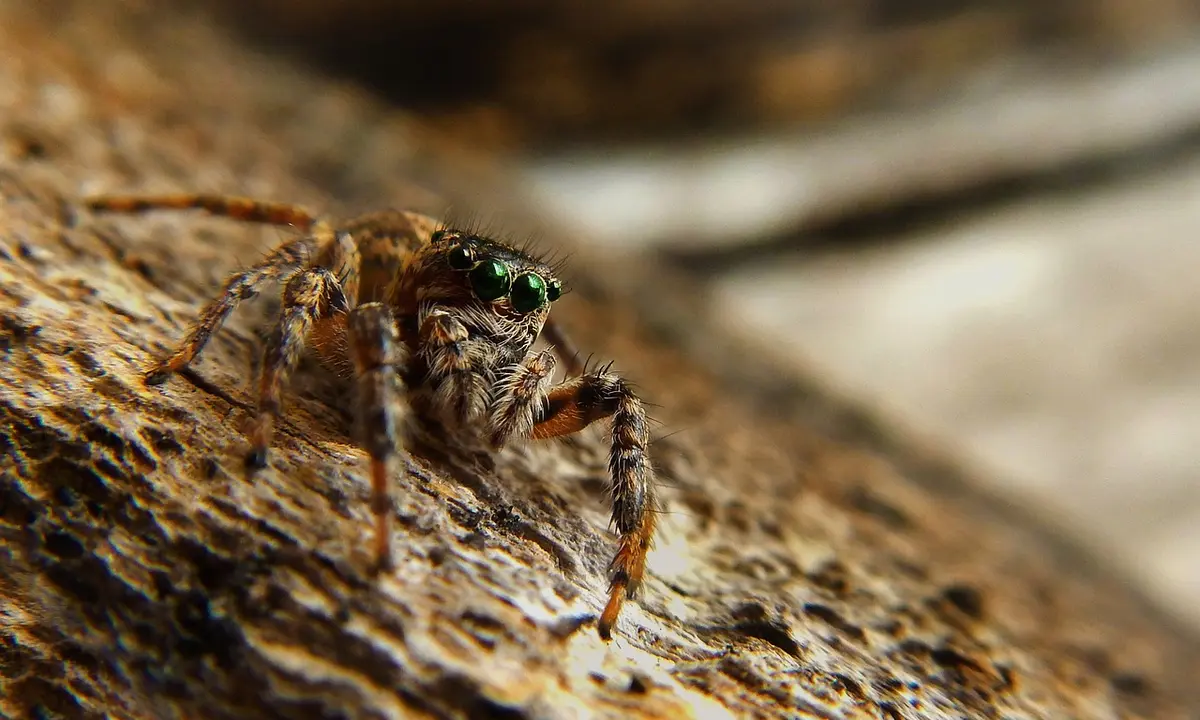
Popular Thai Species for the Enthusiast
Thailand’s forests hide tarantulas of legendary color and attitude. The Cobalt Blue, Cyriopagopus lividus, is a burrowing phantom with an carapace that glows like polished lapis in low light. The Asian Fawn, Chilobrachys huahini, sports a more muted but no less impressive palette of russet and olive.
Keeping these animals successfully means building a slice of their humid, shadowed world inside your enclosure.
Based on my breeding notes, here are three standout Thai species and their core needs:
- Cyriopagopus lividus (Cobalt Blue): Requires 6+ inches of damp peat or coconut fiber for deep, secure burrows. Humidity: 75-85%. Temperature: 75-80°F.
- Chilobrachys huahini (Asian Fawn): A fast, defensive terrestrial. Offer cork bark hides and a water dish. Humidity: 70-80%. Temperature: 76-78°F.
- Omothymus schioedtei (Malaysian Earthtiger): An arboreal powerhouse. Needs a tall tank with vertical cork slabs. Humidity: 75-85%. Temperature: 75-82°F.
My OBT, Flash, from Africa, shares the same lightning speed as many Thai terrestrials. This taught me to always move slowly during maintenance to avoid triggering a bolt.
The Stunning Yet Defensive Nature of Asian Arboreals
Asian arboreals like Omothymus are living art. Their long legs tap silently across cork bark, and their strike is a blur of motion. Their venom is medically significant, designed to incapacitate prey quickly.
Admiring their intricate webbing and graceful poses from outside the glass is the pinnacle of responsible ownership.
These tarantulas feel secure in dense, layered environments. I use magnetic ledges and artificial vines to create a three-dimensional jungle gym. Proper anchor points are essential for arboreal tarantula webbing, providing secure sites for attachment and exploration. By reinforcing these anchors as part of the habitat, I encourage stable, expansive silk networks that suit their arboreal lifestyle. This encourages natural webbing and reduces stress-induced hiding.
For a healthy Asian arboreal, follow these steps:
- Select an enclosure three times the tarantula’s legspan in height.
- Anchor several cork bark pieces vertically to serve as climbing and webbing frames.
- Maintain humidity with a large water dish and light, weekly misting on one side only.
- Provide gentle cross-ventilation to prevent stagnant air, crucial for preventing mold.
- Feed appropriately sized crickets or roaches every 7-10 days, dropping prey near their web.
I once underestimated the rehousing speed of a Chilobrachys. The sudden leap from the catch cup and the ensuing quiet hunt under my desk was a powerful lesson in preparedness and respect.
The Philippines: An Archipelago of Tarantula Giants
Meeting the _Phormingochilus_: Asia’s Answer to “Pokies”
The Phormingochilus genus, like P. arboricola, carries the same arresting beauty and potent venom as the Indian Poecilotheria. Their leg patterns are geometric masterpieces, and their stance is perpetually alert.
Watching a Phormingochilus emerge at dusk, its form a shadow against the silken tapestry of its lair, is a privilege earned through meticulous care.
They are obligate arboreals. In my enclosures, I pack the upper third with cork tubes and flat bark. This gives them ample choice for building their silken retreats. Temperatures should be stable at 78-82°F with humidity spikes to 80% after misting.
- Speed is their first defense; they rarely kick urticating hairs.
- Their venom is considered medically significant, warranting extreme caution.
- They are cryptic feeders, often dragging prey into their web tubes to eat in private.
Caring for a Philippine Giant: Husbandry for Large Asian Terrestrials
While the Philippines boasts arboreal wonders, it is also home to formidable terrestrial giants like those in the Theraphosidae family. These are powerful burrowers that can reach impressive leg spans.
A deep, damp substrate is the cornerstone of their husbandry, mimicking the moisture-retentive soil of forest floors.
My experience with Goliath, my Burgundy Bird Eater, translates well. Large terrestrials need space to dig and a consistent humidity cycle. Aim for an enclosure with a footprint of at least 24″ x 18″ for an adult, with substrate depth of 8-10 inches.
Build their habitat using this checklist:
- Mix 60% coconut fiber with 40% sterilized topsoil and sphagnum moss for a holdable, burrow-friendly base.
- Provide a massive, low-profile hide, like a halved ceramic pot, sunk into the substrate.
- Keep the lower substrate layers moist but not waterlogged, allowing the surface to dry slightly between waterings.
- Use an overhead heat lamp or side-mounted heat panel to create a gentle gradient of 78-82°F.
- Offer large, gut-loaded prey like giant mealworms or adult dubia roaches every two weeks.
I maintain a bioactive cleanup crew of dwarf white isopods in all my terrestrial tanks. They work tirelessly to break down boluses and mold, creating a healthier and more stable environment for these long-lived giants.
Conservation and Collection: The Ethics of Asian Tarantulas
The story of Asian tarantulas is not just one of beauty, but of fragility. Many species inhabit shrinking, specific ecosystems. The iridescent sheen of a Lampropelma hides a sobering reality: their survival is threatened by habitat loss and unsustainable collection for the pet trade. Seeing a wild Cyriopagopus bulldoze its burrow is a privilege that may not last forever, as tarantulas face endangered status in several regions.
Threats in the Wild
Populations face intense pressure from multiple directions.
- Deforestation: Logging and palm oil plantations erase entire microhabitats overnight.
- Wildlife Trade: Poachers often use destructive methods, removing breeding adults and collapsing burrow systems.
- Climate Shifts: Alterations in monsoon patterns can disrupt prey cycles and microclimates within a tarantula’s territory.
Your Role as a Keeper
Ethical sourcing is your most powerful tool for conservation.
- Demand Captive-Bred (CB): Always purchase spiders bred in captivity. This creates zero wild collection pressure.
- Ask for Provenance: Reputable sellers can provide the history of their breeding stock. I will only work with spiders whose lineage I can trace.
- Support Breeders: By buying CB, you fund hobbyists who are creating sustainable populations, like the now-common Cyriopagopus lividus (Cobalt Blue).
- Report Suspicious Activity: If you see wild-caught adults being sold, question it. True conservation values the animal in its home.
Are Asian Tarantulas Suitable Pets? A Reality Check
The allure of a metallic blue Chilobrachys is powerful, but these are not beginner spiders. Keeping an Asian tarantula is less like owning a pet and more like being the curator of a live, temperamental art installation. My OBT, Flash, taught me more about respect and observation in six months than my docile Rosie did in years.
Key Considerations Before You Buy
Be brutally honest with your expectations and skill level.
- Temperament: Most Asian arboreals and fossorials are fast, defensive, and possess medically significant venom. A bite is a serious medical event.
- Visibility: Many are pet holes or hidden behind thick webbing. You may go weeks without a clear sighting.
- Husbandry Precision: They require specific humidity (often 75-85%), cross-ventilation to prevent mold, and secure, escape-proof enclosures.
- The “Look, Don’t Touch” Mandate: This is non-negotiable. Handling is stressful for them and dangerous for you.
Who Should Consider an Asian Tarantula?
This niche is for a specific keeper profile.
- You have experience with faster New World species.
- You value observation over interaction.
- You are meticulous about enclosure parameters and safety protocols.
- You find joy in the engineering of a web fortress and the brief, dazzling glimpse of its architect.
Starting with a captive-bred sling from a responsible breeder is the only ethical and practical entry point. Watching them grow allows you to learn their language-the tension of a threat posture, the quiet rustle of nocturnal remodeling-before they reach their formidable adult size. It is a profound, humbling journey.
Asian Tarantula Care Fundamentals: Beyond the Basics
Caring for Asian tarantulas means moving past generic advice and tuning into the specific rhythms of their native habitats. Your success hinges on replicating the subtle environmental cues that tell these animals they are safe and in prime condition. I have learned this through years of trial, error, and careful observation of my own collection, from my moisture-loving Goliath to my reclusive Rosie. Lifespan and health are shaped by factors such as species-specific needs, humidity, and temperature. Aligning care with the tarantula’s native environment helps maximize longevity.
Recreating the Monsoon: Humidity and Hydration
Many Asian species, like those from Thailand’s rainforests or the Philippines, thrive in air that feels thick and moist. Target humidity between 70% and 85% for most tropical Asian arboreals and terrestrials, but always prioritize ventilation to prevent stagnant air. The goal is a gentle, consistent dampness, not a soaked, mold-prone swamp.
I maintain this for my T. stirmi using a layered approach. You can do the same.
- Use a deep, moisture-retentive substrate like coconut fiber or peat moss mixed with vermiculite.
- Pour water directly into the substrate corners to create a humidity reservoir, rather than just misting the surface.
- Provide a large, clean water dish for drinking and ambient evaporation.
- Use a digital hygrometer placed at the tarantula’s level for accurate reads, not the lid.
Watch for condensation on the glass; a little is fine, but constant heavy beading means you need more cross-ventilation. Remember, hydration comes from both the environment and a water dish-never assume misting alone is enough.
Enclosure Setup: Security and Stress Reduction
A stressed tarantula is a hidden, fasting, or defensive tarantula. Security is not a luxury; it is the foundation of all care. Your primary job is to build an enclosure where your tarantula feels completely invisible if it chooses to be. This philosophy has guided every rehousing I’ve done, especially with fast, defensive species like my OBT, Flash. Knowing how to recognize stress is critical when working with any tarantula, but particularly with those that are fast and defensive.
Follow these steps for a calm, secure Asian tarantula.
- Choose the Right Size: For terrestrials, length and width should be at least 3 times the spider’s leg span. Height is critical for arboreals-they need vertical space to climb.
- Provide Deep Substrate: Many Asian terrestrials are avid diggers. Offer a depth of at least 6-8 inches for adults to construct burrows.
- Include Multiple Hides: Use cork bark flats, half-logs, or curved coconut shells. Anchor them securely so they cannot collapse.
- Minimize Disturbance: Place the enclosure in a low-traffic area. Use front-opening cages when possible to avoid startling from above.
This “Look, Don’t Touch” approach respects the animal’s nature and drastically reduces the risk of a bite or a stressful escape attempt. I learned this the hard way years ago with an agile Cyriopagopus species that found a gap I missed-a silent, heart-stopping lesson in meticulous closure checks.
The Molt in High Humidity: What to Watch For
Molting in a humid environment is a delicate, high-stakes process. The moisture aids in the soft new exoskeleton expanding properly, but it also raises the risk of fungal issues. You must recognize the pre-molt signs and then become a guardian of stillness. My old Chilean Rose, Rosie, once fasted for nine months before a molt, teaching me patience.
Watch for these behaviors in the weeks leading up to ecdysis.
- A significant loss of appetite or complete fasting.
- A dark, shiny, and often enlarged abdomen.
- Increased webbing or sealing of the burrow entrance for terrestrials.
- Unusual lethargy and a refusal to move when gently prompted.
When you see these signs, take immediate action to support the molt.
- Stop all feeding attempts. Live prey can injure a vulnerable tarantula.
- Ensure the water dish is full and clean, providing a hydration source.
- Do not adjust the humidity drastically; maintain the consistent level you’ve established.
- Resist the urge to check on the spider. Any disturbance can cause a fatal fall or a mismolt.
The molt itself is a silent, vulnerable hours-long struggle where your only role is to ensure absolute peace and stability. Afterward, leave the tarantula completely alone for at least a full week, until its fangs have hardened and it resumes a normal posture. When the molt has fully hardened and the tarantula shows appetite, you can begin offering a small prey item. Start with one snack-sized prey and watch for a healthy feeding response. For guidance on when to feed after molting, consider reviewing reliable resources.
Common Questions
Are tarantulas found in Assam, India?
Yes, tarantulas are indeed found in the Assam region of India. They are part of the broader Old World tarantula fauna of Asia. Species from genera like Chilobrachys and Cyriopagopus inhabit forested areas here. Their care in captivity mirrors that of other defensive, fast-moving Asian terrestrials, requiring deep substrate and minimal disturbance. For this reason, many hobbyists turn to a tarantula species identification care guide to verify their exact species. Such guides highlight distinguishing markings and species-specific care nuances for genera like Chilobrachys and Cyriopagopus.
How do Asian tarantulas differ from New World species as pets?
Asian tarantulas are exclusively Old World, meaning they lack urticating hairs for defense. Instead, they rely on speed and possess medically significant venom. They do not defend themselves with hairs at all; when threatened, their defense centers on speed and venom. They are generally more defensive and reclusive than many New World pets. Successful keeping requires a focus on secure enclosures and observation, not interaction.
Can you handle Asian tarantulas?
Handling Asian tarantulas is strongly discouraged and considered an unnecessary risk. Their potent venom and lightning-fast reflexes make a bite a serious medical event. The recommended practice is a strict “look, don’t touch” approach. For beginners, this safe stance is especially important: avoid handling altogether and focus on observation from outside the enclosure. If you’re new to tarantulas, prioritize learning their care and behavior from the enclosure rather than trying to handle them. Responsible ownership is about appreciating their beauty and behaviors from outside the enclosure.
What is the biggest challenge in keeping Asian species?
The biggest challenge is balancing the high humidity requirements with adequate ventilation. Stagnant, overly moist air can quickly lead to mold and respiratory issues. Precise environmental control and escape-proof enclosures are non-negotiable. This demands meticulous attention to detail and proper equipment from the keeper.
The Final Molt
For the arboreal tarantulas of Southeast Asia, like those from Thailand and the Philippines, the single most important factor in captive longevity is managing moisture. These spiders are not just tolerant of humidity—they are dependent on it, requiring consistently high ambient levels and a perpetually damp substrate to build their silken funnels and avoid fatal dehydration. An enclosure that dries out is a death sentence. To help you prevent such outcomes, this guide outlines the five biggest humidity and ventilation mistakes tarantula care enthusiasts often make. Knowing these can help you maintain the delicate balance of moisture and air in their enclosures.
Your reward for providing this humid microclimate is a front-row seat to phenomenal natural architecture. Watch your spider meticulously line its retreat with silk, creating a velvet darkness from which it will ambush prey with shocking speed. Success here is measured in years of quiet observation, not interaction. The most skilled keepers learn patience, understanding that a hidden tarantula is often a content one, simply waiting in the stillness for its next meal.
Further Reading & Sources
- r/ThailandTourism on Reddit: spiders in thailand
- Cyriopagopus albostriatus – Wikipedia
- Category:Spiders of Japan – Wikimedia Commons
Arlo is a lifelong arachnid enthusiast who believes tarantulas are the world’s most misunderstood roommates. With years of hands-on experience in tarantula care, habitat setup, and species behavior, Arlo combines expert knowledge with a dash of humor to make spider ownership less scary and a lot more fascinating. From choosing the right enclosure to understanding why your eight-legged buddy is doing that weird little pose again, Arlo is here to help you become the best tarantula parent you can be, without getting tangled in the web of misinformation.
Popular Species