
Can Tap Water Be Used for Pet Tarantulas, or is Filtered Water Necessary?
Published on: February 25, 2026 | Last Updated: February 25, 2026
Written By: Arlo
Within the silent, substrate-scented world of a tarantula enclosure, the water dish is a deceptively simple fixture that belies a complex husbandry question. Drawing from my years keeping everything from pet-rock Grammostola rosea to humidity-sensitive Theraphosa stirmi, I will provide a definitive, practice-tested answer. While municipal tap water is often safe after dechlorination, opting for filtered or reverse osmosis water is a universally safe practice that protects sensitive species from chemical buildup.
Quick Stats:
- Origin: Ranges globally from arid scrublands (e.g., Chilean rose hair) to perpetually damp rainforest floors (e.g., Burgundy Goliath).
- Type: New World (often utilize urticating hairs) and Old World (typically possess more potent venom and speed, like the OBT).
- Growth Rate: Varies by species; consistent, clean hydration is non-negotiable for supporting the intense physiological demands of ecdysis (molting).
This guide will equip you with the precise knowledge to select and administer water that safeguards your tarantula’s health through every life stage, from fragile sling to formidable adult.
The Core Question: Can You Use Tap Water?
After fifteen years with Rosie on my shelf, I have watered every tarantula from my kitchen sink at some point. The short answer is no, I do not recommend using untreated tap water for your tarantulas. While a hardy species like my G. rosea might tolerate it for a time, the cumulative risks from chemicals and metals are a silent stress you can easily avoid. Your municipal water is safe for you, not engineered for an invertebrate with a profoundly different physiology. Water is vital for tarantulas, just like it is for any pet.
I learned this the hard way years ago with an Avicularia species that became lethargic and refused food. Only after switching to filtered water in its mister and dish did its activity and appetite return, convincing me that water quality is a cornerstone of invisible husbandry. For the well-being of your animal, the convenience of tap water is never worth the potential long-term cost.
What’s in Your Tap Water? Understanding the Risks
Tap water is a cocktail of treated water and local geology. Two main categories of concern for tarantula keepers are added disinfectants and natural or pipe-leached minerals. Your specific water report, available from your supplier, holds the exact answers, but these are the universal culprits.
Chlorine and Chloramine: The Primary Threats
These chemicals are added to kill bacteria in our water systems. Chlorine can gas off if water sits for 24-48 hours, but chloramine-a mix of chlorine and ammonia-is now far more common and does not evaporate. Both can damage the delicate book lungs and internal tissues of a tarantula, which absorbs moisture directly from its environment and water dish.
I mist my T. stirmi’s enclosure almost daily to maintain its 80% humidity. Using chloraminated water would mean its humid air and water beads are laced with irritants. For species that drink from droplet-laced webs, like my P. murinus, or that sit for hours by their dish, this constant low-level exposure is a significant welfare issue.
- Chlorine: Volatile. May dissipate if water is aerated for 1-2 days.
- Chloramine: Stable. Will not evaporate. Requires a water conditioner designed to neutralize it.
- Observed Effect: Subtle stress, reduced hydration, potential failure to thrive during molts.
Water Hardness: Minerals and Metals
Hard water is high in dissolved calcium and magnesium. While not immediately toxic, these minerals leave crusty white deposits on enclosures and, more importantly, can potentially disrupt a tarantula’s delicate hydration and ionic balance. Old plumbing can also leach copper or lead into your water, metals that are highly toxic even in trace amounts to invertebrates.
Think of the pristine silence of a tarantula’s enclosure. Now imagine its drinking water carries microscopic mineral shards or metallic ions. During ecdysis, when the new exoskeleton is soft and internal fluids are shifting, introducing these elements is an unnecessary gamble with your pet’s most vulnerable process.
For my moisture-dependent Goliath, I use reverse osmosis water mixed with a mineral supplement for stability. This guarantees no unknown contaminants are present in the high-volume moisture its environment requires. For dry species like Rosie, the water dish is the primary source.
- Test Your Water: A cheap hardness test strip gives instant data.
- Visible Clues: White scale on kettle or glass dishes signals hard water.
- Safe Solutions: Use bottled spring water, a carbon filter pitcher, or reverse osmosis system.
Practical Steps for Making Tap Water Safe
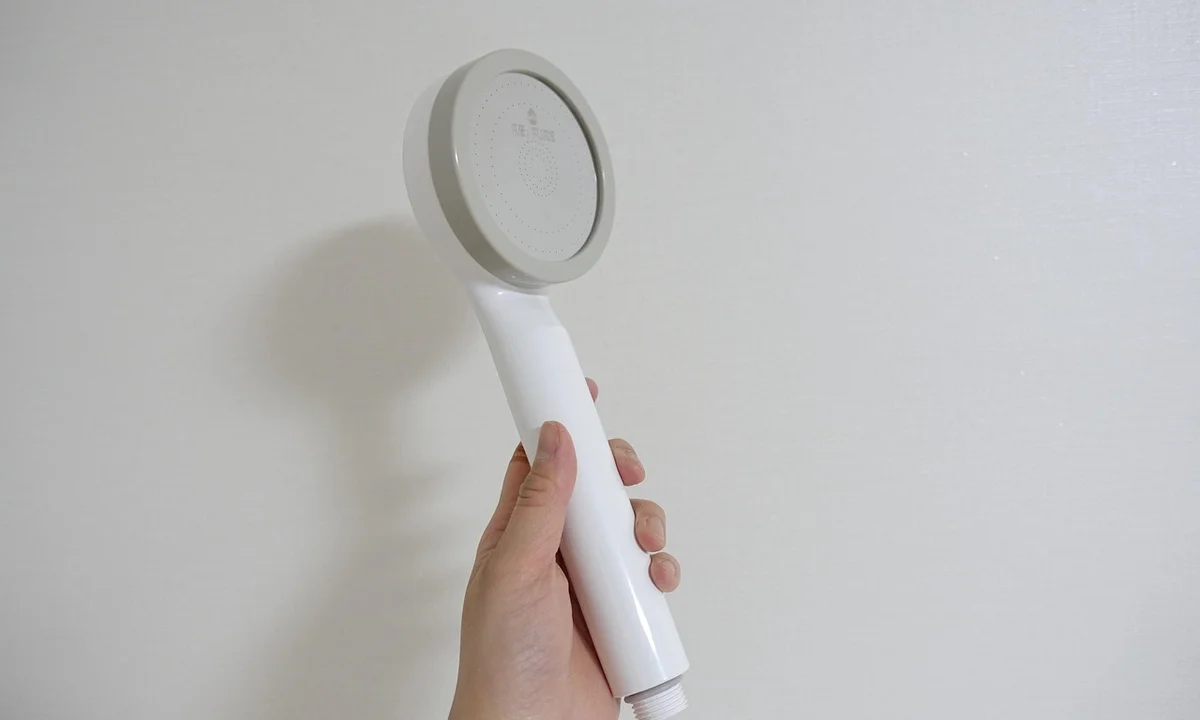
If your tap water is treated, you must neutralize its additives before offering it to your tarantula. The process is simple, but the choice of method depends on what’s in your water.
Using a Water Conditioner (Dechlorinator)
This is my unequivocal recommendation for reliability and speed. A quality aquarium water conditioner instantly neutralizes both chlorine and chloramine, rendering the water safe. I keep a small bottle of Seachem Prime next to my tarantula enclosures; a single drop treats a liter of water, making it a lifelong supply for a keeper. The process is foolproof: fill your water dish straight from the tap, add the appropriate drop, and give it a gentle stir. It’s ready immediately. I’ve used this method for years with all my tarantulas, from moisture-sensitive Grammostola rosea like Rosie to my humidity-loving Theraphosa stirmi, Goliath, with zero issues. That said, humidity balance and proper airflow matter just as much as water treatment. In the context of the 5 biggest humidity ventilation mistakes in tarantula care, avoiding these errors helps maintain stable humidity without mold or respiratory problems.
The “Let it Sit” Method: Does it Work?
This common advice has a critical limitation. Letting water sit for 24-48 hours in an open container will allow chlorine to evaporate. However, chloramine, a more stable compound used by many municipalities, does not evaporate and will remain in the water indefinitely. If you know for certain your water utility uses only chlorine, this method can work. But without that certainty, you risk exposing your tarantula to a persistent toxin. Given the low cost and high assurance of a conditioner, I view the “let it sit” method as an unnecessary gamble. For deep cleaning a tarantula tank, always use treated water and dechlorinators before refilling. This simple step helps protect the spider during routine scrubbing and setup.
Alternative Water Sources: Pros and Cons
Beyond tap water, other options exist. Each has trade-offs in convenience, cost, and mineral content that impact long-term care.
Bottled Spring Water
Spring water is a convenient, consistent option. It typically contains a natural mineral profile, which is generally safe. The primary concern is the unknown mineral composition; very hard water could potentially leave behind scale, but this is rarely a health issue for the tarantula itself. The larger drawback is cost and plastic waste, especially if you maintain many enclosures. I occasionally use it for my most sensitive specimens during critical periods, like pre-molt. However, it’s important to watch for signs of overhydration and excess moisture in the enclosure. Look for a consistently damp substrate, mold, or persistent condensation, which indicate the enclosure may need drier conditions and better ventilation.
Distilled or Reverse Osmosis (RO) Water
These are purified waters, stripped of all minerals and contaminants. They are safe from chlorine and chloramine. Using pure distilled or RO water long-term is like drinking only purified water yourself—it lacks beneficial electrolytes, which may be a minor concern for the animal’s hydration on a cellular level, especially if you don’t monitor your tarantula’s hydration. Some keepers prefer to use these waters and then remineralize them lightly for their bioactive clean-up crews. For the average tarantula, it’s a safe but perhaps overly meticulous choice.
Collected Rainwater
Rainwater is soft, naturally pure, and free of municipal chemicals. In principle, it’s ideal. In practice, collecting safe rainwater requires meticulous planning to avoid contamination from roofing materials, gutters, or atmospheric pollution. I once tried this method, collecting water in a sterilized glass bowl placed in an open field. While my tarantulas drank it, the variability and collection effort made it unsustainable compared to the simplicity of conditioned tap water. If you attempt this, filtration through a clean cloth and immediate use are mandatory.
Hydration Beyond the Dish: Humidity and Substrate
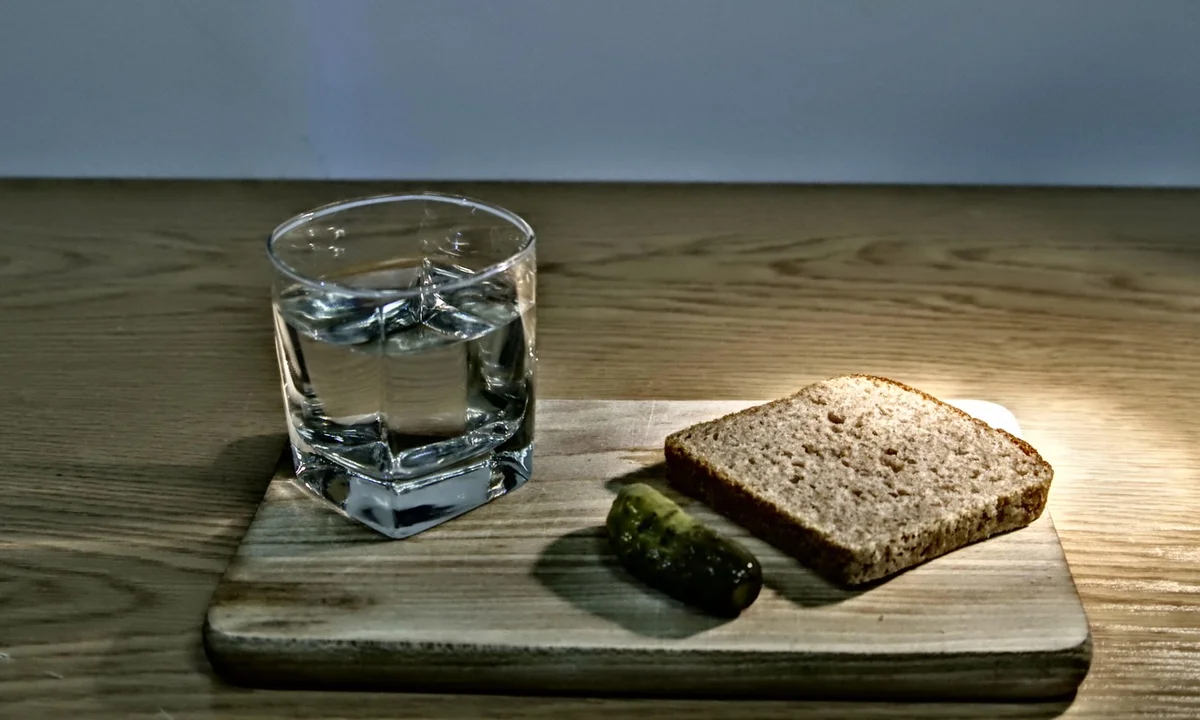
The water dish is the anchor of your tarantula’s hydration, but its influence radiates throughout the entire enclosure. The evaporation from a full dish provides a localized, gentle humidity boost that is far more stable and less stressful than frequent spraying. This microclimate is especially valuable for species that prefer drier conditions, as it gives them a choice. You should always consider their specific species adaptation.
The Role of Your Water Dish
Think of the dish as a utility hub. Yes, it holds drinking water. It also passively regulates air moisture. Crucially, I’ve watched my tarantulas, like my old Chilean Rose Hair Rosie, use it to soften the substrate around their burrow entrances or even drip water onto their own silk. A heavy, shallow ceramic dish prevents tipping and drowning, and its wide surface area maximizes that slow, natural evaporation we want. Refill it with fresh water as soon as you see it’s empty or soiled.
Why Misting is Not a Water Source
Misting the glass or webbing creates droplets. Some tarantulas may drink these, but it is an unreliable primary water source. The droplets vanish quickly. For the animal, a sudden spray can be startling, mimicking predator disturbance or heavy rain that could flood a burrow. I use a mister almost exclusively for one purpose: to dampen one corner of the substrate for my moisture-dependent species, simulating a deep, retained water table. For my OBT Flash, whose arid enclosure I rarely mist, the full water dish is his only direct source.
Species-Specific Considerations for Water Safety
Tarantula hydration is not one-size-fits-all. Their natural history dictates their needs. A mistake I see often is keeping a desert species on soggy ground, which can lead to fatal fungal infections, or letting a rainforest tarantula’s substrate turn to dust. Do all tarantula species have the same hydration needs? Not at all—hydration needs are species-specific.
Moisture-Loving Species (e.g., Theraphosa, Chromatopelma)
My Burgundy Goliath Bird Eater, T. stirmi, is a perfect example. Her native environment is humid, with moist soil. For her, water quality and substrate retention are paramount.
- Humidity Range: 75-85%. Achieved by keeping the lower layers of her deep substrate consistently damp (not waterlogged).
- Substrate Strategy: I use a moisture-retentive mix of coco fiber, peat, and vermiculite. I pour water directly into one corner until the bottom is saturated, leaving the top layer dry.
- Water Safety Priority: High. These species often have more contact with damp substrate and may drink more frequently, so using filtered or treated water minimizes their exposure to any potential contaminants over a lifetime. A large, always-full water dish is non-negotiable.
Arid and Opportunistic Drinkers (e.g., Grammostola, Brachypelma)
My G. rosea Rosie, from the arid scrublands of Chile, exemplifies this category. She may not drink from her dish for weeks, but it must always be available.
- Humidity Range: 40-50%. Their enclosure should feel dry to the touch, with all moisture centralized to the water dish’s evaporation.
- Substrate Strategy: Dry coco fiber or topsoil. I never moisten her entire enclosure. The only dampness might be a tiny area after I refill her dish and a drop spills.
- Water Safety Priority: Moderate. While they are less exposed to constant moisture, the water in their dish still evaporates into the air they breathe and is there for critical hydration during pre-molt or hot days. If your tap water is safe for other pets, it is likely fine here, but aged or treated water removes any doubt.
Common Questions
Can I just use bottled water instead of tap water?
Yes, bottled spring water is a safe and convenient alternative to tap water. It generally lacks harmful chlorine or chloramine. Just be mindful that some spring waters can be high in minerals, which may leave deposits but are rarely a health issue for the tarantula itself.
Do I need to use a water conditioner every time I refill the dish?
Yes, you should treat the water every single time you refill the dish. This ensures any chlorine or chloramine added to your municipal supply is neutralized. Consistency is key to preventing the cumulative, low-level exposure that can stress your tarantula over time. Likewise, avoid common heating and humidity mistakes—overly dry air or uneven heat can negate the benefits of clean water by stressing your tarantula.
Is distilled water a safe choice for my tarantula?
Distilled water is chemically safe as it contains no chlorine, chloramine, or minerals. However, because it is completely pure, some keepers theorize it may lack trace electrolytes. For most tarantulas, it is a perfectly acceptable, though perhaps overly cautious, option.
My tarantula never seems to drink from its dish. Is the water still important?
Absolutely. The water dish serves multiple critical functions beyond direct drinking. It provides a guaranteed water source for critical times like pre-molt, and its evaporation creates a stable micro-humidity that is essential for your pet’s respiratory health.
How does water quality affect a tarantula during its molt?
Molting (ecdysis) is the most vulnerable process in a tarantula’s life. Poor water quality can introduce stressors or toxins while its new exoskeleton is soft and its internal fluids are shifting. Providing clean, treated water helps ensure a successful, complication-free molt. This is part of a complete guide to tarantula molting problems and solutions, offering practical tips for troubleshooting and prevention.
The Final Molt
Your tarantula’s long-term health is built on consistent, thoughtful care. The most critical practice is to always provide a clean, contaminant-free water source, as your tarantula absorbs moisture directly through its substrate and specialized book lungs. Whether you achieve this through water conditioners, filtration, or trusted bottled water, the goal is the same: removing the invisible threats of chlorine, chloramines, and heavy metals that accumulate silently over a spider’s long life. Be mindful that many common household cleaning products can leave residues or fumes that are dangerous in a tarantula tank, so avoid using them. Whenever you clean, use reptile-safe cleaners or plain water, and rinse thoroughly before reintroducing your spider.
Beyond the water dish, success is measured in quiet observation. Watch the intricate webbing of an OBT like Flash, the deep burrow of a moisture-loving Goliath, or the patient stillness of a rose hair like my Rosie. Their world is one of subtlety and patience, where the quality of their water supports the silent, fascinating processes of growth, molting, and simply being. Your most valuable tool isn’t a fancy filter, but your own attentive eye.
Further Reading & Sources
- Tarantula Controversies – Should You Give Tarantulas Water Dishes? | Tom’s Big Spiders
- Drinking Water for Tarantulas? | Arachnoboards
- r/tarantulas on Reddit: Question about Drinking Water
Arlo is a lifelong arachnid enthusiast who believes tarantulas are the world’s most misunderstood roommates. With years of hands-on experience in tarantula care, habitat setup, and species behavior, Arlo combines expert knowledge with a dash of humor to make spider ownership less scary and a lot more fascinating. From choosing the right enclosure to understanding why your eight-legged buddy is doing that weird little pose again, Arlo is here to help you become the best tarantula parent you can be, without getting tangled in the web of misinformation.
Heating and Humidity