
Do All Tarantula Species Have the Same Hydration Needs?
Published on: February 23, 2026 | Last Updated: February 23, 2026
Written By: Arlo
In the specialized world of arachnoculture, assuming uniform hydration needs is the fastest path to ailing tarantulas. I’ve learned this through 15 years of keeping everything from my moisture-averse Chilean Rose Hair to my humidity-loving Burgundy Goliath Bird Eater. The definitive answer is no; a species’ native biome dictates its moisture requirements with absolute precision. This article breaks down the science and art of tarantula hydration, giving you the tools to assess needs by origin, life stage, and behavior.
- Origin Dictates Need: Arid scrubland (e.g., Grammostola) vs. tropical rainforest (e.g., Theraphosa).
- Type Influences Strategy: New World species often burrow to find moisture; Old Worlds may web to create microclimates.
- Growth Rate Changes Demand: Spiderlings (slings) and juveniles require consistently higher humidity for successful molts than adults.
This guide will translate biogeography into practical, species-specific watering routines to support your tarantula through every life stage.
The Short Answer: Hydration Needs Vary by Species
No, tarantula species do not share identical hydration requirements. This variation is a direct reflection of their evolution across wildly different landscapes, from bone-dry deserts to steamy rainforests. Their physiology and daily behaviors are fine-tuned to specific moisture levels. Ignoring this is one of the fastest ways to cause stress or health issues in captivity.
I see this daily with my own collection. My Chilean Rose Hair, Rosie, and my Burgundy Goliath, Goliath, live in completely different worlds when it comes to water.
| Species | Natural Habitat | Humidity Range | Primary Hydration Strategy | Key Personal Observation |
|---|---|---|---|---|
| Grammostola rosea (Rosie) | Arid scrublands of Chile | 40-55% | Conserves internal fluids; gains moisture from prey. | Her water dish often evaporates completely before she shows any interest. Over-moist substrate makes her retreat to the highest, driest corner. |
| Theraphosa stirmi (Goliath) | Humid rainforest floor in South America | 75-85% | Drinks from droplets and moist substrate; requires ambient moisture. | He actively patrols the damp areas of his enclosure, and I’ve seen him drink from condensation on the glass. Dry conditions make him lethargic. |
Your care protocol must be built around the species you keep, not a one-size-fits-all rule. What keeps a desert tarantula healthy can swiftly dehydrate a tropical one, and vice versa. Heating and humidity should be matched to the species you keep, and popular tarantula species span deserts to tropical forests. Desert-dwelling tarantulas typically need lower humidity and a warmer, drier microclimate, while tropical species require higher humidity and a steadier heat gradient.
How Natural Habitat and Physiology Dictate Water Requirements
To hydrate your tarantula correctly, you must think like a biogeographer. The amount of water a species needs is locked into its history, written in the patterns of rainfall it evolved with and the construction of its body. A tarantula from a place where water vapor hangs thick in the air has a physiology that expects it. One from a land of baking sun and rare rains is built to hoard every molecule. It’s essential to understand the humidity requirements of different species when hydrating them.
I learned this through careful, sometimes nervous, observation. Flash, my Orange Babbler Tarantula, comes from African savannas with distinct wet and dry seasons, and his care reflects that nuance. Respecting these origins is the foundation of preventative healthcare.
Arid and Desert Dwellers: Masters of Conservation
Species like Grammostola, Aphonopelma, and many Brachypelma hail from regions where rainfall is sporadic and evaporation is rapid. Their slow, deliberate metabolism is a masterclass in energy and water conservation. They possess a remarkable ability to extract and retain moisture from their food, often making a filled water dish a secondary source.
In my experience, the greatest risk for these tarantulas is not drought, but overzealous misting. Persistently high humidity can promote mold growth and create respiratory distress for an animal built for dry air. My Rosie has gone eight months without a visible drink, content with the fluids from her occasional cricket. Providing a shallow, clean water dish is sufficient; the substrate should be dry to slightly damp, never wet. Be mindful that heating choices can unintentionally raise humidity or create damp spots. Use steady, dry heat and proper ventilation instead.
Their molting cycle, too, is adapted to low humidity. I provide a slight humidity spike only when I see my arid species in pre-molt, and even then, it’s a gentle bottle cap of water poured into a corner, not a soaking.
Tropical and Moisture-Loving Species: High Humidity Demands
Step into the world of Theraphosa, Avicularia, or Psalmopoeus, and the rules flip. These tarantulas thrive in humidity levels that would feel oppressive to us, often between 70% and 85%. Their hydration is not passive; they drink from water droplets on foliage and the enclosure walls, and they absorb moisture directly from the damp substrate through their book lungs.
For them, dehydration is a silent, constant threat in captivity. A bone-dry enclosure for a Goliath bird eater can lead to a fatal mismolt, where the new exoskeleton hardens before the old one is fully shed, trapping the animal. I maintain Goliath’s peat-moss substrate so it’s consistently moist to the touch several inches down, mimicking the damp earth of his forest floor home.
This need extends beyond drinking. The humid air is crucial for maintaining the fluid pressure needed for the complex, physical act of ecdysis, or molting. I’ve watched my moisture-dependent species become more active and feed more readily when their humidity is perfect, a sign of deep comfort. The goal is consistent, high ambient moisture, not a daily drenching that floods the terrain.
Recognizing Dehydration: Critical Signs in Captivity
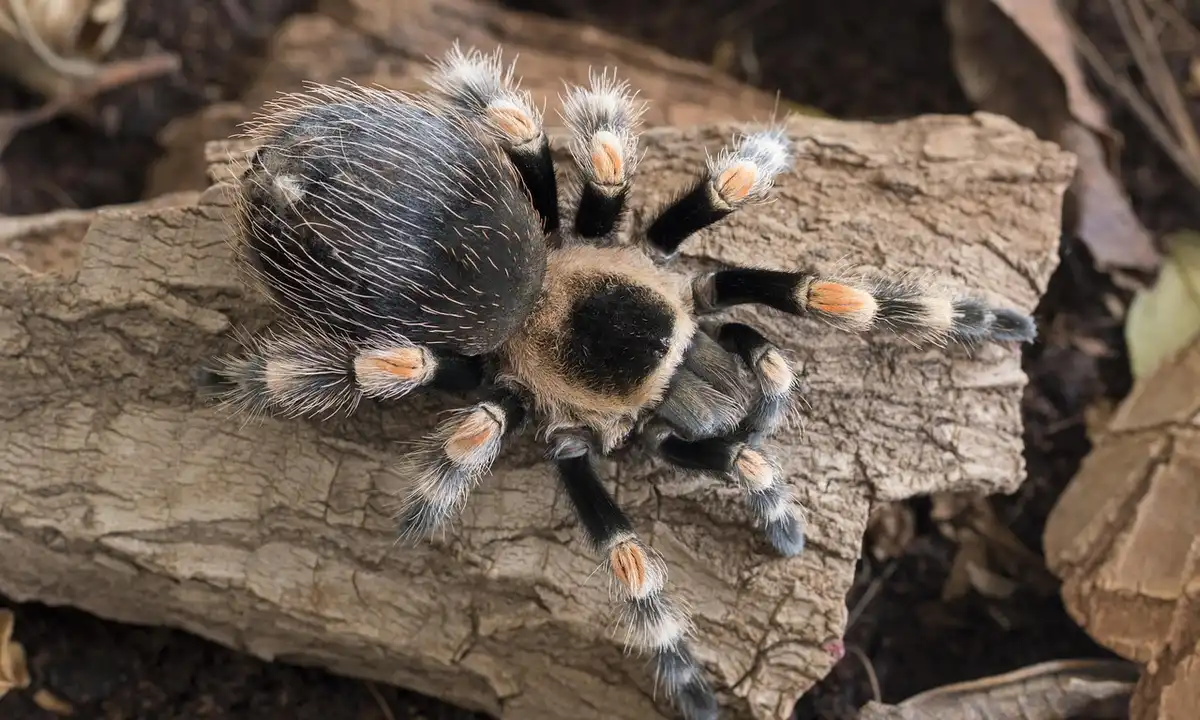
A dehydrated tarantula is a spider in distress. Unlike mammals, they cannot cry or pant, so we must become fluent in their subtle physical language. Spotting the early signs of dehydration is a fundamental keeper skill that directly impacts your tarantula’s health and longevity. Let’s break down what to look for. To tell if your tarantula is dehydrated, learn the quick cues that signal under-hydration and what steps to take next.
Physical Indicators You Can See
Get on eye-level with your tarantula’s enclosure. A healthy spider has a certain robust fullness. Dehydration steals this vitality. Excess moisture in the enclosure can also cause issues, including signs of overhydration. Here is your visual checklist:
- A Shrunken Abdomen: This is the most telltale sign. A well-hydrated abdomen is plump, taut, and round. A dehydrated one appears smaller, wrinkled, or even puckered, like a raisin. On my old Chilean Rose Hair, Rosie, I once noticed her famed dusty-pink abdomen had lost its smooth dome and looked vaguely crumpled-a sure signal.
- Dull Carapace and Legs: Hydration contributes to that healthy, slight sheen on the exoskeleton. Dehydration can leave the carapace (the head/thorax shield) and legs looking lackluster and dry.
- Constricted Leg Joints: Observe how your tarantula holds itself. Severe dehydration can cause the legs to be held unusually close to the body, lacking their typical relaxed, extended posture. The leg segments may appear more angular at the joints.
- Sunken Pedicel: For the keen observer, the small connecting waist (pedicel) between the carapace and abdomen may look pinched or deeply indented when fluids are critically low.
Behavioral Red Flags and Molting Risks
Behavior shifts are your second major clue. A tarantula is a quiet creature, but its routines speak volumes.
- Lethargy and Prolonged Hiding: An active fossorial species that never emerges, or an arboreal that stays low on the ground, may be conserving energy due to dehydration. My fast-paced OBT, Flash, once became uncharacteristically stationary for days.
- Refusal of Food: While fasting is normal for some species, a sudden disinterest in prey from a typically eager eater, especially when coupled with a shrunken abdomen, points to dehydration. They lack the internal fluids needed for digestion.
- The Molt Connection: This is the most critical risk. Dehydration is a primary cause of fatal or damaging molts. A tarantula needs internal hydrostatic pressure to split its old exoskeleton and push itself out. Without adequate fluid reserves, the spider can become trapped. The old exoskeleton hardens around it, leading to lost limbs or death. I’ve seen the heartbreaking result in rehomed specimens-it’s a preventable tragedy.
Practical Hydration Management in the Enclosure
Knowing the signs is half the battle. The other half is proactive, species-specific management. Hydration isn’t about dumping water in the cage; it’s about creating a reliable and appropriate moisture framework your spider can use.
Water Delivery Methods: Dishes, Misting, and Substrate Moisture
You have several tools. The key is knowing which to use and when.
- The Sacred Water Dish: This is non-negotiable for almost every terrestrial and arboreal tarantula, from sling to adult. Use a shallow, tip-proof container (bottle caps work for slings). Sink it flush with the substrate to prevent tipping. Keep it filled with clean, chlorine-free water. I refresh dishes weekly, or immediately if substrate gets kicked in.
- Strategic Misting: Misting is not a primary water source. Its role is to briefly spike humidity for tropical species and provide drinking droplets on webbing or enclosure walls for arboreals. Lightly mist one side of the enclosure, never directly spray the tarantula. For my Goliath Bird Eater’s humid setup, I mist the moss, not the open substrate.
- Substrate Moisture Gradients: For moisture-dependent species (like my T. stirmi), I pour water directly into a corner of the substrate, creating a deep, damp zone while leaving other areas dry. This prevents surface mold and lets the spider choose. For arid species like my G. rosea, the substrate stays bone-dry far from the water dish.
Tailoring Care to Species Type and Spider Size
Frequency and method hinge on biology and life stage.
- Arid vs. Tropical: An arid species (Grammostola, Brachypelma) needs a always-full water dish on dry substrate. That’s often it. A tropical species (Avicularia, Theraphosa) needs that dish plus damp substrate and occasional misting to maintain higher ambient humidity.
- Slings (Spiderlings): Tiny slings dehydrate fast. I use miniature water dishes or consistently moisten a small section of their enclosure wall for them to drink from. Their entire enclosure can be kept slightly more humid than an adult’s.
- Juveniles to Adults: The water dish becomes the cornerstone. Larger spiders have greater water reserves but also a slower metabolism. An adult may visit its dish less often than a growing juvenile, but the dish must always be available. My adult Rosie might not drink for months, but the option is perpetually there.
The Vital Role of Enclosure Humidity
Humidity is the invisible partner to direct hydration. Think of humidity as the air’s ability to prevent rapid moisture loss from your tarantula’s book lungs and exoskeleton.
- Measurement is Key: Do not guess. Use a simple digital hygrometer placed at the enclosure’s mid-level, away from the water dish. This gives you your ambient air humidity reading.
- Air Humidity vs. Substrate Moisture: A soggy, waterlogged bottom layer does not equal correct air humidity. Good cross-ventilation above a damp substrate base is what creates and stabilizes healthy humidity for tropical species, preventing stagnant, moldy air.
- Adjusting the Range: To raise humidity, increase the surface area of damp substrate or moss, or slightly reduce ventilation. To lower it, increase cross-ventilation and let the substrate surface dry out. The goal is a stable range, not daily spikes and crashes.
Special Cases and Emergency Rehydration Response
While many tarantulas are resilient, some species possess a critical need for consistent moisture. Their physiology is fine-tuned for humid microclimates, and even short dry spells can trigger stress and health failure. Recognizing which tarantulas are vulnerable allows you to shift from basic care to proactive, protective husbandry. This isn’t just about preference; for them, correct hydration is a matter of survival. Preventing common tarantula health problems hinges on this proactive care—maintaining stable humidity, proper hydration, and species-appropriate enclosure conditions. By doing so, you minimize dehydration, molt issues, and related infections.
Species with High Hydration Sensitivity
These genera demand your unwavering attention to humidity and water access. My own Burgundy Goliath, for instance, lives in a state of perpetual dampness that would horrify a desert species.
- Theraphosa (Goliath Bird-eaters): T. stirmi and T. blondi are rainforest giants. I maintain my Goliath’s enclosure at 80-85% humidity with a deep, moist substrate base. A large, always-full water dish is mandatory.
- Poecilotheria (Ornamental Tarantulas): These arboreal jewels from India and Sri Lanka, like the stunning P. metallica, require 70-80% humidity. They often drink from water droplets on their webbing or enclosure walls.
- Chromatopelma cyaneopubescens (Greenbottle Blue): While hardy, this species thrives with a dry substrate but a humid retreat. I provide a damp corner in its burrow area, which it uses strategically.
- Avicularia and Caribena (Pinktoes): Arboreal species need cross-ventilation to prevent stagnant air, but also frequent misting on one side of the enclosure for drinking. Balancing airflow and moisture is the key skill for keeping these tarantulas healthy.
My experience with these moisture-dependent species has taught me that their water dish is as vital as their food. I check them daily, watching for the subtle sheen of dampness on the substrate and the full level of the bowl.
Step-by-Step: What to Do If Your Tarantula is Dehydrated
Signs include a shrunken abdomen, lethargy, and a reluctance to move. If you see this, act calmly but with purpose. Force is never the answer; gentle encouragement is.
-
Isolate and assess the tarantula in a quiet, stress-free environment. Move the entire enclosure to a calm space. Avoid handling the animal directly. Observe its posture and responsiveness from outside the glass. Your first job is to reduce all external stress to conserve the tarantula’s energy. If transport is necessary, switch to a secure, ventilated container. Gently guide the tarantula into it to safely rehouse.
-
Gently offer a water dish directly to its mouthparts or place it nearby. Use a shallow bottle cap. If the tarantula is upright, you can carefully slide the dish within reach of its chelicerae. Sometimes, the proximity alone will stimulate drinking. I’ve done this with sluggish slings, witnessing the slow, deliberate movement as they finally drink.
-
Increase local humidity by adding a damp corner of substrate or a moist towel to the enclosure. Pour dechlorinated water into one corner of the substrate until it is damp, not flooded. For arboreal tarantulas, lightly mist one side of the enclosure. This creates a humidity gradient they can use. This microclimate boost can often stimulate natural drinking behavior within hours.
-
Monitor closely for drinking behavior and improvement over 24-48 hours. Look for the tarantula positioned over the water dish or a plumper abdomen. Do not force-feed water with a syringe or dropper; you risk drowning the tarantula or causing fatal fluid intake into its lungs. Patience and a stable, humid environment are your only tools.
Common Questions
How often should you provide water to different tarantula species?
The frequency is less about a strict schedule and more about constant availability. For all species, a clean, shallow water dish should be present and topped up at all times. Arid-dwelling species may rarely be seen drinking, while tropical species rely on consistent ambient moisture, which may require you to dampen their substrate periodically. Always monitor the enclosure’s humidity and the spider’s condition rather than following a fixed calendar.
What is the best way to offer water to a tarantula?
The cornerstone of hydration is a shallow, tip-proof water dish sunk flush with the substrate. For tropical and arboreal species, light misting on enclosure walls or webbing can provide drinking droplets, but this should not be the primary source. For moisture-dependent species, pouring water into a corner of the substrate creates a vital humidity gradient. The method must be tailored to the species’ natural history.
Can the humidity level in the enclosure impact a tarantula’s hydration?
Absolutely. Ambient humidity is crucial for preventing respiratory fluid loss and supporting successful molts. Incorrect humidity forces a tarantula to work against its physiology; low humidity can dehydrate a tropical species rapidly, while high humidity can stress an arid species. A digital hygrometer is essential for monitoring, as proper hydration involves both direct water access and appropriate atmospheric moisture.
Does the size of the tarantula affect its hydration requirements?
Yes, life stage is a critical factor. Spiderlings (slings) have a high surface area to volume ratio and dehydrate very quickly, requiring consistently available moisture. Juveniles and adults have greater reserves but still need constant access to water. While adults may drink less frequently, their larger size means maintaining proper hydration is vital for the immense physical stress of molting.
Are there any tarantula species that are particularly sensitive to dehydration?
Yes, species from constantly humid environments are highly sensitive. This includes genera like Theraphosa (Goliath bird-eaters), Poecilotheria (ornamental tarantulas), and many Avicularia (pinktoes). Their physiology is fine-tuned for high humidity, and even short periods in dry conditions can lead to severe stress, feeding refusal, and life-threatening mismolts.
What should you do if you suspect your tarantula is dehydrated?
First, ensure a water dish is immediately available and consider placing the tarantula near it. Gently increase local humidity by adding a damp corner of substrate or lightly misting one side of the enclosure. Provide a quiet, stress-free environment and monitor closely for 24-48 hours for signs of drinking or a plumper abdomen. Never force water into a tarantula’s mouth, as this can drown it. Be alert for signs that humidity is off, such as persistent damp substrate or mold, or a wrinkled, dehydrated abdomen. If you notice these signs, adjust humidity gradually and reassess after 24 hours.
A Lifelong Practice
Your tarantula’s hydration is not a one-time setup but a continual partnership with its biology. The single most critical rule is this: you must tailor water access and humidity to your specific spider’s natural history, not to a generic tarantula care sheet. This mindset aligns with the 5 biggest humidity ventilation mistakes tarantula care often makes. By avoiding those common errors—mismatched humidity or poor airflow—you tailor setups to each species. My fifteen-year-old G. rosea, Rosie, thrives with a bone-dry corner and a water dish, while Goliath, my T. stirmi, requires a perpetually damp substrate patch to mimic his swampy origins.
Beyond the parameters, true success lies in quiet observation. Watch for the industrious digging of a new burrow, the meticulous construction of a silken funnel, or the sudden, precise strike at a cricket. Patience is your most valuable tool, revealing more about your spider’s health and comfort than any digital hygrometer ever could. Learn its rhythms, respect its space, and you’ll find immense reward in simply providing the conditions for it to live exactly as it is.
Further Reading & Sources
- Do Tarantulas Need Water? How To Hydrate Your T Correctly – Cute Monster Care
- Do Tarantulas Drink Water? Complete Guide On Hydrating Tarantulas
- Tarantula First Aid | Tarantula Husbandry | TARANTULAS.com
Arlo is a lifelong arachnid enthusiast who believes tarantulas are the world’s most misunderstood roommates. With years of hands-on experience in tarantula care, habitat setup, and species behavior, Arlo combines expert knowledge with a dash of humor to make spider ownership less scary and a lot more fascinating. From choosing the right enclosure to understanding why your eight-legged buddy is doing that weird little pose again, Arlo is here to help you become the best tarantula parent you can be, without getting tangled in the web of misinformation.
Heating and Humidity