
Can Tarantulas Eat Fruit or Vegetables? Understanding Obligate Carnivores
In the quiet world of arachnoculture, a common myth persists that these eight-legged predators might enjoy a varied diet beyond live prey. Tarantulas are obligate carnivores, a biological fact written into the very design of their fangs and digestive systems. Watching my Chilean Rose Hair, Rosie, ignore a cricket for weeks only reinforces that their nutritional needs are specific and unyielding. This article explores the science behind their diet and dispels the fruit and vegetable fallacy. Feeding plant matter to a tarantula is at best ignored and at worst a stressful, useless gesture that provides zero nutrition.
- Quick Stats:
- Dietary Origin: Animal tissue only (insects, occasional pinky mice for large species)
- Physiological Type: Simple gut requiring liquefied prey
- Metabolic Rate: Slow, with fasting periods that can last months for some adults
By the end of this guide, you will understand exactly how to fuel your tarantula’s growth from a tiny sling to a healthy, mature spider.
The Short Answer: No, Tarantulas Cannot Eat Fruit or Vegetables
Your tarantula will never crave a salad or show interest in a berry. Their digestive systems are evolutionarily hardwired to process liquidized animal protein, and they lack the enzymes and gut fauna to derive nutrition from plant matter. Offering fruit or vegetables is, at best, a messy waste of time that will mold in the enclosure. At worst, it could cause impaction or expose your spider to harmful pesticides.
I learned this lesson early when a well-meaning friend dropped a piece of apple into my first tarantula’s enclosure. The spider, a curious Grammostola rosea much like my Rosie, cautiously approached and tapped it with a front leg before retreating into its hide. The apple piece just sat there, a foreign object, until I removed it hours later. The spider’s complete, instinctive disinterest was the clearest teacher.
What “Obligate Carnivore” Really Means for a Spider
Unlike “omnivores” (like humans) or “facultative carnivores” (like dogs, which can eat some plants), an obligate carnivore must eat other animals to survive. For tarantulas, this isn’t a preference; it’s a fundamental biological mandate written into their anatomy and metabolism. Their bodies are elegant, single-purpose machines for hunting, subduing, and liquefying prey. In the wild, tarantulas will sometimes prey on small vertebrates, including mice and lizards, when the opportunity arises.
Think of it like this: you couldn’t fuel a gasoline engine with sand. The engine isn’t “picky”-it’s built for a specific chemical reaction. A tarantula’s digestive tract is its engine, and insect hemolymph is its only viable fuel.
Tarantula Biology: Built for Protein, Not Plants
Every part of a tarantula confirms its dietary specialty. Let’s break down the machinery.
- Mouthparts: They possess chelicerae (fangs) designed to pierce exoskeleton and inject venom, not to grind fibrous plant material. Their mouth is a tiny straw-like opening called the sucking stomach.
- Digestive Process: They practice external digestion. Powerful enzymes are injected into the prey, turning its insides into a protein soup the tarantula then sucks up. Plant cellulose is completely indigestible to this system.
- Nutrient Absorption: Their midgut diverticula (a series of internal “liver-like” branches) are adapted to absorb and store amino acids, fats, and minerals from animal tissue. They cannot process sugars or complex carbohydrates from plants efficiently.
My Burgundy Goliath, with her immense fangs, is a perfect example. She isn’t just biting her cricket; she’s turning it into a slurry. Observing a tarantula feed is watching a precise, ancient biochemical process that excludes anything non-animal in origin.
A Nutrient Needs Checklist
A tarantula’s nutritional health comes entirely from its prey. Here’s what a proper feeder insect provides that a piece of fruit never could. For beginners, this is part of a complete feeding guide that explains what to feed, how often, and how to size prey.
- Complete Proteins & Amino Acids: For muscle function and, critically, for synthesizing new silk and exoskeleton during molts.
- Chitin: The fiber from the prey’s exoskeleton provides necessary roughage for healthy digestion and excretion.
- Calcium & Other Minerals: Vital for sclerotization (hardening) of the new exoskeleton after a molt. This is why “gut-loading” feeder insects with nutritious vegetables is recommended-you feed the prey so the prey can feed your spider.
- Hydration: The liquefied prey is a primary water source. A plump cricket is mostly water, which the tarantula efficiently extracts.
My old-world Pterinochilus murinus, Flash, demonstrates this. She webs incessantly, a protein-intensive activity. Her diet of crickets and roaches directly fuels that complex, beautiful web structure. Offering her an orange slice would be like offering a construction worker cotton candy to build a brick wall-it provides energy, but none of the necessary building materials.
What Tarantulas Actually Eat in the Wild
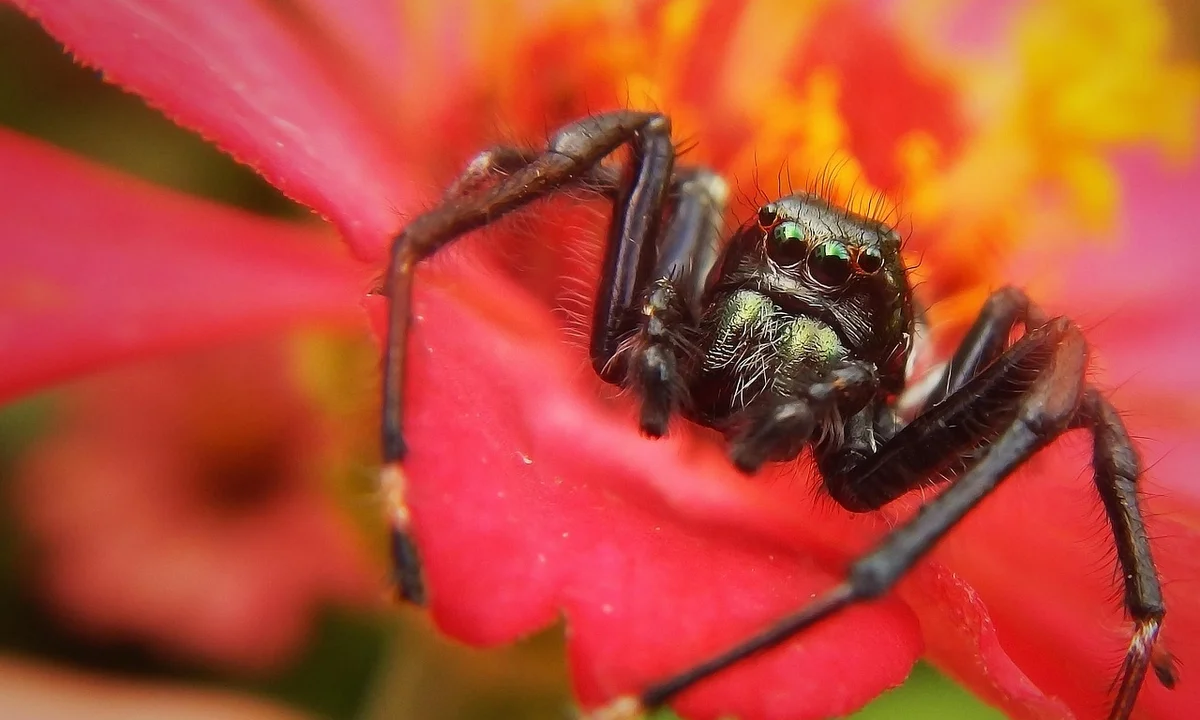
Forget the image of a spider delicately nibbling a leaf. A tarantula’s world is one of silent ambushes and powerful strikes. In nature, they are classic sit-and-wait predators, consuming a diet composed exclusively of other animals. Do tarantulas hunt and capture their prey? They typically ambush passing victims, then seize them with a swift bite and venom. Their meals are dictated by opportunity and what wanders within reach of their burrow or web mat.
Their prey spectrum is surprisingly broad. I’ve seen my own tarantulas, from the hefty T. stirmi to the lightning-fast OBT, display different hunting tactics for different prey. For proper care, knowing which species you have is essential. A quick tarantula species identification care guide can help you tailor husbandry and feeding to each tarantula’s needs.
- Arthropods: This is the staple. Crickets, roaches, grasshoppers, beetles, and even other spiders are common targets. My OBT, Flash, expertly wraps any cricket that touches her dense silk funnel in milliseconds.
- Small Vertebrates: Larger species readily take down small lizards, frogs, mice, and snakes. My Goliath’s powerful fangs and size make vertebrate prey a natural part of her dietary capacity, though I offer insects for routine feeding.
- Worms and Larvae: Caterpillars, superworms, and earthworms are protein-rich packets often encountered on the forest floor or in soil.
The hunting strategy defines the menu. A terrestrial burrower like my Rosie waits at her burrow mouth. An arboreal weaver like an Avicularia species relies on a silken tube trap. Every adaptation, from venom-injecting fangs to sensitive vibration-detecting hairs, is fine-tuned for capturing living, moving prey.
Dangers of Feeding Plant Matter to Your Tarantula
Offering fruit or vegetables isn’t just ineffective; it introduces real risks. A tarantula’s digestive system is a highly specialized liquid protein pump, incapable of processing cellulose or complex plant sugars.
Immediate Physical Risks
Think of a tarantula’s mouthparts not as teeth for chewing, but as straws and tools for directing liquid food. Plant matter is a physical hazard.
- Impaction and Rot: A piece of banana or lettuce can become lodged in the mouth (labium) or book lungs. In the warm, humid enclosure, it will decay rapidly, fostering deadly bacterial or fungal growth directly on the spider.
- Drowning and Suffocation: Juicy fruits have high water content. A tarantula attempting to “drink” from it can inadvertently flood its mouth and book lungs, leading to fatal respiratory issues. I’ve seen the panic in a spider struggling with a water droplet in the wrong place; a piece of wet fruit is far worse.
- Pesticide Exposure: Store-bought produce carries this invisible threat. Even a tiny residue, harmless to humans, can be catastrophic for an animal weighing a few grams.
Long-Term Nutritional Deficiency
This is the silent, slow danger. A tarantula fed plant-based items will starve to death while appearing “full.”
Tarantulas require specific proteins, lipids, and chitin to build new tissue, produce silk, and successfully complete the taxing process of molting. A cricket’s body provides this perfect nutritional package. A piece of apple provides only sugars and water. A spider filling its stomach with this empty calories will lack the building blocks for vital functions. The next molt will likely be incomplete or fatal, or its organs will simply fail from malnutrition over time.
The Rare Exceptions: When Tarantulas Interact with Plants
Observant keepers might see their tarantulas near greenery, leading to confusion. These behaviors are about habitat, not hunger.
Accidental Ingestion from Prey
This is the only way plant material should ever enter a tarantula’s diet, and it’s indirect. A cricket gut-loaded with nutritious vegetables passes those pre-digested nutrients to the spider. The tarantula gets the benefits of the vitamins from the greens without having to process the fibrous plant matter itself. This is why feeding your feeder insects a quality diet is a critical part of tarantula care.
Seeking Moisture, Not Food
You might see a tarantula press its mouthparts against a damp piece of cork bark or a dewdrop on a leaf. This is drinking. In bone-dry environments, some species are known to chew on moist vegetation to extract water. They are not eating the plant; they are using it as a natural water sponge. In captivity, this need is eliminated by providing a clean, shallow water dish at all times, which is far safer and more reliable. My burgundy Goliath, who needs high humidity, will often sit with her front legs dipped in her large water dish, absorbing moisture directly through her cuticle.
Safe and Nutritious Foods for Your Pet Tarantula
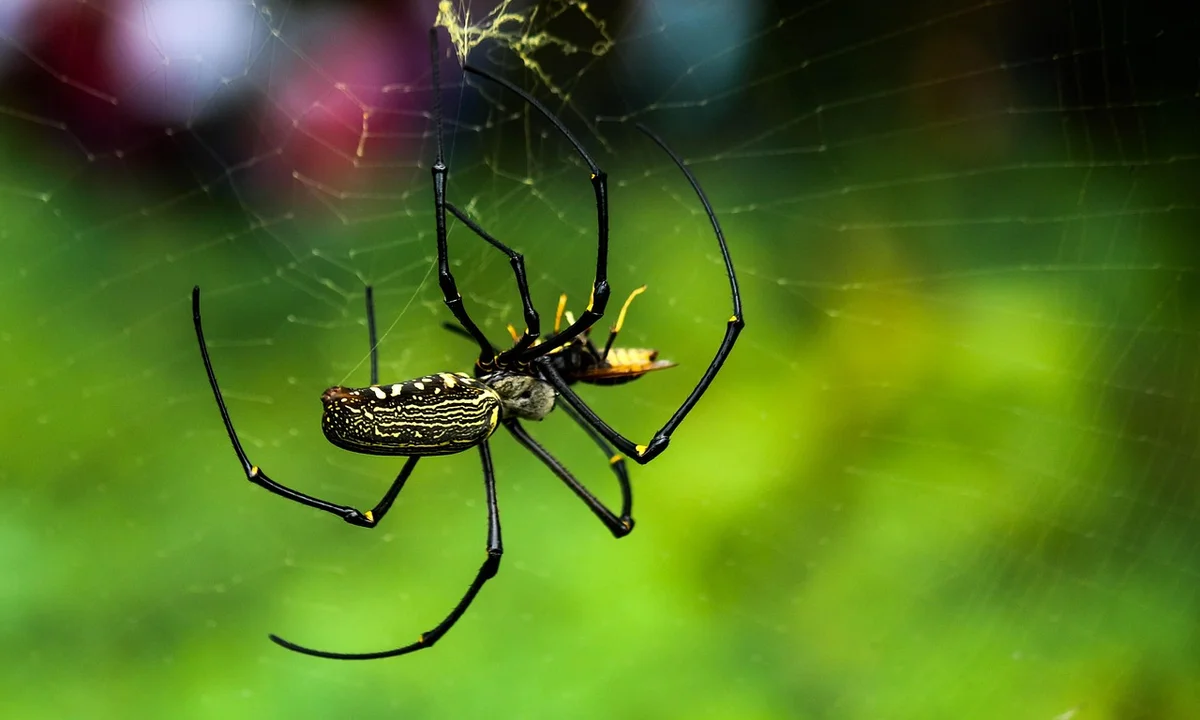
Your tarantula is not a tiny vegan. Its physiology is a marvel of protein-focused engineering, from its piercing fangs to its digestive enzymes. Offering fruit or vegetables is not just ignored-it can mold, attract pests, and create a dangerous, unhygienic environment in the enclosure. Their nutritional world is built entirely on living prey.
Staple Prey Insects for Captive Diets
Variety is the bedrock of a robust captive diet, preventing nutritional gaps that a single insect type might create. My own colony of tarantulas thrives on a rotating menu of these reliable staples.
- Gut-Loaded Crickets: The classic choice. They are active, stimulating a feeding response. I gut-load mine with nutritious vegetables (like carrots and leafy greens) 24 hours before feeding, which then transfers vital nutrients to my spiders.
- Dubia Roaches: My personal favorite. They are meatier, less likely to burrow than crickets, and don’t chirp. They are a perfect staple for larger species like my Goliath.
- Red Runner Roaches: Faster and more stimulating for active hunters, they are excellent for encouraging a good feeding response in slings and juvenile tarantulas.
- Discoid Roaches: A fantastic, quiet, and non-climbing alternative in areas where Dubias are restricted.
Occasional Treats and Alternatives
While the above insects form the core diet, occasional “treat” prey can add enrichment and bulk. Use these sparingly, as some are fattier or more challenging to digest.
- Hornworms: These are hydration powerhouses, appearing almost blue-green. I offer them occasionally to my T. stirmi when I want to boost moisture intake. Their large size and high water content make them suitable only for sub-adult or adult tarantulas, and always supervise to ensure they are not left uneaten.
- Mealworms and Superworms: Best offered pre-killed or with their heads gently crushed to prevent burrowing. They are fatty, so I use them as a supplement, not a staple, especially for my less active G. rosea.
- Silkworms: A nutritious, soft-bodied option that is easy to digest, perfect for delicate spiderlings or tarantulas recovering from a difficult molt.
Best Practices for Feeding Tarantulas in Captivity
Feeding is more than dropping in a cricket. It’s a ritual of observation, a moment to assess your tarantula’s health and temperament without intrusion. The silence of the enclosure is broken only by the subtle movements of predator and prey.
Creating a Stress-Free Feeding Routine
Consistency and calmness are key. A frantic feeding session can cause a tarantula to retreat or become defensive. In our guide on telling if your tarantula is hungry or stressed, you’ll learn to read feeding behavior cues. This helps you feed confidently while keeping stress to a minimum.
- Pre-kill for Vulnerable Periods: Always offer pre-killed prey during a molt and for several days after, until the fangs harden completely (they appear black).
- Size Appropriately: The prey item should be no larger than your tarantula’s abdomen. I aim for roughly 1/2 to 3/4 the spider’s body length.
- Remove Uneaten Prey: This is non-negotiable. A live cricket or worm can harass or even injure a molting or stressed tarantula. I check after 24 hours and remove any leftovers.
- Feed in the Evening: Tarantulas are generally more active at night, making this the natural time for them to hunt.
Reading Your Tarantula’s Feeding Cues
Your tarantula communicates its needs through posture and behavior. Learning this language prevents wasted food and stress. You can read its body language to spot stress or defensive signs—like a raised stance or threat display—and adjust how you handle it.
- Ready to Eat: A forward, attentive posture, often at the front of the enclosure. My OBT, Flash, will often assume a striking pose, abdomen raised, when he’s hungry.
- Not Hungry / In Premolt: The most common “refusal.” The tarantula may retreat or flick hairs at the prey. A dark, bald, and shiny abdomen is a classic premolt sign. My Rosie has fasted for over nine months during premolt periods-a lesson in patience I learned early in my hobby career.
- The Successful Strike: A lightning-fast grab, followed by a quiet embrace as venom takes effect. The tarantula may then rotate the prey, applying digestive fluids.
Hydration Without Hazard
This is where the fruit and vegetable myth becomes actively dangerous. A piece of cucumber does not provide adequate, clean hydration. It rots.
The only safe, reliable source of moisture is a shallow, tip-proof water dish filled with clean, dechlorinated water. I use bottle caps for slings and small ceramic dishes for adults. Even my moisture-loving T. stirmi gets her humidity from damp substrate and a large water bowl, not from wet food.
Always ensure the dish is cleaned and refilled weekly. For tiny spiderlings or arid species that may not use a dish, lightly overflowing one corner of the enclosure onto the substrate every few weeks provides necessary moisture without saturation. Fruits and vegetables introduce sugars and decay into a closed system, inviting mold mites and bacterial growth that can harm your delicate obligate carnivore.
Common Questions
Can tarantulas eat fruit or vegetables?
No, tarantulas cannot eat fruit or vegetables. Their bodies lack the ability to digest plant cellulose or derive any nutritional value from plant matter. Offering these items provides no benefit and will simply rot in the enclosure, creating a hygiene hazard. For those building bioactive enclosures, choose tarantula-safe plants that provide cover and microhabitats without becoming food sources, and consult a guide on tarantula-safe plants to help design a safe, natural setup.
What does it mean for tarantulas to be obligate carnivores?
Being an obligate carnivore means a tarantula’s survival is biologically dependent on consuming animal tissue. This is not a choice but a requirement dictated by their anatomy, such as fangs for injecting venom and a gut that can only process liquefied prey. They cannot adapt to utilize nutrients from plants.
What are the primary components of a tarantula’s diet in the wild?
In the wild, a tarantula’s diet consists exclusively of live prey. This primarily includes other arthropods like insects and spiders. Larger species may also consume small vertebrates such as frogs, lizards, or pinky mice when the opportunity arises. In captivity, however, many keepers face a choice between offering live prey and pre-killed prey. The decision often depends on species, safety, and the tarantula’s temperament.
What happens if a tarantula is fed plant matter?
Feeding plant matter can cause physical and nutritional harm. Physically, it can lead to impaction, mold growth, or respiratory issues from excess moisture. Nutritionally, the tarantula will starve, as it cannot obtain the proteins, fats, and chitin needed for vital functions like molting and silk production.
Are there any exceptions where tarantulas might consume plant-based material?
The only exception is indirect consumption. Tarantulas benefit from plant nutrients when their prey insects are “gut-loaded” with vegetables. The tarantula may also chew on moist vegetation to extract water in extreme drought, but this is a hydration behavior, not feeding. In captivity, a clean water dish makes this unnecessary.
Long-Term Success
After decades keeping everything from pet rocks like my G. rosea Rosie to humid-loving giants like Goliath, the core truth remains unchanged. Your tarantula is an obligate carnivore, and its long-term health is secured solely by a diet of live, feeder insects-any offering of fruit or vegetable material is, at best, ignored and, at worst, a digestive risk. This isn’t a preference; it’s a biological imperative written in their physiology. In practice, the best diet and feeding schedule for a healthy tarantula is tailored to its species and life stage. Regular, appropriately sized live prey on a predictable schedule supports growth and wellbeing.
Redirect your care energy into observation. Find joy in the silent stalk of a hunt, the intricate lattice of a web, or the deliberate engineering of a burrow. My OBT, Flash, turns his entire enclosure into a silken fortress-a behavior far more rewarding to witness than any failed salad experiment. Patience is the master tool in arachnoculture; trust in their instincts, provide the correct resources, and let the animal simply be. Your role is curator, not chef, and the exhibit is their natural behavior.
Further Reading & Sources
- The Carnivorous Diet of a Tarantula
- Are Tarantulas Carnivores, Omnivores, or Herbivores? | ThePetFAQ
- Tarantula Feeding Guide – The Tarantula Vault
Arlo is a lifelong arachnid enthusiast who believes tarantulas are the world’s most misunderstood roommates. With years of hands-on experience in tarantula care, habitat setup, and species behavior, Arlo combines expert knowledge with a dash of humor to make spider ownership less scary and a lot more fascinating. From choosing the right enclosure to understanding why your eight-legged buddy is doing that weird little pose again, Arlo is here to help you become the best tarantula parent you can be, without getting tangled in the web of misinformation.
Feeding Frequency