
Can You Defang or Devenom a Tarantula? The Ethics and Risks Explained
Tarantulas, like my longtime companion Rosie the Chilean Rose Hair, occupy a strange space in human imagination-often viewed as venomous monsters, yet in truth, they are delicate predators with bites that are typically mild and medically insignificant for people. This article tackles the unsettling question some new keepers pose: can you surgically remove a tarantula’s fangs or venom glands to make it ‘safer’? After years in the hobby, caring for species from the calm G. rosea to the defensive OBT, my answer is an unequivocal no; such an act is ethically bankrupt and practically disastrous for the spider’s welfare.
Quick Stats:
- Origin: Varies widely (e.g., Chilean deserts for G. rosea, Brazilian rainforests for T. stirmi)
- Type: New World (e.g., G. rosea, T. stirmi) or Old World (e.g., P. murinus)
- Growth Rate: Ranges from slow (15 years to maturity for Rosie) to rapid (2 years for Flash)
This guide will detail the severe risks and ethical violations of defanging or devenoming, and show you how proper, respectful care eliminates any perceived need for these cruel procedures.
What Defanging and Devenoming Mean for Tarantulas
Let’s be precise. “Defanging” means physically removing a tarantula’s fangs. “Devenoming” refers to damaging or surgically removing its venom glands. These are invasive, permanent modifications-they have no place in routine husbandry and are purely for human convenience.
To understand why, picture the anatomy. A tarantula’s fangs are not separate teeth. They are the final segment of its chelicerae, the hinged appendages near its mouth. Each fang is hollow, connected to a venom gland housed safely within the cephalothorax. Removing fangs is like breaking off the essential tool at its joint; damaging the glands is a crude internal procedure on a creature measured in grams.
I’ve cared for my old-world P. murinus, Flash, whose venom is potent. The idea of subjecting him to such butchery to make him “safer” is abhorrent. In over 15 years with species from docile G. rosea to volatile OBTs, I have never encountered a responsible keeper who considered this an option. It is not standard practice. It is not accepted. It is mutilation.
The Ethical Imperative: Welfare Over Convenience
Our duty as keepers is to provide a life that respects the animal’s natural state. Ethics in arachnoculture hinge on welfare, not our desire for a hands-on pet. Choosing to alter a tarantula’s fundamental anatomy for your comfort directly violates the principle of providing species-appropriate care. Legal and ethical considerations also shape whether rare tarantulas can or should be kept, including permits, sourcing, and welfare standards. Understanding these frameworks helps ensure that our care choices respect both the animals and conservation goals.
This clashes with the core “Look, Don’t Touch” philosophy I advocate. My burgundy Goliath (T. stirmi) kicks abundant urticating hairs when stressed. The solution isn’t to declaw her; it’s to admire her imposing beauty from outside the enclosure. Observing the silent stalk of a hunt or the iridescent sheen of a new exoskeleton after a molt is the reward, not forced handling.
Altering a tarantula removes its ability to feed naturally, defend itself, and exist without pain or stress. Providing a bioactive setup with proper humidity and substrate honors the animal; surgically modifying it for easier handling is a failure of humane stewardship. Your desire for a “safe” interactive experience should never outweigh the spider’s right to a complete and natural life. While enthusiasts often discuss the ethical considerations in breeding tarantulas, it should be equally emphasized that any form of physical alteration crosses clear ethical boundaries.
Physical Risks and Harm from Defanging
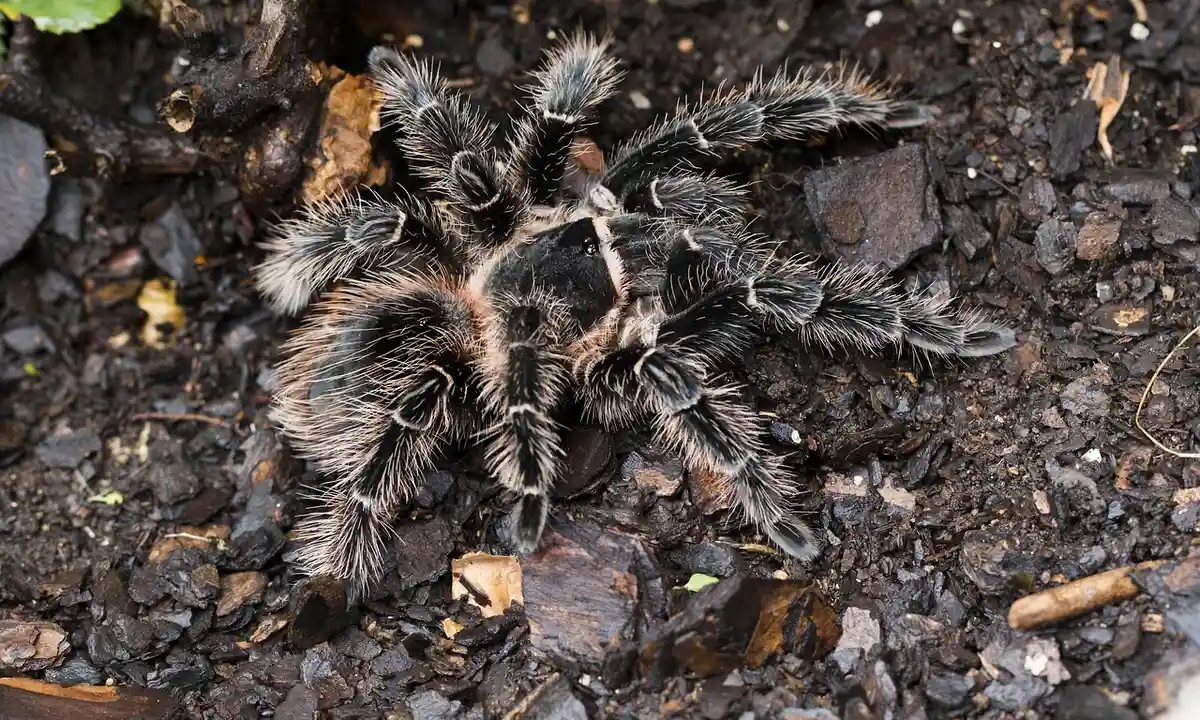
The idea of removing a tarantula’s fangs is a violent act, not a medical procedure. Immediate physical trauma poses severe, often fatal, risks due to the tarantula’s delicate biology. Their open circulatory system, called hemolymph, is under low pressure but can bleed profusely from such a wound.
- Severe bleeding (hemolymph loss) is difficult to stop and leads to rapid dehydration and shock.
- An open wound at the mouth invites fatal bacterial or fungal infections in the humid enclosure.
- The sheer trauma of restraint and injury can induce shock, causing sudden death.
Long-term, the consequences are a slow death sentence. A defanged tarantula cannot subdue prey, leading to starvation even if food is offered. I’ve seen documented cases where attempted defanging resulted in the animal refusing all food, wasting away over weeks. Without functional fangs to inject venom and digestive enzymes, prey cannot be liquefied for consumption. That’s where the live prey vs pre-killed feeding methods come into play in tarantula care. When a tarantula cannot subdue live prey, pre-killed prey can provide reliable nutrition, whereas carefully managed live prey can be used when the animal can still respond.
Beyond the physical wound, the immense stress compounds every other risk. Stress hormones suppress the immune system, making recovery impossible and mortality rates extraordinarily high. This is not speculation; it’s the documented outcome of a fundamentally cruel act.
Health Consequences of Devenoming Procedures
Venom is not just for defense; it’s a vital digestive tool. Tarantula venom contains enzymes that begin liquefying prey from the inside, making nutrients accessible for a spider that can only consume liquids. In addition to venom, many tarantulas defend themselves by flicking irritant urticating hairs at threats. Venom can serve as a secondary defense if hairs fail. Removing this capability cripples their ability to feed properly, leading to malnutrition.
The procedure itself is catastrophic. Attempting to extract or damage the venom glands risks rupture, causing internal bleeding and infection that spreads through the body cavity. There is no safe way to access these glands without causing systemic damage. The notion of a “simple venom milk” is a dangerous myth. Venom is constantly replenished by the glands, making any temporary removal ineffective.
More critically, the act is inherently cruel and stressful, offering no benefit to the spider while severely compromising its health and survival instincts. My defensive OBT, Flash, relies on his venom as a last resort; taking that away would not make him safer to handle, only more vulnerable and distressed.
Regeneration: Can Tarantulas Recover Fangs or Venom?
Tarantulas possess a remarkable, but limited, ability to regenerate lost tissue through molting (ecdysis). During a molt, a tarantula can regenerate lost legs, pedipalps, and even repair minor damage to the fangs if the basal tissue remains intact. That regrowth is closely tied to the molting cycle, and it can take multiple molts to complete. The emerging limb starts as a small bud beneath the old exoskeleton and gradually enlarges with each subsequent molt. I’ve watched my old Chilean rose hair, Rosie, successfully regrow a leg after a bad molt over fifteen years ago.
This natural process is not a magic fix for deliberate mutilation. Severe trauma to the fang bases or venom glands from defanging or devenoming often destroys the very cells needed for regeneration, causing permanent, life-limiting damage. The spider may survive the next molt but emerge with malformed or non-functional mouthparts.
Contrast this natural healing with the catastrophic injury of defanging; one is a controlled biological process, the other is a violent amputation with no regard for the animal’s physiology. Regeneration is a hope for accidental injury, not a justification for intentional harm. The silence of a recovery enclosure after a natural molt is one of patience; the silence after a forced procedure is one of suffering.
Safe Alternatives: Risk Management Without Alteration
-
A secure enclosure is your first and most critical line of defense. I use a minimum of five inches of packed, moisture-retentive substrate for my terrestrial species like Rosie; this prevents dangerous falls and discourages climbing near the lid. All my enclosures feature locking lids or heavy, snug-fitting tops, as a single gap the width of a pencil can be an escape route for a determined spider. After my OBT, Flash, once exploited a tiny ventilation hole, I now meticulously check every new habitat for vulnerabilities before use.
-
Physical contact is unnecessary and stressful. For gentle guidance during rehousing, a soft, long-handled paintbrush is invaluable. I gently coax my tarantulas into a large deli cup, a method that has safely contained everything from my docile G. rosea to my fast P. murinus without a single bite incident. This technique creates a safe, controllable barrier between you and the animal, prioritizing its comfort and your safety.
-
Education dispels fear. I explain to everyone in my home that my tarantulas are display animals, not for handling. For perspective, I compare the venom of most common pet species, like my Chilean Rose, to that of a honey bee-medically insignificant for most people but still best avoided. Understanding that a tarantula’s defensive threat posture is a plea to be left alone, not an act of aggression, fosters respect and calm coexistence. It’s a key step in overcoming arachnophobia.
-
Work with your tarantula’s rhythms, not against them. I perform maintenance like spot-cleaning or refilling water dishes when my spiders are tucked away in their hides or resting calmly. Feeding is done with long tongs, dropping prey in when the tarantula is active and likely to eat, which avoids the stress of a rejected meal decomposing in the enclosure. I also read its feeding signals—the ‘food dance’ of leg taps and body posture indicating readiness to eat. These cues help me time feedings to its appetite. This routine minimizes disturbances, keeping my Goliath Bird Eater calm and less prone to flicking its irritating hairs.
Legal and Regulatory Considerations
-
In many jurisdictions, animal welfare statutes prohibit causing unnecessary suffering or mutilation. Electively removing a tarantula’s fangs or venom glands would likely be viewed as a clear violation of these principles, as it serves no therapeutic purpose for the animal. The act fundamentally alters a natural defense mechanism, compromising the spider’s welfare for human convenience.
-
No ethical, licensed veterinarian would perform this surgery. The exotic veterinary community universally condemns such procedures due to the extreme risk of fatal hemorrhage, infection, and the certain impairment of the tarantula’s ability to feed and hydrate. There are no standardized protocols for arachnid “devenomation” because it is not a recognized or accepted veterinary practice.
-
Within the tarantula hobby, advocating for or performing such alterations will rightfully ostracize you. Responsible breeders, like myself, and major pet keeping communities explicitly forbid discussions promoting these acts on their platforms. Your reputation hinges on ethical stewardship; condoning mutilation results in a swift and permanent loss of standing among serious hobbyists.
Common Questions
What does it mean to defang a tarantula?
Defanging is the forceful, surgical removal of a tarantula’s fangs. This is a violent amputation, as the fangs are integral parts of its chelicerae (mouthparts). The procedure causes severe trauma, creating an open wound and preventing the tarantula from feeding normally. It is a permanent, crippling injury performed solely for human convenience.
Is it ethical to defang or devenom a tarantula?
No, it is profoundly unethical. Ethical pet keeping requires providing species-appropriate care that respects the animal’s natural state and welfare. Electively removing a tarantula’s essential biological tools for defense and feeding prioritizes human comfort over the spider’s health and violates the core “look, don’t touch” philosophy of responsible arachnoculture.
What are the risks to the tarantula from defanging?
The risks are severe and often fatal. Immediate dangers include catastrophic blood loss (hemolymph), fatal infection from the open wound, and death from shock. Long-term, a defanged tarantula cannot subdue or liquefy prey, leading to starvation and a slow, stressful death. The immense stress from the procedure further suppresses its immune system, exacerbating any health problems it might already have.
Can a tarantula’s fangs or venom regenerate?
Tarantulas can regenerate lost limbs and repair minor fang damage through molting, but this ability has strict limits. The severe trauma from intentional defanging or devenoming typically destroys the basal tissues necessary for regeneration. Even if the spider survives a subsequent molt, the new structures are often malformed and non-functional, leaving it permanently disabled. Post-molt tarantula care focuses on helping the spider recover and harden its new exoskeleton. Keep handling to a minimum, maintain proper humidity, and provide a quiet, secure enclosure during this critical period.
Are there alternatives to defanging for safety?
Absolutely. Safe, ethical alternatives entirely eliminate any perceived need for mutilation. These include using secure, locking enclosures, employing gentle tools like paintbrushes for guidance, educating household members, and respecting the tarantula’s space by not handling it. Proper risk management through husbandry protects both the keeper and the spider’s welfare.
What are the legal considerations for defanging tarantulas?
In many regions, defanging could violate animal welfare or anti-cruelty laws, as it constitutes unnecessary suffering and mutilation without therapeutic benefit. No ethical veterinarian will perform the procedure, and advocating for it within the hobbying community results in severe ostracization. It is widely condemned by breeders, keepers, and animal welfare authorities.
The Final Molt
The single most reliable husbandry parameter for any tarantula is providing an appropriate, stable environment. For the vast majority of species, your focus should be on giving them the correct substrate depth and moisture gradient—not on modifying the animal itself. A properly set-up enclosure is the ultimate safeguard. Understanding which substrates are best for tarantula enclosures helps you maintain them more easily over time. The right substrate choice supports moisture control, burrowing behavior, and overall health.
Your true success is measured in quiet observation. Watch the intricate geometry of a funnel web, the meticulous patching of a burrow’s entrance, or the precise ambush of a cricket. The hobby’s greatest rewards come from witnessing these natural behaviors unfold on their own terms. Patience isn’t just a virtue here; it’s the fundamental tool that allows you to see the animal for what it truly is. My old G. rosea, Rosie, has taught me more through fifteen years of silent, dignified stillness than any frantic interaction ever could.
Further Reading & Sources
- Potential Role of Tarantula Venom Peptides in Targeting Human Death Receptors: A Computational Study
- Tarantula Venom – Thanksgiving Point
- Can you de-venom a tarantula? | Arachnoboards
Arlo is a lifelong arachnid enthusiast who believes tarantulas are the world’s most misunderstood roommates. With years of hands-on experience in tarantula care, habitat setup, and species behavior, Arlo combines expert knowledge with a dash of humor to make spider ownership less scary and a lot more fascinating. From choosing the right enclosure to understanding why your eight-legged buddy is doing that weird little pose again, Arlo is here to help you become the best tarantula parent you can be, without getting tangled in the web of misinformation.
Handling and Interaction