
Can You Own Tarantulas in Australia? Import and Species Regulations
For the global tarantula enthusiast, Australia’s unique ecosystem presents a fascinating but formidable regulatory landscape, where ownership of these arachnids is governed by some of the world’s strictest biosecurity laws. Navigating this requires precision and patience. You can own tarantulas in Australia, but your options are almost exclusively limited to a short list of native species, with the import of exotic spiders being highly restricted and complex.
Quick Stats:
- Origin: Native species (e.g., Selenocosmia crassipes, the Australian whistling spider); exotic imports are severely limited.
- Type: Both New World and Old World tarantulas are subject to control, with a general prohibition on keeping non-native specimens.
- Growth Rate: The bureaucratic process is slow, contrasting sharply with the rapid growth of species like my Orange Bitey Thing (OBT).
This guide will map the specific legal and ethical terrain you must cross to keep tarantulas in Australia, from decoding permit systems to mastering the care of approved native species.
Understanding Tarantula Ownership Laws in Australia
The legal framework for owning tarantulas in Australia is among the most stringent in the world. This stems from an understandably protective stance toward its unique ecosystems. Navigating these laws is not a suggestion; it is an absolute prerequisite for any potential keeper.
The Federal Framework: DAWE and the EPBC Act
All import and export of wildlife is governed by the federal Department of Agriculture, Water and the Environment (DAWE), under the Environment Protection and Biodiversity Conservation Act 1999 (EPBC Act). The rule is definitive for hobbyists.
- Importing foreign tarantulas is prohibited. Australia does not issue import permits for non-native spider species to private individuals. The biosecurity risks-from potential escapees establishing populations to introducing novel diseases-are considered far too great.
- The EPBC Act lists all Australian native tarantulas. This means they are recognized as part of Australia’s natural heritage, and their trade across state borders or export requires specific permits, typically only for scientific or zoological purposes.
From my perspective in the global hobby, this isolation creates a unique scenario. While enthusiasts elsewhere might chase the latest Brachypelma or Caribena import, the Australian hobbyist’s focus turns inward, to the incredible diversity found in their own backyard.
Keeping Native Australian Tarantulas
This is where the Australian tarantula hobby truly shines. You are restricted to native species, but what a spectacular restriction it is. The care focus shifts entirely to understanding and replicating the conditions of local environments. The ultimate guide to tarantula burrows explains why they dig. Replicating those burrows in captivity helps support their natural behavior and welfare.
Keeping native species requires sourcing them from captive-bred stock within your own state or from licensed breeders, as interstate movement often requires permits. Never take spiders from the wild; it’s ecologically harmful and often illegal.
Popular Pet Species Within Australia
Several genera form the backbone of the domestic hobby. Their care varies dramatically, demanding specific research.
- Selenocosmia spp. (Australian Whistling or Barking Spiders): These are the giants. My T. stirmi, Goliath, shares a similar imposing presence. Species like S. crassipes are large, fossorial, and possess a venom of medical significance. They require deep, damp substrate and are a true advanced keeper’s specimen, respected for their power and beauty.
- Phlogiellus spp. or Coremiocnemis spp. (often as “Dwarf Tarantulas”): These are far more accessible. Smaller, often arboreal or semi-arboreal, and generally more forgiving. I’ve rehoused similar quick, web-loving species like my OBT, Flash; the principle is the same-a secure, well-ventilated enclosure with ample anchor points for webbing is crucial.
- Eastern Tarantulas (Phlogius / Selenotypus spp.): A diverse group from Queensland and New South Wales. Some, like the stunning Phlogius sp. “Starburst,” are highly sought after. Care ranges from tropical humid to drier forest setups, mirroring their specific habitat.
| Group | Typical Size | Primary Habit | Key Husbandry Note |
|---|---|---|---|
| Selenocosmia | Large (16-22cm legspan) | Fossorial | Deep, moist substrate; potent venom. |
| Phlogiellus / Dwarfs | Small (8-12cm legspan) | Arboreal/Semi-arboreal | Vertical space, cork bark, high ventilation. |
| Phlogius spp. | Medium to Large | Terrestrial/Fossorial | Species-specific humidity; often requires a burrow. |
Importing Non-Native Tarantulas: A Strictly Controlled Process
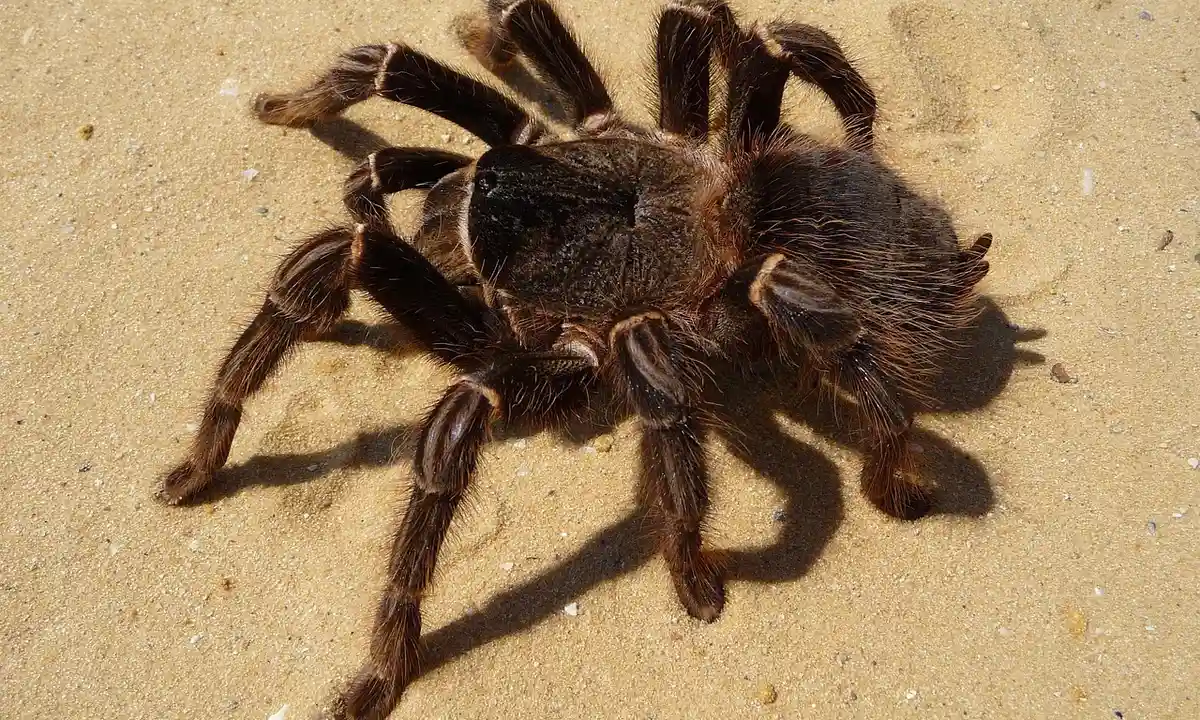
Bringing a foreign tarantula into Australia is not a simple purchase. It is a meticulously regulated procedure designed to safeguard our unique environment. The federal government, through the Department of Agriculture, Fisheries and Forestry, enforces the Biosecurity Act 2015. Any non-native specimen is considered a potential biosecurity risk and requires explicit permission. From my perspective as a breeder, this rigorous system, while daunting, is essential for preventing the introduction of pests or diseases that could harm local fauna. Once a specimen is legally allowed to enter the country, it should undergo a proper quarantine before being introduced to other tarantulas. This isolation helps prevent the spread of parasites or diseases and allows time to observe health and behavior.
Prohibited and Restricted Species
Australia maintains a list of species permitted for import under the Environment Protection and Biodiversity Conservation Act 1999. This list is notably short for tarantulas. Many popular pet species are completely prohibited. For instance, fast, defensive Old World genera like Pterinochilus (including my OBT, Flash) or Heteroscodra are typically barred due to their medically significant venom and perceived risk. Common New World pets like the Chilean rose (Grammostola rosea) or Mexican redknee (Brachypelma hamorii) are also generally not on the approved list for live import.
You cannot rely on common hobbyist knowledge. I learned this early on when corresponding with an international breeder; a shipment was refused at the border because the species was misidentified on paperwork. The process demands precision. Always verify the current Live Import List published by the Australian government. Assuming a tarantula is allowed because it’s docile or common overseas is a serious mistake. A tarantula species identification care guide can help you verify species and tailor husbandry before any purchase. It outlines reliable trait-based identification methods and recommended enclosure conditions.
Key Steps in the Import Permit Application
If a species is list-approved, the real work begins. The application is a test of patience and paperwork. Success hinges on submitting flawless documentation well in advance of any planned import. Based on discussions with colleagues who have navigated this, here are the key phases.
- Obtain an Import Permit: Apply to the federal Department of Agriculture. You must detail the species, quantity, origin, and the secure facility where they will be housed.
- Arrange Overseas Export Permits: The exporter in the source country must secure their own CITES and health certifications. This step often causes delays.
- Mandatory Quarantine: All live arachnids must undergo government-supervised quarantine upon arrival, at your expense. This can last several weeks.
- Biosecurity Inspection: Every shipment is physically inspected by biosecurity officers at the point of entry. They check for contaminants like mites or foreign soil.
The cost and time involved make importing a single tarantula impractical for most private keepers. I advocate for supporting the legal, captive-bred domestic market that has developed within these strict boundaries. It’s especially important to know how to ethically source and acquire breeding tarantulas to ensure sustainability.
State and Territory Regulations for Keepers
Even if a tarantula is legally present in Australia, keeping it is governed by your state or territory. These laws are separate from federal import rules and focus on possession, welfare, and licensing. You must comply with both layers of regulation to be a legal keeper. The silence of your enclosure can be shattered by a knock from a wildlife officer if you haven’t done your homework.
Compliance and Penalties for Illegal Ownership
Regulations vary dramatically. For example, in New South Wales, many exotic tarantulas require a specific license under the Biodiversity Conservation Act 2016. In Queensland, the Biosecurity Act 2014 may classify them as restricted matter. Penalties for illegal ownership are severe, designed to deter the black market trade that threatens biosecurity. They can include:
- Substantial fines, often running into thousands of dollars per animal.
- Confiscation and euthanasia of your entire collection.
- Imprisonment in serious cases of trafficking or repeated offenses.
I once helped rehouse a collection from a keeper in Victoria who was unaware he needed a license. The stress for both the keeper and the animals was immense when authorities became involved. Your first purchase should always be a call to your state’s wildlife or primary industries department to clarify licensing requirements. Responsible arachnoculture in Australia means respecting these legal frameworks as part of your pet’s essential care.
Practical Realities for the Australian Hobbyist
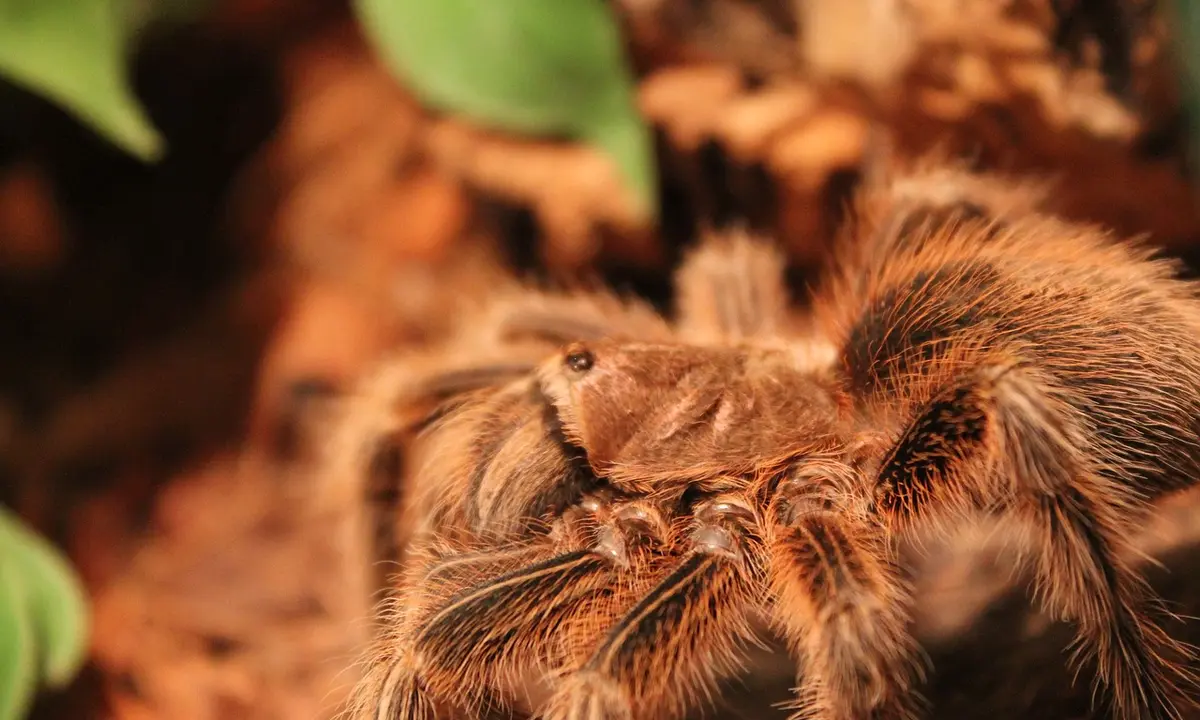
So, you’ve navigated the legal framework. What does the hobby actually look like on the ground? The scene is vibrant but defined by its constraints. Your journey begins not with an online order, but within a tightly-knit, permit-aware community of local breeders.
Sourcing Your First Tarantula
Forget international websites. Your main sources are:
- Registered Private Breeders: This is the lifeblood. Hobbyists breeding their own collections sell slings (spiderlings) and juveniles. I’ve acquired some of my best specimens through quiet conversations at club meetings.
- Specialist Reptile/Arachnid Expos: Certain states allow the sale of invertebrates at these events. Breeders will have their permit details on display. Always ask for proof.
- Club Memberships: Joining a society like the Arachnological Society of Australia is invaluable. Their newsletters often have “For Sale” sections from vetted members.
Expect a smaller selection than overseas hobbyists see. You won’t find every Chromatopelma or Caribena species readily. The available palette consists of hardy, proven species that thrive in our care and pose minimal ecological threat. My old Grammostola rosea, Rosie, is a classic example of a staple species.
The Breeder’s Perspective & Community Ethos
Breeding here is a deliberate act of stewardship, not just business. With no imports to refresh bloodlines, genetic diversity is a constant conversation. Every successful pairing, like my attempts with a local Phlogius species, feels like a small victory for the hobby’s sustainability.
The community ethos is strongly self-policing. Experienced keepers emphasize ethical sourcing, impeccable record-keeping for lineage, and a “Look, Don’t Touch” philosophy that prioritizes the animal’s stress levels. We share a collective responsibility to maintain a positive, lawful reputation.
Husbandry Adjustments and Considerations
Your local climate directly impacts your care routine. In arid zones, you might add a few extra drops of water to a Selenocosmia enclosure. In the tropics, ventilation becomes your chief concern to prevent stagnant, fungal-promoting air.
Bioactive setups, using clean, locally-sourced plants and clean-up crews like springtails, are highly encouraged. They create stable microclimates. My Theraphosa stirmi, Goliath, lives in a large bioactive tank that maintains the 80-85% humidity he craves with less daily fuss from me.
Rehousing, a routine task, requires extra caution with faster native species. I perform all rehousings inside a large, clear plastic tub-a lesson learned after a memorable and heart-pounding escape attempt by my orange bitey thing (OBT), Flash. Contingency plans are not optional.
The Ethical Imperative
These regulations forge a different mindset. Each tarantula in a keeper’s collection is a long-term commitment, sometimes for decades. There are no quick re-homes or easy imports if you lose interest. This reality fosters profound respect for the animal’s entire lifecycle, from a pinhead-sized sling to a magnificent, mature adult. Many keepers consult molt-frequency guides to estimate age and plan care by species. Knowing how often tarantulas molt helps you read their life stages across species. You become a student of one creature for a very long time, observing the subtle changes in each molt, the slow excavation of burrows, the silent patience. It is a deeply rewarding, uniquely Australian form of arachnoculture.
Common Questions
Do you need a permit to own a tarantula in Australia?
Yes, you often need a permit or license, but it depends on your state or territory and the species. For native tarantulas, permits for possession or interstate movement are commonly required. Keeping non-native species is generally prohibited, but some states may have licensing schemes for exotic wildlife, which are incredibly difficult for private individuals to obtain. You must always check with your local state wildlife authority before acquiring any tarantula.
Are there any native Australian tarantula species that can be kept as pets?
Yes, the Australian tarantula hobby is focused on spectacular native species. Popular captive-bred genera include Selenocosmia (whistling spiders), Phlogius, and smaller dwarf species. These spiders must be sourced legally from licensed, captive-breeding enthusiasts within the country, as taking them from the wild is illegal and harmful. Their care requires specific research to replicate their natural habitats, from humid fossorial setups to arboreal enclosures. For beginner pet owners, these species are often not the best starting point due to their specialized care needs. New keepers are usually advised to begin with smaller, more forgiving tarantula species.
What are the general regulations for keeping tarantulas in Australia?
The overarching rule is that importing non-native tarantulas as a private hobbyist is virtually impossible due to strict biosecurity laws. Ownership is therefore almost exclusively limited to native species. Keeping these natives is then regulated at both the federal level, primarily for their protection, and at the state level, where possession and licensing laws are enforced. Compliance with both layers of regulation is mandatory for legal ownership. For readers wondering about state-specific rules, there is a complete United States tarantula state guide detailing which species occur in each state and the corresponding licensing requirements. It helps hobbyists understand state-by-state regulations and where native species are legally kept.
Are there specific state or territory laws regarding tarantula ownership?
Absolutely. Each state and territory has its own wildlife acts and biosecurity laws that govern the possession of tarantulas. For example, New South Wales, Queensland, and Victoria each have distinct licensing requirements for keeping native or exotic invertebrates. These laws can dictate which species you can keep, how you must house them, and whether you need to register them. It is crucial to contact your specific state’s department of primary industries or environment for authoritative guidance. Additionally, if you’re in the United States, state-level rules vary widely and govern which tarantula species you may keep and how they must be housed. Check with your state’s wildlife, agriculture, or natural resources department for licenses, permits, and species restrictions to stay compliant.
Which tarantula species are prohibited from import into Australia?
The vast majority of foreign tarantula species are prohibited from live import. This includes commonly kept New World pets like Chilean roses (Grammostola rosea) and Mexican redknees (Brachypelma hamorii), as well as Old World species like those from the Pterinochilus genus. Australia maintains a very short “Live Import List,” and only species on this list may be considered for an import permit, which is itself rarely granted for private purposes.
The Final Molt
The single greatest husbandry parameter for a keeper in Australia is not humidity or temperature-it is your commitment to the legal framework. Your permit is the foundation of ethical ownership, more critical than any piece of equipment in your setup. Everything begins with compliance; successful tarantula keeping here is an exercise in meticulous environmental stewardship.
With the paperwork settled, the true joy begins. An Australian tarantula’s behavior is a masterclass in adaptation-the deliberate, seismic digging of a Selenocosmia species or the intricate, funnel-like web of a Phlogiellus. These are quiet dramas performed without an audience, for their own purpose. Your most vital tool is patience. You wait for a permit’s approval, for a burrow to be excavated, for a successful molt in the stillness of night. This hobby rewards the observer, the one content to simply witness life unfolding on its own ancient, eight-legged terms.
Further Reading & Sources
- A guide to buying your first (Australian) tarantula – Part One: Do you need a permit? – Minibeast Wildlife
- Invertebrate Animals – Import
- Tarantula Species and Australia | Arachnoboards
Arlo is a lifelong arachnid enthusiast who believes tarantulas are the world’s most misunderstood roommates. With years of hands-on experience in tarantula care, habitat setup, and species behavior, Arlo combines expert knowledge with a dash of humor to make spider ownership less scary and a lot more fascinating. From choosing the right enclosure to understanding why your eight-legged buddy is doing that weird little pose again, Arlo is here to help you become the best tarantula parent you can be, without getting tangled in the web of misinformation.
Popular Species