
Caring for the T. albopilosus (Curly Hair Tarantula)
The Curly Hair Tarantula (Tliltocatl albopilosus) earns its reputation as a perfect beginner spider, combining a famously placid disposition with a captivating, frizzy appearance that feels like nature’s own plush toy. This article details their unique behaviors, exact habitat needs, and lifelong care. Their hardiness makes them forgiving, but targeted care unlocks their full, fascinating potential for a decade or more.
Quick Stats:
- Origin: Central America (Honduras, Nicaragua)
- Type: New World terrestrial
- Growth Rate: Moderate
Follow this guide for the specific moisture, substrate, and space requirements that will shepherd your spiderling safely to adulthood.
Curly Hair Tarantula Overview: Species and Key Facts
The Curly Hair Tarantula, Brachypelma albopilosum, earns its common name from the distinctive, crimped setae that give it a soft, frizzy appearance. This species is a cornerstone of the hobby for its forgiving nature and captivating look.
| Common Name | Curly Hair Tarantula |
| Scientific Name | Brachypelma albopilosum |
| Adult Leg Span | 5 to 6 inches (13-15 cm) |
| Typical Lifespan | Females: 15-20 years; Males: 5-7 years |
| Temperament | Generally docile and calm |
I recommend this tarantula to all newcomers. Its hardy constitution and predictable behavior make it an ideal first arachnid, far more tolerant of learning curves than fast or defensive species. That calm disposition also makes it a top choice for handling among beginners. This helps explain why it’s often recommended as one of the best pet tarantula species for anyone seeking reliable handling.
Scientific Name and Natural History
Brachypelma albopilosum originates from the humid forests and scrublands of Central America, like Nicaragua and Costa Rica. This natural history directly informs captive care: they thrive with a moisture-retaining substrate and appreciate the chance to dig. Recreating a slice of that environment is key to their well-being.
Size and Growth Expectations
You will witness a remarkable transformation from a tiny spiderling to a robust adult.
- Spiderlings (Slings): Start at about 0.5 inches. They are fragile but grow quickly.
- Juveniles: Reach 2 to 3 inches within a couple of years with regular meals.
- Adults: Achieve a full leg span of 5-6 inches, with a sturdy, compact body.
Growth is tied directly to molting frequency, with young spiders shedding every few months and adults perhaps only once a year. My own Rosie, a different species, exemplifies the long, slow pauses between molts in mature tarantulas.
Lifespan: A Long-Term Commitment
Owning a female Curly Hair is a decades-long responsibility. The disparity between sexes is dramatic.
- Female Lifespan: 15 to 20 years in captivity is common with proper care.
- Male Lifespan: Much shorter, typically 5 to 7 years, culminating after their ultimate molt into maturity.
This longevity means your care decisions have lasting consequences, so setting up a correct habitat from day one is paramount.
Understanding Curly Hair Tarantula Behavior and Temperament
Observing a Curly Hair is a lesson in quiet, deliberate living. Their generally calm demeanor makes them excellent display animals, perfect for the “Look, Don’t Touch” philosophy I strongly advocate. After dealing with the lightning-fast bolts of my OBT, Flash, the Curly Hair’s pace is a serene contrast.
Daily Habits and Temperament
By day, your tarantula will likely be a motionless statue tucked in its hide or burrow. Activity sparks at dusk, with slow, exploratory walks and a keen interest in feeder insects. Their feeding response is a deliberate lunge, not the frantic aggression of some species. This predictable routine makes them a relaxing presence as you read their feeding behavior.
Defensive Mechanisms and What to Expect
When stressed, a Curly Hair’s first line of defense is to kick a cloud of urticating hairs from its abdomen. These microscopic, barbed hairs can cause significant itching, rash, and respiratory irritation if inhaled, so always wash your hands after enclosure maintenance. Their venom is not medically significant for most people, akin to a bee sting. Compared to my Burgundy Goliath, which kicks hairs at the slightest disturbance, the Curly Hair is far more reluctant to do so.
Webbing and Burrowing: Creating a Home
This species is a capable but modest architect. They will often excavate a burrow or modify a hide, lining it with just enough silk to sense vibrations. They do not blanket their enclosure in dense webbing like my OBT, Flash, who turns everything into an orange silk fortress. The Curly Hair’s work is functional, not extravagant, creating a safe, dark retreat that mimics the leaf-littered floors of its home.
Setting Up the Ideal Curly Hair Tarantula Enclosure
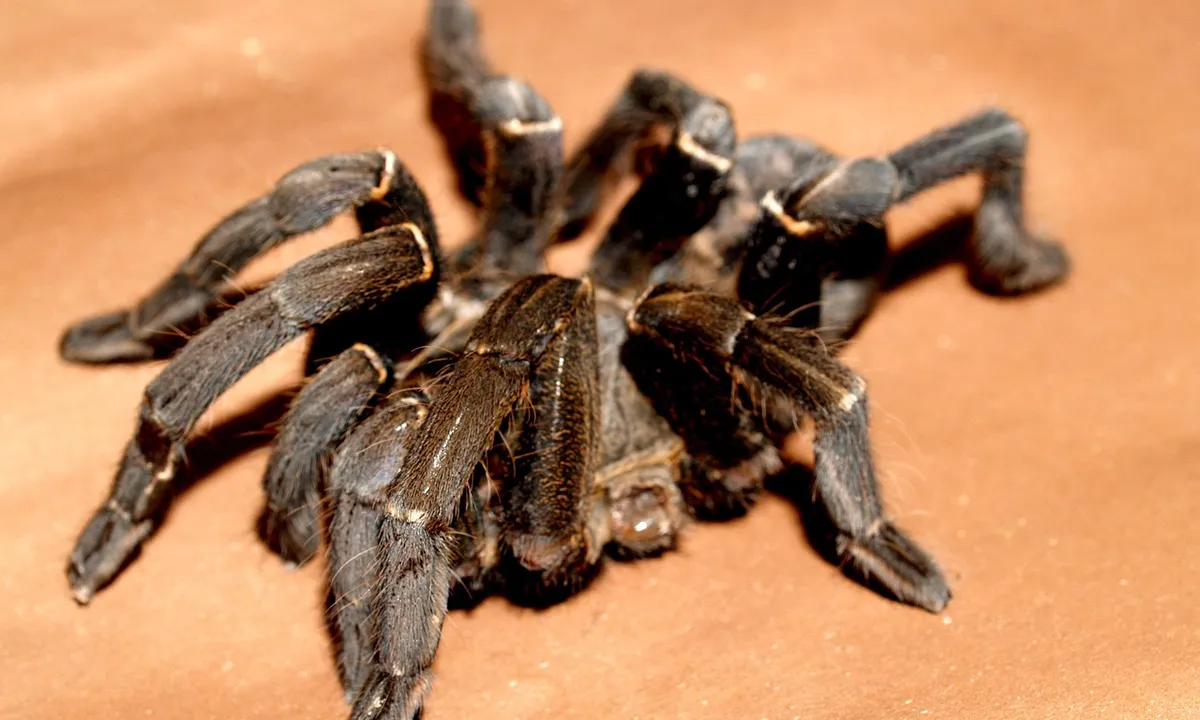
Creating a perfect habitat for your Tliltocatl albopilosus is a rewarding project. A proper setup minimizes stress, encourages natural burrowing, and supports lifelong health through stable microclimates.
- Choose an enclosure with more width than height to prevent dangerous falls.
- Add a deep layer of moistened coconut fiber substrate, at least 5 inches for adults.
- Firmly place a hide, like cork bark flat, against one wall to create a secure cave.
- Set a shallow, tip-proof water dish in a corner, away from the hide.
- Optional: lightly scatter silk leaves or sphagnum moss for added ground cover.
- Verify all decorations are stable and have no rough edges that could tear the abdomen.
- Seal the enclosure with a snug, ventilated lid, checking for any leg-width gaps.
Choosing the Right Enclosure: Size and Type
For spiderlings under 1.5 inches, a 16-ounce deli cup with air holes is ideal. Small containers help you monitor growth and maintain crucial humidity for delicate slings.
Juveniles between 2 and 4 inches need a transition space, like a 2.5-gallon tank or a plastic kritter keeper with roughly 8×10 inches of floor space.
Adult curly hairs require a permanent home with a footprint of about 18×12 inches, equivalent to a standard 10-gallon aquarium. I always prioritize floor space over vertical room, as my Burgundy Goliath once injured itself from a short fall inside a taller tank.
Plastic enclosures are affordable, retain moisture well, and are lightweight for easy moves. Glass terrariums offer superb visibility but often need modified mesh lids to prevent humidity escape. For my collection, I use plastic for juveniles and well-ventilated glass for display adults.
Substrate: The Foundation of Humidity and Burrowing
Premium coconut coir is my primary substrate recommendation. This material retains moisture effectively, packs well for burrow stability, and is generally safe if ingested during feeding.
You can mix it with pesticide-free peat moss or organic topsoil for improved texture. Avoid any soils with fertilizers or perlite.
Aim for a substrate depth of 3-4 inches for slings and a minimum of 6 inches for adults. My old curly hair would excavate elaborate tunnels, so providing deep, packable substrate is key to observing this fascinating behavior.
Maintain moisture by pouring dechlorinated water directly into the substrate corners weekly. This keeps the lower layers damp for humidity while leaving the surface dry to deter mold.
Temperature and Humidity: Getting the Numbers Right
Keep ambient temperatures between 75°F and 80°F (24°C – 27°C). Humidity should fluctuate between 65% and 75%. Stable parameters within these ranges support respiration and trouble-free molting cycles.
Measure conditions with a digital probe hygrometer placed at substrate level. I never rely on stick-on analog gauges after they gave me false readings for Rosie’s enclosure.
Room temperature is usually adequate; if supplemental heat is needed, use a small under-tank heater on one side only. Avoid heat lamps, which can desiccate the air.
Increase humidity through the water dish and damp substrate, not by misting. I learned that frequent misting stresses tarantulas and promotes mold outbreaks, which I’ve had to address in my OBT Flash’s web-heavy enclosure. Provide cross-ventilation via small holes on opposing sides to allow air exchange without drying everything out.
Enclosure Decor and Safety
Essential items are a snug hide and a water dish. The hide should be just large enough for the tarantula to touch all sides, creating a secure feeling. Be mindful of décor dangers—five common enclosure items can harm your tarantula, so choose decorations carefully.
Optional decor includes artificial plants for visual breaks and dried leaf litter to mimic forest litter. Climbing structures are unnecessary and risky for this terrestrial species.
Ensure the water dish is shallow, like a bottle cap for slings or a jar lid for adults, to prevent drowning. All decor must be securely placed; a collapsing hide once startled my Goliath into a major hair-flicking episode.
Prevent escapes by using enclosures with tight-fitting lids or adding securing clips. Check for any gaps, especially around wiring ports. Lighting is not required; indirect room light on a normal day-night cycle is perfect.
Curly Hair Tarantula Care: Feeding, Molting, and Maintenance
Daily care for a curly hair is simple but requires attentive observation. Respecting their quiet rhythms and providing consistent routines builds a healthy, long-lived tarantula.
Diet and Feeding Schedule
These tarantulas are enthusiastic eaters of standard feeder insects. Offering a variety of gut-loaded prey ensures complete nutrition and encourages strong feeding responses. For beginners, this is part of a complete feeding guide. We’ll cover what to feed, how often, and how to assess hunger to keep your tarantula thriving.
Suitable live prey includes:
- Pinhead or small crickets for slings
- Dubia roach nymphs or medium crickets for juveniles
- Large crickets, discoid roaches, or occasional superworms for adults
Feed slings twice weekly, juveniles once a week, and adults every 7-10 days. Prey should be no larger than the tarantula’s carapace. Like my rose hair Rosie, adult curly hairs may fast for weeks or even months, which is normal and not a cause for alarm.
Follow this feeding process:
- Drop the prey item gently in front of the tarantula using long, soft-tipped tweezers.
- If the tarantula does not take the prey within a few hours, remove the live insect to prevent it from harassing your pet.
- Adjust the schedule if the abdomen becomes overly large, indicating obesity.
Some keepers feed live prey vs pre-killed for stimulation, while others use pre-killed prey for safety. Consider your tarantula’s temperament and your safety when choosing a method.
The Molting Process: A Critical Phase
Molting is the process where the tarantula sheds its old exoskeleton. This is the most vulnerable time in its life cycle, and human interference can have disastrous consequences.
Signs of pre-molt include a loss of appetite, a darkening bald spot on the abdomen, increased lethargy, and often sealing off the hide with silk. My defensive OBT, Flash, spins a dense web fortress before molting, while others just become reclusive.
During the molt itself, which can last several hours, do not touch the enclosure or offer food. Ensure humidity is at the higher end of the range (around 75%) to help the old exoskeleton split easily.
After the molt, the tarantula will lie on its back or side while it hardens. You must not disturb it for at least 7-10 days, until its body darkens and it moves normally again. Remove the old exuvia (shed skin) after a few days with tweezers. Wait until the fangs are fully black, usually after a week, before attempting to feed again.
Regular Maintenance and Monitoring
Routine upkeep keeps the environment healthy. Always work slowly and deliberately to avoid startling your tarantula, as sudden movements can trigger stress behaviors.
Refresh the water dish every two to three days with clean, dechlorinated water. Use long tweezers to spot-clean leftover prey parts (boluses) and feces weekly.
A full substrate change is rarely needed. I only perform one if there is a mold infestation or every 12-18 months. When rehousing is necessary, I use the cup-and-guide method, allowing the tarantula to walk voluntarily into a new container—never grabbing or forcing it.
Regularly check for health indicators: a plump abdomen signifies good hydration and feeding, while a wrinkled abdomen may signal dehydration. Consistent environmental checks prevent most common issues.
Health and Wellness: Keeping Your Curly Hair Tarantula Healthy
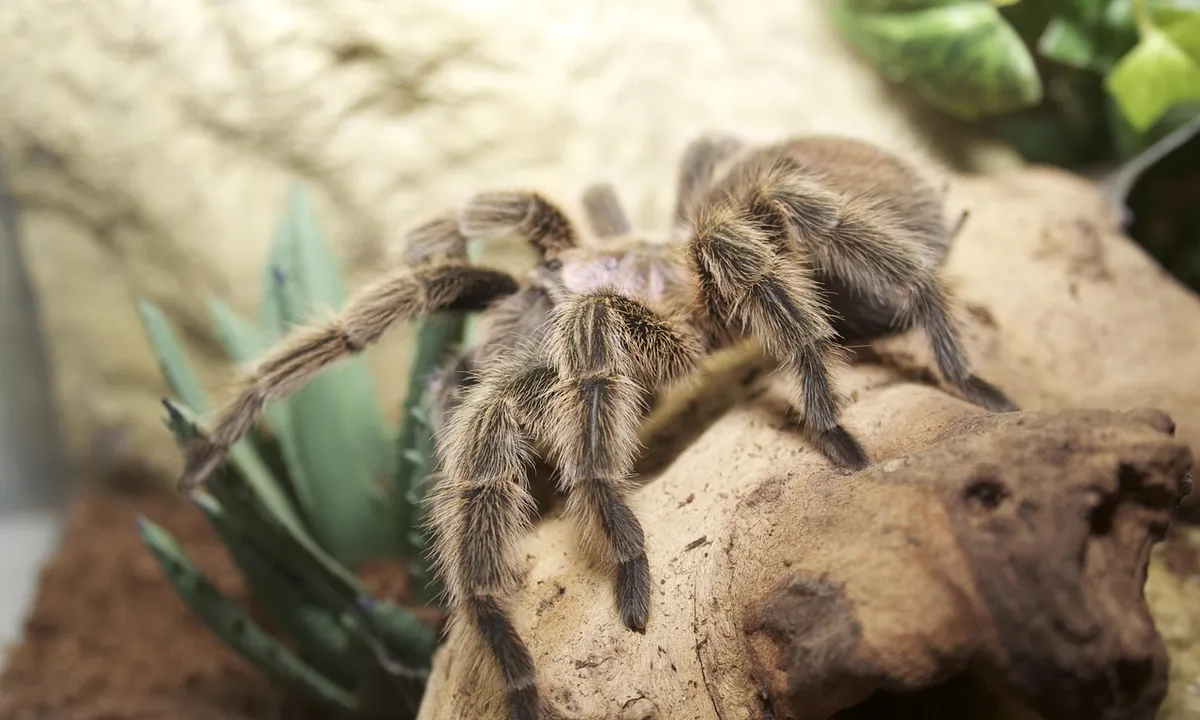
A healthy Tliltocatl albopilosus is a quiet spectacle of nature’s design, observed best in the stillness of its enclosure. Your primary role as a keeper is to foster an environment where wellness is the default, not a constant battle. I learned this through years with my own collection, watching Rosie’s fasts and Goliath’s humidity needs. For Curly Hairs, health stems from consistent, simple care and your attentive eye.
Stress is a silent predator for tarantulas. Minimizing disturbance-no handling, limited enclosure moves, and a secure hide-is the cornerstone of preventive care. A proper setup with adequate substrate depth for burrowing and stable humidity around 70-80% allows their natural behaviors to flourish, reducing anxiety drastically.
Monitor health through regular but quiet observation. I make it a habit to check on my tarantulas during their active evening hours, using a dim light to note posture and activity without intrusion. This passive vigilance lets you spot subtle changes before they become crises.
Recognizing Signs of Good Health
Use this quick checklist during your observations. A healthy Curly Hair tarantula typically shows:
- A plump, rounded abdomen, indicating good hydration and feeding.
- Nocturnal activity, such as subtle webbing, rearranging substrate, or drinking.
- A full, fuzzy coat of urticating hairs on the abdomen, which it retains unless seriously threatened.
- Alert posture and steady movement when prompted, not lethargy or constant hiding.
- A clean molt when it occurs, with all limbs fully extracted and the old exuvia removed.
Common Health Issues and Solutions
Even hardy species face challenges. Here are specific issues and my tested responses.
Dehydration shows as a shrunken, wrinkled abdomen and lethargy. Remediate by ensuring a full, clean water dish at all times. For severe cases, I gently mist one corner of the enclosure to create a hydration station, a trick that worked for a dehydrated sling I acquired years ago.
Mites appear as tiny, moving specks, often near the water dish or on leftover prey. Immediately remove all boluses and substrate. Quarantine the tarantula on clean, dry paper towel. Deep clean the enclosure and freeze the old substrate for 48 hours before disposal. Do not use chemical treatments near your spider, as it is important when dealing with pest infestations in your tarantula enclosure.
Injuries from falls or bad molts can cause limb loss or abdominal ruptures. Isolate the tarantula in a hospital enclosure with minimal climbing points and pristine substrate. Apply a small amount of pure honey to minor wounds as a natural antiseptic; I’ve seen this aid healing. For major ruptures, a vet visit is critical, though options are limited.
Acquiring Your Curly Hair Tarantula: Is It the Right Pet for You?
Bringing a Curly Hair into your home is a commitment measured in decades, not days. This species stands out for its forgiving nature, but ethical acquisition sets the stage for its entire life. Always prioritize captive-bred specimens from sources that value animal welfare over convenience.
Where to Buy and What to Look For
Seek out reputable breeders at online specialty stores or local reptile expos. When selecting a specimen, ask the seller about its feeding history, last molt, and lineage if possible. Inspect the tarantula before purchase: avoid individuals with a discolored abdomen, missing limbs, or mites in their vial. A healthy sling or juvenile will be responsive, not limp.
Cost and Commitment
Budget for both initial setup and ongoing care. Here is a typical breakdown:
- Spiderling (sling): $20 – $40. Adult: $50 – $100.
- Enclosure: $30 – $80 for a secure terrestrial tank.
- Substrate and decor: $20 – $30 initially.
- Ongoing: $10-$15 monthly for feeder insects like crickets or dubia roaches.
The real commitment is time spent on maintenance and observation, not money. With proper care, your Curly Hair can live 10+ years, a serene presence in your home.
Why Curly Hairs Are Ideal for Beginners
Compare the Curly Hair’s demeanor to other common species. My OBT, Flash, transforms his enclosure into a defensive fortress in seconds, while my Goliath bird eater requires precise humidity and kicks irritating hairs readily. The Curly Hair, in contrast, is a portrait of calm. It tolerates minor husbandry fluctuations, rarely flicks hairs, and moves with deliberate slowness. This resilience makes it the perfect first tarantula, teaching core care principles without the high-stakes stress of more delicate or defensive species. Embrace the “Look, Don’t Touch” philosophy from day one to ensure its long-term welfare and your safe enjoyment.
## FAQs
What is a good temperature and humidity range for a Curly Hair Tarantula?
Maintain an ambient temperature between 75°F and 80°F (24°C – 27°C). The ideal humidity range is 65% to 75%. Stability within these ranges is more important than hitting an exact number, as it supports healthy respiration and successful molting. Always measure with a digital probe hygrometer at substrate level for accuracy.
How much does a Curly Hair Tarantula cost?
Prices vary based on age, size, and source. A spiderling (sling) typically costs between $20 and $40, while a juvenile or adult can range from $50 to $100. Rare color morphs may command higher prices. Remember to budget for the initial enclosure setup and ongoing costs like substrate and feeder insects.
What is the best enclosure for a Curly Hair Tarantula?
A secure, terrestrial enclosure with more floor space than height is essential. For adults, a 10-gallon tank or equivalent plastic enclosure with a footprint of about 18×12 inches is ideal. The setup must include a deep layer of moisture-retaining substrate (like coconut coir) and a snug hide. Always ensure the lid is secure and well-ventilated.
Where can I buy a Curly Hair Tarantula?
You should always seek captive-bred specimens from reputable sources. These include specialized online invertebrate retailers, established breeders at reptile and invertebrate expos, and sometimes local exotic pet stores. Avoid wild-caught imports and always ask the seller about the tarantula’s health and history before purchasing. For more information on how to source ethically bred tarantulas, check out this guide.
Are Curly Hair Tarantulas really good for beginners?
Yes, they are widely considered one of the best beginner tarantula species. Their generally docile temperament, hardy nature, and forgiving tolerance for minor husbandry fluctuations make them an excellent choice. Their slow, predictable behavior and moderate care requirements provide a perfect introduction to tarantula keeping without the high stress of more delicate or defensive species. These attributes are especially important when selecting a tarantula as a first pet.
The Final Molt
For your Curly Hair’s entire life, the single most important rule is to always provide a slightly damp area of substrate, as consistent access to moisture prevents fatal dehydration during long fasts. Everything else-the hide, the anchor points, the room temperature-supports this fundamental need.
True mastery comes not from constant adjustment, but from quiet observation. Watch for the flicking of dirt during an enclosure redesign, or the careful construction of a silken burrow entrance. Your tarantula’s world is one of patient rhythm, from the months-long fasting of a pre-molt spider to the sudden, startling efficiency of a feeding strike. I’ve learned more from watching my old Rosie’s years of stillness than from any frantic schedule of care. Embrace the “pet rock” phases. Find joy in the slow growth, the perfect sheds, and the quiet dignity of an animal that asks only for a well-made home. That patience is the heart of this hobby.
Further Reading & Sources
- Curly Hair Tarantula (Tliltocatl albopilosus) Care – The Tarantula Collective
- The Care and Maintenance of the Curly Hair Tarantula – The Bio Dude
- Curly Hair Tarantula Care Sheet | DubiaRoaches.com – Dubia.com
Arlo is a lifelong arachnid enthusiast who believes tarantulas are the world’s most misunderstood roommates. With years of hands-on experience in tarantula care, habitat setup, and species behavior, Arlo combines expert knowledge with a dash of humor to make spider ownership less scary and a lot more fascinating. From choosing the right enclosure to understanding why your eight-legged buddy is doing that weird little pose again, Arlo is here to help you become the best tarantula parent you can be, without getting tangled in the web of misinformation.
Popular Species