
Do Male or Female Tarantulas Live Longer? (The Ultimate Maturity Guide)
In the silent, deliberate world of tarantulas, the most profound difference between individuals isn’t temperament or color-it’s time. From my 15 years with Rosie, my docile Grammostola rosea, to observing the brief, intense adulthood of male spiders I’ve bred, a single rule governs our planning: female tarantulas possess the potential for decades of life, while males are fleeting wonders. This guide explains the biology behind this divide and gives you the tools to identify which journey your spider is on.
Quick Stats:
- Lifespan Divide: Females: 10-30+ years; Males: Often 1-2 years post-final molt
- Maturity Clock: Males mature faster (2-5 years); females mature slower (4-10+ years)
- Influence Factor: Husbandry can maximize a female’s lifespan but cannot extend a male’s biological limit
This ultimate guide will translate the science of arachnid maturity into practical steps for sexing your spider and optimizing its care from sling to serene old age.
The Short Answer: Lifespan Differences at a Glance
The disparity in lifespan between male and female tarantulas is one of the most dramatic and defining aspects of the hobby. My 15-year-old female Grammostola rosea, Rosie, is a perfect example of the potential longevity on the female side, especially when compared to male tarantulas of the same species.
| Sex | Average Captive Lifespan (After Maturity) | Typical Total Lifespan |
|---|---|---|
| Female | 5 to 20+ years | 10 to 30+ years |
| Male | 6 months to 2 years | 2 to 8 years (total) |
Key factors shaping these numbers are the species, the age at which they reach maturity, and the single most important biological event: the ultimate molt. Females generally live for decades, often outliving their human caretakers, while males enter a brief, final chapter of life focused solely on reproduction. This biological imperative, not poor care, is why mature males have such limited time.
Understanding Tarantula Life Stages and Maturity
Watching a tarantula progress through its life stages is a slow, profound lesson in patience and transformation. They move through four distinct phases, each with unique characteristics and care nuances. This article is a beginner-friendly introduction for anyone just starting out with tarantulas. If you’re a complete beginner, you’ll find the basics of care and handling outlined here.
- Egg Sac: This is the beginning. The female guards a silken sac containing hundreds of eggs for several weeks. The silence of the enclosure is absolute during this period of incubation.
- Spiderling: After emerging, they are tiny, often earth-toned, and molt with startling frequency. This stage is all about rapid growth and vulnerability.
- Juvenile: This long intermediary phase is where species-specific colors and patterns truly develop. Molts become less frequent but are dramatic events. Most tarantulas in the pet trade are sold as juveniles.
- Adult: Defined by sexual maturity. The animal has reached its full size and its final, most vibrant coloration. Its biological purpose now shifts fundamentally.
Molting frequency slows like a ticking clock winding down. Spiderlings may shed every few weeks, while a large adult female might only molt once every year or two. Each successful molt is a rebirth, leaving behind a perfect, fragile skeleton of the previous self.
Signs of sexual maturity are physically unmistakable. Mature males develop tibial hooks on their front legs, used to lift a female’s fangs during mating, and their pedipalps develop swollen, bulbous tips called emboli to transfer sperm. Mature females have fully developed internal spermathecae, which can only be seen by examining a shed molt.
How to Sex a Tarantula Using a Molt: A Step-by-Step Guide
I’ve sexed hundreds of molts, from the tissue-paper sheds of slings to the crisp, leonine exuviae of my Goliath. Here is my method.
- Retrieve the molt carefully after the tarantula has moved away. Use soft tweezers if it’s in a web or burrow.
- Soak the molt in a shallow dish of water with a drop of dish soap. This softens it and makes it pliable for manipulation. Let it sit for 10-20 minutes.
- Gently transfer the molt to a white plate or dish. Use magnification-a jeweler’s loupe or phone macro lens works perfectly.
- Locate the abdomen section and carefully peel it open. You are looking for the area between the book lungs, where the epigastric furrow is.
- Identify the structures. In a female, you will see a distinct, often dark, flap or pair of receptacles-the spermathecae. A male’s molt will show a smooth, featureless area in the same location. Finding that tiny, sclerotized flap is the definitive proof of a female and, potentially, decades of future companionship.
From Spiderling to Juvenile: The Growing Phase
This phase is marked by an almost restless energy for growth, visible in their frequent disappearances into their burrows to shed. My OBT, Flash, seemed to double in leg span with every molt during this time. Care focuses on constant, but not excessive, food availability, higher relative humidity for soft exoskeletons, and secure enclosures with ample anchor points for webbing species. Their appetites are often fierce, a direct contrast to the fasting habits of some adults. Providing a stress-free environment for these frequent, vulnerable molts is the single most important task during this life stage.
The Ultimate Molt: Reaching Sexual Maturity
The ultimate molt is a terminal developmental event for male tarantulas, but merely another in a long series for females. For a male, this final shed reveals the tibial hooks and emboli. His physiology changes irrevocably; he often stops eating for long periods, becomes relentlessly nomadic, and his sole drive is to wander and find a mate. This is the beginning of his end.
For a female, maturity is an opening of possibility, not a closure. She reaches her full size and magnificent color. Her molts will continue, albeit far apart, and each one can renew her ability to store sperm and produce fertile egg sacs for years. Her behavior typically stabilizes-she becomes the quintessential ambush predator, a patient fixture in her territory. The difference post-molt is profound: he is a clock now ticking loudly, while she is an established landmark, settled into the rhythms of a long life.
Why Female Tarantulas Live Longer: The Biological Clock
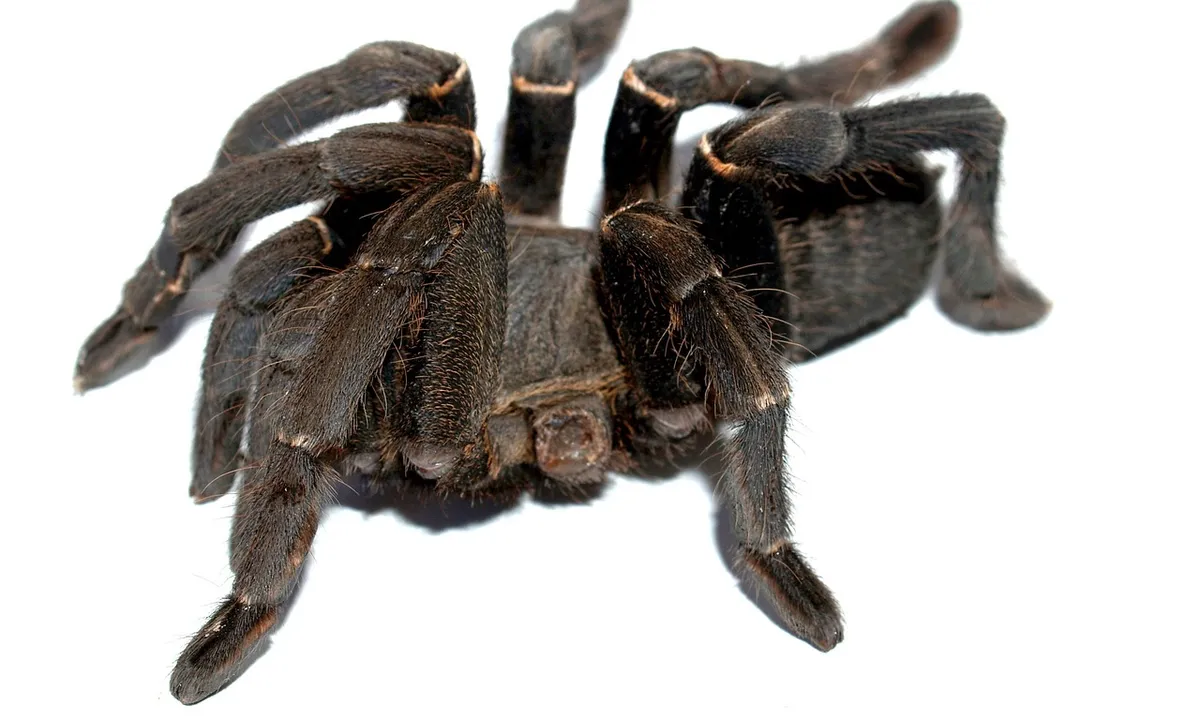
Female tarantulas are built for endurance, not speed. Their biology prioritizes long-term survival to maximize reproductive success over many seasons. A female’s energy is invested in egg production and maintaining her body through repeated molts, allowing her to live for decades in some species. That longevity is part of what makes tarantulas beginner-friendly pets: you can invest now and enjoy years of steady care. In general, typical lifespans for beginner-friendly tarantulas span years to decades, depending on the species. My Chilean Rose Hair, Rosie, is a perfect example at 15 years old; her dusty pink carapace shows the wear of time, but she remains a steady presence in her enclosure.
The Molt Cycle: A Key Difference
After reaching maturity, male tarantulas undergo a final “ultimate molt.” This molt gives them their specialized pedipalps for mating but also signals the end of their growth and the start of their biological countdown. Females, however, continue to molt periodically throughout their adult lives. This allows them to repair injuries, regenerate lost limbs, and essentially refresh their exoskeletons. The ability to keep molting is a primary reason females can outlive males by such a massive margin, especially when considering how molting relates to reproduction.
- Females: Indeterminate growth via continued molts. Lifespan measured in years or decades.
- Males: Growth stops at ultimate molt. Lifespan post-maturity measured in months to a few years.
The Reproductive Lifespan Advantage
A female’s long life is directly tied to her reproductive potential. She can produce multiple egg sacs over many years, often waiting for ideal conditions. I’ve had mature females produce fertile egg sacs years after a single mating, a testament to their efficient sperm storage. This extended reproductive window is a luxury males simply do not have, shaping their entire life history strategy. Caring for a female means providing a stable, low-stress environment where she can thrive for the long haul, a core principle of the “Look, Don’t Touch” philosophy that minimizes disturbance.
Male Tarantulas: The Race to Mate and Die
For a mature male tarantula, life becomes a single-minded quest. Once he develops his emboli (sperm transfer organs), his sole purpose is to find a female. This mission drives a frantic energy. You’ll see a dramatic behavioral shift: constant wandering, tapping legs to sense vibrations, and a complete loss of interest in food. I’ve rehoused mature males that moved with a frantic speed unmatched by their younger selves, a stark contrast to the calm patience of my female Goliath. This frantic behavior is all part of the intricate process described in how tarantulas mate.
Signs of an Aging Male
After mating, or even if he never finds a mate, a male’s decline is swift and natural. It’s vital to recognize these signs so you don’t mistake them for illness caused by poor care.
- Loss of Appetite: He will refuse food entirely, as his energy is diverted from digestion.
- Lethargy Followed by Wandering: Periods of stillness may be broken by sudden, aimless pacing.
- Curling or Difficulty Moving: In his final days, he may struggle to right himself or assume a curled posture.
The death of a male tarantula is a natural biological conclusion, not a reflection on your husbandry skills. However, stressors like improper humidity, frequent handling, or cramped enclosures can undoubtedly accelerate this process. Providing a calm, respectful space for his final journey is the best care you can offer. There’s a common myth that holding a tarantula isn’t affection. In reality, tarantulas don’t bond with people the way many pets do, and frequent handling can be stressful for them.
How Species and Care Affect Tarantula Longevity
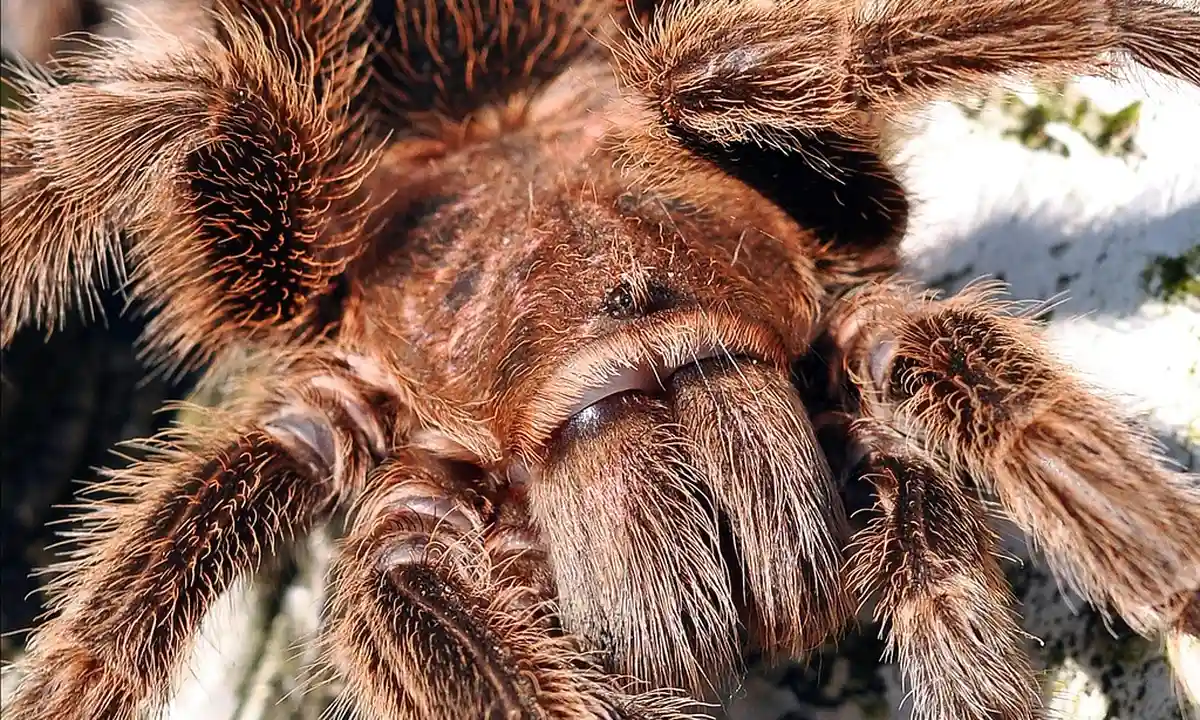
Genetics set the stage, but your care choices write the final act. In my years breeding, I’ve seen a Grammostola rosea like Rosie outlive fast-growing species by decades. Slower growth generally correlates with a longer lifespan, a rule etched in the biology of these arachnids. Think of it like metabolism: a turbocharged engine wears out faster than a steady, efficient one.
Compare the Chilean rose hair to a Psalmopoeus species. My old-world Flash, an OBT (P. murinus), rockets to maturity in under two years but may only live 10-12 years as a female. Rosie, a classic beginner species, might take a decade to mature but can live 25 years or more. Size is a clue; larger, heavier-bodied tarantulas from arid regions often grow slowly and persist for astonishing lengths of time.
Optimal husbandry is the great equalizer. A stable temperature near 75°F, correct humidity verified with a digital gauge, and a low-stress environment are non-negotiable. Consistency is the bedrock of longevity, preventing the hidden toll of chronic stress on your tarantula’s system.
Lifespan Expectations by Tarantula Type
This table provides a snapshot based on typical captive care. Males, across all types, live significantly shorter lives after their ultimate molt.
| Species (Common Name) | Typical Female Lifespan | Typical Male Lifespan (Post-Maturity) |
|---|---|---|
| Grammostola rosea (Chilean Rose Hair) | 20-25+ years | 5-8 years |
| Brachypelma hamorii (Mexican Red Knee) | 25-30 years | 5-10 years |
| Theraphosa stirmi (Burgundy Goliath) | 15-20 years | 3-6 years |
| Caribena versicolor (Antilles Pinktoe) | 10-12 years | 2-4 years |
| Psalmopoeus murinus (Orange Babbler Tarantula) | 10-15 years | 2-4 years |
Husbandry’s Role in Ruling Out Early Death
Most premature deaths are preventable. I’ve learned this through messy lessons, like finding a desiccated sling or nursing a tarantula after a bad fall. Dehydration is a silent killer, especially for moisture-dependent species like my Goliath bird eater.
- Dehydration: Always provide a clean, shallow water dish. For arid species, overflow it slightly once a week to dampen a corner of the substrate.
- Falls: Keep the distance from the lid to the substrate minimal-no more than 1.5 times the tarantula’s diagonal leg span. A fall can rupture their abdomen.
- Incorrect Feeding: Prey that is too large can injure your tarantula. Offer food no bigger than their carapace. Remove uneaten live prey within 24 hours to prevent stress.
This leads to my core philosophy: look, don’t touch. Handling induces stress, risks falls, and can provoke defensive reactions like Goliath’s urticating hair kicks. Respectful observation from outside the glass is the safest, least stressful way to enjoy your pet for its entire natural life.
Caring for Your Tarantula Through All Life Stages
Your tarantula’s needs shift as it grows. A spiderling isn’t just a tiny adult; it’s a fragile life with specific demands. Matching your care to each stage, especially for spiderlings born from your tarantula, is the hallmark of an attentive keeper.
- Spiderlings (Slings): House in small, ventilated deli cups or condiment containers. Provide shallow, moisture-retentive substrate like coconut fiber. Feed pinhead crickets or pre-killed mealworm pieces twice a week. Their enclosures should feel secure and humid.
- Juveniles: Upgrade to a permanent enclosure that allows for digging and exploration. Substrate depth should be at least 1.5 times their leg span for burrowers. Feed one appropriately-sized insect weekly. This is when personalities, like Flash’s defensive webbing, truly emerge.
- Adults: Ensure the enclosure has ample floor space for terrestrial species or height for arboreals. Maintain species-specific humidity and temperature. Feeding frequency drops; my adult Rosie may eat only once a month, which is normal.
For a mature male, care becomes palliative. His sole focus is wandering to find a mate. Ensure his water dish is always full, minimize rehousing, and provide anchor points for his sperm web. Disturb him as little as possible during this final, urgent phase of his life.
Monitor health by noting changes. A plump abdomen, regular drinking, and periodic molting are good signs. Watch for a shriveled abdomen, prolonged lethargy, or difficulty righting itself-these can signal aging or health issues.
Setting Up for a Long, Healthy Life
I advocate for bioactive setups where suitable. Adding springtails and isopods to a moist enclosure for species like T. stirmi helps manage mold and provides natural enrichment. This approach informs my tarantula enrichment guide on environmental enrichment for spiders. A bioactive system creates a stable microclimate, buffering humidity swings that stress your tarantula.
Never guess humidity. Use a digital hygrometer. My Goliath’s enclosure stays at 80-85%, while Rosie’s is bone dry. Accurate, species-specific data prevents both fatal dehydration and deadly mold outbreaks. Research is your best tool.
Recognizing the Natural End of Life
In a well-cared-for tarantula, the end often comes quietly. An old female may stop eating for a very long time, her colors fading. A tarantula nearing the end of its life may become increasingly reclusive and assume a curled, tucked-in posture for extended periods.
Provide comfort by ensuring quiet, stable conditions. A shallow water dish within easy reach is essential. If you notice sudden, severe symptoms like a leaking abdomen or complete loss of limb function, seek advice from experienced breeders or veterinarians familiar with arachnids. Sometimes, the most respectful care is simply peaceful observation, honoring the full arc of a life spent in your care.
FAQs
What is the average lifespan of a pet tarantula?
The average lifespan varies dramatically by sex. Female tarantulas often live between 10 to 30+ years in captivity, with some species exceeding 25 years. Males have a much shorter total lifespan, typically living 2 to 8 years, with only 6 months to 2 years after their final, mature molt. This immense difference is a fundamental biological trait, not a result of husbandry. Understanding the differences between male and female tarantulas is crucial for proper care and expectations.
Does captivity extend a tarantula’s lifespan?
Yes, for females, optimal captive care can maximize their potential for a full, long life by eliminating predators, ensuring consistent food, and controlling environmental conditions. For males, captivity does not extend their biological clock post-maturity, but proper care ensures they reach their natural lifespan without premature death from stress, dehydration, or injury.
How can I tell if my male tarantula is nearing the end of his life?
Signs include a complete loss of appetite, constant restless wandering, and increasing lethargy. You may notice difficulty moving or a tendency to curl its legs. This is a natural progression for a mature male, and providing a calm, low-stress environment with fresh water is the best care during this time.
Can I do anything to help my female tarantula live longer?
Absolutely. The key is consistent, species-specific husbandry that minimizes stress. This includes maintaining stable temperature and verified humidity, providing a proper enclosure to prevent falls, and following a “look, don’t touch” philosophy. A secure, optimal environment allows her to reach her full genetic potential for longevity.
Do all tarantula species have the same lifespan?
No, lifespan varies significantly by species. Generally, slower-growing, heavier-bodied tarantulas (like the Mexican Red Knee) have longer potential lifespans than fast-growing, arboreal species (like the Antilles Pinktoe). However, the rule that females vastly outlive males holds true across all species commonly kept in the hobby. Beyond species, factors like care and environment influence how long a tarantula can live. Proper husbandry—stable temperatures, appropriate humidity, safe enclosure, and adequate feeding—can help maximize lifespan within each species.
If a male tarantula doesn’t mate, will he live longer?
No. A male’s shortened lifespan is triggered by his ultimate molt and the accompanying physiological changes, not by the act of mating itself. Even if he never finds a mate, his biological imperative drives a rapid decline. His body is programmed for a brief, final stage focused on reproduction, after which he will naturally die.
The Long-Term View
The most vital husbandry shift for a mature male is proactive hydration. Mature males dehydrate with alarming speed; a shallow water dish is not a suggestion, but a lifeline, and I keep the substrate around it damp for my adult males. Their metabolism runs hot and fast during their final wanderings. Neglecting this accelerates their decline more than any other single factor.
His last months are not a countdown, but a unique behavioral display. Watch for the silent, rhythmic drumming of his pedipalps as he searches for a mate, or the restless pacing that replaces hiding. This is his purpose. Our role is not to interfere, but to provide a secure, hydrated space for this natural finale. The hobby’s greatest skill is patient observation-watching my old Rosie for a decade has taught me that profound drama unfolds in stillness, not just in strikes.
Further Reading & Sources
- How Long Do Tarantulas Live? Tarantula Lifespan Chart – Dragon’s Diet
- r/tarantulas on Reddit: how long do tarantulas typically live?
- Increased ROS Production: A Component of the Longevity Equation in the Male Mygalomorph, Brachypelma albopilosa – PMC
Arlo is a lifelong arachnid enthusiast who believes tarantulas are the world’s most misunderstood roommates. With years of hands-on experience in tarantula care, habitat setup, and species behavior, Arlo combines expert knowledge with a dash of humor to make spider ownership less scary and a lot more fascinating. From choosing the right enclosure to understanding why your eight-legged buddy is doing that weird little pose again, Arlo is here to help you become the best tarantula parent you can be, without getting tangled in the web of misinformation.
Lifespan