
Does My Tarantula Need a Light Cycle? Day and Night Rhythm Basics for the Chilean Rose Hair (G. rosea)
The Chilean Rose Hair, Grammostola rosea, is the quintessential ‘pet rock’ of the hobby, famous for its incredible hardiness and dusty pink sheen. Despite a persistent myth, your tarantula does not require an artificial light cycle to thrive; they are exquisitely tuned to subtle ambient cues you barely notice. This guide will demystify their natural rhythm and explain how your room’s normal day and night provides all the information they need.
- Quick Stats:
- Origin: Arid scrublands of Chile and Bolivia
- Type: New World, Terrestrial
- Growth Rate: Exceptionally slow
My own G. rosea, Rosie, has thrived for 15 years with nothing more than the light from a distant window, proving that observing their subtle, light-influenced behaviors is far more valuable than installing a bulb.
Do Tarantulas Require a Dedicated Light Cycle?
You do not need to install special bulbs or timers for your tarantula. In my experience, tarantulas thrive on the ambient day and night rhythm of the room they are in, not a dedicated artificial light cycle. I have kept everything from my lethargic Grammostola rosea, Rosie, to my lightning-fast Pterinochilus murinus, Flash, under normal room lighting without issue.
Think of their natural habitat. Most tarantulas are crepuscular or nocturnal, conducting their business in low light. A brightly lit enclosure for 12 hours a day can be stressful, causing your tarantula to hide constantly and miss out on natural behaviors like exploring or web-building. I learned this when I first set up a planted terrarium with a grow light; my usually visible Goliath bird eater (Theraphosa stirmi) vanished into its burrow for a week until I shifted the light away. These factors also influence tarantula lifespan and welfare across different species. Proper care and environment—enclosure, humidity, temperature, and diet—support a longer, healthier life.
Your goal is to provide a gentle cue for day and night. Here is what works:
- Use the natural light from a window in the room, but never place the enclosure in direct sunlight, which can overheat it dangerously.
- If the room is dark, the light from a ceiling fixture on your daily schedule is perfectly sufficient.
- For display enclosures, a low-output LED on a simple timer can work, but set it for a short photoperiod, mimicking a tropical day of 8-10 hours.
The “Look, Don’t Touch” philosophy aligns perfectly here: ambient lighting allows for clear observation without disrupting your tarantula’s sense of security. A stressed tarantula is more likely to flick urticating hairs or adopt a defensive pose, as my Goliath often reminds me. This is especially important when trying to capture photos without causing stress.
Understanding Tarantula Circadian Rhythms
A circadian rhythm is an internal clock tuned to light and dark. For tarantulas, this rhythm dictates prime activity times for hunting, digging, and web maintenance, which usually fall after dusk. You might notice your pet becomes more animated in the evening silence, a sign its rhythm is synced.
Different species show varied patterns. My old world P. murinus, Flash, weaves its dense funnel web under the cover of darkness, while my moisture-loving T. stirmi may venture out for a drink during a dim day. Observing these subtle patterns is one of the hobby’s great joys and requires no artificial intervention.
To support this natural rhythm and reduce stress, follow these steps:
- Prioritize Consistency: Keep the room’s light schedule fairly regular. Erratic, bright lighting at night can disorient your tarantula.
- Monitor Temperature Cycles: A slight, natural drop of 2-3°C at night can further reinforce the day-night cue. This happens naturally in most homes.
- Respect the Hide: Always provide a secure, dark retreat. This allows the tarantula to choose exposure to light, giving it control over its environment.
In bioactive setups, a stable light cycle helps plants, but your tarantula itself simply needs the gentle contrast between day and night, not a solar simulation. I use a simple rule: if the light is good for me to read a book in the room, it’s perfectly adequate for my tarantulas’ circadian clock.
How to Simulate a Natural Light Cycle in Your Enclosure
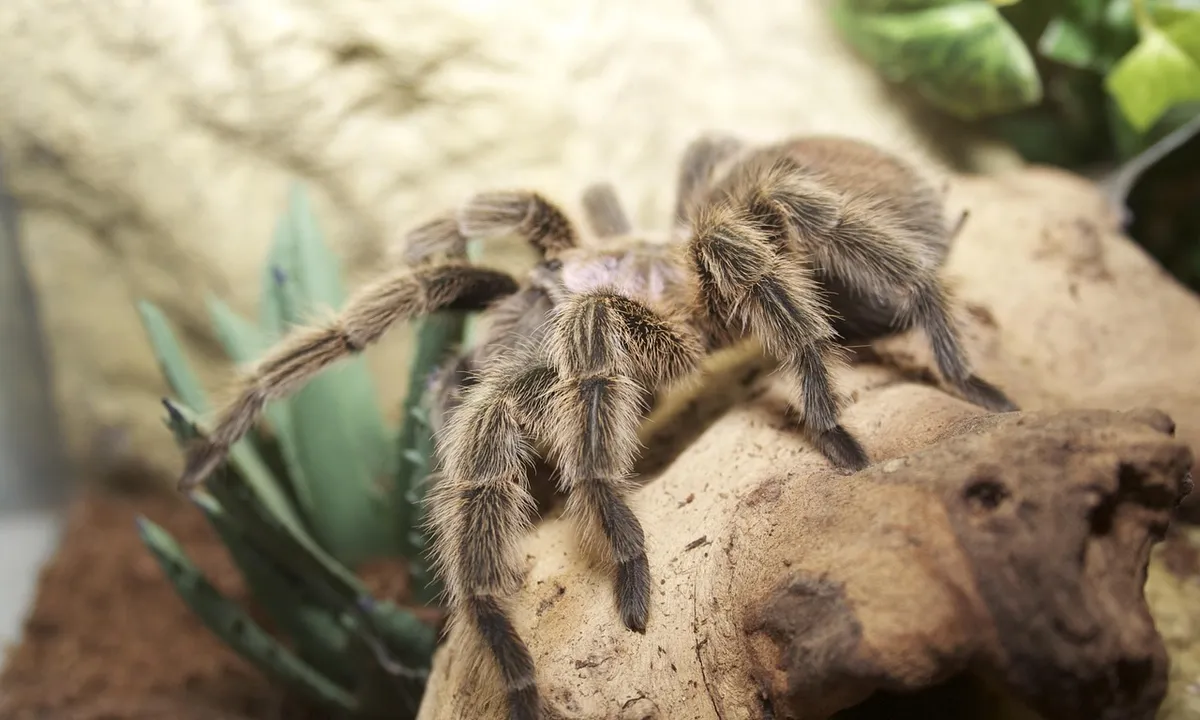
Replicating a day-night rhythm is less about fancy equipment and more about consistent, gentle patterns. Your tarantula’s world is its enclosure, and we can craft its sky with minimal intrusion.
The most effective method uses the ambient light in the room where you keep your collection. A room with a window providing indirect sunlight, paired with normal household activity during the day and darkness at night, creates a perfect, passive cycle.
Choosing the Right Light Source
If your tarantula room is dark, like a basement, you will need an artificial light. The choice here is critical for your pet’s welfare. In addition to lighting, heating and humidity requirements control are essential for most tarantula species. Popular tarantulas have distinct heating and humidity requirements, so adjust the enclosure to meet the needs of the species you keep.
- LED Strips or Panels: My preferred solution. Modern LEDs produce almost no heat, use minimal energy, and can be set on a simple plug-in timer. I use a muted white or cool-white LED strip above my arboreal shelves, set for 12 hours on, 12 hours off. It illuminates the enclosures for viewing without baking them.
- Room Lamps: A standard lamp with a low-wattage LED bulb in the room, also on a timer, works wonderfully. It lights the room, not the enclosures directly, simulating a natural dawn and dusk.
- What to Avoid: Avoid heat lamps, basking spots, or “night” lights like red or blue bulbs. Tarantulas are extremely sensitive to heat and can desiccate or overheat swiftly under a dedicated heat lamp. Colored bulbs do not equate to darkness for them; research suggests they can perceive the light, disrupting their rhythm.
Position any light source to illuminate the room or the exterior of the enclosure, never pointing directly inside as a primary feature. Think of it as ceiling light for the room, not a sun for the tank.
Can Light Cause Stress to Your Tarantula?
Absolutely. Inappropriate lighting is a silent stressor. Tarantulas are cryptozoic creatures, evolved to spend daylight hours in the seclusion of burrows, under bark, or in deep leaf litter. They are nocturnal by nature, making them even more sensitive to artificial light disturbances.
A bright light suddenly switching on overhead mimics a predator uncovering their hide, triggering a freeze-or-flee response. My OBT, Flash, would immediately retreat to his funnel web if a bright light hit his enclosure. This is chronic, low-grade stress we must avoid.
They perceive light differently than we do. Many species see remarkably well in low-light conditions. A suddenly bright environment doesn’t just annoy them; it makes them feel exposed and vulnerable.
Signs of light-related stress include prolonged hiding during their typical active periods, refusing food near the enclosure’s front, or displaying frantic, escape-oriented behaviors when the main light is on. If you see this, reassess your lighting strategy immediately. The goal is a predictable, gentle gradient, not a spotlight.
Using Artificial Light: Benefits and Pitfalls
Used correctly, an artificial light cycle is a tool for welfare and observation. Used poorly, it becomes a source of danger.
The primary benefit is consistency. A timer ensures your tarantula experiences a reliable photoperiod, which can support healthier feeding responses and molting cycles. It also allows you to observe their natural nocturnal behaviors without needing a flashlight. Watching my Goliath emerge at “dusk” to patrol her moist substrate is a quiet reward.
The pitfalls are real and often thermal.
- Heat: The biggest risk. Any bulb that produces significant heat can rapidly alter the microclimate of an enclosure, drying out substrate and raising humidity to dangerous levels. It can literally cook a tarantula that cannot escape the beam.
- Disruption: A light that is too bright or turns on/off abruptly shatters the enclosure’s peace. This is why I advocate for room-level lighting.
- Dependency: There’s no need for a “night” light. Total darkness is natural and good. Using a light so you can see them at night prioritizes your enjoyment over their comfort.
The best artificial light setup is one you barely notice, but your tarantula’s behavior confirms is working-a predictable dimming that cues natural activity without a trace of added heat. Start with the room’s ambient light, and only add a source if needed, always prioritizing your tarantula’s shadowy world over our desire for a perfect view. Be especially cautious of heat-emitting lights that can disrupt their environment.
Recommended Photoperiod: Hours of Light and Darkness
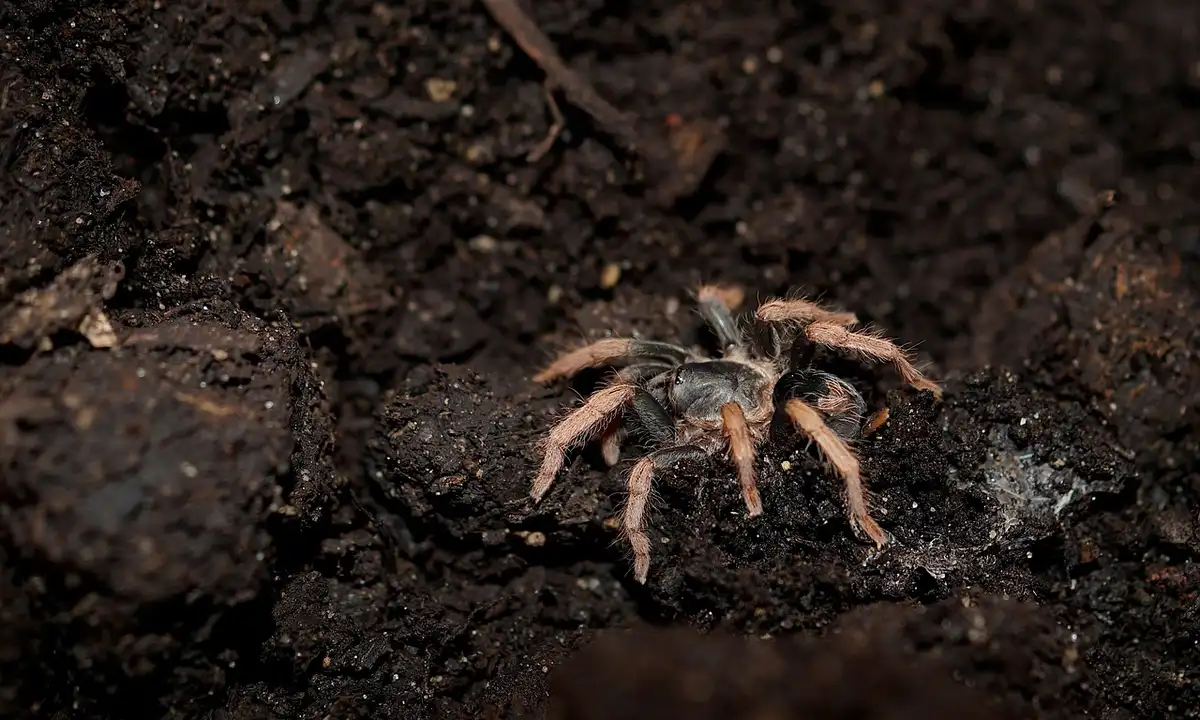
Tarantulas do not have eyelids; they perceive light and dark as signals for activity and rest. I establish a consistent 12-hour light and 12-hour dark cycle for all my spiders using a simple, affordable plug-in timer. This rhythm mimics a natural equatorial day and provides a predictable routine.
Your light source should be ambient and gentle. Never use dedicated heat lamps or UV bulbs, as these can desiccate and overheat your tarantula with dangerous speed. The goal is illumination, not heating. If you’re wondering about blacklights or colored lights, they can be stressful or harmful to tarantulas and are generally not recommended for regular viewing.
- Duration: Aim for 12 hours on, 12 hours off. Slight seasonal adjustments are fine.
- Intensity: Standard room lighting or diffused window light is perfect.
- Consistency: Automation via a timer is best. Manual switching leads to forgotten schedules.
- Darkness: True darkness is important. Avoid glowing night-lights or constant hallway light.
Watch for behavioral feedback. A content tarantula will sync its hidden activity peaks-like hunting or web-building-to the dark phase you provide. My entire room goes dark at 8 PM, and within an hour, I often hear the subtle scratch of Goliath moving across his cork bark.
Species-Specific Lighting Needs and Observations
The standard photoperiod is an excellent starting point, but subtle adaptations exist. Paying attention to these details allows you to fine-tune an environment that minimizes stress and showcases natural behavior. Here are my observations from keeping these popular species.
Chilean Rose Hair (Grammostola rosea)
My Grammostola rosea, Rosie, has spent 15 years under a steady, unremarkable light cycle. This species originates from scrublands with clear skies, tolerating daytime brightness but truly waking in the cool, dim evening. She is a classic ‘pet rock’, often stationary for weeks regardless of light.
Provide a sturdy hide to allow escape from light. In all my years with Rosie, I have only ever witnessed her taking prey during the simulated night hours, a silent ambush in the dark. No special lighting is required beyond the basic, consistent photoperiod.
Pink Toe Tarantula (Avicularia avicularia)
As arboreal tarantulas from rainforest canopies, they experience broken, filtered light. Avicularia avicularia thrives under bright but indirect illumination that never directly heats their enclosure. Direct sun will quickly create dangerous hot spots.
In a bioactive setup, plant growth requires light, but your tarantula needs shade. I achieve this by using broad-leafed plants like Pothos to create a light gradient, letting the Pink Toe choose its preferred perch. They often position themselves at the edge of light and shadow. They are venomous, but bites are rarely dangerous to humans. Their temperament tends to be wary, so gentle handling and a secure, well-planted enclosure support safe care. For more information on their temperament and care, visit this guide.
Orange Baboon Tarantula (Pterinochilus murinus)
My Pterinochilus murinus, Flash, comes from savanna regions with intense sun exposure. This is a defensive, fast species that uses the cover of darkness for its rapid expeditions and web-spinning. His entire enclosure becomes a silken fortress, shading him from light.
During necessary maintenance, I work under dim red light to avoid triggering a defensive response. Flash has taught me that any sudden invasion of bright light into his space is met with a threat posture and a readiness to strike. Provide deep, secure cork bark hides to satisfy their fundamental need for a dark retreat.
Goliath Bird Eater (Theraphosa stirmi)
Goliath, my Theraphosa stirmi, is a denizen of the perpetually dim rainforest floor. This massive spider is profoundly nocturnal and can become stressed by prolonged or bright artificial light. I observed him refusing food for two days after a lamp was left on accidentally near his tank.
I maintain high humidity (80-85%) and very low light levels. His most confident roaming and hunting occur only during the deepest part of the night cycle, often just before dawn. A sudden light turned on during this time will reliably provoke a defensive kick of urticating hairs.
FAQs
Does my tarantula need a light cycle?
No, tarantulas do not require a dedicated artificial light cycle to thrive. They are exquisitely adapted to subtle ambient cues from the room they are in, such as natural light from windows or regular household lighting. Providing a consistent, gentle rhythm of day and night through these passive sources is perfectly adequate for their health and behavior. If you’re curious about heat sources, our complete guide on tarantula heating explains when a heat lamp might be appropriate and how to use it safely. In most cases, ambient temperatures are enough.
What is the natural day and night rhythm for a tarantula?
Tarantulas are typically crepuscular or nocturnal, meaning their natural rhythm involves being most active during low-light periods like dusk, dawn, or night. In the wild, they retreat to dark hides during bright daylight to avoid predators and conserve energy. This circadian rhythm guides essential activities such as hunting, web-building, and exploring when light levels drop. At night, tarantulas actively hunt, ambushing prey. They capture and subdue their victims with venomous bites and strong chelicerae.
How do I simulate a natural light cycle for my tarantula?
Simulate a natural cycle by relying on ambient room light from indirect window sunlight or a standard lamp on a daily schedule. If the room is dark, use a low-output LED on a timer for consistency, but ensure it illuminates the room, not the enclosure directly. Always avoid direct heat sources or bright, intrusive lighting to prevent stress and overheating.
Can light stress my tarantula?
Yes, improper lighting can significantly stress your tarantula. Bright, sudden, or prolonged light mimics a predator threat, causing them to hide excessively or display defensive behaviors. Signs of light-related stress include frantic attempts to escape, refusal to eat near the enclosure front, or avoiding typical activity during their normal active periods. Learning to read your tarantula’s body language helps you spot these stress signals early. By recognizing defensive cues, you can adjust lighting and handling to keep them calmer.
How many hours of light and dark does my tarantula need?
Aim for a consistent photoperiod of about 12 hours of light and 12 hours of darkness, which mimics natural equatorial cycles. This can be adjusted slightly for seasonal changes, but consistency is key to supporting their internal clock. Ensure the dark phase involves true darkness, as artificial night lights can disrupt their rhythm and natural behaviors.
Sustaining Healthy Cycles
The single most important practice is providing consistent, uninterrupted darkness during their nocturnal active period; this regulates their circadian rhythm, supports healthy feeding, and reduces stress that can impede molting.
With this rhythm in place, you gain a front-row seat to natural behaviors-the silent excavation of a burrow at dusk, the meticulous repair of a web at midnight. My OBT Flash becomes a whirl of orange and silk only in deep darkness, while my Goliath’s evening patrols are a reward for maintained routine. Patience in upholding this cycle is your most valuable tool, allowing you to witness the animal’s true nature without interference.
Further Reading & Sources
- Chilean Rose Tarantula
- Chilean Rose Hair Care – The Tarantula Collective
- Rose Hair Owners Please Read! How to REALLY take care of your G. rosea | Arachnoboards
Arlo is a lifelong arachnid enthusiast who believes tarantulas are the world’s most misunderstood roommates. With years of hands-on experience in tarantula care, habitat setup, and species behavior, Arlo combines expert knowledge with a dash of humor to make spider ownership less scary and a lot more fascinating. From choosing the right enclosure to understanding why your eight-legged buddy is doing that weird little pose again, Arlo is here to help you become the best tarantula parent you can be, without getting tangled in the web of misinformation.
Heating and Humidity