
How to Build a Tarantula Collection Responsibly (Without Hoarding)
Building a tarantula collection is an exercise in focused curation, not unchecked accumulation, where each enclosure becomes a dedicated habitat for a specific, understood life. My own shelves hold a dusty pink Grammostola rosea that fasts for months and a defensive Orange Babbler Tarantula that webs with furious speed. This article provides the framework to choose spiders intentionally, manage your space and time, and uphold a strict “Look, Don’t Touch” ethic. The goal is a harmonious group of animals that thrive from sling to adult, never becoming a burdensome hoard.
-
Quick Stats:
- Scale: A sustainable start is 3 to 5 tarantulas, allowing for deep, individualized care.
- Care Rhythm: Budget roughly 30 minutes per enclosure weekly for feeding, water, and observation.
- Growth Spectrum: Balance slow-growing species (like my 15-year-old G. rosea) with faster ones to learn different molt cycles.
- Core Rule: Adopt a hands-off policy; handling induces stress and risks venom or urticating hairs.
I will guide you through selecting species, setting up bioactive enclosures, and creating a routine that ensures every spider in your care, from a docile beginner to a more advanced specimen, receives precise and respectful husbandry.
Defining Responsible Tarantula Keeping vs. Hoarding
The line between a curated collection and a hoard is drawn with the welfare of each individual spider. Responsible keeping is defined by intentional acquisition, where every tarantula’s specific needs for space, humidity, and diet are met without exception. Hoarding, in contrast, is driven by accumulation, often leading to overcrowded, filthy enclosures and animals that are stressed, underfed, or sick.
I once visited a hobbyist who proudly showed me “over a hundred” tarantulas. The silence was broken only by the rustle of crickets in water dishes. Enclosures were stacked, unlabeled, with moldy substrate and tarantulas stuck in mismolt positions. That image of neglect, where animals became mere inventory, forever shaped my view. Your collection’s size must never compromise your ability to notice the subtle details, like a slight tear in a molt or a change in webbing behavior. This is especially important when dealing with rare tarantulas that require extra care.
- Intentionality vs. Impulse: A responsible keeper researches for months before a purchase. A hoard grows from unchecked impulse buys at reptile expos.
- Individual Care vs. Bulk Management: Each tarantula in a curated collection has a setup tailored to its species. In a hoard, enclosures are often identical, improper, and cleaned irregularly.
- Records and Observation vs. Neglect: Keepers track molts and feeding. Hoarding leads to forgotten spiders, missed meals, and untreated health issues.
- Quality of Life vs. Mere Survival: Responsible keeping means providing enrichment like cork bark and proper substrate depth. Hoarding results in barren, stressful containers.
Laying the Groundwork: Research and Honest Self-Assessment
-
Step 1: Deep-Dive Species Research
Do not buy a tarantula based solely on color. You must study the natural history of a species to replicate its home, from the arid scrubland of a Grammostola rosea to the humid forest floor of a Theraphosa stirmi. My rosie, for example, thrives on neglect in bone-dry substrate, while my Goliath bird eater demands 80% humidity and a deep, moist burrow. Contrast this with Old World arboreals like Psalmopoeus species; they are lightning-fast, need vertical space, and their venom demands a “look, don’t touch” philosophy. Researching first prevents the heartbreak of a mismatched pet. When choosing between arboreal versus terrestrial tarantulas as pets, consider whether you want a climber that uses vertical space or a ground-dweller with burrows. Your setup and handling preferences should guide that choice.
-
Step 2: Conduct a Personal Capacity Audit
Be brutally honest with your limits. Space is your first constraint: measure your shelves and calculate how many properly-sized enclosures you can fit with room for maintenance. How much space do you truly need for tarantula enclosures? Calculate the total footprint of each unit plus space for access and maintenance, then confirm that your available area can support a growing collection. Time is next; feeding fifty tarantulas and checking for molts is a weekly commitment. Budget for the hidden costs: bulk substrate, reliable feeder insect colonies, and backup enclosures for rehousing. Ask yourself: if several tarantulas molt at once, do you have the time and calm to ensure each is safe?
-
Step 3: Determine Your “Too Many” Number
This number is unique to you, but it is not about filling empty shelves. Your maximum capacity is the point where adding one more spider would dilute the quality of care for all the others. For me, it’s when I can no longer recall each tarantula’s last meal or most recent molt date from memory. Consider molt management; when my OBT, Flash, sealed itself off, I checked its web tunnel daily. That focus is impossible with an overwhelming number of burrows to monitor. Your collection should be a source of joy, not a chore log.
Ethical Sourcing: Where Your Spiders Come From Matters
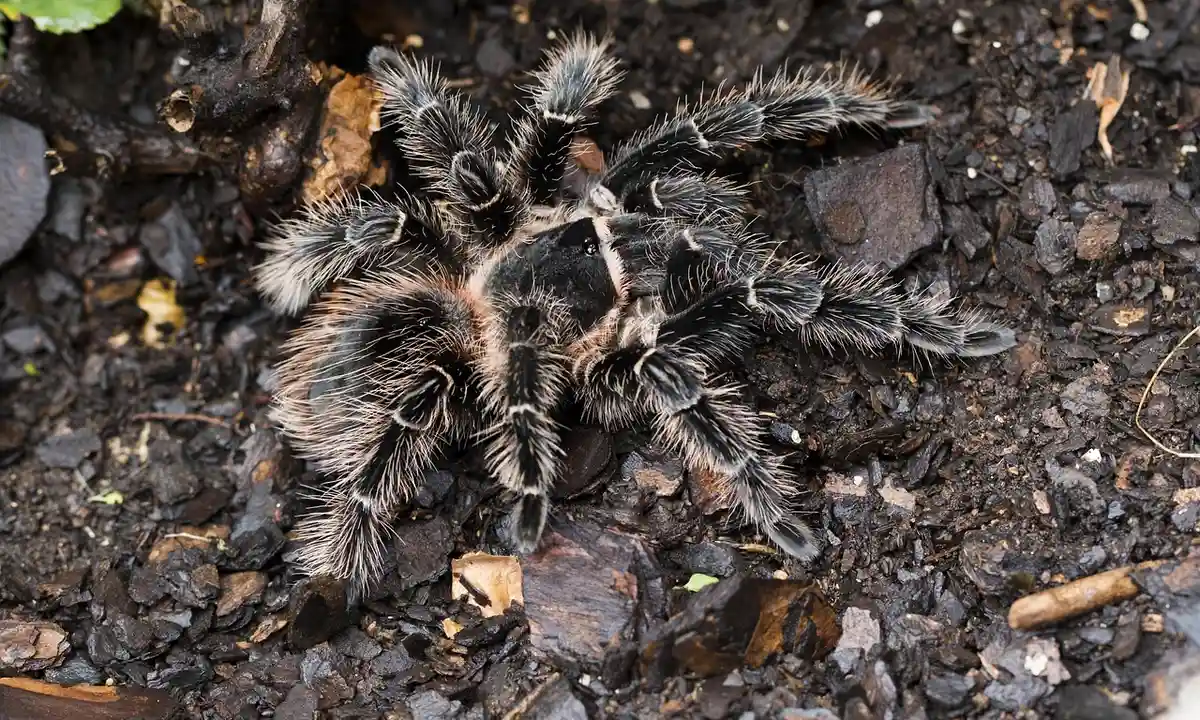
Every spider in your collection has an origin story. Choosing a responsible one is the foundation of ethical arachnoculture.
Always prioritize captive-bred (CB) specimens from reputable breeders over wild-caught (WC) imports. Captive-bred spiders are acclimated to life in an enclosure, have known health histories, and their purchase does not impact wild populations. A wild-caught adult can be a stressful, parasite-ridden guess about its age and health.
Vetting Your Breeder
A good breeder is a partner in your hobby. Look for these signs of credibility.
- Transparency: They readily provide the spider’s scientific name (like Grammostola rosea), approximate instar (growth stage), and feeding history.
- Animal Health: Their posted animals appear well-hydrated (plump abdomen) and are housed in clean, appropriate setups.
- Knowledge Sharing: They willingly answer questions about care and lineage. A breeder who shrugs and says “just throw it in a box” is a red flag.
- Packaging: They use secure, insulated shipping methods designed for live invertebrates. How an animal is shipped speaks volumes.
I’ve learned through both good and bad purchases that a few extra dollars spent with a trusted breeder saves immense heartache later.
The Non-Negotiable Quarantine Period
Every new arrival, regardless of source, must be quarantined. I keep all new spiders in a separate room from my main collection for a minimum of 60-90 days. This is a key part of properly quarantining a new tarantula. I use dedicated tools and monitor for signs of illness or mites during the quarantine before any transfer to the main enclosure.
This isolation period is your only defense against spreading mites or unseen pathogens to your entire collection.
My quarantine protocol is simple but strict.
- House the new spider in a simple, easy-to-clean enclosure.
- Use disposable tools (like plastic spoons) for that enclosure only.
- Always tend to your established collection first, then the quarantine animals, washing hands thoroughly in between.
- Monitor closely for refusal to eat, lethargy, or any signs of mites-tiny moving specks often near the book lungs or mouth.
I once skipped a full quarantine on a “trusted” import. The resulting mite infestation took months to eradicate. Never again.
Legal and Local Considerations
Before purchasing, research. Some species, like certain Indian ornamentals (Poecilotheria), are protected under CITES, requiring special paperwork. Always ensure your seller is compliant.
Furthermore, check your city or county ordinances. Some places have outright bans on “venomous” invertebrates or limit the number you can keep. Knowing the law protects you and your animals.
Practical Habitat Logistics: Space, Enclosures, and Budget
A growing collection needs a practical plan. Thoughtful setup prevents your home from becoming a chaotic warehouse of plastic boxes.
Smart Space Planning and Enclosure Setup
Tarantulas are not display pets like fish, but their enclosures must be functional, secure, and appropriately sized. Understanding the best substrates for tarantula enclosures and how to maintain them helps ensure their health and well-being.
Vertical vs. Horizontal Space: An arboreal species like an Avicularia needs a tall enclosure with anchor points for webbing. A terrestrial burrower like my Goliath (Theraphosa stirmi) needs deep, damp substrate and more floor space. A fossorial species needs even deeper substrate. Match the home to the natural history.
For space efficiency, I use sturdy shelving units. Plastic storage containers, modified with cross-ventilation holes using a soldering iron, are affordable and stackable enclosures for terrestrial juveniles.
Budget does not have to compromise welfare. A $5 plastic deli cup with proper ventilation is safer for a sling than a fancy, oversized glass tank. The core needs are simple: security, ventilation, and the right substrate depth. You can upgrade aesthetics later.
Managing the Financial and Time Commitment
A collection expands costs and hours. Plan for the long term.
Ongoing costs break down like this.
| Item | Frequency | Note |
|---|---|---|
| Feeder Insects | Weekly/Monthly | Bulk ordering crickets or roach colonies cuts cost. |
| Substrate | Every 6-18 months | A giant compressed brick of coconut fiber is cheap. |
| Replacement Heaters | As needed | Always use a thermostat; heat mats fail. |
| New Enclosures | With each growth stage | Slings outgrow homes multiple times. |
The weekly time commitment is less than for a dog, but more involved than many think. For 20 tarantulas, I spend about 2-3 hours per week on feeding, quick water bowl refills, and spot-cleaning boluses (cricket carcasses). While tarantulas require less daily attention than dogs, it’s essential to understand the daily, weekly, and monthly maintenance tasks to ensure their well-being.
A simple care log is the single best tool for managing a collection. I use a basic notebook. For each spider: Name, Species, Date Acquired, Last Molt Date, Feeding Notes. This log lets you see at a glance that Rosie hasn’t eaten in 5 months (normal for her) or that Flash is due for a rehouse soon. It turns casual keeping into responsible husbandry.
The Core of Care: Prioritizing Individual Spider Welfare
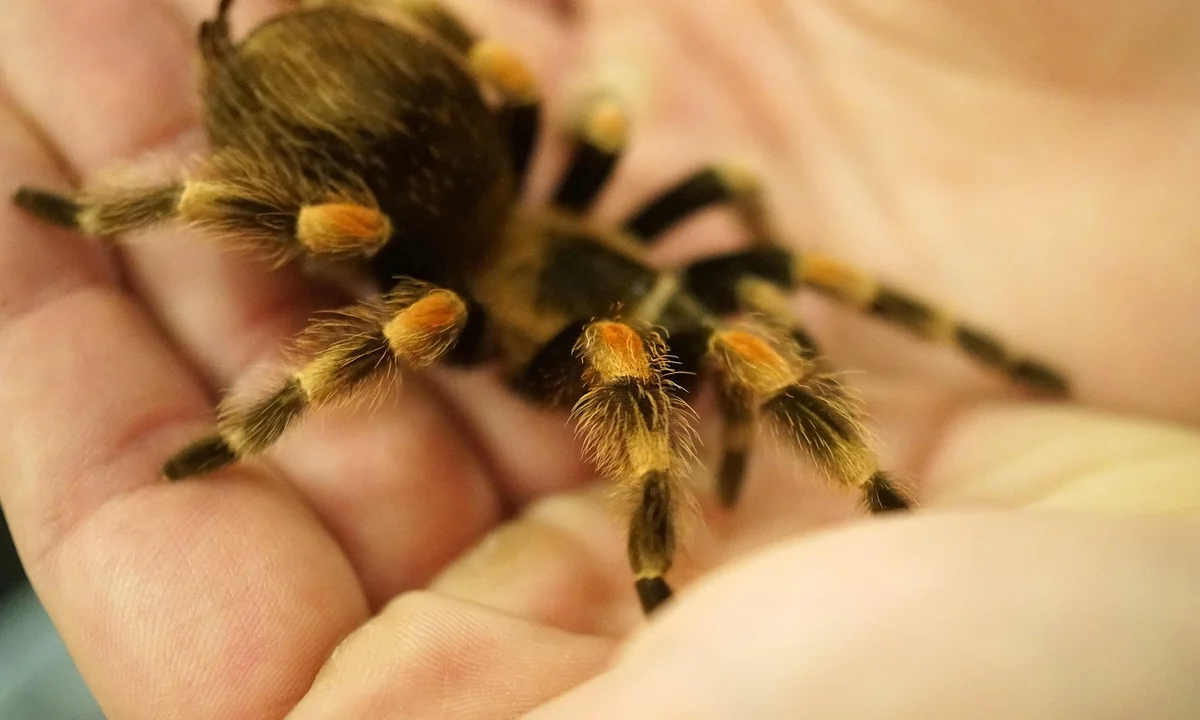
Expanding a collection is exciting, but your primary duty shifts from one keeper to a custodian of multiple complex lives. Responsible growth means your care scales in quality, not just in quantity, with routines tailored to each spider’s non-negotiable needs.
Step 1: Establish Consistent, Flexible Routines
Routine provides security, but rigidity can cause harm. You must adapt your schedule to each species. My 15-year-old Grammostola rosea “Rosie” taught me this; she once fasted for 14 months, a normal but nerve-wracking behavior for a beginner. I kept her water dish full and offered food only once a month to avoid stress and waste.
- Feeding: Adjust schedules per species and life stage. Fast-growing slings eat weekly, while many adults eat bi-weekly. Observe, don’t just drop prey in. A refused meal is information.
- Hydration & Humidity: This is critical and species-specific. My Theraphosa stirmi “Goliath” requires 80-85% humidity to thrive and avoid fatal molting issues. I achieve this with deep, damp substrate and a large water dish. My arid species, like Rosie, get a water dish and bone-dry substrate. Guesswork kills; research each genus’s needs.
Step 2: Master Stress-Free Maintenance
Your management style must prioritize the animal’s peace. The “Look, Don’t Touch” philosophy isn’t about fear; it’s about respect for a creature that doesn’t benefit from interaction. Every unnecessary handling session is a risk to the spider and a stress event that can set back feeding or trigger a molt.
Rehousing is the greatest test. For my defensive Pterinochilus murinus “Flash,” speed and control are everything. I use clear deli cups and long paintbrushes. The goal is to guide, not chase. For heavy webbers, I often rehouse the entire web structure into the new enclosure to provide immediate security. Plan every move; a startled tarantula is breathtakingly fast.
Step 3: Implement Proactive Health Checks
Health monitoring is daily and visual. You learn each spider’s normal “posture” and activity level. A sudden change is your first alert.
- Docile Species (e.g., G. rosea): Watch for prolonged lethargy in a strange position or a shriveled abdomen. These “pet rocks” still communicate.
- Moisture-Dependent Species (e.g., T. stirmi): Check for constant climbing, which can indicate excessive humidity or mites. Ensure they are not sitting in soggy substrate.
- Defensive/Fast Species (e.g., P. murinus): Note hiding durations. An OBT that hasn’t webbed or eaten in weeks might be in pre-molt, requiring absolute quiet.
Knowing the difference between a content spider and a distressed one is the hallmark of an attentive keeper. It’s about reading the silence of the enclosure.
Sustainable Growth and Knowing Your Limits
A responsible collection expands with your expertise, not your impulses. Sustainable growth means you add a new spider only when you have mastered the care of your current ones and have the time, space, and financial resources fully ready before it arrives.
For limited space, consider a “one-in, one-out” rule. This forces conscious curation of your collection, ensuring each animal gets focused attention. The hobby isn’t about amassing the most animals; it’s about providing the best possible life for each one in your care.
Clear Signs It’s Time to Pause Adding New Tarantulas
- Your care routines feel rushed or become a chore.
- You struggle to recall individual feeding or molting dates without meticulous notes.
- You feel financial strain from purchasing feeders, substrate, or enclosures.
- You can’t confidently describe the normal behavior of each spider you own.
- New enclosures are set up hastily with “good enough” conditions.
Reaching a limit is not failure; it is a sign of mature self-awareness and commitment to animal welfare.
Lean on the Community
The tarantula community is your greatest resource. Use forums and social media groups for species-specific advice, troubleshooting, and support. These networks are also vital for responsible rehoming if your life circumstances change or you need to downsize, especially when it’s important to find someone knowledgeable about the species you have. A good keeper knows when to ask for help and where to find a better home for an animal they can no longer support optimally. This safety net is part of responsible collection management.
Common Questions
How many tarantulas is too many to care for properly?
There is no universal number, as your “too many” is the point where adding another spider would dilute the quality of care for all others. This limit is reached when you can no longer recall each tarantula’s last meal or molt date from memory, when maintenance feels like a rushed chore, or when you lack the space for properly sized enclosures. A sustainable collection size allows for daily observation and tailored care for each individual spider’s unique needs and behaviors.
What are the clear signs of responsible versus irresponsible collecting?
Responsible collecting is marked by intentional acquisition, meticulous record-keeping, and habitats tailored to each species’ needs. You will see clean, appropriate enclosures and a keeper who can describe each spider’s normal behavior. Irresponsible collecting, or hoarding, is signaled by impulse buys, identical and inadequate enclosures, forgotten animals, and an inability to provide species-specific care due to overwhelming numbers.
When should I stop adding new tarantulas to my collection?
You should pause when your care routines become a burden, you feel financial strain from ongoing costs, or you can’t confidently describe each spider’s normal behavior. Other key signs include setting up new enclosures hastily with “good enough” conditions and struggling to manage the quarantine process properly for new arrivals. Reaching your personal limit is a sign of mature commitment to your animals’ welfare.
How do I manage the ongoing time and financial commitment?
Proactive planning is essential. Create a simple care log to track feedings and molts, and budget for hidden costs like bulk substrate and replacement enclosures for growing spiders. Implement efficient routines, like bulk ordering feeder insects, and always tend to your established collection before new quarantined animals. The financial and time commitment must be sustainable before you consider expanding.
The Final Molt: Your Collection’s Future
The most vital husbandry parameter for your entire collection is not humidity or heat. It is the space, time, and financial preparedness you maintain for each animal’s entire lifespan, which can exceed 25 years. A responsible collection grows from planning, not impulse.
Beyond the mechanics of care lies the true reward. I spend hours watching Flash construct her silken fortress or waiting for Rosie to finally accept a cricket. This hobby rewards the patient observer. Your greatest tool is not a fancy mister or a heat lamp, but your own quiet attention. Enjoy the slow drama of a burrow being excavated, the precise ambush of a prey item, and the profound quiet of a content spider. A well-kept collection is a living mosaic of natural history, built one thoughtful choice at a time.
Further Reading & Sources
- The Tarantula Collective
- New Tarantula Keeper Guide – The Tarantula Collective
- r/tarantulas on Reddit: How big is everyone’s collection? I’m currently sitting at 8!
Arlo is a lifelong arachnid enthusiast who believes tarantulas are the world’s most misunderstood roommates. With years of hands-on experience in tarantula care, habitat setup, and species behavior, Arlo combines expert knowledge with a dash of humor to make spider ownership less scary and a lot more fascinating. From choosing the right enclosure to understanding why your eight-legged buddy is doing that weird little pose again, Arlo is here to help you become the best tarantula parent you can be, without getting tangled in the web of misinformation.
Popular Species