
Tarantula Substrate Volume Calculator
Ensure proper substrate depth for your tarantula’s enclosure
Results
Tarantula Substrate Volume Calculator: For the Chaco Golden Knee (G. pulchripes) and Other Burrowers
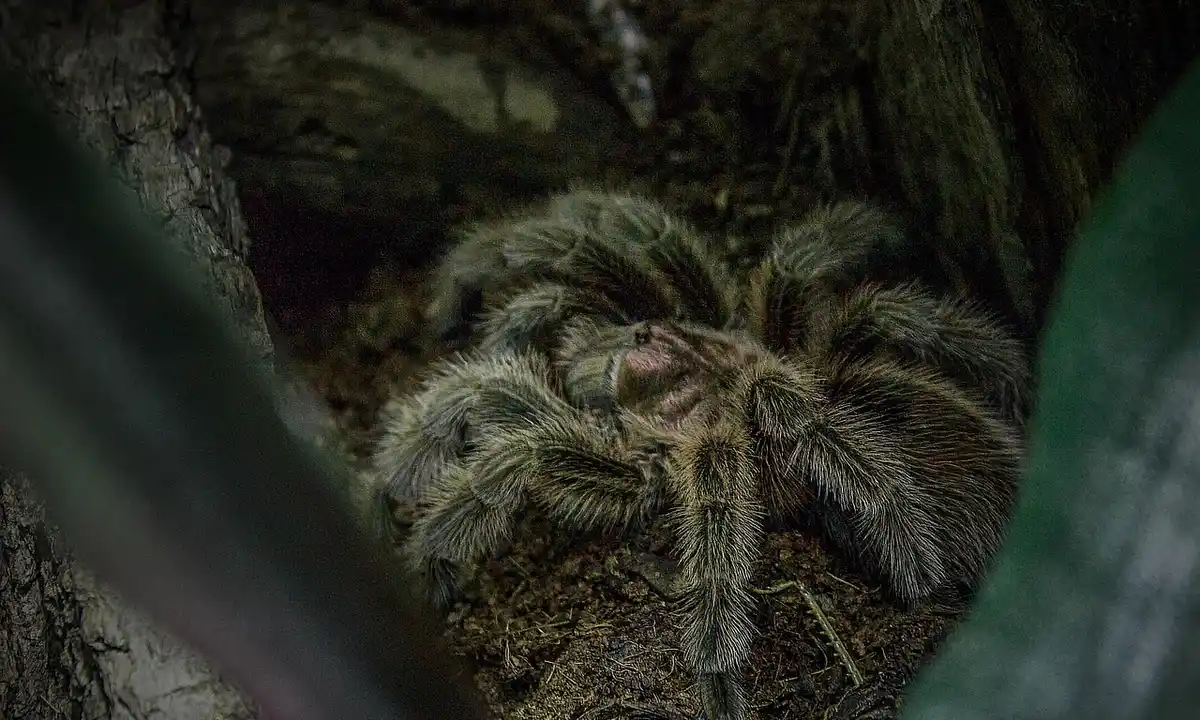
The Grammostola pulchripes is the master architect of the tarantula world, a species whose entire well-being is dictated by the sheer volume of dirt you provide. This isn’t a spider that merely sits on substrate; it interacts with it, engineers it, and depends on it for its sense of security. I’ve seen my own slings vanish into intricate tunnels on day one, a behavior that demands a specific and often underestimated depth of material. This guide, centered on a practical calculator, will show you exactly how much substrate is non-negotiable for a thriving, burrowing tarantula.
Quick Stats:
- Origin: Paraguay, Argentina, Bolivia
- Type: New World, Terrestrial Burrower
- Growth Rate: Medium
This calculator and the principles behind it are your blueprint for moving a fossorial or obligate burrowing species from a nervous sling to a confident, tunnel-dwelling adult.
The Lifesaving Math: Why Substrate Volume is a Cornerstone of Tarantula Care
The Fall Distance Rule and Your Tarantula’s Safety
Forget decoration; the primary function of substrate is safety. The single most critical husbandry rule I follow is the Fall Distance Rule: For any terrestrial or fossorial tarantula, the distance from the highest point it can climb to the substrate must be less than 1.5 times its Diagonal Leg Span (DLS). This is not a suggestion. It is physics applied to biology.
A tarantula’s abdomen is not armored. It is a fluid-filled sac, an exoskeletal balloon. A fall onto a hard surface, even from a seemingly low height, can cause a fatal rupture. I have seen the heartbreaking results in online forums-a seemingly minor tumble leading to a leaking, dying animal. Your tarantula’s survival instinct is no match for gravity on a smooth, vertical surface.
My Burgundy Goliath, with a massive 8-inch leg span, gets a deep, 10-inch substrate base. My docile Rosie has a shallower layer, but it’s calculated. For my fast, arboreal OBT, the rule changes to focusing on ample anchor points. This math is your first, non-negotiable step in ethical setup.
More Than Flooring: Substrate’s Role in Humidity and Burrowing
Substrate volume directly dictates the microclimate. Think of a deep, moist substrate pile as a humidity battery. It holds water at its base, releasing moisture slowly and creating a stable humidity gradient. For my Theraphosa stirmi, which requires 80-85% humidity, a shallow layer would dry in hours, stressing its delicate respiratory system. A sufficient volume of moisture-retentive substrate acts as a passive, stable humidifier, preventing dangerous fluctuations.
Contrast this with my Chilean Rose Hair’s arid setup. Her substrate is still deep enough to prevent a fall, but it’s kept dry. The volume here provides thermal mass and the option to dig, not humidity.
This leads to the second critical function: enabling natural behavior. A fossorial species given only an inch of dirt is a stressed species. Ample substrate allows for the construction of secure burrows, which is how these animals derive safety. Providing the volume to dig is providing the means to feel secure, drastically reducing stress-related fasting or defensiveness. Even terrestrial species will anchor their silken retreats into deep substrate, creating a stable home base.
Breaking Down the Calculation: How to Figure Substrate Volume for Any Enclosure
The Core Formula: Length x Width x Desired Depth
The calculation is straightforward geometry. You must use the interior dimensions of the enclosure, not the outside.
- Measure the interior length (L) and width (W) in your preferred unit.
- Determine your needed substrate depth (D) in the same unit, based on the Fall Distance Rule and species needs.
- Multiply: L x W x D = Required Substrate Volume.
Example: An enclosure interior is 12″ long by 8″ wide. Your terrestrial tarantula needs 5″ of substrate for safety.
Calculation: 12 x 8 x 5 = 480 cubic inches of substrate.
This is the kind of result you’d get from a tarantula enclosure size calculator, which helps you size the enclosure and substrate safely. Such calculators standardize measurements to prevent under- or over-sizing the setup.
For bagged substrate, you’ll need to convert. One dry US quart equals about 57.75 cubic inches. So, 480 / 57.75 ≈ 8.3 quarts. I always round up. In metric, a 30cm x 20cm enclosure needing 12cm depth requires 30 x 20 x 12 = 7,200 cubic centimeters, or 7.2 liters.
Measuring Your Enclosure: Getting Accurate Interior Dimensions
Precision matters. Use a flexible sewing tape measure for the best results.
- Account for Obstructions: Measure from inside wall to inside wall at the substrate level. If there’s a fixed internal lip or decor that reduces floor space, measure between these points.
- Mind the Shape: For front-opening enclosures, ensure your width measurement isn’t fooled by the door frame; measure the narrowest point of the actual living space.
- Write It Down: Jot the interior length and width down permanently on the enclosure with a small sticker. You’ll need it again for future maintenance or for calculating ventilation.
Determining the Crucial Variable: Your Tarantula’s Ideal Substrate Depth
Match the Depth to the Species: Terrestrial, Fossorial, and Arboreal Needs
Substrate depth is not one-size-fits-all. It’s dictated by your tarantula’s natural behavior. Getting this wrong risks injury or chronic stress. The golden rule is to ensure the distance from the top of the substrate to the enclosure lid is no more than 1.5 times your tarantula’s legspan to prevent fatal falls.
- Shallow for Arboreal (1-2 inches / 2.5-5 cm): Species like avicularias or psalmopoeus live vertically. Substrate is for moisture and anchoring decorative items. My P. murinus “Flash” is an obligate burrower, but true arboreals need just a foundational layer.
- Moderate for Terrestrial (4-6 inches / 10-15 cm): These are the ground dwellers. They need enough depth to excavate a starter burrow or create a well-anchored hide. My G. rosea “Rosie” typifies this. She rarely digs deeply but needs the option for security.
- Deep for Fossorial (8+ inches / 20+ cm): The obligate burrowers. They will dig intricate, deep tunnels if given the medium. A shallow setup frustrates their core instinct. My old C. lividus would vanish into a network I could only glimpse with a flashlight.
Adjusting Depth for Humidity Requirements and Spiderling Setups
Species needs can modify these baseline depths. For moisture-dependent tarantulas like my T. stirmi “Goliath,” a greater volume of damp substrate acts as a passive humidity reservoir, creating a stable microclimate. I increase his depth to 6-8 inches of packed, moisture-retentive mix. To create a proper substrate moisture gradient for your tarantula, keep the surface drier while the base remains moister. This provides selectable microclimates and helps regulate humidity naturally.
For spiderlings, the safety principle remains. A small deli cup still needs proportional depth. A 1-inch legspan sling in a 4-inch tall cup needs 2-3 inches of substrate. This minimizes fall distance and provides anchoring for their tiny hides. Never house them on a bare, shallow floor.
Choosing Your Medium: How Substrate Type Affects Volume and Function
Common Substrates and Their Properties: Coco Coir, Peat Moss, Topsoil, and Mixes
The material you choose changes how much you need and how it performs. All must be free of chemicals, fertilizers, and perlite. I prioritize packability for burrow integrity and moisture consistency over pure aesthetics.
- Coconut Coir (Brick or Loose): Excellent moisture retention, low cost, and generally clean. Can be dusty when dry. Alone, it sometimes doesn’t hold a burrow shape for heavy species. A fantastic base ingredient.
- Sphagnum Peat Moss: Holds water very well and is slightly acidic. It can compact heavily over time. Sourcing is an ecological consideration for some keepers.
- Organic Topsoil (No Additives): Provides more structure and weight. Helps create durable burrow walls. Must be meticulously screened for contaminants. I never use it straight from a bag.
- Vermiculite/Sand Mixes: Vermiculite holds immense water. A small percentage mixed into coir or soil boosts humidity retention. Play sand can add drainage and stability. I use a little in my fossorial mixes.
My personal, trusted mix for burrowers like my fossorials and Goliath is roughly 60% coconut coir, 30% organic topsoil, and 10% vermiculite. This holds moisture, packs firmly for tunneling, and stays mold-free.
Compaction and Settling: Why You Often Need More Than You Calculate
A critical, often missed step. Dry, fluffy substrate will settle significantly when you moisten and pack it for burrow stability. If you calculate volume for a 6-inch depth of fluffy coir, you may end up with 4 inches after packing, defeating your purpose and safety margin. Always calculate based on the *final, packed depth* you need. I advise purchasing 20-25% more substrate by volume than your math says. Leftover dry substrate stores indefinitely.
A Step-by-Step Walkthrough: Using the Substrate Volume Calculator
Step 1: Identify Your Tarantula’s Type and Needs
Is your tarantula terrestrial, fossorial, or arboreal? Consider any special humidity needs. Example: My T. stirmi “Goliath” is a large, humidity-loving terrestrial that appreciates deep substrate. If you’re not sure about the enclosure requirements, check out what features are essential for a terrestrial vs arboreal tarantula enclosure.
Step 2: Measure Your Enclosure’s True Interior Floor Area
Use a tape measure. For a standard rectangle, multiply interior Length x Width. For a 24″x18″ terrarium, that’s 432 square inches. Convert to feet if needed (432 sq in ÷ 144 = 3 sq ft). Measure the actual space, not the tank’s external label.
Step 3: Select Your Target Substrate Depth
Based on Step 1. For Goliath, I choose a packed depth of 7 inches for humidity and bulk.
Step 4: Perform the Volume Computation
Volume = Floor Area x Depth. Using Goliath’s tank: 432 sq in x 7 in depth = 3,024 cubic inches of *packed* substrate. To visualize, there are 1,728 cubic inches in a cubic foot. So Goliath needs roughly 1.75 cubic feet of packed substrate mix.
Step 5: Account for Settling and Purchase Your Substrate
Add 25% to your calculated volume to account for settling from its loose, dry state. 3,024 cubic inches + 25% (756 cu in) = 3,780 cubic inches to purchase. That’s about 2.2 cubic feet of dry substrate mix. After filling, perform the final safety check: measure from the substrate surface to the lid. Is it less than 1.5x Goliath’s legspan? If yes, you’ve succeeded.
Beyond the Calculation: Common Substrate Volume Mistakes and Fixes
Under-filling: The Most Frequent and Dangerous Error
Picture an enclosure where the glass walls tower over a meager layer of substrate, leaving a perilous gap from the lid to the floor. This common visual cue signals immediate danger, as a fall from even a modest height can rupture your tarantula’s abdomen. I learned this early on with my Chilean Rose Hair, Rosie; her calm demeanor doesn’t eliminate the risk of a clumsy climb and a fatal drop. For heavy-bodied species like my Burgundy Goliath, T. stirmi, the consequences are even more severe. If you can see more glass than substrate, add more immediately—this is a non-negotiable fix. These are common tarantula enclosure setup mistakes to avoid. A quick check of substrate depth and lid security can prevent similar accidents.
Over-compaction and Poor Moisture Gradients
Substrate should be packable enough to hold a burrow’s shape, not compressed into a concrete-like slab. Your tarantula needs a medium it can actually manipulate, a lesson my Orange Baboon Tarantula, P. murinus, taught me as she engineered intricate tunnels in her webbed fortress. Aim for a consistency where you can press a finger in and leave a clear indent that doesn’t instantly collapse. Whenever selecting the best substrate for a tarantula enclosure, think about maintenance—it’s not just about texture, but how easily you can clean and refresh it. Regular spot-cleaning and periodic substrate refreshes help maintain stable humidity and prevent mold or spoilage.
Beyond texture, moisture management is critical. Saturating the entire volume is a recipe for mold and stagnant air. Instead, create a gradient by pouring water into one corner of the deep substrate, allowing the moisture to seep downward and sideways, leaving the surface mostly dry. This technique keeps the lower layers humid for burrowers like Goliath, while providing a drier retreat area, mimicking the natural moisture pockets found in their habitats.
Sourcing and Preparing Your Substrate
Finding Bulk, Safe Substrate Materials
For bulk purchases, I frequent garden centers for organic, pesticide-free topsoil and reptile suppliers for compressed coconut coir bricks. You must scrutinize every product label to avoid hidden threats like chemical fertilizers, insecticides, or perlite—those white, pebble-like additives can cause fatal impaction if ingested. Similarly, common household cleaning products are dangerous in a tarantula tank—stick to reptile-safe cleaners or plain water. My personal rule is simple: if it’s marketed for potting plants with “added nutrients,” it doesn’t belong in your tarantula’s home.
- Good Sources: Reptile specialty stores, organic garden supply centers.
- Materials to Use: Pure coconut coir, organic topsoil, sphagnum moss.
- Materials to Avoid: Soils with fertilizers, vermiculite, perlite, or unknown chemical treatments.
Hydration and Sterilization Steps Before Use
Bone-dry coir bricks need thorough hydration. Submerge the brick in a large container of dechlorinated water until it fully expands, then squeeze handfuls tightly to achieve a moist, crumbly consistency-it should clump briefly without dripping. Proper hydration transforms a dusty brick into a moisture-retentive base that supports both burrow structure and humidity levels.
For added safety, especially in bioactive setups with live plants, I sterilize substrate by baking it in the oven at 200°F for 30 minutes or freezing it for 48 hours. This optional step eliminates potential mites or fungus gnat larvae, preventing invasive pests from disrupting the silent ecology of your enclosure. I did this for Goliath’s humid rainforest setup, and it saved me from a future infestation.
FAQs
What types of tarantulas require the most substrate depth?
Fossorial or obligate burrowing species, like the Chaco Golden Knee, need the deepest substrate—typically 8 inches or more. This allows them to construct secure tunnels for natural behavior and safety. In contrast, terrestrial tarantulas require moderate depth, while arboreal species need only a shallow layer for anchoring decor. A deeper look at fossorial versus terrestrial tarantulas reveals how ground-dwelling habits dictate burrowing depth, microhabitat use, and hunting strategies. These contrasts help explain why substrate choice is a key factor in tarantula care and behavior.
How do I accurately measure my enclosure’s length and width for the calculator?
Always use the interior dimensions measured at the substrate level with a tape measure. Ensure you account for any fixed obstructions like lips or decor that reduce floor space. For front-opening enclosures, measure the narrowest point of the actual living space to avoid errors.
How do I determine the right substrate depth for my tarantula?
Base the depth on your tarantula’s type—shallow for arboreal, moderate for terrestrial, and deep for fossorial—following the Fall Distance Rule for safety. Also, adjust for humidity needs, as moisture-dependent species benefit from deeper substrate to maintain stable microclimates. Always aim for a packed depth that prevents falls exceeding 1.5 times the tarantula’s leg span. In our ultimate guide to tarantula burrows, we explain why they dig and how to support this instinct. Understanding this behavior helps you design enclosures that promote stability, humidity control, and safety.
Should I use inches or centimeters in the substrate volume calculator?
You can use either inches or centimeters, but consistency is crucial for accurate calculations. The formula (Length x Width x Depth) works the same regardless of units. Just ensure all measurements are in the same unit before computing the volume to avoid conversion errors.
Long-Term Success
For any tarantula, from a pet rock like my Grammostola rosea to a moisture-sensitive Theraphosa stirmi, the single most critical outcome of calculating substrate volume is this: it physically prevents falls for terrestrial species by providing a deep, soft landing, which is the leading cause of fatal injury in captivity.
With the math done and the enclosure filled, your work transitions into the joy of observation. Witness the slow sculpture of a burrow, the silent ambush from a silken tunnel, or the patient hours spent at the entrance of a hide. Tarantulas reveal their wonders not on demand, but on their own time; your steady, patient presence is the greatest tool you have for seeing them thrive.
Further Reading & Sources
- r/tarantulas on Reddit: Gimme your substrate recipes!
- Proper substrate depth? | Arachnoboards
- substratecalculator
Arlo is a lifelong arachnid enthusiast who believes tarantulas are the world’s most misunderstood roommates. With years of hands-on experience in tarantula care, habitat setup, and species behavior, Arlo combines expert knowledge with a dash of humor to make spider ownership less scary and a lot more fascinating. From choosing the right enclosure to understanding why your eight-legged buddy is doing that weird little pose again, Arlo is here to help you become the best tarantula parent you can be, without getting tangled in the web of misinformation.
Substrates and Decor