
Do Tarantulas Spin Webs and Produce Silk?
Published on: January 3, 2026 | Last Updated: January 3, 2026
Written By: Arlo
Tarantulas are prolific silk engineers, but their constructions serve as fortified homes, not hunting nets. Watching my defensive OBT, Flash, coat his enclosure in a dense, orange-tinted silk sheet, I realized their work is less about trapping prey and more about crafting a secure, sensory world. This article will illuminate the precise biology and varied applications of tarantula silk, from the silent spin of their spinnerets to the textured landscapes they build in captivity.
Quick Stats:
- Silk Origin: All tarantulas produce silk from specialized abdominal spinnerets.
- Functional Type: Non-adhesive, structural silk for burrows, lining, and signaling.
- Behavioral Sign: Heavy webbing often precedes molting or indicates a settled, content tarantula.
This guide will translate the subtle architecture of silk in your tank, transforming simple observation into a richer husbandry practice.
Do Tarantulas Produce Silk? The Core Answer
Absolutely. Every tarantula produces silk from specialized organs called spinnerets. This silk is a vital, versatile tool for their survival, used for far more than just catching prey. The common image of a symmetrical, sticky orb web belongs to true spiders like garden orb weavers. Tarantula silk application is more pragmatic and architectural.
My OBT, Flash, demonstrates this nightly, laying down dense sheets of silk across every surface of his enclosure. In contrast, my Chilean Rose Hair, Rosie, might only spin a faint silk mat under her hide, a simple comfort. Watching a tarantula methodically place silk lines is to witness an innate, complex behavior that varies dramatically by species and individual.
Their silk serves multiple critical functions: lining and reinforcing burrows, creating molting mats, constructing egg sacs, laying trip lines for vibration detection, and even as a safety dragline. My Burgundy Goliath, for instance, lines his entire deep burrow with thick silk, which helps maintain the high humidity he requires and stabilizes the tunnel walls.
How Tarantulas Make Silk: Spinnerets and Silk Glands
The process is a marvel of biological engineering. Inside the tarantula, specialized glands create liquid silk protein, which is then extruded through external nozzles to become solid thread.
Spinneret Types and Silk Ejection
Look at the rear of a tarantula’s abdomen. You’ll see small, finger-like projections. These are the spinnerets. Most tarantulas have four, arranged in two pairs. In tarantula anatomy 101, these spinnerets illustrate how the body is organized for silk production. Knowing their location helps explain how the tarantula’s body structure supports its silk-based lifestyle.
- Anterior Spinnerets: The front pair. These are often the largest and most active, doing the primary work of web and mat construction.
- Posterior Spinnerets: The rear pair. These frequently handle laying down the safety dragline as the tarantula walks.
The tarantula controls each spinneret independently, deftly tapping them against surfaces to anchor lines or sweeping them to lay down sheets. They can combine threads from multiple spigots, tiny nozzles on each spinneret, to create thicker, stronger cords. This is not a passive dripping, but an active, deliberate placement. I’ve watched Flash, my OBT, move his with the precise coordination of a painter’s brush.
Silk Gland Biology Simplified
Inside the abdomen, different silk glands produce slightly different types of silk for specific jobs. The major ampullate glands make the strong, structural dragline silk. Other glands produce silk for swathing prey, lining burrows, or building egg sacs.
These glands store the silk proteins in a liquid crystalline form, a thick, viscous solution. When the tarantula needs silk, it contracts specific muscles, forcing this liquid through ducts to the spinnerets. As the protein solution is squeezed out and stretched, its molecular structure changes, solidifying into the familiar, strong fiber. The entire system is a masterpiece of on-demand material science.
Producing silk is metabolically expensive. This is one reason a fasting tarantula, like my Rosie, may still be quite active-she is conserving energy for critical processes like silk production for her next molt. Every strand represents a careful investment of the spider’s resources.
The Many Uses of Tarantula Silk: Functions Beyond Webs
Burrow and Retreat Construction
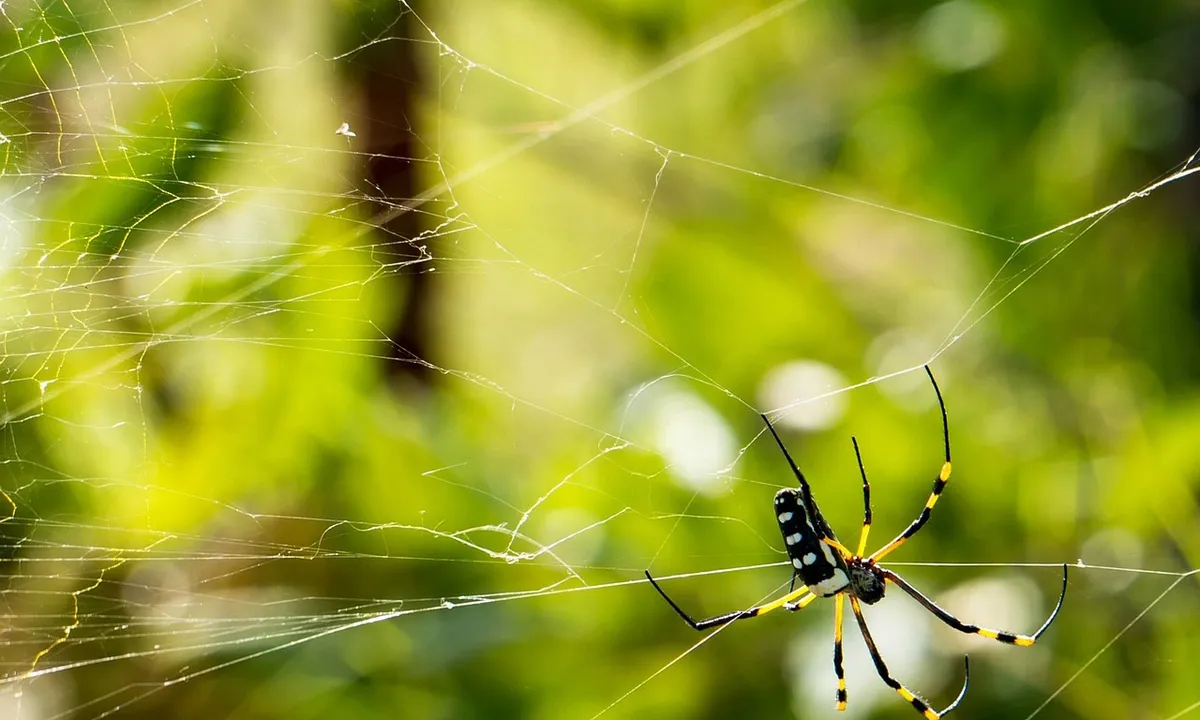
For terrestrial and fossorial tarantulas, silk is less a trap and more a tool of civil engineering. My old Chilean Rose Hair, Rosie, demonstrates this perfectly. She uses her spinnerets like a plastering trowel, applying layers of silk to the walls of her hide. This silk lining transforms a simple hole into a stabilized, secure home. The silk webbing reinforces the burrow walls, preventing cave-ins and creating a microclimate with higher humidity right where she needs it.
This silk isn’t just structural glue; it’s a sophisticated sensory network. I’ve watched my Burgundy Goliath, a heavy weaver, lay down thick mats of silk around her burrow entrance. Each vibration in those threads transmits information directly to her feet. A falling piece of cork bark sounds different from the footfall of a cricket, allowing her to interpret her world through touch. For a largely blind animal, this silk canvas is a vital information system.
Silk for Reproduction and Molting
The role of silk in tarantula reproduction is non-negotiable and showcases its incredible tensile strength. A female preparing an egg sac first spins a dense, flat silk plate called a hammock. Upon this base, she lays her hundreds of eggs before carefully folding the silk over them and sealing the edges. A tarantula egg sac is a masterclass in protective engineering, a silken fortress that shields the developing spiderlings from physical damage, mold, and dehydration. The mother will often turn and guard this sac for weeks, her life’s purpose woven into that silk bundle.
Molting, or ecdysis, also depends on silk. Prior to this vulnerable process, a tarantula will often lay down a large, flat sheet of silk-a molting mat. My OBT, Flash, always covers half his enclosure in thick webbing before a molt. This mat serves multiple critical functions. It provides a clean, stable surface to grip during the complex extraction from the old exoskeleton. This silken mat also cushions the soft, new body and helps create a slightly more humid micro-environment to facilitate the shed. Disturbing a tarantula on its molting mat is one of the most dangerous things you can do, as a fall can be fatal.
Silk Behavior Across Species: From Heavy Weavers to Subtle Users
Arboreal and Semi-Arboreal Weavers
These are the true architects of the tarantula world. Species like the Orange Babbling Tarantula (Pterinochilus murinus) and many in the Psalmopoeus genus take web construction to an extreme. Flash, my OBT, didn’t just web his cork bark; he webbed the air between it, the walls, the water dish, creating a sprawling, three-dimensional silken labyrinth. Arboreal tarantulas use dense webbing to create extensive retreats, trip lines for prey, and a safe highway system that lets them move with breathtaking speed without risk of falling. Their enclosures often become a single, complex web structure they patrol and maintain. This is especially important in arboreal setups, where webbing plays an integral role in the spider’s interaction with its environment.
Terrestrial Burrowers and Minimal Weavers
On the opposite end of the spectrum are species like the Chilean Rose Hair (Grammostola rosea). For Rosie, silk is a pragmatic tool, not an artistic medium. Her use is minimal: a thin lining in her hide and perhaps a few threads at the entrance. Many New World terrestrial species follow this pattern, focusing energy on excavating rather than weaving. Observing a minimal weaver reminds you that silk production is metabolically expensive; a tarantula will only invest in what its evolutionary history demands for survival. A clean, open terrarium for these species is perfectly normal and not a sign of poor health.
Defensive and Opportunistic Silk Use
Silk can also be a weapon or a quick fix. Some tarantulas, when severely provoked, have been observed flicking strands of silk defensively, though this is rare compared to the use of urticating hairs. A more common opportunistic use is webbing over perceived threats. I’ve seen tarantulas carefully seal up boluses (inedible prey remains), a rotting piece of feeder insect, or even their water dish if they decide it’s in the way. This behavior is a clear husbandry signal: they are attempting to quarantine something they find unpleasant or destabilizing in their environment. Finding a webbed-over water dish is your cue to check water quality and remove any potential sources of stress. Recognizing these signals helps prevent common tarantula health problems by guiding timely checks. Maintaining proper humidity and water quality goes a long way toward keeping tarantulas healthy.
This spectrum of behavior-from Flash’s frenetic webbing to Rosie’s sparse threads-is what makes studying tarantula silk so fascinating. Each species’ relationship with its silk is a direct reflection of its ecological niche and a key insight into providing for its specific psychological and physical needs in captivity. Your job as a keeper is to provide the structure and humidity that allows this natural behavior to flourish safely.
Tarantula Silk vs. Typical Spider Webs: Key Differences
Picture the intricate, geometric orb web of a common garden spider, engineered to snare flying insects. Now, observe the dense, haphazard silk mat in my OBT Flash’s enclosure. The fundamental difference lies in function: tarantula silk is primarily for shelter and information, not elaborate prey capture.
Tarantulas, like my docile Rosie (Grammostola rosea), possess spinnerets but lack the specialized glands to produce sticky capture silk. Their silk is dry and robust. This durable material reinforces burrow walls, creates vibration-sensitive trip lines, and forms a protective cradle for egg sacs.
I remember watching my Burgundy Goliath Bird Eater (Theraphosa stirmi) meticulously line its hide with thick silk sheets. The silence of the enclosure was broken only by the subtle rustle of webbing. This behavior anchors their world, turning a simple cavity into a stabilized, sensory-rich home.
Contrast this with araneomorph spiders, the classic web-builders. Their complex architectures are built for immediate prey interception. Tarantula silk work is pragmatic architecture, not fleeting art.
- Tarantula Silk: Dry, strong, used for burrows, mats, and trip lines. Produced by mygalomorphs.
- Typical Spider Web Silk: Often includes sticky capture threads for aerial nets. Produced by araneomorphs.
- Key Takeaway: One is a builder’s tool, the other a fisherman’s net.
Enclosure Setup for Webbing Tarantulas: Practical Husbandry
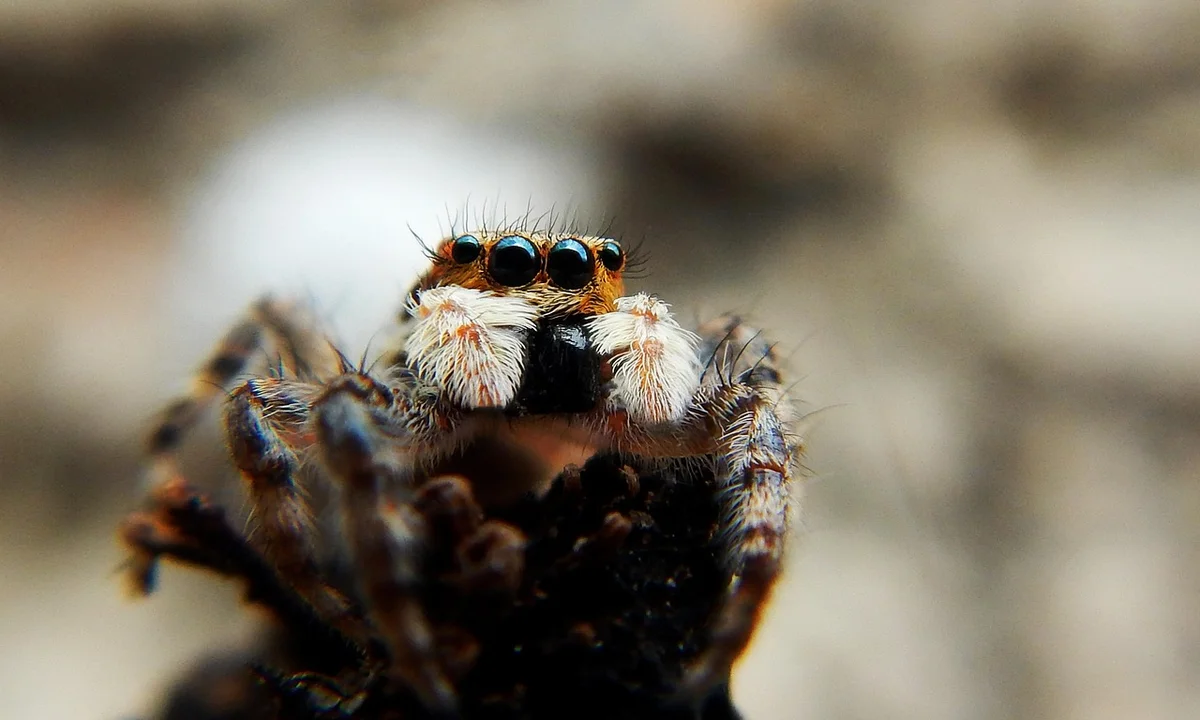
Species like the Orange Baboon Tarantula (Pterinochilus murinus), my Flash, transform their space into a silken fortress. Your setup must provide ample anchor points and respect their need to web extensively for security.
Selecting Substrate and Anchors
The foundation is critical. For heavy webbers, I use a deep, moisture-retentive mix. A blend of coconut fiber, peat moss, and vermiculite holds humidity and allows for burrow excavation.
My T. stirmi thrives at 80-85% humidity, which this substrate maintains. In addition to humidity, maintaining a stable temperature is important for tarantulas. For many tropical species, including T. stirmi, aim for about 24-28°C (75-82°F). For anchors, I embed cork bark flats vertically and use fake vines or driftwood. These structures give the tarantula a framework to attach its silk, guiding web construction away from the lid for safer maintenance.
I learned this after rehousing Flash; without anchors, he webbed the entire top, making feeding a delicate operation. Providing intentional anchor points reduces stress for both you and the tarantula by directing their natural behavior. For arboreal tarantulas, anchor points guide their webbing and movement. This keeps webbing in safe, predictable areas and reduces stress during handling.
- Ideal Substrate Mix: 60% coconut fiber, 30% peat moss, 10% vermiculite. Keep it 4-6 inches deep.
- Best Anchors: Cork bark, sterilized driftwood, or plastic plants. Secure them firmly into the substrate.
- Substrate Humidity: Pack it slightly to hold moisture. For webbers needing dampness, aim for 70-80% humidity.
Space and Layout Considerations
More space is not always better for a prolific webber. A vertically oriented enclosure for arboreal species, or a horizontal one with height for terrestrials, prevents falls and facilitates web networks.
For my OBT, I use an enclosure that is wider than it is tall, but with enough overhead space for silk canopies. The layout should offer a clear gradient from a moist retreat to a drier zone, mimicking the microclimates they seek in nature.
Place water dishes away from primary web zones to avoid flooding their silk. This thoughtful layout minimizes disturbances, upholding the ‘Look, Don’t Touch’ philosophy by prioritizing the animal’s comfort over our viewing convenience.
- Choose the Right Footprint: For terrestrial webbers like Psalmopoeus species, ensure floor space is prioritized over excessive height.
- Create Climate Zones: Position the moist hide on one end with damp substrate, leaving the opposite end drier.
- Secure All Fixtures: Ensure any decor is immovable to prevent collapses that can trigger a defensive response, like urticating hair kicking.
Observing Silk in Your Pet: Signs of Healthy Behavior
Watching a tarantula work with its silk is one of the hobby’s quiet joys. You’re witnessing an ancient, instinctual craft. The presence and purpose of silk in your tarantula’s enclosure are among the clearest indicators of its comfort and health. A spider that feels secure will invest energy in modifying its space. For sling spiderlings, watching how they weave and shelter guides your care from day one. Tailoring the enclosure to their silk needs helps them start secure.
Look for fresh, clean silk, not old, dusty, or matted webbing. New silk often has a slight sheen. Its application tells a story.
The Many Functions of Silk
Tarantulas are pragmatic architects. Their silk is a multi-purpose tool, not just for catching prey.
- Home Renovation: Burrowing species like my Goliath use silk to line their tunnels, preventing collapse. You’ll see dirt walls become smooth, silken tubes.
- Security Systems: Arboreal tarantulas, like my old Psalmopoeus, spin dense, silken retreats in cork bark. Terrestrials often create a silken “door” or curtain at their burrow entrance.
- Tripwires and Alarms: Many species lay down sparse lines of silk around their enclosure. These act as vibration sensors. My OBT, Flash, has turned his entire terrarium into a complex web of these alarm threads.
- The Molting Mat: This is a critical sign. Before a molt, your tarantula will spin a large, flat sheet of silk on the substrate. It will then flip onto its back on this mat to perform ecdysis. Finding this silken mat means you must ensure absolute quiet and no feeding attempts.
Silk as a Health Barometer
A sudden stop in silk production can be a warning. An adult female like my 15-year-old Rosie may web less as she ages, but a juvenile that ceases all activity warrants closer attention. Check temperature and humidity. Is the substrate too dry or too wet? Has something caused stress? Conversely, a tarantula that suddenly webs its water dish shut might be signaling that humidity is too low. They are clever environmental regulators.
I’ve seen my moisture-loving T. stirmi weave a thick canopy of silk over its damp substrate area, creating a perfect microclimate. This behavior showed me my general enclosure humidity was slightly off, and she was fixing it herself.
The Ultimate Silk Work: The Egg Sac
If you breed tarantulas, you’ll witness the pinnacle of silk use. After mating, a female spins a silken egg sac, often a disc-shaped structure she will rotate and guard ferociously. This sac is a masterpiece of protection, regulating gas exchange and humidity for the developing spiderlings inside. Observing this behavior requires a hands-off, stress-free environment; a disturbed female may abandon or cannibalize the sac. Learn more about how tarantulas give birth and care for their spiderlings.
Whether it’s a simple trip line or a complex burrow lining, each strand of silk is a message. Your tarantula is engineering its world. By learning to read these silken signs, you move from just keeping a pet to truly understanding an animal’s needs. Beyond silk, tarantulas communicate with body postures, leg taps, and, in some species, stridulation to convey mood or intent.
FAQs
Do all tarantula species spin silk?
Yes, all tarantula species are capable of producing silk from their abdominal spinnerets. However, the amount and style of webbing vary significantly based on species and individual behavior. For example, arboreal tarantulas often create dense web structures, while some terrestrial species may only use silk sparingly for burrow lining.
Why do tarantulas spin silk?
Tarantulas spin silk primarily for survival needs beyond hunting, such as constructing and stabilizing burrows or retreats. It is also crucial for creating molting mats to aid in shedding their exoskeleton and for building protective egg sacs during reproduction. Molting is tied to reaching reproductive maturity, so these molts are closely linked to when tarantulas mate. Silk continues to connect these stages by shaping both molting mats and egg sacs. Additionally, silk serves as vibration-sensitive trip lines to detect prey or threats in their environment.
Where do tarantulas typically spin silk in captivity?
In captive enclosures, tarantulas often spin silk on surfaces that offer security and functionality. This includes lining their hides or burrows, webbing anchor points like cork bark or decor, and laying down mats on the substrate for molting. Some species may even web over objects they find unsettling, such as water dishes, to manage their space.
How is tarantula silk produced?
Tarantula silk is produced internally in specialized glands that manufacture liquid silk proteins. These proteins are extruded through spinnerets on the abdomen, where they solidify into strong, non-adhesive threads upon contact with air. The tarantula can control this process to weave sheets, lines, or mats for various adaptive purposes.
The Final Molt
For the dedicated keeper of a heavy webber, mastering humidity is your primary craft. Consistent ambient humidity is the non-negotiable foundation that allows a tarantula to safely construct its intricate silk architecture, directly impacting its ability to breathe, feed, and feel secure. My Burgundy Goliath’s health visibly thrives when her deep, damp substrate creates that necessary microclimate.
Your ultimate reward is not a pet you hold, but a world you witness. Watch your P. murinus transform its enclosure into a labyrinth of silk, or observe your Avicularia craft its silken retreat. This quiet observation is the core of the hobby. True success is measured in perfect molts and the silent, efficient strike in the dim light, a testament to your patient, hands-off stewardship.
Further Reading & Sources
- r/askscience on Reddit: When did tarantulas lose the ability to produce silk / weave webs?
- Tarantulas Shoot Silk From Feet, Spider-Man Style | National Geographic
- Tarantulas Produce Silk From Their Feet | ScienceDaily
Arlo is a lifelong arachnid enthusiast who believes tarantulas are the world’s most misunderstood roommates. With years of hands-on experience in tarantula care, habitat setup, and species behavior, Arlo combines expert knowledge with a dash of humor to make spider ownership less scary and a lot more fascinating. From choosing the right enclosure to understanding why your eight-legged buddy is doing that weird little pose again, Arlo is here to help you become the best tarantula parent you can be, without getting tangled in the web of misinformation.
Understanding Tarantula Behavior