
Essential Features for Terrestrial vs. Arboreal Tarantula Enclosures
Published on: February 27, 2026 | Last Updated: February 27, 2026
Written By: Arlo
Selecting the correct enclosure for your tarantula is not a suggestion-it is the foundational act of responsible husbandry that dictates your spider’s long-term health and natural behavior. Getting this choice wrong doesn’t just cause stress; it can lead to fatal falls for arboreal species or create a barren, insecure wasteland for terrestrial ones. This guide will detail the non-negotiable architectural differences between a ground-dweller’s fortress and a tree-dweller’s high-rise.
Quick Stats:
- Terrestrial Enclosure Core Feature: Greater floor space than height, with a deep, packable substrate layer.
- Arboreal Enclosure Core Feature: Significant vertical height with ample anchoring points high up for webbing and retreats.
- Universal Requirement: Secure, cross-ventilated lids and escapes-proof design to contain even the fastest species.
This guide will translate the biology of burrowers and climbers into actionable setup steps, ensuring your tarantula’s home is a secure, enriching habitat from its first day as a sling to its final molt as an adult.
Why Lifestyle Matters: Terrestrial vs. Arboreal Natural Behaviors
Imagine a tiger and a leopard. Both are big cats, but one stalks the forest floor while the other rules the canopy. Your tarantula’s needs split along similar lines. Terrestrial species are engineers of the earth, while arboreal ones are architects of the air. Getting this fundamental distinction wrong is a fast track to a stressed, unhealthy spider.
My Chilean Rose Hair, Rosie, exemplifies the terrestrial mindset. For fifteen years, her world has been a slow, deliberate patrol across the substrate. She might spend weeks motionless in a single spot, a dusty pink ‘pet rock’ conserving energy. Her instinct is to dig or seek ready-made shelters. In stark contrast, my OBT, Flash, is pure arboreal energy. He transformed his enclosure into a silken fortress within days, with thick, funnel-shaped webbing spanning from the lid to the cork bark. He rarely touches the ground, preferring the security of height.
These behaviors stem from millions of years of evolution. Terrestrial tarantulas, like my Burgundy Goliath Bird Eater, face threats from ground predators and seek refuge underground. Arboreal species, like many in the Psalmopoeus genus, escape into the trees. Arboreal tarantulas hunt from elevated perches, waiting for prey to pass and striking from above. Terrestrial tarantulas, on the ground, stalk and ambush prey in leaf litter or around burrow entrances. The differences in arboreal vs terrestrial tarantula hunting highlight the necessity of understanding their unique behaviors. Your enclosure must provide for these deep-seated instincts to foster natural behavior and minimize stress. A terrestrial tarantula in a tall, empty tank feels exposed and vulnerable, just as an arboreal forced to the floor feels trapped and defensive.
Building Down: Terrestrial Enclosure Essentials
Designing for a terrestrial tarantula is about building a secure, ground-level world. The priority is horizontal space, not vertical height. A good rule is an enclosure length and width at least three times the spider’s leg span. Height should only be enough to prevent dangerous falls-typically no more than 1.5 times the tarantula’s diagonal leg span. Focus on creating a stable, explorable landscape that encourages digging and provides ample cover.
Substrate Depth and Burrowing Space
Substrate is not just flooring; it is the primary element of welfare for a terrestrial tarantula. Depth is critical. For obligate burrowers like my Theraphosa stirmi Goliath, I provide a compactable, moisture-retentive mix at least 8 to 10 inches deep. For opportunistic burrowers like Grammostola rosea, 4 to 6 inches allows for natural digging behavior.
I use a blend of coconut fiber, peat-free topsoil, and a sprinkle of playsand for structure. This mix holds a burrow’s shape and maintains humidity gradients. Watching Goliath excavate, moving substrate in precise mouthfuls, is a testament to providing adequate depth. A shallow layer denies this fundamental behavior, leading to stress and unnatural pacing.
Follow these steps for perfect substrate:
- Choose a moisture-friendly mix. Avoid pure vermiculite or gravel.
- Pack it down firmly to prevent burrow collapses. Dampen it slightly during setup.
- Ensure the depth is consistent across the enclosure, especially for larger species.
- For arid species like Rosie, let the top layer dry completely while moisture lingers below.
Hiding Spots and Floor-Based Enrichment
A hiding spot is a non-negotiable refuge. It reduces stress-induced fasting and hair-kicking. I use cork bark flats or half-rounds, partially buried into the substrate to mimic a burrow entrance. Always offer a hide that is snug-the tarantula should be able to touch the sides-to create a true sense of security.
Enrichment is about simulating a natural floor layer. I scatter sterilized leaf litter and a few flat, smooth stones. These provide tactile variety and anchor points for webbing. A shallow, wide water dish is essential hydration and a micro-humidity source. Keep decor low and secure to prevent toppling.
From personal experience, when I first housed Goliath with a hide that was too large, he ignored it and constantly kicked urticating hairs. Switching to a tighter cork bark cave changed his demeanor almost overnight. Resist the urge to over-decorate; a cluttered floor can inhibit movement and make prey hunting difficult. The goal is a minimalist, functional landscape where your tarantula feels in control.
Building Up: Arboreal Enclosure Essentials
Vertical Space and Climbing Surfaces
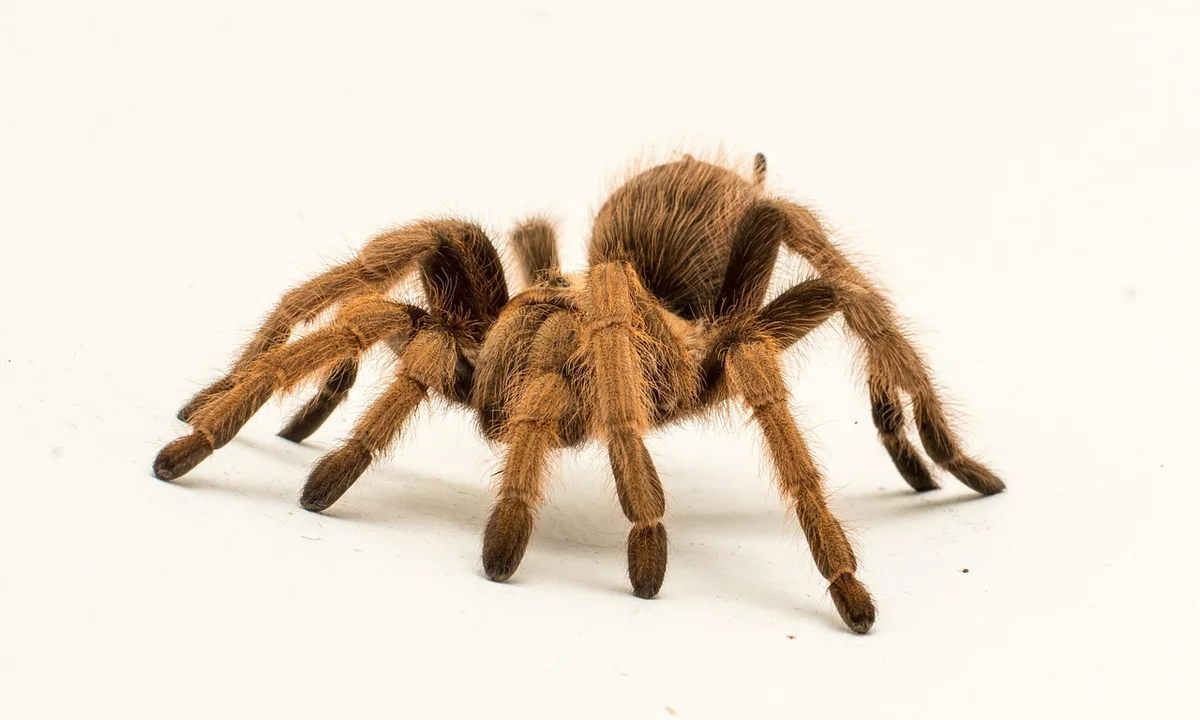
Arboreal tarantulas live their lives in the vertical plane. A terrestrial tank placed on its side is often the perfect starting point. Height is the primary dimension, with an enclosure at least twice as tall as the tarantula’s diagonal leg span to prevent dangerous falls from the top.
Cork bark slabs, securely anchored against the back wall, are the cornerstone of the setup. My OBT, Flash, spent two days methodically webbing the entire surface of his cork into a silken funnel. Provide multiple options, like tall pieces of driftwood or bamboo segments, to encourage natural climbing behavior.
The goal is to create a three-dimensional habitat they can explore and claim. Watching a Poecilotheria stretch its legs across a carefully arranged branch is to witness perfect adaptation.
Anchoring Points for Webbing and Retreats
Arboreal species are master architects. Their entire sense of security is woven into the structures they build. You must provide ample anchor points. These spiders don’t just climb on surfaces; they connect them with webbing to create a stable, predictable world.
I use silicone to glue cork bark pieces together, forming sturdy, web-friendly corners and overhangs. Cross-ventilation panels aren’t just for air flow; their grids are prime real estate for anchoring heavy silk. Without these points, a tarantula may feel exposed and stressed, refusing to web or eat properly. When assembling any DIY tarantula enclosure, ensuring these structures are secure is crucial for your tarantula’s well-being.
Observing the construction is a privilege. They start with a few exploratory strands, then, over nights, build a labyrinthine retreat where they vanish by day.
Shared Climate and Security: Universal Enclosure Features
Humidity Control and Ventilation Balance
This is the most nuanced part of enclosure design. Getting it wrong leads to mold or a desiccated spider. Ventilation and humidity exist in a direct tension; your job is to manage that equilibrium based on your species’ origin.
For moisture-loving species like my Theraphosa stirmi (Goliath), I use a deep, moisture-retentive substrate and reduce ventilation to mainly top-lid holes. I pour water directly into a corner of the substrate, creating a hydration gradient. For arid species like my Grammostola rosea (Rosie), I provide a water dish and ample cross-ventilation on opposite sides of the enclosure to prevent stagnant, humid air.
- High Humidity (e.g., T. stirmi, Avicularia spp.): 70-80%. Deep substrate, smaller ventilation areas, regular overflow of water dish.
- Moderate Humidity (e.g., Caribena versicolor): 60-70%. Good cross-ventilation, light misting on webbing, always full water dish.
- Low Humidity (e.g., G. rosea, Aphonopelma spp.): 50-60%. Extensive cross-ventilation, dry substrate, water dish only.
The air should feel fresh, never musty. Condensation on the walls is a warning sign of poor air flow.
Escape-Proof Lid and Secure Enclosure Design
Tarantulas are powerful, curious, and surprisingly adept at exploiting weaknesses. A secure enclosure is non-negotiable for their safety and your peace of mind. The lid is the most critical failure point; a weighted or loosely fitted top is an invitation for an escape, especially when combined with unstable or risky decor inside.
I only use enclosures with locking lids or sturdy latches. My fast Old World species, like Flash, are housed in tanks with dual front-opening latches. For heavy, powerful species like Goliath, the lid must also be strong enough to resist them pushing up on a corner.
All ventilation holes must be smaller than the tarantula’s carapace. I learned this after a sling nearly escaped through a gap I deemed “small enough.” They are fluid and determined. A proper enclosure respects their abilities by containing them utterly, creating a world where they can thrive without risk. That lesson extends to proper ventilation: a secure enclosure must vent enough for air to circulate without creating escape routes. Balance airflow with a solid seal to maintain a stable microclimate.
Step-by-Step Setup for a Beginner’s First Enclosure
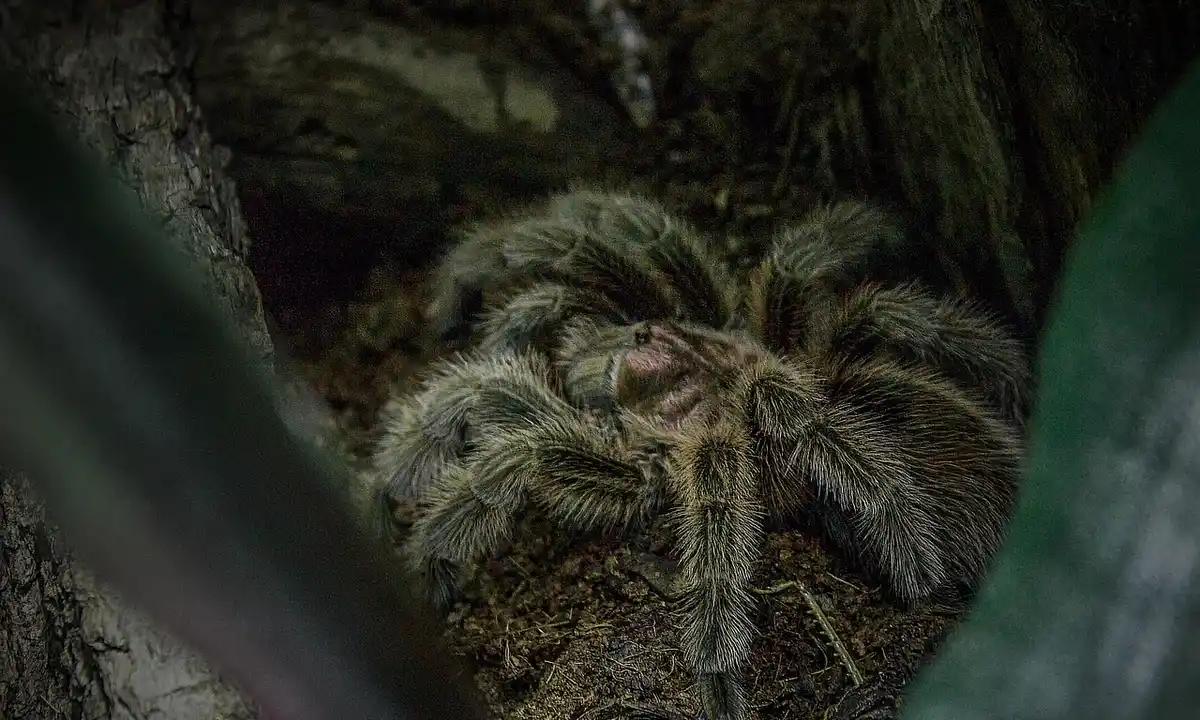
Let’s build a secure, comfortable home for your first tarantula. I recommend starting with a terrestrial species, like my old Chilean Rose Hair, Rosie. Their needs are straightforward, which builds your confidence. Follow this sequence to create a stable environment that minimizes stress for both you and your new pet.
Materials You Will Need
- A secure enclosure with a locking or latching lid (for terrestrial, floor space is more important than height).
- Primary substrate: Coco fiber, topsoil, or a pre-mixed blend.
- A shallow, heavy water dish that cannot tip.
- A hide: Cork bark rounds or flats, half a flower pot, or commercial reptile hides.
- Optional: Sphagnum moss, artificial plants, or a piece of driftwood for texture.
- A long pair of soft-tipped feeding tongs.
Assembly Instructions
- Prepare the Substrate. For an adult terrestrial, add 5-6 inches of lightly dampened substrate. Pack it down firmly. This depth allows for natural burrowing and provides a buffer if your tarantula climbs and falls.
- Place the Hide. Bury the edges of the hide slightly into a corner. This makes it feel more secure and anchored. I always create a “starter burrow” by spooning out a little substrate from the entrance.
- Position the Water Dish. Place it on the opposite side of the enclosure from the hide. Use a dish just larger than the tarantula’s leg span. Fill it with clean water; you can add a few pebbles to prevent feeder insects from drowning.
- Add Minimal Decor. A single piece of cork bark or a silk plant can break up the open space, making the tarantula feel less exposed. Avoid clutter. Leave ample open substrate for roaming.
- Final Safety Check. Ensure all ventilation holes are smaller than your tarantula’s carapace. Verify the lid locks securely. I learned this the hard way with an adventurous juvenile years ago-a week-long “vacation” behind my bookshelf.
Advanced Considerations and Common Setup Mistakes
Once the basics are mastered, your perspective shifts. You stop seeing just a cage and start engineering a habitat. The goal is to anticipate the tarantula’s natural behaviors and facilitate them safely within the confines of the enclosure. Doing so also minimizes tarantula bite risk by reducing stress and the likelihood of defensive bites. A well-designed habitat with secure lids, appropriate substrate, and hiding places supports calm behavior and safer observation. This is where many well-intentioned keepers stumble.
- Ventilation vs. Humidity Mismatch: Housing a moisture-dependent species like my Goliath (T. stirmi) in a screen-topped aquarium is a classic error. All the humidity escapes upward, desiccating the substrate. Conversely, stuffing a desert species in a stuffy, moist box invites mold and respiratory trouble.
- The “Over-Decorated” Trap: Loading an enclosure with sharp ornaments, tall unsecured wood, or heavy rocks creates fall risks and crushing hazards. Tarantulas are clumsy climbers. If a decoration is heavier than a cork bark slab, reconsider it.
- Incorrect Hide Size: A hide that is too large feels insecure. Your tarantula wants a snug fit where it can touch the walls and ceiling. A hide that is too small forces the animal to remain exposed.
- Neglecting the Molt Space: Always ensure there is a large, flat, and clear area of substrate. A tarantula needs open, firm ground to successfully flip onto its back and complete ecdysis. Obstacles can lead to a fatal complication.
Optimizing for Visibility and Keeper Enjoyment
We keep these animals to observe their fascinating lives. A proper setup should not hide them away. Choosing a front-opening enclosure was the single best change I made for my own viewing pleasure and for reducing disturbance during maintenance. Reaching in from above mimics a predator, triggering a defensive response. Front access is perceived as less threatening.
Strategic lighting is key. Never use heat lamps or bright lights inside the enclosure. Instead, use soft, indirect room lighting or a gentle LED placed externally to highlight the interior. Observe from an angle; the iridescent sheen of a carapace often appears only from the side. For heavy webbers like my OBT, Flash, a slightly back-lit enclosure can reveal the intricate architecture of its silken fortress.
Enrichment Beyond the Basics
Enrichment isn’t about toys; it’s about providing choices and cognitive challenges rooted in natural history. A thoughtful enclosure allows the tarantula to express its full behavioral repertoire, which is deeply satisfying to witness.
- Substrate Variation: Mix textures. I combine coco fiber with orchid bark and sphagnum moss in parts of the enclosure. This allows the tarantula to choose where to dig or rest based on subtle humidity and texture gradients.
- Bioactive Elements: Introducing clean-up crews like springtails and dwarf isopods creates a tiny, self-cleaning ecosystem. They process waste and mold, reducing your maintenance. Watching a tarantula notice and gently investigate a stray isopod is a moment of pure behavioral observation.
- Dynamic Feeding: Instead of always dropping a cricket right at the burrow mouth, occasionally place it on the opposite side of the enclosure. This encourages patrolling and hunting behavior. For my opportunistic Goliath, I’ll sometimes partially bury a roach to stimulate digging.
The silence of the enclosure is broken only by the delicate sounds of movement through substrate or the sudden strike. Your role is to architect the stage for these rare, quiet dramas.
What People Ask
What is the single biggest difference between a terrestrial and an arboreal enclosure?
The most critical difference is the primary dimension of space. A terrestrial enclosure prioritizes abundant floor space and deep, packable substrate to allow for digging and ground-level roaming. An arboreal enclosure prioritizes significant vertical height with ample climbing surfaces and anchor points for webbing. Getting this fundamental orientation wrong creates a habitat that induces chronic stress and prevents natural behaviors.
Can I use DIY substrates, and what should I avoid?
Yes, many keepers successfully mix their own substrates using safe, additive-free components. Common DIY blends include coconut fiber, peat-free organic topsoil, and a small amount of sterilized playsand for structure. You must avoid any soils containing fertilizers, pesticides, vermiculite (which can be ingested), or perlite, and never use gravel or pure sand, as these cannot hold a burrow’s shape.
What are the absolute essential features for a beginner’s first tarantula enclosure?
The absolute essentials are a secure, escape-proof enclosure with proper ventilation, an appropriate depth of dampened and packed substrate, a snug hide, and a shallow water dish. For beginners, simplicity and security are paramount—avoid over-decorating. The goal is to create a safe, stress-free environment that meets the basic biological needs of your specific tarantula’s lifestyle (terrestrial or arboreal). To avoid common tarantula enclosure mistakes, keep the setup simple and secure. Avoid over-decorating and ensure the substrate depth, humidity, and hides match your tarantula’s natural habitat.
Is it better to buy a pre-made “kit” or assemble the enclosure myself?
Assembling the enclosure yourself is almost always preferable. Pre-made kits often include inappropriate or low-quality items, like dangerous heat lamps, excessively tall tanks for terrestrials, or the wrong substrate. By sourcing each component individually, you ensure every element—from enclosure dimensions to substrate depth—is perfectly tailored to your specific tarantula species’ needs. This approach also aligns with guidelines provided in our step-by-step guide to setting up a tarantula enclosure, ensuring you’re providing the best environment for your arachnid.
Why is cross-ventilation so heavily emphasized, especially for arboreal species?
Cross-ventilation is crucial for preventing stagnant air, which leads to mold growth and respiratory issues. For moisture-sensitive arboreal species, like many in the Avicularia or Psalmopoeus genera, good airflow across the enclosure is vital to avoid a deadly buildup of humidity while still allowing for proper hydration. Proper ventilation manages the delicate balance between humidity and fresh air exchange.
The Keeper’s Patience
Your final enclosure setup is a hypothesis-your spider’s behavior is the definitive experiment. For burrowing terrestrials like my G. rosea Rosie, the single most critical feature is dry substrate with a single damp corner; for moisture-dependent giants like my T. stirmi Goliath, it is consistently damp, deep substrate to prevent fatal dehydration. The hardware is secondary to this fundamental environmental truth.
The real reward follows the setup. You witness the slow architecture of a burrow, the silent overnight explosion of silken webbing from an OBT like Flash, or the patient ambush from a hide. This hobby thrives on quiet observation, not interaction. Adjust your care based on what you see, not a rigid schedule, and you will find a profound connection to an animal that asks only for a suitable world to inhabit.
Further Reading & Sources
- r/tarantulas on Reddit: What’s everyone’s favorite enclosure?
- Tarantula Enclosures – Premium and DIY | Tom’s Big Spiders
- Bioactive Tarantula Enclosure Kits | The Bio Dude
Arlo is a lifelong arachnid enthusiast who believes tarantulas are the world’s most misunderstood roommates. With years of hands-on experience in tarantula care, habitat setup, and species behavior, Arlo combines expert knowledge with a dash of humor to make spider ownership less scary and a lot more fascinating. From choosing the right enclosure to understanding why your eight-legged buddy is doing that weird little pose again, Arlo is here to help you become the best tarantula parent you can be, without getting tangled in the web of misinformation.
Enclosures and Sizes