
What Common Household Products Are Dangerous for Cleaning a Tarantula Tank?
The impeccably clean glass of your tarantula’s enclosure is a deceptive facade; it hides a porous, absorbent environment where microscopic chemical residues can accumulate and poison your spider. I learned this the hard way early in my breeding career, when a well-intentioned wipe with a common surface spray caused my old-world tarantula, Flash, to become agitated and retreat for days. This article isolates the specific household cleaners that pose a silent threat to both New World giants like my T. stirmi, Goliath, and docile species like my G. rosea, Rosie. Your standard glass cleaner, multi-surface disinfectant, and scented soap are typically laden with ingredients that can cause respiratory failure or chemical burns in tarantulas.
Quick Risks:
- Origin: Kitchen, bathroom, and general household cleaning agents
- Type: Volatile chemicals and persistent residual compounds
- Persistence: Evaporates slowly, leaving toxic films on surfaces and substrate
This guide provides the precise, step-by-step protocols I use to safely deep-clean enclosures for all my tarantulas, ensuring their habitat remains a sanctuary, not a hazard.
The Delicate Chemistry of a Tarantula’s World
A tarantula’s body is not like ours. Its exoskeleton is a complex matrix of chitin, proteins, and waxes that manages water retention and gas exchange. This vital barrier is semi-permeable, meaning chemical residues we can’t see or smell can still seep in, disrupting internal systems with silent efficiency. Their book lungs-delicate, leaf-like structures for breathing-are especially vulnerable to airborne irritants. A scent that seems faint to us can be a corrosive cloud in their confined space.
Their metabolism operates on a scale we must respect. A chemical dose harmless to a mammal can be catastrophic for an animal weighing grams. Think of it this way: a single drop of residue in a water dish isn’t diluted; for your tarantula, it’s a concentrated pollutant in its entire water supply. My old-world tarantula, Flash, reacts to strong smells from across the room with immediate threat postures, a clear sign of sensory assault. Preventing common tarantula health problems starts with clean water and safe surroundings. Consistent, careful husbandry reduces stress and disease risk.
Household Disinfectants and Solvents: The Most Dangerous Offenders
These are the products we grab for a “deep clean,” but for a tarantula enclosure, they are tools of potential poison. The goal is to remove waste and pathogens, not to sterilize the environment to a hospital standard—your tarantula is not a germ, it’s a resident. True safety comes from thorough physical removal of debris and copious rinsing with hot water, not from chemical warfare. Choosing the right substrate and keeping it well-maintained is essential for a tarantula enclosure. A good substrate reduces waste buildup and makes routine maintenance easier.
Chlorine Bleach and Ammonia-Based Cleaners
Bleach is a hard no. Sodium hypochlorite breaks down into chlorine gas and leaves behind chloride salts. These residues are persistent and can cause fatal neurological and respiratory damage long after the enclosure seems dry and odorless to you. The risk is not worth the perceived benefit. Ammonia is equally devastating, a severe irritant that attacks respiratory tissues. Never use glass cleaners like Windex inside an inhabited or soon-to-be-inhabited enclosure.
If you must use a diluted bleach solution on a heavily soiled, empty enclosure for disease control, the protocol is extreme:
- Use a minimal 5% solution (1 part household bleach to 19 parts water).
- Scrub, then rinse immediately.
- Follow with a second scrub using plain dish soap.
- Rinse a minimum of three times with hot water.
- Allow the enclosure to air out for a full week before even considering reintroducing substrate or animal.
I have only done this once, after a fungal outbreak, and I still worried for months.
Rubbing Alcohol, Acetone, and Hydrogen Peroxide
These evaporate quickly, which tempts keepers into thinking they’re “safe.” This is a dangerous illusion. Isopropyl alcohol is a fat solvent, directly damaging the protective wax layer of a tarantula’s cuticle, leading to rapid, lethal dehydration. I use 70% isopropyl to clean tools outside the room where my tarantulas live, and I let them fully evaporate before bringing them back in.
Acetone (nail polish remover) is terrifyingly effective at dissolving plastics and adhesives-imagine what it does to arthropod tissues. Hydrogen peroxide, while breaking down into water and oxygen, is still a potent oxidizing agent in its active state. These are tools for spot-cleaning exterior glass, never the interior surfaces, decor, or substrate where contact is inevitable.
Quaternary Ammonium Compounds (“Quats”) and General Disinfectants
This is the stealth hazard. “Quats” are found in many pet-safe sprays, bathroom cleaners, and disinfectant wipes. They are designed to linger on surfaces to kill microbes. That very persistence is the problem; a tarantula walking on a quat-treated surface will accumulate the compound on its tarsi and ingest it during grooming. Symptoms of poisoning are slow and nonspecific: lethargy, loss of coordination, refusal to eat.
Brands like Lysol, Clorox Disinfecting Wipes, and most “all-purpose” cleaners fall into this broad, dangerous category. Assume any cleaner that claims to disinfect or leave a protective barrier is toxic until proven otherwise-and you cannot prove it safe without risking your animal’s life. My rule is simple: if it wasn’t purchased from a pet store for explicit use in reptile or invertebrate habitats, it doesn’t go near the enclosure. Full stop.
Scented Cleaners, Aerosols, and Air “Fresheners”
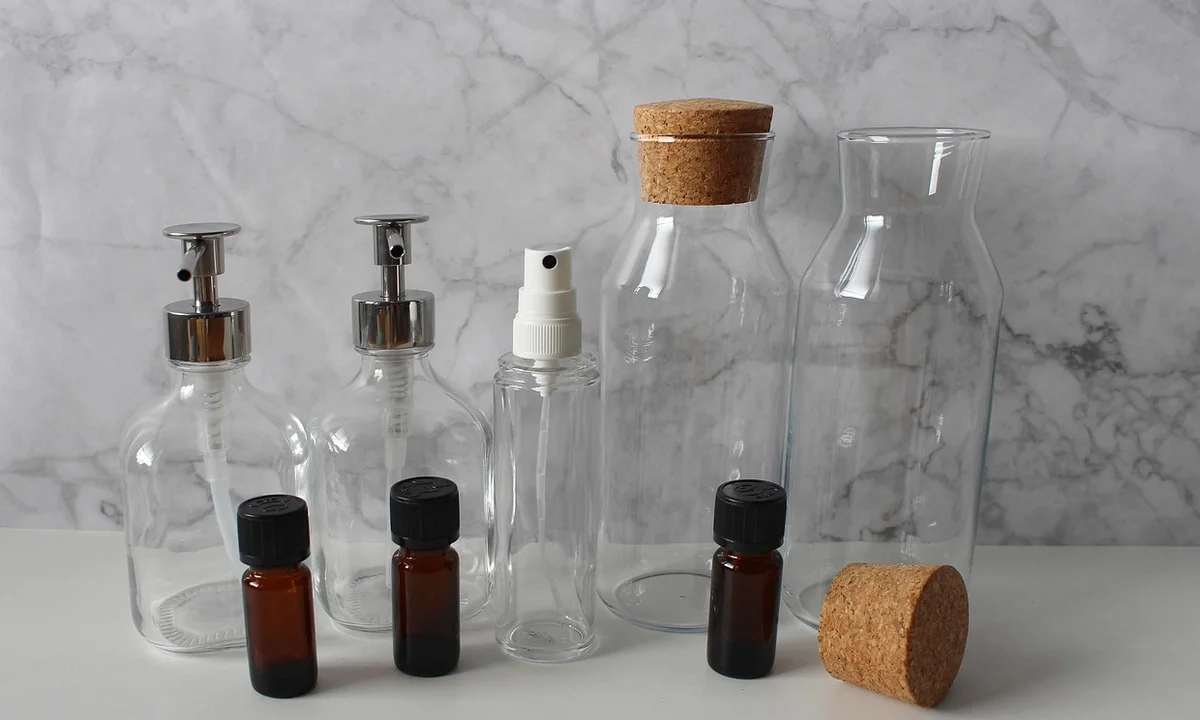
Your tarantula’s world is defined by scent and chemical cues you cannot perceive. Their sensitive respiratory system and delicate sensory hairs make airborne chemicals not just unpleasant, but a direct assault on their physiology. What smells “clean” or “fresh” to us can be toxic in their confined space.
Pine, Citrus, and Essential Oil Cleaners
Many all-purpose cleaners boast pine or citrus power. These scents come from volatile compounds called terpenes, which are natural insecticides. In an enclosed tank, these vapors don’t dissipate; they settle on the substrate and walls. I once made the mistake of cleaning a room with a citrus-based cleaner; my OBT, Flash, refused to enter his meticulously webbed tunnel for days, a clear sign of aversion. For tarantulas, constant exposure can lead to respiratory distress, neurological issues, and a slow, stressful decline. Avoid any cleaner listing essential oils, “natural” citrus extracts, or pine oils.
Aerosol Sprays and Air Fresheners
This is a non-negotiable danger. Aerosols propel fine particles that linger in the air and settle everywhere. These particles can directly clog the tarantula’s book lungs-the delicate, layered organs they use to breathe-leading to suffocation. Even “unscented” aerosols contain propellants and solvents harmful upon inhalation. Plug-in air fresheners or scented candles continuously release volatile organic compounds (VOCs) into the room’s atmosphere, which then circulate into the tank’s ventilation. The only safe “air freshener” for a tarantula room is fresh, passive air flow from an open window in another part of the house.
Soaps, Detergents, and Degreasers
These products are designed to break down oils and fats-precisely what comprises the waxy lipid layer on a tarantula’s exoskeleton. This layer is critical for preventing dehydration. Residue from soap or detergent left on enclosure surfaces can strip this protective wax away when your tarantula walks or rests on it. Even a seemingly “rinse-cleaned” surface can harbor a film.
Degreasers and heavy-duty cleaners are even more potent and often leave behind fragrant or chemical residues meant for industrial surfaces, not animal habitats. Your safest protocol is to physically remove waste and prey remnants, then scrub the enclosure with hot water and a dedicated, residue-free sponge. For stubborn mineral deposits from water dishes, a wipe with distilled white vinegar followed by a thorough rinse with hot water is effective and safe once fully evaporated.
During any cleaning, the tarantula must be securely housed in a temporary, plain container with ventilation. This practice of “Look, Don’t Touch” handling minimizes stress and prevents any accidental contact with cleaning agents. My Burgundy Goliath, who loves to kick hairs, is always rehoused to a large, dark deli cup before I touch his humid enclosure-it keeps us both safe.
Recognizing the Signs of Chemical Exposure
Tarantulas process toxins through their book lungs and delicate cuticle, making them hyper-sensitive to airborne residues and surface contaminants. Learning to identify early signs of distress can mean the difference between a quick intervention and a fatal exposure. I once lost a precious sling years ago after a well-meaning but misguided use of a “natural” citrus cleaner on a nearby shelf; the lingering vapors were enough. In those moments, I wish I had known what signs to look for in a sick tarantula.
Respiratory Distress and Neurological Symptoms
Book lungs are efficient but vulnerable. The first signs are often subtle. Watch for a tarantula holding its body unusually low to the ground or what appears to be labored, rhythmic pulsing of the abdomen. Neurological damage manifests as a loss of coordination, like a drunken stagger, or uncontrolled leg twitching that resembles a seizure. My OBT, Flash, once displayed frantic, jerky movements after I rehoused her into an enclosure I’d rinsed with tap water containing high chlorine levels; it was a terrifying lesson in how little it takes.
Key symptoms to monitor include:
- Abdominal pulsating that looks like rapid breathing
- Legs trembling or tapping without cause
- Inability to right itself if placed on its back
- A pronounced lethargy that is not pre-molt behavior
External Irritation and Death
Chemical burns on the exoskeleton are a grave emergency. Look for discolored, darkened patches on the abdomen or carapace, or areas where the setae (hairs) have sloughed off unnaturally. External irritation often leads to frantic rubbing against decor, a behavior distinct from the precise hair-kicking of my T. stirmi, Goliath, which is a deliberate defense. Progressive poisoning shuts down basic functions, leading to a slow, irreversible decline where the tarantula ceases movement and curls its legs inward, a posture known as a death curl.
The Safe Arsenal: Products and Methods for Tank Cleaning
Your cleaning protocol should prioritize the animal’s physiology, not just a sparkling tank. The gold standard is mechanical removal of waste paired with extreme caution regarding any substance introduced to the environment. This “look, don’t touch” philosophy extends to maintenance; minimizing invasive cleaning reduces stress for both you and your spider.
Hot Water and Physical Scrubbing
For 95% of cleaning, this is all you need. Use the hottest water your hands can tolerate and a stiff-bristled brush to dissolve urates and break up webbing. Heat is remarkably effective at breaking down organic matter without leaving a toxic trace, and vigorous scrubbing dislodges mold spores and mite eggs. For Rosie’s dry enclosure, I perform a full substrate change only every few years, but I spot-clean boluses and stains with this method monthly.
Diluted White Vinegar for Scale (With Extreme Caution)
Hard water stains or mineral scale on glass may require an acid. A 1:10 vinegar-to-water solution can be used. Common signs your tarantula’s enclosure needs cleaning include mineral buildup on glass, algae growth, or a lingering odor. If you notice any of these, plan a cleaning before returning substrate or the tarantula. You must rinse the enclosure with scalding hot water no less than three times afterward, followed by a full 24-48 hour air-dry period before reintroducing any substrate or your tarantula. I reserve this for empty, bare enclosures and have used it precisely twice in a decade. The acrid smell alone is a warning.
Dedicated Enclosure Tools
Cross-contamination is a silent threat. Designate a set of tools that never contact human foods, other pet habitats, or household cleaners. This simple practice prevents the accidental transfer of oils, soaps, or pesticides directly into your tarantula’s micro-environment. My dedicated kit includes:
- A long-handled silicone basting brush for gentle scraping
- A set of stainless steel tongs for removing waste
- A plastic bucket used only for reptile and arachnid habitats
- Separate, color-coded sponges for arboreal vs. terrestrial tanks
A Step-by-Step Guide to Safe Enclosure Maintenance
-
Prepare a temporary holding container. Select a secure ventilated container slightly larger than your tarantula. A plain plastic deli cup with air holes works perfectly. I keep a dedicated set for each spider, like the tall cup I use for Flash, my OBT, as his speed makes a secure lid non-negotiable. This step prevents frantic escapes during the cleaning process. When you return the tarantula to its permanent enclosure, ensure it is properly ventilated to maintain good airflow and humidity control. A secure lid should still allow air exchange to keep the tarantula healthy.
-
Remove the tarantula carefully. Gently coax your tarantula into the temporary container using a soft paintbrush or by guiding it with the container itself. This is the core of ‘Look, Don’t Touch’ husbandry, minimizing stress and avoiding defensive reactions. With my burgundy Goliath, I do this while wearing long sleeves-her first response is often a cloud of irritating hairs, a reminder that this is for her safety as much as mine.
-
Dispose of all substrate and webbing. Remove every bit of old bedding and silk. This eliminates hidden waste, mold spores, and potential pest infestations in one action. For heavy webbers like my OBT, this means carefully pulling out the entire silken funnel, which he will meticulously rebuild-a small inconvenience for a clean start.
-
Clean decorations and hides with hot water. Use the hottest water your hands can tolerate and a scrub brush used only for your pets. Hot water breaks down waste and salts without the lethal risk of soap residue. I scrub the cork bark and clay hides for my Chilean rose hair, Rosie, until they feel completely grit-free.
-
Scrub the empty enclosure. Take the bare tank to a sink and scour every corner with the same hot water and a clean sponge. Focus on corners where waste accumulates and any silicone seams where moisture can hide. Any film or spot left behind is a potential hazard, so be thorough.
-
Rinse everything thoroughly and air-dry completely. Rinse all items under running water until no debris runs off. Complete air-drying is critical; I never reassemble an enclosure while it feels even slightly cool or damp to the touch. I leave tanks and decorations near a vent for a full day to prevent any chance of mold in the new substrate.
-
Reassemble with new substrate. Add a deep layer of fresh, dampened substrate suited to your species. This is your chance to improve the habitat-I use a moisture-retentive mix for Goliath but keep it arid for Rosie. Pack it down firmly to prevent burrow collapses and position your clean hides and water dish.
-
Rehouse the tarantula. Gently tip the temporary holding container at the entrance of the new setup, allowing your tarantula to walk out on its own. Patience here reduces stress far more than any attempt to manually place the animal. I then observe quietly; a quick exploration usually means a successful transition, while prolonged stillness signals a need for peace and darkness.
FAQs
Can I ever use diluted bleach to clean my tarantula’s enclosure?
Diluted bleach should only be considered in extreme cases, such as after a fungal outbreak, and never for routine cleaning. If you must use it, follow a strict protocol: dilute to a 5% solution, rinse repeatedly, and air-dry the enclosure for at least a week before use. However, due to persistent toxic residues, it is far safer to rely on hot water and physical scrubbing instead.
Are cleaners labeled “natural” or with essential oils safe for tarantulas?
No, these cleaners are not safe because they often contain terpenes from pine, citrus, or essential oils that are toxic to tarantulas. These compounds can linger as vapors or residues, leading to respiratory issues or neurological damage. Always avoid any scented or oil-based products, even if marketed as natural, near your tarantula’s habitat.
How can I safely remove hard water stains from the glass without risky chemicals?
For mineral deposits, a diluted white vinegar solution (1 part vinegar to 10 parts water) can be used with caution. After applying, scrub the area and rinse the enclosure thoroughly with hot water at least three times. Ensure the tank is completely air-dried for 24-48 hours before adding substrate or returning your tarantula to prevent any exposure. This is especially important when deep cleaning a tarantula tank.
What should I do if my tarantula shows signs of chemical exposure?
Immediately move your tarantula to a clean, well-ventilated temporary container away from the contaminated enclosure. Dispose of all substrate and clean the tank with hot water only, avoiding any chemicals. Monitor for symptoms like lethargy or twitching, and seek advice from an exotic veterinarian familiar with invertebrates if needed. If symptoms worsen or you suspect a serious issue, seek emergency veterinary care from an exotic animal veterinarian who treats arachnids. Knowing where to find a tarantula-savvy vet ahead of time can save precious minutes.
The Clear Habitat Horizon
When your cleaning ritual is complete, one principle towers above all others. The complete absence of chemical residue is your only acceptable standard; every surface must be rinsed with clean water until you are certain nothing remains, then dried completely before your spider returns. This is the non-negotiable foundation of safe habitat management.
With a pristine enclosure, your real work begins: watching. A chemically-safe space allows natural behaviors to unfold without invisible threat. You might witness Goliath patrolling his damp cork bark or Flash engineering a new silken funnel. The silence of a healthy terrarium is a reward in itself. Progress in this hobby is measured not in days, but in successful molts and observed routines. Your greatest tool is a patient eye, learning the quiet language of a life conducted behind glass.
Further Reading & Sources
- How to Clean a Tarantula’s Habitat: 10 Steps (with Pictures)
- How To Clean A Tarantula Cage (Tutorial + Supply List)
- Tarantula Tank Cleaning And Setup TUTORIAL (My ENTIRE Process)! – YouTube
Arlo is a lifelong arachnid enthusiast who believes tarantulas are the world’s most misunderstood roommates. With years of hands-on experience in tarantula care, habitat setup, and species behavior, Arlo combines expert knowledge with a dash of humor to make spider ownership less scary and a lot more fascinating. From choosing the right enclosure to understanding why your eight-legged buddy is doing that weird little pose again, Arlo is here to help you become the best tarantula parent you can be, without getting tangled in the web of misinformation.
Substrates and Decor