
What is a ‘Tarantula Sling’? A Beginner’s Guide to Spiderlings
A tarantula sling is the captivating, miniature juvenile stage of a tarantula, a creature often smaller than a dime but holding the blueprint for a majestic adult. These spiderlings represent the most delicate and fascinating phase in a tarantula’s life cycle, requiring a keeper’s keen eye and tailored care. This article will illuminate everything from their unique biology to the specific husbandry that ensures their successful growth, founded on years of personal breeding experience.
Quick Stats:
- Origin: Emerges from an egg sac; geographic roots depend entirely on the species, from the arid scrublands housing Grammostola rosea to the humid burrows needed for Theraphosa stirmi.
- Type: This term applies to both New World (like my docile Rosie) and Old World tarantulas (like my defensive Flash), with care strategies diverging early.
- Growth Rate: Extraordinarily species-dependent. My G. rosea sling grew at a glacial pace, while my P. murinus sling seemed to size up after every molt.
This guide provides the precise, step-by-step husbandry to safely shepherd a tarantula sling from its vulnerable beginnings into a healthy, mature spider.
Defining the Tarantula Sling: More Than Just a Baby Spider
In our hobby, “sling” is the affectionate shorthand for a spiderling. This term marks a pivotal moment: the first independent life stage after the tiny spider leaves the security of the egg sac and completes its first molt on its own.
A sling is not merely a miniature adult; it is a profoundly vulnerable and dynamic creature, operating on an entirely different scale of existence.
Sling vs. Juvenile vs. Adult: A Care Perspective
Understanding these distinctions shapes everything about their care.
- Size: Slings can be astonishingly small, from a pinhead for dwarf species to a mere ¼-inch for others. My P. murinus, Flash, was the size of a grain of cooked rice when I got him. Juveniles show clearer adult proportions, while adults have reached their full size.
- Behavior: Many slings are cryptic, spending days buried or hidden. Their world is one of immediate survival. Juveniles often display more recognizable species-specific traits. Adults have settled into their long-term personalities.
- Care Complexity: Sling care is intensive but on a micro-scale. Humidity is critical in their tiny enclosures, and prey must be appropriately minute. Adult care focuses on managing a larger, more established animal with greater space and food needs.
Observe a sling under magnification, and you enter a realm of delicate detail. You might see the iridescent sheen of a fresh carapace or the rapid, mechanical tap of a palpus testing the air. Their movements are a series of sudden, precise teleports.
Species variation is absolute, even from day one. My OBT Flash was a defensive, bright orange speck from the start, while my G. rosea, Rosie, was a motionless beige dot for weeks. Never assume a sling’s temperament based on its size.
The Spiderling Lifecycle: From Egg Sack to Juvenile
The journey to becoming a sling is a fascinating, hidden process. It begins inside the silken egg sac, where the spider exists first as an egg, then as a post-embryo-a soft, immobile stage. After a molt inside the sac, they emerge as your first visible spiderlings, still reliant on yolk sac reserves.
The true “sling” phase starts after that first independent molt outside the sac, when the spider must hunt and fend for itself.
When Does a Sling Become a Juvenile?
This transition is a spectrum, not a single event. Key signs include a significant increase in size (often after 4-8 molts), the clear emergence of adult coloration patterns, and the onset of sexual dimorphism where males may start showing tibial hooks or emboli. For keepers, it’s the shift from a micro-setup to a more permanent enclosure.
Growth Rates: The Patience Spectrum
Growth is governed by species, temperature, and feeding. Think of molting-ecdysis-as the spider needing to step out of its hardened, outgrown suit. The new exoskeleton beneath is soft, allowing for expansion before it hardens.
- Slow-Growers: Species like my 15-year-old Grammostola rosea are glacially paced. A sling may molt only once or twice a year, taking nearly a decade to reach maturity. Their care is a long-term commitment to observation.
- Fast-Growers: Many tropical species, like my Theraphosa stirmi Goliath, are speed demons. With consistent feeding and warm temperatures (80-82°F), they can rocket from sling to a massive juvenile in under two years.
You cannot rush a molt; offering more food accelerates the process only within the spider’s biological limits. Overfeeding risks injury and creates excessive waste. The silent vigil before a molt, where the sling seals itself away, is one of the most tense and rewarding periods in arachnoculture. Before a molt, many keepers observe a short fasting period—no food for a time—to align with pre-molt fasting guidelines. Not feeding during this period helps the tarantula shed more easily and reduces the risk of complications.
Setting Up the Perfect Spiderling Enclosure
Choosing the Right Container
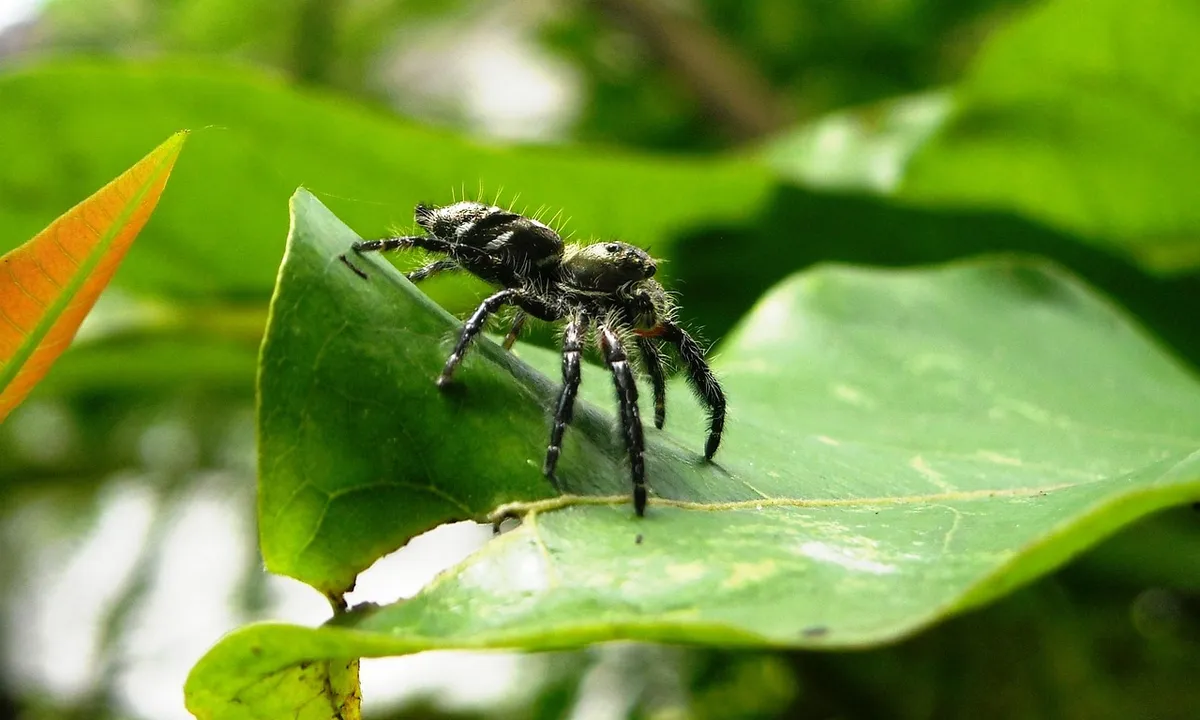
Selecting an enclosure is your first act of care. I rely on simple, clear deli cups for most new arrivals. Condiment cups suit the smallest slings. For a more permanent display, tiny acrylic terrariums offer excellent visibility. Your primary goals are security and a stress-free space that lets you observe without intrusion.
- Options: small deli cups, condiment cups, or tiny acrylic terrariums. Prioritize security and visibility.
- Critical features: provide adequate ventilation via small holes drilled or melted into the sides. Use a secure, snap-fit lid to prevent escapes-a loose cover is an invitation for a vanishing act. Choose an enclosure only 3 to 4 times the sling’s legspan to reduce stress and make prey capture easy.
Creating the Habitat: Substrate, Humidity, and Temperature
Substrate forms the foundation of your sling’s world. I use moisture-retentive coconut fiber or peat moss exclusively. For burrowing species like my Theraphosa stirmi, Goliath, a depth of 3 to 4 inches is mandatory. A deep, friable substrate allows for natural digging behavior and stable humidity.
Humidity needs are species-specific. My T. stirmi slings require 70-80% humidity, while beginner genera like Grammostola do well at 60-70%. Maintain this by damping one corner of the substrate with water, not by soaking the entire thing. Proper humidity supports respiratory function and successful molting, but excess moisture invites mold.
Temperature should remain a steady 70-80°F (21-27°C). Ordinary room temperature is usually perfect. I never use heat mats or lamps. Direct heating creates dangerous hotspots and can dehydrate or kill a delicate spiderling.
Finish the setup with two essentials: a tiny water dish like a bottle cap, and a secure piece of cork bark for cover. These minimal additions offer hydration and a safe retreat, mimicking the nooks they seek in the wild.
Feeding Your Tarantula Sling: Prey, Frequency, and Tips
Watching a sling feed is a lesson in precision. Their meals must be minuscule. I stock pinhead crickets, flightless fruit flies, and pre-killed mealworm segments. The prey item should always be visibly smaller than the sling’s abdomen to prevent injury or refusal.
- Suitable prey: pinhead crickets, flightless fruit flies, pre-killed mealworm segments.
- Feeding frequency: offer food 1-2 times per week. Adjust this schedule based on the abdomen’s size-a plump abdomen means wait, a skinny one means feed.
- Step-by-step feeding tips:
- Gently introduce the prey item with soft tweezers, placing it near the sling.
- Monitor for a feeding response. The sudden strike is a silent, explosive movement.
- Remove any uneaten live prey after 24 hours to prevent it from stressing or harming your sling.
- Fasting periods are completely normal. My Chilean rose hair, Rosie, has taught me that slings can refuse food for weeks or months, especially pre-molt. An unwillingness to eat is rarely a crisis; it is often a sign of an impending molt.
Monitoring Health and Recognizing Molt Signs
Signs of a Healthy Spiderling
A thriving spiderling possesses a plump, rounded abdomen. Some species are more active than others. A clean, intact exoskeleton and interest in food are positive indicators. Extensive webbing, like the dense curtains my OBT Flash creates, is a behavioral sign of a content and settled animal.
- Indicators: plump abdomen, active movement (for some species), interest in food, and clean, intact exoskeleton.
- Note that heavy webbing in the enclosure is often a sign of settled-in comfort, particularly for obligate burrowers and web-dependent species.
The Molting Process: What to Expect and Do
Molting, or ecdysis, is the most critical process in a sling’s life. Pre-molt signs include a darkening, shiny abdomen, a complete loss of appetite, and increased lethargy. Many will seal themselves in a hide or web up heavily. When you observe these behaviors, cease all feeding and avoid any enclosure maintenance. These cues are among the 10 key signs your tarantula is about to molt. Knowing them helps you prepare and respond safely.
The molt itself begins when the sling flips onto its back. It remains motionless for hours as it struggles free from its old skin. This is a time for absolute quiet and zero intervention; even a vibration can cause a fatal misstep. If you’re trying to tell the difference between molting and dying, look for cues. Molting usually ends with the spider regaining movement after shedding, while persistent immobility can signal trouble.
Post-molt care is a test of patience. The new exoskeleton is soft and vulnerable. Do not offer food for 7-14 days. Ensure fresh water is available and maintain slightly elevated humidity. Disturbing a spiderling during this hardening phase can lead to deformities or death.
- Pre-molt signs: darkening abdomen, loss of appetite, increased lethargy, and sealing off a hide.
- The molt itself: the spiderling will flip on its back. Stress the need for absolute quiet and no disturbance.
- Post-molt care: do not feed until the exoskeleton hardens (1-2 weeks), ensure water is available, and maintain higher humidity.
Common Beginner Mistakes and How to Avoid Them
Every keeper makes errors, but with slings, the margin for error is slim. Learning from the common missteps of others is the fastest path to becoming a confident, successful keeper. Here are the pitfalls I’ve seen (and sometimes stumbled into myself) and how to steer clear.
-
Overhandling: Respecting Fragility
The urge to hold your tiny new pet is powerful. Resist it. A sling’s exoskeleton is paper-thin and a fall from even a few inches can be fatal. The “Look, Don’t Touch” rule isn’t just philosophy; it’s a critical survival guideline for your spiderling. Frequent handling can be detrimental. Stress from manipulation can lead to refusal to eat or a compromised immune system. Observing their natural behaviors is infinitely more rewarding.
-
Incorrect Enclosure Size: Finding the Goldilocks Zone
Too large, and your sling becomes a needle in a haystack-unable to find its prey, feeling exposed, and struggling to locate its water dish. Too small, and it lacks space to grow and perform natural behaviors. An ideal sling enclosure is cozy, with a maximum distance of 3-4 times the sling’s diagonal leg span from the substrate to the lid. This makes feeding, monitoring, and molting much safer and less stressful for the animal.
-
Overfeeding or Underfeeding: The Balanced Diet
I see many new keepers offering food daily, terrified their sling will starve. A plump abdomen is good; a grossly distended, shiny one is dangerous. An overfed sling is at high risk for a fatal rupture during its molt, as the new, soft exoskeleton cannot contain the excessive mass. Follow the guideline of a slightly rounded abdomen. If it’s very large, skip a feeding. Conversely, a shrunken abdomen signals underfeeding. Consistency is key.
-
Poor Humidity Management: The Silent Molt Killer
Guessing humidity is a recipe for disaster. Dehydration can halt a molt midway, trapping and killing the sling in its old skin. Invest in a small digital hygrometer; it is the single most important tool for preventing humidity-related fatalities. Know your species’ needs-my T. stirmi slings thrive at 80-85%, while my G. rosea slings need it bone dry. Adjust by slightly varying ventilation and moisture in one corner of the substrate.
-
Inadequate Lid Security: The Great Escape
Never underestimate the power of a determined sling. I learned this years ago with a feisty Chromatopelma cyaneopubescens sling that found a microscopic gap in a deli cup lid. The silence of an enclosure you *know* should have an inhabitant is a stomach-dropping experience every keeper fears. Test every closure. For arboreal species, ensure the lid seals tightly, as they can climb sheer acrylic. A weighted book on top of a questionable lid is cheap insurance.
Safety and Spiderling Stewardship: A Respectful Approach
Keeping tarantulas is an exercise in respectful stewardship, not dominion. Our primary duty is to become meticulous habitat architects, reducing the animal’s stress to zero so its natural beauty can unfold. This mindset shift is fundamental for long-term success. Proper care becomes even more critical with advanced rare tarantula species, which require nuanced environments. With that foundation, we can responsibly care for and preserve these extraordinary creatures.
-
The greatest joy in the hobby comes from quiet observation, not tactile interaction. Watching a sling meticulously lay down silk for its first burrow, or the lightning-fast strike on a pinhead cricket, is a privilege. Handling risks a fatal fall for the sling and serves no benefit to the animal.
-
All tarantula slings possess venom and, for New World species, urticating hairs, though the quantities are minute. The focus should never be on “are they dangerous to me?” but rather “how can I avoid causing this animal to use its defenses?” These defenses—hairs first, venom second—are used only when the animal truly feels threatened. They can vary by species and individual temperament. Provoking a sling into kicking hairs or assuming a threat posture is a sign of poor husbandry and unnecessary stress.
-
Your role is to provide security. A well-set-up enclosure allows for the full expression of natural behaviors—whether that’s the dense web mat of an OBT or the deep burrow of a fossorial species. When a tarantula feels secure, it displays the fascinating activities we keep them to see: confident hunting, intricate webbing, and peaceful resting. Equally important is proper ventilation within a secure enclosure to maintain healthy humidity and air quality. Adequate airflow helps prevent moisture buildup and supports steady, natural behavior.
-
Remember the long view. That tiny sling in a condiment cup may be with you for a very long time. My Chilean Rose Hair, Rosie, has been with me for fifteen years, a quiet, enduring presence that has outlasted jobs, homes, and other pets. Acquiring a sling is the beginning of a commitment that often spans decades, a fact that should inspire both awe and careful consideration.
FAQs
How do you handle a tarantula sling?
Tarantula slings should not be handled due to their extreme fragility and vulnerability. Their exoskeletons are paper-thin, and even a short fall can cause fatal injuries. In fact, tarantulas can die from being dropped, so never lift or handle them. You can learn more about this [here](https://eightleggedlife.com/can-tarantulas-die-from-falling-or-being-dropped). Handling induces significant stress, which may lead to feeding refusal or compromised health. Always observe them in their enclosure without physical interaction to ensure their safety and well-being.
What is the ideal enclosure for a tarantula sling?
The ideal enclosure is small, secure, and well-ventilated, such as a deli cup or tiny acrylic terrarium. It should be only 3-4 times the sling’s legspan to reduce stress and aid prey capture. Include a moisture-retentive substrate like coconut fiber, a shallow water dish, and a hide like cork bark for security. Proper ventilation and a snug lid are essential to prevent escapes and maintain stable humidity.
How often should you feed a tarantula sling?
Feed tarantula slings 1-2 times per week with prey smaller than their abdomen, like pinhead crickets or fruit flies. Monitor the abdomen’s size; a plump abdomen means you can skip a feeding, while a skinny one indicates it’s time to eat. Always remove uneaten live prey within 24 hours to avoid stress or harm to the sling. Adjust frequency based on species and individual appetite, especially before molts when fasting is normal. For more detailed guidance on feeding, check out What Do Baby Tarantulas Eat and How Often Should They Be Fed.
What are the common mistakes in tarantula sling care?
Common mistakes include overhandling, using incorrectly sized enclosures, and improper feeding or humidity management. Overfeeding risks abdominal rupture during molts, while underfeeding leads to malnutrition. Neglecting lid security can result in escapes, and poor humidity control may cause dehydration or mold. Avoid these by researching species-specific needs, using tools like hygrometers, and prioritizing a stress-free environment.
When does a tarantula sling become a juvenile?
A tarantula sling transitions to a juvenile stage after multiple molts, typically 4-8, depending on the species. Key signs include a noticeable size increase, the emergence of adult coloration patterns, and sometimes sexual dimorphism. This shift often requires moving to a larger, more permanent enclosure. The change is gradual, marking the beginning of more recognizable adult behaviors and care requirements. From sling to adult, this milestone is covered in a complete month-by-month tarantula growth guide. Tracking molts month by month helps ensure healthy progression through the juvenile stages.
The Journey is the Reward
While their adult forms are dramatic, the spiderling stage is where your skills as a keeper are truly forged. The single most critical husbandry parameter for nearly all slings is consistent, accessible moisture. Their tiny bodies desiccate with alarming speed, so a perpetually damp corner of the enclosure is non-negotiable-a bone-dry sling is a sling in crisis. This simple act of maintaining humidity is your primary tool for ensuring they survive to their next molt.
Beyond substrate moisture, your most valuable tool is your own quiet observation. Watch a fossorial spiderling methodically excavate its first burrow. Marvel as an arboreal species spins a silken retreat in a cork tube. Celebrate the decisive strike on a pinhead cricket. These small behaviors are the entire story at this scale. Growth is measured in millimeters and molts, not in weeks. Patience is not just a virtue here; it is the fundamental currency of the hobby. The reward is witnessing a perfect, miniature predator slowly unfold into its destined form.
Further Reading & Sources
- Definition of “Sling” | Arachnoboards
- Embarressed to ask this – what are slings? – The B.T.S Tarantula Community Board
- What does ‘sling’ mean? | Tarantula Forum
Arlo is a lifelong arachnid enthusiast who believes tarantulas are the world’s most misunderstood roommates. With years of hands-on experience in tarantula care, habitat setup, and species behavior, Arlo combines expert knowledge with a dash of humor to make spider ownership less scary and a lot more fascinating. From choosing the right enclosure to understanding why your eight-legged buddy is doing that weird little pose again, Arlo is here to help you become the best tarantula parent you can be, without getting tangled in the web of misinformation.
Breeding Tarantulas