
Why You Should Never Release a Pet Tarantula into the Wild
Published on: August 7, 2026 | Last Updated: August 7, 2026
Written By: Arlo
Releasing a pet tarantula might feel like a compassionate act, but this decision is a profound misunderstanding of their biology and our responsibility as keepers. I’ve seen the aftermath of well-intentioned mistakes in our hobby, from the silent stress of a displaced spider to the potential unraveling of local food webs. This article explains the irreversible damage caused by release, offering the stark realities from my own experiences with rehousings and close calls.
- Origin: A product of captive breeding, far removed from ancestral habitats.
- Type: An exotic organism with no natural place in your local ecosystem.
- Growth Rate: Developed under human care; survival instincts for the wild are negligible.
I will show you exactly why release fails and equip you with ethical, practical solutions for your tarantula’s entire life.
Your Released Tarantula Faces a Cruel Fate
Releasing your pet might feel like setting it free, but you are signing its death warrant. Captive-bred tarantulas are domestic animals, utterly unprepared for the harsh realities of a foreign wilderness. They have never hunted live prey, evaded native predators, or endured seasonal extremes.
Consider my Chilean Rose Hair, Rosie. She thrives in a stable, dry setup at 70-75°F. In the wild, a sudden downpour or a cold night would overwhelm her, leading to rapid chilling and death. Her “pet rock” demeanor is a luxury of captivity, not a survival trait.
Predators are a constant threat. Birds, reptiles, and mammals will instantly see your slow-moving, brightly colored tarantula as an easy meal. I’ve seen the skittishness in my OBT, Flash; in an open field, his speed would be no match for a hawk’s dive.
- Starvation: They are accustomed to delivered meals.
- Exposure: Incorrect humidity or temperature causes swift decline.
- Injury: Without a burrow or hide, they are vulnerable and stressed.
I once assisted in retrieving a released Grammostola species; it was found dehydrated and curled, a heartbreaking end. Responsible care means providing security for life, not abandoning them to a fate they cannot survive.
How a Single Tarantula Can Disrupt an Ecosystem
Ecosystems are intricate puzzles where every species has a place. Introducing a foreign piece, like a pet tarantula, can shatter the entire picture with consequences we cannot predict. Even a single individual can set off a chain reaction.
Introducing Foreign Diseases and Parasites
Your tarantula could be a silent carrier of pathogens acquired in the pet trade. Microsporidian fungi or specialized mites that are benign in your enclosure can be catastrophic to native arachnid populations. I quarantine new arrivals for months because I’ve seen how quickly unseen issues can spread. That’s why proper quarantine matters: keep new arrivals isolated in a separate enclosure for several weeks and use dedicated equipment. Monitor for signs of illness or unusual behavior before introducing them to others.
My high-humidity species, like Goliath the T. stirmi, are kept at 80% humidity. The fungal spores that might flourish in his moist substrate could wipe out local tarantula colonies lacking immunity. It’s an invisible threat with visible devastation.
- Pathogen Transfer: Captive soil can harbor novel bacteria or viruses.
- Parasite Spread: Mites or nematodes can jump to native invertebrates.
- Soil Contamination: The entire microbial biome of your enclosure is alien.
This is not theoretical; similar introductions have collapsed local insect and spider communities elsewhere. Your one pet can become an unwitting vector for ecological damage that lasts for generations.
The Legal and Ethical Repercussions of Release
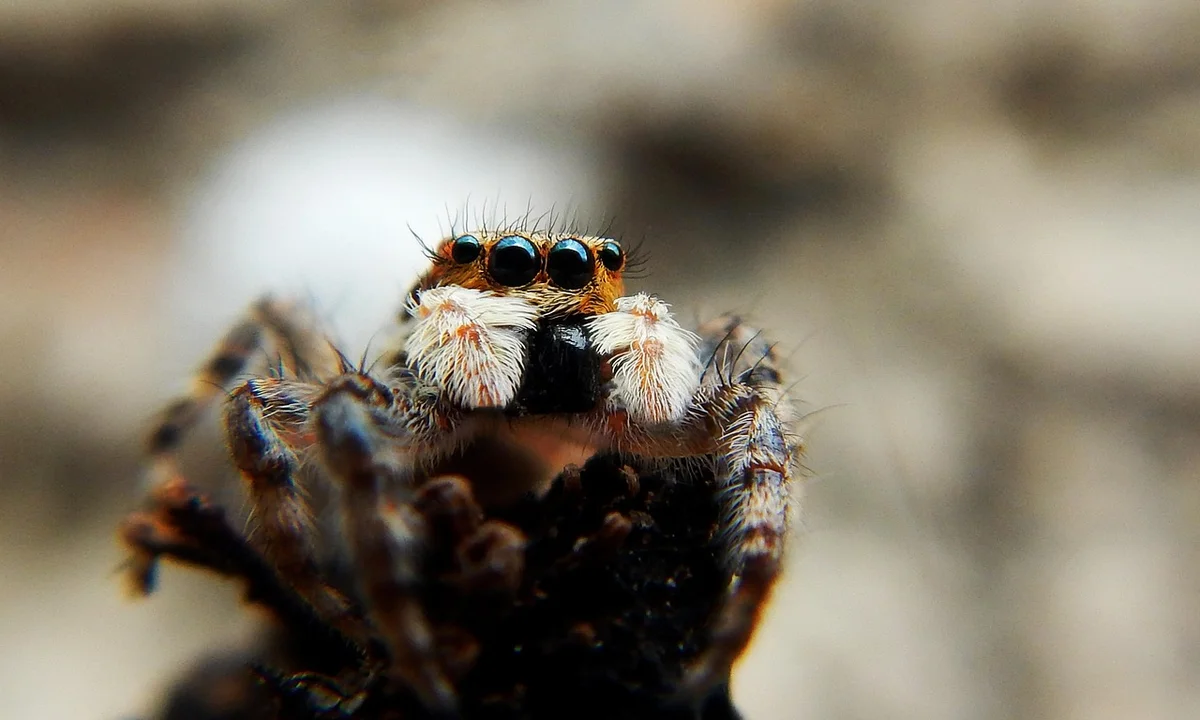
Releasing a captive-bred tarantula is never a simple act of letting it go. It is a potentially illegal introduction of a non-native species into a local ecosystem. The legal consequences can be severe. In the United States, this action often violates the Lacey Act, which prohibits the release of invasive species. You could face substantial fines. More critically, you become directly responsible for an ecological breach. To avoid these outcomes, you should navigate state laws about keeping tarantulas in the USA, since rules vary by state and municipality. Check permits, species restrictions, and local ordinances with your state wildlife agency before acquiring a tarantula.
The ethical burden is heavier than any fine, centered on the profound suffering you inflict on the released animal and the native environment. Your captive-raised tarantula lacks the necessary skills to survive. It has never hunted live prey in complex terrain, navigated seasonal weather shifts, or evaded local predators. Its fate is almost certainly a slow death from starvation, exposure, or predation. This raises the question of whether the core principles of ethical tarantula breeding principles—welfare, minimizing harm, and ecological responsibility—are being met in practice. Ultimately, the debate hinges on whether the breeding enterprise can align with those principles without causing unnecessary suffering or ecological disruption.
Consider the silent havoc on your local ecology. Your released tarantula could outcompete native invertebrates for resources. It could introduce novel parasites or pathogens to local populations. Even if it dies quickly, it has become a pointless stressor on the system. I think of my Pterinochilus murinus, Flash; her incredible speed is adapted for African rock crevices, not a foreign forest floor. Her introduction would be a destabilizing event. Local predators—birds, snakes, and small mammals—could quickly prey on this unfamiliar spider, unsettling local predator–prey dynamics. The introduced tarantula itself could become a new target for native predators, compounding its impact on the ecosystem.
The repercussions extend beyond your single spider:
- Legal Liability: Fines and penalties for violating wildlife protection laws.
- Ecological Damage: Potential disruption of local food webs and introduction of disease.
- Hobby Stigma: Such actions harm the reputation of responsible arachnoculturists, potentially leading to stricter pet trade regulations.
- Animal Suffering: Condemning a dependent pet to a terrifying and confused end.
Responsible Pathways When You Must Rehome
Life changes, and sometimes you can no longer care for your tarantula. This is a common situation, and prepared keepers have a network of solutions. The first and best option is to find a new, prepared keeper. Local reptile and invertebrate expos often have rehoming tables. Dedicated online forums and social media groups are full of experienced hobbyists willing to adopt. If rehoming is pursued, discuss a safe transport plan with the new keeper and arrange a secure, escape-proof container for the tarantula’s journey. Keep transit brief and maintain a stable temperature and low-stress environment to protect your tarantula during the move.
When transferring a tarantula, full transparency about its species, age, sex, and temperament is non-negotiable for a safe handoff. I have rehomed several tarantulas over the years, and the process always involves detailed notes and secure packaging. For defensive species like Old World tarantulas, this warning is a critical duty of care for the next owner. For beginners, handling tarantulas is generally not recommended; safe interaction means observation and careful transfer without direct contact. If handling is ever necessary, keep it brief, calm, and supported by proper tools.
If you cannot find a private adopter, contact local specialty pet stores, nature centers, or schools with entomology programs. They may accept donations for educational displays. Some veterinary clinics that treat exotics can also serve as a hub for finding new homes. Never resort to release; the responsible community is larger than you think.
Humane End-of-Life Considerations
Facing a tarantula’s end of life is a difficult part of the commitment we make. Tarantulas can live for decades, but age, illness, or severe injury sometimes necessitate euthanasia. Allowing a creature to suffer from a debilitating condition, like a ruptured abdomen or a fatal parasitic infection, is inhumane.
The only method considered humane for tarantulas by experienced breeders and veterinarians is physical destruction of the central nervous system, typically by swift freezing. This must be done with the animal already immobilized, often by first placing it in a refrigerator to slow its metabolism into a state of torpor, especially during delicate situations like handling or quarantine. The final step is immediate placement in a freezer.
This process, while unsettling, is a final act of responsibility, ensuring the animal does not endure prolonged distress. It is a quiet, solemn moment I have faced with aging pets. Consulting with an exotic veterinarian for guidance is always recommended if you are unsure. Choosing a peaceful, painless end over abandonment or neglect is the ultimate reflection of a respectful keeper.
Building a Culture of Responsible Tarantula Keeping
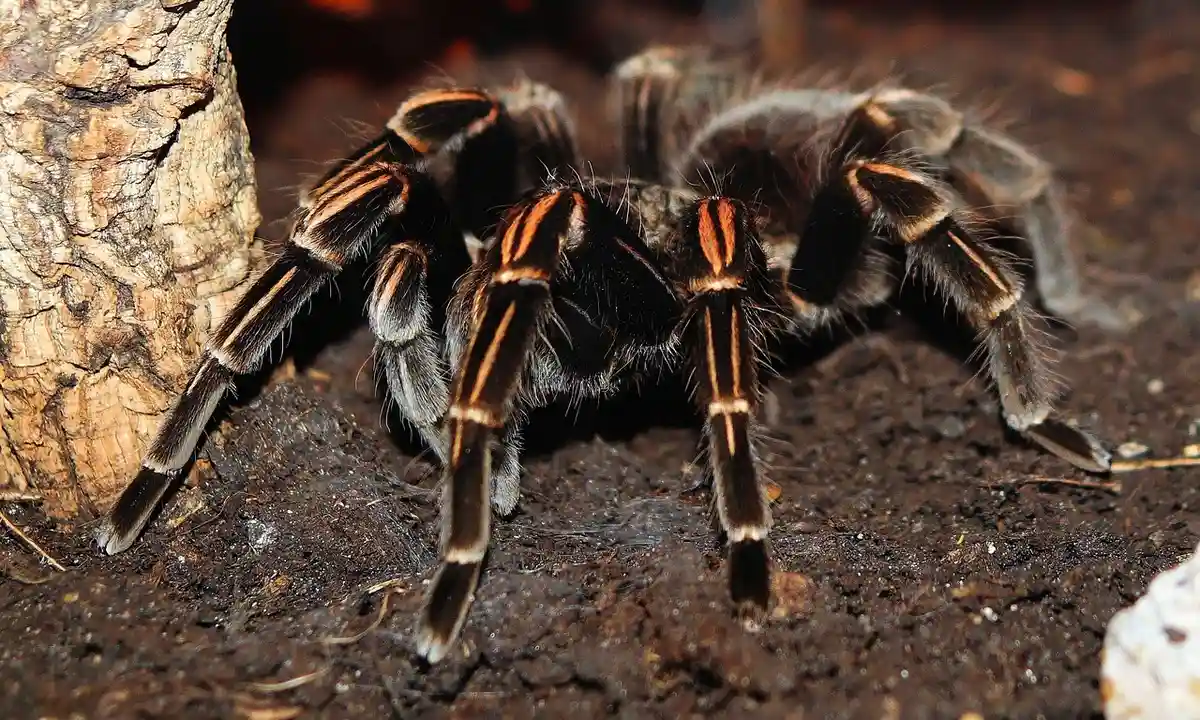
Our hobby’s future depends on the choices we make today. Every keeper, from the first-time owner of a Grammostola rosea to the curator of rare Poecilotheria, holds a direct responsibility for the life in their care and the global ecosystem. This extends far beyond basic feeding.
The Ethical Cornerstones of Our Hobby
True stewardship means planning for the spider’s entire lifespan, which can span decades. My Chilean Rose Hair, Rosie, has been with me for fifteen years. I never assumed that responsibility would end with a simple release. Commitment defines our culture.
- Lifelong Planning: Before acquiring any tarantula, research its potential 25+ year lifespan. Do you have contingency plans for moves, lifestyle changes, or financial shifts?
- Humane Culling: Ethical breeding includes managing offspring you cannot place. Releasing them is not an option. Responsible breeders have a clear, humane protocol for dealing with surplus slings, a difficult but necessary part of the practice.
- Non-Interference: Respecting wildlife means leaving wild tarantulas where they are. Collecting from the wild without permits damages local populations and ecosystems.
Practical Pathways: Rehoming Over Releasing
If you can no longer care for your tarantula, multiple ethical avenues exist. I’ve rehomed spiders during cross-country moves and taken in surrenders. Legal and ethical considerations apply to keeping rare tarantulas—permits and responsible sourcing matter. Prioritizing welfare and compliance should guide any decision to rehome or acquire.
- Contact Local Societies: Arachnid or invertebrate enthusiast clubs often have networks for surrender and adoption.
- Reach Out to Pet Stores: Some specialized stores will accept healthy tarantulas for resale or placement.
- Leverage Online Communities: Use dedicated forums or social media groups. Be transparent about the species, its temperament, and any health issues. I found a wonderful home for an old Brachypelma this way.
- Veterinarians and Educational Centers: Some exotic vets or nature centers may accept donations for educational purposes.
Educating Others is Your Duty
When friends marvel at my Burgundy Goliath’s size or flinch at my OBT’s webbing, I see a teaching moment. Dispelling myths with calm facts-explaining the difference between defensive hair-flicking and true aggression, for instance-changes public perception. Share your knowledge on proper containment to prevent escapes. Talk about the silent, fascinating behaviors you observe. Your advocacy turns fear into fascination and prevents misguided “kindness” like releasing a pet. Our collective effort builds a culture where every tarantula is valued as a captive-born life, not a temporary novelty.
FAQs
Why is releasing a pet tarantula into the wild harmful?
Releasing a pet tarantula is harmful because it is a lose-lose situation for both the animal and the environment. The tarantula itself, being captive-bred, lacks the necessary instincts and resilience to find food, evade predators, or survive local climate conditions. Furthermore, it can introduce foreign diseases or parasites into the native ecosystem, potentially harming local wildlife. This act disrupts the natural balance you intended to return it to. Even when kept as pets, they require responsible care and management to ensure their well-being.
Are there legal consequences for releasing a pet tarantula?
Yes, there can be significant legal consequences for releasing a non-native species like a pet tarantula. In many regions, including under laws like the U.S. Lacey Act, such an introduction is illegal and classified as releasing an invasive species. Violators can face substantial fines and penalties. This legal framework exists to prevent the exact ecological damage that such a release can cause.
Why are pet tarantulas considered invasive if released?
Pet tarantulas are considered potentially invasive because they are exotic organisms with no natural predators or controls in a non-native environment. If they manage to survive and establish a population, they can outcompete native spiders and insects for food and habitat. Their presence alone can alter the delicate dynamics of local food webs, leading to unforeseen and damaging ecological shifts.
What should you do if you can no longer care for a pet tarantula?
If you can no longer care for your tarantula, your first step should be to seek a responsible new owner through local exotic pet communities, specialized forums, or social media groups. You can also contact reputable pet stores, reptile/invertebrate expos, or educational nature centers to inquire about surrender programs. The ethical solution is always a planned rehoming, not release, as the responsible keeper community is vast and willing to help. If your tarantula refuses to eat, common causes include temperature/humidity issues, prey size, or a recent molt, which you can explore further in the section on Tarantula not eating: causes. There are practical steps you can take to address them, and these considerations should be explored before deciding on rehoming to ensure the animal’s wellbeing.
The Responsible Keeper’s Path
The single most important husbandry parameter for any tarantula you bring home is its lifelong containment. An absolutely escape-proof enclosure with a secure, latching lid is the non-negotiable foundation of ethical arachnoculture, preventing ecological harm and ensuring your spider’s safety. Every design choice, from ventilation to substrate depth, orbits this central tenet of permanent, responsible custody.
True success is measured in quiet observation. Watch Goliath meticulously pat down the soil at his burrow entrance or witness Flash transform her enclosure into a silken fortress overnight. The reward is not in handling, but in providing such excellent care that you get to see their full, natural repertoire of behaviors. Patience is your most valuable tool. You will learn their rhythms-the pre-molt fasts, the post-molt vulnerability, the sudden predatory strikes. This slow, attentive stewardship is the heart of the hobby.
Further Reading & Sources
- Pet Tarantula | Animal Jam Classic Wiki | Fandom
- r/tarantulas on Reddit: Releasing wild tarantula?
- How to Care for a Pet Tarantula
Arlo is a lifelong arachnid enthusiast who believes tarantulas are the world’s most misunderstood roommates. With years of hands-on experience in tarantula care, habitat setup, and species behavior, Arlo combines expert knowledge with a dash of humor to make spider ownership less scary and a lot more fascinating. From choosing the right enclosure to understanding why your eight-legged buddy is doing that weird little pose again, Arlo is here to help you become the best tarantula parent you can be, without getting tangled in the web of misinformation.
Tarantula Myths and Misconceptions