
Old World vs New World Tarantulas: The Keeper’s Critical Comparison
The biological split between Old World and New World tarantulas is the fundamental axis around which all responsible husbandry rotates, dictating everything from enclosure security to your very mindset as a keeper. One group offers the silent, deliberate movement of a predator like my G. rosea “Rosie”, while the other delivers the heart-pounding speed and defensive posture of my P. murinus “Flash”. This guide dissects that divide with the precision of a taxonomist and the practicality of a seasoned breeder. Grasping these differences isn’t optional; it’s the bedrock of safe, ethical tarantula keeping that respects the animal’s innate nature.
Quick Stats:
- Geographic Origin: Old World (Africa, Asia, Europe) | New World (The Americas)
- Signature Defense: Old World: Speed and medically significant venom | New World: Urticating hairs and threat display
- Typical Growth Pace: Old World species often mature faster; New World rates vary wildly from the glacial G. rosea to the rapid T. stirmi.
- Keeper Interaction: Old World: Observation-only | New World: Observation-only; my “Look, Don’t Touch” philosophy protects both you and the spider from stress and harm.
By the end of this guide, you will possess the clear, actionable knowledge to properly house and care for a tarantula from either lineage, from its fragile sling beginnings to its formidable adult grandeur.
Defining Old World and New World Tarantulas
This split refers to more than geography; it shapes everything from their venom to their temperament. The terms ‘Old World’ and ‘New World’ are biological shorthand for tarantulas from opposite sides of the planet, with distinct evolutionary histories that forged different survival tools. Put simply, the division tracks continental distribution—Old World tarantulas hail from Africa, Asia, and Europe, while New World species are native to the Americas. That said, the line isn’t perfect: range overlaps and other ecological factors can blur the boundary.
Geographic Distribution and Origins
Old World tarantulas hail from the lands of Africa, Asia, Australia, and Europe. New World species are native to the Americas, from the United States down through Chile. This continental divide, established over 100 million years ago, allowed these spiders to evolve in near-total isolation from each other. My OBT, Flash (P. murinus), embodies an Old World lineage from African scrublands, while Rosie (G. rosea) represents a classic New World resident of Chilean deserts.
You can visualize the primary regions:
- Old World Realms: The arid outback of Australia, the rainforests of Southeast Asia, the savannas of Africa.
- New World Realms: The Amazon basin, the deserts of the Southwest U.S., the cloud forests of Central America.
Evolutionary Pathways and Habitat Types
Isolation led to different adaptations. New World tarantulas, facing diverse predators, commonly evolved urticating hairs a barbed defense they kick into the air. Old World species, lacking this trait, developed more potent venom and remarkable speed as their primary defenses. Their habitats directly inform captive care. My Burgundy Goliath (T. stirmi) needs a humid, warm enclosure (75-80°F, 80-85% humidity) mimicking its South American rainforest floor home. Flash’s OBT ancestry favors a bone-dry setup with deep burrows, mirroring the arid African soil.
Consider these evolutionary trade-offs:
- New World: Often slower, equipped with urticating hairs, generally more tolerant of husbandry fluctuations.
- Old World: Typically lightning-fast, reliant on potent venom, and frequently more sensitive to incorrect humidity or temperature.
Behavioral and Defensive Traits: A Caretaker’s Perspective
These evolutionary paths create a stark contrast in daily care. Managing a New World tarantula often involves respecting a cloud of irritating hairs, while keeping an Old World species requires respecting a potentially medically significant bite and breathtaking speed.
Defensive Behavior and Speed in Captivity
You see this in their enclosures. My Goliath, when startled, will instantly turn its abdomen toward me a clear threat posture before releasing a cloud of urticating hairs. The silence of the enclosure is broken by the faint rasping sound of those hairs being kicked. In contrast, Flash’s defense is a sudden strike from its burrow entrance, a movement so fast it appears as an orange blur. Old World speed isn’t just for hunting it’s a full-body escape mechanism. I learned this during a rehousing when Flash covered six inches in a blink, a humble reminder to always use long tools and a large, secure bin.
Key defensive comparisons:
- New World Defense: Threat postures, hair flicking, rarely biting.
- Old World Defense: Minimal warning, rapid flight, or a defensive bite as a first resort.
Aggression in Captivity and Stress Responses
Labeling these spiders as ‘aggressive’ misses the point. They are defensive animals reacting to stress. What we call aggression is usually a profound stress response to perceived threats, like vibrations, bright light, or invasive tools. My docile Rosie, a New World species, shows stress by refusing food for months, becoming a true ‘pet rock.’ Flash, an Old World tarantula, expresses stress by webbing every surface and assuming a defensive stance if the enclosure is opened. Your goal as a keeper is to minimize these stressors through predictable routines, secure hides, and a strict ‘Look, Don’t Touch’ philosophy. This approach respects the animal’s nature and keeps both of you safe.
Recognize these common stress signs:
- Excessive hiding or refusal to use a provided burrow.
- Constant threat posturing in a normally calm individual.
- Abandoning prey or prolonged fasting beyond normal pre-molt behavior.
Defense Mechanisms: Venom Toxicity vs Urticating Hairs
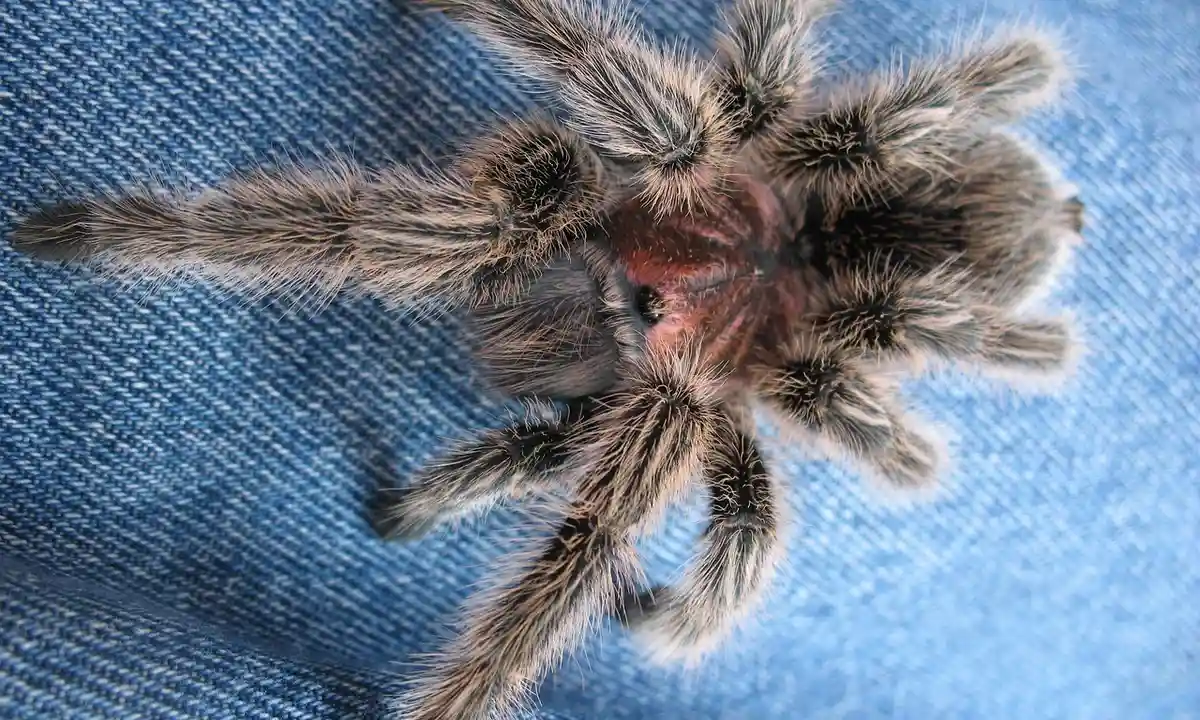
Evolution has crafted two distinct primary defense strategies for tarantulas, a fundamental split that defines much of their care and our interaction with them. Old World species (from Asia, Africa, and Europe) rely almost exclusively on potent venom and immense speed, while New World tarantulas (from the Americas) have developed the unique, itchy weapon of urticating hairs. This isn’t just trivia; it dictates everything from rehousing protocols to where you place the enclosure in your home. It’s crucial to understand these differences when handling or caring for them.
Venom Potency in Old World Tarantulas
Tarantulas from the Old World lack urticating hairs. Confronted by a threat, their evolutionary playbook is simple: retreat with blinding speed or deliver a decisive, venom-loaded bite. Their venom is often more medically significant to humans. A bite from a species like my Pterinochilus murinus, Flash the OBT, is not a trivial event; effects can include severe pain, muscle cramping, and hours of intense throbbing at the site. Considering tarantula urticating hairs vs bites, danger varies by lineage. Old World tarantulas rely on venom with bites as the main threat, while New World species can irritate skin with their urticating hairs.
I learned this lesson not from a bite, but from the sheer velocity of their threat display. Rehousing Flash is a high-focus operation involving multiple catch cups and a clear plan. One second of hesitation means a bolt across the desk-a heart-pounding scramble to safely contain a fast, defensive animal. They don’t bluff.
Key facts about Old World venom:
- Potency varies by species, but all should be considered capable of delivering a medically unpleasant bite.
- Primary effects are typically localized intense pain, swelling, and muscle cramps, lasting several hours.
- No antivenom exists for tarantula bites; treatment is symptomatic (pain management, antihistamines).
- Their speed is their first line of defense. A provoked Old World tarantula will often flee or assume a threat posture rather than bite immediately.
Respecting this potency means adopting a strict “look, don’t touch” philosophy and using long, soft-tipped forceps for any enclosure maintenance.
Urticating Hairs in New World Tarantulas
New World tarantulas possess a remarkable and less direct defense: specialized bristles on their abdomen called urticating hairs. When threatened, they use their back legs to kick a cloud of these microscopic, barbed hairs toward the threat. For a human, contact feels like fiberglass insulation or pepper spray on the skin, causing itching, rash, and severe irritation to eyes or respiratory tracts if inhaled. Are tarantula urticating hairs dangerous? Understanding the real risks is important before handling them.
My T. stirmi, Goliath, is a prolific hair-kicker. A sudden vibration near her enclosure results in a rapid, sandpapery sound as she flicks a defensive cloud. I wear safety glasses and a mask during her deep cleans.
Understanding urticating hairs is crucial for safe husbandry:
- Types differ: Some cause mild itchiness (Type I, common in G. rosea), while others are highly irritating (Type III, found in the “Theraphosa” genus like my Goliath).
- They target skin, eyes, and mucous membranes. Always wash hands after enclosure work and avoid touching your face.
- Ventilation matters. A well-ventilated enclosure prevents airborne hair accumulation, protecting both you and your pet.
- Molting removes the old setae. A freshly molted tarantula has a full, new supply, so be extra cautious post-molt.
This adaptation allows generally more docile temperaments, as the tarantula can defend itself from a distance without risking physical combat. It’s an elegant, if irritating, solution that defines the more hands-off care approach we practice with all tarantulas, New or Old World.
Suitability for Beginner and Advanced Keepers
The choice between an Old World and New World tarantula is less about good versus bad and more about matching a spider’s natural behaviors to your experience and comfort level. Your success and the animal’s welfare depend on this alignment, especially when understanding the behavioral differences between Old World and New World tarantulas.
Why New World Tarantulas are Safer for Beginners
New World species, like my elderly Rosie (Grammostola rosea), provide a forgiving introduction to arachnoculture. Their general temperament and predictable defenses allow new keepers to learn essential skills-like enclosure maintenance and molt recognition-without high-stakes pressure.
Their primary defense mechanism, urticating hairs, provides a crucial buffer between you and a potential bite. A tarantula like Goliath will almost always kick first, a clear visual warning to back off. This predictable behavior builds confidence in safe, respectful husbandry practices.
Physically, they are often slower-moving. A startled New World tarantula typically hunkers down or makes a deliberate, plodding retreat. This allows you to manage rehousing or cage maintenance with careful planning, not lightning-fast reflexes.
- Predictable Defenses: Reliance on urticating hairs gives a visible warning sign.
- Manageable Speed: Movements are often methodical, reducing escape risk during necessary interactions.
- Resilient Physiology: Many, like the Chilean Rose Hair, tolerate a wider range of humidity and temperature fluctuations common in homes.
- Observational Learning: Their calmer nature lets you study feeding, webbing, and molting behaviors up close without excessive stress to the animal.
Challenges and Rewards of Keeping Old World Tarantulas
Old World tarantulas, such as my P. murinus Flash, are for the prepared hobbyist. They demand a fundamental shift in mindset: from hands-on pet keeper to dedicated observer and habitat curator. Their care is a test of foresight and respect.
Their potent, medically significant venom and lightning speed remove any margin for error during enclosure maintenance. A rehousing becomes a meticulously choreographed operation, using long tools and multiple catch cups. The silence of the enclosure is broken only by the startlingly fast scrape of feet on acrylic when they decide to move.
The reward is witnessing unparalleled natural artistry. Flash has transformed her enclosure into a intricate, silken fortress. Observing their complex web tunneling, flawless ambush strikes, and iridescent sheen under the lights is the core payoff. You are not a handler but a privileged spectator to some of the most effective predatory adaptations in the arachnid world.
- Prioritize Secure Housing: Invest in enclosures with secure, mechanical latches. I use aquarium silicone to seal any gaps around door hinges on my Old World setups.
- Master Tool-Based Husbandry: Long, flexible feeding tongs, large paintbrushes for guidance, and multiple transparent deli cups are non-negotiable extensions of your hand.
- Design for Safety: Arrange enclosures to open from the top or front in a way that never requires you to reach over the tarantula. Create a “landing zone” with a catch cup always at the ready.
- Respect the Defensive Posture: Learn to recognize threat displays-raised front legs, reared back, audible hissing (stridulation). This is their clear communication to stop.
Keeping Old World tarantulas deepened my appreciation for bioactivity. A stable, bioactive setup minimizes the need for intrusive cleanings, reducing stress for both keeper and spider. The choice ultimately defines your role in the hobby: a gentle curator for New Worlds, or a steadfast observer for the Old.
Husbandry and Enclosure Care Differences
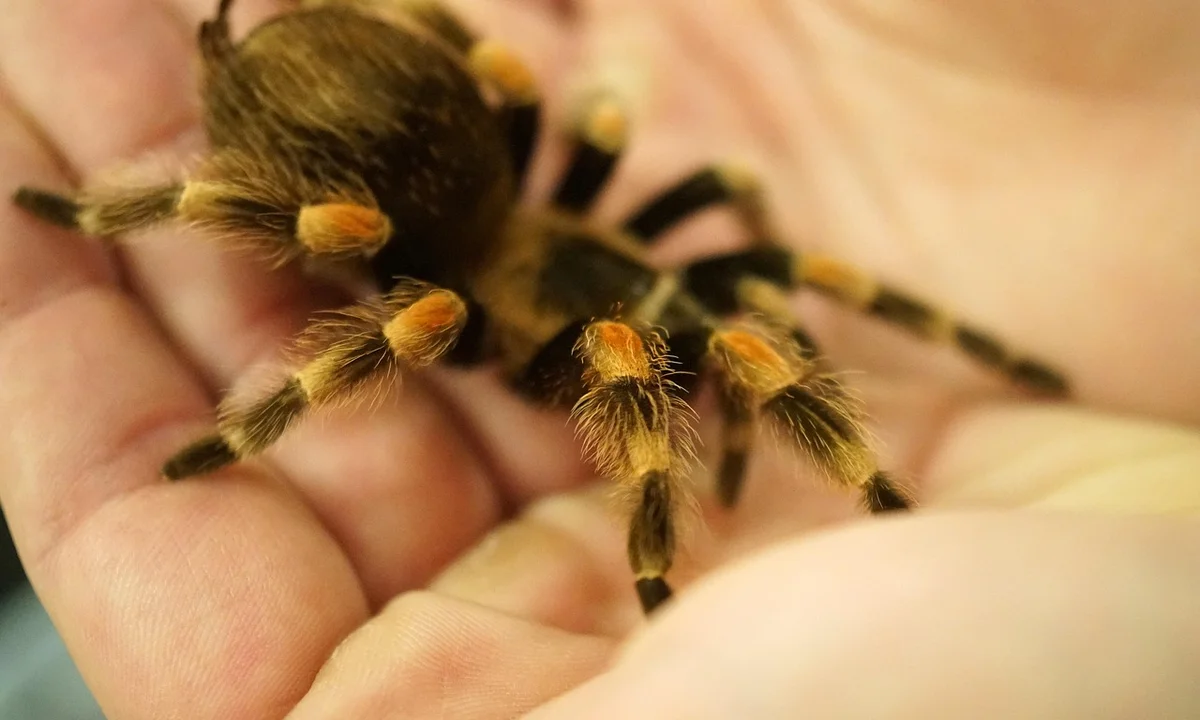
Your care routine must adapt to the spider’s origin. Old World tarantulas require meticulous, hands-off enclosure management, while New World species often tolerate a broader range of conditions. I learned this through error when my OBT, Flash, sealed every ventilation hole with silk after a single overzealous misting.
Humidity and Temperature Requirements by Region
Climate replication is non-negotiable. Most Old World tarantulas from arid regions, like many Asian fossorials, need ambient humidity of 40-50% and temperatures between 75-80°F (24-27°C). My Flash’s enclosure stays dry, with a water dish providing all the moisture he seeks.
New World needs split dramatically. Rainforest giants like my Burgundy Goliath Bird Eater (Theraphosa stirmi) demand 70-80% humidity and steady warmth of 78-82°F (26-28°C), while desert dwellers like Rosie (Grammostola rosea) thrive at 30-40% humidity.
- Old World Arid: Low humidity (40-50%). Excess moisture promotes harmful mold. Heat mat on one side only.
- New World Humid: High humidity (70-80%). Achieve this with a large water dish and damp substrate, not frequent spraying.
- New World Dry: Breathable enclosures. My Rosie’s tank has never been misted; she gets all she needs from her water dish.
Invest in tools. A digital hygrometer and thermometer are your eyes into the microclimate, preventing guesswork that stresses the animal.
Substrate and Enclosure Setup for Different Lifestyles
The spider’s behavior dictates its furniture. Fossorial species, common among Old Worlds, require substrate depth at least 1.5 times their leg span for secure burrowing. For my heavy-webbing OBT, I use a sturdy cork bark hide anchored deep into the substrate.
Choose your substrate like a soil scientist. A blend of coconut fiber, peat moss, and vermiculite offers structure and moisture control, but the ratios change by region.
- For Moisture Retention (New World Humid):
- Use a 60:40 mix of coconut fiber and vermiculite.
- Pack it down to support burrows and hold humidity.
- Add a leaf litter top layer to help prevent mold.
- For Drainage and Stability (Old World):
- Use a 70:30 mix of coconut fiber and sand.
- This creates firm burrow walls that won’t collapse.
- Keep it barely damp to the touch.
- Enclosure Geometry:
- Terrestrial (e.g., G. rosea): Focus on floor space. Height is a fall risk.
- Arboreal (e.g., Avicularia): Prioritize vertical climbing space with cork tubes.
- Fossorial (e.g., H. gigas): Depth is everything. Use a deep, narrow tank.
Consider going bioactive. Introducing clean-up crews like springtails into my Goliath’s enclosure manages waste and fungus, creating a more stable, hands-off ecosystem.
Feeding, Molt, and Life Span Considerations
Metabolism and longevity are written in their DNA. Old World tarantulas typically have faster growth rates and more defensive feeding responses, reflecting the competitive pressures of their habitats. Flash will strike at a cricket through his web lattice in a blur of orange.
New Worlds often move slower. Species like the Chilean Rose Hair are famous for prolonged fasts; my Rosie has refused food for over eight months, acting as a serene pet rock.
| Consideration | Old World | New World |
|---|---|---|
| Feeding Frequency | Offer prey weekly. They are often eager hunters. | Offer prey every 7-10 days. Be prepared for random fasts. |
| Pre-Molt Signs | Abdomen darkens, appetite vanishes, and webbing increases. They seek seclusion. | Similar signs, but often with a longer lead-up. The tarantula may seal its hide. |
| Post-Molt Care | Do not disturb for at least 10-14 days. Their fangs need time to harden. | Wait 7-10 days before offering food. Ensure water is always available. |
| Typical Life Span (Females) | 10-15 years is common for many genera. | 20+ years is achievable for giants like Theraphosa and some Grammostola. |
Molting is a vulnerable time. Never attempt to handle or feed a tarantula that is in or near a molt, as its new exoskeleton is soft and easily damaged. I mark my calendar when I see the pre-molt dullness settle over my pets.
Respect their entire lifecycle. Adhering to a “Look, Don’t Touch” philosophy minimizes stress for you and the tarantula, avoiding exposure to urticating hairs or medically significant venom.
Notable Species from Each Region for Pet Keepers
Choosing your first, or next, tarantula is a thrilling decision. The division between New World and Old World species represents the most fundamental choice a keeper makes, directly dictating the daily rhythm of care and interaction. Let’s explore some standout examples from each category, grounded in real husbandry.
Popular New World Tarantula Species
Tarantulas from the Americas often offer a gentler introduction to the hobby. Their generally slower speeds and possession of urticating hairs provide a wider safety margin for new keepers learning to read arachnid behavior.
Grammostola and Brachypelma: The Beginner Favorites
Genera like Grammostola and Brachypelma are legendary for their placid temperaments. My Chilean Rose Hair, Rosie (Grammostola rosea), embodies the “pet rock” stereotype, sometimes fasting for eight months without a change in girth or energy. These spiders thrive on simplicity. A deep, dry substrate mix of coconut fiber and soil, a hide, and a water dish are all they need. Temperatures between 70-80°F (21-27°C) and low humidity around 50-60% suit them perfectly. Their docile nature reinforces a “Look, Don’t Touch” philosophy beautifully; observing their subtle movements is the reward.
Species like the Mexican Redknee (Brachypelma hamorii) follow similar rules. Their stunning color contrasts are best admired from the other side of the glass, as even calm tarantulas can flick urticating hairs if stressed. I’ve rehoused my share of these, and their methodical, predictable walks make the process manageable for a novice.
Other New World Genera: Diversity in Care
Beyond the beginner staples, New World diversity demands more specific setups. My Burgundy Goliath Bird Eater, Goliath (Theraphosa stirmi), requires a humid, tropical environment that would swiftly cause a Grammostola to perish. His enclosure maintains 75-80% humidity and 75-80°F (24-27°C), with moist substrate and ample ventilation to prevent mold. He is a prolific hair-kicker, a clear reminder that size and origin don’t guarantee a handleable pet.
Consider these other common New World groups:
- Avicularia (Pinktoes): Arboreal spiders needing vertical space, cork bark, and cross-ventilation. They drink from water droplets on leaves and webs.
- Aphonopelma: North American terrestrials often needing bone-dry substrates and exceptionally low humidity.
- Lasiodora (Brazilian Salmon Pink): Fast-growing, large terrestrials with healthy appetites and moderate humidity needs around 65-70%.
This care spectrum means researching the exact species, not just the continent of origin, is non-negotiable for success.
Fascinating Old World Tarantula Species
Tarantulas from Africa, Asia, and Australia present a different kind of allure. Old World species trade urticating hairs for potent venom and lightning-fast reflexes, making them projects for observant, hands-off keepers. The silence before their sudden strike is palpable.
Poecilotheria and Pterinochilus: Colorful and Defensive
The genus Poecilotheria, the ornamental tarantulas, showcase nature’s artistry. The intricate patterns and iridescent sheen on the carapace of a Poecilotheria regalis are mesmerizing, but their arboreal nature and defensive posture require deep respect. They need tall enclosures with anchor points for webbing, consistent humidity of 70-80%, and warm temperatures around 78-82°F (26-28°C).
Then there’s my Orange Baboon Tarantula, Flash (Pterinochilus murinus). His bright orange color is a warning, not an invitation, and he has webbed every inch of his enclosure into a silken fortress. Old World species like these have medically significant venom. Their care focuses on secure, species-appropriate housing that minimizes the need for any opening. Rehousing Flash was a strategic operation involving multiple catch cups and calm nerves.
Other Old World Genera: Specialized Habitats
Many Old World tarantulas are ecological specialists. Providing the correct microenvironment isn’t just about comfort; it’s about reducing stress for an animal that is inherently high-strung. Factors such as species-specific needs, enclosure size, humidity, and temperature influence a tarantula’s lifespan, so attentive care matters. Environment and husbandry choices across species play a key role in longevity.
- Haplopelma and Cyriopagopus (Asian Fossorials): These spiders are obligate burrowers. They require a deep, damp substrate column-12 inches or more-to construct elaborate tunnels. Surface activity is rare.
- Heteroscodra (West African Arboreals): Like Poecilotheria, they need vertical space but often prefer drier vertical hides like cork tubes, with a water dish and occasional misting.
- Ceratogyrus (Horned Baboons): Notable for the cephalic horn on their carapace, these terrestrials from arid regions need firm, dry substrate to burrow and very low humidity.
Keeping Old World tarantulas successfully is a masterclass in bioactive setup design and reading subtle environmental cues, as direct intervention is rarely a safe option. This is where a guide to tarantula-safe plants and bioactive enclosures becomes invaluable. Selecting safe plant species and carefully implementing a bioactive enclosure design helps replicate natural conditions while keeping the tarantula secure.
FAQs
Can an Old World tarantula’s bite be fatal?
No, a bite from a pet tarantula is not considered fatal to a healthy adult human. However, bites from Old World species are medically significant and can cause severe pain, muscle cramping, swelling, and hours of intense discomfort. Their venom’s potency is why they are considered observation-only pets, and any bite should be monitored and may require medical attention for symptom management.
I see Old World tarantulas for sale. Are any suitable for beginners?
It is strongly advised that beginners avoid Old World tarantulas. Their combination of potent venom, lightning-fast speed, and defensive nature leaves no margin for error in husbandry. Starting with a slower, more predictable New World species allows a new keeper to safely learn essential skills like rehousing and reading behaviors without high-stakes risk. For beginners, handling tarantulas is generally kept to a minimum; safe practices emphasize observation, as detailed in this article on handling tarantulas over contact. If handling is necessary for husbandry tasks, use slow movements, a calm demeanor, and a secure container to minimize stress.
How much faster are Old World tarantulas compared to New World ones?
The difference is profound. Old World tarantulas possess explosive, reflexive speed used for both hunting and defense, often moving in a blur. New World species are typically more deliberate and methodical in their movements. This speed is a primary reason Old Worlds require advanced planning for even simple maintenance, as they can escape in an instant.
Where can I find a reliable Old World tarantula species list with pictures?
Reputable arachnid forums, specialized breeder websites, and scientific databases are excellent resources. Look for lists featuring genera like Poecilotheria, Pterinochilus, Harpactira, Ceratogyrus, and Cyriopagopus. Always cross-reference information and ensure photos are accurately labeled, as proper identification is crucial for correct care.
Is it correct to call Old World tarantulas “poisonous”?
No, the correct term is “venomous.” Poison is ingested or absorbed, while venom is injected. Old World tarantulas are venomous, using specialized fangs to deliver their venom defensively or to subdue prey. This distinction is important for understanding their biology and the nature of the risk they may pose. Determining the species of tarantula, especially whether they are venomous or non-venomous, can help in assessing the potential danger.
Long-Term Success
Whether you choose a lightning-fast Old World species or a hair-flicking New World one, your enduring priority is crystal clear. Your entire approach-from enclosure security to your own movements-must be dictated by the tarantula’s origin: for Old Worlds, build an escape-proof fortress and never plan to open it casually; for New Worlds, focus on deep, moisture-retentive substrate to support their health and contain their primary defense. I learned this the hard way when my OBT, Flash, proved a master of exploiting the tiniest gap during a rehousing, while my Goliath bird-eater requires a constantly damp substrate layer to thrive.
The deepest satisfaction comes from becoming a student of their silent world. Observe the architectural precision of an Old World’s web curtain or the patient excavation of a New World’s burrow. Patience is your most valuable tool. I’ve spent countless hours watching Rosie, my rose hair, sit perfectly still, only to be rewarded by the fascinating, delicate process of a molt. True mastery in arachnoculture is not about interaction, but about providing the stage for these incredible animals to express their natural behaviors, safely and on their own terms.
Further Reading & Sources
- Old World Tarantulas vs. New World Tarantulas: How are they Different? – A-Z Animals
- Old Word vs. New World Tarantulas | Tom’s Big Spiders
- Old World Versus New World Tarantulas |
Arlo is a lifelong arachnid enthusiast who believes tarantulas are the world’s most misunderstood roommates. With years of hands-on experience in tarantula care, habitat setup, and species behavior, Arlo combines expert knowledge with a dash of humor to make spider ownership less scary and a lot more fascinating. From choosing the right enclosure to understanding why your eight-legged buddy is doing that weird little pose again, Arlo is here to help you become the best tarantula parent you can be, without getting tangled in the web of misinformation.
Popular Species