
Are Tarantulas Dangerous to Dogs? A Pet Owner’s Safety Guide
Tarantulas, often viewed through a lens of mystery, possess defensive traits that can intersect with a dog’s curiosity in a home environment. In my years keeping everything from a docile Chilean Rose Hair to a fast Orange Baboon Tarantula, I’ve navigated the quiet tension between eight-legged and four-legged pets. This article cuts through the fear to give you clear, experience-based facts on venom, urticating hairs, and enclosure safety. The core answer is that risk is manageable with deliberate precautions, allowing both pets to thrive separately.
Quick Stats:
- Global Origin: Found on every continent except Antarctica, with species adapted to deserts, rainforests, and grasslands.
- Defensive Type: Broadly split into New World tarantulas (rely on urticating hairs) and Old World tarantulas (possess more potent venom).
- Typical Response: Not predatory toward dogs; defensive reactions are provoked by perceived threat or stress.
This guide provides the specific, actionable steps you need to understand the hazards and create a secure setup for all creatures in your care.
Understanding Tarantula Venom and Canine Health
-
Every tarantula, from my docile Grammostola rosea to my defensive Pterinochilus murinus, produces venom. This venom is a precise tool for liquefying insect prey, not for attacking curious household pets like dogs. While those fears about tarantula venom harming humans persist, the reality is that bites are uncommon and usually only as painful as a bee sting, with serious effects being rare.
-
For humans, a bite typically causes localized pain and swelling, similar to a bee sting. In dogs, reactions are often mild, but watch for unusual drooling, pawing at the face, or lethargy, as severe responses, while rare, are possible.
-
Three main factors determine the severity of a bite. The tarantula species is critical-venom from my Old World OBT is far more potent than from my New World ‘pet rock’. A dog’s size dictates how its body distributes the toxin. An individual dog’s unknown allergy risk can always turn a minor event into a serious one.
-
I’ve seen my Burgundy Goliath Bird Eater kick urticating hairs a hundred times before considering a bite. Usually, those hairs are the tarantula’s first line of defense; bites and venom are reserved for when escape isn’t possible. A tarantula uses its fangs only as an absolute last resort when it feels trapped and threatened, making proactive prevention straightforward.
The Risk of Ingestion: What If a Dog Eats a Tarantula?
-
The initial risks are mechanical. A dog can choke on the spider’s body or suffer painful oral lacerations from the tarantula’s hardened fangs, even after death. The coarse chitin of the exoskeleton can also scrape and inflame the stomach lining.
-
Swallowing a tarantula presents a dual internal threat. Venom released in the gut may induce nausea, while ingested urticating hairs-like those from my Theraphosa stirmi-can embed and cause irritation from the mouth through the intestines. Additionally, exposure to tarantula venom or urticating hairs can resemble tarantula allergy symptoms, including itching, swelling, or throat irritation. If symptoms develop or worsen, seek medical attention promptly.
-
If ingestion occurs, remain calm but act quickly. Immediately watch your dog for signs of vomiting, diarrhea, abdominal pain, or unusual quietness, and call your veterinarian or an animal poison control center without delay. Never try to make your dog vomit unless your vet explicitly instructs you to do so.
-
Through conversations with exotic animal specialists, I know fatal outcomes are exceedingly uncommon. Nevertheless, swift professional care is essential to alleviate your dog’s discomfort and prevent secondary complications from this stressful event.
Symptoms of Tarantula Bites and Hair Exposure in Dogs
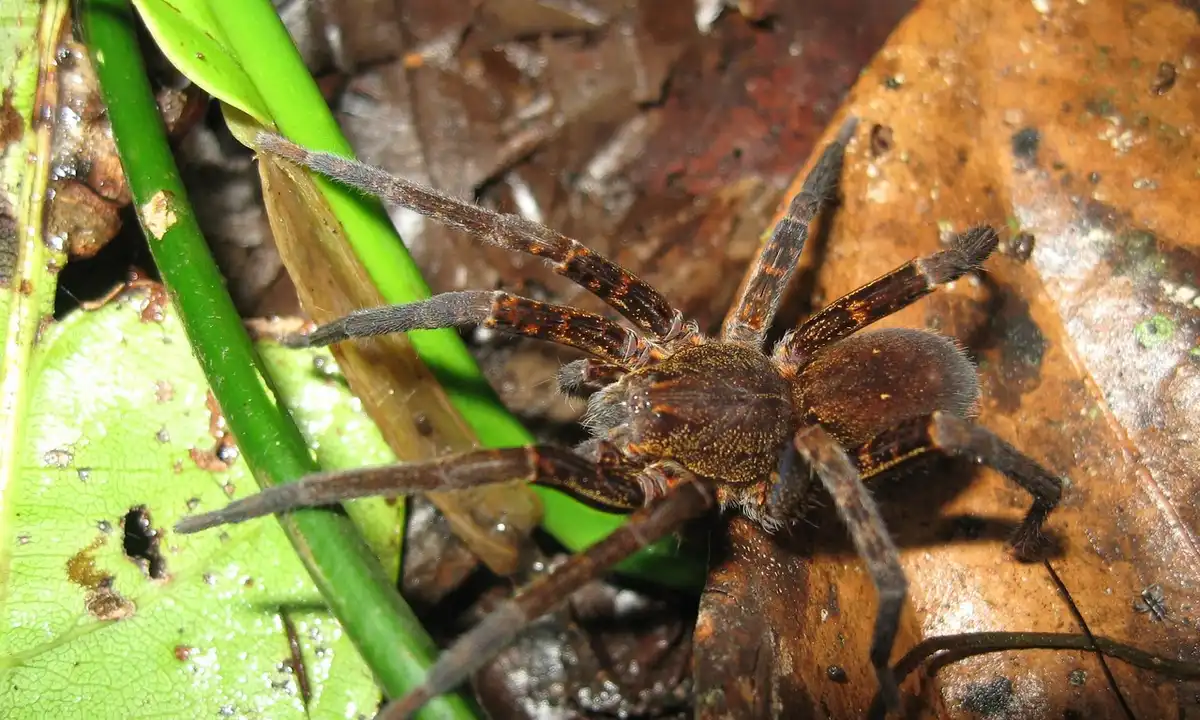
Recognizing the signs of a problem is your first line of defense. Symptoms differ drastically between a bite, a systemic reaction, and contact with urticating hairs. Time is critical; reactions can manifest anywhere from a few minutes to several hours after exposure, depending on the type and severity.
| Local Bite Reaction | Systemic Reaction (Rare) | Hair Exposure |
|---|---|---|
| Swelling at the site | Lethargy or weakness | Pawing at face or eyes |
| Redness and localized pain | Excessive drooling | Coughing or gagging |
| Minor bleeding or puncture marks | Difficulty breathing | Sneezing fits |
| Agitation or vomiting | Skin rash or intense itching |
Monitor your dog closely for any escalation, especially in the first hour. Allergic reactions, though uncommon, dramatically increase risk and require immediate veterinary attention-watch for rapid swelling, hives, or any respiratory distress. From my years keeping species like my old Chilean Rose Hair, I’ve learned that even a docile tarantula can bite if provoked, so prevention is always simpler than treatment.
The Hazard of Urticating Hairs for Dogs
For dogs, the greater everyday risk isn’t a bite, but urticating hairs. These are microscopic, barbed bristles that New World tarantulas like my Burgundy Goliath Bird Eater (Theraphosa stirmi) actively flick from their abdomen when stressed. Goliath has taught me much about this defense; a slight disturbance can trigger a cloud of these invisible irritants.
Dogs are exposed in three primary ways:
- Inhalation: Sniffing near an enclosure or an area where hairs have settled.
- Ocular or Nasal Contact: Getting hairs embedded in sensitive mucous membranes.
- Ingestion: Licking hairs off their fur or off surfaces.
The resulting symptoms are intensely uncomfortable for your dog:
- Intense itching, often leading to frantic scratching.
- Watery eyes or ocular discharge if hairs contact the eyes.
- Persistent sneezing or nasal irritation.
- Gastrointestinal upset, like vomiting or loss of appetite, if hairs are swallowed.
Prevention hinges on secure containment and mindful husbandry. Always ensure enclosure lids are dog-proof and never open them near a curious snout. During maintenance, like when I clean Goliath’s humid enclosure, I move to a separate, well-ventilated room and dampen the substrate first to minimize airborne hairs. This respectful practice keeps both my pets safe.
Preventing Encounters: Safety Measures for Multi-Pet Homes
Sharing your home with tarantulas and dogs means crafting a environment where both can thrive without conflict. Proactive management hinges on respecting the tarantula’s need for security and the dog’s innate curiosity. My own multi-pet household, with Rosie the G. rosea and a large, playful dog, taught me that foresight prevents fright.
Secure Enclosure Design
The enclosure is your tarantula’s primary world and must be a fortress. Dog-proofing starts with selecting containers designed to withstand nudges, pokes, and accidental bumps. After housing my fast P. murinus and heavy T. stirmi, I prioritize these features. This mindset is the core of tarantula-proofing your home—an essential guide every keeper should follow. In a household setting, securing enclosures and eliminating escape routes protects both your tarantula and your home.
- Locking Lids: Secure latches or sliding bolts are essential. I learned their value when my dog once bumped a loosely placed cover during Rosie’s lengthy fast.
- Weighted Bases: Opt for tanks with substantial bottoms or add a stable platform. My Goliath’s humid enclosure sits on a weighted stand, immovable even during excited dog zoomies.
- High, Stable Placement: Shelves anchored to walls or solid furniture keep enclosures out of reach. This elevation creates a safe visual boundary for observation only.
- Solid Construction: I avoid screen tops entirely. Dogs can tear them, and tarantulas can injure themselves. Acrylic or glass with drilled ventilation holes offers security and proper airflow.
Household Management and Dog Training
Physical barriers work best when paired with behavioral ones. Establishing clear rules and spaces reduces stress for every creature in your home. My routine involves consistent zones and commands.
- Keep the tarantula room strictly off-limits using a closed door or a tall baby gate. This simple boundary gives my defensive OBT, Flash, the quiet he needs.
- Train a reliable “leave it” command. When my dog fixates on a tank, this redirects her curiosity. Reward compliance to build positive associations.
- Stress the “Look, Don’t Touch” rule for all people. I model calm, quiet observation for my family, which minimizes stress for the tarantula and teaches the dog to ignore the enclosure.
Emergency Protocol: First Aid and Veterinary Care
Even with perfect precautions, prepare for the unexpected. A calm, pre-planned response is your best tool if your dog and tarantula have a dangerous encounter. I practice these steps mentally, knowing seconds count.
- Safely separate the animals without force. Use a barrier to guide your dog away or a large container to secure the tarantula. Never grab either; panic can cause bites or crush injuries.
- For bites or hair exposure, flush the area with cool, running water for several minutes. Restrain your dog from rubbing its face or eyes to prevent embedding urticating hairs deeper.
- Identify the tarantula species if you can do so safely. Knowing if it was my hair-kicking T. stirmi or my old-world Flash provides critical data on venom or irritant potency for the vet.
- Contact your veterinarian or an emergency pet clinic immediately. Describe the exposure, the species if known, and all symptoms like swelling, drooling, or pawing.
- Monitor your dog closely during transport. Watch for worsened breathing or distress; your steady presence helps keep your dog stable for professional care.
Comparing Tarantula Species: Which Are More Dangerous to Dogs?
Not all tarantulas pose the same risk. The world of tarantulas is divided into two main groups—New World and Old World—and their defense mechanisms create very different hazards for a curious canine. Old World tarantulas are dangerous and tend to rely on more potent venom and lack urticating hairs, which can make their bites more hazardous. By contrast, New World species often deter threats with irritating hairs rather than potent bites. Understanding this split is your first step in risk assessment.
New World tarantulas, like my fifteen-year-old Chilean Rose Hair Rosie (Grammostola rosea), come from the Americas. Their signature defense is urticating hairs: barbed bristles they flick from their abdomen with their back legs. For visitors, understanding these hairs helps prevent surprises. I’ll explain what tarantula urticating hairs are and how to avoid exposure when observing them. Old World tarantulas, like my Orange Bitey Thing Flash (Pterinochilus murinus), hail from Africa and Asia. They lack these hairs completely, possessing instead more potent venom and a notoriously fast, defensive temperament.
Breaking Down the Defenses
Here is a direct comparison of how these two groups might affect a dog.
- New World (e.g., Grammostola, Theraphosa): The Hair Threat
Imagine a cloud of microscopic, barbed needles. That’s urtication. If your dog investigates an enclosure and the tarantula feels threatened, it will kick these hairs. They cause severe itching, red eyes, and nasal irritation. My Burgundy Goliath Bird Eater, Goliath (Theraphosa stirmi), frequently kicks hairs-I’ve seen the fine, irritating dust float in the air after a simple enclosure cleaning. - Old World (e.g., Pterinochilus, Haplopelma): The Venom Threat
These tarantulas have no urticating hairs to throw. Their response is a swift, decisive bite. The venom is often more neurotoxic. A bite from my OBT Flash would not be a dry warning; it would inject venom causing intense local pain, swelling, and potential systemic effects in a small dog.
Weighing the Specific Risks
While an OBT’s bite may pose a higher immediate venom risk, a large New World tarantula’s hair cloud presents a unique danger. A Goliath Bird Eater’s defensive volley is a significant respiratory irritant; inhaled hairs can embed in a dog’s nasal passages and lungs, leading to coughing fits or more severe respiratory distress. In contrast, an Old World bite is a direct, toxic injection, but the tarantula must make contact.
From my lived experience, my docile Rosie has never bitten, but she has flicked hairs when stressed. My defensive Flash, however, assumes a threat posture at the slightest vibration. The method of harm differs, but the potential for a painful veterinary emergency is real in both scenarios.
The Universal Solution: Security
This comparison isn’t about ranking danger; it’s about understanding it. Responsible enclosure security is paramount regardless of species, as any encounter carries potential for harm. A locked, escape-proof tank placed on a stable shelf is non-negotiable when dogs are present. I learned this after a close call where a curious dog nudged a table holding one of my enclosures. The fright was enough to make me redesign my entire spider room. Your vigilance is the only barrier between a peaceful coexistence and a traumatic incident for both your pets.
FAQs
Are tarantulas venomous to dogs?
Yes, all tarantulas possess venom, but its potency and effect on dogs vary greatly. For most New World species, the venom is mild and comparable to a bee sting for a dog. However, Old World tarantula species possess more potent venom that can cause significant pain and systemic reactions. The severity of a reaction depends on the tarantula species, the dog’s size, and any individual allergies.
Can tarantula hairs harm a dog?
Absolutely. Urticating hairs from New World tarantulas are a primary hazard. These barbed bristles can be inhaled, contact eyes, or be ingested, causing intense itching, coughing, sneezing, and gastrointestinal upset. These symptoms are often more common and distressing for a dog than an actual bite, making secure enclosure practices vital for prevention. In terms of danger, Tarantula urticating hairs vs bites are often the greater threat because the hairs can become airborne and irritate the eyes, nose, and throat, sometimes more troublesome than a bite. While bites can cause localized swelling or infection, the hairs’ reach makes them the bigger overall risk in everyday encounters.
What should I do if my dog is bitten by a tarantula?
First, safely separate the animals without using your hands. Gently flush the bite area with cool water and restrain your dog from rubbing its face. If possible, identify the tarantula species for your veterinarian. Contact your vet or an animal poison control center immediately, describing the bite and any symptoms like swelling, drooling, or lethargy for urgent guidance. What should you do if your tarantula bites or escapes is another important question to consider in tarantula care.
Are some tarantula species more dangerous to dogs than others?
Yes. The risk profile differs between New World and Old World tarantulas. New World species (e.g., Chilean Rose, Goliath Bird Eater) primarily threaten dogs with irritating urticating hairs. Old World species (e.g., Orange Baboon Tarantula) lack these hairs but have more potent venom and a faster, more defensive nature, posing a different type of toxic risk.
How do I keep both my pet tarantula and my dog safe in the same home?
Use secure, locking enclosures placed on high, stable shelves out of a dog’s reach. Establish a designated tarantula room kept off-limits with a closed door or gate. Train your dog with a reliable “leave it” command and model calm behavior around the enclosures. These physical and behavioral barriers minimize stress and prevent direct contact between your pets.
The Final Instar
Successful long-term cohabitation with both a dog and a tarantula rests on a single, non-negotiable principle: physical separation enforced by an escape-proof enclosure and vigilant supervision. The most critical husbandry parameter for a home with curious canines is an absolutely secure, latched enclosure that the spider cannot breach and the dog cannot access.
Beyond that barrier, find your joy in the silent theatre of your tarantula’s world. Watch the meticulous engineering of a new burrow, the patient ambush from a silk-lined retreat, or the sudden, precise strike at a cricket. This is a hobby of profound patience and quiet observation. Your greatest tools are your eyes and your respect for the animal’s space, creating a safe environment where both your furry and your eight-legged family members can thrive without stress or risk.
Further Reading & Sources
- What happens if a tarantula bites my dog? – Quora
- r/tarantulas on Reddit: My pets are deadly and I should get rid of them?
- Tarantulas and Pets | Risks for Dogs & Cats Explained
Arlo is a lifelong arachnid enthusiast who believes tarantulas are the world’s most misunderstood roommates. With years of hands-on experience in tarantula care, habitat setup, and species behavior, Arlo combines expert knowledge with a dash of humor to make spider ownership less scary and a lot more fascinating. From choosing the right enclosure to understanding why your eight-legged buddy is doing that weird little pose again, Arlo is here to help you become the best tarantula parent you can be, without getting tangled in the web of misinformation.
Veterinary Care