
Tarantula Urticating Hairs vs. Bites: What’s More Dangerous?
Published on: September 20, 2026 | Last Updated: September 20, 2026
Written By: Arlo
In the realm of arachnoculture, the quiet threat of urticating hairs and the dramatic potential of a bite define our respectful distance from these fascinating animals. This article cuts through the myths to compare these two defense mechanisms, using specific data and lived experience from years of breeding. For the average keeper, urticating hairs present a far more common and manageable risk, while true bites are rare events often involving preventable husbandry errors.
Quick Stats:
- Origin: Urticating hairs are a defense exclusive to New World tarantulas (the Americas), while Old World species rely solely on venom and speed.
- Type: Bites can range from ‘dry’ (a warning pinch) to venom-injecting, whereas urticating hairs cause purely mechanical and chemical irritation.
- Risk Factor: Hair exposure is frequent and intensely itchy; bites from species like my Orange Bitey Thing (P. murinus) are fast and defensive, but actual envenomations are uncommon with proper care.
This guide will break down the biology, real-world scenarios, and safety protocols for both, ensuring you can provide care that prioritizes your tarantula’s well-being and your own comfort.
Tarantula Defense Mechanisms: An Overview
Tarantulas possess a sophisticated arsenal of defenses, each prioritized to minimize energy expenditure and physical risk. Their primary strategy is avoidance, followed by a graduated scale of deterrents that begins with threat displays and ends with bite or hair release. These responses are shaped by predator threats in the wild, where birds, wasps, and small mammals commonly probe tarantulas’ defenses. In my years of breeding, I have observed my Burgundy Goliath Bird Eater (Theraphosa stirmi) instantly assume a towering threat posture when startled, a clear visual warning long before any contact occurs.
Common defenses include rapid retreat into a burrow or web tunnel, audible stridulation (hissing) by rubbing appendages together, and the iconic raising of front legs and fangs. Urticating hairs, specialized bristles on the abdomen of New World species, offer a potent ranged attack that can be launched with a flick of the hind legs. My T. stirmi, Goliath, employs this tactic frequently, creating a cloud of irritants that makes further interaction unwise.
Why Tarantulas Rarely Choose to Bite
For a tarantula, biting is a costly final option. Venom is a metabolically expensive resource, better saved for subduing prey than wasted on a large predator like a human. A bite also forces dangerous close contact, risking injury to their fragile fangs and body. They typically avoid biting humans unless absolutely necessary.
In captivity, bites almost always result from provocation or accidental contact. My old Chilean Rose Hair (Grammostola rosea), Rosie, has never bitten, opting for a slow, deliberate walk away from disturbance-a classic “pet rock” response. Conversely, my Orange Baboon Tarantula (Pterinochilus murinus), Flash, will veil his enclosure in dense silk and retreat to a fortress, using barrier construction as his primary defense.
- Energy Conservation: Producing venom requires significant biological resources.
- Risk Aversion: Engaging directly risks broken fangs, which can be fatal during a molt.
- Effective Alternatives: Urticating hairs provide defense from a safer distance.
- Instinctual Hierarchy: Flight and threat displays are ingrained first responses.
This inherent reluctance is why the “Look, Don’t Touch” philosophy is so central to ethical care. Respecting their space eliminates nearly all scenarios where a bite would be deemed necessary by the tarantula.
The Anatomy and Impact of a Tarantula Bite
A tarantula bite involves two mechanical injuries: the puncture wounds from the large, hinged fangs and the potential injection of venom. The immediate sensation is often compared to a bee sting, but the aftereffects depend entirely on the species and the individual’s unique physiology. In terms of pain, bites can vary widely. Symptoms like swelling and redness can help indicate severity and whether medical advice is needed.
Venom Composition and Toxicity Levels
Tarantula venom is a complex cocktail of peptides, enzymes, and other compounds designed to immobilize invertebrate prey. For humans, the toxicity is generally low, but potency varies dramatically across genera (myth vs. fact). New World tarantulas like Grammostola often possess milder venom, while some Old World species, like those in the Pterinochilus genus, have evolved more neurologically active venom for their arid, prey-scarce environments.
- Grammostola rosea (Chilean Rose): Venom typically causes mild, localized pain and swelling.
- Theraphosa stirmi (Goliath): Larger venom yield can lead to intense local pain and significant swelling.
- Pterinochilus murinus (OBT): More potent venom may cause severe, radiating pain, muscle cramps, and prolonged discomfort.
No tarantula venom is considered medically significant in the same way as a widow spider, but reactions can be severe for allergic individuals.
Symptoms of Envenomation: From Pain to Systemic Reaction
Understanding the potential symptoms helps keep risk in perspective. The most common reaction is localized pain, redness, and swelling at the bite site, which usually subsides within a few hours to a couple of days. I have spoken with fellow breeders who describe the pain from an OBT bite as a deep, throbbing ache that can persist for over 24 hours.
Less frequent systemic reactions may include itching, nausea, headaches, or muscle cramps. These are not signs of “poisoning” in the traditional sense, but rather the body’s inflammatory response to the foreign proteins in the venom. Keeping the area clean and applying a cold compress are usually sufficient management steps.
- Immediate: Sharp puncture pain, similar to a bee sting.
- Localized (1-8 hours): Swelling, redness, warmth, and itching around the wound.
- Systemic (Rare): General malaise, muscle aches, or mild fever.
- Recovery: Symptoms typically fade within 48 hours without intervention.
Bite Frequency and Risk in Captive Care
The statistical risk of a bite in responsible captive care is exceedingly low. In a decade and a half with Rosie, I have never been bitten, because I have never given her a reason to. Bites occur primarily during reckless handling, forced rehousing, or careless enclosure maintenance that startles and traps the animal.
You drastically minimize risk by using long tongs for feeding and cleanup, working slowly during rehousing, and observing without intrusive interaction. My defensive OBT, Flash, has never attempted to bite me because his web-heavy enclosure is serviced from the top with gentle movements, avoiding direct confrontation.
- High-Risk Situations: Forced handling, accidental pinches during enclosure cleaning, disturbing a molting tarantula.
- Low-Risk Protocol: Use of soft-tipped tongs, guiding the tarantula with a gentle brush into a catch cup for rehousing, and always knowing their retreat path.
- Species Consideration: Old World, fast-moving species like OBTs present a higher *potential* for defensive bites due to their speed and temperament, but proper care nullifies this.
The silence of the enclosure is only broken by our actions; creating a calm, predictable environment is the ultimate bite prevention.
Urticating Hairs: Structure and Suffering
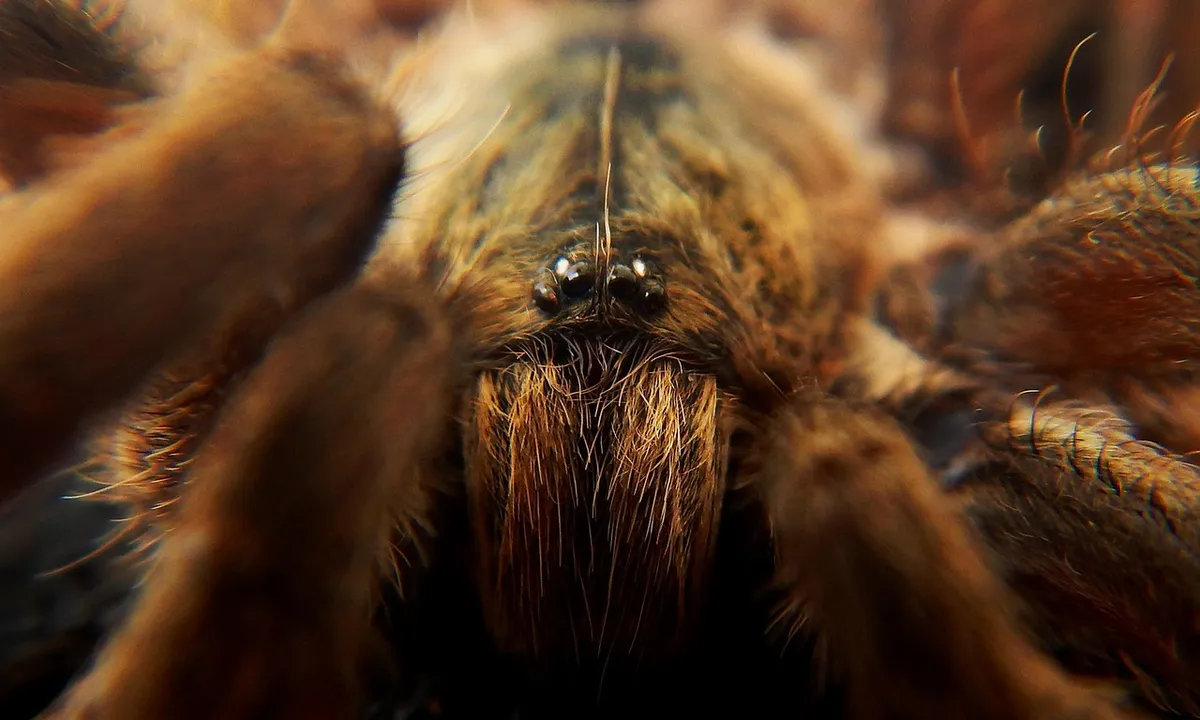
New World tarantulas possess a remarkable defensive adaptation absent in their Old World cousins: urticating hairs. These specialized bristles, kicked from the abdomen in a defensive cloud, create a potent physical irritant. Observing the fine, almost glittering cloud drift from my T. stirmi Goliath during a cage change is a silent reminder of this elegant, painful defense.
Types of Urticating Hairs and Their Distribution
Researchers classify these hairs into types, each with distinct shapes and penetration capabilities. Type III hairs, found on giants like Goliath, are long and spear-like, designed for deep skin embedding. Type I hairs, common in the Grammostola genus like my Rosie, are smaller but notoriously itchy. Knowing which types your tarantula carries directly informs your level of caution during enclosure interactions.
Distribution follows a clear geographical rule:
- New World Tarantulas (The Americas): Most species have urticating hairs, with types varying by genus. Terrestrial species often kick hairs; some arboreals lack them.
- Old World Tarantulas (Africa, Asia, Australia): These species, like my OBT Flash, typically lack urticating hairs entirely, relying on speed and potent venom for defense.
How Hairs Cause Irritation and Allergic Reactions
The suffering comes from microstructure. Each hair is barbed, like a microscopic harpoon. Upon contact, it hooks into skin or mucous membranes. The real issue is a mechanical and chemical one: the hair itself carries irritants that trigger a localized histamine response in your body.
Your reaction depends on exposure site and personal sensitivity:
- Skin Contact: Immediate itching, redness, and a rash akin to fiberglass insulation or poison ivy can last for days.
- Eye or Nasal Exposure: This is severe. Hairs can embed in the cornea, causing intense pain, photophobia, and requiring veterinary or medical removal.
- Allergic Response: Some individuals develop escalating reactions with repeated exposure, leading to pronounced swelling or, in rare cases, respiratory difficulty.
Common Exposure Scenarios for Tarantula Keepers
You will not be bitten by a hair-kicking tarantula if you practice “Look, Don’t Touch.” But hair exposure is an occupational hazard of keeper. The most common exposure happens during routine maintenance, not from handling. Understanding the real risks of tarantula urticating hairs helps keep people safe. Hairs can cause skin irritation, eye irritation, or respiratory issues in sensitive individuals.
- Enclosure Maintenance: Disturbing substrate or webbing where hairs have settled. I once got a week of wrist itch after pruning plants in Goliath’s humid tank.
- Rehousing: The stress of moving triggers defensive kicks. Using long tongs and a calm approach is critical.
- Airborne Transfer: Hairs land on tools, your arms, or drift in the air after a defensive episode. Always wash hands and arms after working near an enclosure.
Comparing the Dangers: A Keeper’s Risk Assessment
For the responsible hobbyist, danger is a matter of probability and preparation. Urticating hairs represent a high-probability, low-severity risk, while a bite is a low-probability event with a variable, potentially high-severity outcome.
Assessing Pain, Duration, and Medical Risk
Let’s break down the immediate effects based on my experience and keeper reports.
Urticating Hairs:
- Pain: Intense, maddening itch, not a sharp pain. Scale: 3-5/10.
- Duration: Skin irritation often persists for 3-7 days. Ocular exposure requires professional intervention.
- Medical Risk: Primarily risk of secondary infection from scratching or serious ocular damage. Severe systemic allergy is rare but possible.
Tarantula Bite (New World, e.g., Grammostola):
- Pain: Immediate sharp pain, like a bee sting, often followed by throbbing. Scale: 4-6/10.
- Duration: Localized pain and swelling typically subside within 6-48 hours.
- Medical Risk: Low for most species. Risk involves possible secondary infection or, for a tiny subset of people, a severe allergic reaction to the venom.
Tarantula Bite (Old World, e.g., P. murinus OBT):
- Pain: Often more intense, with burning sensation. Scale: 6-8/10.
- Duration: Muscle cramps, localized pain, and swelling can last several days.
- Medical Risk: Higher. While not considered medically significant for healthy adults, the symptoms can be debilitating and may warrant pain management. Underlying health conditions increase risk.
The Real-World Danger for Hobbyists
In practical terms, your risk profile is shaped by your species choice and your practices. I have been covered in urticating hairs from rehousing accidents, but I have never been bitten by any of my tarantulas because I respect their space and use proper tools. For beginners, handling is often minimized to reduce stress and risk. If you do handle, use proper tools, keep sessions brief, and respect the tarantula’s space.
The statistics of the hobby are clear:
- Hair exposure is frequent, manageable with antihistamines and cool compresses, and largely preventable with gloves and eye protection during tank work.
- Bites are exceedingly rare for keepers who do not handle their tarantulas. Defensive species like OBTs give ample warning with threat postures.
- The greatest real-world danger is not the venom or hairs themselves, but panic-a sudden jerk in response to a threat can injure the tarantula or cause a fall.
Your best defense is knowledge and calm procedure. Some tarantulas use urticating hairs as a first line of defense, and others may bite to deliver venom if provoked. Treat every tarantula as capable of delivering a meaningful defensive response, including their defense mechanisms of tarantula defense: hairs and venom, and you will minimize all risks to yourself and your spider.
First Aid and Medical Treatment for Exposure
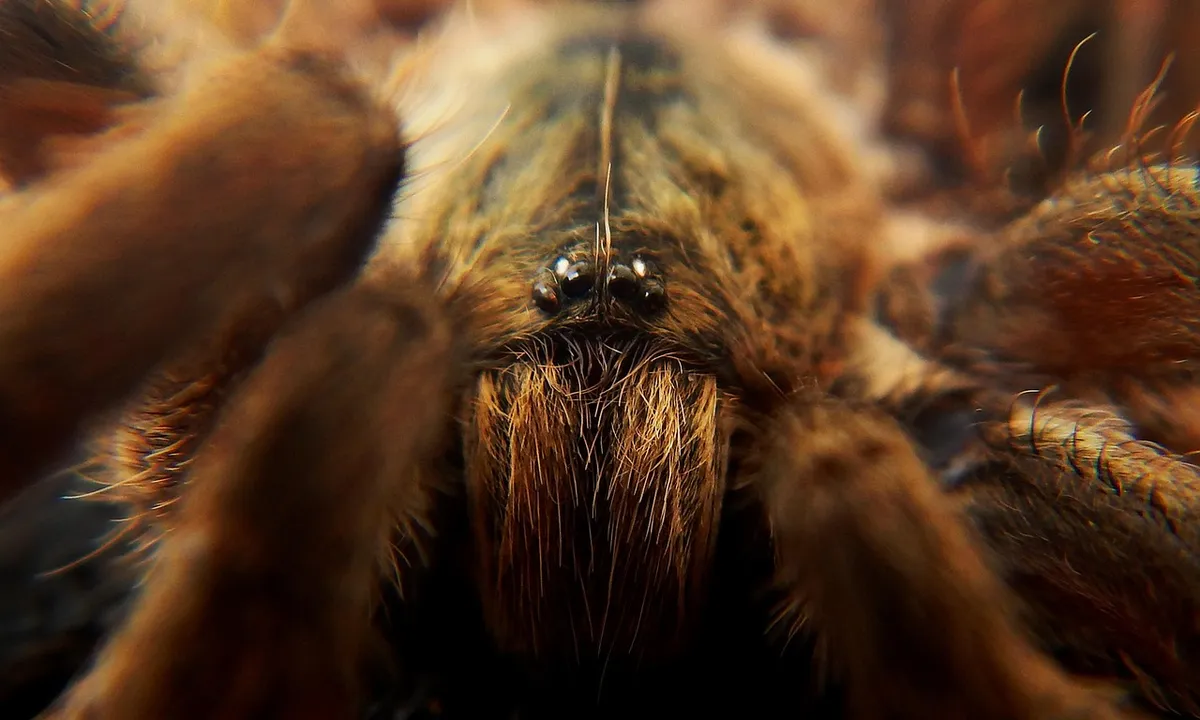
Even with perfect care, accidents happen. Knowing how to respond calmly protects both you and your tarantula. Immediate, correct first aid reduces discomfort and prevents minor issues from becoming serious.
Step-by-Step: Treating a Tarantula Bite
A bite is a rare event if you follow a ‘look, don’t touch’ philosophy. My OBT, Flash, has never bitten me because I respect his space. If a bite occurs, stay calm. Panic helps no one, and your tarantula is likely more frightened than you are. Knowing how to respond can make all the difference.
- Wash the area immediately. Use soap and warm water for at least two minutes to flush the wound and reduce infection risk.
- Apply a cold compress. Use a clean cloth wrapped around an ice pack. Apply for 10-minute intervals to lessen localized pain and swelling.
- Use a topical antiseptic. Apply an over-the-counter antibiotic ointment and cover with a sterile bandage.
- Monitor closely for 24 hours. Watch for signs of an allergic reaction, like spreading redness, difficulty breathing, or dizziness.
Most bites from common pet species resemble a bee sting. The pain often fades within a few hours. I keep a basic first aid kit in my spider room, stocked with antiseptic wipes, bandages, and antihistamines, just in case.
Step-by-Step: Dealing with Urticating Hairs
Urticating hairs are a far more common nuisance. My Burgundy Goliath, aptly named, kicks clouds of them during cage maintenance. The irritation is instant and itchy. Never rub the affected area; this embeds the microscopic barbed hairs deeper into your skin.
- Remove visible hairs with tape. Gently press sticky tape (packing tape or duct tape) onto your skin and peel it away. Repeat several times.
- Take a cool shower. Rinse the area with water, but avoid hot water as it can open pores and trap hairs. Do not scrub.
- Apply a soothing agent. Calamine lotion, hydrocortisone cream, or a paste of baking soda and water can relieve itching. Oral antihistamines like diphenhydramine also help.
- Launder contaminated clothing separately. Hairs can linger on fabric and cause re-exposure.
For me, wearing long sleeves and gloves during enclosure work is non-negotiable with my New World species. This simple barrier prevents most hair exposure incidents entirely.
When to Seek Professional Medical Care
Most exposures are manageable at home. Certain symptoms signal a need for a doctor. Seek medical care if you experience trouble breathing, swelling of the lips or throat, or dizziness after a bite. These indicate a systemic allergic reaction. For urticating hairs, professional help is needed if hairs get into your eyes or are inhaled, causing persistent coughing or wheezing. A doctor can flush your eyes or prescribe steroid creams for severe skin reactions. I once had a hair land in my eye after cleaning Goliath’s enclosure; a prompt visit for irrigation saved me days of agony. Your health is paramount, so never hesitate to consult a professional for concerning symptoms.
Proactive Safety in Tarantula Keeping
Safety stems from preventing defensive behavior before it starts. A content tarantula is a calm tarantula. Proactive care creates a secure environment where defensive mechanisms rarely need to be used.
Minimizing Stress to Avoid Defense Triggers
Stress is the root cause of hair kicking and biting. Learn your tarantula’s body language. A raised front legs or a fast, jerky retreat are clear signs of distress you must heed.
- Provide ample hiding spots. A proper cork bark hide allows your tarantula to feel secure and unseen.
- Limit vibrations and loud noises. Place enclosures in low-traffic areas. I learned this when my Rosie would retreat deeply for days after loud gatherings nearby.
- Use slow, deliberate movements. Avoid hovering over the enclosure or casting sudden shadows.
- Feed and perform maintenance from a distance. Use long tongs to drop food and remove debris without invading the tarantula’s space.
My 15-year-old rose hair, Rosie, thrives on this quiet routine. Reducing stress is the most effective form of safety protocol in arachnoculture.
Species-Specific Safety Considerations
Your safety approach must match your tarantula’s natural defenses. Creating a safe habitat minimizes tarantula bite risk. Secure enclosures, proper substrate, and regular checks support this goal. Here is a breakdown based on common types, including my own pets.
- For Docile, New World Terrestrials (e.g., Grammostola rosea): Their primary defense is urticating hairs. Always work from the front of the enclosure and be prepared for occasional kicks. Rosie is a ‘pet rock,’ but even she will flick hairs if prodded.
- For Large, Humidity-Loving Species (e.g., Theraphosa stirmi): These giants possess exceptionally potent urticating hairs. Wear eye protection and a mask during full cage cleanings. My Goliath’s enclosure is worked on outdoors or in a well-ventilated area to disperse hair clouds.
- For Old World or Defensive Species (e.g., Pterinochilus murinus): They lack urticating hairs but have faster, more defensive temperaments and medically significant venom. Never attempt hands-on interaction with species like my OBT, Flash. Use deep catch cups during rehousing, work over a large bin, and have all tools ready before opening the enclosure.
Matching your practices to the animal’s biology is key. Respecting these innate differences keeps you safe and your tarantulas free from unnecessary stress.
Common Questions
Are there different types of urticating hairs?
Yes, researchers classify urticating hairs into several types (I-VI) based on their shape and size. For keepers, the key distinction is between long, spear-like hairs (like Type III on Goliath bird eaters) for deep penetration and smaller, barbed hairs (like Type I on Chilean Rose Hairs) that cause intense itching. Knowing your tarantula’s genus gives you a good idea of the hair type and the level of caution needed during enclosure maintenance. A tarantula species identification care guide can help you map these hair types to the exact species and its care steps. Using such a guide ensures you apply the right precautions during maintenance and handling.
What’s the best way to treat a rash from urticating hairs?
First, do not rub or scratch the area, as this embeds the barbed hairs deeper. Use sticky tape to gently lift away surface hairs, then take a cool shower (avoid hot water). Apply hydrocortisone cream or calamine lotion to manage itching, and consider an oral antihistamine. If a severe rash develops or symptoms persist, consult a doctor for potential prescription-strength treatments.
Do male and female tarantulas have the same urticating hairs?
Generally, yes, both sexes possess the same types of urticating hairs characteristic of their species. However, mature males often have a different priority. Once they reach their ultimate molt and become sexually mature, their focus shifts almost entirely to finding a mate, and they may become more nomadic and less defensive, potentially using their hairs less frequently than a defensive female guarding an egg sac.
Is Reddit a good source for advice on dealing with hair exposure?
Reddit communities like r/tarantulas can be valuable for shared keeper experiences and immediate peer support. You can often find firsthand accounts of rash treatments and containment tips. However, always verify any advice against established care guides and remember that for serious medical concerns, such as hairs in the eyes or breathing difficulties, professional medical advice is essential and non-negotiable.
What should I look for in a video about tarantulas flicking hairs?
Look for clear, respectful videos that demonstrate the behavior without purposely stressing the animal. A good video will show the tarantula using its hind legs to kick a cloud of hairs from its abdomen, often as a defensive response to a perceived threat. These videos serve as an excellent visual guide for why you should always work calmly and from a safe distance, especially during rehousing.
What does “urticating” actually mean?
The term “urticating” comes from the Latin word for nettle, “urtica.” It refers to something that causes a stinging or itching sensation, producing welts or a rash-similar to the effect of stinging nettle plants. In tarantulas, it perfectly describes the function of these specialized hairs, which cause a mechanical and chemical irritation upon contact with skin or mucous membranes.
The Path to Confident Keeping
From my fifteen years with Rosie to rehousing the lightning-fast Flash, the core of safe keeping crystallizes into one rule. Your primary husbandry goal is to engineer a low-stress environment through correct enclosure dimensions, ample hides, and species-specific humidity levels, which preempts defensive behaviors before they start. A content tarantula is a tarantula that feels no need to flick hairs or bite.
True success is measured in quiet moments of observation, not interaction. Enjoy the methodical patting of soil at a burrow entrance or the iridescent sheen of a carapace in the lamp light. Patience is the keeper’s most valuable skill, allowing you to see the full scope of your tarantula’s natural life without imposing your own timeline. Your spider’s world is one of subtle vibration and patient ambush; by watching, you become part of it.
Further Reading & Sources
- r/tarantulas on Reddit: What do urticating hairs feel like?
- Tarantula Spider Toxicity – StatPearls – NCBI Bookshelf
- What You Need to Know About Urticating Hairs – The Bio Dude
Arlo is a lifelong arachnid enthusiast who believes tarantulas are the world’s most misunderstood roommates. With years of hands-on experience in tarantula care, habitat setup, and species behavior, Arlo combines expert knowledge with a dash of humor to make spider ownership less scary and a lot more fascinating. From choosing the right enclosure to understanding why your eight-legged buddy is doing that weird little pose again, Arlo is here to help you become the best tarantula parent you can be, without getting tangled in the web of misinformation.
Understanding Tarantula Behavior