
Fossorial vs. Terrestrial Tarantulas: A Deeper Look at Ground-Dwellers
Published on: December 31, 2025 | Last Updated: December 31, 2025
Written By: Arlo
Forget climbing; the real drama in tarantula keeping unfolds at ground level, where a spider’s relationship with the dirt defines its entire world and your approach to its care. You’re not just choosing between a ‘pet rock’ and a ‘pet hole.’ You’re committing to two fundamentally different animal architects, each with specific needs that, if met, reveal extraordinary natural behaviors. This guide will dissect the key differences in housing, humidity, and handling these fascinating ground-dwellers, ensuring you build the right foundation.
- Origin: Global (specific habitats define type)
- Type: Both New World and Old World species exhibit these lifestyles
- Growth Rate: Varies by species, not lifestyle
We will map out the distinct husbandry blueprints required for a contented, observable pet, whether it prefers to lounge on the substrate or vanish completely beneath it.
Understanding Ground-Dwelling Tarantulas: Fossorial vs. Terrestrial
Defining Fossorial Behavior
Fossorial tarantulas are the master excavators of the family. They possess an innate drive to dig deep, complex subterranean homes. In the wild, a fossorial species will often disappear into a self-made burrow on day one, sealing the entrance with silk and soil. In captivity, this translates to a pet you may rarely see, as they prioritize security and darkness over surface exploration. My Pterinochilus murinus, Flash, is a textbook example; within hours of a rehousing, he had webbed a labyrinth of tunnels against the enclosure glass, turning his home into a fascinating cross-section of industriousness.
Defining Terrestrial Behavior
Terrestrial tarantulas are ground-level occupants rather than dedicated miners. They prefer to modify existing spaces-like rock crevices, hollow logs, or ready-made rodent burrows-rather than dig from scratch. They are the sprawlers and the lounge artists, often seen resting in a shallow depression or at the mouth of a hide. My Grammostola rosea, Rosie, perfectly embodies this: she might move a little substrate to her liking but spends decades as a serene, visible presence on the surface. This behavior is typical of terrestrial tarantulas, which require different care compared to their arboreal counterparts.
Why This Distinction Matters for Keepers
Confusing these two lifestyles leads directly to husbandry errors and a stressed spider. Your care choices must match their instinctual needs.
- Enclosure Depth: Fossorials need a deep substrate column, often 8-12 inches or more, to feel secure. Terrestrials do well with 4-6 inches.
- Visibility & Interaction: A fossorial tarantula hiding for months is normal, not a cause for concern. A terrestrial species constantly trying to burrow may signal an enclosure that feels too exposed.
- Furnishing the Space: For terrestrials, a generous, pre-made hide is essential. For fossorials, the hide is less critical as they will create their own; providing a starter burrow under a cork slab can encourage initial digging.
Recognizing this fundamental behavioral split is the first step in providing an environment where your tarantula can express its natural behaviors and thrive.
The Natural World: Habitat Preferences and Geographic Distribution
Fossorial Habitats: From Deserts to Rainforests
Fossorial behavior is a survival strategy that transcends a single biome. You will find these expert diggers in:
- Arid Scrublands: Species like those in the Harpactira genus dig deep to escape searing heat and find moisture.
- Seasonal Grasslands: Tarantulas like Cyriopagopus lividus (Cobalt Blue) construct extensive burrow systems in the compact soils of Southeast Asia.
- Humid Rainforests: My Theraphosa stirmi, Goliath, is a fascinating fossorial from Guyana’s moist forests. His burrow maintains a stable humidity near 80% despite surface fluctuations.
The common thread is not climate, but the spider’s reliance on the earth itself as a primary moderator of temperature, humidity, and security.
Terrestrial Habitats: Open Spaces and Shelter Seekers
Terrestrial tarantulas occupy the interface between ground and shelter. They are common in:
- Open Savannahs: Think of the iconic Grammostola species from South America, using vegetation and minimal excavation for cover.
- Scrub Deserts: North American Aphonopelma often utilize existing rodent holes or spaces under rocks.
- Forest Floors: The Brachypelma genus from Mexico’s dry forests are classic terrestrials, using root systems and fallen debris as ready-made homes.
Their world is more horizontal than vertical, requiring ample floor space to roam and readily available retreats to duck into. This is why a wide, shallow enclosure often works better for them than a tall, narrow one.
Ecological Roles and Conservation Status
Both types serve as vital middle-order predators, controlling insect and even small vertebrate populations. Their burrowing activities aerate soil and their abandoned homes become micro-habitats for other creatures. Many popular pet species face growing threats from habitat loss and over-collection for the pet trade.
- Habitat Destruction: Urbanization and agriculture directly destroy the specific micro-environments these spiders need.
- Sustainable Captive Breeding: This is where responsible keepers make a difference. Purchasing captive-bred spiders, like all of mine, helps reduce pressure on wild populations.
- Citizen Science: Detailed notes on molting, growth rates, and breeding in captivity contribute valuable data for species we know little about.
By understanding and replicating their natural history in our enclosures, we do more than keep a pet; we become stewards of a fascinating and often misunderstood lineage.
Setting Up the Perfect Home: Enclosures and Substrate
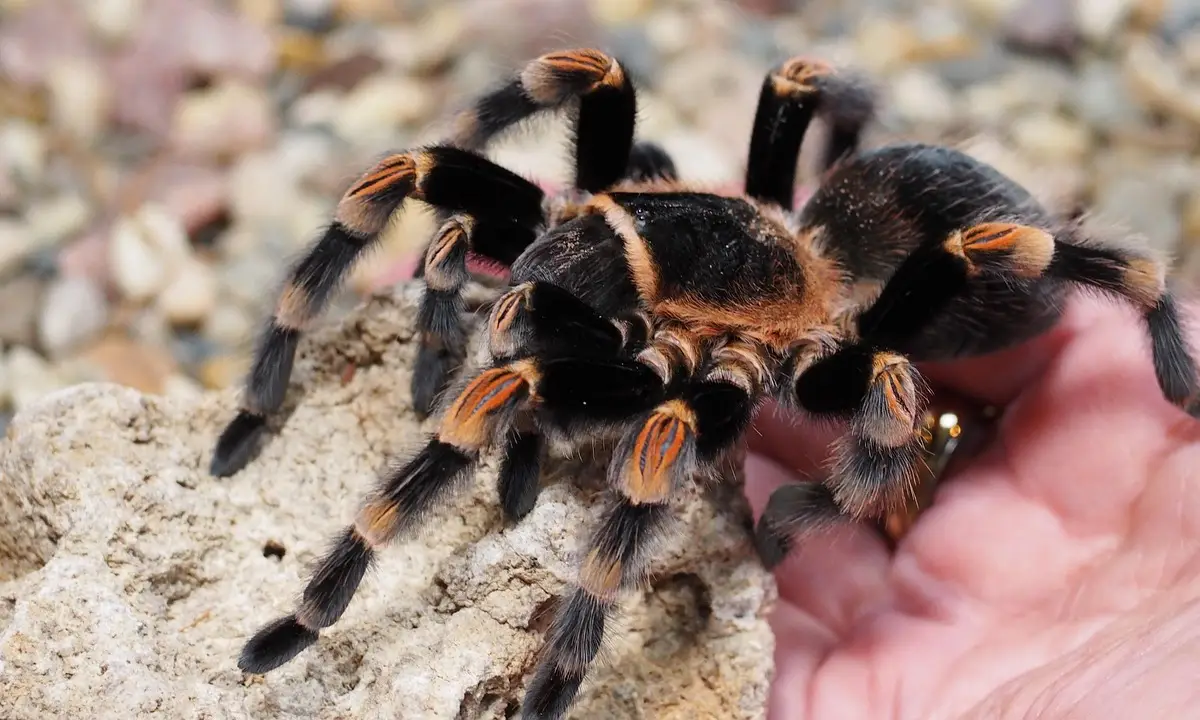
Fossorial Tarantula Enclosure Essentials
Fossorial tarantulas, like many Hapalopus or Cyclosternum species, live most of their lives underground. Their enclosure must replicate the secure, dark confines of a natural burrow. Providing ample digging space is non-negotiable for their mental and physical health.
Enclosure Dimensions and Security
Height matters more than floor space for these expert diggers. I use enclosures that are at least 18 inches tall for adult specimens. This allows for a minimum of 10-12 inches of packed substrate. The lid must be escape-proof and heavily secured. I learned the importance of weighted lids after a juvenile fossorial species nearly pried open a flimsy cover during a rehousing. Cross-ventilation is still needed, but focus on side vents to maintain a humidity gradient without drying out the deep substrate.
Substrate Selection for Burrowing
The substrate must hold a burrow’s shape without constant collapse. A simple, effective mix I’ve used for years is 70% coconut fiber (coir) and 30% pesticide-free topsoil or peat moss. They are some of the best substrates to use.
- Primary Layer: Pack the entire enclosure deep with a moistened mix. It should clump in your hand but not drip water.
- Moisture Gradient: Keep the bottom layers slightly damper (80% humidity) to simulate a natural water table, letting the top few inches dry out.
- Texture Test: A proper mix will allow your tarantula to carve stable tunnels that can last for years, lined with subtle silk.
This setup minimizes stress by giving the tarantula full control over its microenvironment, from damp retreats to drier surface zones.
Terrestrial Tarantula Enclosure Essentials
Surface dwellers like my Grammostola rosea (Rosie) and Theraphosa stirmi (Goliath) need a landscape, not a pit. Their world is horizontal. Floor space is king for these ambush predators, allowing for natural patrolling and hunting behaviors.
Floor Space and Hide Design
An enclosure’s length should be at least three times the tarantula’s diagonal leg span. For my large Goliath, that means a 30-gallon long tank. Hides are critical but must be chosen with care.
- Secure and Snug: Use cork bark flats or half-logs that the tarantula can touch on all sides. An oversized hide creates insecurity.
- Safe Entrance: Ensure no sharp edges. I sand down any rough cork bark to prevent leg or abdomen injury during molts.
- Multiple Options: Offer at least one hide, but placing a second on the opposite side encourages exploration and provides a retreat if one becomes too humid or dry.
A well-designed terrestrial enclosure reduces stress behaviors like constant climbing on the glass, which is a sign of discomfort.
Substrate Needs for Surface Dwellers
Substrate depth needs are modest but species-specific. For arid species like Rosie, 3-4 inches of dry coconut fiber or topsoil is perfect. For moisture-loving giants like Goliath, I use 4-6 inches of a moisture-retentive mix.
| Species Type | Substrate Depth | Humidity Core | Personal Note |
|---|---|---|---|
| Arid Terrestrial (e.g., G. rosea) | 3-4 inches | Dry; overflow water dish only | Rosie’s substrate stays bone-dry for months. |
| Humid Terrestrial (e.g., T. stirmi) | 5-6 inches | 70-80% in lower layers | I pour water into Goliath’s substrate corners weekly. |
Always provide a wide, shallow water dish for drinking and humidity, but avoid spraying surfaces directly as it can startle your tarantula.
Daily Life and Behavior: From Burrows to Prey Capture
Nocturnal Activity and Light Sensitivity
Tarantulas are masters of the night shift. Their eyes are built for low light, and direct illumination causes stress. I use dim, indirect room light or a low-wattage red bulb for observation, which they seem to ignore. You’ll see most activity after dark: the slow patrol of a terrestrial, or the subtle dirt movement at a fossorial burrow entrance. Disturbing this cycle with bright lights can lead to prolonged hiding or refusal to eat.
Burrow Architecture and Silk Use
Fossorial tarantulas are engineers. They don’t just dig holes; they construct reinforced tunnels. Using their fangs and pedipalps, they excavate, then line the walls with silk. This silk acts as a scaffold, preventing cave-ins and sensing vibrations. The complexity is astonishing, with some species creating multi-chambered burrows featuring a vertical shaft and a rounded “living room” at the bottom. Terrestrial species use silk more sparingly, often to create a mat at their den entrance or to wrap prey. My OBT, Flash, turns his entire enclosure into a silken funnel web, a defensive fortress.
Defensive Behaviors and Venom Potency
Understanding their defense language keeps you and them safe. Fossorial tarantulas often retreat into their burrow as a first response. Terrestrial species have more varied tactics.
- Urticating Hairs: New World tarantulas like Goliath kick these barbed hairs from their abdomen. I wear goggles during enclosure maintenance with my T. stirmi because airborne hairs cause intense skin and eye irritation.
- Threat Postures: Raising the front legs and exposing fangs is a clear “back off” signal. My P. murinus (Flash) does this the moment his lid is opened.
- Venom: While no tarantula venom is casually “deadly,” some Old World species like the OBT have medically significant venom that can cause severe pain, muscle cramps, and nausea. This is a core reason for the “Look, Don’t Touch” philosophy.
These defenses serve to deter threats and prevent injury. Depending on the species, tarantulas may rely more on urticating hairs or venom as a first line of defense, with biting as a last resort. Respecting these behaviors means never forcing an interaction, which minimizes stress for the animal and risk for you.
Prey Capture Strategies
The silent strike is a marvel of efficiency. Fossorial tarantulas often wait at their burrow mouth, feeling for vibrations. When prey wanders too close, they lunge out with shocking speed. Terrestrial tarantulas are ambush predators. They might sit motionless for days, then explode into movement. I feed my terrestrial tarantulas using long, soft-tipped tweezers to dangle crickets or roaches near their hide, mimicking live prey.
- Detection: Sensitive hairs on the legs and body detect the slightest air movement or vibration.
- The Strike: A rapid grapple, injecting venom with their fangs to immobilize the prey.
- Processing: Digestive enzymes are pumped into the prey, turning it into a liquid meal they can ingest.
Witnessing this natural predatory sequence is a privilege that reinforces the importance of providing a secure, species-appropriate environment.
Health and Maintenance: Humidity, Maintenance, and Molting
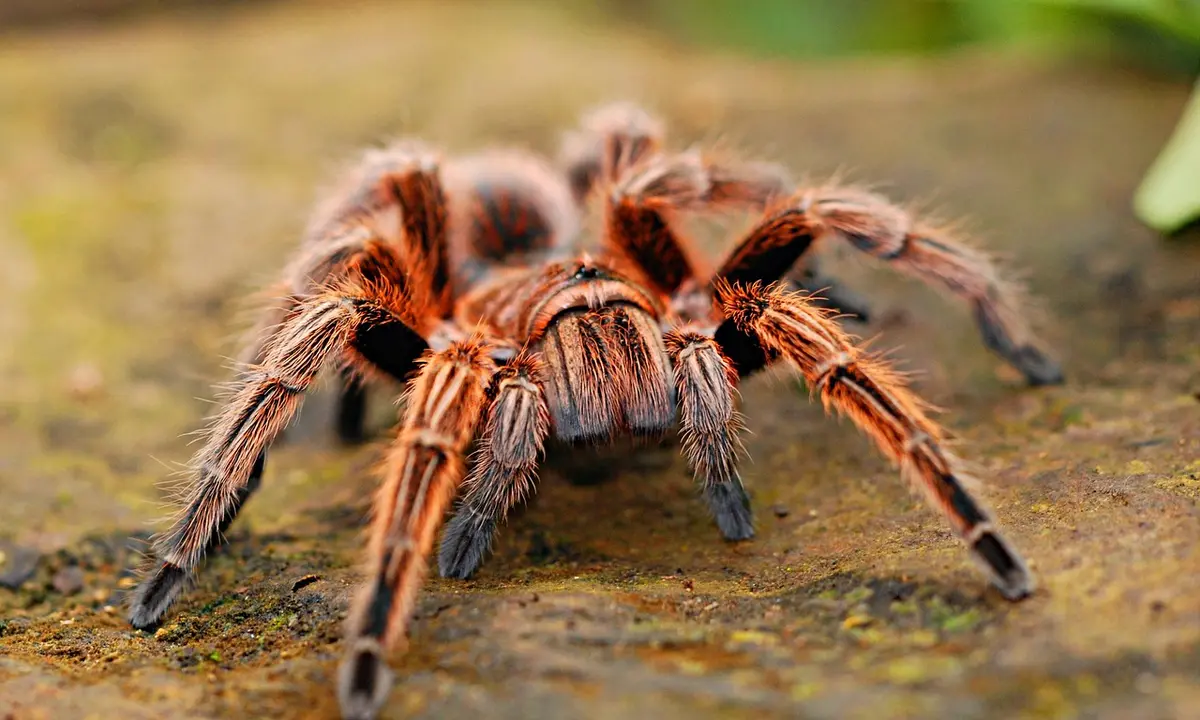
Monitoring Humidity Tolerance
Humidity is not one-size-fits-all in tarantula care. It directly impacts respiratory health and successful molting. You must match the humidity to the species’ natural habitat to prevent fatal dehydration or harmful mold. My Burgundy Goliath Bird Eater, Goliath, thrives at 80-85% humidity, which I maintain with deep, moist substrate and a large water dish. In contrast, my Chilean Rose Hair, Rosie, prefers bone-dry conditions around 40-50%, mimicking her arid Chilean foothills. Heating choices can push humidity up or down, so you’ll need to monitor and adjust heat sources accordingly. Popular tarantula species, like the Burgundy Goliath Bird Eater and the Chilean Rose Hair, have specific heating and humidity requirements you should align with.
Use a digital hygrometer placed at substrate level for accuracy. For moisture-loving fossorials like Hysterocrates gigas, I pour water directly into a corner of the substrate, creating a gradient. This lets the tarantula choose its preferred dampness. To create a proper substrate moisture gradient for your tarantula, keep a damp zone near the moisture source and drier areas elsewhere. Check and adjust the gradient as the spider uses its burrow. Always provide ventilation to avoid stagnant air, which encourages mold and mites. For dry species, a water dish alone is sufficient; overflow during filling provides minor humidity spikes.
Maintaining the Ideal Temperature Range
Most ground-dwellers do perfectly well at standard room temperature, 70-78°F (21-26°C). Sudden temperature drops are far more dangerous than slightly cool, stable conditions. I never use heat lamps, as they desiccate enclosures and can cause burns. Instead, I use a small under-tank heat mat on one side of the enclosure, controlled by a thermostat.
This creates a gentle thermal gradient. My fastidious OBT, Flash, often webs right against the warm glass. For my larger terrariums, like Goliath’s, I sometimes rely on heating the entire room. Remember, a cool tarantula may become lethargic and refuse food, but an overheated one can die rapidly. Use a reliable thermometer and check it daily. Note that the ideal temperature and humidity ranges vary by species, but maintaining stable temps and appropriate humidity supports healthier molts and activity. Always tailor these cues to the tarantula’s needs and monitor closely.
Molting in Ground-Dwelling Tarantulas
Molting is the most vulnerable time in a tarantula’s life. Fossorials will often seal themselves in their burrows, while terrestrials may flip on their backs in the open. The absolute rule during a molt is: do not disturb, do not feed, and never attempt to assist. I learned this when Rosie, my “pet rock,” vanished for three months only to reappear with a stunning new exoskeleton.
Signs of an impending molt include a darkening abdomen, loss of appetite, and increased lethargy. These are among the 10 key signs your tarantula is about to molt, so recognizing them helps you prepare. A quick checklist like this can guide your care during the pre-molt window. Ensure humidity is slightly elevated for moisture-dependent species to help split the old exoskeleton. After the molt, leave the tarantula completely alone for at least a week, until its fangs harden from white to deep black. The old molt, or exuvia, is a treasure trove for sexing; I carefully remove it with long tweezers once the spider has moved away.
Making Your Choice: Species for Beginners and Responsible Care
Best Fossorial Tarantulas for Beginners
For a first fossorial, you want a species that is relatively slow, durable, and forgiving of minor husbandry errors. The Curly Hair tarantula (Tliltocatl albopilosus) is a superb choice, often venturing out at night and boasting a calm demeanor. Another excellent option is the Mexican Red Rump (Tliltocatl vagans), which digs enthusiastically but is generally placid.
My personal advice is to start with a juvenile. You get to observe more burrowing behavior than with a mature adult that may hide perpetually. Provide a deep, moisture-retentive substrate like coconut fiber or peat moss, and let the spider do the rest of the work. Avoid Old World fossorials like some Ceratogyrus species initially, due to their potent venom and speed.
Best Terrestrial Tarantulas for Beginners
Terrestrials offer more visible activity. The classic beginner species is the Chilean Rose Hair (Grammostola rosea), like my Rosie. Their famously slow metabolism and hardy nature teach patience, but be prepared for hunger strikes that can last nearly a year. The Brazilian Black (Grammostola pulchra) is another gentle, jet-black favorite that grows slowly but reliably.
For a more active display, consider the Chaco Golden Knee (Grammostola pulchripes). Their striking gold bands and frequent surface presence make them engaging. All these species share low humidity needs and a terrestrial setup with a hide and ample floor space. They are also less prone to flicking urticating hairs compared to some New World heavyweights.
Assessing Your Lifestyle and Expectations
Be brutally honest with yourself. A tarantula is a decades-long commitment of quiet observation. If you travel frequently or desire an interactive pet, a tarantula is not the right choice; they thrive on neglect, not handling. Consider your reaction to speed. My OBT, Flash, can vanish in a blur, a trait common in many Old World species. So, what do these common behaviors mean do these common behaviors mean? Do they indicate how you should respond as a keeper?
Ask yourself:
- Can I provide stable temperature and humidity for 20+ years?
- Am I comfortable feeding live insects and dealing with occasional escapes?
- Do I find beauty in subtle behaviors-the slow extension of a leg, the silent renovation of a burrow?
The joy is in being a curator of a miniature, self-contained ecosystem, not a handler. Start with one spider and master its care before expanding.
Final Thoughts on Respectful Captivity Care
Our duty is to replicate a slice of their wild world as faithfully as possible. This means providing deep substrate for digging, clutter-free climbing space to prevent falls, and hides that offer true security. I advocate for bioactive setups with clean-up crews like springtails, which manage waste and mold, reducing your maintenance and their stress.
Respect is shown through restraint. The “Look, Don’t Touch” philosophy prioritizes the spider’s well-being over our curiosity. Every rehousing I perform is done in a bathtub, with clear tubes and gentle guidance, minimizing the risk of a fall or a bolting spider. Your reward is a healthy, fascinating animal that displays natural behaviors in the silence of its enclosure. Choose wisely, set up thoughtfully, and enjoy the privilege of stewardship.
Quick Answers
What does fossorial tarantula mean?
The term “fossorial” describes tarantulas that are natural-born excavators, spending most of their lives underground. They possess a strong instinct to dig deep, complex burrow systems, which serve as their primary home for security, molting, and climate control. In captivity, this means they may disappear from view for extended periods, which is a perfectly normal expression of their natural behavior. For readers seeking the ultimate guide to tarantula burrows, understanding why they dig is key to supporting their welfare. By recognizing these burrow-building instincts, keepers can design enclosures that accommodate their natural digging and security needs.
How to DIY a fossorial tarantula enclosure?
A successful DIY fossorial enclosure prioritizes secure depth over width. You can convert a tall, secure plastic storage bin or a front-opening acrylic display case by ensuring the lid locks firmly. The key is filling it with 10-12 inches of a moist, packable substrate mix like coconut fiber and topsoil to hold burrows. Always add cross-ventilation on the sides and weight or secure the top, as these spiders can be surprisingly strong.
What is a fossorial tarantula list?
A fossorial tarantula list names species known for their dedicated burrowing behavior. Common beginner-friendly examples include the Curly Hair (Tliltocatl albopilosus) and Mexican Red Rump (T. vagans). More advanced fossorials include the stunning Cobalt Blue (Cyriopagopus lividus) and the prolific digger, the King Baboon (Pelinobius muticus). Always research the specific care requirements for any species on such a list before purchasing.
Are fossorial tarantulas for sale?
Yes, many fossorial tarantula species are readily available for sale from specialized invertebrate dealers, reptile expos, and through online breeders. It is crucial to seek out reputable sources that sell captive-bred spiders, as this is more ethical and sustainable than purchasing wild-caught specimens. A responsible seller will also provide accurate species identification and care guidance.
What is a fossorial tarantula enclosure kit?
A fossorial tarantula enclosure kit is a pre-packaged set typically containing an appropriate tall enclosure, a suitable burrow-holding substrate, and sometimes decor like cork bark. While convenient for beginners, you must verify the kit provides adequate depth (at least 12 inches of substrate space) and security. Often, assembling your own setup from carefully selected components allows for better customization to your specific tarantula’s needs. Learn how to assemble a DIY enclosure on a budget.
The Final Molt
For a fossorial species, the depth and moisture of the substrate is the single most critical husbandry parameter, while for a terrestrial, prioritizing ample horizontal space over height is the key to their well-being. Get this foundation wrong, and you will create a stressed animal struggling to meet its biological needs. Get it right, and you unlock a world of natural, fascinating behavior right on your desk.
The true reward comes from quiet observation. Watch your fossorial engineer transform a starter burrow into a complex, silk-lined fortress. Observe your terrestrial spider’s nightly patrols and meticulous grooming rituals. This hobby moves at the pace of a spider, not a person. Patience is not just a virtue here-it is the primary tool in your kit. The magic isn’t in holding them. It’s in the silent strike of a hunt, the intricate webbing of my OBT, Flash, or the stoic, enduring presence of my old rose hair, Rosie. Your care provides the stage. Their behavior is the captivating, lifelong show.
Further Reading & Sources
- Terrestrial vs. fossorial | Tarantula Forum
- Fossorial vs Terrestrial | Tarantula Forum
- If I Knew Then What I Know Now -Tarantulas FAQ | Tom’s Big Spiders
Arlo is a lifelong arachnid enthusiast who believes tarantulas are the world’s most misunderstood roommates. With years of hands-on experience in tarantula care, habitat setup, and species behavior, Arlo combines expert knowledge with a dash of humor to make spider ownership less scary and a lot more fascinating. From choosing the right enclosure to understanding why your eight-legged buddy is doing that weird little pose again, Arlo is here to help you become the best tarantula parent you can be, without getting tangled in the web of misinformation.
Substrates and Decor