
How to Explain Tarantula Urticating Hairs to Visitors: The Burgundy Goliath Bird Eater (Theraphosa stirmi)
Published on: January 31, 2026 | Last Updated: January 31, 2026
Written By: Arlo
The Burgundy Goliath Bird Eater, Theraphosa stirmi, is a titan of the hobby, famed not only for its staggering size but for its potent, airborne defense: a cloud of microscopic barbed bristles called urticating hairs. When guests see my specimen, Goliath, his dark bulk often prompts nervous questions. This guide provides the clear, factual language you need to replace fear with respectful understanding. Your explanation can turn a moment of alarm into an appreciation for evolutionary adaptation, reinforcing the vital ‘look, don’t touch’ rule.
Quick Stats:
- Origin: Northern South America (Guyana, Suriname, Brazil)
- Type: New World Terrestrial
- Growth Rate: Fast – reaches impressive size in 3-4 years
Drawing from my experiences with Goliath’s frequent hair-flicking, this guide will give you the tools to explain this defense as part of the dedicated husbandry required to raise a T. stirmi from a tiny sling into a thriving adult.
Understanding Urticating Hairs: A Tarantula’s Defense
For many New World tarantulas, from the docile Grammostola rosea to the imposing Theraphosa stirmi, their primary defense isn’t a bite. It’s a cloud of microscopic, barbed spears. These are urticating hairs, a marvel of biological adaptation grown on the abdomen. My Burgundy Goliath, aptly named, possesses a dense, rust-colored patch of them she’ll deploy with a swift kick of her back legs if startled.
The mechanism is both simple and effective. The spider uses its hind legs to rapidly brush these specialized setae from its abdomen, launching them into the air. These hairs are not just irritating; their unique fishhook-like structure allows them to embed deeply into skin, eyes, or the mucous membranes of a potential predator. They are a purely defensive weapon, designed to create distance, not to subdue prey. However, tarantulas are also predators that hunt and capture prey. They use their strong fangs and venom to seize and immobilize their quarry before feeding.
Why This Over a Bite?
Biting is metabolically costly and brings the tarantula dangerously close to a threat. Kicking hairs is a long-range, low-energy deterrent. Think of it as a tactical retreat with a smoke screen-one made of itching powder. It’s just one way they defend themselves.
- New World Specialization: Tarantulas from the Americas (like my Rosie and Goliath) typically have these hairs. Most Old World species (like my P. murinus, the OBT) lack them entirely, relying instead on speed and potent venom.
- A Hierarchy of Hairs: Scientists categorize them into types. Type III hairs, common in genera like Brachypelma and Grammostola, are the classic irritants. Type IV hairs, from giants like my T. stirmi, are longer, finer, and can be even more problematic.
- Passive Defense: These hairs also line burrows and webbing. A spider may incorporate them into its retreat, creating a passive “no-fly zone” that deturbs digging mammals or insects.
Recognizing Exposure: Symptoms and Immediate Response
Contact with urticating hairs is an unmistakable and unpleasant experience. The reaction varies by person, hair type, and exposure area, but it follows a general pattern. I learned this firsthand during a particularly feisty rehousing of my Goliath, a lesson in humility and airflow.
Common Symptoms
- Skin: Intense itching, a burning rash, red welts (hives), and localized swelling. The sensation is often described as a blend of fiberglass irritation and poison ivy.
- Eyes: Extreme pain, redness, watery discharge, and severe itching. Embedded hairs can cause corneal abrasions or granulomas, which require veterinary or medical intervention.
- Respiratory: Inhaling a significant cloud can cause sneezing, nasal congestion, throat irritation, and coughing. For those with asthma or allergies, reactions can be more severe.
The Critical First Steps
Your immediate goal is to remove the hairs and prevent further embedding or transfer. Do not rub the affected area-this pushes the barbed hairs in deeper.
- Leave the Area: Immediately step away from the tarantula’s enclosure to avoid further exposure. Ensure the room is well-ventilated.
- Skin Contact: Use sticky tape (packing tape, duct tape) pressed gently and lifted over the skin to pull out hairs. Follow with a thorough wash using cool water and soap. A paste of baking soda and water can provide temporary itch relief.
- Eye Contact: This is a medical situation. Flush the eye immediately with copious amounts of cool, clean water or sterile saline for at least 15 minutes. Seek professional medical attention promptly to assess for embedded hairs and prevent permanent damage.
- Inhalation: Move to fresh air. Use a saline nasal rinse if possible. If respiratory distress (wheezing, shortness of breath) occurs, seek medical help.
- Containment: Change your clothes and wash them separately. The hairs can linger on fabric and cause re-exposure.
Respecting this defense mechanism is a cornerstone of responsible keeping. I always wear safety glasses during maintenance on known hair-kickers and work over a large bin to contain any fallout. By understanding the “why” and the “what now,” you transform a potential incident into a managed, educational moment about the tarantula’s remarkable biology. Beyond that mindset, essential tarantula handling tools and safety gear help protect both pet and keeper. Using items like a catch cup, soft-tipped forceps, and long-handled tools—along with appropriate gloves and eye protection—keeps handling safer and calmer for the tarantula.
Communicating Clearly: Tips for Explaining to Visitors
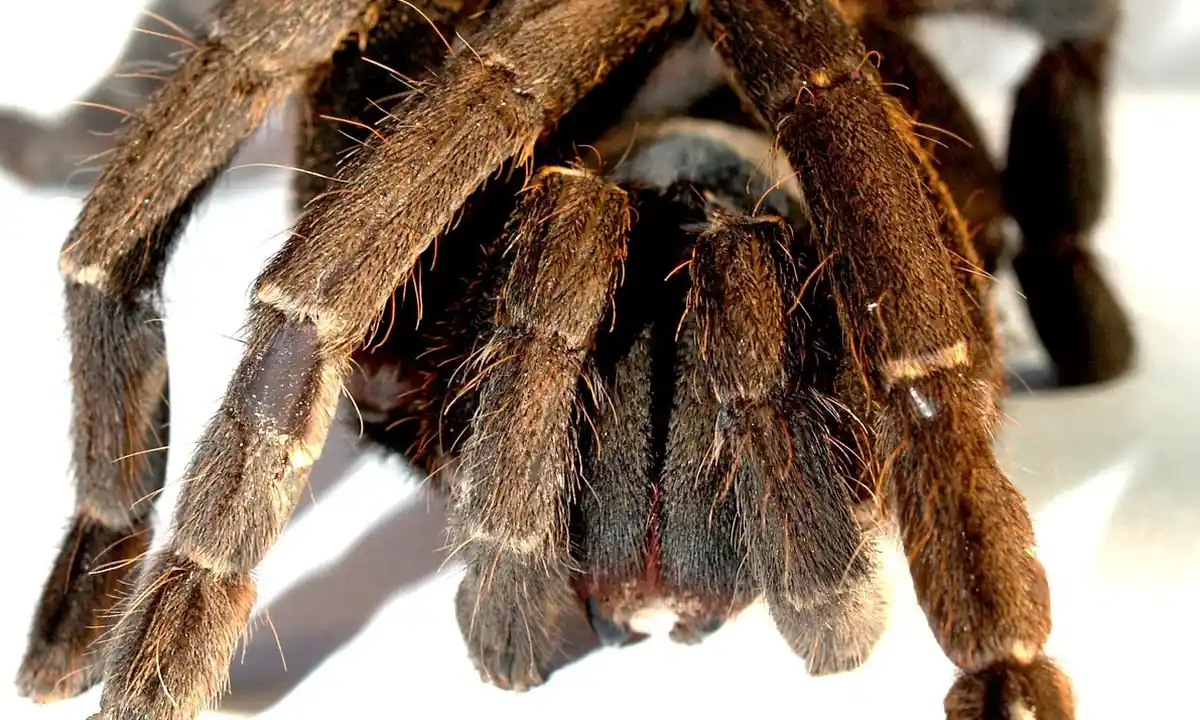
Clear communication transforms fear into fascination. I explain defensive mechanisms not as threats, but as brilliant, passive adaptations. Your tone matters more than terminology.
Using Visual Aids and Non-Contact Demonstrations
The most powerful tool is a discarded molt. I keep one from my Burgundy Goliath, Goliath, in a clear vial. Pointing to the bare abdominal patch on the molt shows the exact origin of the hairs without stressing a living animal. You can trace the urticating patch with a toothpick.
For a live demonstration, use a soft paintbrush. Gently touch the rear of a calm, suitable species like a Rose Hair, mimicking a threat. I’ve done this with Rosie to show how she might lift her abdomen. The tarantula rarely actually kicks, but the posture tells the story. That tight, curled pose is what many guides call the ‘death curl’—the tarantula’s final defensive posture (the tarantula’s final defensive posture) when stressed. A depth guide on tarantulas explains how to read this final posture and what it signals about the animal’s comfort level.
- Molt Display: Pass around a mounted molt. Let visitors see the hair types under a magnifying glass.
- Substrate Test: Lightly blow air across the enclosure of a prone kicker (never directly at it!). This often causes a defensive pose, demonstrating the behavior safely.
- Analogy is Key: “Think of it like super-charged fiberglass insulation or super-fine cactus spines. Your skin has a mild reaction, but their lungs do not.”
Preventing Incidents: Safety for Visitors and Tarantulas
Safety is a non-negotiable ritual. My rule is simple: the enclosure stays closed during casual visits. An open lid is an invitation for disaster, as I learned when Flash, my OBT, nearly teleported out during a feeding.
Setting Clear Visitor Boundaries
Boundaries protect everyone. I state them kindly but firmly before anyone approaches the spider room. A posted sign with simple icons-an eye, a crossed-out hand, a quiet mouth-sets the stage before you even speak.
My standard briefing sounds like this: “We observe with our eyes. We don’t tap the glass. We speak softly. These animals feel vibrations deeply.” For children, I make it a game: “We are scientists using our super-observation powers.”
- Pre-Visit Briefing: Explain the “Look, Don’t Touch” rule and the reason why before entering the room.
- Hands Behind Backs: For eager guests, suggest the “scientist pose”-hands clasped behind the back to resist temptation.
- Designated Leader: Only one person (you) does any enclosure maintenance or feeding during a visit. No guest participation.
- The 3-Foot Rule: For particularly defensive or valuable specimens, establish a minimum viewing distance. My OBT’s enclosure is on a high shelf, viewed from below.
Remember, your calm authority is the best tool for prevention. If a visitor cannot respect these boundaries, the visit to the tarantula room ends immediately—this protects the animal first. For tarantula proofing your home, this approach is a core principle in the essential guide every keeper should follow. Secure enclosures and clear boundaries across the home help maintain safety for both you and your tarantulas.
Educational Resources: Reinforcing the Message
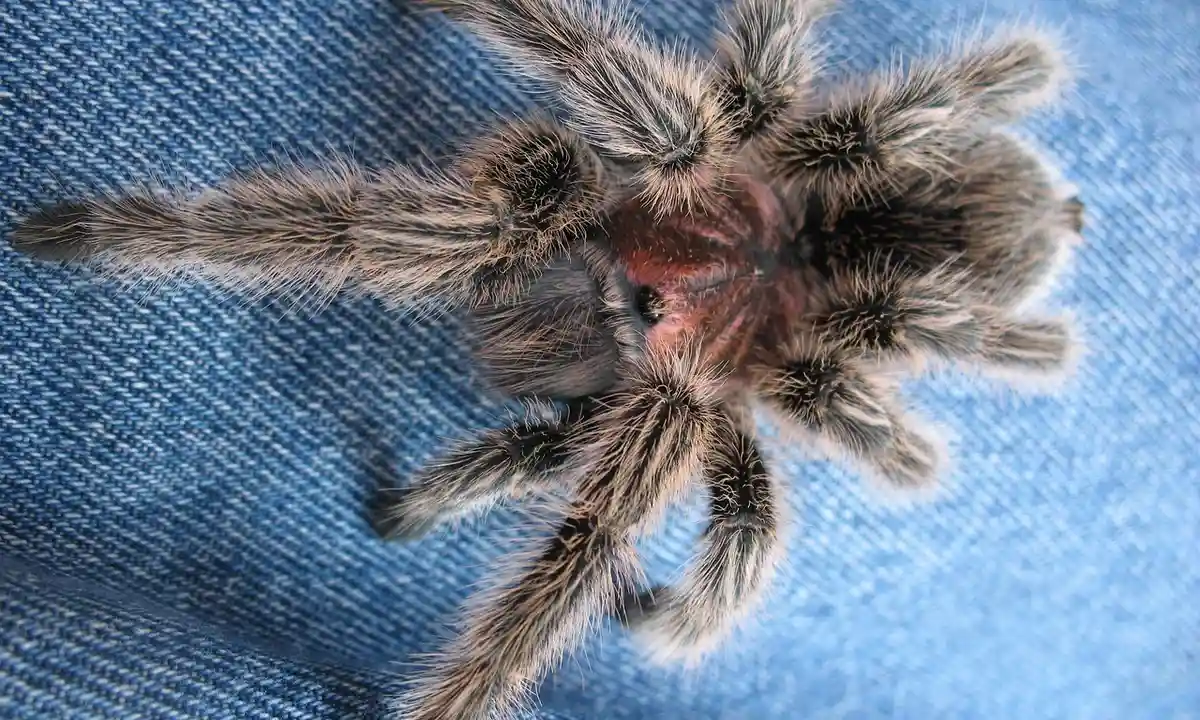
Words alone often fail to convey the unique defense of urticating hairs. I use tangible tools to transform visitor curiosity into respectful understanding. My years with Goliath, the Theraphosa stirmi, have proven that a well-chosen visual aid prevents more problems than a dozen warnings.
Leverage Visuals and Relatable Analogies
A saved molt is your best teaching assistant. I keep one from Goliath in a clear specimen box. Letting guests peer at the abdominal patch, still dotted with tiny barbed setae, makes the threat concretely real.
- Magnified Images: Show high-resolution photos from reputable care sites or books. Point out the hair types-some are like microscopic harpoons.
- The Pepper Spray Comparison: Explain that for the tarantula, kicking hairs is like deploying airborne pepper spray. It’s a ranged irritant to buy escape time.
- Fiberglass Insulation Analogy: Many people know the itch from fiberglass. I say, “Imagine that itch, but with barbs designed to stick and irritate for weeks.”
Conduct Safe, Interactive Demonstrations
I simulate the hair-kicking behavior without ever provoking my tarantulas. Using a long, soft makeup brush, I mimic a threat outside the enclosure. For complete beginners, this controlled demonstration offers a safe, introductory look at how tarantulas respond to threat cues. It helps new keepers understand tarantula behavior without handling. This active demonstration shows the precise hind-leg rubbing motion far better than any description.
- Hold the brush several inches from the enclosure glass.
- Gently wiggle it, explaining this mimics a predator’s approach.
- Describe how the tarantula would elevate its abdomen and rapidly stroke the urticating hair field with its back legs.
- Emphasize the resulting “cloud” of hairs is invisible but potent.
I share my own lapse in caution. During one rehousing, Goliath flicked hairs, and the subsequent itch on my forearm was a persistent, personal lesson in maintaining distance.
Differentiate Between Species
Use your collection as a live comparison chart. I point to Goliath’s robust abdomen, then to Flash’s Pterinochilus murinus enclosure. I explain that New World tarantulas like Goliath and Rosie primarily use urticating hairs, while Old World species like Flash rely on speed and medically significant venom. If you’re choosing between arboreal and terrestrial tarantulas as pets, consider which habitat you can reliably provide and how active or defensive you want your spider to be. That practical decision will guide which species fits your home and care style.
For my docile Grammostola rosea, Rosie, I note she has the hairs but is a “pet rock” who rarely uses them. This contrast teaches that behavior varies wildly, and assuming placidity is a mistake.
Implement Clear, Constant Signage
A small, laminated card on the enclosure does quiet, constant education. Mine read: “Please look with your eyes! I defend my home with irritating hairs that can cause a rash and itching.” Simple, direct language removes guesswork for visitors of any age.
- Use large, readable fonts.
- Include a simple diagram of a tarantula highlighting the abdominal hair field.
- For public displays, pair the sign with a QR code linking to a trusted care video.
These resources build a framework of knowledge. They shift the narrative from fear of a “creepy” animal to respect for a complex, finely-adapted creature. Your visitors will not only grasp the concept of urticating hairs but will also become advocates for the “Look, Don’t Touch” philosophy themselves.
## FAQs
What should I do if I have other pets, like cats or dogs, in the house?
It is crucial to keep other pets away from the tarantula’s room and enclosure. Curious pets sniffing at the ventilation holes or a kicked cloud of hairs can suffer severe nasal, eye, or oral irritation. Always supervise pets in the room and consider keeping the enclosure in a dedicated, pet-free space to prevent any accidental exposure and stress for all animals involved. Also, ensure the enclosure is properly ventilated and securely built, with a lid that prevents escapes while allowing airflow. This balance supports the tarantula’s health and reduces stress from improper ventilation.
Are some visitors, like those with allergies or asthma, at greater risk?
Yes, individuals with pre-existing respiratory conditions like asthma or sensitive skin allergies may experience more pronounced reactions. Inhaled hairs can potentially trigger asthma attacks or more severe dermatological responses. It is considerate to discreetly ask guests about such sensitivities beforehand and be extra vigilant about maintaining distance and ensuring good ventilation during their visit.
How do I safely deep-clean an enclosure for a species known to flick hairs?
Beyond the standard rehousing precautions mentioned in the article, take extra steps for a deep clean. Wear long sleeves, gloves, and sealed safety goggles. Perform the cleaning in a well-ventilated area or even outdoors, and have sticky tape and a dedicated trash bag handy. Dampen old substrate lightly before removal to minimize airborne hairs, and consider using a mask rated for fine particles.
What’s the best way to explain this to a young child?
Use simple, relatable analogies. Explain that the tarantula has a “special itchy powder” on its back that it uses to protect itself, much like a skunk uses a spray. Emphasize that we use our “super-seeing eyes” to look and our “quiet voices” so we don’t scare it. Reinforce that the rule is to keep hands behind our backs, just like a scientist observing a rare treasure. There’s a common myth about tarantula affection that holding a tarantula shows affection, which you can read more about here. In reality, affection means respecting its space and keeping handling to a minimum.
Can the irritating hairs get stuck in carpets or furniture?
Yes, urticating hairs can settle into soft furnishings and carpet fibers, where they can remain potent for a long time. This is a primary reason for containing maintenance over a bin and changing clothes after contact. If a significant flicking event occurs outside the enclosure, vacuum the area thoroughly with a vacuum that has a HEPA filter and consider steam cleaning fabrics.
The Final Molt: A Keeper’s Confident Silence
For any tarantula armed with urticating hairs, your most vital husbandry parameter is a profoundly simple one: manage the environment to eliminate the spider’s perceived need to use them at all. That way, you can minimize the risk associated with those hairs and keep both you and your spider safe.
True mastery is shown not in controlling the animal, but in cultivating a space where it feels no threat. I think of my Burgundy Goliath, content in his humid haven, only flicking hairs when my shadow moves too suddenly. Your ultimate goal is to make that defensive gesture a rarity. The enclosure becomes a stage for natural behavior-the patient ambush, the slow redesign of a burrow, the careful grooming of palps. Your quiet vigilance is the greatest gift you can offer your spider and the clearest lesson for any visitor.
Embrace the role of a quiet observer. The hobby’s deepest rewards come from this patience: watching my Chilean Rose Hair, Rosie, sit in regal stillness for weeks, or seeing my OBT, Flash, turn his home into a labyrinth of orange-silk tunnels. Explain these behaviors-the why behind the web, the purpose of the pose. When you trade explanation for excitement, you build a legacy of respect that outlasts any moment of startled fear. Let the animal’s own fascinating biology be the teacher, with you as its calm, knowledgeable guide.
Further Reading & Sources
- r/tarantulas on Reddit: PSA on the urticating hairs of a T. Stirmi.
- Goliath Birdeater Tarantula (Theraphosa blondi/stirmi) Care – The Tarantula Collective
- Theraphosa stirmi – Burgandy Goliath Birdeater – 4″-7″ | Pacific Northwest Arachnids
Arlo is a lifelong arachnid enthusiast who believes tarantulas are the world’s most misunderstood roommates. With years of hands-on experience in tarantula care, habitat setup, and species behavior, Arlo combines expert knowledge with a dash of humor to make spider ownership less scary and a lot more fascinating. From choosing the right enclosure to understanding why your eight-legged buddy is doing that weird little pose again, Arlo is here to help you become the best tarantula parent you can be, without getting tangled in the web of misinformation.
Tarantula Myths and Misconceptions