
What is Sudden Abdomen Dehiscence (SAD) in Tarantulas?
Sudden Abdomen Dehiscence (SAD) is a rapid, catastrophic failure of a tarantula’s abdominal integument, an event seasoned keepers speak of in hushed tones for its devastating and often unexplained finality. This guide examines the delicate balance of hydrostatic pressure and cuticle strength, identifying common husbandry missteps that lead to rupture. Prevention hinges not on complex medicine, but on mastering fundamental care: consistent humidity, respectful space, and keen observation.
- Condition: Sudden Abdomen Dehiscence (SAD)
- Primary Mechanism: Internal fluid pressure overwhelming the abdominal wall
- Associated Risks: Improper hydration, falls, or pre-molt vulnerability
- Outlook: Almost always fatal; prevention is the only reliable strategy
Using lessons from my own collection, including a close call with my moisture-dependent Theraphosa stirmi, this guide will provide the specific environmental controls and handling protocols to shield your tarantula from this trauma.
Defining Sudden Abdomen Dehiscence: A Tarantula Emergency
Sudden Abdomen Dehiscence (SAD) is a catastrophic abdomen rupture where the tarantula’s abdominal split leaks hemolymph, akin to an overfilled balloon bursting at its weakest point. This is a dire veterinary emergency with an exceptionally high mortality rate, often leading to death within hours if the hemolymph loss is severe. This guide aims to demystify the condition for concerned keepers, transforming fear into actionable knowledge.
Unraveling the Causes: Why Abdomen Rupture Happens
SAD is multifactorial, rarely stemming from a single fault but from a cascade of husbandry errors and biological stressors. Identifying and correcting these interlinked causes is your most powerful tool for prevention.
| Primary Cause | Contributing Husbandry Error |
|---|---|
| Dehydration | Chronic low humidity, absent water dish, bone-dry substrate |
| Physical Trauma | Excessive enclosure height, handling attempts, sharp interior decor |
| Molting Issues (Dysecdysis) | Incorrect humidity during molt, poor nutrition, frequent disturbances |
| Systemic Weakness/Necrosis | Underlying infection, high parasite load, chronic stress from improper care |
Dehydration and Critical Humidity Failure
Chronic low humidity acts like a slow drought, desiccating the flexible abdominal cuticle until it becomes brittle and fragile. For moisture-dependent species like my Theraphosa stirmi ‘Goliath’, I maintain a steady 70-80% humidity, while my arid Grammostola rosea ‘Rosie’ does best at a stable 60-70%. A large, clean water dish and deep, moisture-retentive substrate like coconut fiber or peat moss are your first line of defense against this insidious cause.
Physical Trauma from Falls and Handling
A fall onto a hard surface can generate enough internal hydraulic pressure to cause a rupture, even if the external cuticle looks intact. After a close call during a rehousing of my fast Pterinochilus murinus ‘Flash’, I now strictly adhere to a ‘Look, Don’t Touch’ policy and ensure enclosure heights are no more than 1.5 times the leg span for terrestrial tarantulas. Tarantulas climb walls using their scopulate feet, which rely on tiny hairs to grip surfaces. This adhesion can be sensitive to surface texture and cleanliness, underscoring why enclosure setup matters for climbing safety. Always inspect decor for sharp points that could puncture the abdomen during a climb or a slip.
Molting Complications and Systemic Stress
The molting process, or ecdysis, stretches the new abdominal cuticle to its limits; a difficult molt can create micro-tears that later fail. I’ve seen tarantulas weakened by inconsistent feeding or unseen health issues struggle more during this vulnerable time, increasing SAD risk. During molts, tarantulas can regrow lost legs, with full regrowth typically occurring across successive molts. Learn your tarantula’s pre-molt signs-like a darkening abdomen and sealed burrow-and eliminate all disturbances to support a smooth, successful shed. Providing stable nutrition and minimal stress during these cycles can help support healthy regrowth.
Recognizing the Signs: Symptoms of SAD in Your Tarantula
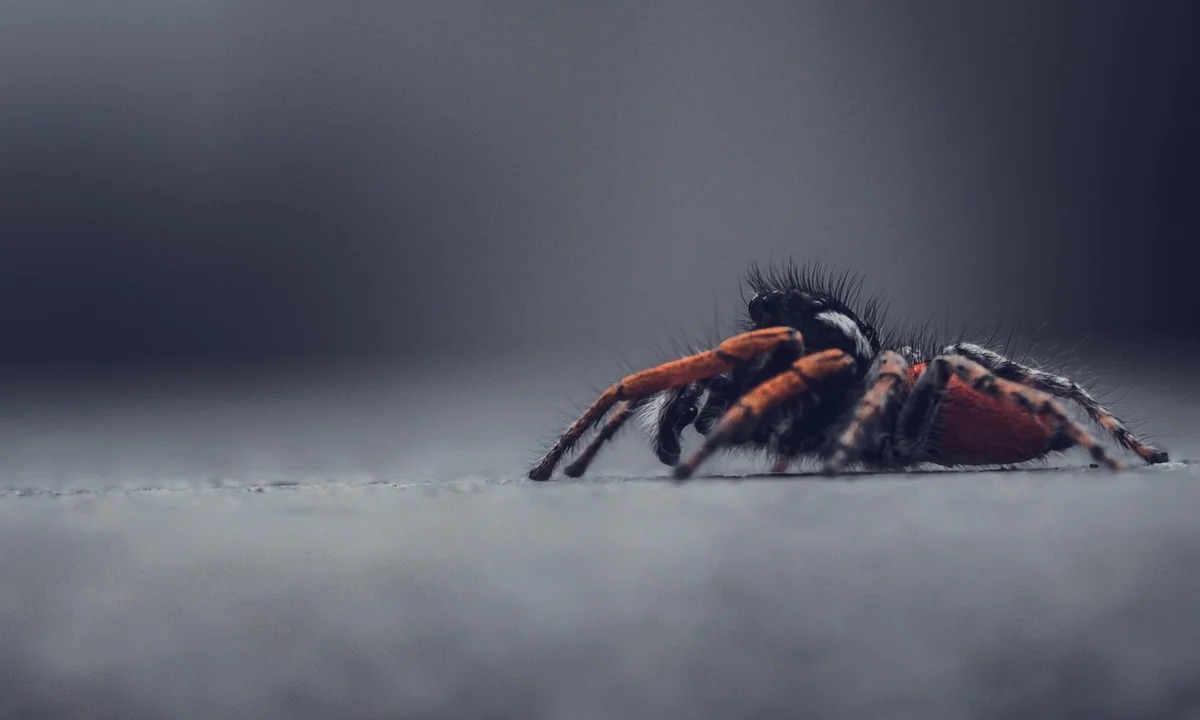
Spotting Sudden Abdomen Dehiscence relies on the keeper’s eye. The difference between a treatable situation and a fatal one often comes down to how quickly you notice the subtle, preliminary warnings your tarantula provides. If you’re wondering whether those cues are early warning signs that a tarantula is sick, they are precisely that. Recognizing them gives you a chance to intervene before it worsens. These signs split cleanly into two phases: the slow-building clues and the acute crisis.
Early Behavioral and Visual Clues
Long before a rupture, a tarantula may show distress. These are not definitive signs of SAD, but they are major red flags for systemic stress that could lead to it. Watch for these subtle changes in your spider’s condition and behavior. To help with this, learn to read your tarantula’s body language for stress and defensive signs. Early recognition can guide you to adjust handling or environment before distress escalates.
- Prolonged Lethargy: A tarantula that remains motionless in an awkward, exposed spot for days, not just in its hide.
- Extended Food Refusal: All tarantulas fast, but a sudden, prolonged stop in eating coupled with other signs is concerning. My old G. rosea, Rosie, fasts for months, but her abdomen remains plump-a key difference.
- Shriveled or Dull Abdomen: The abdomen loses its rounded, shiny fullness. It may appear wrinkled, shrunken, or take on a dull, matte texture, indicating severe dehydration or poor health.
- Low Posture: The spider sits with its abdomen pressed flat against the substrate, its body unusually close to the ground, as if it lacks the strength to hold itself up.
The Acute Crisis: Visible Rupture and Leakage
This is the emergency. When SAD occurs, the signs are unmistakable and require you to move from observer to first responder instantly.
- The Dark Wet Patch: A sudden, spreading stain of darkness on the abdomen’s cuticle, often looking like a bruise or a spill of fluid.
- Visible Split or Tear: A clear crack or open wound in the exoskeleton, usually on the underside or dorsal side of the abdomen.
- Pooling Hemolymph: The leakage of the tarantula’s blood-like fluid, which can be clear, pale blue, or yellowish, sometimes pooling beneath the spider.
- Listlessness and Death Curl: The tarantula becomes completely unresponsive, its legs often curling tightly underneath its body-a classic sign of severe trauma or impending death.
Immediate Response: First Aid and Treatment for SAD
Once you’ve identified SAD, every second counts. Your actions in the first hour can mean the difference between a slim chance of survival and certain death, but you must also manage your expectations. This is emergency care with a guarded, often poor, prognosis.
Step-by-Step First Aid Protocol
- Isolate and Prepare. With extreme care, use a soft brush to guide the tarantula into a clean, bare container lined with dry, unbleached paper towel. This sterile environment lets you monitor leakage and prevents substrate from entering the wound.
- Attempt to Seal the Leak. For a minor puncture or slow seep, use a cotton swab to dab a tiny amount of pure cornstarch or styptic powder onto the site. For a very small, clean split, a single drop of cyanoacrylate (super glue) applied by an experienced keeper can act as an emergency suture. I keep both cornstarch and glue in my tarantula first-aid kit, having used the former to successfully stem a minor leak after a stressful rehousing.
- Provide Supportive Care. Place a shallow bottle cap of clean water in the container. Increase humidity by lightly misting one side of the enclosure, but keep the paper towel under the spider dry. Do not feed. Place the container in a warm, dark, and utterly quiet place to eliminate all stress.
- Monitor and Decide. Watch closely for 24-48 hours. If the tarantula remains listless, the leak continues unabated, or a foul odor develops, the likelihood of recovery plummets. You must then consider the next, most difficult steps.
Veterinary Intervention and Realistic Prognosis
Exotic veterinarians can attempt advanced treatments. A skilled vet may suture the wound, administer antibiotics to prevent infection, or provide fluid therapy, but these interventions are stressful and have a low success rate for major ruptures.
- The abdominal cuticle is fragile and often necrotic around the tear, making it difficult to hold stitches.
- Internal organ damage or systemic infection (septicemia) is common and usually fatal.
- The stress of transport and treatment can itself prove terminal for a critically injured spider.
The prognosis for severe SAD is grave. As a keeper, your most ethical duty may shift from treatment to preventing prolonged suffering, which is a heartbreaking but responsible part of advanced husbandry. Consulting a vet for guidance on humane euthanasia is a valid and compassionate final action.
Preventing SAD: Proactive Husbandry and Observation
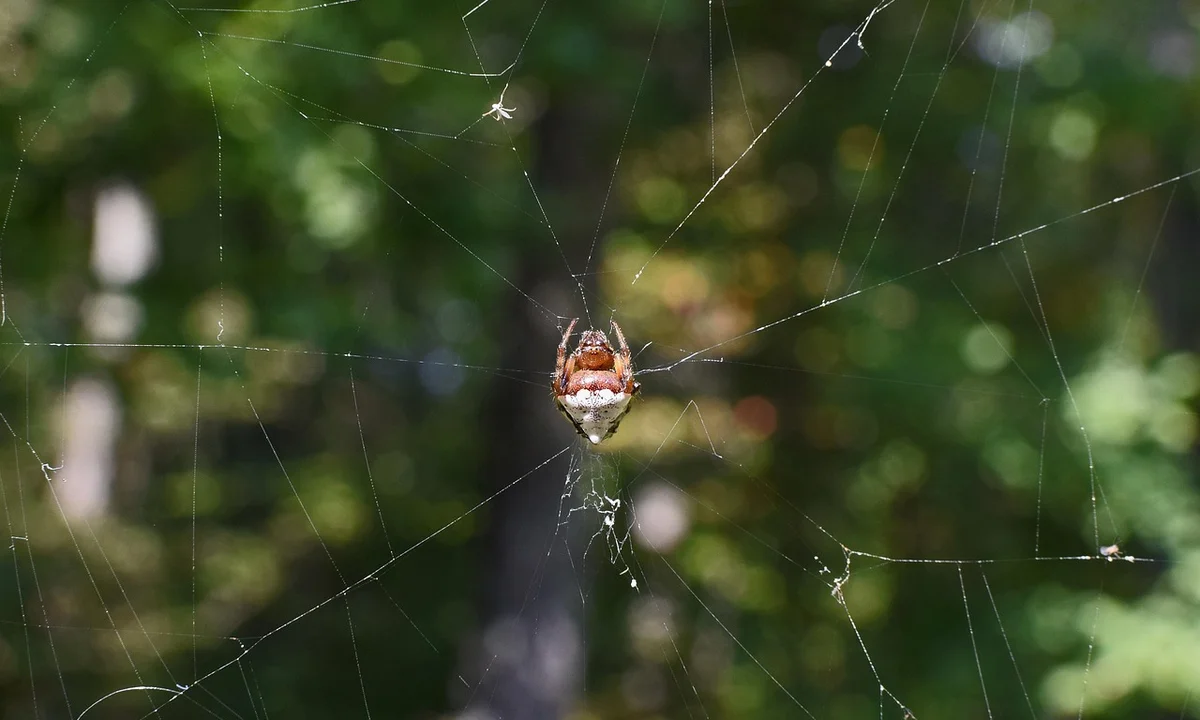
Treatment for Sudden Abdomen Dehiscence does not exist. Your only reliable strategy is prevention, built upon consistent and informed husbandry that supports robust physiological health. I view this as maintaining five key pillars: humidity precision, hydration access, enclosure safety, nutritional quality, and diligent owner observation.
Daily observation is your most powerful tool. You are learning the silent language of your tarantula, where a change in posture, a refused meal, or an altered web pattern is a chapter in its health story. This habit costs nothing but can reveal the earliest subtle signs of stress. Common signs your tarantula is stressed or feeling threatened include a raised posture, a flattened body, and rapid leg movements, or a quick rush toward the enclosure. Recognizing these early signs lets you adjust handling or enclosure conditions to prevent escalation.
- Humidity Control: Match ambient moisture to your species’ exact needs.
- Hydration Access: A full, clean water dish is non-negotiable for all tarantulas.
- Enclosure Sanitation: Regular spot-cleaning minimizes harmful pathogen load.
- Targeted Nutrition: Quality prey builds a resilient exoskeleton from the inside out.
- Owner Vigilance: Note everything. Log feedings, molts, and behavioral quirks.
Perfecting Humidity and Hydration
Getting humidity wrong weakens the integument. You must use a digital hygrometer at substrate level, as the reading at the top of the enclosure is often misleading. Proper ventilation prevents stagnant, soggy air that fosters mold.
For moisture-loving burrowers like my Theraphosa stirmi, Goliath, I create a deep humid zone. I pour dechlorinated water directly into one corner of the substrate, letting it permeate the lower layers while the surface remains dry. Her dish is always full, and I check it daily for debris.
My experience with Flash, the OBT, was instructive. His dense web curtain trapped moisture and spiked humidity to 80%, far above his 40-50% requirement; I drilled additional ventilation holes to restore balance without disturbing his fortress. Always tailor the environment to the species.
- Place hygrometers near where your tarantula spends most of its time.
- Provide cross-ventilation via holes on opposing sides of the enclosure.
- Moisten the bottom third of substrate for tropical species, keeping the top layer dry.
- Use shallow, sturdy water dishes that cannot be tipped over.
Optimizing Enclosure Safety and Sanitation
A fall onto a hard surface is a common precursor to abdominal trauma. For terrestrial tarantulas, the enclosure height should not exceed 1.5 times their diagonal leg span to prevent dangerous drops. Tarantulas can die from being dropped, even from relatively modest heights, so preventing falls is vital. I use 5-6 inches of packed coconut fiber for my adult spiders to cushion any misstep.
Every object inside must be inert and smooth. I meticulously file down any sharp edges on cork bark or ceramic hides before they go into an enclosure. Regular removal of waste and leftover prey reduces bacterial growth that can systemically weaken your pet.
Sanitation is a quiet, routine defense. During weekly checks, I use long tweezers to remove boluses and spot-clean, minimizing intrusion into my tarantulas’ spaces. A clean habitat is a cornerstone of preventative care. Look for signs that it’s time to clean—musty odors, visible waste or mold, and damp or crusted substrate. When you notice these cues, it’s time for a deeper clean beyond spot-cleaning.
- Measure your tarantula and choose an enclosure with a secure, locking lid.
- Avoid decorative items with sharp points or rough textures.
- Perform full substrate changes rarely, as this causes immense stress.
- Spot-clean immediately after you see feces or an uneaten prey item.
Supporting Health Through Nutrition and Molt Cycles
The building blocks for a strong exoskeleton come from diet. I feed gut-loaded dubia roaches and crickets, which have dined on sweet potato and collard greens, to transfer vital nutrients to my tarantulas. A varied diet supports better pre-molt preparation.
The pre-molt period is a critical window. When my Grammostola rosea, Rosie, darkens and seals herself off, I halt feeding, ensure her water dish is full, and place a buffer around her enclosure to reduce vibrations. Offering food during a molt can lead to a fatal rupture. This aligns with other pre-molt fasting guidance. Many keepers stop feeding 1–2 weeks before a molt and pause during other vulnerable periods.
Nutrition directly influences molt success and abdominal integrity. I adjust feeding frequency by age and species, feeding my fast-growing juveniles weekly but my mature adults monthly to prevent excessive abdominal stretching. A proper molt in a stable environment is the ultimate sign of health.
- Gut-load feeder insects for at least 24 hours with nutritious vegetables.
- Recognize pre-molt signs: a bald, darkening abdomen, refused food, and increased reclusiveness.
- Never offer food after a tarantula has flipped to molt. Wait until its fangs are fully hardened, which can take two weeks.
- Remove all live prey if your tarantula shows no interest within 24 hours.
## FAQs
What is Sudden Abdomen Dehiscence (SAD) in tarantulas?
Sudden Abdomen Dehiscence (SAD) is a catastrophic, often fatal rupture of a tarantula’s abdominal exoskeleton. It occurs when internal fluid pressure overwhelms the structural integrity of the cuticle, causing it to split and leak hemolymph. This is considered a dire emergency in tarantula care, with a very high mortality rate. Prevention through proper husbandry is the only reliable strategy, as treatment options are extremely limited and often unsuccessful.
Can a small leak or tear in the abdomen heal on its own?
Very minor punctures or slow seeps can sometimes be sealed by the tarantula’s own clotting mechanisms, especially with first-aid assistance like cornstarch. However, a true, significant split from SAD represents a critical failure and will not heal like a simple wound. The loss of essential hydraulic pressure and high risk of rapid infection make survival unlikely without immediate and drastic intervention, which itself is highly stressful and rarely successful. Preventing these problems is easier with proper husbandry. Regular health checks and prompt attention to injuries can keep tarantulas healthy and reduce the need for drastic interventions.
Does handling my tarantula directly cause SAD?
Handling does not directly cause SAD, but it is a major risk factor for the physical trauma that can lead to it. A fall from even a short height can generate enough internal hydraulic shock to rupture the abdomen. Furthermore, handling is a significant source of stress, which can weaken a tarantula’s overall health and make it more susceptible to other contributing factors like dehydration or a poor molt. A “hands-off” policy is a key preventative measure.
I keep a water dish in the enclosure. Is that enough to prevent dehydration-related SAD?
A full, clean water dish is absolutely essential, but for many species, it is not solely sufficient to prevent the chronic dehydration that weakens the abdominal cuticle. Moisture-dependent species require consistently high ambient humidity held in the substrate itself. Even for arid species, correct humidity stabilizes their physiology. The water dish provides drinking water, while proper humidity prevents the cuticle from becoming brittle in the first place.
My tarantula has a shriveled abdomen. Does this mean SAD is imminent?
A shriveled, dull, or wrinkled abdomen is a serious red flag for severe dehydration or systemic weakness, which are primary underlying causes of SAD. While it does not guarantee a rupture will occur, it indicates your tarantula is in a high-risk state and its abdominal integrity is already compromised. This is a critical sign that immediate husbandry corrections-primarily addressing hydration and humidity-are required to avert a potential crisis.
If SAD is almost always fatal, what is the goal of first aid?
The goal of first aid for SAD is twofold: to attempt to stabilize a *minor* leak long enough for the tarantula’s natural clotting to work, and to provide a humane, stress-free environment in case recovery is possible. For major ruptures, first aid is often palliative, offering a quiet, dignified end rather than a cure. It allows the keeper to confirm the severity and make an informed, compassionate decision about pursuing veterinary euthanasia to prevent prolonged suffering.
The Quiet Art of Prevention
Managing moisture is the single most important factor in preventing SAD. The goal is consistent, ambient humidity from a moisture-retaining substrate and a full water dish, not a wet environment that can suffocate the book lungs or promote mold. A swampy enclosure is just as dangerous as a bone-dry one. For moisture-dependent species like my Theraphosa stirmi, Goliath, I maintain a deep, damp substrate mix with a dry top layer, letting the lower levels provide steady evaporation.
Beyond the substrate, your most powerful tool is your own eyes. Watch your spider. Learn the rhythm of its movements and the layout of its web. The true reward in keeping these animals comes from patient observation-the silent ambush from a burrow’s entrance, the meticulous webbing of an Old World arboreal like my OBT, Flash, or the simple, steady presence of a long-lived Grammostola like Rosie. Success is measured in successful molts and natural behaviors, a testament to the stable, respectful world you’ve provided.
Further Reading & Sources
- giantspiders.com – Common Ailments
- r/tarantulas on Reddit: Help!! is this a ruptured abdomen??
- Tarantula Impaction Revisited | Tom’s Big Spiders
Arlo is a lifelong arachnid enthusiast who believes tarantulas are the world’s most misunderstood roommates. With years of hands-on experience in tarantula care, habitat setup, and species behavior, Arlo combines expert knowledge with a dash of humor to make spider ownership less scary and a lot more fascinating. From choosing the right enclosure to understanding why your eight-legged buddy is doing that weird little pose again, Arlo is here to help you become the best tarantula parent you can be, without getting tangled in the web of misinformation.
Common Diseases