
How Long Is Too Long? Understanding Hunger Strikes in Tarantulas Like the Chilean Rose Hair (G. rosea)
The Chilean Rose Hair (Grammostola rosea) has earned its ‘pet rock’ nickname not only from a docile nature but from a breathtaking capacity for prolonged fasting, a behavior that can baffle new keepers and test the patience of veterans. Drawing from years of arachnoculture, including my own G. rosea who once refused food for 14 serene months, this article explores the physiological and environmental triggers behind these hunger strikes. For a robust adult Grammostola species, a fast lasting 6 to 18 months is frequently a normal part of its slow-motion biology, with concern warranted only by a shrunken abdomen or listless posture, not merely the passage of time.
Quick Stats:
- Origin: Arid scrublands of Chile and Bolivia
- Type: New World, terrestrial
- Growth Rate: Glacial; females often surpass 20 years
This guide will translate silent enclosures and refused crickets into actionable knowledge, helping you steward your tarantula confidently from skittish sling to venerable adult.
The Natural Pause: When Fasting Is Normal for Tarantulas
Your tarantula refusing food can be alarming. In many cases, this is a healthy biological rhythm. These pauses are built into their life cycle. Fasting is a standard part of tarantula physiology, not always a sign of illness. For a practical approach, consider a quick, non-health-related checklist for refusals: recent molts, seasonal activity, and enclosure conditions. These factors often explain refusals without suggesting illness.
Understanding the Premolt Fast
Before a molt, called ecdysis, your tarantula will always stop eating. Its body is preparing a new exoskeleton underneath the old one. The old skin detaches, and feeding becomes physically impossible. I see this with my Chilean Rose Hair, Rosie. She will ignore crickets for months, her abdomen turning a darker, shiny black. The premolt fast conserves energy for the strenuous act of shedding and reduces risk of injury from prey. During this pre-molt window, feeding is paused, and the guide explains when not to feed. It also covers other fasting periods, such as post-molt recovery or stress-related fasts, so you know when feeding is appropriate.
Signs of premolt include a darkened abdomen, reduced activity, and intense webbing. Do not offer food during this time. A live insect could harm your vulnerable tarantula. Remove any uneaten prey immediately.
Species-Specific Fasting Habits
Not all hunger strikes are equal. Some species are champion fasters. Old World arboreals like Poecilotheria may pause for weeks. My OBT, Flash, webs his den shut and refuses food for a month before molting. New World terrestrials like Grammostola rosea are infamous. My Rosie has gone nine months without a single meal, emerging from her fast perfectly healthy.
Compare this to my Burgundy Goliath Bird Eater, Theraphosa stirmi. She has a faster metabolism and typically fasts only for a few weeks premolt. Knowing your species’ normal behavior is key.
- Chronic Fasters: Grammostola, Brachypelma. Can fast 6+ months without issue.
- Moderate Fasters: Many New World terrestrials like Aphonopelma.
- Shorter Fasters: Fast-growing, humid-dependent species like Theraphosa or Pamphobeteus.
Why Has My Tarantula Stopped Eating? Common Reasons Beyond Molting
If your tarantula is not in premolt, other factors are at play. Appetite is a direct reflection of their comfort in your care. A sudden refusal to eat often points to an environmental mismatch or stress. If your tarantula refuses prey, start by checking enclosure conditions and prey size. Then apply practical solutions such as adjusting temperature and humidity and offering appropriately sized prey to support a healthy appetite.
Environmental Stress and Appetite
Tarantulas are finely tuned to their conditions. Small changes you barely notice can shut down their feeding response. Temperature and humidity are the most common culprits. My Goliath bird eater will reject food if the humidity drops below 80%. She needs that moist, tropical air to feel secure enough to hunt. Always cross-check your husbandry numbers against species-specific needs when appetite lags—for example, by consulting guides like this one for heating and humidity.
Other stressors include excessive vibration, bright light, or an enclosure that feels too open. I learned this when I moved Flash’s enclosure to a busier room; he stopped eating for a week until I returned him to a quiet corner. The silence of the enclosure is part of its comfort.
- Check Humidity & Temperature: Use a digital gauge. Compare to known needs for your species.
- Assess Security: Ensure enough substrate to burrow and adequate hide. A stressed tarantula feels exposed.
- Review Prey Size: An overly large feeder can intimidate. Offer prey no larger than the tarantula’s carapace.
- Consider Life Stage: Mature males often stop eating to focus on wandering for a mate.
Remember the “Look, Don’t Touch” philosophy. Frequent attempts to handle or prod your tarantula to eat create more stress. Patient observation is a better tool than intervention when a healthy tarantula fasts. To understand what’s going on, learn to read your tarantula’s body language for stress and defensive signs.
Monitoring the Fast: Warning Signs Versus Normal Behavior
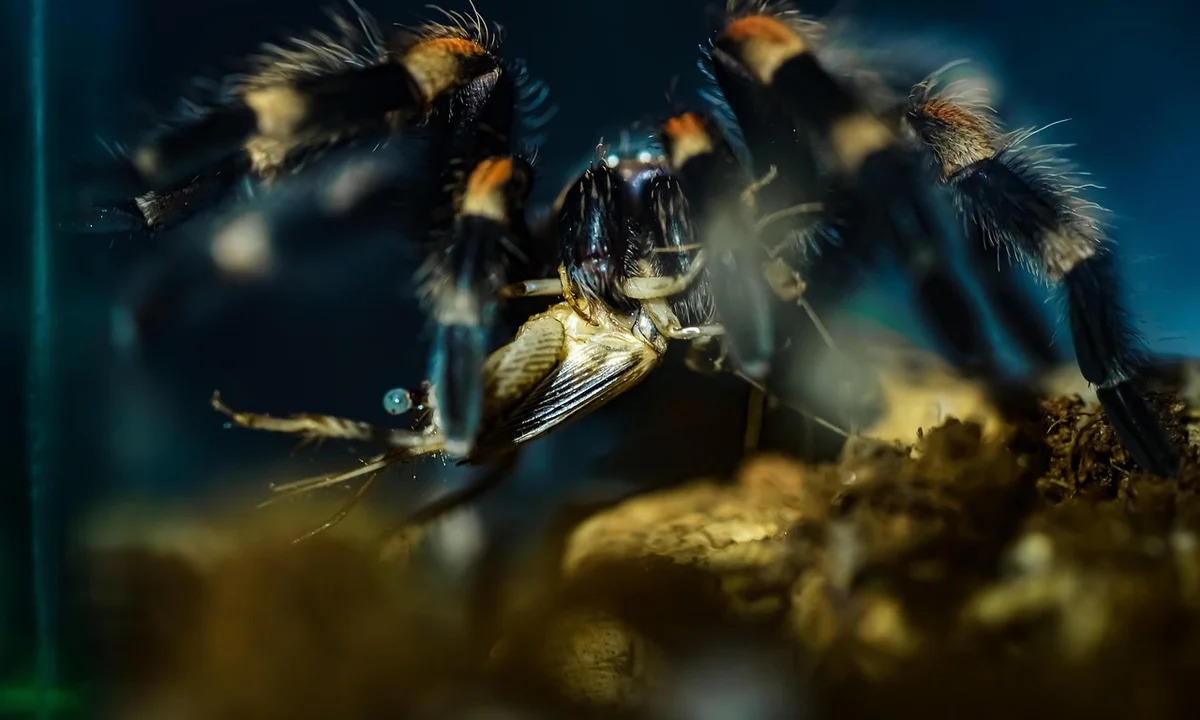
A tarantula’s enclosure becomes a study in quiet patience during a fast. The water dish is visited, the substrate is rearranged, but the feeder insects are ignored. Distinguishing between a benign pause and a potential crisis hinges on your ability to read subtle physical and behavioral cues. This is precisely the kind of observation a feeding behavior guide uses to tell if your tarantula is hungry or stressed. It helps translate those cues into confident feeding decisions.
Signs of a Healthy Hunger Strike
When my Chilean Rose Hair, Rosie, begins one of her legendary fasts-sometimes lasting over a year-I look for specific indicators of well-being. Her posture tells me everything. A healthy fasting tarantula maintains a normal, elevated stance; its abdomen may reduce in size but remains rounded, not shriveled.
- Continued Activity: They still move to drink, tweak their burrow, or reposition webbing. My OBT, Flash, will still zealously web up his entire enclosure even while refusing food.
- Defensive Posture Intact: A startled, healthy faster will still threat-posture or flee with normal speed. Their reflexes remain sharp.
- Cleanliness: They groom themselves regularly, cleaning pedipalps and fangs. A tarantula that cares for itself is usually not in dire straits.
- Abdominal Shrinkage is Gradual: The abdomen will slowly reduce from a plump sphere to a more tapered, teardrop shape as reserves are metabolized. This is expected.
Red Flags That Demand a Keeper’s Attention
Some shifts in condition demand immediate intervention. These signs transcend mere fasting and point to dehydration, exhaustion, or illness. The most critical warning is a shriveled, wrinkled, or dramatically sunken abdomen, often coupled with a loss of hydraulic pressure.
- Loss of Posture: The tarantula sits very low to the ground, its sternum seemingly glued to the substrate. Its legs may appear weak or splayed.
- Dehydration Wrinkles: Visible creasing or puckering on the abdomen, like a raisin, is a severe sign of fluid loss.
- Lethargy and Lack of Reflex: They show little to no reaction to gentle stimulation, like a puff of air or a soft paintbrush nudge.
- Abnormal Location: A terrestrial species found constantly on the enclosure walls can indicate stress or an attempt to find different conditions.
- A Festering Food Item: A bolus or leftover cricket left to rot in the enclosure is a biohazard and suggests your tarantula is too weak to remove it.
Risk Factors: When Duration and Condition Become Critical
Time alone is rarely the sole factor. A six-month fast for a well-hydrated adult Grammostola rosea is routine. A six-week fast for a small sling can be catastrophic. You must evaluate the fast through the lenses of life stage, body condition, and environmental parameters.
Age, Size, and Reserves
Metabolism and resource storage vary dramatically. Spiderlings and juveniles have minimal fat reserves and metabolize water rapidly, making any prolonged refusal to eat a high-priority situation. I never let a sling fast for more than two weeks without a welfare check. Conversely, adult females, like my 15-year-old Rosie, are built for endurance. Their large body mass and efficient metabolism allow them to survive on stored resources for astonishing periods. Adult males, however, are a special case. After their ultimate molt, their singular focus is reproduction, not eating. A fast in a mature male is typically a one-way journey, but ensuring hydration can extend his natural lifespan.
The Dehydration Connection
This is the true killer during a fast, far more urgent than starvation. A tarantula can lose moisture rapidly through respiration. Without adequate humidity and a full water dish, a fasting tarantula will dehydrate long before it starves, leading to that critical, wrinkled abdomen. Sudden abdomen dehiscence can occur when dehydration becomes severe, a sad outcome for tarantula keepers. That’s why careful humidity and access to water during fasting are essential to prevent tragedy.
For moisture-dependent species like my Burgundy Goliath Bird Eater (Theraphosa stirmi), I maintain 75-80% humidity and a large, overflowing water dish, especially if she’s fasting. For arid species, the water dish is non-negotiable. I have successfully ended worrisome fasts not by offering food, but by gently moving the tarantula’s chelicerae over the water dish, encouraging a long drink. Rehydration alone can spark a return of appetite. Always assess moisture levels in the substrate—poke it. If the lower layers are bone-dry, your tarantula has no ambient source to absorb. To tell if your tarantula is dehydrated, look for signs of tarantula dehydration such as a sunken or shriveled abdomen and reduced activity. A dry, papery abdomen and lethargy are also indicators that hydration needs attention. Your primary intervention during any fast is not force-feeding, but proactive, meticulous hydration management.
Action Plan: What to Do When Your Tarantula Won’t Eat
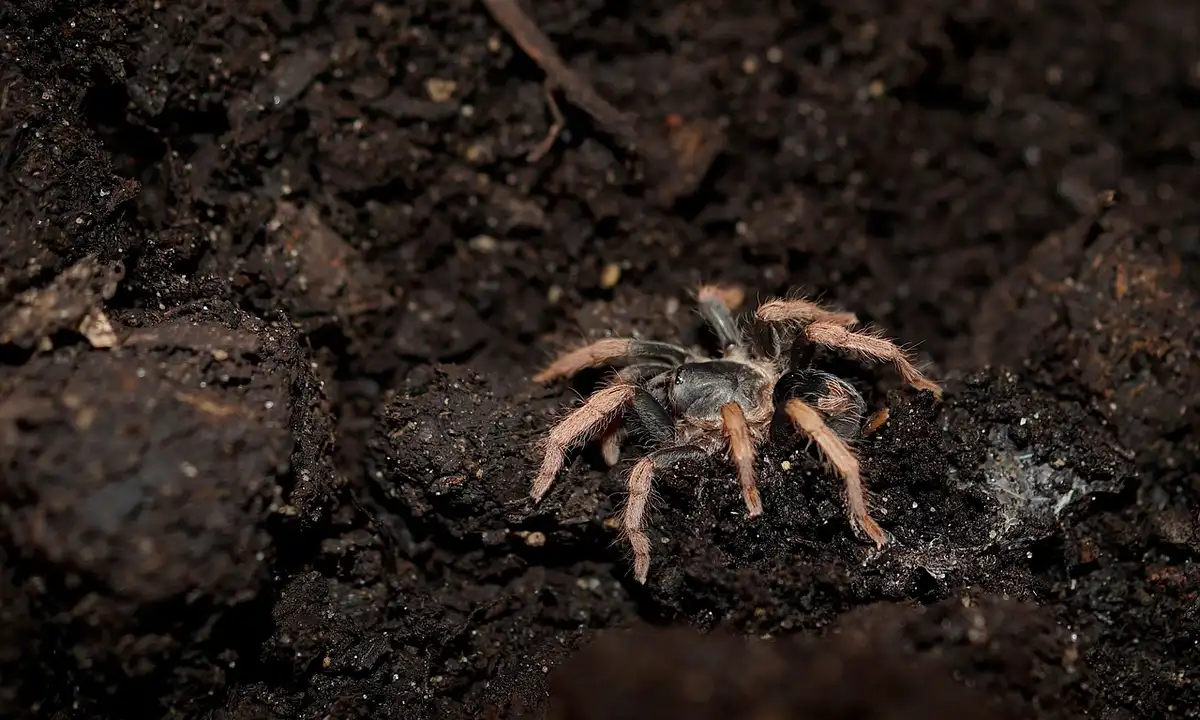
Seeing an untouched cricket for the third week is unnerving. Your instinct is to *do* something. Resist panic. A systematic approach separates helpful intervention from harmful stress.
Step 1: Review and Adjust the Environment
Husbandry is almost always the root cause. Your first job is to play detective with the enclosure.
- Temperature Gradient: Is there a warm side? Use a digital thermometer. For most species, a gradient from 75°F (24°C) to 85°F (29°C) is ideal. A cold tarantula’s metabolism grinds to a halt.
- Humidity & Hydration: Do not blindly spray. Check the substrate. For moisture-dependent species like my T. stirmi Goliath, I pour water directly into a corner to soak the lower layers. The surface can appear dry while humidity remains perfect below. For arid species like my G. rosea Rosie, a full water dish is sufficient.
- Security Check: Is the hide the right size? A tarantula should fit snugly. Too large, and it feels exposed. Is there excessive vibration or light from household activity? Relocation to a quieter space can work wonders.
Correcting even one small environmental flaw can trigger a feeding response within days.
Step 2: Re-evaluate Prey Offerings
The problem might not be the predator, but the prey. Variety and presentation matter.
- Size: Prey should be no larger than the tarantula’s carapace. An oversized cricket is intimidating, not enticing.
- Type: Switch it up. If crickets are ignored, try a dubia roach nymph or a superworm (crush the head first to prevent burrowing). My old-world P. murinus Flash sometimes scorns crickets but pounces on roaches.
- Liveliness: Offer a active, healthy prey item. A sickly, sluggish cricket is poor stimulus. For very skittish tarantulas, I pre-kill the prey and leave it at the entrance of their hide under cover of darkness.
A novel food item can break the monotony and trigger a predatory instinct that familiar prey no longer does.
Step 3: Minimize Disturbance and Observe
This is the hardest step. You must become a ghost. Constant checking is a form of enclosure harassment.
- Remove any uneaten prey after 24 hours.
- Fill the water dish quietly.
- Step back. Observe from a distance for just a few minutes daily, looking for subtle changes in position or web maintenance.
- Wait a full 7-10 days before offering food again.
This passive observation period gives you the clearest data. Is it moving at night? Is its abdomen shrinking drastically? This silence is your most powerful diagnostic tool. Successful tarantula keeping often involves mastering the discipline of benign neglect.
Emergency Intervention: Knowing When to Seek Help
While most fasts are normal, some signs scream for professional help. Trust your gut if something feels profoundly wrong.
Identifying a True Crisis
Combine these visual cues with the duration of the fast. A 6-month fast in a plump Grammostola is ordinary. The same in a thin Avicularia is alarming.
- Drastic Abdominal Shrinkage: The abdomen becomes disproportionately small, shriveled, and dark. You may see a wrinkled, papery appearance.
- Loss of Coordination: The tarantula stumbles, has difficulty righting itself, or holds its legs in unnatural, cramped positions. This can indicate neurological issues or severe dehydration.
- Curling: A tarantula that is curled tightly into a ball with its legs under it, especially in an open space, is in a death curl. This is the ultimate emergency.
- Visible Injury or Fungus: Open wounds, a ruptured abdomen, or fuzzy fungal growths require immediate intervention.
A healthy fasting tarantula retains a plump abdomen and normal posture; a sick one withers and falters. For tarantula spiderlings, these cues become early signs of health or illness. Monitoring their activity and posture helps distinguish healthy from unhealthy spiderlings.
Finding and Working with an Exotic Veterinarian
Most vets are not arachnid vets. You must find a specialist.
- Search online for “exotic veterinarian” and call clinics directly. Ask: “Do you have a vet on staff with experience treating tarantulas?”
- Contact local reptile stores or invertebrate hobbyist groups; they often have referrals.
- Prepare for the visit. Bring clear photos of the enclosure, a written timeline of the fast and behaviors, and the tarantula in a secure, ventilated deli cup with a paper towel.
Be honest about your husbandry. The vet needs facts, not excuses. Treatments are often supportive: fluids, assisted feeding, or medication. I have only needed a vet once, for a wild-caught specimen with a mysterious ailment. The experience was invaluable. Having a vet identified before a crisis is a critical part of responsible ownership.
Common Questions
How long can a tarantula safely go without eating?
There is no universal timeline, as safety depends on species, age, and body condition. A robust adult female from a slow-growing genus like Grammostola can safely fast for 6 to 18 months, utilizing significant fat reserves. Conversely, a spiderling with minimal reserves may only safely last a few weeks. The constant availability of fresh water is far more critical than food during these periods.
What are the common reasons a tarantula might stop eating?
The most common reason is an upcoming molt (premolt), where feeding ceases entirely. Environmental stress, such as incorrect temperature, humidity, or excessive vibration, is another major cause. Other reasons include being a mature male focused on wandering, prey items being too large or unappealing, or simply a species-specific period of reduced appetite where they naturally eat less frequently.
How does a tarantula’s age or life stage affect its fasting behavior?
Life stage is a primary factor. Spiderlings and juveniles have fast metabolisms and minimal energy stores, making any prolonged fast a serious concern. Adult females are built for endurance and can fast for remarkably long periods. A mature male after his final molt will often enter a terminal “wandering” phase where he refuses food entirely, focusing solely on finding a mate.
What signs indicate a tarantula’s hunger strike is a problem?
Key warning signs include a severely shriveled, sunken, or wrinkled abdomen, indicating dangerous dehydration or exhaustion. A loss of normal posture, where the tarantula sits very low to the ground with splayed legs, is concerning. Lethargy, a lack of defensive reflexes, and the presence of rotting prey (bolus) in the enclosure are all clear indicators that the fast has become a health issue. These early warning signs can help determine if the tarantula is sick rather than merely stressed. If you notice them, review husbandry and consult an exotic-pet veterinarian or experienced tarantula keeper for guidance.
How can you differentiate between a normal pre-molt fast and a problematic hunger strike?
A normal pre-molt fast is characterized by specific preparations: a darkening, shiny abdomen, increased webbing, and burrow sealing, all while the tarantula maintains a healthy, alert posture and continues to drink. A problematic strike lacks these premolt cues and is instead accompanied by the warning signs of physical decline, such as a withered abdomen and lethargy, often in an otherwise stable environment.
When is it necessary to consult a veterinarian about a tarantula not eating?
Consult an exotic veterinarian if you observe a “death curl,” severe loss of coordination, visible injury, or fungal growth. Additionally, if a vulnerable sling or juvenile tarantula shows significant abdominal shrinkage or weakness despite corrected husbandry, professional assessment is needed. It is wise to identify a qualified vet before an emergency arises.
The Art of Patient Observation
For the fasting tarantula, especially an arid species like my old Chilean rose, consistent access to clean water is the single non-negotiable element of care. A shallow, spill-proof water dish, kept full and refreshed weekly, provides a critical lifeline for hydration during metabolic pauses that can span many months.
Shift your focus from the uneaten cricket to the spider’s world. Watch the meticulous engineering of a burrow’s entrance, the silent ambush from a trapdoor web, or the careful grooming of palps after a drink. Your greatest tool isn’t a feeding tong; it’s a quiet presence and the willingness to let the animal’s natural rhythm unfold on its own profound timeline. Success in our hobby is measured not in meals consumed, but in the sustained, quiet vitality of a creature thriving under your respectful and watchful care.
Further Reading & Sources
- r/tarantulas on Reddit: How long can my tarantula go without eating
- r/tarantulas on Reddit: How often to try feeding during hunger strike?
- r/tarantulas on Reddit: I have a mass hunger strike going on in my spider room.
Arlo is a lifelong arachnid enthusiast who believes tarantulas are the world’s most misunderstood roommates. With years of hands-on experience in tarantula care, habitat setup, and species behavior, Arlo combines expert knowledge with a dash of humor to make spider ownership less scary and a lot more fascinating. From choosing the right enclosure to understanding why your eight-legged buddy is doing that weird little pose again, Arlo is here to help you become the best tarantula parent you can be, without getting tangled in the web of misinformation.
Feeding Frequency