
Creating a Tarantula Care Journal: Why and How to Track Your Pet’s Health
Published on: February 3, 2026 | Last Updated: February 3, 2026
Written By: Arlo
For the dedicated keeper, a tarantula care journal is not a mere logbook; it is a diagnostic tool that deciphers the subtle language of a creature that lives in silence. In this article, I’ll share how years of documenting my pets-from Rosie’s fasting strikes to Goliath’s humidity needs-have prevented crises and deepened my connection to them. The simple act of writing down what you see builds a predictive model of your spider’s well-being.
Quick Stats:
- Origin: Record the species (e.g., Grammostola rosea) and where you acquired it.
- Type: Note if it’s a New World (often more docile) or Old World (typically faster, more defensive) tarantula, as this dictates fundamental care.
- Growth Rate: Track the dates and outcomes of every molt, the clearest indicator of health.
This guide provides the framework to create a living document that will help you nurture your tarantula through every stage of its life.
The Essential Role of a Tarantula Care Journal
A dedicated care journal transforms casual looking into scientific observation. This simple practice shifts you from a spectator to an active participant in your tarantula’s long-term wellbeing by creating a reliable, written history.
Your journal establishes a clear baseline for what is normal for your individual spider. Knowing your tarantula’s personal rhythms—like how often it typically drinks or its favorite hide—is the only way to accurately spot the slight deviations that signal a problem. By learning to read your tarantula’s body language, you can spot stress cues and defensive signs early, guiding how you handle and care for it. This awareness helps you respond calmly to signs of agitation and keep interactions safe for both of you.
I rely on my journals constantly. When my Grammostola rosea, Rosie, began a fasting period that stretched for months, my notes provided calm context, showing this was her normal, sluggish pattern and not an emergency.
This recorded history is invaluable for making husbandry adjustments and is critical for veterinary consultation. A detailed journal provides a veterinarian with immediate, factual history, turning a stressful situation into an efficient, informed conversation.
Key Health and Behavior Indicators to Monitor
-
Appetite and Feeding Schedule: Log every prey item offered, refused, and consumed. Note fasting periods precisely; my G. rosea has taught me that a refused cricket is often just patience, not panic.
-
Water Intake and Bowl Refills: Track how often you clean and refill the water dish. A suddenly empty bowl can indicate dehydration or pre-molt thirst, while a full, untouched one might reflect a dormant period.
-
Substrate Cleanliness and Spot Cleaning: Document any waste removal, bolus disposal, or mold growth. Consistent notes here prevent small issues from becoming infestations, especially in humid enclosures like my T. stirmi’s.
-
Molts and Growth: Record the date, pre-molt signs like a darkened abdomen, and the molt’s success. This timeline reveals growth rate and helps predict future cycles, turning a fascinating event into vital data.
-
Behavioral Changes and Energy Level: Note activity spikes, new burrows, or web expansion. The silence of my OBT’s enclosure would be as alarming as a sudden strike, because her constant webbing is her baseline.
-
Stress Signs and Injury Monitoring: Log instances of hair flicking, threat postures, or any physical flaws. These entries reinforce a “Look, Don’t Touch” ethos by helping you identify and eliminate stress sources proactively.
Building Your Tarantula Care Log: Sections and Structure
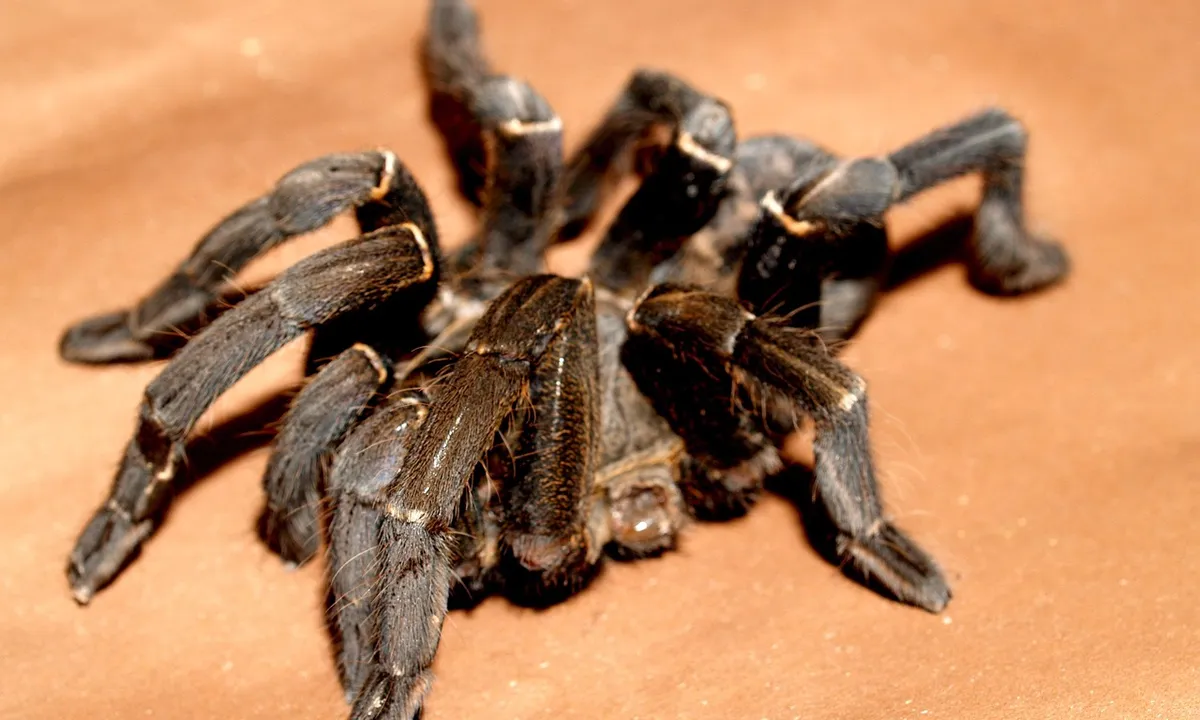
The most effective journal is a simple, scalable one you’ll actually use. I use a basic notebook for each of my tarantulas. This physical separation prevents confusion and lets me see an individual’s history at a glance. Your structure should have four core pillars.
The Daily/Weekly Observation Log
This is your routine checkpoint. Keep entries concise. A simple table format works beautifully, but a dated list is just as effective.
- Date: The obvious, but critical, starting point.
- Temperature & Humidity: Note ambient room readings and any micro-climate in the enclosure. My Goliath’s (T. stirmi) corner is always 5°F warmer than the room.
- Observations: This is the narrative. “Sealed burrow entrance.” “Remains in water dish.” “New heavy webbing on cork bark.” “Kicked hairs during spot-cleaning.” The silence of the enclosure speaks volumes if you know how to listen.
- Actions Taken: Fed (prey type/quantity), watered (refilled dish, overflowed substrate), cleaned (removed bolus, spot-cleaned). This log transforms guesswork into a clear, accountable record of your care.
Environmental Parameters Tracker
This dedicated section helps you spot trends and prevent problems before they start. Log these consistently.
- Ambient Temperature: The reading from the room, not directly under a heat lamp.
- Enclosure Humidity: Measured with a gauge placed at substrate level, near the middle or moist side.
- Substrate Moisture: A tactile note. “Surface dry,” “damp 2 inches down,” “saturated bottom layer.” For my moisture-dependent T. stirmi, tracking this prevents dangerous dryness.
Molt History Archive
This is your spider’s growth chart. Each successful molt, or ecdysis, is a major life event worth chronicling in detail.
- Date of Molt: The day you found the fresh exuvium.
- Instar Number: If known. Otherwise, note “post-purchase molt,” “second observed molt,” etc.
- Complications: “Prolonged pre-molt fast (72 days),” “stuck on old carapace for 4 hours,” “legs crumpled but resolved.” This history is invaluable for predicting future behavior and identifying abnormal patterns.
- Old Exuvium Size: A quick note like “2.5” legspan” or “preserved in vial #3.” Comparing old molts shows staggering growth.
Feeding & Response Chart
Move beyond “fed/not fed.” Track their relationship with food.
- Date Offered: And the prey type/size (e.g., “1 medium cricket”).
- Response: “Immediate strike,” “ignored,” “killed but not eaten.”
- Notes: “In pre-molt fast,” “appetite returned post-molt,” “kicked hairs at cricket.” My G. rosea, Rosie, has taught me that a refusal isn’t a failure-it’s data. Her multi-month hunger strikes are now predictable, logged events I don’t panic over.
How Often to Update Your Tarantula Journal
Frequency should match the pace of your tarantula’s life. A tiered approach prevents burnout and ensures you capture what matters. These should map to essential daily, weekly, monthly tarantula maintenance tasks. A simple schedule helps you cover the basics without missing crucial care.
The Daily Check-In (The 60-Second Scan)
This isn’t a full entry. It’s a quick visual audit. Glance at the water dish. Scan for leftover prey. Note any drastic positional changes. This daily habit builds your observational skills and catches emergencies like a leaking water dish or a mite outbreak early. For my defensive OBT (P. murinus), Flash, I do this from a distance-no need to stress him with a lid opening.
The Weekly Summary (The 5-Minute Log)
Once a week, sit down with your journal. Consolidate your daily scans into a single, coherent entry. Note the weekly temperature range, substrate moisture status, and any behavioral patterns. Did they web every night? Did they refuse all food? This weekly rhythm creates a manageable, consistent record.
Immediate Event-Based Entries (Non-Negotiable)
Some observations cannot wait. Log these the moment you see them.
- Molting: The date, time, and condition are paramount.
- Feeding Refusals During Normal Appetite Periods: A sudden stop can signal health issues.
- Drastic Behavioral Shifts: An arboreal species suddenly on the substrate for days; a usually hidden tarantula sitting out in the open. These immediate notes create precise timestamps that are critical for veterinary consultation or diagnosing husbandry issues. I once logged my T. stirmi’s unusual lethargy, which helped pinpoint a ventilation problem I corrected.
Consistency in your method matters infinitely more than daily novel-length entries. A simple, honest weekly log you maintain for years is a more powerful tool than a hyper-detailed journal you abandon after a month. Start small, be kind to yourself, and let the data tell your tarantula’s unique story. For new tarantula keepers, the first 30 days are critical. Follow a week-by-week survival guide to monitor enclosure conditions, feeding, and molts, and use what you learn to refine your routine.
Tools for Effective Tarantula Health Tracking
-
Physical Notebooks
A simple, durable notebook is my personal favorite for enclosure-side notes. I use a water-resistant paper notebook for my high-humidity T. stirmi room. The tactile act of writing with a pencil focuses your observation. You note the iridescent sheen of a fresh molt, the precise location of a new burrow entrance, or the silence that indicates a hidden tarantula. This method excels for capturing immediate, descriptive details that a quick digital entry might miss. It is perfect for a quick sketch of a web tunnel or logging the exact date my 15-year-old G. rosea, Rosie, finally accepted a cricket after a four-month fast.
-
Digital Spreadsheets
For long-term data analysis, digital spreadsheets are powerful. I maintain one for my Burgundy Goliath, tracking his leg span after every molt, the exact humidity percentage in his enclosure, and his feeding response patterns. You can sort by date to see growth trends or filter by event type to review all molts. A spreadsheet transforms scattered notes into a clear history, revealing cycles and changes over years that are easy to miss day-to-day. Creating a simple chart of your tarantula’s growth is a rewarding visual record of your care.
-
Specialized Apps
While I have yet to find a dedicated, high-quality tarantula care app, general pet health trackers can be adapted. You can use them to set reminders for enclosure checks or log feeding dates. Their major limitation is a lack of tarantula-specific fields, like premolt signs or urticating hair kicks. You will likely spend more time customizing a generic app than using a well-structured spreadsheet or notebook. For now, the hobby relies on adaptable, multi-purpose tools.
-
Organization Tip
Your data is useless if you lose it. For physical media like molt specimens, photos, and notebook pages, I recommend a dedicated binder with plastic sleeves. For digital files, use a cloud backup service automatically. My spreadsheet is backed up in real time. Losing a journal to a spilled water dish or a crashed hard drive means losing the unique biological story of your pet. Protect that history.
Spotting Trouble: Using Your Journal for Early Intervention
-
Your journal’s true power is creating a baseline for normal behavior. Is your usually active tarantula now motionless? A look back shows this stillness started three weeks ago, coupled with a refused meal. That pattern strongly indicates a premolt state, not illness. Comparing current entries to past baselines turns vague concern into informed observation. I knew my OBT, Flash, was too quiet before her last molt because my notes showed her typical web-building frenzy had ceased. Sometimes stillness can blur the line between molting and trouble. If the tarantula stays motionless longer than a normal premolt window, you may need to tell the difference between molting and dying and seek guidance.
-
Consistent humidity logs are vital for moisture-dependent species. If your notes show the substrate drying faster than usual, you can intervene before your tarantula faces a dangerous, dehydrating molt. For my T. stirmi, I track humidity alongside his behavior. Seeing a correlation between low humidity and increased hair-flicking lets me adjust conditions proactively, reducing stress for us both. It’s one of the signs of incorrect humidity in a tarantula enclosure.
-
Small problems become clear over time. Notes like “substrate still damp in back corner” for several weeks might seem minor. But that log helped me diagnose a potential mite attraction in a past enclosure. The chronic dampness was a cue to fully replace the substrate and sterilize the decor. Your journal connects seemingly isolated events into a diagnostic timeline.
Your journal is your first line of defense, turning vague worry into actionable data. It is the story of your tarantula’s life, written in data and details, and its most critical chapter might be the one that helps you spot a problem in time.
Beyond Basics: Journaling for Breeding and Growth
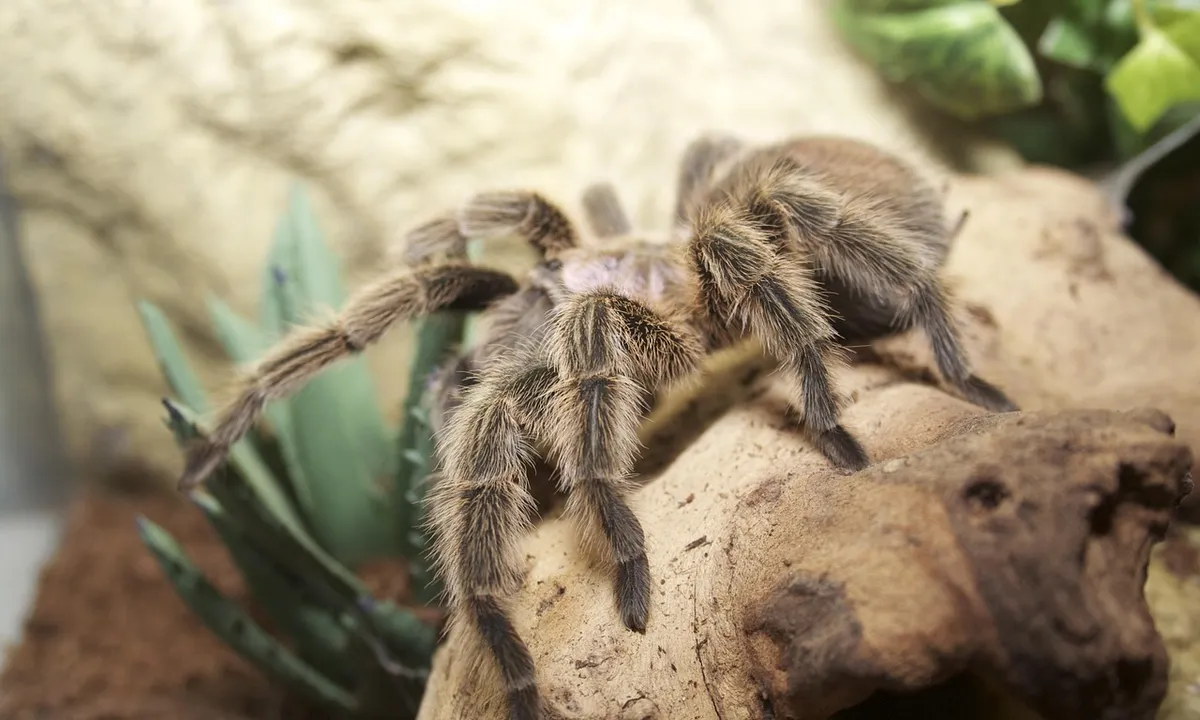
Advancing in arachnoculture often leads to breeding projects or a deeper curiosity about your tarantula’s life cycle. A detailed care journal shifts from casual notes to an indispensable tool for success and understanding, especially when paired with a comprehensive breeding plan.
- For breeding, logs turn chaotic introductions into managed data sets. I record every male approach, female posture, and any defensive moves like Goliath’s hair-flicking episodes. Tracking the egg sac’s size and color weekly predicts hatching dates, while sling growth rates logged after each molt show which diets work best.
- Long-term journals document subtle life stage transitions that predict maturity. My Rosie’s journal revealed a gradual molt slowdown over 15 years, hinting at her adult size long before she reached it. This history helps anticipate when a juvenile will mature, preventing stressful handling attempts during sensitive periods.
- Measuring exuviae provides a concrete growth record that memory often fuzzes. I bag each molt with a date and leg span measurement. Comparing Flash’s orange exuviae from six months ago to now shows a dramatic size jump, data I’d misremember without this physical archive.
Tailoring Your Journal to Different Tarantula Types
Tarantulas inhabit distinct ecological niches, and your journal should reflect that. Customizing your tracking focus reduces animal stress and prevents husbandry errors. Recognizing how care, species, and environment influence tarantula lifespan helps tailor your observations.
- For Arboreal Species (e.g., Avicularia): Prioritize logging web tunnel construction, height preferences, and ventilation. Humidity tracking is critical; I note how my avicularia’s web density changes with 70-80% humidity and document any ventilation adjustments to prevent stagnant air.
- For Terrestrial Species (e.g., Grammostola): Focus on substrate depth notes, burrow maintenance, and floor-level humidity microclimates. My entries for Rosie detail her substrate patting behavior and how I maintain a slight moisture gradient in her enclosure to mimic natural microclimates.
- For Fossorial Species: Emphasize recording burrow entry and exit cycles, which are key behavioral health indicators. A sudden increase in surface activity logged over weeks can signal hunger or substrate issues, allowing for proactive care changes.
- Universal Principle: Adjust your observation focus and parameter logging to match the species’ natural history. Your journal for a humidity-loving T. stirmi will heavily feature moisture logs, while for a web-happy P. murinus, it tracks silking patterns and retreat usage.
FAQs
What is the primary benefit of maintaining a tarantula care journal?
A tarantula care journal creates a detailed baseline of your pet’s normal behavior and health patterns, enabling early detection of issues like appetite changes or stress signs. This makes it easier to tell if your tarantula is hungry or stressed by watching feeding responses and timing. A feeding behavior guide can help you interpret these cues alongside your journal. It provides a factual history for veterinary consultations, turning vague concerns into actionable data. This practice deepens your understanding of your tarantula’s unique rhythms, fostering proactive and confident care.
How can logging feeding and molting cycles prevent health problems?
Tracking feeding responses helps distinguish normal fasting periods from potential illness, reducing unnecessary panic over refused meals. Recording molt dates and details allows you to predict future cycles and spot abnormalities like prolonged pre-molt or incomplete sheds. This data enables timely interventions, such as adjusting humidity for a successful molt, ensuring long-term health management.
What environmental factors should I consistently record?
Consistently log ambient temperature, enclosure humidity at substrate level, and substrate moisture status. These parameters are critical for maintaining species-specific conditions and preventing stress-related issues like dehydration or mold. Regular tracking helps you correlate environmental changes with behavior, allowing for swift adjustments to optimize your tarantula’s well-being. Understanding the ideal temperature and humidity ranges for your tarantula species is essential. By comparing readings to those targets, you can fine-tune the enclosure to better match its natural habitat.
How does journaling assist with breeding projects or long-term monitoring?
For breeding, journals document introduction behaviors, female responses, and egg sac development, turning chaotic events into manageable data. Long-term logs track life stage transitions, such as molt slowdowns in adults, helping predict maturity and manage sensitive periods. This detailed history supports successful outcomes and provides insights into growth patterns over years.
What are the key differences in journaling for arboreal versus terrestrial species?
For arboreal tarantulas, focus on web construction, height preferences, and ventilation in your logs to monitor their aerial habits. Terrestrial species require notes on substrate depth, burrow activity, and floor-level humidity to reflect their ground-dwelling nature. These essential features differ by lifestyle: vertical space and climbing structures matter for arboreal enclosures, while stable substrate and burrow access define terrestrial setups. Tracking these distinctions in your logs helps guide enclosure design and prevent species-appropriate housing errors.
What tools or methods are best for organizing tarantula care data?
Physical notebooks excel for immediate, descriptive notes and sketches at the enclosure, capturing subtle details. Digital spreadsheets are powerful for analyzing long-term trends, like growth rates or parameter correlations. Whichever method you choose, implement regular backups-such as cloud storage or binders-to protect your tarantula’s irreplaceable health history.
Long-Term Success
Your journal transforms scattered notes into a powerful care tool. It reveals your spider’s unique rhythm. For moisture-dependent species like Theraphosa stirmi, maintaining consistently damp substrate is non-negotiable to prevent fatal dehydration. Your log is the early-warning system that alerts you to subtle changes long before a crisis.
Beyond the parameters, your journal chronicles a life. It holds the date your OBT webbed its first intricate tunnel and the month your rose hair finally accepted a meal. You learn the profound quiet of the hobby, where success is measured in successful molts and observed natural behaviors. Your greatest asset is not a fancy enclosure, but the patience to watch, learn, and let your tarantula simply be a tarantula.
Further Reading & Sources
- The Tarantula Keeper’s Guide: Comprehensive Information on Care, Housing, and Feeding: Schultz, Stanley A., Schultz, Marguerite J.: 9780764138850: Amazon.com: Books
- Master Pet Tarantula Care: Habitat, Food, & Health Secrets Revealed
- Tarantula & Invertebrate Care Guides – The Tarantula Collective
Arlo is a lifelong arachnid enthusiast who believes tarantulas are the world’s most misunderstood roommates. With years of hands-on experience in tarantula care, habitat setup, and species behavior, Arlo combines expert knowledge with a dash of humor to make spider ownership less scary and a lot more fascinating. From choosing the right enclosure to understanding why your eight-legged buddy is doing that weird little pose again, Arlo is here to help you become the best tarantula parent you can be, without getting tangled in the web of misinformation.
Signs of a Healthy Tarantula