
Does Petco or PetSmart Sell Tarantulas? Availability and Buyer Beware Guide
Walking into a large chain pet store for fish food and spotting a tarantula in a small enclosure can be a thrilling yet concerning moment for an experienced keeper. The reality of big-box store availability is a mixed bag, varying wildly by location, season, and the specific knowledge of the store’s staff. While you might occasionally find a Chilean Rose Hair (Grammostola rosea) or a Curly Hair (Tliltocatl albopilosus), purchasing one is a decision that requires significant forethought. My advice, formed after years in the hobby and helping others rehome poorly-started store-bought spiders, is to treat any store purchase with extreme caution and to never make it an impulse buy.
Quick Store Availability Stats:
- Commonly Offered Species: Chilean Rose Hair (G. rosea), Costa Rican Zebra (Aphonopelma seemanni), Curly Hair (T. albopilosus). These are typically labeled as “beginner” species.
- Origin: Often wild-caught or mass-bred imports, though some may be captive-bred. The exact origin is rarely disclosed at the point of sale.
- Type: Almost exclusively New World terrestrial species, chosen for their generally more docile nature and presence of urticating hairs.
- Growth Rate: The species sold are typically slow-growing. The individuals for sale are often juveniles or adults, not spiderlings.
This guide will walk you through exactly what to look for, what questions to ask, and the critical husbandry knowledge you must have before you even consider bringing a store-bought tarantula home.
Tarantula Availability at Major Pet Retailers
Walking into a big-box pet store for tarantula supplies is routine; walking out with a live spider is a nuanced affair. Availability is inconsistent, governed by corporate policy and local demand.
General Stocking Policies for Live Tarantulas
Most major chains do not maintain dedicated, permanent arachnid sections. Live tarantulas are considered a seasonal or specialty item. Stock typically flows from a handful of large-scale distributors, not specialized breeders, which directly impacts the health and variety of animals you’ll see. Stores receive shipments of juvenile spiders, often termed “assorted tarantulas,” with care sheets that are notoriously generic and sometimes inaccurate. My own first tarantula, Rosie, came from a similar environment years ago, highlighting the need for independent research.
What You Are Actually Likely to Find
Do not expect a curated collection. You are far more likely to find empty enclosures than a diverse selection. On the rare occasion spiders are present, they are almost always terrestrial New World species. You will not find Old World tarantulas like my P. murinus Flash, nor large, humidity-dependent species like my T. stirmi Goliath. The inventory leans heavily on a short list of hardy, inexpensive juveniles that can tolerate less-than-ideal temporary housing. Always inspect the animal carefully for signs of stress or dehydration before considering a purchase.
Common Tarantula Species Sold in Stores
The store shelf represents a very narrow window into the hobby. The species offered are chosen for durability over diversity.
The Usual Suspects: A Short List of Typical Stock
If you see a tarantula at a major retailer, it is almost certainly one of these three. They are the foundational, albeit sometimes problematic, ambassadors of the hobby. These species often serve as an introduction to tarantula keeping for many enthusiasts.
- Chilean Rose Hair (Grammostola rosea/G. porteri): The classic “pet rock.” Known for prolonged fasting periods and a generally docile demeanor, much like my 15-year-old Rosie.
- Curly Hair Tarantula (Tliltocatl albopilosus): A foraging, often dirt-moving species covered in bronze curls. Generally hardy and a good eater.
- Mexican Red Knee (Brachypelma hamorii): The iconic, brightly colored spider. Growth is slow and they can be prone to kicking urticating hairs.
Why These Specific Species? The Logic Behind the Selection
Distributors and stores operate on volume and liability. Their choices are deliberate, focusing on risk mitigation and shelf life. These species are selected primarily for their tolerance of variable conditions and their historically low incidence of defensive behavior that could lead to customer issues. They are cost-effective to mass-produce, have a recognizable “look,” and their husbandry needs, while specific, are simpler than an arboreal or moisture-dependent species. The trade-off is that individuals can be over-collected from the wild or mass-bred without lineage tracking, and long-term health is not the distributor’s primary concern.
Life Stage and Size: What to Expect
You will almost never find a mature male or a breeding female. Store-bought tarantulas are virtually always sold as juveniles, roughly 2 to 4 inches in diagonal leg span. This is a strategic choice. A juvenile is small enough to house in a basic kritter keeper, has many years of life ahead (appealing to a buyer), and is past the most delicate sling stage, which reduces immediate mortality. You are buying a teenager, not a baby or an adult. Be prepared for years of growth; a Mexican Red Knee at this size may take another 5-7 years to reach its full, spectacular color. This long-term commitment is seldom communicated at the point of sale.
Evaluating Price, Health, and the Overall Purchase
Understanding the Tarantula Price Tag
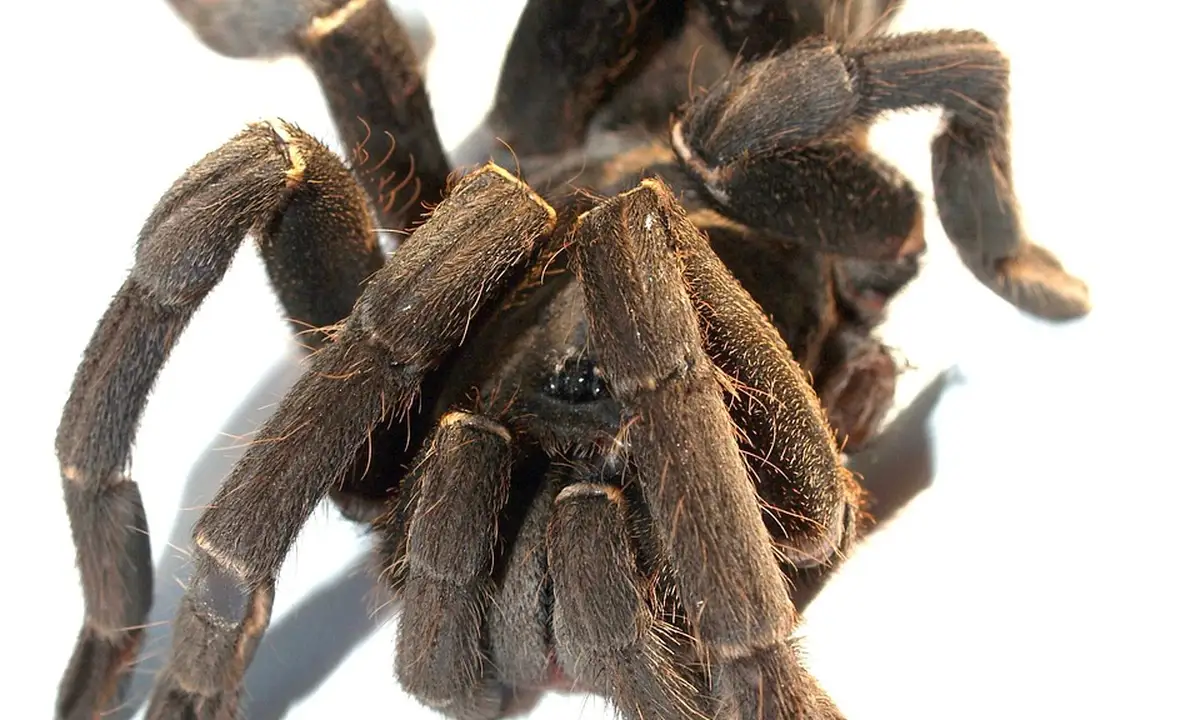
Prices at chain stores can be misleadingly low. A twenty-dollar Grammostola rosea might seem like a bargain, but that price tag tells a story. It often reflects a species that grows with glacial slowness, taking a decade or more to reach maturity. My Rosie, a Chilean Rose Hair, has been with me for fifteen years-her initial cost was negligible compared to a lifetime of care. Low upfront cost can mask a very long-term commitment that new owners may not anticipate. Conversely, a higher price on a more colorful species doesn’t guarantee robust health, only higher retail demand.
A Pre-Purchase Health Inspection: Your Essential Checklist
Never buy a tarantula on impulse. You must assess its condition. Approach the enclosure calmly and look for these specific signs of health. Doing this helps you spot common health issues early—dehydration, poor humidity, or moulting problems. Early detection lets you address them before they escalate and prevent serious harm.
- Posture & Activity: A healthy tarantula should be resting on fully extended legs, not curled tightly underneath. Lethargy can be normal, but a persistent, awkward pose is a red flag.
- Abdomen Size: Look for a plump, rounded abdomen. A shrunken or wrinkled abdomen indicates severe dehydration or starvation. My Burgundy Goliath, for example, always maintains a generous abdomen size due to her species’ appetite.
- Hydration: Check for a water dish. Is it present? Is it clean? A tarantula without water is a store failing its most basic duty.
- Injuries: Look closely for missing limbs, a damaged carapace, or a leaking abdomen. Limbs regenerate with molts, but major injuries are a sign of trauma.
- The Enclosure: Is the substrate bone-dry for a moisture-loving species? Sopping wet for a desert type? Fecal matter and boluses left to mold? Poor housing directly compromises health.
If any item on this checklist fails, walk away. Purchasing a sick animal supports negligent practices.
Examining the Sold-Alongside Supplies and Kits
Stores frequently bundle tarantulas with inappropriate starter kits. Be prepared to ignore these packages. They commonly contain: If you’re a complete beginner, pause and research first. This helps decide if tarantulas are right for beginners and how to start safely.
- Excessively Large Enclosures: A sprawling tank for a spiderling is dangerous and stressful. Prey cannot be found, and falls can be fatal.
- Wrong Substrate: Aromatic pine or cedar shavings are toxic. Sand is useless for burrowing.
- Dangerous Decor: Sharp-edged plastic plants or ornaments with deep crevices can cause injury.
- Incorrect Hydration Tools: Large, open water bowls for tiny slings pose a drowning risk.
I learned this the hard way early on. The right supplies-a suitably sized enclosure, proper substrate like coconut fiber, a shallow water dish, and a simple hide-are almost never in the pre-packed kit. You will build a better setup piece by piece.
Ethical Considerations and Potential Risks
Source and Sustainability: Wild-Caught vs. Captive Bred
This is the most critical ethical question. Chain stores rarely, if ever, disclose an animal’s origin.
- Wild-Caught (WC): Taken from native habitats, this practice depletes natural populations. These tarantulas often arrive stressed, parasitized, and with a lower chance of thriving in captivity. They are usually adults.
- Captive Bred (CB): Born in captivity, these individuals are adapted to enclosure life, typically healthier, and their purchase supports sustainable hobby breeding. My OBT, Flash, is captive-bred-a necessity for such a fast, defensive species.
Always assume a chain store tarantula is wild-caught unless proven otherwise, and let that guide your decision. When weighing a pet store versus a reputable breeder, a breeder is typically the safer bet for a healthy, well-cared-for tarantula. Ask for proof of captive breeding and post-purchase care guidance.
Care Knowledge Gaps at the Point of Sale
The cashier is not a tarantula specialist. I’ve heard associates confidently give advice that would kill a spider within weeks—like misting a desert species daily or housing a burrower on gravel. The chain store model does not prioritize species-specific expertise, placing the entire burden of research on you, the buyer, after the sale. This knowledge gap is a primary reason tarantulas from these venues suffer from incorrect humidity, temperature, and diet. Understanding common tarantula health problems helps prevent these issues.
Smart Alternatives for Your First Tarantula
The Specialist Breeder Advantage
Buying from a dedicated breeder transforms the experience. You gain access to exact species information, lineage history, and a wealth of personalized advice. Breeders often sell juvenile tarantulas, allowing you to witness their fascinating growth. You are not just buying an animal; you are gaining a knowledgeable resource who is invested in the spider’s long-term welfare and can guide you on how to ethically source and acquire breeding tarantulas.
How to Identify a Reputable Tarantula Seller
Whether at a reptile expo or through an online store, use this checklist:
- Clear Labeling: Animals are listed with full scientific names (e.g., Tliltocatl albopilosus, not just “Curly Hair”).
- Transparent Origins: They openly state “Captive Bred” and often note the generation (F2, F3, etc.).
- Detailed Care Sheets: They provide specific, not generic, husbandry parameters.
- Communication: They respond promptly to questions about habitat, feeding, and molting.
- Healthy Animals: Photos show tarantulas in clean, appropriate enclosures with good body condition.
Your First Steps After a Successful Purchase
- Quarantine: House your new tarantula away from any existing collection for a few months to monitor for mites or illness.
- Acclimation: Place the sealed travel vial into the prepared enclosure. Open it and leave the room. Let the tarantula explore and settle on its own terms, without stress. I’ve had rehousings go perfectly silent and smooth this way.
- Observation, Not Interaction: For the first week, focus only on providing water and quiet. Resist the urge to feed or prod. The foundational rule is ‘Look, Don’t Touch’-this minimizes stress for the animal and risk for you.
- Record Keeping: Note the purchase date, feeding responses, and molting cycles. This log becomes invaluable for tracking health.
Common Questions
What should a buyer check before purchasing a tarantula from these stores?
Conduct a thorough health inspection before any purchase. Check that the tarantula’s abdomen is plump, not shriveled, indicating proper hydration and feeding. Ensure it is resting on fully extended legs and not in a curled, defensive pose. Finally, inspect the enclosure for a clean water dish and appropriate, clean substrate, as poor housing is a major red flag. Be wary of overly moist or soggy substrate, which can be detrimental to tarantula health.
What are the common health issues to look for in store-bought tarantulas?
Dehydration is extremely common, shown by a wrinkled abdomen and lethargy. Watch for signs of injury, such as missing limbs or a damaged carapace, which can occur during transport or from inappropriate decor. Also, be aware that wild-caught individuals may carry undetectable internal parasites, which is a significant risk with unclear store origins.
What are the ethical concerns about buying tarantulas from large chain pet stores?
The primary concern is the lack of transparency regarding whether the animal is wild-caught or captive-bred. Purchasing wild-caught tarantulas can deplete natural populations and often supports stressful, unsustainable collection practices. Furthermore, your purchase may inadvertently support the cycle of inadequate care and generic, often incorrect, husbandry advice given at the point of sale. This is especially concerning when it comes to rare and potentially protected species.
What supplies are sold alongside the tarantulas, and are they suitable?
Stores often sell bundled starter kits that are typically unsuitable. These kits frequently contain enclosures that are dangerously large for a juvenile, the wrong type of substrate, and potentially hazardous decor. It is highly recommended to assemble a proper setup yourself using appropriate, sized-specific components rather than relying on a pre-packaged store kit.
Are the tarantulas sold as slings, juveniles, or adults?
You will almost exclusively find juvenile tarantulas at chain stores, typically between 2 to 4 inches in leg span. Stores rarely sell delicate spiderlings (slings) or mature adults. Selling juveniles reduces immediate mortality risk for the store and presents a long-lived pet to the buyer, though this extended commitment is often not clearly communicated.
What are the alternatives to buying a tarantula from Petco or PetSmart?
The best alternative is to purchase from a reputable, specialized breeder online or at a reptile expo. Breeders offer captive-bred animals, detailed care information, and ongoing support. This ensures you get a healthier tarantula, know its exact origin, and support ethical, sustainable practices within the hobbyist community.
The Final Molt
The most common failure point for new keepers, especially with store-bought tarantulas, is underestimating the importance of hydration. Providing a clean, wide water dish that is always full is more critical than chasing a specific humidity percentage for almost every tarantula species, as humidity levels can often be tricky to get right. Dehydration is a silent killer, while temporary spikes in humidity are often forgiven.
Beyond the water dish, your real reward is observation. Watch the meticulous engineering of a burrow, the sudden freeze of a hunting posture, the slow ballet of a grooming leg. Your patience will be mirrored in your spider’s behavior. A settled tarantula is a fascinating one, revealing the quiet drama of a life lived on its own terms, in a world you helped build.
Further Reading & Sources
- Mexican Redknee Tarantulas for Sale | Brachypelma smithi | Petco
- Live Invertebrates: Scorpio, Tarantula, Millipede | Petco
- Petco Expands Tarantula Offerings to Include 25 Different Breeds – Apr 28, 2016
Arlo is a lifelong arachnid enthusiast who believes tarantulas are the world’s most misunderstood roommates. With years of hands-on experience in tarantula care, habitat setup, and species behavior, Arlo combines expert knowledge with a dash of humor to make spider ownership less scary and a lot more fascinating. From choosing the right enclosure to understanding why your eight-legged buddy is doing that weird little pose again, Arlo is here to help you become the best tarantula parent you can be, without getting tangled in the web of misinformation.
Popular Species