
Can Tarantulas Die From Falling or Being Dropped? The Hidden Risk for Keepers
Published on: March 3, 2026 | Last Updated: March 3, 2026
Written By: Arlo
In the hushed world of arachnoculture, where we marvel at the iridescent sheen of a carapace and the silence of a well-constructed enclosure, there exists a universal and often underestimated danger. Despite their formidable appearance, tarantulas are exquisitely fragile; a fall from a height as low as their own body length can cause a fatal rupture of the abdomen. This guide draws from my years of breeding and keeping diverse species-from my docile, fasting Grammostola rosea Rosie to my lightning-fast Pterinochilus murinus Flash-to explain the biomechanics of this risk. Preventing falls through respectful, hands-off husbandry is not just advice; it is a cornerstone of ethical care.
Quick Stats:
- Origin: Global habitats, from arid Chilean scrub (G. rosea) to humid South American rainforests (Theraphosa stirmi) and African scrublands (P. murinus).
- Type: Encompasses both New World (e.g., G. rosea, T. stirmi) and Old World (e.g., P. murinus) groups, with critical differences in defensive behaviors.
- Growth Rate: Wide spectrum: very slow for G. rosea (over a decade to maturity), moderate for T. stirmi, and rapid for the defensive OBT.
This exploration will give you the precise knowledge to identify and eliminate fall hazards in your setup, safeguarding your spider from vulnerable sling through powerful adult.
The Simple, Sobering Truth About Falls and Drops
Yes, a tarantula can die from being dropped. I learned this the hard way early in my breeding career. A fall from as little as 12 to 18 inches onto a hard surface can be fatal for most tarantulas, regardless of size or species. The risk is not theoretical; it is a constant, sobering reality in husbandry.
My old Chilean Rose Hair, Rosie, once took a short fall during a cage transfer. The drop was quiet, but the consequence was a visible dent in her abdomen. That single incident cemented my absolute “Look, Don’t Touch” philosophy, as handling provides zero benefit to the animal while introducing profound risk. She survived, but many do not.
Consider the numbers. An adult terrestrial tarantula falling from a standard table height (about 30 inches) hits the ground with significant force. For a heavy species like my Goliath Bird Eater, that impact force can easily exceed the structural limits of its exoskeleton. There is no safe drop height. Prevention is the only cure.
Why a Tarantula’s Body Makes Falls So Dangerous
A tarantula is not a vertebrate. Its body plan, while elegant and efficient, is catastrophically unsuited for impact. Think of a tarantula as a hydraulic robot wrapped in a brittle, ceramic-like shell and filled with fluid. In tarantula anatomy 101, we break down the body into the prosoma (cephalothorax) and opisthosoma (abdomen) to see how the exoskeleton and leg arrangement work. This helps explain why their body structure is optimized for movement and predation, yet fragile under sudden impact. Every part of this design fails under sudden shock.
First, the exoskeleton. This external armor of chitin is rigid and provides muscle attachment points. Under the blunt force of a fall, however, this rigid shell can crack or shatter, creating an open wound that leads to rapid dehydration. I have seen the iridescent sheen of a carapace marred by a hairline fracture from a minor tumble.
Second, the hydraulic system. Tarantulas extend their legs by pumping hemolymph into them. A fall can rupture the internal channels of this system, causing immediate limb paralysis or fatal internal bleeding. A tarantula dragging one or more limp legs is often showing signs of this hydraulic failure.
Third, and most critical, is the abdomen. This is the spider’s soft, fluid-filled core.
- It lacks any rigid structural support, acting like a water balloon suspended from the cephalothorax.
- It houses vital organs and the heart in a protective suspension of hemolymph.
- On impact, the abdomen can burst, spilling hemolymph and organs. This rupture is almost always a death sentence.
My fast OBT, Flash, exemplifies the danger. His speed and defensiveness mean a handling attempt could end in a startled leap. That leap, followed by a fall, would exploit every one of these anatomical vulnerabilities at once. Their biology leaves no margin for error. Your care must not either.
Fatal Height: How Far is Too Far?
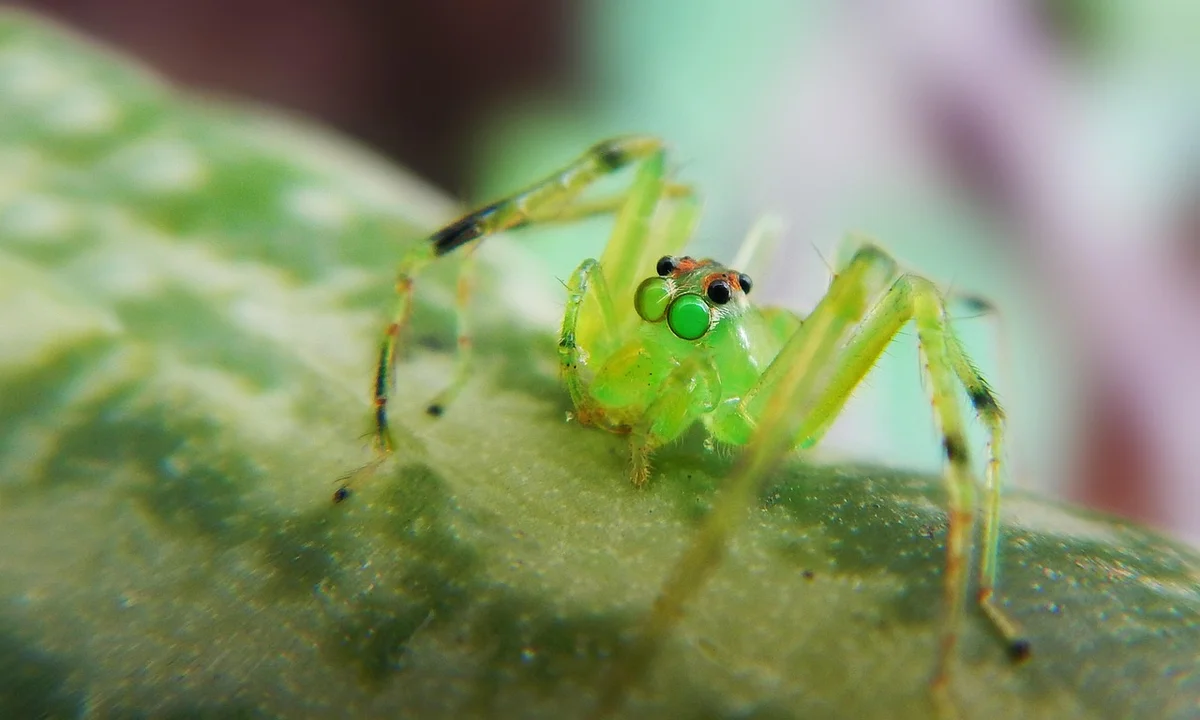
There is no single safe distance. The fatal drop for a tarantula isn’t measured in feet, but in the catastrophic rupture of its abdomen. Think of the abdomen not as a simple sack, but as a pressurized, fluid-filled chamber-a hydrostatic skeleton that enables movement. A fall from even a table can puncture this chamber.
My rule, forged from a panicked rehousing of my OBT, Flash, is simple: Never handle your tarantula higher than you are willing to see it fall onto a hard surface. For me, that’s a few inches over a padded table. Flash’s lightning speed taught me that overconfidence is the biggest risk.
Larger, heavier species like my Theraphosa stirmi, Goliath, are at extreme risk. A short fall for them has the impact force of a water balloon hitting concrete. Their size offers no protection. Conversely, a small, light juvenile might survive a tumble that would kill an adult. Do not test this; survival is not the same as escaping internal injury. A hidden rupture can lead to a slow, fatal leak of hemolymph.
Arboreal vs. Terrestrial: Not All Falls Are Equal
Evolution shapes survival. Arboreal tarantulas, like those in the Psalmopoeus genus, are built for life in the trees. Their lighter, more compact bodies and increased grip strength from specialized foot pads make them more resilient to occasional slips in their native habitat. They are not indestructible, but their design mitigates risk. Handling considerations differ with habitat: arboreals are typically more skittish and difficult to handle, while terrestrial tarantulas are often calmer but still require careful, minimal handling.
Terrestrial tarantulas, like my Grammostola rosea, Rosie, are ground architects. Their world is horizontal. A fall is an unnatural catastrophe for a heavy-bodied terrestrial, a pure physics disaster with no evolutionary safeguard. Their higher mass and less grippy tarsi make them incredibly vulnerable.
This distinction directly informs enclosure safety. For an arboreal like a Psalmopoeus irminia, providing ample height with soft substrate and cork bark breaks below is part of good design. For a terrestrial, enclosure height is a hazard. I keep the distance from the substrate to the lid for my terrestrials no greater than 1.5 times their leg span to prevent climbing falls. This single husbandry choice eliminates the most common cause of captive falling deaths.
Prevention: Building a Safe Enclosure
-
Select appropriate enclosure height for terrestrial species. I house my terrestrial tarantulas, like Rosie, my Grammostola rosea, in enclosures where floor space dominates. For a terrestrial tarantula, the distance from the substrate surface to the lid should not exceed 1.5 times its diagonal leg span to prevent dangerous climbs. A wide, shallow container mimics their natural ground-dwelling habits and removes the temptation to ascend. This approach highlights the difference from arboreal setups. In an enclosure setup guide, you’ll compare terrestrial tanks—emphasizing floor space—with arboreal tanks that prioritize height and climbing surfaces.
-
Use deep, soft substrate to cushion any accidental tumble. My Burgundy Goliath, Theraphosa stirmi, thrives on 6-8 inches of damp coconut fiber and peat moss. This depth allows for natural burrowing and creates a forgiving landing pad that can absorb the impact of a short fall. The substrate should be moist enough to hold a shape without being waterlogged, providing both humidity and safety.
-
Place all hides and decor low to the substrate. After my OBT, Flash, used a tall piece of cork bark as a launchpad for webbing, I learned to secure everything at ground level. Position hides, water dishes, and any decor directly on the substrate line to eliminate high points from which a tarantula could slip, especially when following the recommended setup in your tarantula enclosure. This design encourages natural behavior while minimizing vertical risk.
-
Secure the lid firmly to prevent escape attempts and subsequent falls. I use locking lids or sturdy clips on every enclosure, especially for my curious and fast Pterinochilus murinus. A failed lid led to a heart-stopping recapture of Flash from my bookshelf, a household fall far more dangerous than any within its tank. Test the seal regularly; if a leg can pry it open, it is not secure enough.
-
Adopt a “Look, Don’t Touch” policy to avoid handling-related drops. The single most effective prevention is to keep your hands outside the enclosure. Handling induces stress for the animal and places it entirely at risk from human error, a drop onto a hard floor is almost always catastrophic. I find greater joy in observing the silent stalk of a hunt than in holding a frightened creature.
First Aid: What to Do If a Fall Happens
-
Do not panic. Avoid touching the tarantula immediately. Your rapid movement can cause more stress. Take a deep breath and assess the situation from a slight distance; a startled tarantula may bolt and injure itself further. Should you need to move them for a safe rehouse, have a secure, ventilated transport container ready. Gently guide the tarantula into it and relocate to the new enclosure slowly and calmly. I recall freezing when Rosie took a rare tumble during a rehousing, and my stillness allowed her to orient herself.
-
Observe for obvious injury: fluid leaks, a dented abdomen, curled legs. Look for the glistening sheen of hemolymph (the tarantula’s blood) or an abdomen that looks deflated or pinched. A tarantula holding its legs tightly curled under its body, unable to support its weight, is a grave sign. Use a soft light to inspect without casting shadows that might provoke movement.
-
If ruptured, the guide will explain the difficult prognosis and humane considerations. A significant abdominal rupture is typically fatal. As a keeper, you must weigh the tarantula’s suffering against the slim chance of recovery; consultation with an experienced breeder or exotic vet is critical for making a humane decision. I have never had a tarantula survive a major rupture, a sobering reality of their delicate physiology.
-
For a seemingly unhurt tarantula, minimize stress and provide quiet, stable conditions. Gently return it to its enclosure if possible, using a soft brush to guide it. Then, leave it completely alone for at least 24-48 hours in its familiar environment with correct temperature (70-80°F) and humidity. This is the first 24 hours of your new tarantula’s acclimation. Look ahead to a simple step-by-step acclimation guide to navigate the upcoming care steps. Do not offer food, as digestion is stressful. Watch from afar for normal movement.
-
Monitor closely through the next molt, as hidden damage can surface. Internal injuries can weaken the exoskeleton or impair the molting process. The next ecdysis will be the ultimate test, revealing any hidden cracks or deformities that could complicate the shed. After a minor fall, my T. stirmi molted successfully but with a slight unevenness in its new setae, a reminder of the hidden toll.
Learning from Close Calls: A Keeper’s Perspective
My heart has stopped more than once. A sudden skitter up the side of a plastic tub during a rehouse, a lightning-fast teleport from an opened lid. Every experienced keeper has a story about the one that almost got away, and those stories are the best teachers you will ever have.
I remember rehousing Flash, my Orange Babbler Tarantula. One second she was in her old enclosure, the next she was a vibrant orange streak scaling the side of my work table. Her speed is a humbling defense mechanism. A fall from that height onto a hard floor would have been a potential disaster. We worked slowly, using clear guiding containers, and she was safely contained. The rule is simple: all maintenance happens in a secure, escape-proof area, like a large plastic bathtub or a dedicated room with blocked floor vents.
Contrast that with my old Chilean Rose, Rosie. A deliberate, plodding walker. Her threat isn’t speed, but her surprising weight and fragility. A tumble from even a modest height because she was spooked during handling could rupture her. This taught me that terrestrial tarantulas, with their heavy bodies, are like water balloons dropped from a counter. Docility does not equal durability; a calm tarantula is still a profoundly fragile animal.
The Two-Foot Rule and Why It’s Not Enough
You’ll hear a common myth: “They can’t get hurt from falling less than two feet.” This is a dangerous assumption. I’ve seen a juvenile tarantula rupture from an 18-inch drop onto a hard surface. The variable isn’t just height—it’s mass, angle, surface, and pure luck. Tarantulas do jump. They leap to bridge gaps or escape threats, and their jump height depends on their size, leg strength, and the surface they’re on.
A fall onto a soft, deep substrate is often survivable; the same fall onto hard plastic, glass, or a table edge is often fatal.
Your goal is to engineer an environment where a fall is impossible, not to guess at a “safe” distance.
Preventative Husbandry is True Care
Your daily choices build a safety net. Here is the protocol born from my close calls.
- Always Work Low: Place enclosures on the floor when opening them. Sit cross-legged. Minimize the potential fall distance to zero.
- The Transfer Tube Method: For nervous species, connect the old and new enclosures with a large, soft plastic tube. Let them walk across on their own terms, in darkness.
- Know Your Animal’s Triggers: My Goliath (T. stirmi) flicks hairs at vibrations. I now tap her enclosure gently before any interaction to signal my approach, reducing her startle response.
- Secure Every Lid: Use clips. Test them. Arboreal tarantulas are powerful and can pry lightweight tops open.
These steps aren’t just about preventing falls. They are about reducing stress, which is the silent killer in our hobby. A calm tarantula is a tarantula that isn’t bolting, isn’t hiding, and isn’t one mistake away from a fatal accident. Your observation and respect form the true barrier between your pet and harm. Look, don’t touch. Plan, don’t panic. This is the keeper’s way. If you’re looking to safely handle and hold your tarantula, follow our step-by-step guide. It walks you through each careful move to keep you and your pet calm and safe.
FAQs
Can a tarantula survive a fall if it lands on a soft surface?
Yes, landing on a deep, soft substrate like several inches of moist coconut fiber can significantly increase a tarantula’s chance of surviving a fall. The cushioning material absorbs the impact force that would otherwise rupture the abdomen. However, survival is not guaranteed, and internal injuries can still occur. Prevention by eliminating fall risks is always superior to relying on a safe landing.
How can I prevent my pet tarantula from falling?
The primary method is to design a safe enclosure that minimizes climbing opportunities. For terrestrial species, ensure the distance from the substrate to the lid is no more than 1.5 times the spider’s leg span. Always use a secure, locking lid to prevent escape attempts that lead to household falls. Most importantly, adopt a strict “look, don’t touch” policy to entirely avoid handling-related drops.
What should I do if my tarantula falls and is injured?
First, remain calm to avoid causing the tarantula more stress. Gently observe for clear signs of injury like fluid leaks, a dented abdomen, or paralyzed legs. If a major rupture is visible, the prognosis is very poor and humane considerations must be made. For a tarantula that appears unhurt, return it to its quiet, stable enclosure and monitor it closely for the next 48 hours and through its subsequent molt. If you suspect internal injuries or if the tarantula’s condition worsens, seek veterinary care immediately.
Do all tarantula species have the same risk from falls?
No, risk varies significantly between types. Heavy-bodied terrestrial tarantulas are the most vulnerable, as a fall is an unnatural event for them. Arboreal species are somewhat more resilient due to their lighter build and adaptations for life in trees, but they are not immune to injury. Regardless of species, no tarantula’s body is designed to withstand the impact of a drop onto a hard surface.
Are arboreal tarantulas more or less susceptible to fall damage than terrestrial ones?
Arboreal tarantulas are generally less susceptible than heavy terrestrials, but they are still at serious risk. Their lighter mass and stronger grip help them navigate vertical spaces in the wild, which offers some mitigation. However, in captivity, a fall from the top of a tall enclosure onto a hard surface can still cause fatal injury. Proper enclosure setup for arboreals includes providing soft substrate and strategic fall breaks like cork bark. These considerations point to a key distinction: essential enclosure features differ for terrestrial versus arboreal tarantula enclosure. Terrestrials require a broad base and deep substrate for burrowing, while arboreals need tall vertical space with secure climbing options and breaks to prevent falls.
The Final Molt
The single most important husbandry parameter for preventing a fatal fall is providing an enclosure with a height no greater than 1.5 times your tarantula’s diagonal leg span. This simple rule creates a safe environment where the risk of a dangerous drop is virtually eliminated, allowing you to focus on the more enriching aspects of their care.
With a secure habitat established, your true journey begins: quiet observation. Watch Rosie, my G. rosea, sit in perfect stillness for weeks, a master of energy conservation. Observe Goliath, my T. stirmi, meticulously pat down its damp substrate. Marvel at the intricate silken architecture Flash, my OBT, builds overnight. Patience is not just a virtue in this hobby; it is the primary tool that reveals the fascinating, slow-motion drama of a tarantula’s life. Your reward is not a handling session, but the privilege of witnessing natural behaviors unfold in the silent, purposeful world you’ve helped create.
Further Reading & Sources
- r/tarantulas on Reddit: Fall Damage
- Can Tarantulas Die From Falling? Prevention And Treatment – Cute Monster Care
- What happens when a tarantula falls? – Quora
Arlo is a lifelong arachnid enthusiast who believes tarantulas are the world’s most misunderstood roommates. With years of hands-on experience in tarantula care, habitat setup, and species behavior, Arlo combines expert knowledge with a dash of humor to make spider ownership less scary and a lot more fascinating. From choosing the right enclosure to understanding why your eight-legged buddy is doing that weird little pose again, Arlo is here to help you become the best tarantula parent you can be, without getting tangled in the web of misinformation.
Tarantula Myths and Misconceptions