
What to Do if Your Pet Tarantula Refuses to Eat (Causes and Solutions)
Many tarantulas, like my fifteen-year-old Chilean Rose Hair Grammostola rosea named Rosie, cultivate a reputation for astonishing dietary patience. A tarantula’s sudden fasting is rarely an emergency but a complex behavioral cue, demanding a keeper’s calm observation over immediate intervention. This article dissects the common causes, from the silent approach of a molt to subtle husbandry imbalances, and provides step-by-step solutions I’ve used for spiders from docile ‘pet rocks’ to defensive Old World species.
Quick Stats:
- Origin: A global behavior observed in tarantulas from arid deserts to humid rainforests.
- Type: Both New World (e.g., Grammostola, Brachypelma) and Old World (e.g., Pterinochilus) species undergo fasting periods.
- Growth Rate: Faster-growing species may fast more frequently before molts, while slow-growers like G. rosea can maintain marathon fasts.
My guide will help you navigate these hungry silences with confidence, transforming worry into informed, respectful care.
Understanding Normal Tarantula Feeding Behavior
Before panic sets in, you must grasp their innate biological tempo. A tarantula’s metabolism is not like a dog’s. Their energy needs are minimal, and their digestion is a slow, deliberate process. Fasting is not an emergency; it is a standard part of their rhythm, often tied to the monumental task of growing a new exoskeleton.
The Natural Rhythm of Tarantula Appetite
Appetite is cyclical. A juvenile might eat voraciously one week and ignore food the next as it enters a pre-molt phase. Adults, like my 15-year-old G. rosea Rosie, can fast for staggering periods. Her personal record is fourteen months. She emerged from that fast, molted perfectly, and ate a cricket like nothing happened. Their bodies are designed for feast and famine, storing resources for times of renewal or scarcity.
Observing this cycle teaches patience. A healthy tarantula will not starve itself. The refusal is a message, not a malfunction. I chart feeding attempts and refusals in a simple log. This record reveals patterns and separates normal behavior from potential problems. This vigilance helps prevent common health issues beginners often encounter, such as dehydration and problematic molts. Early detection through the log makes warning signs easier to spot and address.
Signs Your Tarantula is Ready to Feed
Do not drop prey in randomly. Watch for clear signals. A tarantula in feeding mode is alert and positioned for action.
- Posture: It stands tall on its toes, front legs slightly raised and pedipalps forward. The body is poised, not flattened against the substrate.
- Movement: It may turn to face movement in the enclosure. A subtle shift in stance indicates interest.
- Timing: Offer food during their active periods, typically at dusk or night. Dropping a cricket into a burrow at noon is rude and ineffective.
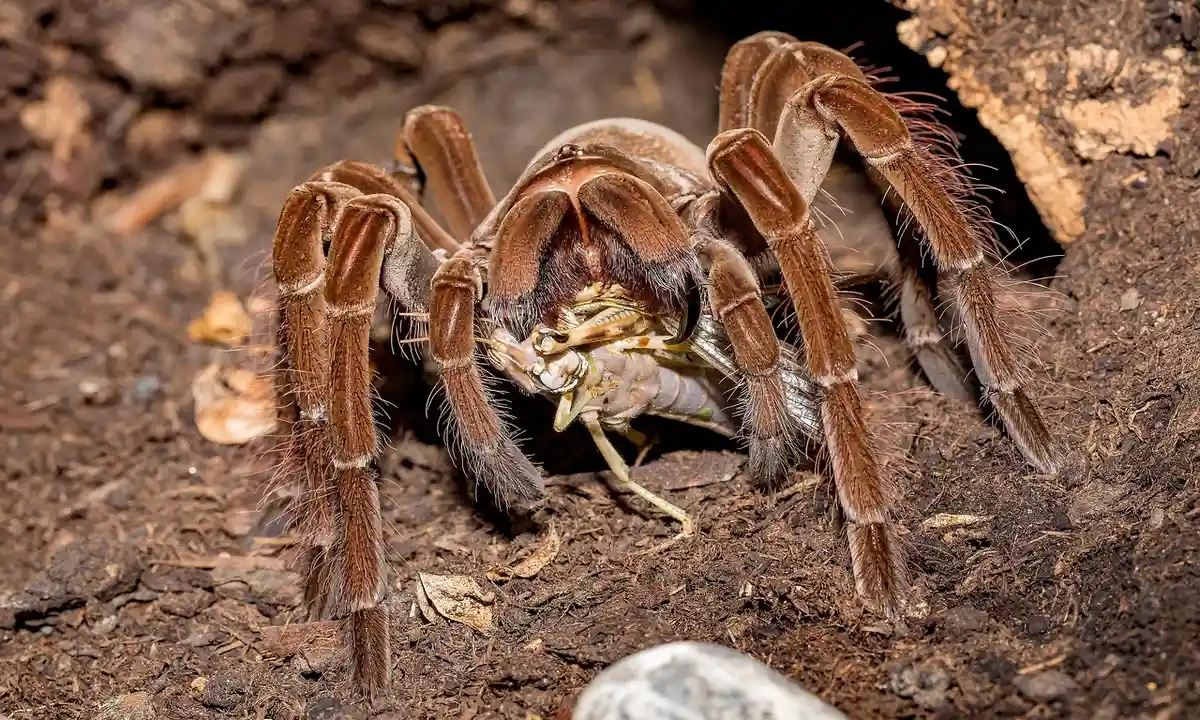
Recognizing this ready posture prevents wasted prey and reduces stress for a spider that wants to be left alone. My OBT, Flash, will literally sprint from his retreat when hungry. My T. stirmi, Goliath, assumes a deliberate, statuesque hunting stance.
Investigating the Causes of Feeding Refusal
When “not hungry” stretches into concern, become a detective. Systematically eliminate possible causes, starting with the most common.
Pre-Molt and Post-Molt Fasting
This is the number one reason. The process of ecdysis demands immense energy and physiological change.
- Pre-Molt Signs: The abdomen darkens and appears shiny or balding from kicked-off hairs. The tarantula seals its burrow or retreat. It becomes lethargic and often refuses food for weeks. A plump tarantula that stops eating is almost certainly in pre-molt.
- Post-Molt Protocol: After molting, their new exoskeleton is soft. Do not offer food until their fangs have hardened, which takes 7-14 days for larger spiders. Attempting to feed too early can injure the tarantula, and the prey can harm it.
Environmental Stress Factors
Tarantulas are environmental barometers. Discomfort shuts down their appetite immediately.
Incorrect Temperature and Humidity
This is a frequent culprit. Each species has a range.
Too cold (below 70°F/21°C for many) slows metabolism to a halt. Too dry or too wet creates osmotic stress. My Goliath bird eater needs 75-80% humidity; offering food when the enclosure was too dry resulted in immediate refusal. My desert-dwelling Rosie wants it bone dry. Use a digital hygrometer, not guesswork.
Improper Enclosure Setup
Stress stems from feeling exposed or insecure.
- Lack of Hide: Every tarantula needs a secure retreat. An open enclosure is terrifying.
- Excessive Vibration/Foot Traffic: Constant disturbance inhibits feeding. Place enclosures in calm areas.
- Wrong Substrate: Arid species on soggy soil, or moisture-dependent species on dry sand, will refuse to eat. The right substrate provides not just moisture but critical security for burrowing or anchoring.
Issues with the Prey Itself
The problem might be the meal, not the eater.
- Prey Size: Offering a cricket or roach that is too large is intimidating. Prey should be no larger than the tarantula’s abdomen.
- Prey Type: Some individuals develop preferences. Try switching from crickets to dubia roaches or red runner roaches.
- Prey Activity: An overly aggressive, fast-moving prey item can stress a nervous spider. For hesitant eaters, I pre-kill the insect and leave it near the tarantula’s hide overnight.
A motionless, appropriately-sized meal placed at the right time can make all the difference for a cautious tarantula. Reading its feeding dance—the subtle leg movements and pauses—tells you when it’s ready to eat. Watching these cues helps you time the offering for a clean strike.
Behavioral and Health-Related Causes
Finally, consider the individual and its wellbeing.
- Simple Fullness: A tarantula with a large, round abdomen is simply full. Overfeeding is a greater risk than underfeeding.
- Seasonal Changes: Some adult tarantulas reduce feeding in winter months, mirroring natural cycles.
- Parasites or Injury: This is rare but serious. Look for mites, a shriveled abdomen despite available water, or obvious wounds. A tarantula that is listless, curled awkwardly, or has a leaking abdomen needs an exotic veterinarian.
Ninety-nine percent of feeding refusals resolve with time and minor husbandry tweaks, not medical intervention. My years in this hobby have taught me that observation, patience, and a perfectly dialed-in enclosure are the true solutions.
Immediate Action Plan for a Non-Eating Tarantula
Step 1: Assess for Impending Molt
Before you change anything, observe your tarantula’s physical state. A darkening, shiny abdomen and increased lethargy are classic pre-molt signs. My old Chilean Rose Hair, Rosie, will seal herself off and refuse food for months beforehand. An approaching molt is the single most common reason for a healthy tarantula to stop eating, and attempting to feed during this time is stressful and dangerous for them. Look for other clues like excessive webbing or a bald spot on the abdomen from kicking urticating hairs.
Step 2: Evaluate and Adjust the Environment
If a molt isn’t imminent, scrutinize the enclosure. Temperature and humidity are foundational.
- Temperature: Is it between 70-80°F for most species? A cool room can drastically slow metabolism.
- Humidity: This is species-critical. My Burgundy Goliath (T. stirmi) demands 80%+ humidity and will fast if it drops, while my OBT (P. murinus) would simply web over its water dish. Research your species’ precise needs.
- Substrate & Space: Is the substrate deep enough for burrowing species? Is the enclosure too large or too bare, making the tarantula feel exposed and insecure?
A single parameter being off can trigger a shutdown, so measure with a digital gauge-don’t guess.
Step 3: Experiment with Prey Presentation
Tarantulas can be picky. I’ve had individuals that only take crickets, never mealworms. Knowing whether to feed live or pre-killed prey can also influence their acceptance.
Step 4: Ensure Perfect Hydration
Dehydration kills appetite long before it kills the tarantula.
- Provide a clean, shallow water dish at all times, even for species from arid climates.
- For humidity-dependent species, pour water directly into a corner of the substrate to create a moisture gradient.
- Gently overflow the water dish during weekly maintenance to dampen the lower substrate layers.
To support this, create a proper substrate moisture gradient for your tarantula. A damp zone and drier areas let the spider regulate its moisture needs. I have seen a fasting tarantula resume eating within days of improving its hydration, making this a simple yet powerful intervention.
Step 5: Implement a “Leave It Alone” Protocol
Stress is a silent appetite killer. Your actions can be the primary source.
- Stop all handling immediately.
- Minimize enclosure vibrations and shadows from reaching over the tank.
- Perform maintenance quickly and gently, only when necessary.
- Space feeding attempts 7-10 days apart to reduce pressure.
Creating a predictable, quiet environment allows your tarantula to feel secure enough to resume its natural behaviors, including hunting. This feeding behavior guide helps you tell if your tarantula is hungry or stressed and how to respond. Recognizing these cues lets you time meals to reduce stress.
Navigating Molt-Related Hunger Strikes
Tarantula Not Eating Before a Molt: The Waiting Game
This period, called pre-molt, is a biological imperative. Their old exoskeleton, including the fangs, becomes separate and useless. Physically, they cannot eat because their feeding structures are being recycled for the new molt. The fasting duration varies wildly: a sling may stop for a week, while a large adult like a 15-year-old Grammostola can fast for 8-12 months. During this time, your only jobs are to maintain perfect hydration and do not disturb. Any offer of food will be ignored and will only increase their stress.
Tarantula Not Eating After a Molt: The Recovery Phase
The new exoskeleton, including the fangs, is soft and needs time to harden. This process, called sclerotization, can take from a week for a small spider to several weeks for a large one. Attempting to feed before the fangs are fully hardened and dark (from a pale, translucent pinkish-white) can cause them to break, leading to starvation. Wait a minimum of 7-10 days after the molt for a sling, and up to 2-3 weeks for a hefty adult. For the first meal post-molt, offer a smaller, softer prey item like a pre-killed mealworm to ensure an easy, safe victory.
When Feeding Refusal Signals a Health Problem
A fasting tarantula is usually fine, but some signs shift the situation from observation to action. Learning to read these subtle cues separates routine care from critical intervention.
Identifying Signs of Illness or Injury
Look past the refusal to eat and examine the animal’s condition and environment. Key warning signs are often physical changes or behaviors that deviate sharply from your tarantula’s established normal.
Perform a visual inspection without disturbing your pet. Look for:
- Dehydration: A shriveled, shrunken abdomen, sometimes called a “raisin butt,” is a primary indicator. The spider may also sit low and flat against the substrate.
- Injury: Visible wounds, leaking hemolymph (the tarantula’s blood, which looks like a clear or milky fluid), or missing limbs can cause stress and pain, eliminating appetite.
- Parasites: Small, moving mites appear as tiny specks around the book lungs (underside of the abdomen) or mouthparts. A tarantula plagued by mites may sit oddly or groom incessantly.
- Dyskinetic Syndrome (DKS): This is a grave neurological condition. Symptoms include constant, uncoordinated leg trembling, an inability to walk correctly, and a general loss of limb control.
- Post-Molt Complications: If your tarantula has recently molted and refuses food for an unusually long time (e.g., 3+ weeks for a juvenile), check for retained sutures (old skin) on the abdomen or limbs, or deformed fangs.
I once had a sling that stopped eating and began sitting with its legs tucked. Upon close inspection, I found a microscopic mite cluster near its spiracles. Context from your routine observations is your most powerful diagnostic tool; a sudden change in posture or location combined with food refusal warrants a magnifying glass.
Seeking Professional Help
Tarantula medicine is a specialized field. Most standard veterinarians lack the requisite knowledge. Your first and best resource is the collective expertise of the arachnocultural community.
Take clear, well-lit photographs and videos of the concerning behavior or physical sign. Share these with trusted online forums or specialist groups. For cases of severe injury, like a ruptured abdomen, you may need to locate an exotic veterinarian. Be prepared to describe the enclosure’s temperature, humidity, and recent history in detail.
In acute cases of dehydration, a shallow water dish placed directly against the tarantula’s mouthparts can be a critical first-aid measure, often more effective than force-feeding or intrusive baths. For mites, carefully moving the tarantula to a clean, bare enclosure with only a water dish can isolate it while you address the infested habitat.
Long-Term Husbandry for Consistent Feeding
Prevention is the ultimate cure. A tarantula thriving in a correctly set up enclosure is far more likely to be a consistent, eager eater. This requires tailoring your care to the species, not just the animal. Common tarantula enclosure mistakes to avoid include improper humidity, inadequate space, and unsuitable substrate. Avoiding these pitfalls helps ensure prevention stays effective and your tarantula thrives.
Optimizing Your Enclosure for Low Stress
Stress is the silent appetite killer. Your goal is to create a secure, species-appropriate space. For my fossorial OBT, Flash, that means deep, packed substrate for burrowing. For my moisture-loving Goliath, it’s damp substrate and high humidity.
- Substrate Depth: Burrowing and terrestrial species need substrate at least 1.5 times their leg span in depth. This allows for natural digging, which reduces stress immensely.
- Cover and Anchor Points: Provide ample hiding spots (cork bark, half-logs) and anchor points for webbing. A tarantula that feels exposed will remain in a defensive state, not a feeding one.
- Correct Humidity: Use a digital hygrometer. My T. stirmi’s enclosure stays at 80-85% humidity, which I maintain with regular top-ups of water into the corner substrate. My G. rosea’s is bone dry aside from her water dish.
- Minimize Vibrations and Disturbance: Place enclosures in low-traffic areas. The husbandry mantra of ‘let it be’ is founded on the truth that a forgotten tarantula is often a content tarantula.
Establishing a Balanced Feeding Schedule
Overfeeding is as problematic as underfeeding. A fat tarantula can fast for a year, but an obese tarantula is at risk of a fatal abdominal rupture from a fall.
For juveniles, I offer prey once every 5-7 days, removing uneaten food within 24 hours. For adults like my 15-year-old Rosie, a single large cricket every 3-4 weeks is often sufficient. The abdomen should be no larger than 1.5 times the size of the carapace. Learn to read the abdomen’s size, not the calendar, to gauge when to offer food next.
Choosing the Best Prey for Enrichment
Variety and appropriate size stimulate natural hunting behaviors. I rotate through several feeders:
- Dubia Roaches: My staple for most tarantulas. They are nutritious, cannot climb smooth walls, and don’t burrow deeply, reducing prey-based stress.
- Red Runner Roaches: For my faster tarantulas, these provide excellent movement-based stimulation.
- Mealworms/Superworms: Use with caution. Always crush the head to prevent burrowing. I use these sparingly as a supplement.
- Crickets: A classic, but I quarantine them for 24-48 hours with high-quality food (gut-loading) to boost their nutritional value. Never leave a live cricket unattended with a molting or fasting tarantula, as they can cause injury.
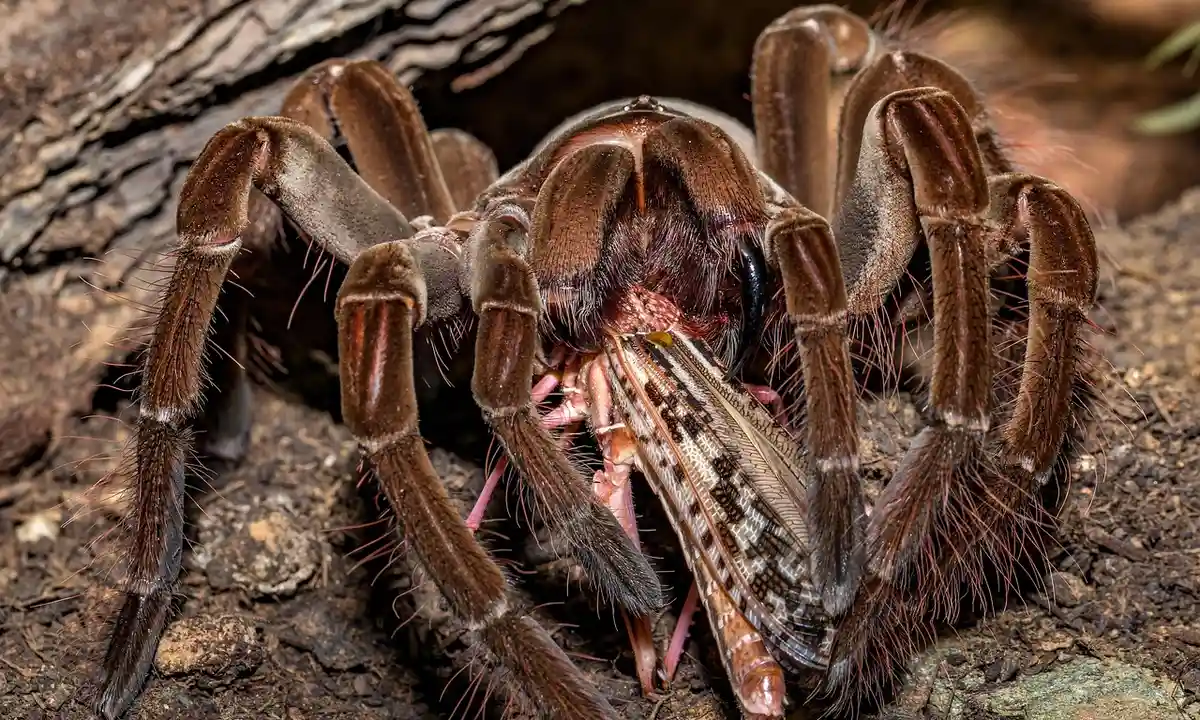
The sudden strike, the precise injection of venom, and the silent consumption are natural behaviors we must facilitate, not interrupt. By providing secure housing and thoughtful prey options, you create the conditions for your tarantula to express its instincts on its own terms. Tarantulas are ambush predators that hunt and capture their prey by striking quickly and injecting venom, then liquefying and consuming it. Providing appropriately sized live or pre-killed prey lets them exercise this natural hunting instinct.
Common Questions
My tarantula hasn’t eaten in months. Should I panic?
For many adult tarantulas, especially slow-growing species like the Chilean Rose Hair, fasting for several months is completely normal and not a cause for panic. This is particularly true in the lead-up to a molt, where they can fast for 8-12 months. The key is to monitor the tarantula’s abdomen size; a plump abdomen indicates stored resources. Continue to provide fresh water and focus on maintaining perfect, stress-free husbandry while you wait.
It’s been two weeks since my tarantula molted and it still won’t eat. Is this okay?
Yes, this is typically within a normal range. The hardening process (sclerotization) of the new exoskeleton and fangs can take from 7 days for a small sling to over 3 weeks for a large adult. Do not offer food until the fangs have turned a dark, hardened color from their initial pale pinkish-white. Offering prey too early risks serious injury to your tarantula’s fragile new mouthparts.
Can dehydration cause a tarantula to stop eating?
Absolutely. Dehydration is a common and often overlooked cause of appetite loss. A tarantula will frequently refuse food long before showing other severe signs. Ensure a clean, shallow water dish is always available and, for moisture-dependent species, maintain proper humidity via damp substrate. Improving hydration alone can resolve a fasting period. To tell if dehydration is the issue, look for a sunken or wrinkled abdomen and a generally dull appearance. If you observe these signs, increase humidity and ensure a readily accessible water source.
Long-Term Success Through Observation
The single most consistent factor in a tarantula’s refusal to eat is its hydration status. Ensuring your tarantula has constant access to fresh water in a shallow dish, and maintaining appropriate humidity for its species, is the foundational husbandry act that supports every other bodily function, including the appetite. A dehydrated spider is a shutting-down spider. Common heating and humidity mistakes—such as hot spots from close heat sources or consistently dry air—can quickly derail humidity and appetite. Avoid these errors by providing balanced heating and adequate ventilation to keep humidity stable.
Beyond the substrate, learn to find joy in the quiet moments. Watch the meticulous repair of a tunnel, the patient ambush at the burrow’s lip, the sudden, decisive strike. My old G. rosea, Rosie, has taught me more about patience through her fasts than any feeding response ever could. Success in this hobby is measured not in meals consumed, but in the subtle signs of a content, unstressed animal thriving in the environment you’ve crafted. Trust the process, watch closely, and let the spider’s natural rhythm become your guide.
Further Reading & Sources
- Has Your Tarantula Stopped Eating? Here’s What To Do
- Why Won’t My Tarantula Eat? – The Tye-Dyed Iguana – Reptiles and Reptile Supplies in St. Louis.
- Why Has My Tarantula Stopped Eating? | PBS Pet Travel
Arlo is a lifelong arachnid enthusiast who believes tarantulas are the world’s most misunderstood roommates. With years of hands-on experience in tarantula care, habitat setup, and species behavior, Arlo combines expert knowledge with a dash of humor to make spider ownership less scary and a lot more fascinating. From choosing the right enclosure to understanding why your eight-legged buddy is doing that weird little pose again, Arlo is here to help you become the best tarantula parent you can be, without getting tangled in the web of misinformation.
Feeding Frequency